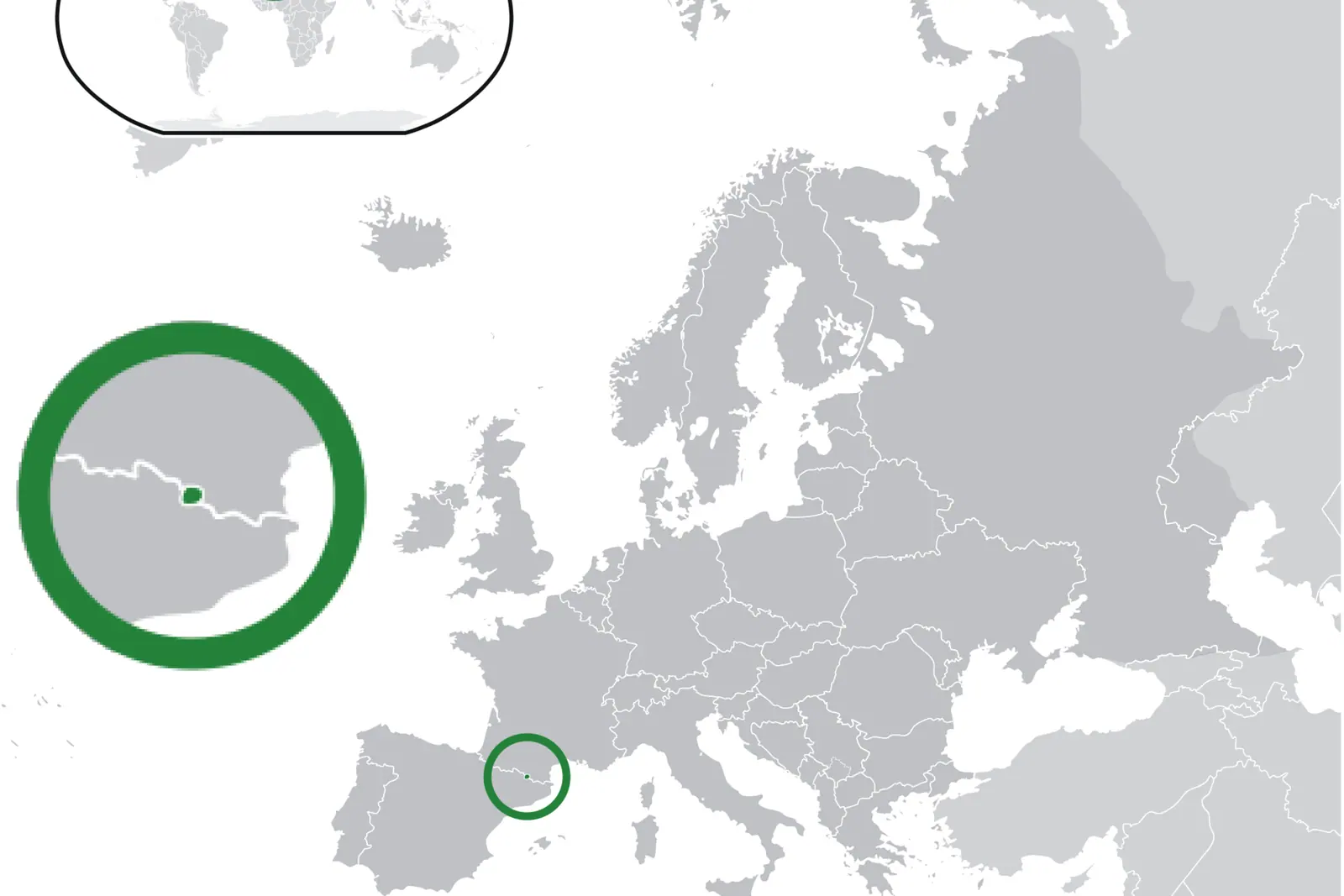
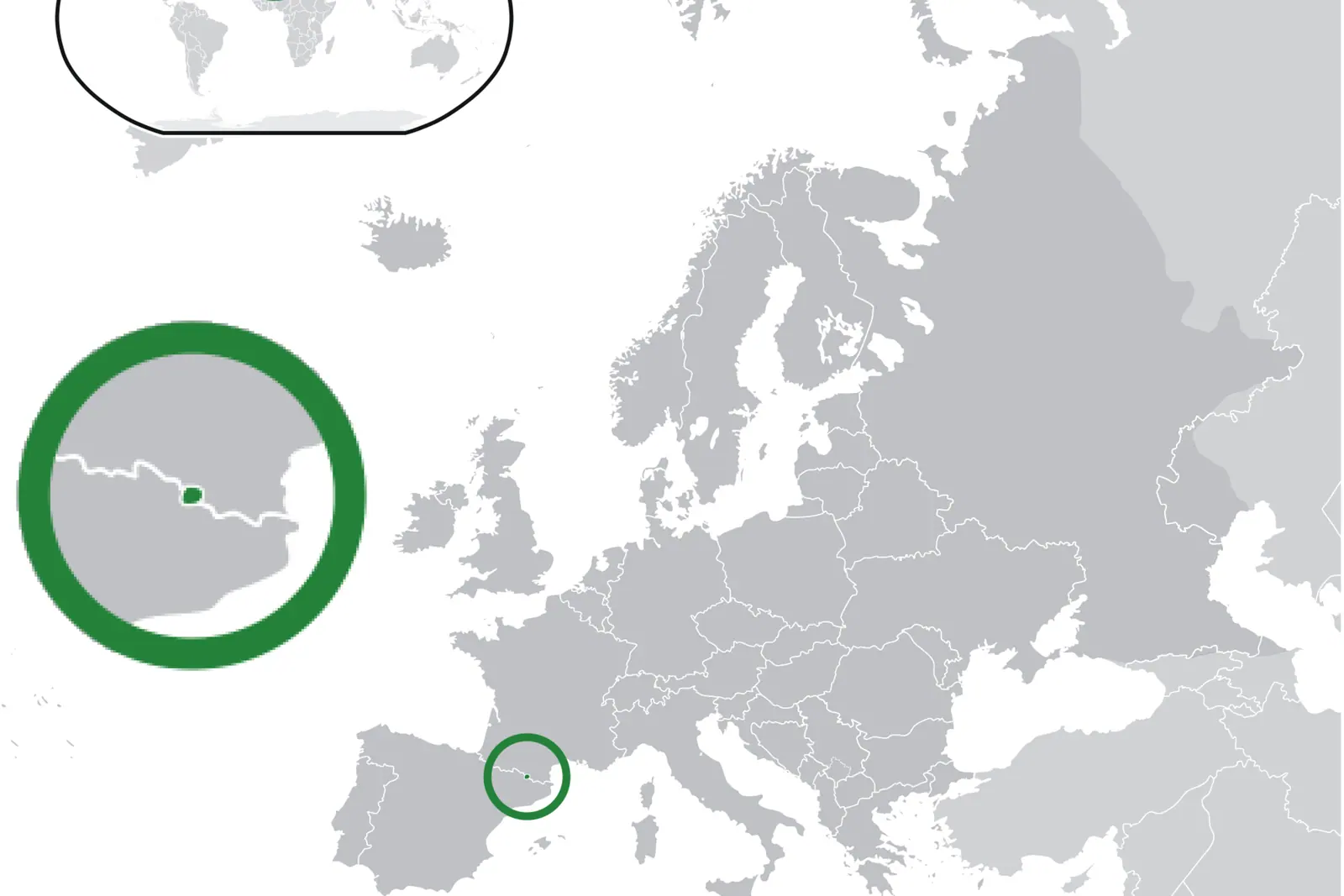
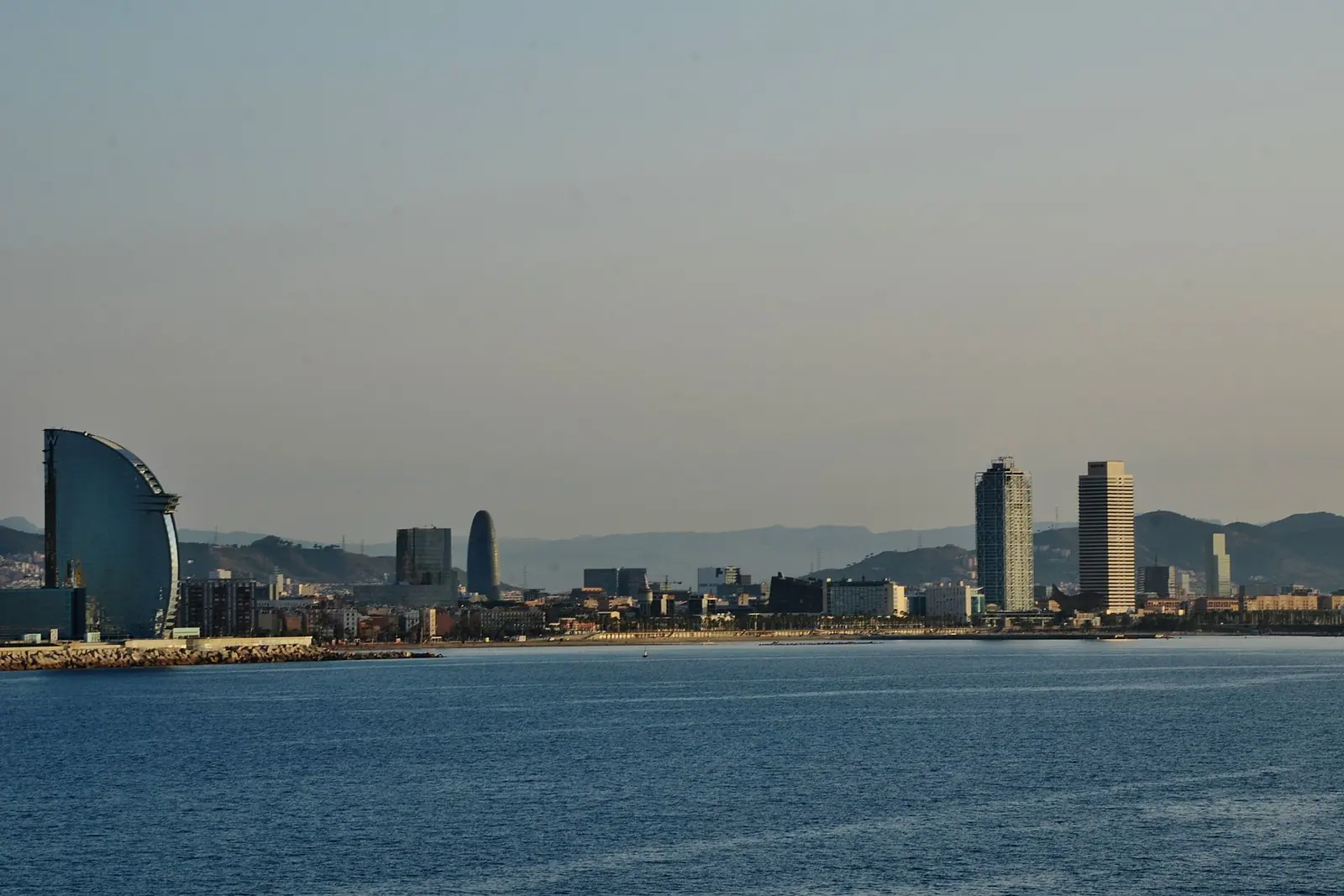
Wedged into the Pyrenees between France and Spain, Andorra packs glacier-carved valleys, ski domains and a thousand-year-old Romanesque heritage into a principality you can cross in under an hour. Its capital sits higher than any other in Europe, and the mountains rise from there to nearly 3,000 metres. Here is where to spend your time, whether you arrive for powder, hiking boots or hot springs.
Andorra la Vella and Escaldes-Engordany: the capital pair
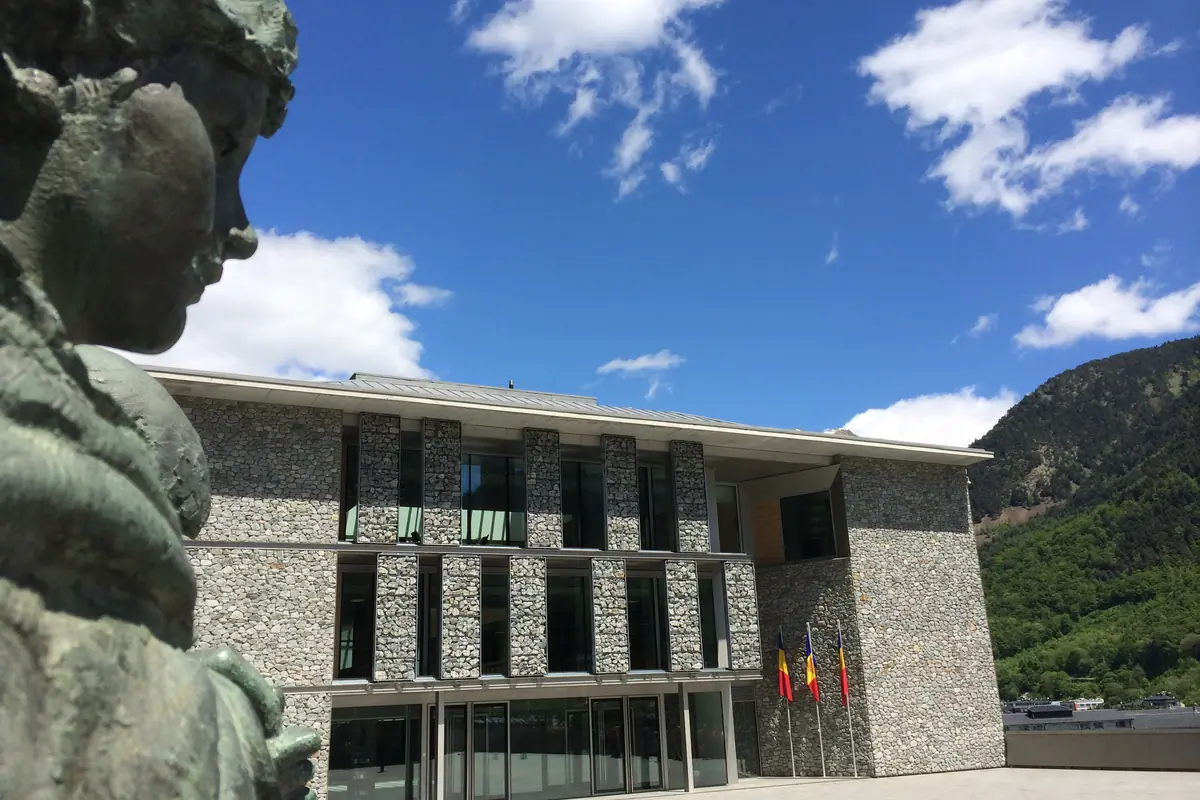
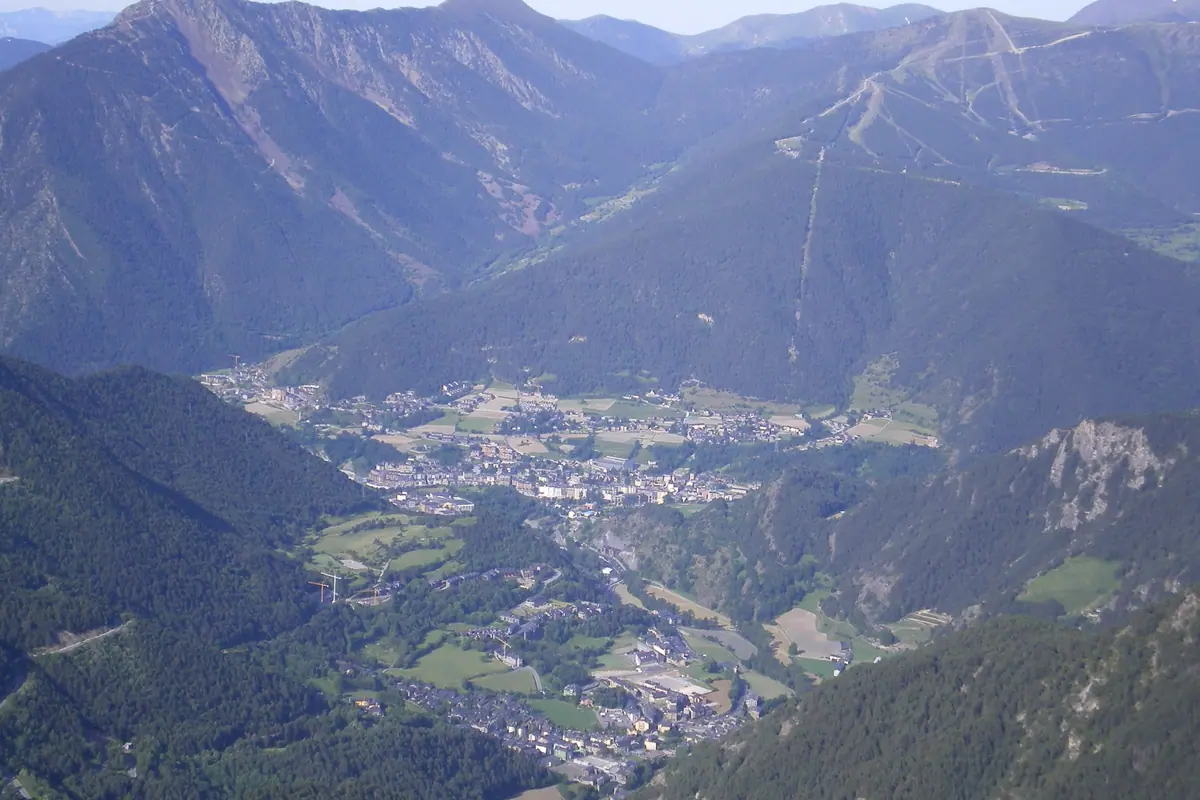
Andorra la Vella is the highest capital city in Europe, sitting at around 1,023 metres where the Valira valley narrows. The old quarter is small enough to walk in an afternoon: the cobbled Barri Antic climbs past stone houses to Casa de la Vall, a fortified manor built in the late 16th century that served as the seat of the country's parliament for centuries and still anchors the city's identity. Just above it, Plaça del Poble gives you a wide terrace over the rooftops and the valley walls — the best free viewpoint in town.
Below the old streets, Avinguda Meritxell is the capital's commercial spine, lined with shops, cafés and the Museu Carmen Thyssen Andorra, a compact art museum in Escaldes-Engordany that rotates works from a private collection. A short drive south of the centre, the Pont de la Margineda is a beautifully preserved medieval stone bridge over the Valira, and the church of Santa Coloma, with its cylindrical Lombard bell tower, dates from around the 9th to 10th century — one of the oldest religious buildings in the country.
In Escaldes-Engordany, Caldea rises like a glass shard above the hot springs that give the parish its name. The thermal spa complex uses naturally warm water and is the classic rainy-day or post-hike stop, with indoor and outdoor pools and views up the valley. Pair it with the nearby Parc Central for a low-effort afternoon. Two days in the capital area is plenty to see the sights and still leave time for the mountains.
Grandvalira: the biggest ski domain and its summer alter ego
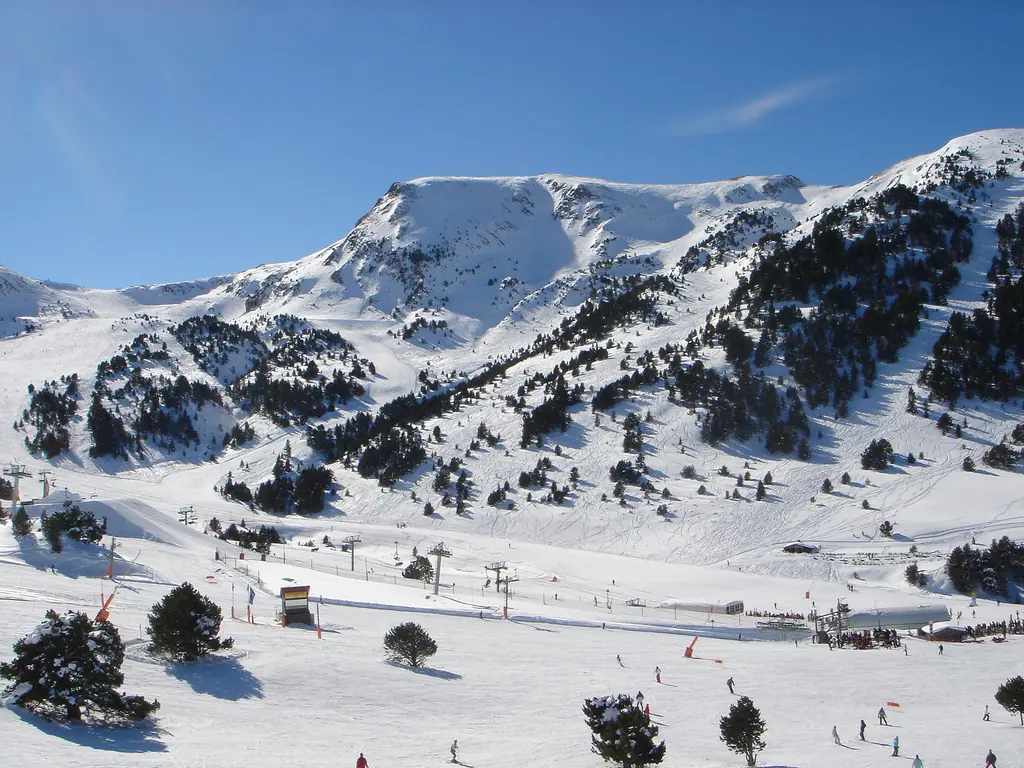
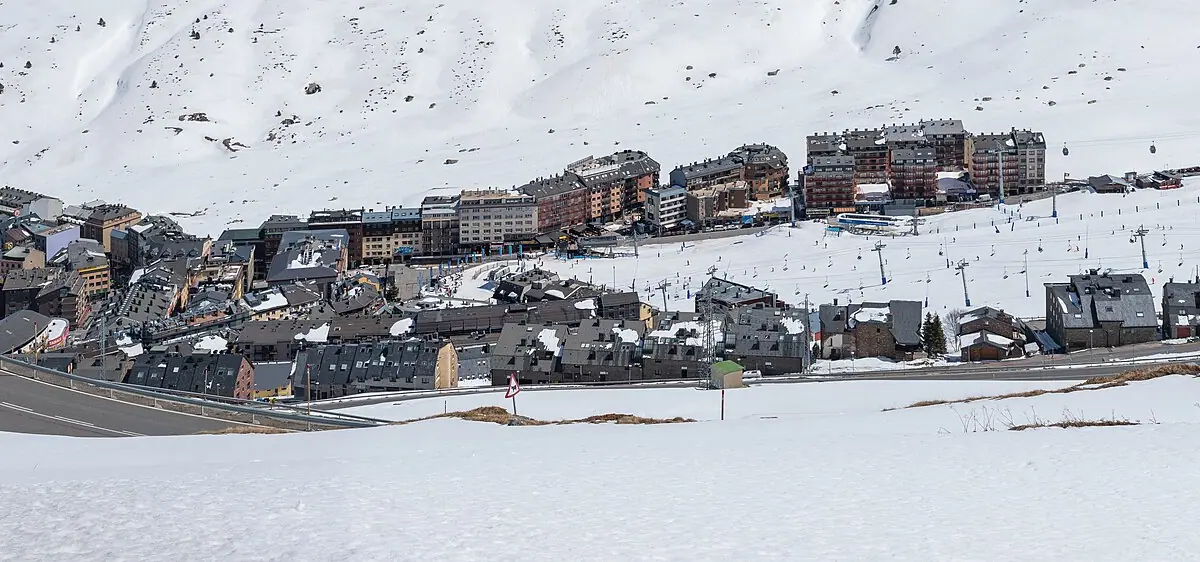
Grandvalira is the largest linked ski area in the Pyrenees, with more than 200 kilometres of pistes spread across the sectors of Pas de la Casa, Grau Roig, Encamp, Canillo, El Tarter and Soldeu. The season generally runs from late November or early December into mid-April, and Pas de la Casa, sitting above 2,000 metres on the French border, is usually the first to open and the last to close. The Funicamp cable car from Encamp whisks you from valley floor to mid-mountain in minutes, which makes basing yourself lower down entirely practical.
The terrain suits mixed-ability groups remarkably well: gentle nursery slopes around Canillo and Soldeu, long cruising runs through El Tarter and Grau Roig, and steeper off-piste off the ridge above Pas de la Casa. Soldeu and El Tarter are the liveliest villages for accommodation and evening atmosphere, while Encamp and Canillo feel calmer and more local. Weekend and holiday weeks fill fast, so book ski school and rentals well ahead if you are travelling in February or around Christmas.
When the snow melts, the same lifts carry mountain bikers, and the slopes turn into a network of marked hiking trails with wildflower meadows in June and July. Soldeu has a small golf course at altitude, and the high cols between sectors offer panoramic walks that need nothing more than decent shoes.
Vallnord: Pal Arinsal and Ordino Arcalís
Vallnord splits into two distinct areas. Pal Arinsal rises above the parish of La Massana, with the resort village of Arinsal as its main base — a friendly, compact place where most lodgings are a short walk from the gondola. Ordino Arcalís, further north beyond the town of Ordino, is higher, quieter and more exposed, and it is where local riders go for steep, deep and uncrowded descents. Together they offer a gentler, less commercial counterpoint to Grandvalira.
Arcalís is worth the winding drive for the scenery alone: the road climbs through the Sorteny valley gateway and ends in a high bowl that holds snow well into spring. In summer, Pal Arinsal becomes a lift-served bike park with downhill and cross-country trails, while the Arcalís side is better for high-mountain walking and picnics beside cold streams. Lift opening dates vary between the two, so check before committing to a plan.
La Massana itself is a useful, low-key base — close enough to both ski areas and to the capital, with the Farga Rossell ironworks museum and its water-powered hammer on the edge of town.
Romanesque churches and the country's heritage trail
Andorra's Romanesque legacy is extraordinary for such a small place, and the churches are the reason many visitors slow down. Sant Joan de Caselles, just outside Canillo on the old road, is the postcard image: an 11th- to 12th-century nave with a tall, square bell tower and a finely carved interior. At Sant Martí de la Cortinada, in the Ordino valley, surviving 12th-century wall paintings and a baroque altarpiece reward a short detour off the main road.
The Sanctuary of Meritxell, in the Canillo valley, is the country's spiritual heart — dedicated to the patron saint of Andorra and rebuilt in a modern style after a fire in the early 1970s. Pilgrims walk here in September for the national festival, and the site combines a chapel, a bridge and a small square in a way that makes it feel more like a village than a monument.
For industrial heritage, head to La Massana's Farga Rossell, a restored 19th-century forge where you can see how iron ore from the Ordino valley was smelted, then follow the Iron Route on foot between Llorts and La Cortinada. Casa Rull in Sispony offers a glimpse of how a well-off Andorran family lived a century ago. Most of these sites are small, quiet and easy to combine into a single unhurried day of driving.
High Pyrenean landscapes: Madriu, Tristaina and Coma Pedrosa
The Madriu-Perafita-Claror Valley is Andorra's UNESCO-listed cultural landscape — roughly 42 square kilometres of glacier-cut terrain with no roads at all. You can walk in from the edge of Escaldes-Engordany or from the village of Entremesaigües and follow well-marked trails past stone huts, terraced fields and old shepherds' refuges. It is the single best place in the country to feel genuinely remote, and it is accessible on foot within an hour of the capital.
In the Ordino parish, the Tristaina cirque holds three glacial lakes at around 2,300 metres; the circular walk around them takes roughly two to three hours and is one of the most rewarding half-days in Andorra. Over in Canillo, the Mirador Roc del Quer juts a metal walkway out over the valley, and the Estany de Juclar in the Incles valley is the largest glacial lake in the principality — a steady climb rewarded by cold, clear water.
Coma Pedrosa, at 2,942 metres, is the highest point in Andorra, and the day hike from Arinsal is a serious but non-technical ascent with big views into Spain. The Pessons lakes near Grau Roig make an easier high-altitude circuit. Aim for July to September for these routes: snow lingers on north-facing slopes into June, and afternoon thunderstorms are common in midsummer, so start early and carry a shell.
Family days, adventure and choosing your season
Andorra is no longer a winter-only destination. Snowshoeing, dog sledding and ski touring fill the cold months, while late spring through early autumn belongs to hiking, road cycling on the mountain passes, climbing and swimming in the country's rivers and pools. Caldea and the smaller spa and wellness centres in Escaldes-Engordany remain the reliable fallback when the weather turns, which in the Pyrenees it regularly does.
Timing matters. December to mid-April is ski season, with February the busiest and priciest. Late June to September is prime hiking weather, with wildflowers peaking in early summer and clear, cool mornings. May and October are quiet, cheap and changeable — good for spa breaks, museums and scenic drives. Note too that Andorra has no airport and no railway: most visitors arrive by road from Barcelona or Toulouse, roughly three hours each way, and a car makes exploring the valleys far easier than buses alone.
Frequently asked questions
What is the best time of year to visit Andorra?
For skiing, aim for December to mid-April, with late January and March usually offering the best combination of snow depth and quieter slopes. For hiking and high-mountain lakes, late June to September is ideal, though snow can linger above 2,400 metres into early summer. May and October are shoulder months: fewer crowds, lower rates and unpredictable weather, best suited to spa and heritage days.
How do you get to Andorra, and do you need a car?
There is no airport or train station in the principality. Most travellers arrive by road from Barcelona or Toulouse, each around three hours away, using regular coach services or a hire car. Buses link the main towns, but services are limited in the evenings and to outlying valleys, so a car is genuinely useful if you want to reach trailheads, Romanesque churches and the smaller ski sectors at your own pace.
Is Andorra worth visiting for non-skiers?
Absolutely. The Romanesque churches, the Madriu-Perafita-Claror Valley, the Tristaina lake circuit, the Roc del Quer viewpoint and the thermal spa in Escaldes-Engordany fill several days easily without ever touching a ski lift. Shopping along Avinguda Meritxell and the small heritage museums in La Massana and Sispony round out a relaxed, scenery-focused trip.
How many days do you need in Andorra?
Three to four days covers the highlights comfortably: one day in Andorra la Vella and Escaldes-Engordany, one for Romanesque churches and heritage sites, and two in the mountains or on the slopes. Skiers and hikers often stay a week or more, since the valleys reward slow exploration and day trips from a single base are easy given the country's compact size.
What should I pack for the Pyrenees?
Layers, always. Even in midsummer, mountain mornings can be close to freezing and afternoons warm enough for shorts, with afternoon thunderstorms rolling in fast. Bring a waterproof shell, sun protection for high altitude, sturdy footwear for rocky trails and something warm for evenings. In winter, proper snow tyres or chains are sometimes required on the higher passes, and sturdy boots matter more than fashion on the village streets.
Plan it — experiences in Andorra
Live search, booked directly with trusted providers.
Sort the rest of your trip
Everything for Andorra, in one place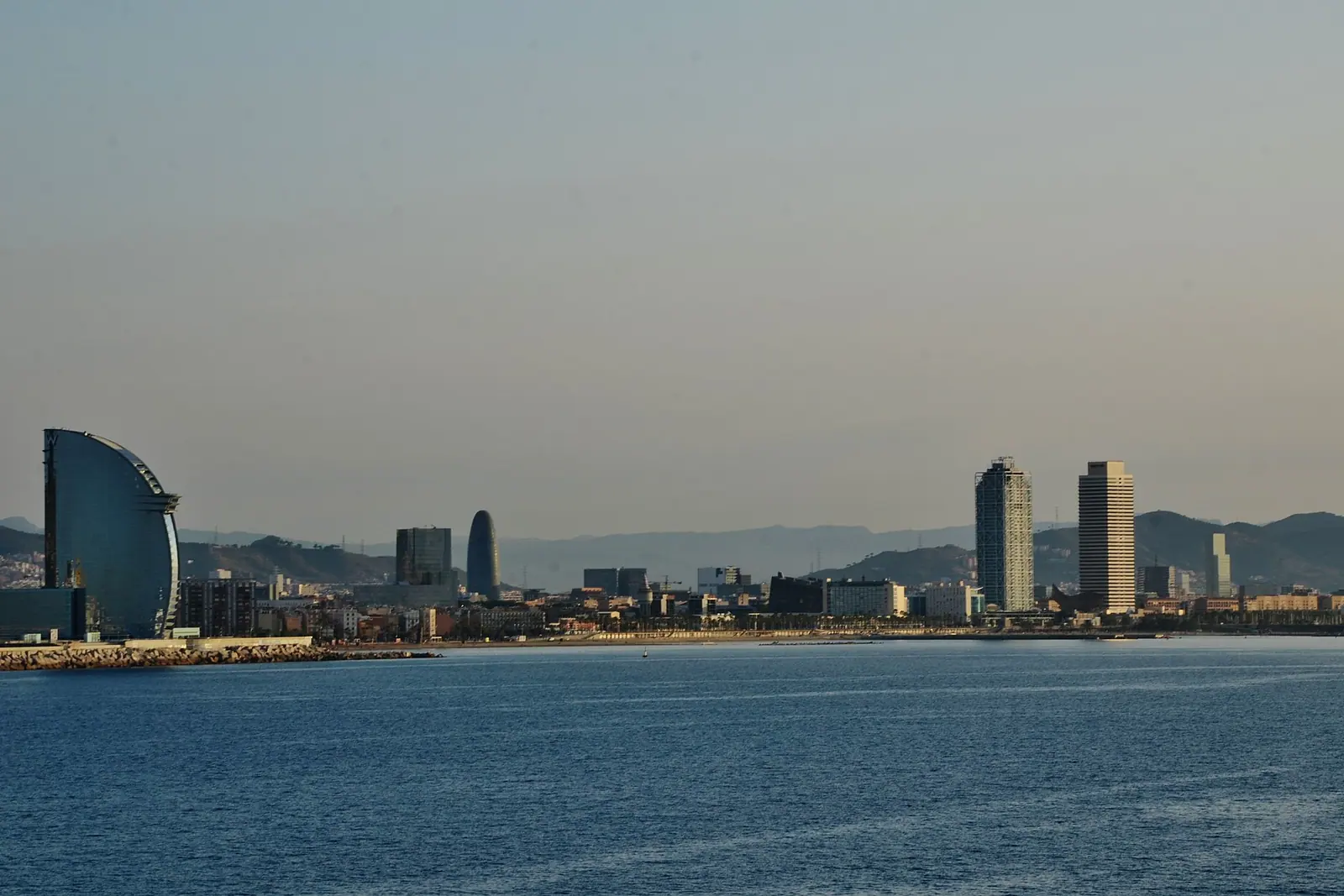
Stay in Andorra
Hotels, guesthouses and apartments — compared in one search.
Search hotels
Transfer in Andorra
Private driver waiting on arrival — no queues, no surprises.
Book a transfer
Stay online in Andorra
Travel eSIM — data the moment you land, no roaming bills.
Get an eSIM