Algeria is really two countries stitched together by one coastline: a Mediterranean north of whitewashed port towns and Roman cities, and a Sahara so immense it swallows mountain ranges whole. The month you choose decides whether you are drinking mint tea on a Ghardaia rooftop under a winter sun or sheltering indoors while the interior bakes. Get the timing right and this is one of the most rewarding, least crowded destinations in the Mediterranean basin.
Algeria's Seasons at a Glance: Two Climates, Two Calendars
Algeria is Africa's largest country, and its weather follows latitude rather than any single national pattern. The northern strip, running from Annaba and Constantine across Algiers to Oran and Tlemcen, enjoys a classic Mediterranean climate: mild, rainy winters from December to February, and hot, dry summers from June to September. Behind that coastal ribbon rise the Tell and Saharan Atlas ranges, where the high plateaus sit around 900 to 1,200 metres and stay noticeably cooler, with snow dusting the highest passes in January and February.
South of the Atlas, roughly four-fifths of the country is Sahara, and here the seasons invert almost completely. Summer in the deep south is punishing, with daytime temperatures climbing past 45°C in Tamanrasset and Djanet and tourist camps largely shutting down. Winter, by contrast, is the desert's golden window: clear skies, 18 to 24°C afternoons, and cold nights that demand a fleece and a proper sleeping bag at altitude.
For most travellers, the two reliable sweet spots are March to May and September to November. April and October are the standout months, when the coast is warm without being oppressive and the desert is still cool enough to explore. If your trip combines Algiers with the Roman ruins and a taste of the oases, build it around those two months and you will rarely be caught out.
Spring and Autumn: The Best Months for Northern Algeria
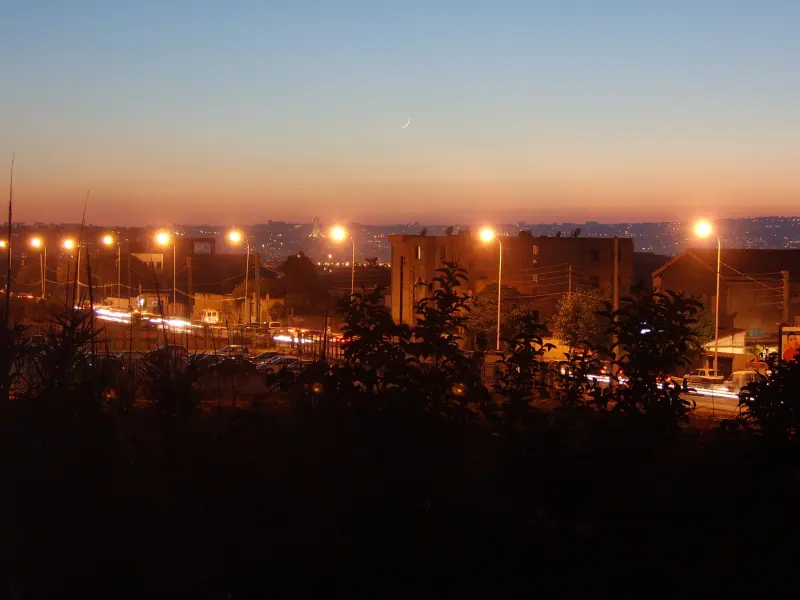
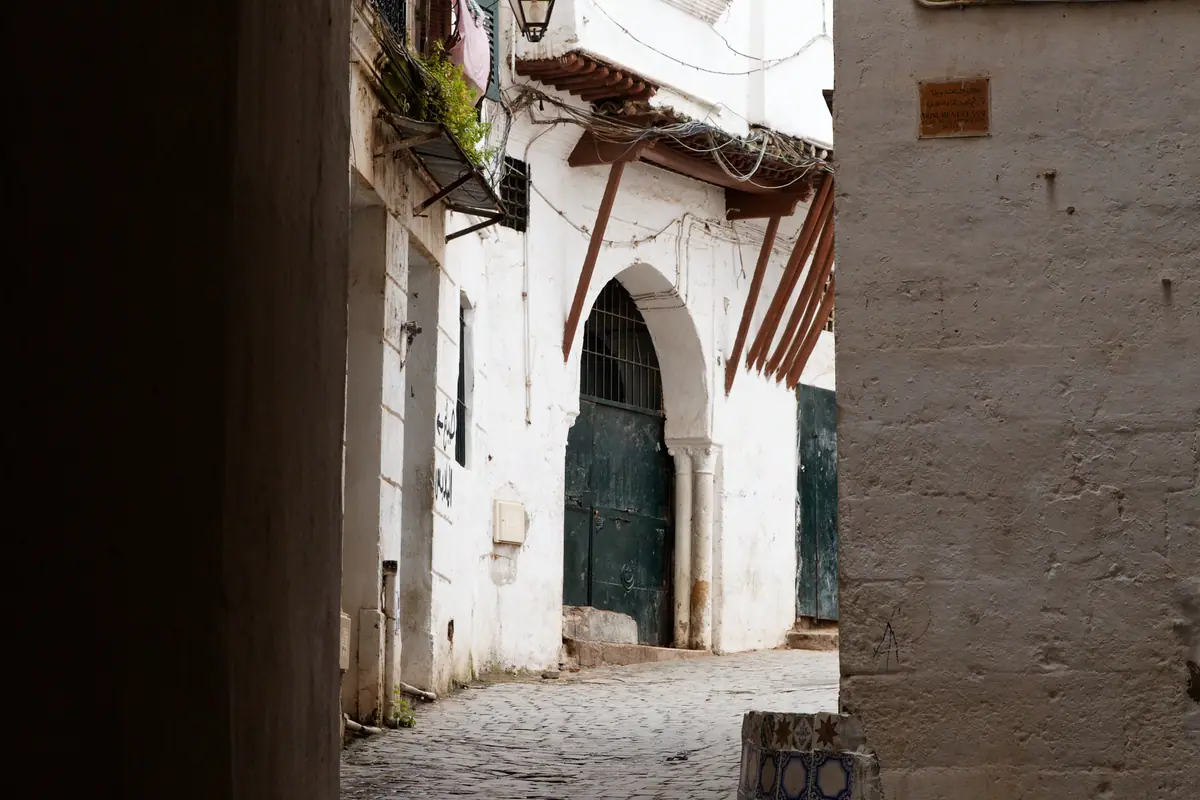
Spring turns the north green, and the Kabylie hills fill with wildflowers, but the real draw is that the great northern sights become genuinely walkable. In Algiers, the UNESCO-listed Casbah spills down toward the sea in a maze of Ottoman houses and steep stairways, with the Ketchaoua Mosque and the old palace quarter at its heart. Below it, Martyrs' Square opens onto the sweeping bay, while the Jardin d'Essai du Hamma offers shade and palms, and the Basilica of Notre-Dame d'Afrique watches over the harbour from its clifftop. Further along the modern city, the Martyrs' Memorial and the vast Djamaa el Djazair mosque anchor the skyline.
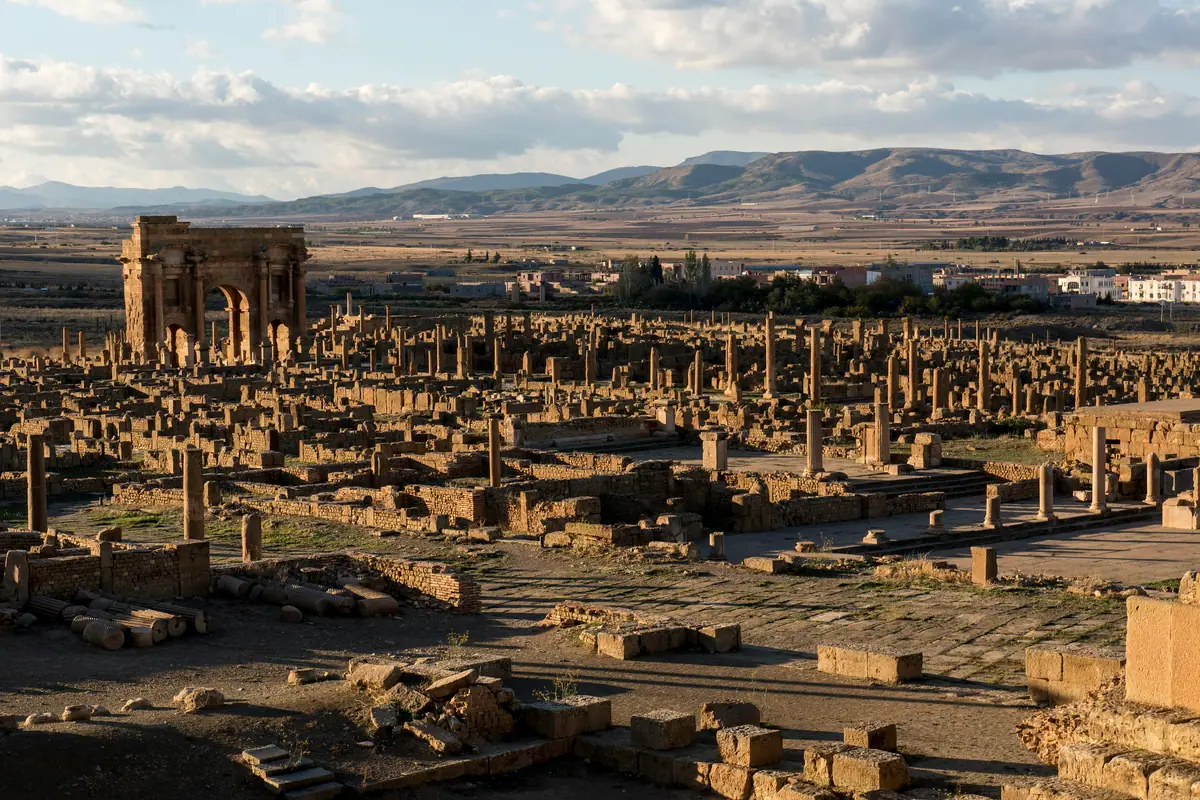
Beyond the capital, spring and autumn are the only sensible seasons for the Roman sites. Tipaza sits on a coastal shelf with columns half-buried in sand and the sea crashing behind them; Djemila climbs a mountainside in the interior; Timgad spreads across a flat plain near Batna with its triumphal arch and theatre almost intact. Timgad has almost no shade, so April or October makes the difference between a leisurely morning and a midday retreat.
Constantine rewards the same seasons, when you can walk the Sidi M'Cid bridge slung high above the Rhumel gorge without wilting, and tour the Ahmed Bey Palace. Accommodation across the north thins out fast in April and October, partly because business travel to Algiers is heavy and partly because internal tourism peaks around school breaks, so reserve city hotels several weeks ahead if you want a room with a bay view.
Summer on the Mediterranean: Beaches, Heat and Local Holiday Season
From late June to early September the Algerian coast belongs to Algerian families. Beach resorts west of Algiers around Sidi Fredj and Zeralda fill up, the corniche at Jijel turns into a long strip of cafes and umbrellas, and the bay at Bejaia beneath Mount Gouraya draws crowds from across the country. Sea temperatures hover in the mid-twenties, which makes swimming genuinely pleasant from July onward, and the long evenings are made for grilled fish and cold drinks.
Oran is at its liveliest in summer. The Santa Cruz chapel on its hill gives the best sunset view over the port, Place du 1er Novembre hums late into the night, and the city's music culture, from rai to Andalusian classical, spills out of cafes. Annaba, further east, pairs beaches with the Roman ruins of Hippo Regius and the forested heights of Seradi.
The trade-off is heat and crowding. Inland cities become stifling, and the desert is effectively off the itinerary unless you are travelling with an experienced operator who moves only at dawn and after dusk. Beach hotels charge their highest rates of the year and book out weeks in advance, so if summer is your only window, reserve early and plan sightseeing for early morning and late afternoon. Air conditioning is not a luxury here; it is the difference between sleeping and not.
Winter: The Sahara's Prime Season
November through March is when the Algerian Sahara becomes accessible, and it is the reason many travellers come at all. Ghardaia and the M'Zab valley, a World Heritage-listed cluster of five fortified towns, are at their best in December and January: cool enough to climb to the roof terraces, wander the covered market alleys and look out over the palm groves and the blue-white painted houses. Further southwest, Timimoun glows with red-ochre architecture, ancient foggaras irrigation channels and ridge-top views that turn molten at sunset.
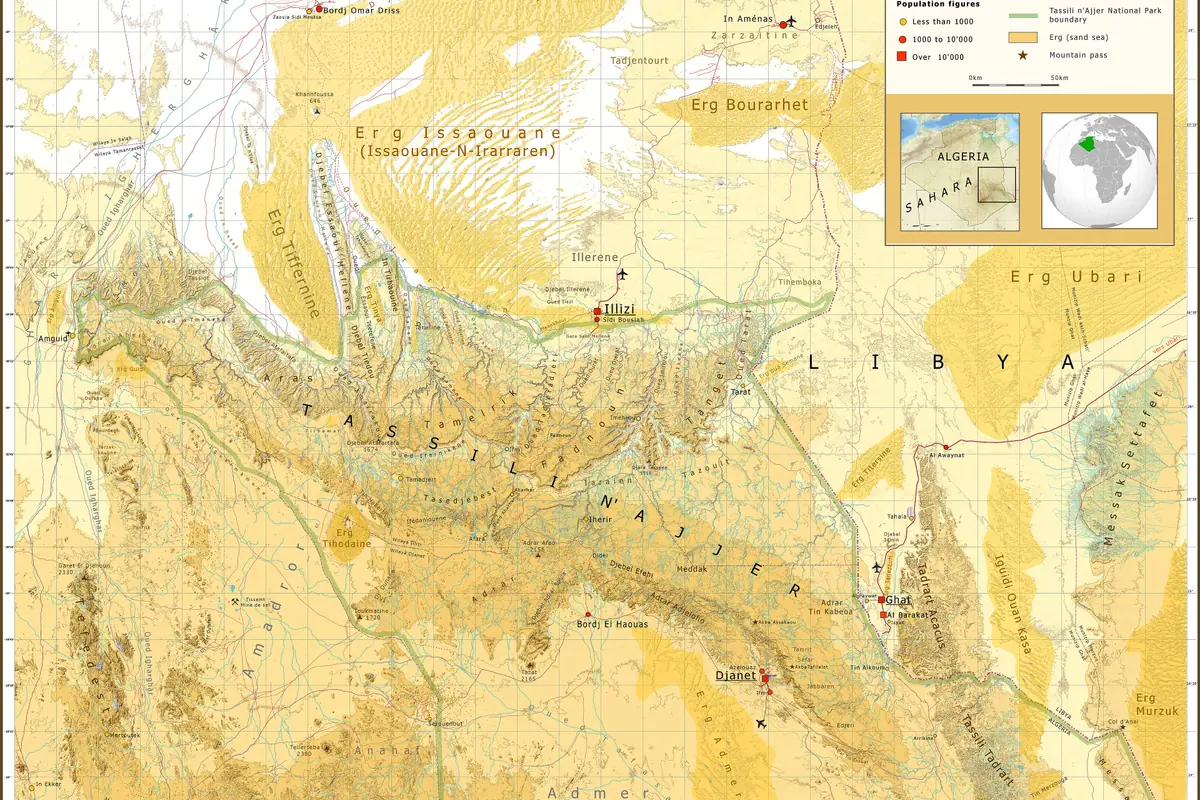
Deeper south, Djanet is the gateway to Tassili n'Ajjer, an eroded sandstone plateau covered in thousands of prehistoric painted figures, and to the red dunes of the Tadrart. Around Tamanrasset, the volcanic Atakor massif and the Assekrem plateau deliver the country's most famous sunrise, a panorama of black lava peaks and sand at around 2,700 metres. Days are usually sunny and mild, but nights at altitude drop below freezing, so layers, a windproof jacket and a warm hat matter more than you would expect in the desert.
Desert accommodation ranges from simple guesthouses in oasis towns to earthen lodges and tented camps reached only by four-wheel drive with a local guide. Camp capacity is tiny and winter is the only practical season, so the Christmas and New Year period and February school holidays sell out months ahead. Note that some camps close entirely from April to September, which makes flexibility in your dates essential.
Where to Stay, Season by Season
In Algiers, the choice runs from grand late-19th-century hotels on the bay, with their faded colonnades and sea-facing balconies, to modern business properties in Hydra and around the airport. Spring and autumn are peak for the bay-view rooms; in high summer you may prefer to be out along the coast at Sidi Fredj or Zeralda, where resorts sit directly on the sand. Smaller towns like Tipaza and Cherchell have modest seafront hotels that fill quickly at weekends.
In the interior, the most atmospheric stays are the courtyard guesthouses tucked inside the old towns of Ghardaia and the ksour of the M'Zab, where thick earthen walls keep rooms cool without air conditioning. Timimoun has a handful of beautifully restored ksar-style lodges in the same red mud-brick idiom. Around Constantine, look for hillside hotels with views of the Rhumel gorge, and if Timgad is on your list, base yourself in Batna, where the choice is limited and worth booking ahead.
Timing your booking matters as much as timing your trip. Algerian weekends fall on Friday and Saturday, so Friday arrivals can mean closed shops and quieter restaurants. During Ramadan, many hotel restaurants stop serving lunch and some smaller guesthouses reduce services, though larger hotels often lay on an evening iftar spread. If you are heading south, accommodation is frequently arranged as part of a guided package rather than booked directly, so start those conversations three to six months out for a winter departure.
Dates, Festivals and Details Worth Planning Around
Algeria's calendar has its own rhythms. Yennayer, the Amazigh new year on 12 January, is celebrated with particular energy in Kabylie and the Aures mountains, and the 5 July Independence Day and 1 November Revolution Day bring parades and public holidays. Religious festivals including Mawlid and the two Eids shift each year with the lunar calendar; during these periods transport and hotels across the country are stretched, and during Ramadan daytime dining is limited outside hotels. Dates vary annually, so check the calendar before locking in flights.
The desert also has its cultural season. Winter is when oasis towns stage music and heritage festivals, celebrating everything from Gourara's sung poetry to the Andalusian traditions of the north, and the date harvest colours the oases of Biskra and the Souf in October and November. These events are a genuine reason to time a trip to January or February rather than simply chasing pleasant weather.
A few practical notes shape everything else. Most visitors need a visa arranged before arrival, and internal flights to Djanet, Tamanrasset and Ghardaia are limited, filling rapidly during desert season, so shoulder months give you more scheduling room. Long-distance driving on the high plateaus is slow, and desert travel without a licensed local guide is not advisable. Finally, if photography matters to you, remember that desert light is at its softest in the hour after sunrise and before sunset, and that means early starts in winter, when the days are short.
Frequently asked questions
What is the single best month to visit Algeria?
April and October are the two strongest months overall. Both offer warm but manageable temperatures on the Mediterranean coast, comfortable conditions for walking the Casbah of Algiers and the Roman sites at Tipaza, Djemila and Timgad, and cool enough weather to begin a desert itinerary. If you can only travel once, choose April for green hills and wildflowers, or October for the date harvest and softer light.
When should I visit the Algerian Sahara?
November to March is the desert season. Daytime temperatures in Ghardaia, Timimoun, Djanet and Tamanrasset are pleasant, but nights get genuinely cold, especially on the Hoggar plateau near Assekrem, where frost is common. Tourist camps in Tassili n'Ajjer and the Tadrart typically operate only in these months and often close entirely during the summer heat.
Is summer a bad time to visit Algeria?
Not for the coast. June to September is hot and humid but perfectly workable in Algiers, Oran, Bejaia and Annaba if you sightsee in the early morning and evening and build in beach time. The interior and especially the deep south are a different story, with temperatures above 45°C, so save Timgad, the M'Zab and Tassili n'Ajjer for cooler months.
How far ahead should I book hotels in Algeria?
For Algiers in April and October, and for coastal resorts in July and August, reserve several weeks ahead, as business and domestic holiday demand is high. Desert guesthouses and tented camps are the tightest: winter departures around Christmas, New Year and February school breaks can sell out three to six months in advance, and southern stays are usually arranged through local operators rather than booked directly.
Can I travel in Algeria during Ramadan?
Yes, but expect adjustments. Many restaurants close during daylight hours, smaller guesthouses cut back services, and transport schedules tighten around iftar. Larger hotels usually continue serving non-fasting guests and lay on evening meals. It can be a rewarding time to visit for the atmosphere after sunset, but plan your days around shorter opening hours.
Sort the rest of your trip
Everything for Algeria, in one place
Transfer in Algeria
Private driver waiting on arrival — no queues, no surprises.
Book a transfer
Things to do in Algeria
Skip-the-line tickets, guided tours and standout experiences.
See experiences
Stay online in Algeria
Travel eSIM — data the moment you land, no roaming bills.
Get an eSIM