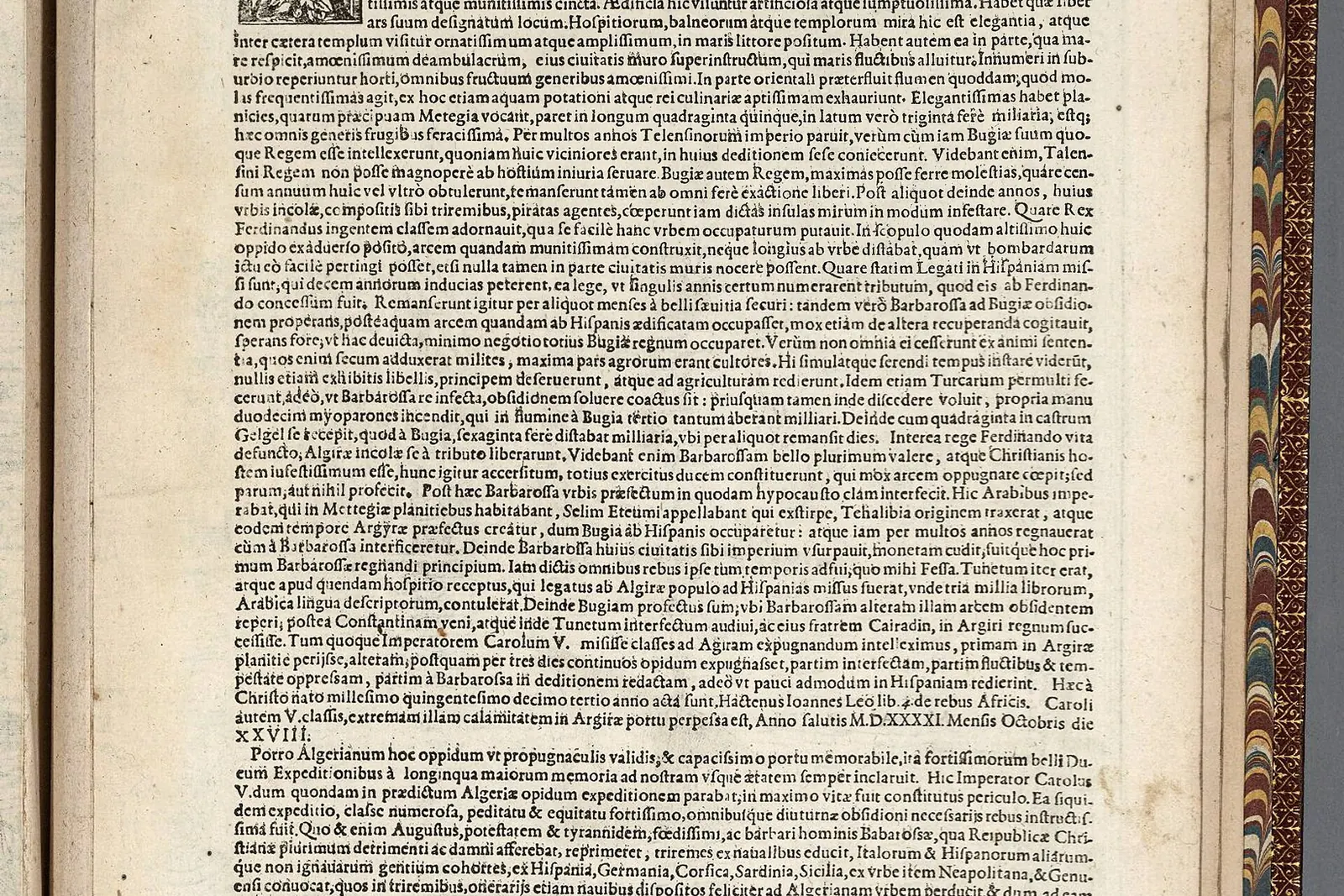
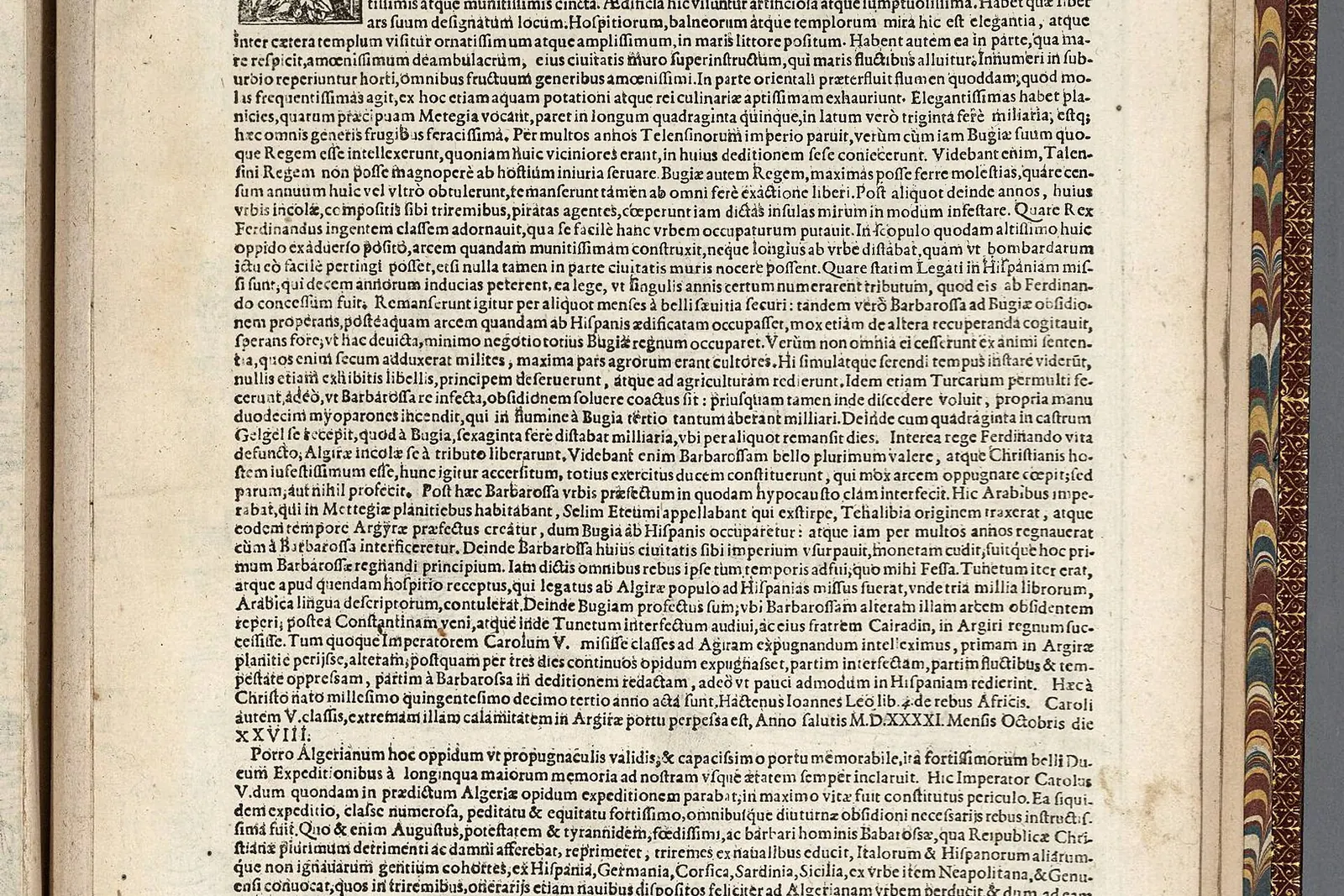
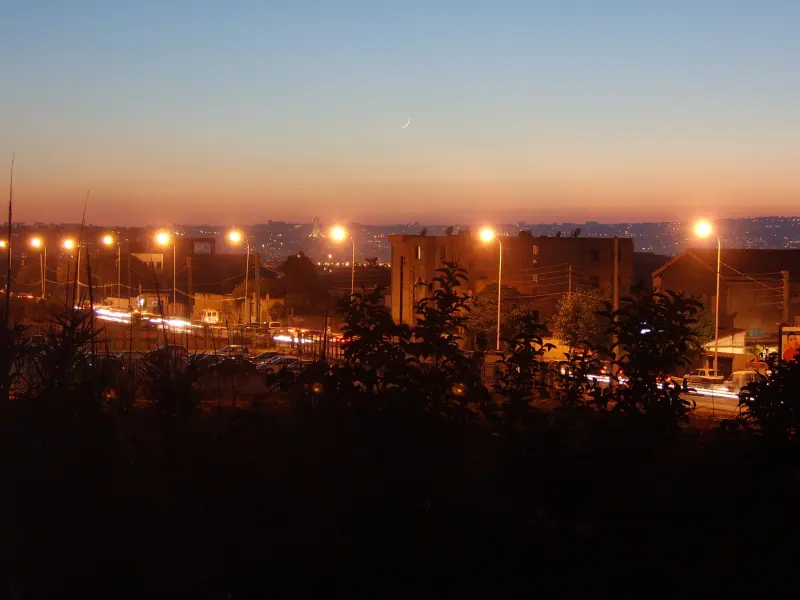
Algeria is the largest country in Africa and one of its least-visited, which means your hotel is rarely just a bed — it is often the doorway to a Roman city, a cliff-top basilica or a walled desert town that has barely changed in nine centuries. Choose the right base, and the country unfolds with astonishing ease.
Algiers: Choosing a Base in the White City
Algiers tumbles down the hills to its bay in tiers of whitewashed apartment blocks, and your choice of hotel depends almost entirely on what you want from the city. Most first-time visitors stay in the lower centre, within walking distance of Martyrs' Square and the long sweep of the waterfront, or on the quiet, leafy heights of Hydra and El Biar where the garden villas and larger international-standard properties sit. A third cluster hugs the airport road at Bab Ezzouar, useful for a single night before a domestic flight but far from the atmosphere.
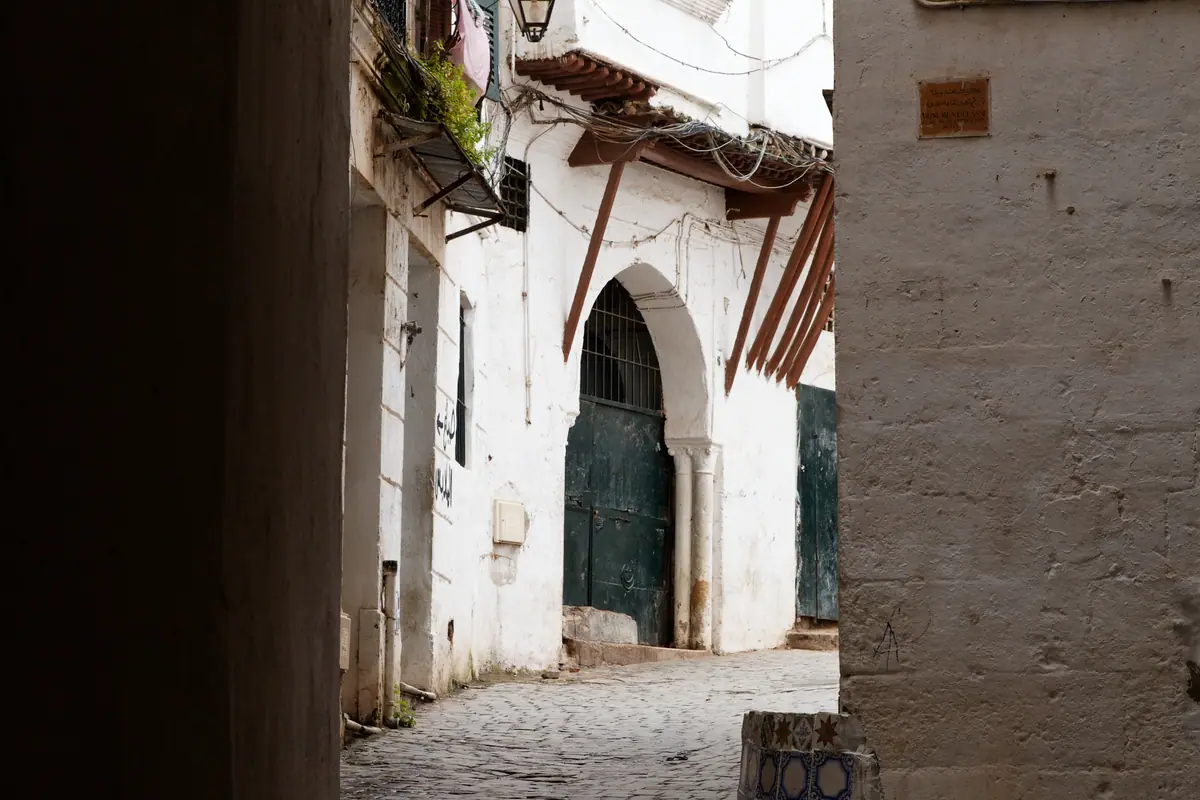
The city rewards anyone willing to walk. Start at the Casbah of Algiers, the World Heritage-listed medina that climbs steeply above the port, a labyrinth of Ottoman palaces, stepped alleys and viewpoints over the Mediterranean; the restored Ketchaoua Mosque with its twin minarets and the 18th-century Dar Hassan Pacha are the landmarks to aim for. Below it, Martyrs' Square anchors the modern city, while a few kilometres west the Jardin d'Essai du Hamma offers shaded walks through one of the oldest botanical gardens in the region.
Two sights justify a taxi ride out of the centre. Notre-Dame d'Afrique, a 19th-century basilica perched on a cliff above the bay, has one of the finest panoramas in Algeria, and the Maqam Echahid memorial on the heights commemorates the country's independence struggle. Practical note: the weekend falls on Friday and Saturday, so book the Thursday night before a national holiday well in advance, and ask for an upper floor away from the boulevard if traffic noise troubles you.
Oran and the West: Sea Air and Andalusian Echoes
Algeria's second city has a distinctly Mediterranean swagger, shaped by centuries of Spanish, Ottoman and French rule and by the birth of raï music in its working-class quarters. Hotels line the seafront boulevard and the streets behind Place du 1er Novembre, a handsome square flanked by the city theatre and the town hall. West of the centre, the coastal resorts around Canastel and Les Andalouses offer beach-facing rooms and pools, a good option for families who want sand within walking distance.
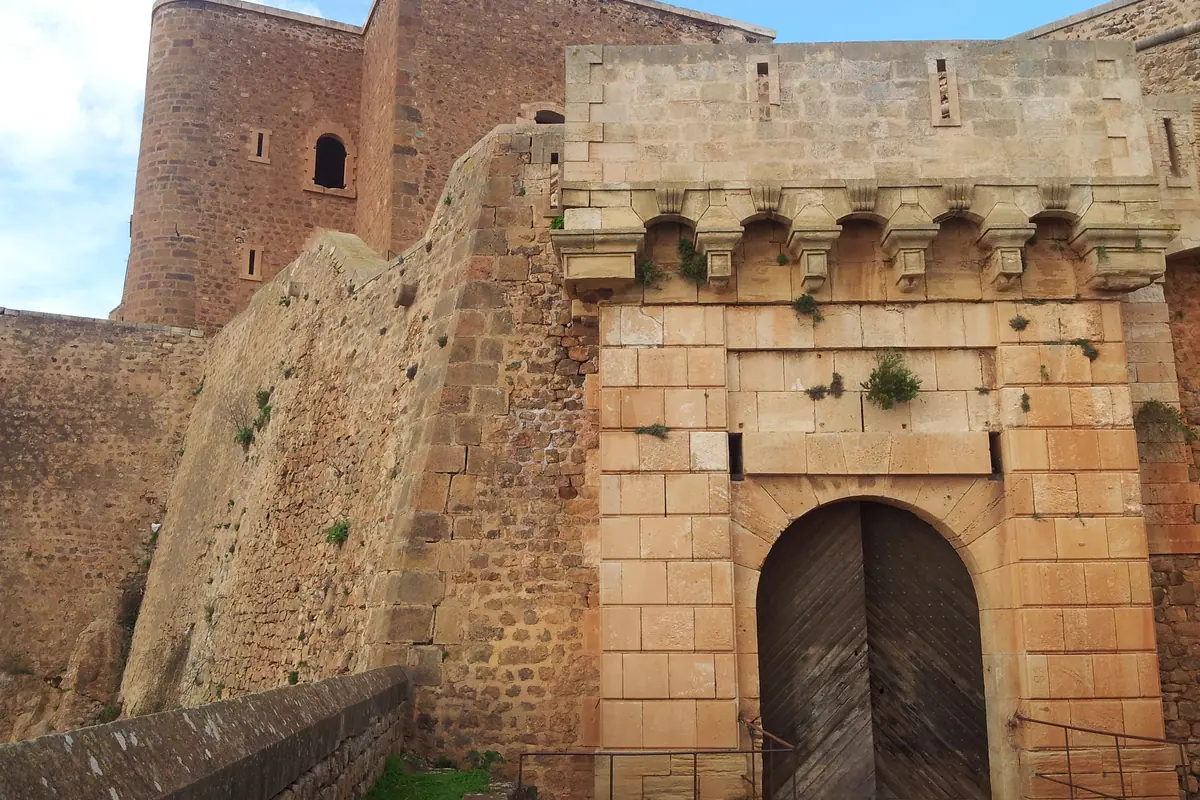
The defining landmark is the Santa Cruz fort and chapel on Mount Murdjajo, reached by a winding road that ends in a panorama over the whole bay — go late afternoon for the light. Below it, the old quarter of Sidi El Houari holds the Fort Lamoune, Spanish-era walls and a melancholic, salt-weathered charm that feels far removed from the modern city.
Inland, Tlemcen makes a rewarding overnight or two: its Great Mosque, the soaring Mansourah minaret and the El Mechouar palace complex trace the city's golden age as a North African capital, and the Lalla Setti plateau gives a green, cooler escape from the coast. Small family-run guesthouses and converted townhouses here are often more atmospheric than the larger hotels, though English is rarely spoken — a few words of French go a long way.
Constantine and the East: Bridges, Gorges and Roman Cities
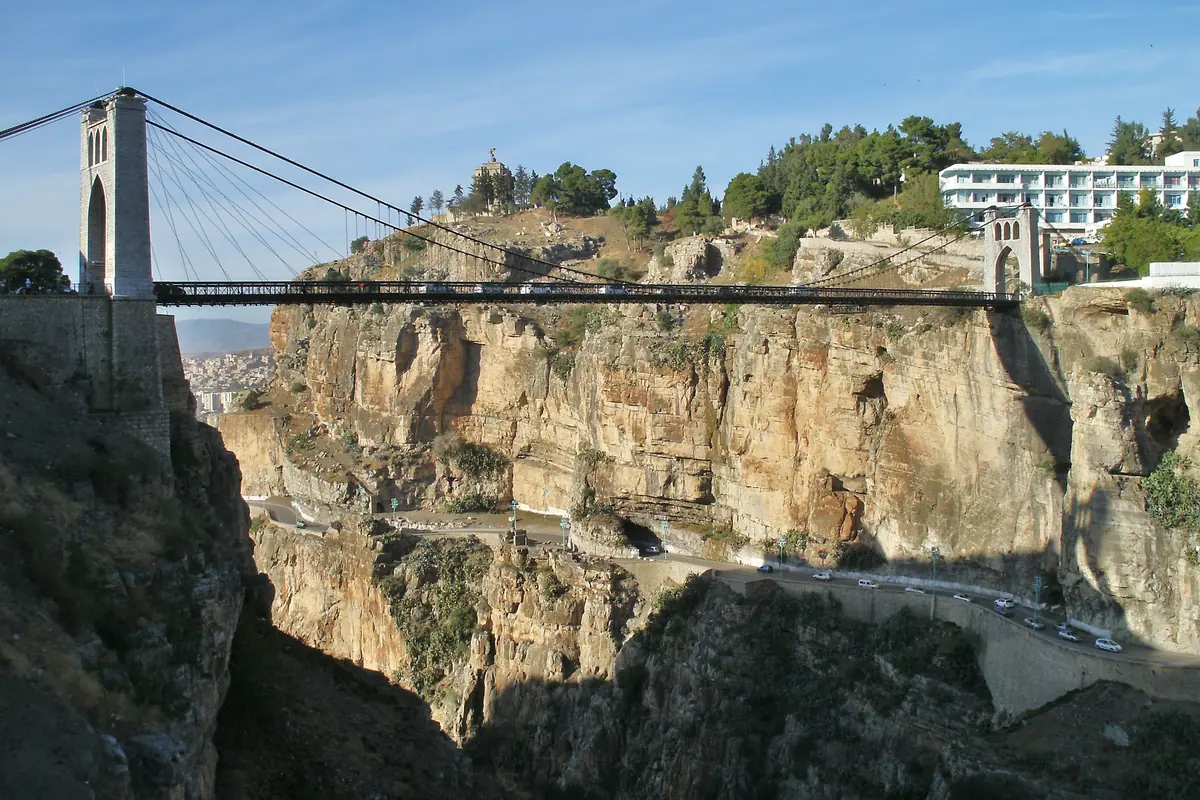
Constantine is unlike any other city in North Africa: a plateau split by the Rhumel gorge, stitched together by bridges that hang in mid-air over a chasm. The Sidi M'Cid suspension bridge is the most photographed, and the Mellah Slimane footbridge lets you walk across the void between the old and new towns. Stay in one of the hotels on the rim and your window will look straight down into the ravine — request a gorge-facing room when you book, because the difference between a view and a wall is dramatic here.
Above the gorge, the Ahmed Bey Palace with its tiled courtyards and painted galleries is the city's finest monument, and the Cirta National Museum covers the region's deep past from Numidian kings to Roman rule. Most visitors use Constantine as a launchpad for the east's archaeological riches: Timgad, a perfectly grid-planned Roman colony founded under Trajan, with its triumphal arch and theatre cut into the plain, and Djemila, whose hillside ruins and mosaic-filled museum are among the most evocative in the Mediterranean.
Base yourself in Batna for Timgad and in Sétif for Djemila, where simple, clean city hotels are the norm. Further east, Annaba pairs the ruins of Hippo Regius with the Basilica of Saint Augustine and the breezy hill resort of Seraïdi, and its seafront hotels fill up in July and August with Algerian families escaping the interior heat. Spring, from March to May, is the season to see these sites at their best — wildflowers among the columns and temperatures made for walking.
Ghardaïa and the M'zab: Guesthouses Behind Ochre Walls
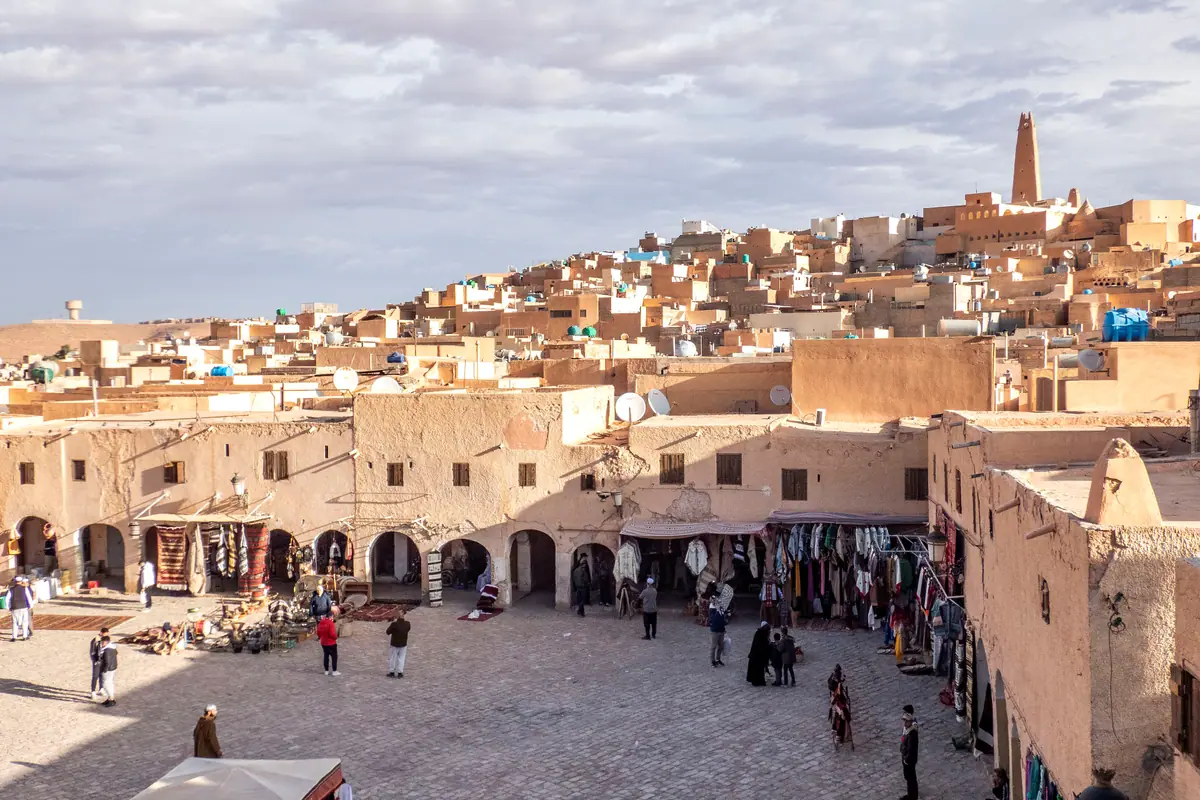
Five walled towns rise out of the stony desert north of the Sahara, together forming the M'zab Valley — one of the most architecturally coherent places in the world. Ghardaïa is the largest and the only one where non-residents can stay comfortably, its hilltop core spiralling around a mosque and a covered market where carpets, brassware and dried dates are traded. Beni Isguen, a short drive away, keeps its own strict rules and closes to outside visitors at night; Melika, Bounoura and El Atteuf complete the pentapolis, each with its own watchtower, cemetery and palm gardens.
Accommodation here is mostly small guesthouses and traditional houses, some still run by Mozabite families who will cook for you and explain the valley's Ibadi traditions over mint tea. The rooms are cool, thick-walled and simply furnished, with terraces looking over the palmeraie — do not expect resort facilities, and do not expect alcohol to be available, because it is not. Book by phone or email rather than assuming an online booking will be honoured, and confirm your arrival a day ahead.
The wider Algerian Sahara opens up from here. Timimoun, the red-ochre oasis of the Gourara, has boutique-style desert lodges and a salt lake that turns pink at dusk; El Oued, the city of a thousand domes, offers a wholly different desert-town aesthetic; and Biskra, on the northern edge, has long been the gateway for winter travellers. October to March is the window worth aiming for — in July and August, daytime temperatures can push past 45°C and many guesthouses simply shut.
The Deep Sahara: Djanet, Tassili n'Ajjer and the Hoggar
Far to the south-east, Djanet is the staging post for Tassili n'Ajjer, a sandstone plateau scattered with thousands of prehistoric rock paintings and engravings, some dating back twelve thousand years. The town itself has a handful of modest lodges and guesthouses, but the real experience is sleeping under canvas in the desert: camps organised with licensed local guides take visitors into the Tadrart Rouge's red dunes, the Essendilene canyon and the strange eroded towers of Moul Naga. Flights from the north operate on a limited weekly schedule, so plan your trip around them rather than the other way round.
In the far south, Tamanrasset is the base for the Hoggar mountains and the Atakor volcanic field, where basalt peaks rise above 2,900 metres. The highlight is the Assekrem plateau, where a small stone refuge and the hermitage built by a French missionary in the early 20th century sit at around 2,780 metres; sunrise from the plateau, with the volcanic peaks emerging from the haze, is one of the great desert views. Nights here are genuinely cold from November to February, so pack insulation even though you are in the Sahara.
Saharan travel in Algeria is regulated: you generally need to move with an authorised guide, and permits and hotel confirmations are part of the paperwork. Ask your accommodation to help arrange logistics well in advance, keep a paper copy of every document, and carry enough cash for the entire trip — there are no reliable card facilities once you leave the northern cities.
Practicalities: Timing, Bookings and Local Etiquette
The best months for the coast and the northern cities are March to May and September to November, when Algiers, Oran and Constantine are mild and walkable; summer is hot and humid, and winter brings steady rain to the coast. The Sahara follows the opposite rhythm, with October to March the only comfortable season for Ghardaïa, Djanet and Tamanrasset. Ramadan reshapes everything — many restaurants close by day, opening hours shift, and hotel restaurants may serve only evening meals; it can be a fascinating time to visit, but plan around it.
Booking a hotel in Algeria is not always as simple as it is elsewhere. Outside Algiers and Oran, many properties do not list live availability, so reserve by phone or email, keep written confirmation for your visa application, and reconfirm a few days before arrival. International-standard hotels cluster in the business districts of the big cities; elsewhere you will find state-run establishments with generous public areas but dated rooms, and small guesthouses with far more character. Ask about air conditioning, hot water and whether the hotel can arrange a driver, since public transport between regions is limited.
A few everyday points make the trip smoother. Carry Algerian dinars, since card acceptance is patchy and ATMs outside major centres are unreliable; exchange money at banks rather than on the street. Dress modestly away from the coast and in the M'zab. Alcohol is available only in some hotels and licensed restaurants, so check before you book if it matters to you. And be careful with photography: do not photograph police, military sites, airports or bridges in sensitive areas, and always ask before photographing people.
Frequently asked questions
What is the best time of year to visit Algeria?
March to May and September to November are ideal for Algiers, Oran, Constantine and the Mediterranean coast, with mild temperatures and clear skies. For the Sahara — Ghardaïa, Djanet and Tamanrasset — aim for October to March, when days are warm and nights cold; summer heat in the desert and along the coast is intense.
Do I need a visa to visit Algeria, and does my hotel booking matter?
Most foreign visitors need a visa arranged in advance through an Algerian embassy or consulate, and applications normally require confirmed accommodation and a rough itinerary. Ask your hotel for a written booking confirmation and keep a printed copy with your travel documents, since it may be requested on arrival.
Can I pay for hotels by card in Algeria?
In Algiers, Oran and other large cities, larger hotels usually accept major cards, but outside these centres cash is the norm. Bring Algerian dinars for guesthouses, desert camps, drivers and meals, and do not rely on ATMs once you leave the main urban areas.
Where should a first-time visitor stay to see the main sights?
Base yourself in Algiers for the Casbah, Martyrs' Square, Notre-Dame d'Afrique and the Jardin d'Essai du Hamma; in Constantine for the Sidi M'Cid bridge and the Rhumel gorge, with easy access to Timgad and Djemila; and in Ghardaïa for the M'zab Valley towns. Each works as a hub of two to four nights.
Is it safe and straightforward to travel to the deep Sahara?
Travel to Tassili n'Ajjer, Djanet and the Hoggar is regulated and normally requires an authorised local guide, permits and pre-arranged transport. Organise this through your accommodation or a licensed operator several weeks ahead, check current government travel advice for your nationality, and carry sufficient cash for the whole trip.
Sort the rest of your trip
Everything for Algeria, in one place
Transfer in Algeria
Private driver waiting on arrival — no queues, no surprises.
Book a transfer
Things to do in Algeria
Skip-the-line tickets, guided tours and standout experiences.
See experiences
Stay online in Algeria
Travel eSIM — data the moment you land, no roaming bills.
Get an eSIM