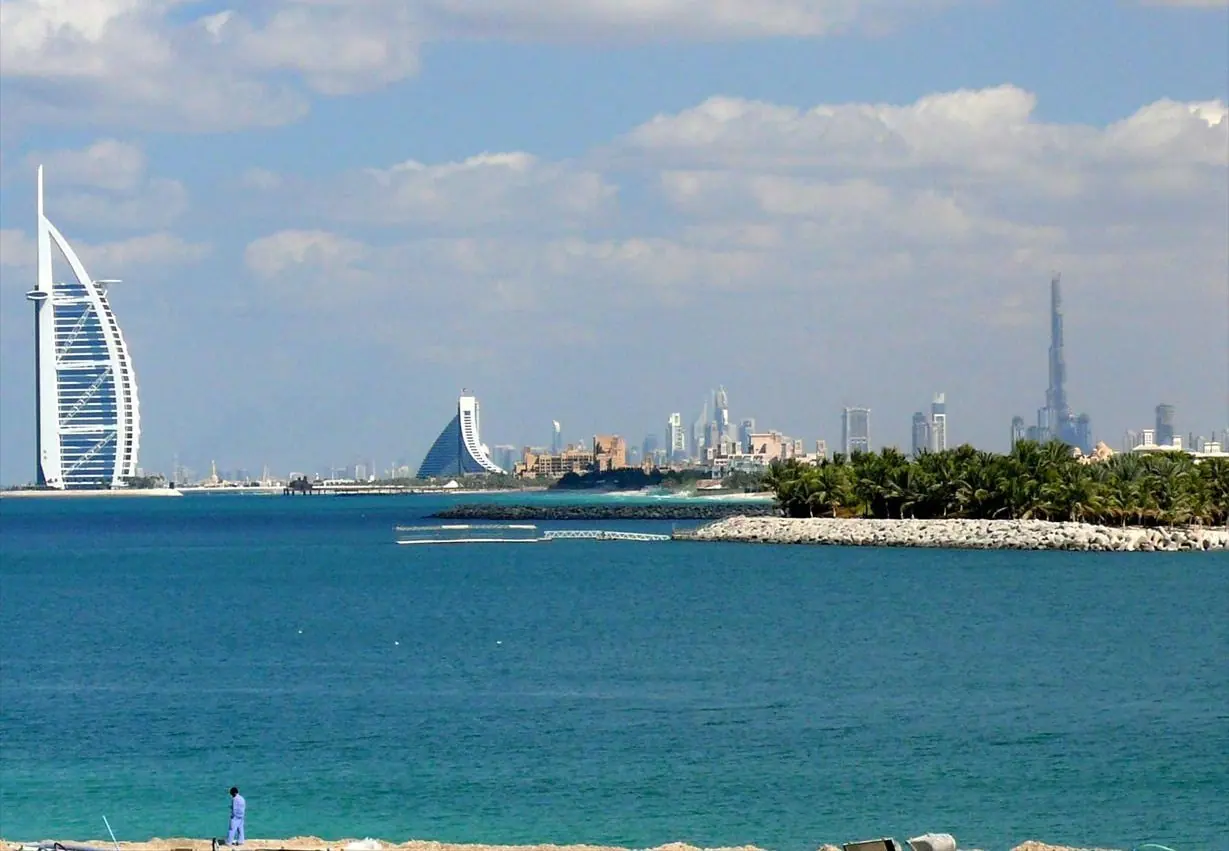
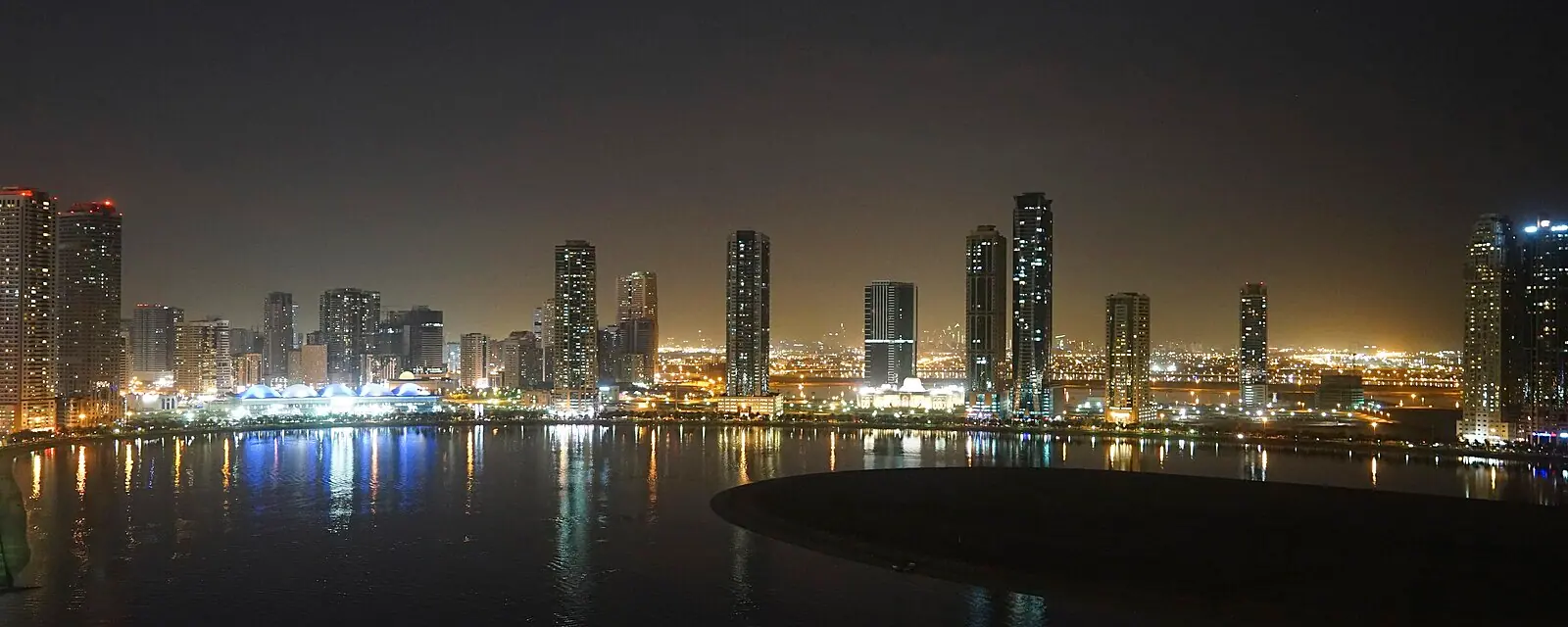
Seven days is enough to see the United Arab Emirates in three dimensions: the glass-and-desert drama of Dubai, the museum-and-mosque grandeur of Abu Dhabi, and the quiet mountain emirates where date palms, wadis and switchback roads replace skyscrapers. The distances are short — few drives exceed two hours — but the contrasts are enormous. This itinerary strings the country's must-see landmarks into one coherent loop.
Days 1–2: Downtown Dubai, the Museum of the Future and the Old Creek
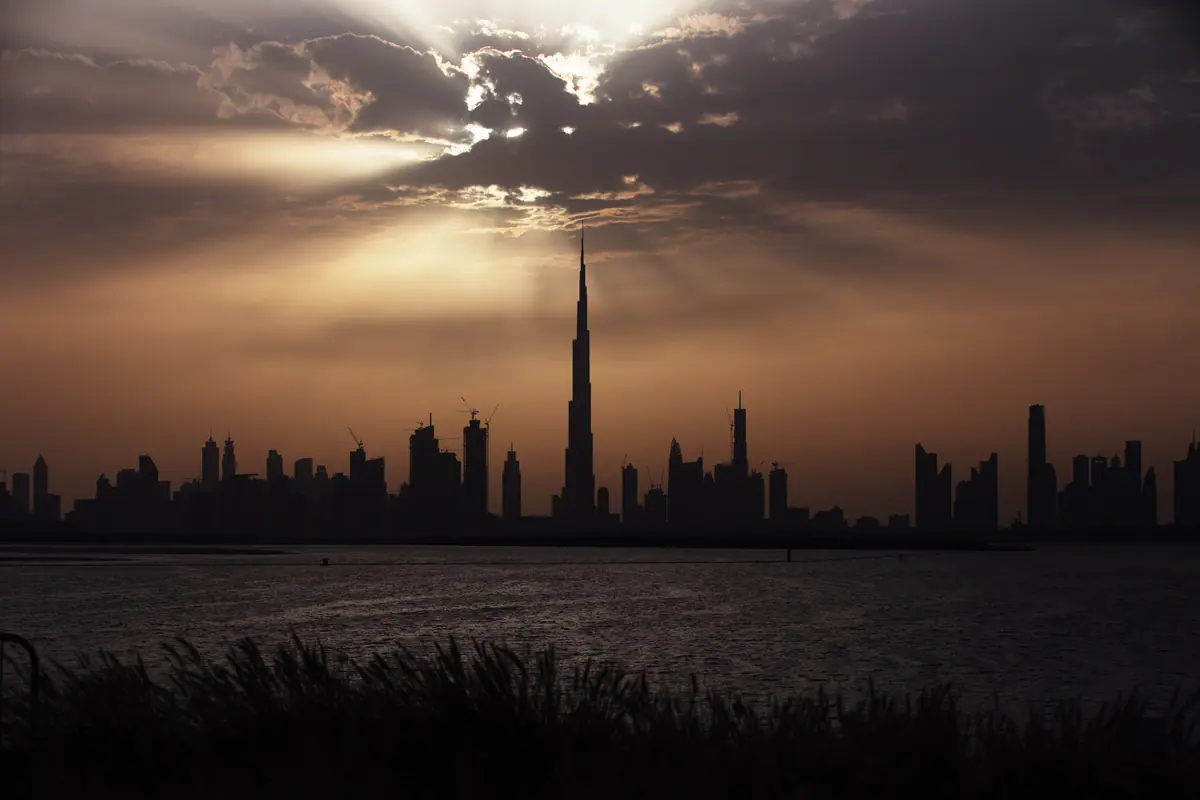
Start where the postcards begin. The Burj Khalifa, at 828 metres the tallest building on earth, is best climbed early: book a timed slot for the observation decks on the 124th and 125th floors, or the higher 148th-floor lounge, and you will look down on the fountains of the Dubai Mall and the sprawl of Sheikh Zayed Road before the haze thickens. Beneath it, the Dubai Fountain performs its choreographed water-and-light shows after sunset every evening, and a short walk away the torus-shaped Museum of the Future, wrapped in Arabic calligraphy, has become the city's most photographed new landmark. Nearby, the Dubai Frame offers a 150-metre-high glass skywalk with old Dubai on one side and new on the other.
Give your second day to the city that existed before the towers. The Al Fahidi Historical Neighbourhood in Bur Dubai preserves narrow lanes of coral-and-gypsum houses crowned with wind towers, plus the coffee museum and cultural majlis houses that explain how pearl divers and traders lived. From the nearby abra station, a wooden boat carries you across Dubai Creek to Deira for a few coins — the single best-value experience in the emirate — landing beside the Spice Souk and the Gold Souk, where shop windows glitter with chains sold by weight.
Finish with the newer waterfront or, if your visit falls between November and March, an evening at the Global Village fairground or the Dubai Miracle Garden, whose flower-covered archways and life-sized floral Airbus draw crowds in the cooler months.
Day 3: Palm Jumeirah, Jumeirah Beach and the Desert Reserve
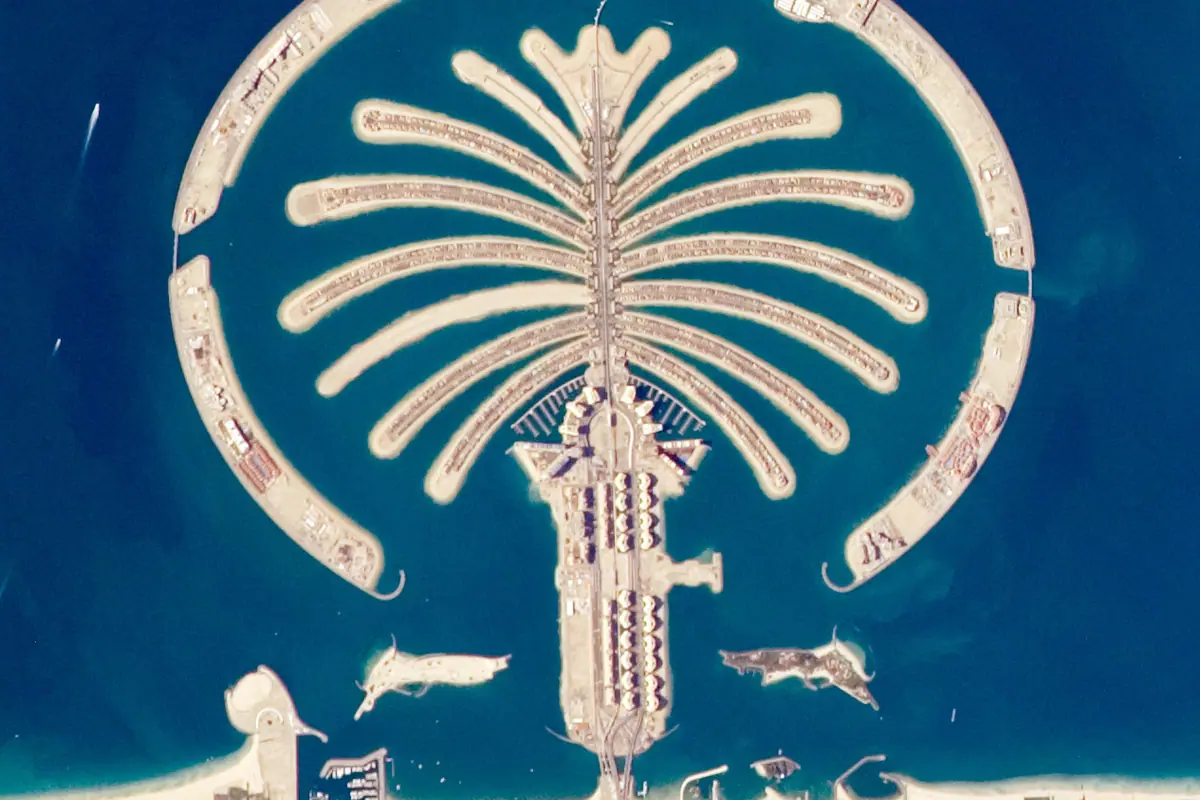
Spend the morning on the coast. The Palm Jumeirah, the palm-shaped artificial island, is seen best from an observation deck on its trunk or from the beach at the crescent, where the sail-shaped Burj Al Arab rises offshore — you can photograph it from Umm Suqeim public beach or over coffee at one of the beach clubs on Kite Beach, a favourite with windsurfers. Next door stands the Jumeirah Mosque, the most beautiful of Dubai's mosques and one of the few open to non-Muslim visitors through guided cultural tours; women are lent scarves and abayas at the door, and modest dress is expected everywhere in the country.
By mid-afternoon, head inland. The Dubai Desert Conservation Reserve and the Al Marmoom reserve protect red dunes, oryx and gazelle, and most desert safaris run from about 3pm until after dark: dune bashing in a 4x4, camel rides, sandboarding, then dinner at a Bedouin-style camp under a sky far brighter than the city's. If you prefer a gentler version, book a wildlife drive or a hot-air balloon at dawn instead. November to March is the sweet spot; in July and August the sand is too hot to walk on comfortably.
Day 4: Abu Dhabi — Sheikh Zayed Grand Mosque and Saadiyat Island
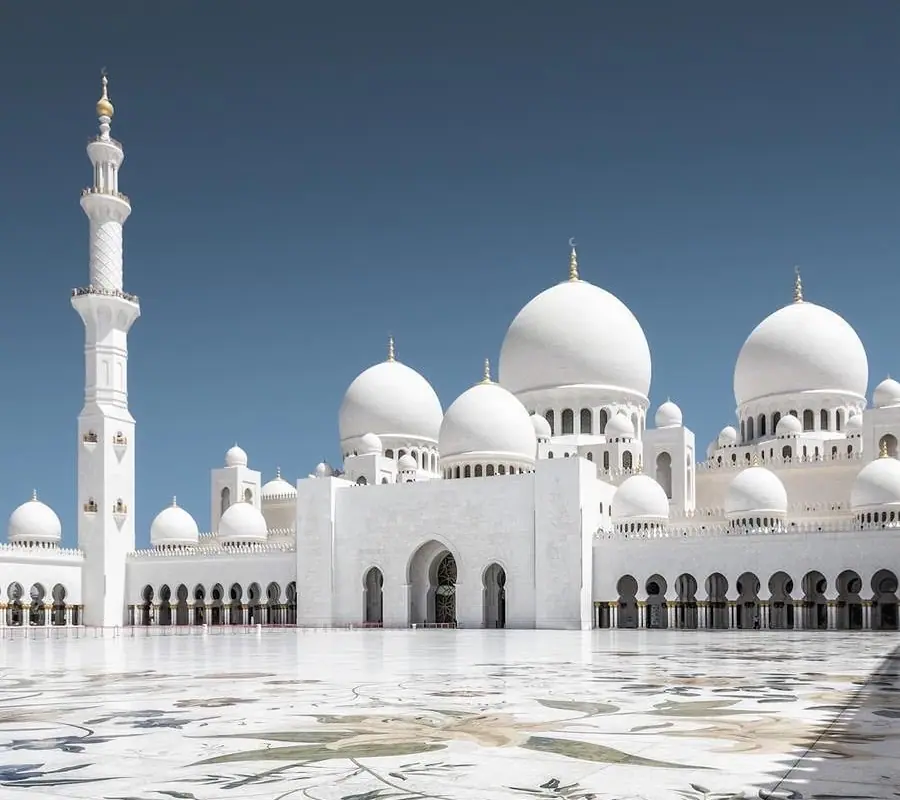
The drive from Dubai to Abu Dhabi takes about ninety minutes on the E11 motorway, and the reward is the Sheikh Zayed Grand Mosque, the country's defining building: 82 white marble domes, more than a thousand columns, the world's largest hand-knotted carpet and chandeliers set with Swarovski crystals. Entry is free, guided tours run several times daily, and abayas are provided at the entrance for women; visitors are admitted in the afternoon and evening on Fridays because of congregational prayers. Arrive an hour before sunset to watch the marble shift from white to rose-gold as the floodlights come on.
Continue to Saadiyat Island for the Louvre Abu Dhabi, a museum as famous for its Jean Nouvel-designed 'rain of light' dome as for the artefacts beneath it — galleries that hop between Egyptian sculpture, Chinese porcelain and European painting in a single room. It is closed on Mondays, so plan around that. Round off the day on Abu Dhabi's Corniche, an eight-kilometre waterfront promenade of manicured beaches and cycle paths that ends near the presidential palace district, where Qasr Al Watan, the working presidential palace, opens its marble halls and libraries to visitors.
Day 5: Yas Island Thrills and Al Ain's Oasis City
Families and thrill-seekers should give the morning to Yas Island, home to Ferrari World Abu Dhabi with its record-breaking roller coasters, Yas Waterworld and the Yas Marina Circuit, where you can cycle or kart the same asphalt that hosts the season-ending Formula 1 race. Saadiyat's beaches, the Abrahamic Family House with its church, mosque and synagogue, and the mangrove kayak trails of the Eastern Mangroves all make good quieter alternatives.
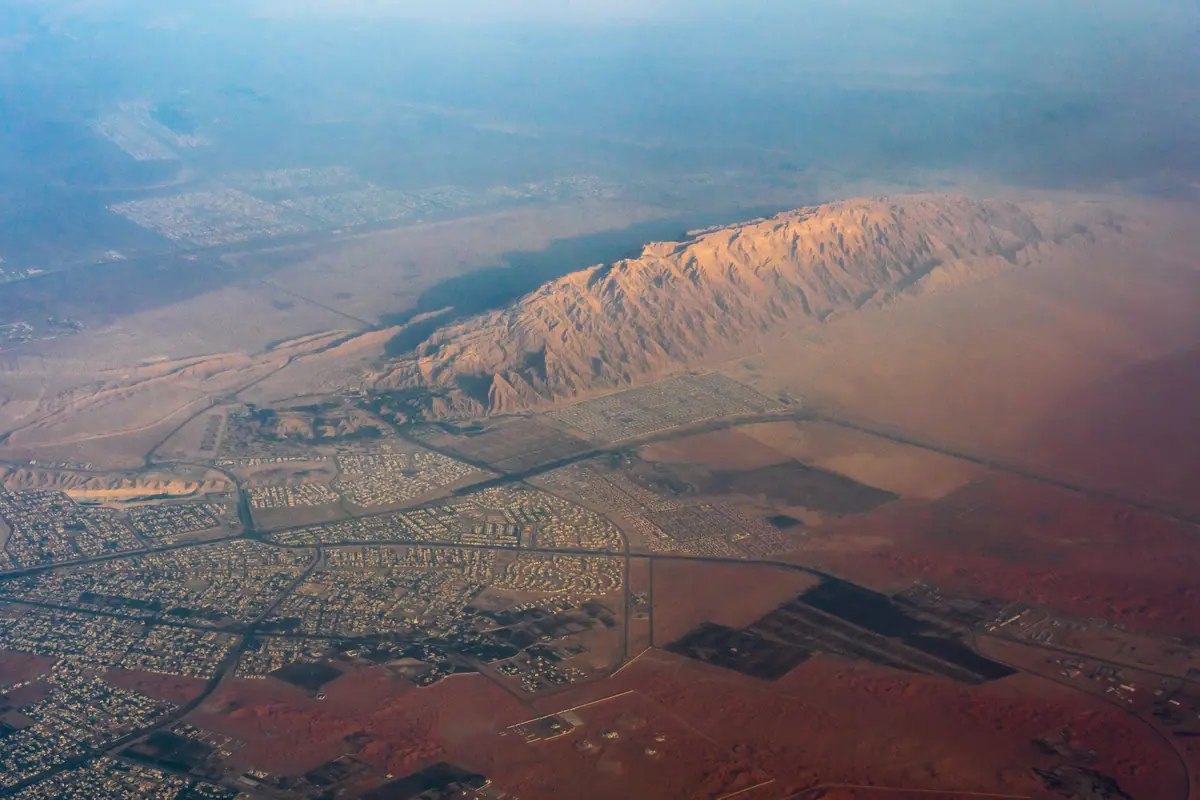
In the afternoon, drive east to Al Ain, the 'garden city' on the Omani border and the only UNESCO World Heritage site in the Emirates. Walk or cycle the Al Ain Oasis, 1,200 hectares of date palms irrigated by falaj channels that have run for 3,000 years, then climb Jebel Hafeet, the country's second-highest peak, whose sweeping road has been called one of the world's great drives. At the foot of the mountain, Al Jahili Fort tells the story of the explorer Wilfred Thesiger's crossings of the Empty Quarter, and the nearby camel market is at its liveliest early in the morning.
Day 6: Sharjah's Museums, Mleiha and the East Coast Road
Sharjah, a UNESCO Cultural Capital, is the UAE's museum emirate. The Sharjah Museum of Islamic Civilization on the Corniche holds astrolabes, manuscripts and textiles across seven galleries; Al Noor Island floats nearby with its butterfly house and sculpture park; and the Central Souq, known locally as the Blue Souq, sells carpets and gold beneath twin blue-tiled roofs. The Sharjah Art Foundation's restored heritage houses in the Heart of Sharjah district are worth an hour on their own, and most sights are a short taxi ride apart.
From Sharjah, drive east into the desert around Mleiha, where the Mleiha Archaeological Centre sits beside Bronze Age tombs and Iron Age forts. A 4x4 dune drive out to Fossil Rock, with marine fossils embedded in the limestone, is one of the most surprising half-days in the country. Continue over the mountains via the Al Faya route toward the Gulf of Oman, stopping at the Bidiyah Mosque in Fujairah — small, mud-brick and widely regarded as the oldest mosque in the Emirates — before checking into a beach hotel at Al Aqah or Khor Fakkan.
Day 7: Jebel Jais, Fujairah and the Mountain Emirate Finale
Spend your last full day in the north. Jebel Jais, at around 1,930 metres the highest peak in the United Arab Emirates, is reached by a serpentine road through Ras Al Khaimah's Hajar Mountains; in winter it is cool enough for a jacket, and clear days bring views across the Musandam peninsula. Adventure operators run the Jais Flight zip line — at roughly 2.8 kilometres the longest in the world — plus via ferrata routes and hiking trails, while families picnic at the viewing platforms along the road.
Then drop down to the east coast for the warm, calm Gulf of Oman. Snoopy Island, a short swim or kayak from Al Aqah beach, is the country's easiest snorkelling, with turtles and reef fish in shallow water, and the corniche at Khor Fakkan shelters one of the best swimming bays in the Emirates. If time allows on the way back to Dubai, detour to Hatta for kayaking on Hatta Dam and a walk to the Hatta Rock Pools, a cool, palm-lined gorge about ninety minutes from the city.
Practical notes for the week: November to March offers 24–30°C days and is the only reliably comfortable season for desert and mountain days; April and October are hot but workable; June to September brings 40°C-plus heat and high humidity, so shift sightseeing to mornings and evenings. Driving is on the right, fuel is cheap, and a hire car makes multi-emirate itineraries far easier, though taxis and ride-hailing apps cover Dubai and Abu Dhabi well. Dress modestly in mosques and older districts, expect reduced daytime hours during Ramadan, and keep Friday mornings free of museum plans — many open later after prayers.
Frequently asked questions
Is one week enough to see the United Arab Emirates?
Yes, if you accept a fast pace. Seven days comfortably covers two full days in Dubai, a day in Abu Dhabi, a day split between Yas Island and Al Ain, and two days reaching Sharjah, Ras Al Khaimah and Fujairah. If you want beach time or desert camping, add two or three days.
What is the best time of year to visit the UAE?
November to March is ideal, with daytime temperatures of roughly 24–30°C, comfortable desert nights and pleasant mountain air. April and October are hotter but still manageable, while June to August brings extreme heat and humidity, so outdoor sights are best visited at dawn and after sunset.
Should I base myself in Dubai or Abu Dhabi?
Base yourself in Dubai for the widest choice of hotels and easy day trips, then spend one night in Abu Dhabi to avoid backtracking. Alternatively, split the week with two or three nights in Abu Dhabi's Corniche or Saadiyat area and the rest in Dubai.
Do I need to rent a car for this itinerary?
A hire car makes the Al Ain, Mleiha, Jebel Jais and east-coast sections much simpler and lets you stop at viewpoints along the way. Dubai and Abu Dhabi are easy without one — taxis and ride-hailing apps are plentiful — but mountain and desert routes are far more rewarding with your own wheels.
What should I wear and how should I behave at mosques and in markets?
Cover shoulders, knees and midriffs in public buildings and older neighbourhoods, and swim only at beaches or hotel pools. At the Sheikh Zayed Grand Mosque and Jumeirah Mosque, women are lent abayas or scarves at the entrance, shoes come off in prayer halls, and photography is restricted during prayers — avoid pointing cameras at worshippers.
Plan it — flights in United Arab Emirates
Live search, booked directly with trusted providers.
Sort the rest of your trip
Everything for United Arab Emirates, in one place
Stay in United Arab Emirates
Hotels, guesthouses and apartments — compared in one search.
Search hotels
Transfer in United Arab Emirates
Private driver waiting on arrival — no queues, no surprises.
Book a transfer
Travel insurance
Medical cover, delays and lost baggage — sorted before you go.
Get covered