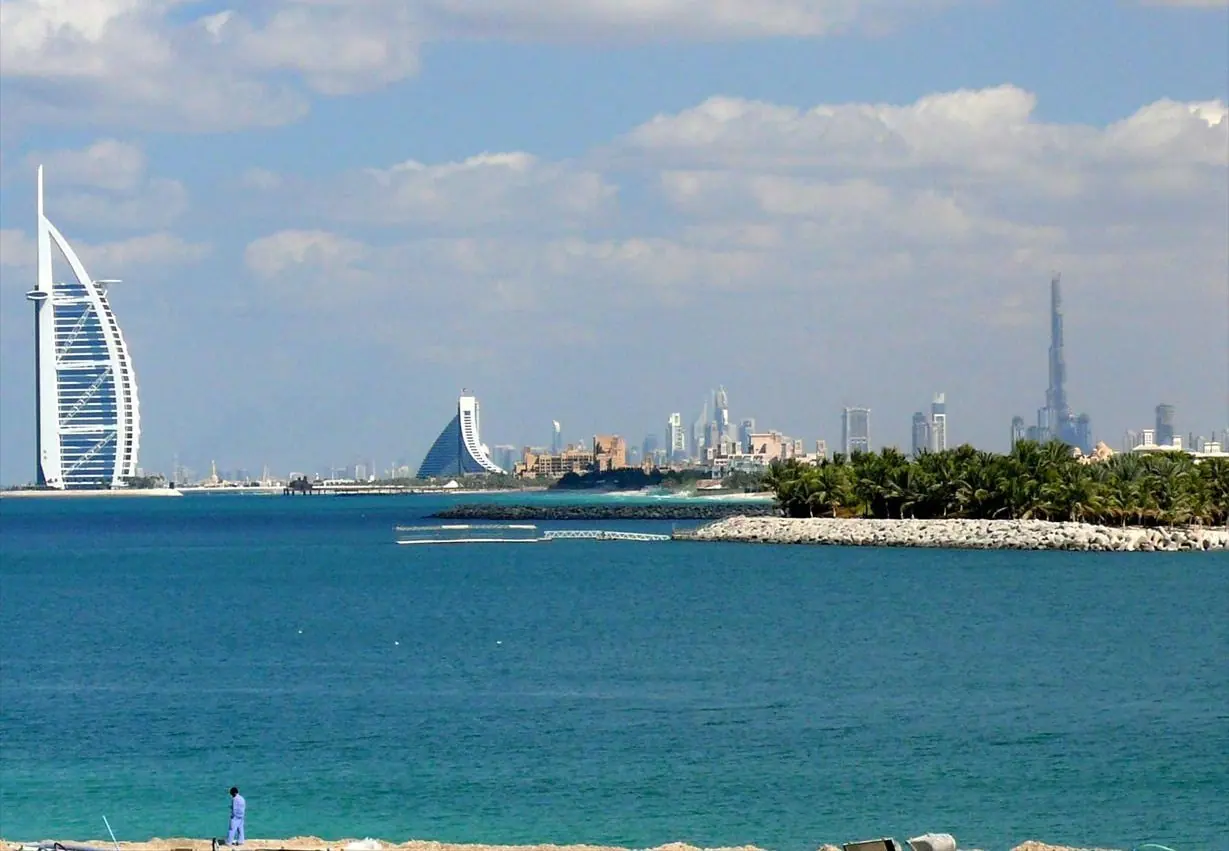
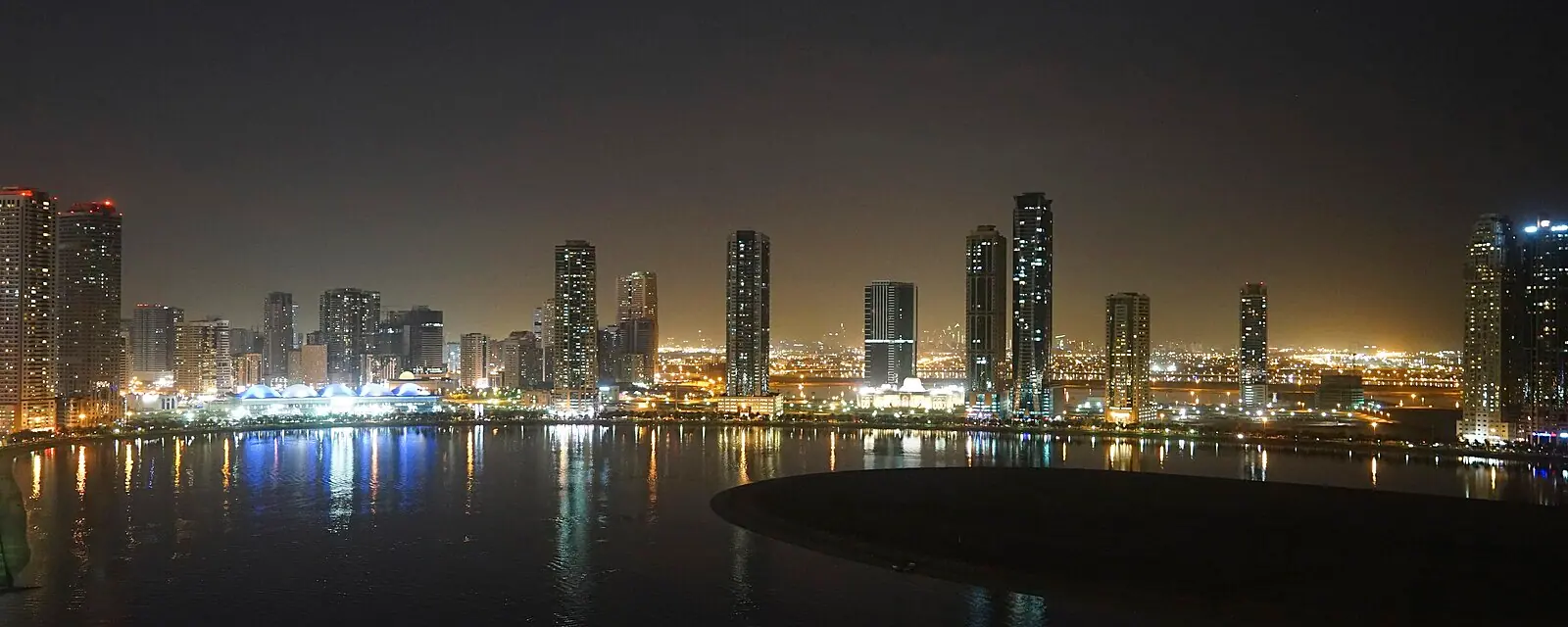
The United Arab Emirates runs on two calendars at once: the mild, glittering winter that fills every beach club and rooftop terrace, and the furnace-hot summer that empties them and sends room rates tumbling. Knowing which one you are walking into — and which emirate suits it — is the difference between queuing in stifling heat outside a theme park and a cool morning on a mountain road above the clouds.
Why the Climate Decides Where You Sleep
The country stretches roughly 650 kilometres along the Gulf coast, then folds inland into gravel plains, towering dunes and the rocky Hajar Mountains that rise along the eastern edge. That geography creates a hard seasonal split. From November to March, coastal days settle into the low-to-mid twenties with cool, breezy evenings that beg for outdoor dinners. From June to September, Dubai and Abu Dhabi regularly push past 40°C, and the humidity turns the pavement into a steam room by mid-morning. Inland Al Ain and the vast Liwa Oasis run hotter still, while Jebel Jais in Ras Al Khaimah and Jebel Hafeet above Al Ain stay noticeably cooler than the coast at any time of year.
Hotel rates follow that curve almost exactly. A beachfront room on Palm Jumeirah in January can cost two or three times what the identical room costs in July, and New Year's Eve is the single most expensive night in the country. Summer, by contrast, is when residents flee abroad and hotels chase visitors with free-night packages, meal credits, suite upgrades and kids-stay-free offers. The sensible planning order is therefore: decide what you actually want to do — desert, beach, culture, theme parks — and then choose the month that makes it comfortable.
November to March: The Window Everyone Wants
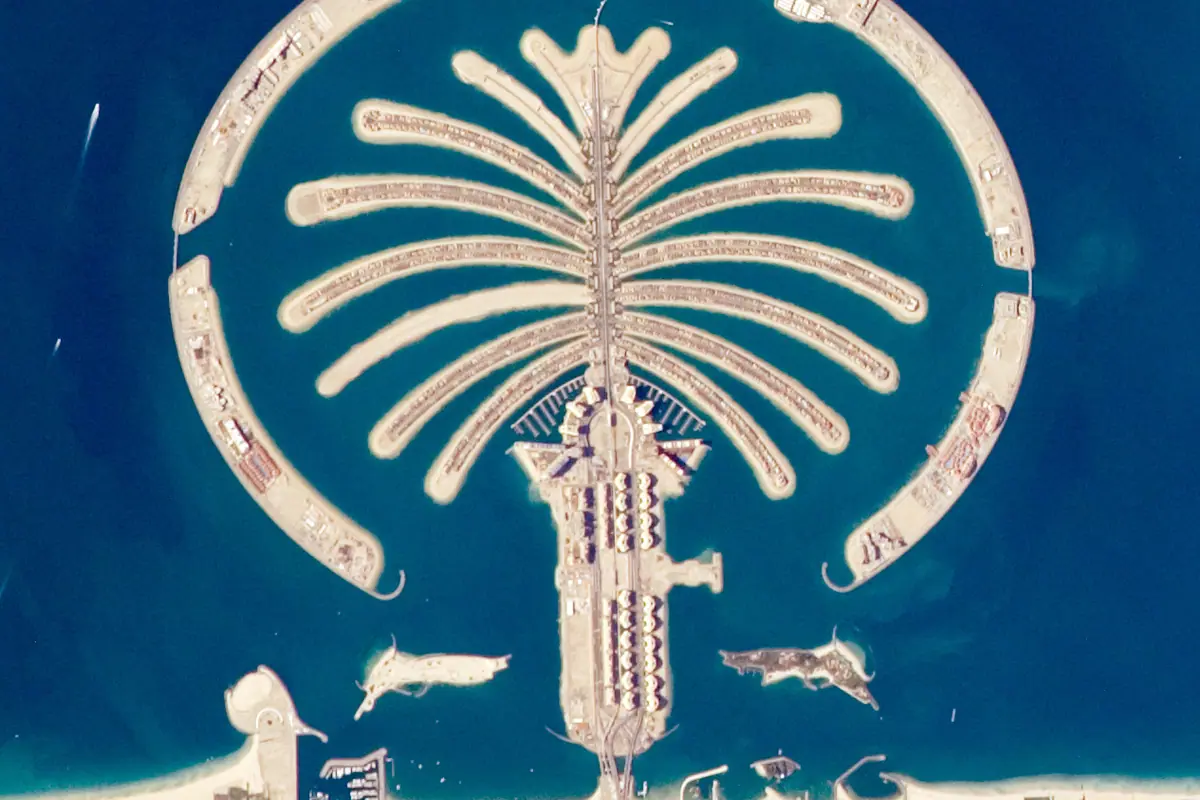
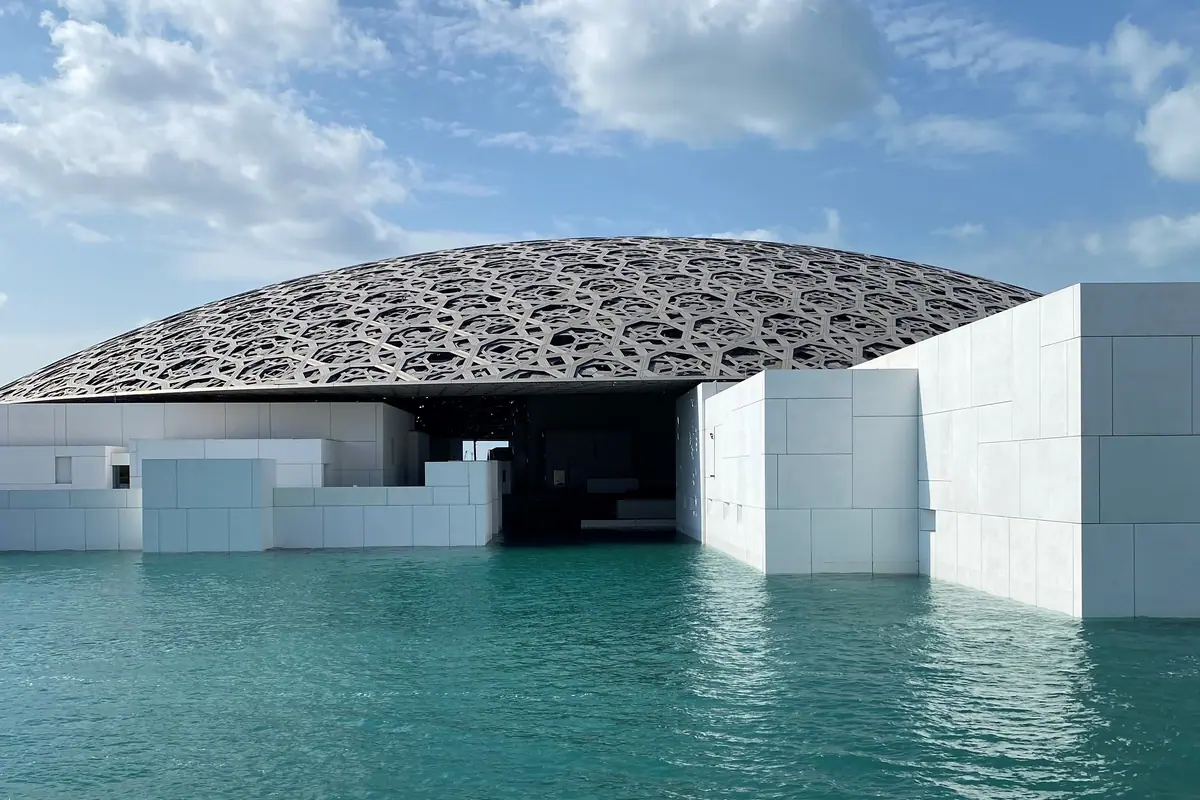
This is the postcard version of the Emirates. Days are warm enough for the sea but never punishing, evenings need a light layer, and every headline sight is at its best. In Dubai, the Burj Khalifa observation decks, the choreographed fountain shows at the base of the tower, the sand at Jumeirah Beach and the walkways of the Palm all work beautifully. In Abu Dhabi, the vast white marble of the Sheikh Zayed Grand Mosque, the presidential halls of Qasr Al Watan and the waterfront galleries of the Louvre Abu Dhabi are all far more enjoyable without a summer haze hanging over them.
It is also, predictably, the busiest stretch of the year. December and January see the deepest demand, and rooms in central Dubai and on Abu Dhabi's Corniche can sell out months ahead. If you are set on celebrating New Year's Eve beneath the Burj Khalifa, treat your booking as a long-term project rather than a last-minute decision.
Winter is also the season for the experiences that define the country: overnight camps among the dunes outside Al Ain or in the Liwa Oasis, hot-air balloon flights at dawn, kayaking through the Hatta mountains east of Dubai, and cool, shaded walks through the palm channels of the Al Ain Oasis. Desert excursions run year-round, but between November and March you can actually enjoy them rather than merely survive them.
October and April: The Shoulder-Season Sweet Spot
Sandwiched between the furnace and the crowds are two months that savvy travellers guard closely. October still carries real heat — often well into the thirties — and April begins to, but both sit in a generous middle ground where mornings and evenings are genuinely pleasant and the sea remains warm enough for long swims. Hotel availability opens up dramatically, and rates soften.
Culture lovers do particularly well. The Museum of the Future in Dubai and the Louvre Abu Dhabi are air-conditioned sanctuaries whatever the weather, while Sharjah's restored Heart of Sharjah district and its dense cluster of museums reward a slow, unhurried day. As October progresses, the outdoor season reopens: Global Village's pavilions return, beach clubs restart their full programmes, and Ain Dubai and the Corniche come back to life.
April brings its own rhythm. The winter visitors have gone home, the water is at its most inviting, and the desert is still cool enough at night for a comfortable camp. Just be aware that Ramadan moves through the calendar year by year and can fall in either month — see below for what that changes.
May to September: Heat, Bargains and the Mountain Escape
Summer in the Emirates is not a disaster to be avoided; it is simply a different holiday. The trick is to reorganise your day around air conditioning and water. Dubai Mall, with its indoor aquarium and ice rink, becomes a genuine full-day destination. Ski Dubai offers real snow on a real slope, the Museum of the Future and the city's art spaces are blissfully cool, and in Abu Dhabi, Ferrari World, Yas Waterworld and the Louvre Abu Dhabi absorb entire days without you ever stepping into direct sun.
In exchange for the heat, you get the best hotel value of the year. Beach resorts drop rates sharply, throw in dining credits and late checkouts, and run summer entertainment programmes for families. Pools are chilled, and many beach clubs simply shift to early mornings and after-dark sessions. Book a room with a decent balcony and a shaded pool, and the season becomes a pleasure rather than a punishment.
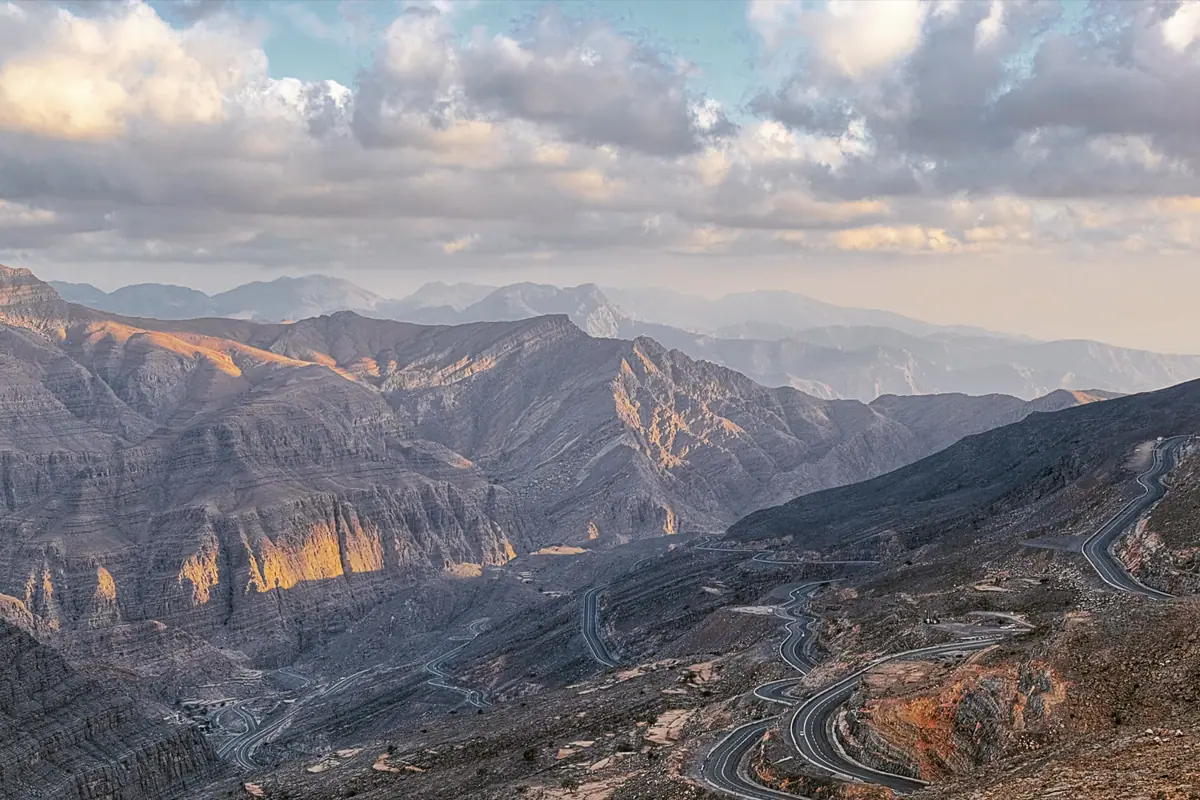
There is also a genuine escape route: the mountains. Jebel Jais in Ras Al Khaimah is cool enough in midsummer for hiking and the long zipline, and Jebel Hafeet above Al Ain offers sweeping views and breezy sunset drives. On the east coast, Fujairah's Al Bidya Mosque — the oldest surviving mosque in the country — and the snorkelling reefs around Snoopy Island are at their quietest, and the area sometimes catches rain clouds spilling over the mountains while the rest of the country bakes.
Ramadan, Eid and Event Season: The Moving Calendar
Ramadan shifts roughly eleven days earlier each year, so it can land in any season. During the month, daytime life slows: many restaurants close until sunset, alcohol service is restricted, and working hours shorten. For visitors, though, it can be a rewarding and remarkably good-value time to stay. Hotels roll out iftar and suhoor experiences, rates dip, and the evening atmosphere around mosques and lantern-lit streets is memorable. Families should expect a quieter daytime rhythm and plan sightseeing for early morning or after the evening meal.
Eid al-Fitr and Eid al-Adha then trigger short, intense domestic holiday bursts. Hotels across Dubai, Abu Dhabi and Ras Al Khaimah fill fast with local families, so book well ahead if your dates coincide. The same applies to the big event calendar: the year-ending grand prix at Yas Marina Circuit, the spring horse racing showpiece in Dubai, the long shopping festival that spans December and January, and of course New Year's Eve itself.
Outside those peaks, the calendar is friendlier than most people assume. Midweek nights are consistently cheaper than weekends, when regional visitors arrive, and a Sunday-to-Thursday stay can unlock noticeably better rates and quieter pools.
Which Emirate Suits Which Season
Dubai is at its absolute best from November through March, when the Creek, the Al Fahidi Historical Neighbourhood, the beaches and the desert all cooperate. Abu Dhabi works year-round thanks to its concentration of indoor culture, but winter is when the Corniche, the mangroves and the Sheikh Zayed Grand Mosque's courtyards are most enjoyable. Ras Al Khaimah is the summer sleeper, with Jebel Jais offering cool air and dramatic views when the coast is unbearable.
Fujairah, on the east coast, is a winter and spring destination: diving, snorkelling and quiet rocky beaches, plus the old fort at Al Bidya. Al Ain rewards the cooler months with the Al Ain Oasis, the camel market and the switchback road up Jebel Hafeet. And the Liwa Oasis, at the edge of the Empty Quarter, is strictly a winter proposition, best paired with the desert festival season.
Two final habits will improve any UAE trip. First, split your stay — a few days on the coast and a few in the mountains or desert gives you two climates in one holiday. Second, choose hotels with flexible cancellation, because between Ramadan, Eid and event weekends, dates shift and demand spikes with little warning.
Frequently asked questions
What is the best month to visit the United Arab Emirates?
November through March offers the most comfortable weather, with warm days, cool evenings and sea temperatures pleasant enough for swimming. December and January are the most popular and most expensive, so October, November, February and March often deliver the best balance of conditions and hotel value.
Is it worth visiting the UAE in summer?
Yes, if you plan around the heat. Hotel rates drop sharply from May to September, and indoor attractions such as the Museum of the Future, the Louvre Abu Dhabi, Ferrari World and the big shopping malls absorb full days comfortably. Mountain areas like Jebel Jais and Jebel Hafeet stay noticeably cooler than the coast.
How far ahead should I book a hotel for New Year's Eve in Dubai?
As early as you possibly can — ideally several months ahead. New Year's Eve is the single most in-demand night of the year across the country, with minimum-stay requirements and premium rates at properties near the Burj Khalifa and along the waterfront.
Does Ramadan affect a hotel stay in the UAE?
It changes the daily rhythm rather than ruining the trip. Many restaurants close during daylight hours, alcohol service is limited, and attractions run shorter schedules. In return you get lower rates, quieter sights, and rich evening iftar and suhoor experiences. Plan sightseeing for early morning or after sunset.
Which emirate is best in the hotter months?
Ras Al Khaimah and Fujairah are the strongest summer choices. Jebel Jais offers cool mountain air, hiking and long views, while the east coast around Fujairah has diving, quiet beaches and the historic Al Bidya Mosque without the intense humidity of the Gulf side.
Plan it — hotels in United Arab Emirates
Live search, booked directly with trusted providers.
Sort the rest of your trip
Everything for United Arab Emirates, in one place
Transfer in United Arab Emirates
Private driver waiting on arrival — no queues, no surprises.
Book a transfer
Things to do in United Arab Emirates
Skip-the-line tickets, guided tours and standout experiences.
See experiences
Stay online in United Arab Emirates
Travel eSIM — data the moment you land, no roaming bills.
Get an eSIM