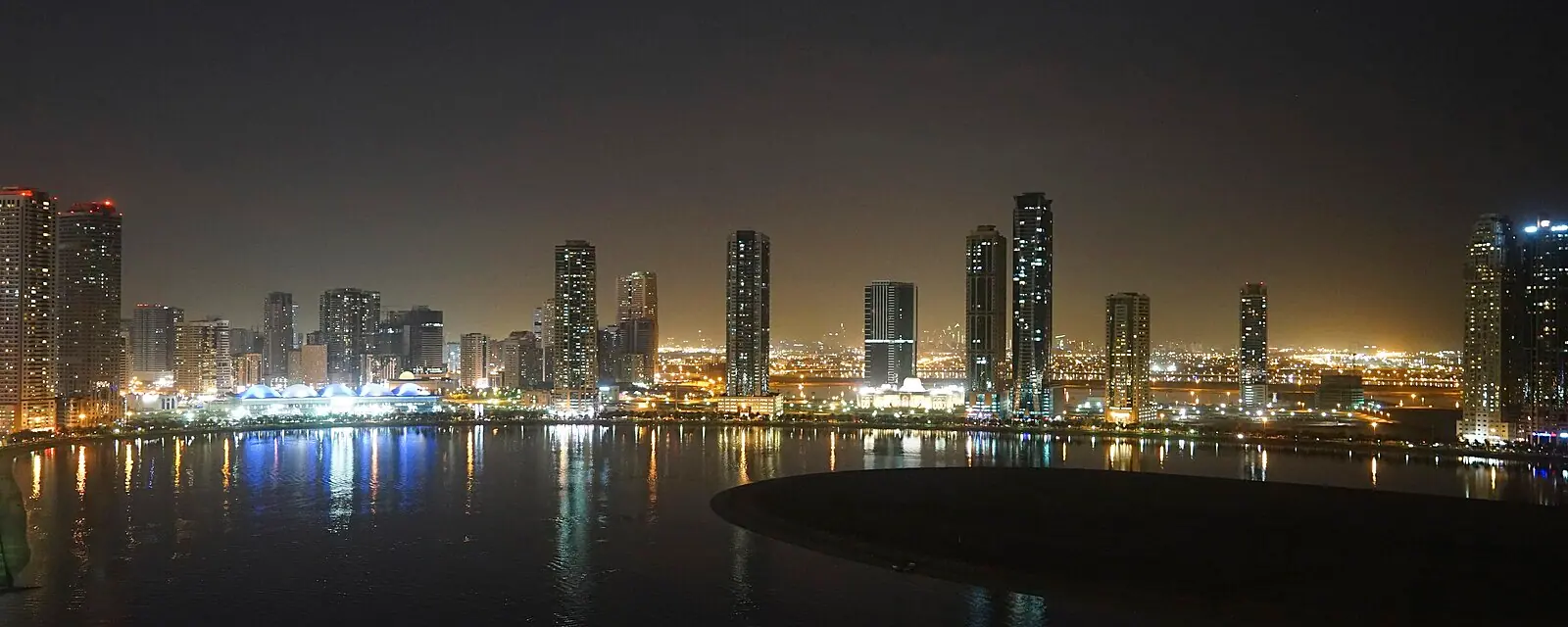
The United Arab Emirates compresses superlatives into a country you can drive across in a morning: the world's tallest tower, a mosque of blinding white marble, red dunes that swallow the horizon and a mountain road that climbs into the clouds. What surprises most first-time visitors is how quickly the glass-and-gold skyline gives way to creeks, oases and old coral-stone lanes.
Dubai's Skyline Icons: Burj Khalifa, the Fountain and the Museum of the Future
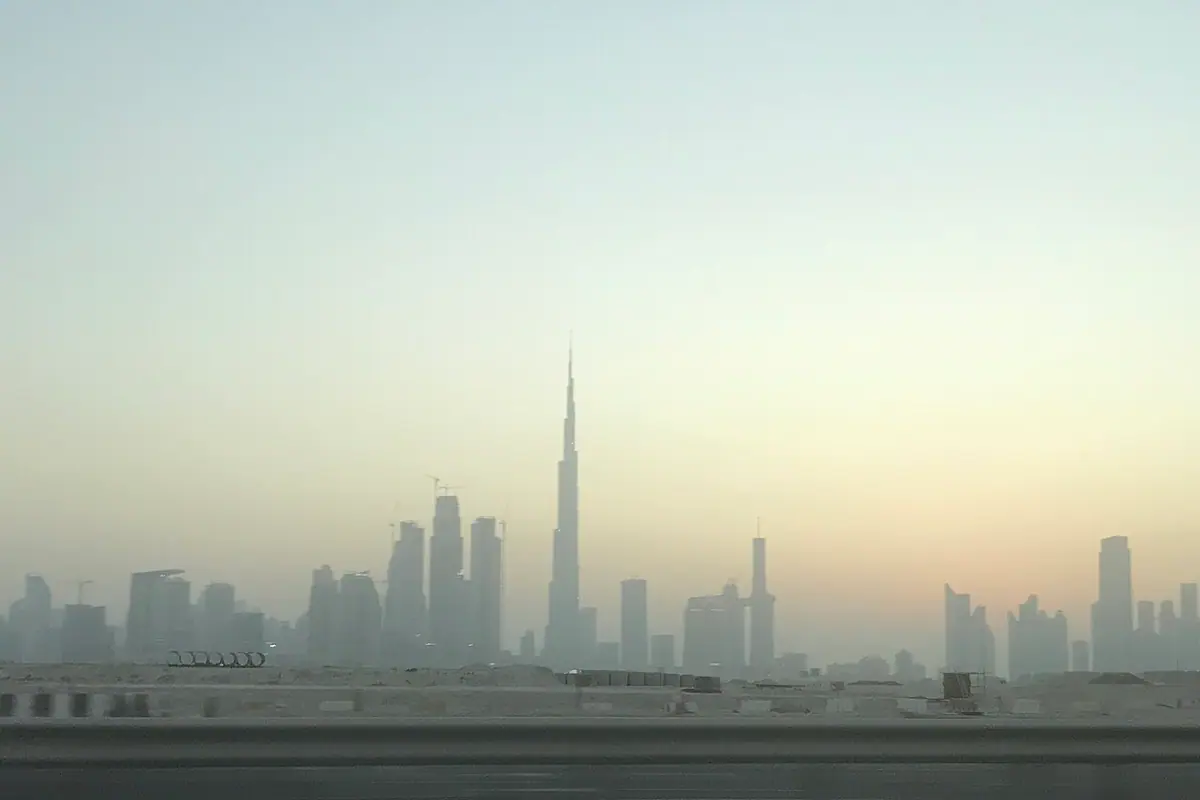
Start with the obvious, because it genuinely earns the fuss. The Burj Khalifa rises 828 metres above Downtown Dubai, and the observation decks on levels 124 and 125 open onto a city that looks like a circuit board from above; the higher level 148 sky deck is quieter and worth the upgrade if you want the horizon to yourself. Go at sunset for the light, or just after opening for clearer air — desert haze builds through the day, and timed tickets sell out in peak season.
At its base, the Dubai Fountain throws water up to 150 metres in choreographed bursts every half hour after dark, best watched from the waterfront promenade or from a boat on the artificial lake. The adjoining Dubai Mall is less a shopping centre than a small city: an indoor aquarium, an Olympic-sized ice rink and a waterfall sculpture of diving figures. A short drive away, the Museum of the Future wears its silver calligraphy-clad torus like a piece of jewellery on Sheikh Zayed Road, while the Dubai Frame in Zabeel Park does something cleverer still — one side of its golden rectangle frames the old city, the other the new.
Allow a full day for this cluster and use the Metro to dodge evening traffic; the Burj Khalifa and Dubai Mall stations put you within a short walk of everything above.
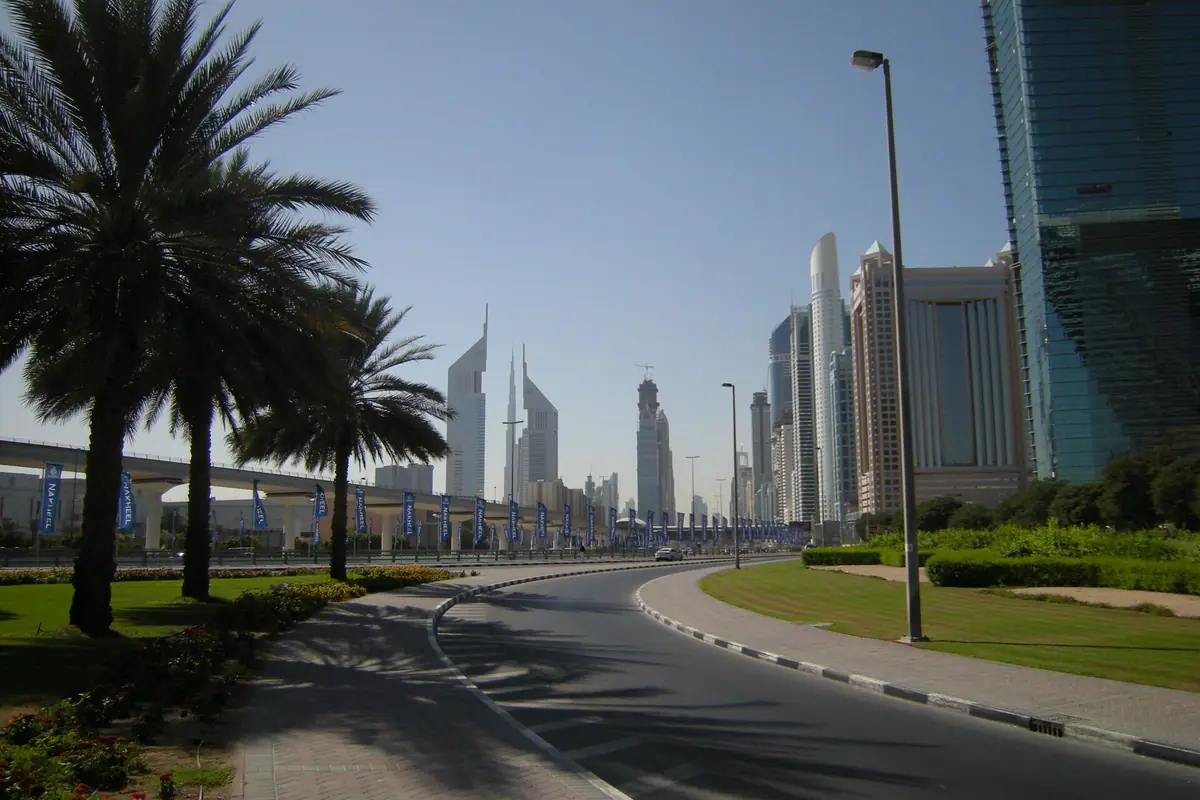
Old Dubai: Al Fahidi, the Creek and the Souks
The counterweight to all that glass lies on either side of Dubai Creek. On the Bur Dubai bank, the Al Fahidi Historical Neighbourhood preserves a warren of coral-and-gypsum houses with wind towers designed to catch the breeze long before air conditioning existed. The lanes are now home to small galleries, a cultural centre and a coffee museum, and the cluster is compact enough to wander in an hour — though the shade, the narrow doorways and the occasional call to prayer make it easy to linger far longer.
Cross the water the way locals always have, on a wooden abra for a few dirhams, and you land in Deira beside the Spice Souk, where sacks of saffron, dried limes and frankincense scent the covered alleys. A few minutes' walk on is the Gold Souk, its windows stacked with chains so heavy they look almost theatrical. Haggling is expected and friendly; walking away is part of the ritual.
Come early morning for photographs without crowds, or in the late afternoon when the souks light up and the creek fills with dhows loading cargo for Iran and Somalia. Al Seef, a restored stretch of waterfront nearby, is a comfortable place to end with mint tea.
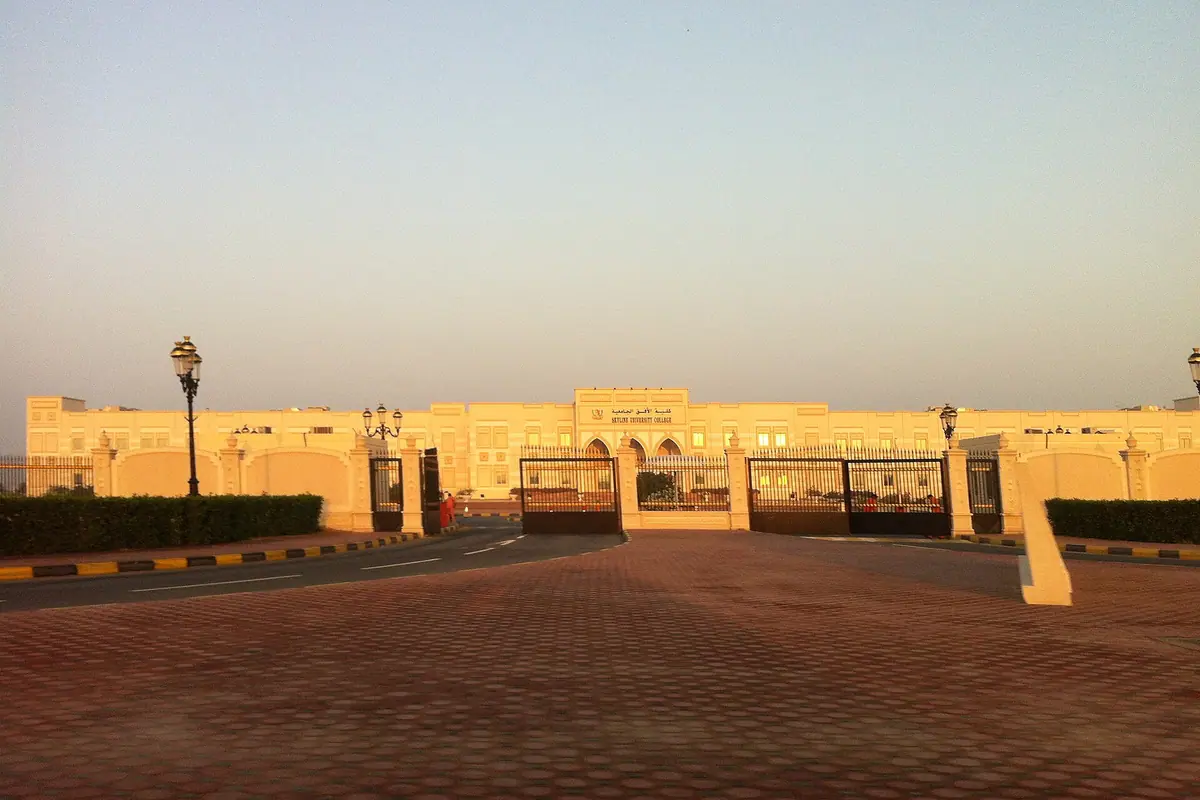
Abu Dhabi: The Grand Mosque, Qasr Al Watan and Saadiyat's Museums
Abu Dhabi's defining landmark is the Sheikh Zayed Grand Mosque, a white marble complex with 82 domes, 1,000-plus columns and the largest hand-knotted carpet in the world. Entry is free, but dress codes are enforced — women are lent an abaya at the entrance — and the light is most flattering in the last hour before sunset, when the reflecting pools turn gold. It is roughly 90 minutes by road from Dubai, so many visitors make it a day trip rather than an afterthought.
Nearby, Qasr Al Watan opens the working presidential palace's ceremonial halls to the public, with a vast central dome and a library of volumes on Emirati and Arab history. Across the water on Saadiyat Island, the Louvre Abu Dhabi shelters its galleries under a lacy steel dome that filters sunlight into a shifting 'rain of light' — a building as rewarding as the collection inside.
Round off the day along the Corniche, a manicured seafront promenade with cycle paths and calm swimming beaches, or time your visit to the Formula 1 weekend on Yas Island if you want the city at its most animated.
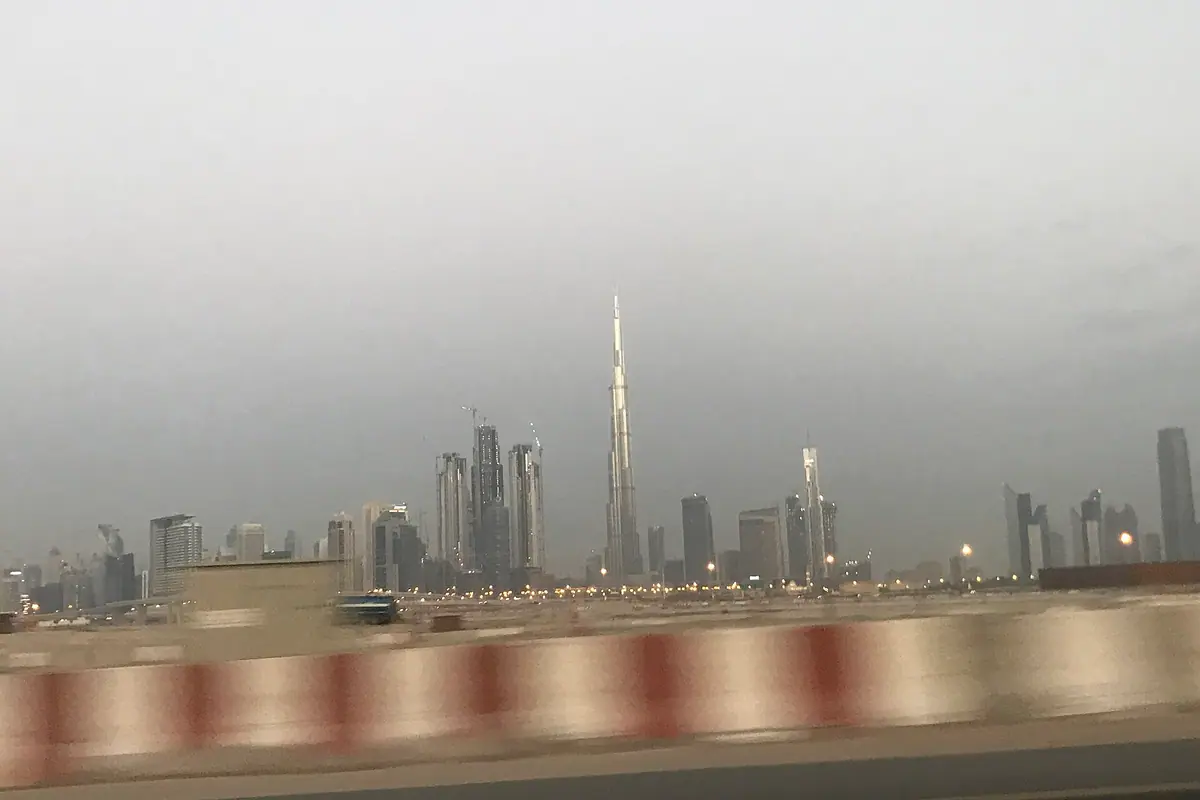
Desert, Oases and Mountains: Liwa, Al Ain and Jebel Jais
South of Abu Dhabi, the Liwa Oasis sits at the edge of the Rub' al Khali, the Empty Quarter, where dunes rise several hundred metres and the silence is the main attraction. It is a two-hour-plus drive from the city, best done as an overnight with dune drives, camel encounters and stargazing rather than a rushed round trip. Closer to Dubai, the red dunes of Al Marmoom and the Hatta exclave offer sandboarding and kayaking through rock pools without the long haul.
Inland toward Oman, Al Ain is the country's greenest city and its UNESCO-listed oasis of 147,000 date palms is irrigated by a falaj system that has run for centuries. Al Jahili Fort and the camel market round out a proper half-day, and the road up Jebel Hafeet — 1,240 metres of switchbacks with a viewpoint at the top — is one of the best drives in the country.
For altitude, head north to Ras Al Khaimah's Jebel Jais, the UAE's highest peak at around 1,900 metres. Temperatures drop 10°C or more up here, which makes it a summer escape, and the zipline that launches from the ridge is among the longest in the world. Go on a weekday and bring a layer; the wind at the summit is no joke.
Coastline and Islands: Jumeirah, the Palm, Fujairah and Sir Bani Yas
Dubai's beaches do double duty as sightseeing. Jumeirah Beach puts the sail-shaped Burj Al Arab squarely in your viewfinder, while Kite Beach further along is the liveliest stretch for paddleboarding, running and casual seafood shacks. On the Palm Jumeirah, the boardwalk and the observation deck at The View at the Palm give you the full frond-and-crescent geometry that only makes sense from above.
The east coast feels like a different country. Fujairah's shoreline along the Gulf of Oman has real coral, turtles and dive sites around Snoopy Island and Al Aqah, plus the sheltered bay at Khor Fakkan where the Hajar Mountains tumble almost straight into the sea. Weekends fill up with divers, so midweek gives you clearer water and easier parking.
Off Abu Dhabi, Sir Bani Yas Island is a wildlife reserve where Arabian oryx, gazelles and cheetahs roam a landscape of salt domes and beaches — reached by boat or short flight and best explored by 4x4 safari. Between November and March, camping and beach days are genuinely pleasant everywhere along the coast.
Timing Your Trip: Seasons, Festivals and Moving Between Emirates
The UAE is a winter destination dressed as a year-round one. From November to March, daytime temperatures sit in the comfortable mid-20s and every outdoor plan works: desert camps, mountain drives, beach clubs and the long promenades. April and October are shoulder months with warm but manageable heat. From June to September, expect 40°C-plus afternoons and high humidity on the coast — this is the season for museums, malls, aquariums and indoor theme parks on Yas Island, with outdoor time pushed to early morning or after dark.
Winter also brings the events calendar. Global Village, a sprawling collection of country pavilions, food stalls and fairground rides, typically runs from late October into April; the Dubai Miracle Garden, with its flower-covered arches and full-size aircraft installation, follows a similar window. Ramadan shifts opening hours, dining rhythms and dress expectations for about a month each year, so check dates if you plan to eat your way through the city.
Distances are short but public transport is limited outside the cities. Dubai to Abu Dhabi is about 90 minutes by road, Dubai to Ras Al Khaimah roughly an hour, and Dubai to Fujairah around two hours through the mountains. Renting a car gives you the freedom to combine a mosque visit, a dune sunset and a mountain viewpoint in a single day — otherwise plan each emirate as its own trip.
Frequently asked questions
How many days do you need in the UAE?
Five to seven days covers the essentials comfortably: two to three days in Dubai for the Burj Khalifa, old Dubai and the souks, two in Abu Dhabi for the Sheikh Zayed Grand Mosque, Qasr Al Watan and Saadiyat Island, plus a day for the desert, Jebel Jais or the east coast. Ten days lets you add Al Ain, Liwa Oasis or a Fujairah diving trip without rushing.
When is the best time to visit the UAE?
November to March offers the most comfortable weather, with daytime temperatures in the low to mid-20s and cool desert nights. December and January are the busiest and priciest. April and October are good shoulder options; June to August is extremely hot and best suited to an indoor, air-conditioned itinerary.
What should I wear at the Sheikh Zayed Grand Mosque?
Loose, full-length clothing that covers shoulders, arms and legs. Women are asked to cover their hair and are lent an abaya free of charge at the entrance if needed; men should avoid shorts. Shoes come off before entering the prayer hall, so slip-on footwear is practical. The same modest dress works well in souks and older neighbourhoods.
Do I need to rent a car in the UAE?
Not within Dubai or Abu Dhabi, where the Metro, taxis and ride-hailing cover most sights. But a car transforms trips between emirates: Jebel Jais, Liwa Oasis, Hatta and the Fujairah coast are all far easier to reach independently. Roads are excellent, fuel is cheap, and driving is on the right.
Is the UAE suitable for families?
Very. Theme parks on Yas Island, the Dubai Aquarium, the Museum of the Future, desert safaris and calm Gulf beaches all work well with children, and the country is exceptionally safe. The main considerations are heat in summer and the amount of walking involved at large sites like the Grand Mosque, so plan midday breaks.
Plan it — experiences in United Arab Emirates
Live search, booked directly with trusted providers.
Sort the rest of your trip
Everything for United Arab Emirates, in one place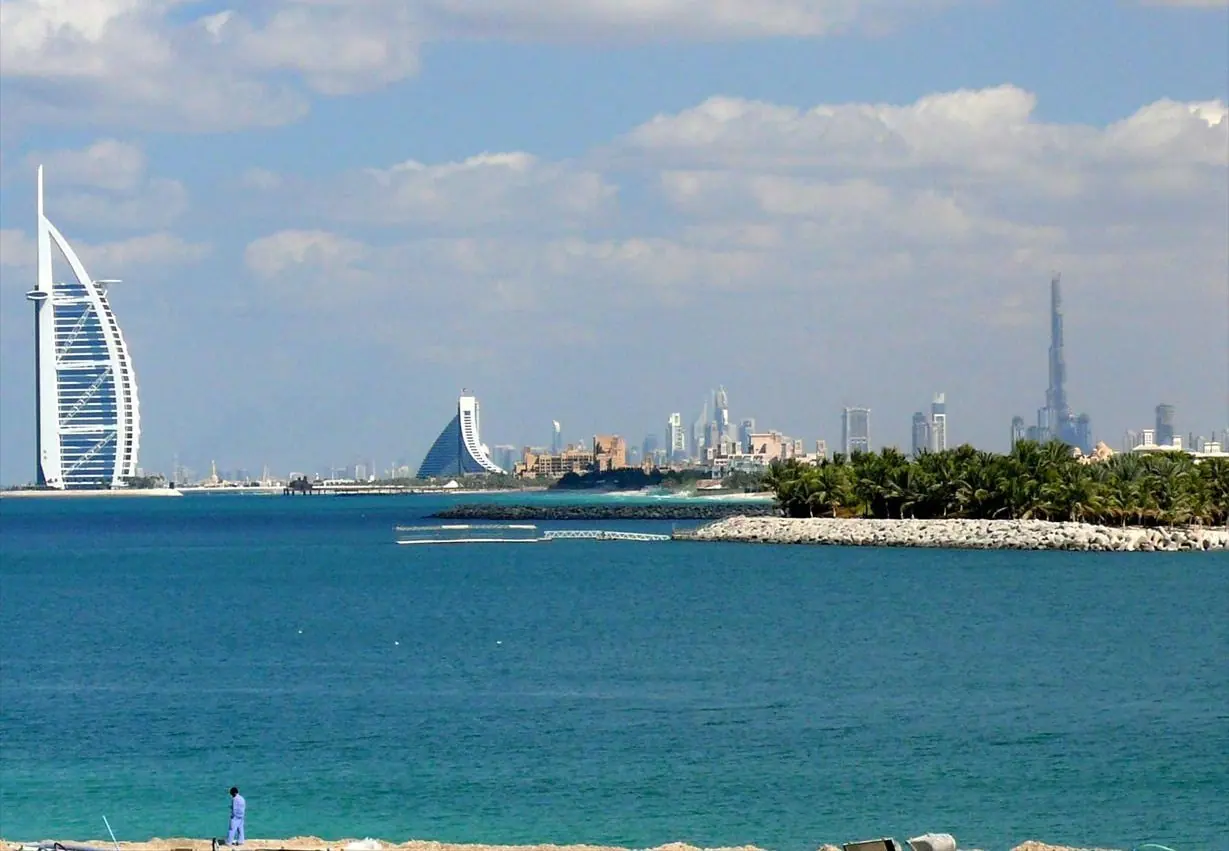
Stay in United Arab Emirates
Hotels, guesthouses and apartments — compared in one search.
Search hotels
Transfer in United Arab Emirates
Private driver waiting on arrival — no queues, no surprises.
Book a transfer
Stay online in United Arab Emirates
Travel eSIM — data the moment you land, no roaming bills.
Get an eSIM