Venezuela squeezes an entire continent's worth of scenery into one country: the planet's tallest waterfall plunging off a tabletop mountain, coral cays scattered across a warm Caribbean, glacier-carved Andean peaks and plains that flood each year with wildlife. It takes planning to reach, but the payoff is some of the least crowded natural wonders in South America.
Angel Falls and the Tabletop Mountains of Canaima
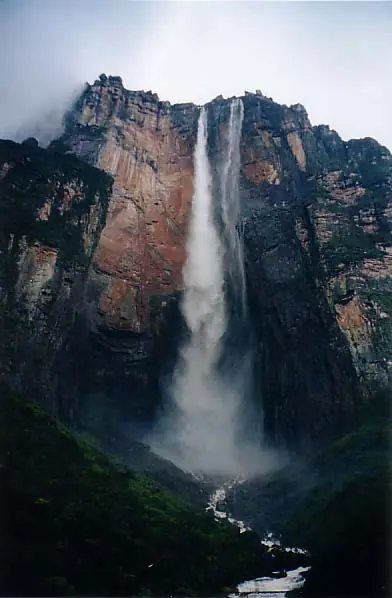
Salto Ángel — Angel Falls — drops 979 metres off the sheer face of Auyán-tepui, the tallest uninterrupted waterfall on Earth. No road goes there. You fly in on a small plane from Ciudad Bolívar or Puerto Ordaz to a camp beside Canaima Lagoon, then head upriver by curiara, a long motorised wooden canoe, through rainforest and rapids. From the landing point, a guided walk of about an hour brings you to Mirador Laime, where the falls hang like a white thread against wet rock.
Give it two to three days, and travel in the wet season (June to November), when the water carries real volume; between December and March the flow can shrink to drifting mist. Canaima Lagoon alone justifies the trip — its tea-coloured water, darkened by tannins, spills over four waterfalls, El Hacha, Golondrina, Ucaima and Wadaima, and a short path lets you walk behind the curtain of El Hacha. Pemón indigenous guides lead most excursions, and a night in a hammock at the river camp is part of the ritual.
Mount Roraima and the Gran Sabana
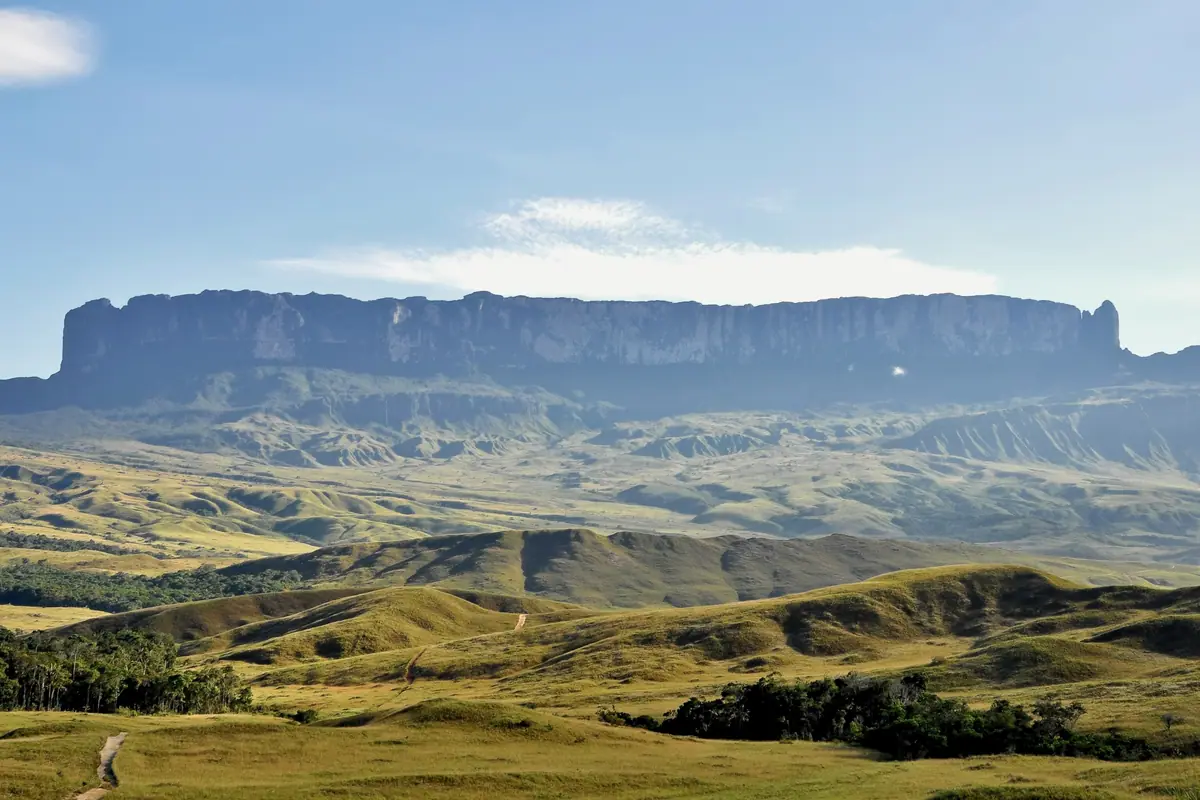
Mount Roraima is the most celebrated of the tepuis, the flat-topped sandstone plateaus that rise from the savanna like islands in the sky. Its 2,810-metre summit, where Venezuela, Brazil and Guyana meet, is a black labyrinth of quartz blocks, gorges and plants found nowhere else. Getting there means a six- to eight-day trek from the village of Paraitepui, crossing grassland and rivers with camps at Río Tek and the mountain's base before the steep climb up the natural ramp onto the plateau.
The road between Ciudad Guayana and Santa Elena de Uairén, near the Brazilian border, links gentler highlights: Salto Kama Merú, a waterfall with a cave hollowed out behind it, the rust-red jasper beds of Quebrada de Jaspe, and viewpoints over rolling green tablelands. Guides are compulsory inside the national park and are usually arranged in Santa Elena de Uairén or San Francisco de Yuruaní. December to March gives firmer trails, though the summit stays cold and often misty, so pack layers and waterproofs whatever the season.
Caribbean Cays: Los Roques, Mochima and Morrocoy
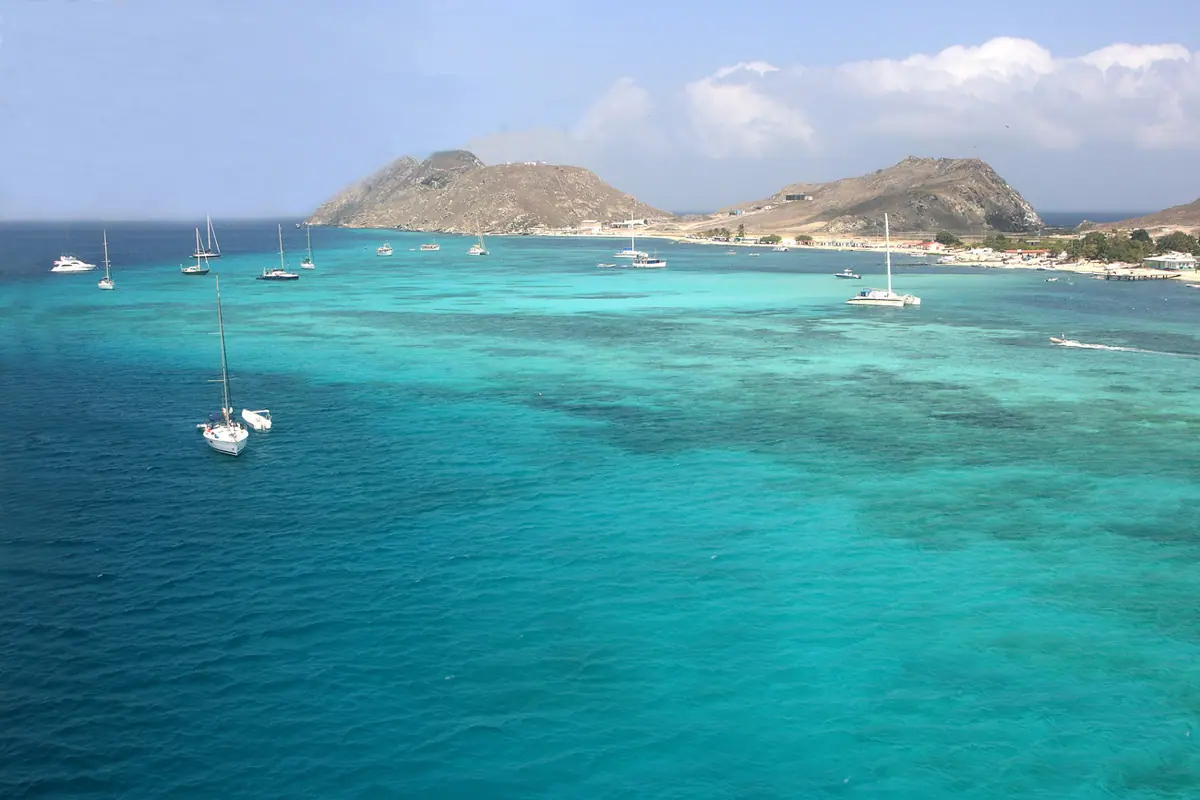
Los Roques is an archipelago of roughly 50 cays and islets around a shallow, dazzling reef lagoon, with no high-rise resorts anywhere. The tiny settlement of Gran Roque serves as base, where family-run guesthouses put you a few steps from the water. Boat taxis shuttle visitors to Cayo de Agua, Francisquí and Madrisquí for snorkelling over coral, kite-surfing in the trade winds or fly-fishing on the flats. December to April brings the calmest seas and clearest visibility, and a short domestic flight from Caracas covers the distance in under an hour.
Closer to the mainland, Mochima National Park near Puerto La Cruz hides quiet bays and the Chimana islands behind green hills, while Morrocoy National Park is a maze of mangrove channels and white-sand keys such as Cayo Sombrero and Cayo Muerto. Further east, Isla de Margarita offers Playa El Agua and Playa Parguito for swimming, plus the mangrove boat ride through Laguna de la Restinga and the colonial lanes of La Asunción. Weekdays are far quieter than weekends, when Venezuelan families arrive in force, and cash makes boat negotiations much easier.
The Andes Above Mérida: Cable Cars, Pico Bolívar and Mucubají
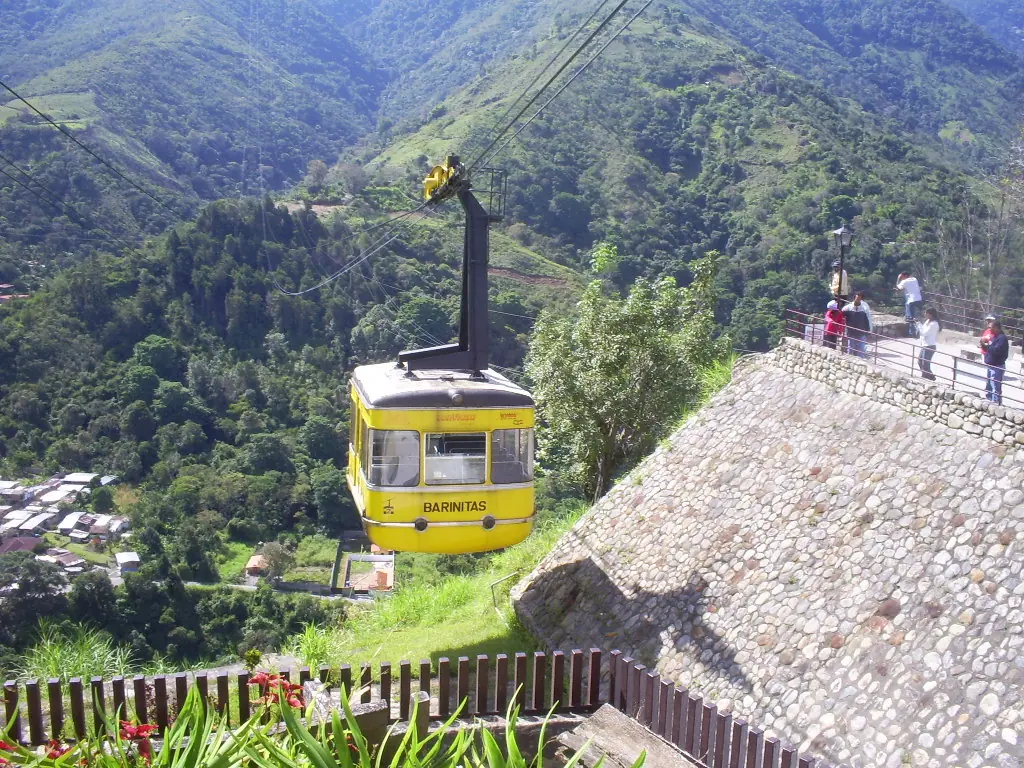
Mérida sits at 1,600 metres in a valley of green ridges, and its cable car, the Teleférico Mukumbarí, climbs in four stages to Pico Espejo at around 4,765 metres — one of the highest cable-car rides anywhere. From the top, the Sierra Nevada glaciers and the summit of Pico Bolívar at 4,978 metres loom close enough to feel within reach. Give yourself a day for the ride, allowing time to acclimatise, and check operating days before you go, as service is not always daily.
Beyond the city, the páramo is the real prize. Laguna Mucubají, near Apartaderos, is a glassy lake ringed by frailejones — strange, woolly high-altitude plants that look like silver sentinels. The village of Los Nevados, reached by cable car plus a bumpy four-wheel-drive or mule ride, feels a century away from the city, with whitewashed walls and mule tracks. Adventurous travellers also come for paragliding over Mérida and rafting on the Chama river.
The driest months — December to March, and again in July and August — are kindest for hiking and views; the páramo is cold and wet year-round and nights near the lagoons can drop close to freezing. Serious climbs onto Pico Bolívar require a certified guide, proper glacier equipment and careful acclimatisation. Even at lake level, plan on taking it slow for the first day or two while your body adjusts to the altitude.
Colonial Towns, Cities and the Dunes of Coro
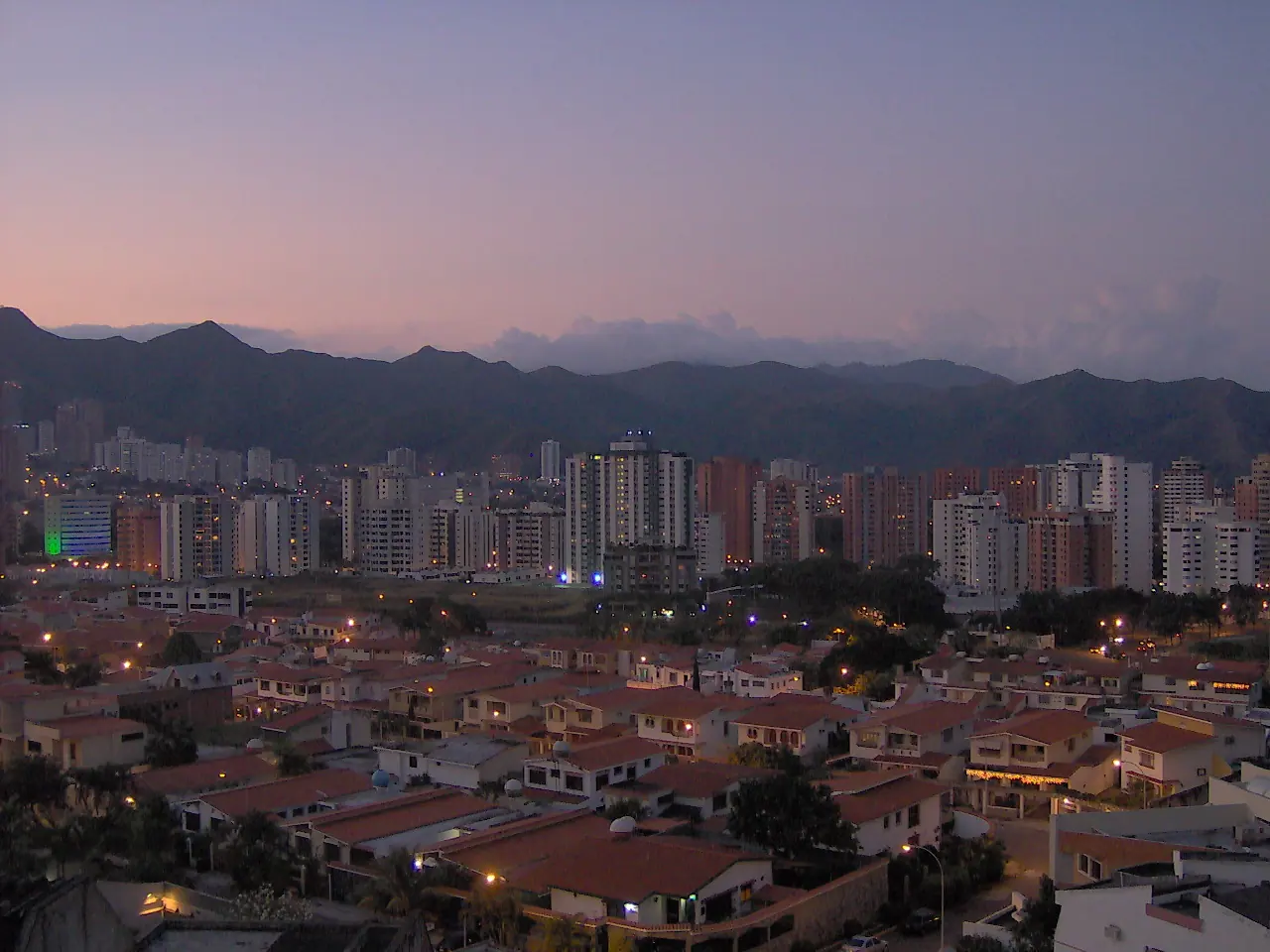
Caracas rewards a day of wandering despite its reputation: the historic centre holds Plaza Bolívar, the cathedral and the Panteón Nacional, the resting place of Simón Bolívar. Above the city, El Ávila — known as Waraira Repano — rises as a green wall, and a cable car from the Maripérez district lifts you to a ridge with views across the valley and out to the Caribbean on clear mornings. It is the easiest mountain escape from any South American capital.
West along the coast, Coro is a UNESCO-listed colonial town of earthen walls and weathered churches such as Iglesia de San Francisco, and just outside it lie the Médanos de Coro, genuine sand dunes that shift beside the road and glow at sunset. Further south, Ciudad Bolívar drapes over the Orinoco, its colonial houses and the Casa del Congreso de Angostura recalling the city's role in independence history — and it remains the main jumping-off point for Canaima flights.
Maracaibo, in the far west, is hot, oil-rich and proudly different, centred on the Basílica de Nuestra Señora del Rosario de Chiquinquirá and the immense General Rafael Urdaneta bridge over Lake Maracaibo. The city is also the gateway to the Catatumbo lightning. Anywhere in Venezuela, colonial plazas are best explored early morning or late afternoon, when the heat softens and the plazas fill with vendors, coffee drinkers and pigeons.
Wildlife: Los Llanos, the Orinoco Delta and Cueva del Guácharo
Los Llanos, the vast plains that flood in the rainy months, are South America's answer to an African safari. Between December and April, when water retreats, wildlife concentrates around shrinking pools: capybaras in family groups, caimans lining the banks, anacondas in the shallows, giant anteaters, scarlet ibis and jabiru storks. Traditional cattle ranches now take in guests, offering jeep drives, boat trips and hammock porches facing some of the loudest sunsets you will ever hear.
East of there, the Orinoco Delta is a waterworld of narrow caños, or channels, threaded between moriche palms. Warao communities host visitors in palm-thatched lodges, guiding boat trips past river dolphins, howler monkeys and a staggering variety of birds. Further north in the hills near Caripe, the Cueva del Guácharo was declared the country's first national monument and is home to oilbirds that navigate the dark by echo — visitors join guided walks along the cave mouth, entering in small groups to limit disturbance.
Night brings Venezuela's most surreal spectacle: the Catatumbo lightning over Lake Maracaibo, where storms flash almost nightly for much of the year, sometimes for hours on end. Watching it from a boat or a simple riverside lodge near Congo Mirador, in the wetter months from September onward, is one of those travel memories that sounds exaggerated until you see it. Birders should aim for the drier season, when foliage thins and species are easier to spot.
Frequently asked questions
When is the best time to visit Venezuela?
December to April suits beaches, islands, the Andes and Los Llanos, when skies are drier and wildlife gathers at shrinking waterholes. Travel between June and November if Angel Falls and Canaima are your priority, since that is when the water volume is at its most spectacular.
How do you actually reach Angel Falls?
Fly to Canaima camp from Ciudad Bolívar or Puerto Ordaz, then continue upriver by motorised curiara with a local guide, finishing with a short rainforest walk to the viewpoint. Most travellers book a two- or three-day excursion that includes meals, river transport and a night in camp.
How much time do you need in Venezuela?
Two to three weeks covers the highlights comfortably: three days for Canaima, three or four on Los Roques, the same around Mérida, two or three in Los Llanos and a day or two in Caracas. Longer treks such as Mount Roraima need a week on their own.
Is Venezuela safe for visitors?
Travel here calls for caution and planning: stick to well-established routes, arrange guided transport rather than hailing taxis on the street, avoid travelling after dark and keep valuables out of sight. Organised tours and lodges handle logistics and are the sensible choice for a first visit.
Do I need to carry cash in Venezuela?
Yes. Bring plenty of US dollars or euros in clean, untorn notes, including small denominations, as cards are widely refused and cash machines are unreliable. Budget for boat taxis, park fees and tips in cash, and keep a reserve hidden separately.
Plan it — experiences in Venezuela
Live search, booked directly with trusted providers.
Sort the rest of your trip
Everything for Venezuela, in one place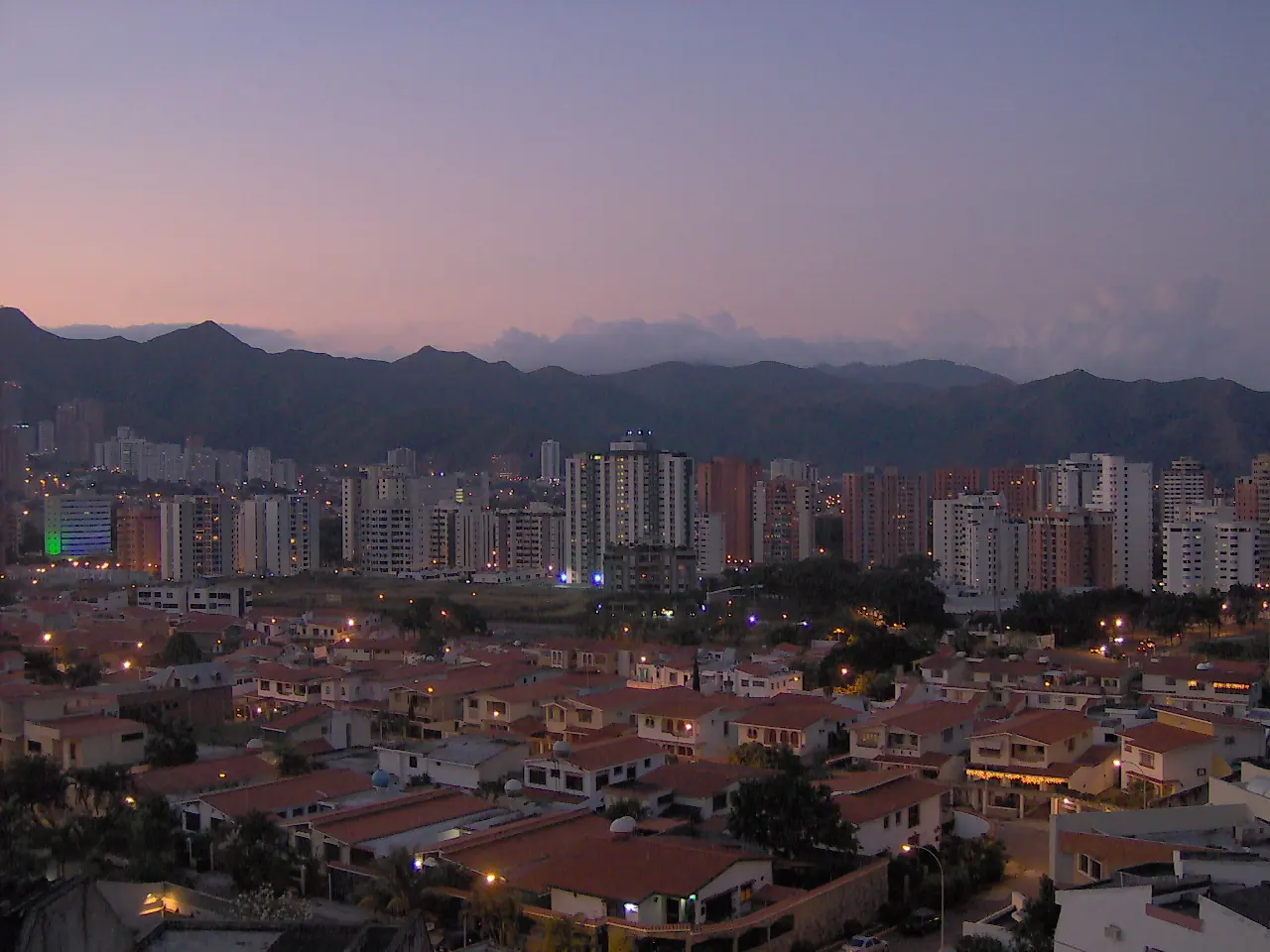
Stay in Venezuela
Hotels, guesthouses and apartments — compared in one search.
Search hotels
Transfer in Venezuela
Private driver waiting on arrival — no queues, no surprises.
Book a transfer
Stay online in Venezuela
Travel eSIM — data the moment you land, no roaming bills.
Get an eSIM