Venezuela is a country of absurd contrasts — coral cays a short flight from Caracas, a waterfall that drops almost a kilometre off a tepui, Andean peaks with cable cars and glacier-carved lakes, and a lake in the west where lightning storms rage for hours at a time. Choosing when to go depends entirely on which of those Venezuelas you want, because the dry Caribbean season that makes Los Roques glow is the same season that leaves Angel Falls thin and quiet.
Venezuela's Two Seasons and the Weeks Everyone Travels
Locals talk about <em>verano</em> and <em>invierno</em> rather than summer and winter. The dry season, roughly December through April, brings blue Caribbean skies, calm seas and steady sunshine along the coast and islands, with occasional breezy days that keep the heat bearable. The wet season, from May to November, doesn't mean constant rain — more often it's a brilliant morning followed by a heavy afternoon downpour, lush green hillsides, rivers running full and lower hotel rates.
Altitude complicates the picture in a way that rewards planning. Caracas, sitting in a valley around 900 metres, stays mild all year, while Mérida in the Andes is genuinely cool in the evenings and needs a jacket even in dry months. The coast and islands run hot and humid, Los Roques holds a steady tropical temperature, and nights on Mount Roraima can be startlingly cold. Pack for three climates if you're stringing together coast, Andes and Guiana Highlands.
Three periods reliably fill accommodation: the Christmas-to-early-January holidays, Carnival in February (the days before Ash Wednesday), and Semana Santa around Easter. Domestic tourism surges during July and August school holidays too, particularly toward Margarita, Morrocoy and the Andean towns. If your trip lands in any of those windows, reserve rooms and tours well ahead — the best posadas in small island and mountain communities have only a handful of rooms.
Caribbean Islands and Coast: Los Roques, Margarita, Mochima and Morrocoy
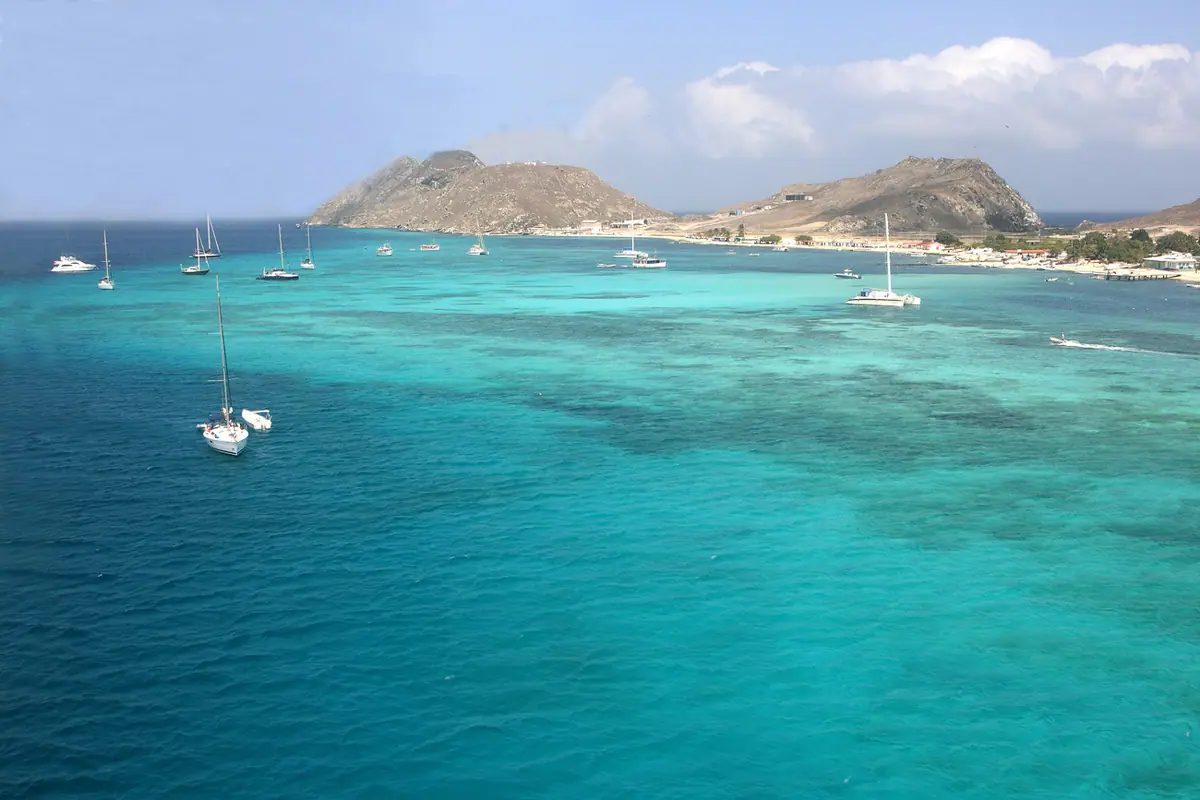
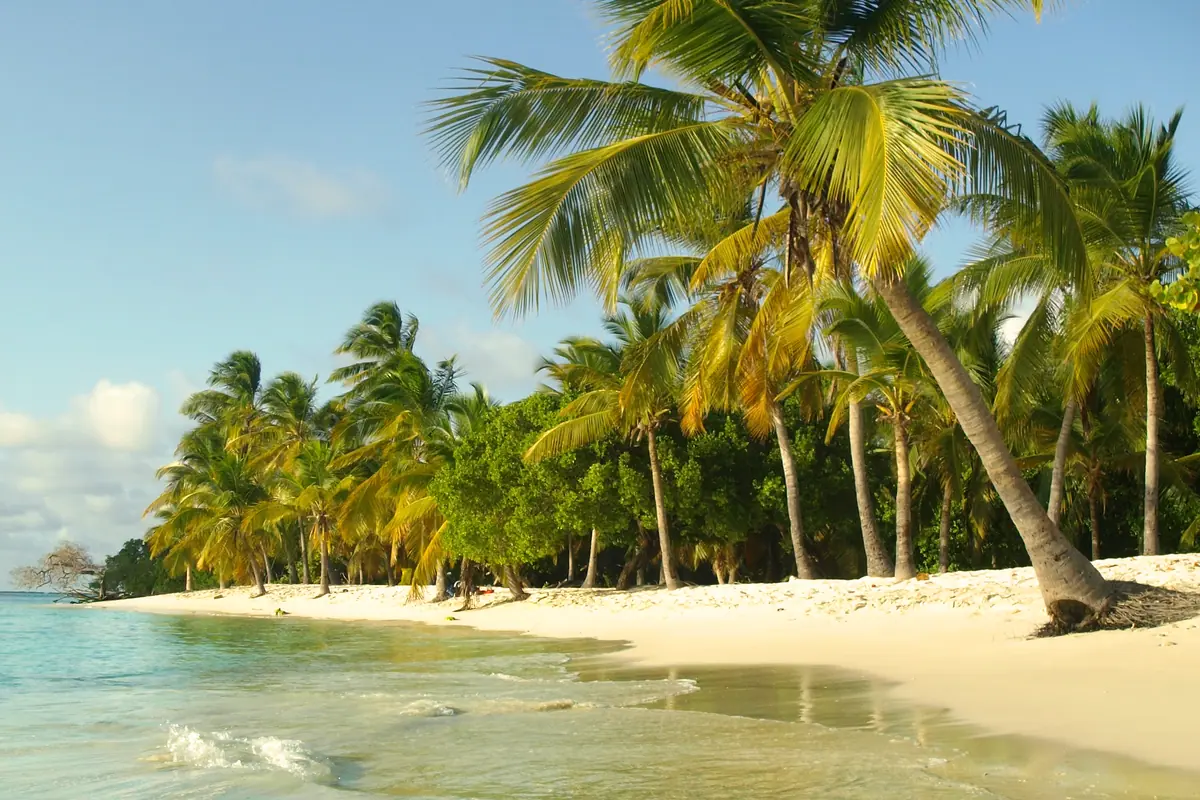
The dry season is the island season. Los Roques Archipelago National Park, a scattering of low coral cays around Gran Roque, is at its best from December to April, when the water is glassy and visibility at reefs like Cayo de Agua, Francisquí and Madrisquí is superb for snorkelling and diving. The trade winds pick up from January through March, which is heaven for sailors and kitesurfers but can make the crossing to the outer keys choppier. Accommodation here is almost entirely small posadas on Gran Roque, so this is the single most important place to book early.
Isla de Margarita is the country's resort island, with Playa El Agua, Playa Parguito and the windsurfing haven of El Yaque, where the breeze blows hardest from January to May. Beyond the beaches, the La Restinga lagoon is explored by small boat through mangrove tunnels, and the colonial fort of Castillo de San Carlos de la Barra guards the entrance to Pampatar bay. Because Margarita has the widest range of larger hotels and apartments, it's the easiest place to find last-minute space — though the December and Carnival weeks still sell out.
On the mainland, Mochima National Park near Puerto La Cruz and Morrocoy National Park in Falcón offer boat-hopping between cays such as Cayo Sombrero and Cayo Borracho, with the calmest, clearest conditions from December to April. For something greener, the villages of Choroní and Cata sit between the sea and Henri Pittier National Park, reached by a mountain road through cloud forest. Midweek visits are dramatically quieter than weekends, when Venezuelan families arrive in force.
Angel Falls, Canaima and the Tepuis: Chasing Water in the Wet Season
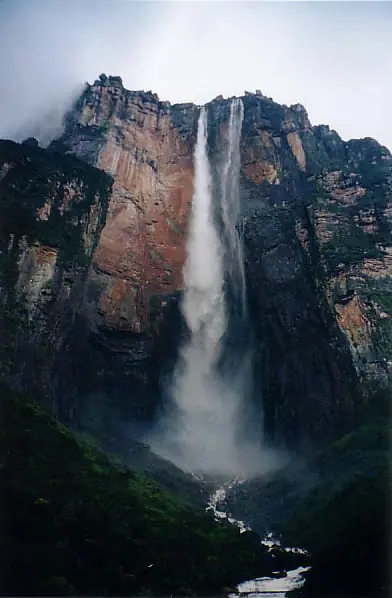
Salto Ángel, in Canaima National Park, is the tallest waterfall on earth, and its mood depends completely on rainfall. The classic approach is by boat up the Carrao and Churún rivers to the base of the falls, then on foot to the viewpoint at Mirador Laime. From June through November the rivers are high enough to make the journey reliably and the cascade thunders at full width; by contrast, in the driest months of January to April the flow can shrink to a slender ribbon and river levels occasionally disrupt boat trips.
Canaima itself is worth more than a transit stop. The lagoon is lined with pink-sand beaches and fed by a chain of falls — Salto El Hacha and Salto El Sapo among them — that you can walk behind or swim beneath. Lodges and hammock campamentos sit beside the lagoon, and flights in usually connect from Ciudad Bolívar and Puerto Ordaz. Book through a locally based operator, and expect the wet season to reward you with colour, mist and drama rather than guaranteed clear skies.
The other great Guiana Highlands experience is Mount Roraima, the flat-topped tepui that inspired tales of lost worlds. Trekking here is best in the dry season, roughly December to April, when the savannah around Paraitepui is firmer underfoot and the summit's alien rock labyrinths are easier to explore. Guided trips run six to eight days, mostly with Pemón guides, and permits are limited — a reason to plan months out. Between treks, the road across La Gran Sabana toward Santa Elena de Uairén delivers tepui views, waterfalls and Pemón communities at almost every turn.
The Andes: Mérida, Pico Bolívar and the Coffee Highlands
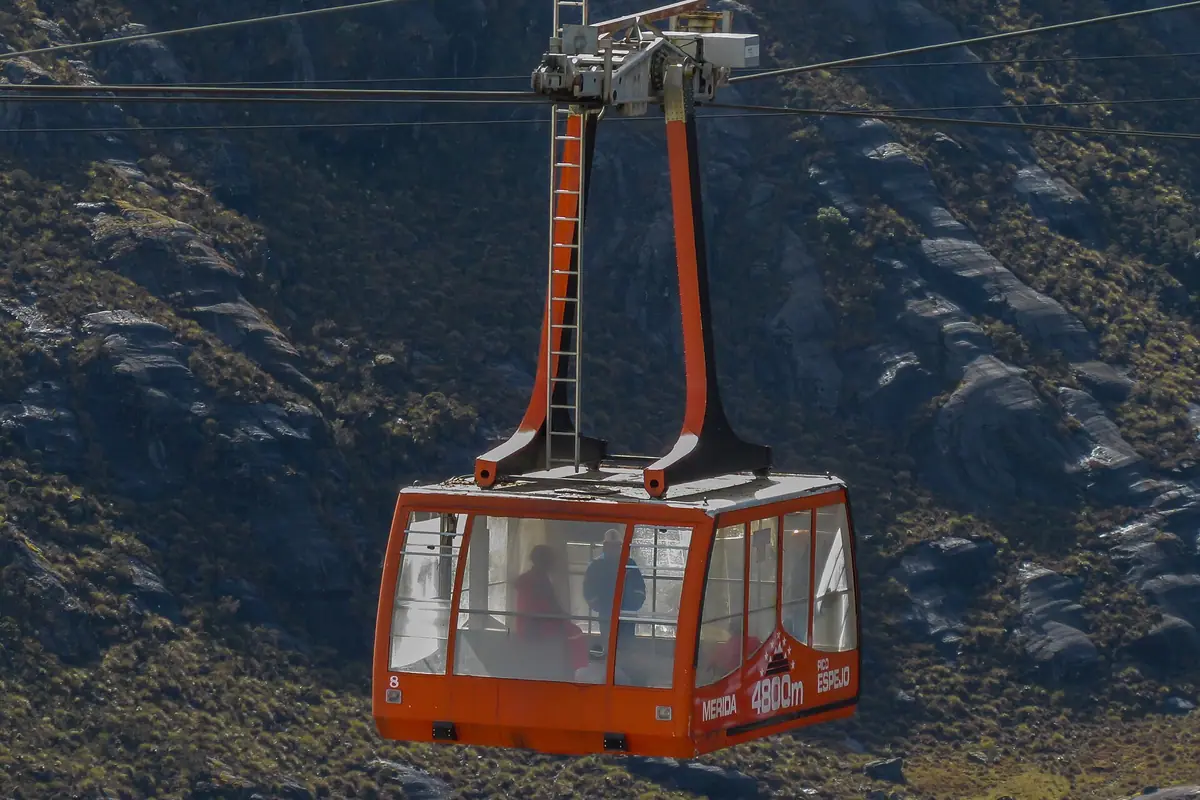
Mérida is Venezuela's mountain capital, and its headline experience is the Teleférico Mukumbarí, a cable car that climbs in stages from the city to Pico Espejo at around 4,765 metres. The ride is spectacular at any time, but the views are crispest in the dry months of December to March, with a secondary clear window in July and August. Above the top station, guided climbs of Pico Bolívar begin, and altitude sickness is a genuine consideration for anyone heading straight up from sea level.
Around the city, the green spaces reward slow days: Los Chorros de Milla, the forested slopes of Sierra Nevada and Sierra La Culata national parks, and the glacial Laguna de Mucubají on the road toward Apartaderos. Village-hopping is part of the pleasure — Jají's whitewashed plaza, Mucuchíes' mountain air, and Los Nevados, reached by a dramatic road or on mule, where life moves at a distinctly older pace. In the coffee country further west, haciendas around Tovar and the Trujillo highlands welcome visitors for tastings during the harvest months.
Closer to Caracas, Colonia Tovar is a German-founded mountain village of steep-roofed houses, strawberry farms and cool misty mornings, pleasant year-round but at its most comfortable between December and March. Weekends bring crowds from the capital, so a weekday visit gives you the quiet version of the place.
Cities and Unexpected Wonders: Caracas, Coro and the Catatumbo Lightning
Caracas works in every season. The Waraira Repano, the mountain known as El Ávila, rises straight from the city edge and can be reached by cable car for panoramic views — clearest in the dry months. Downtown, Plaza Bolívar, the Casa Natal de Simón Bolívar and the neighbouring museums and colonial churches form a walkable historic core, while Parque Generalísimo Francisco de Miranda offers a green breather in the east of the city. Build in time for the contrast between the old centre and the modern districts, and travel between them with a local guide or trusted driver.
West along the coast, Coro and its port La Vela de Coro make up a UNESCO-listed colonial ensemble of ochre walls, cobbles and one of the oldest cathedrals in the country. Beside the city lie the Médanos de Coro, rolling sand dunes that shift with the trade winds and feel entirely out of place beside the Caribbean. Visit early morning or late afternoon when the light is low, the sand is cooler and the wind is at its most theatrical.
Then there's the Catatumbo, a near-nightly lightning storm over Lake Maracaibo in the far west, most intense around September and October and again in April and May. Boat trips leave from Puerto Concha toward stilt villages such as Congo Mirador, and watching the sky strobe on and off for hours is one of South America's strangest spectacles. Carnival, meanwhile, transforms Caracas and Caribbean cities like Puerto La Cruz in February with parades, music and days of celebration — a great reason to be in a city rather than on an island.
Where to Stay: Posadas, Eco-Lodges and Timing Your Booking
Venezuelan accommodation divides neatly by landscape. Small posadas — family-run guesthouses, often with courtyards and home cooking — dominate Los Roques, Choroní, Mérida's old quarters and colonial towns. Island and jungle lodges serve Los Roques and Canaima, while hammock campamentos are the norm on Roraima treks. Margarita and the mainland cities offer conventional hotels and apartments with pools, air conditioning and easier availability in low season. In the Andes, restored haciendas and mountain cabins give you fireplaces, thick blankets and views down the valley.
Timing matters more than star ratings. For Los Roques and Canaima, aim to reserve two to three months ahead for any trip between December and April, and even earlier for Christmas, Carnival and Semana Santa. Roraima departures in the December-to-January window fill fastest because permits are capped. The wet season, by contrast, brings fewer visitors, softer rates and a better chance of walking into a good posada the same week — though always confirm river and road conditions before committing to remote destinations.
A few practical notes help. Bring a supply of small-denomination US dollar bills in good condition; cash remains essential outside major hotels and card payments can be unreliable. Not every guesthouse has hot water or steady power, so ask before booking if either matters to you, and carry a torch, a universal adapter and mosquito repellent for coastal and jungle stays. For the Andes, pack layers; at altitude, evenings cool down fast. Finally, check current official travel guidance and arrange comprehensive insurance before you fly, and book tours through operators who are based in the region you're visiting.
Frequently asked questions
What is the best overall month to visit Venezuela?
If you want beaches and islands, aim for February or March: the dry season is in full swing, seas around Los Roques and Morrocoy are calm and the holiday crowds have thinned after Carnival. If waterfalls and jungle are the priority, August and September give you the fullest rivers and the most dramatic Angel Falls. There is no single perfect month, only the right month for the region you're visiting.
When can I see Angel Falls with the strongest flow?
The waterfall is at its most powerful from roughly June through November, with the heaviest volume typically in August and September. Boat access up the Churún river is most reliable in those months. Between January and April the flow can drop to a narrow ribbon and low water occasionally makes the river journey difficult.
When is the best time to trek Mount Roraima?
The dry season from December to April is the recommended window, when the savannah trails are firmer and summit conditions are less wet and misty. Trips usually last six to eight days and require a licensed guide. December and January departures fill fastest because permits to the summit area are limited.
Should I stay in a posada or a hotel in Venezuela?
Posadas are small, family-run guesthouses and they are the characterful choice in Los Roques, Choroní, Coro and Mérida's historic centre — expect personal service, local food and few rooms. Larger hotels and apartments are concentrated in Caracas, Margarita and Puerto La Cruz, offering air conditioning, pools and more flexible last-minute availability outside peak weeks.
How far ahead should I book accommodation for Carnival or Semana Santa?
Both periods are domestic travel peaks, so reserve two to three months ahead for island posadas, Canaima lodges and Andean towns, and earlier still if you want a specific property. Carnival falls in February and Semana Santa around Easter, and both bring full hotels, higher demand for transport and busy beaches across the Caribbean coast.
Sort the rest of your trip
Everything for Venezuela, in one place
Transfer in Venezuela
Private driver waiting on arrival — no queues, no surprises.
Book a transfer
Things to do in Venezuela
Skip-the-line tickets, guided tours and standout experiences.
See experiences
Stay online in Venezuela
Travel eSIM — data the moment you land, no roaming bills.
Get an eSIM