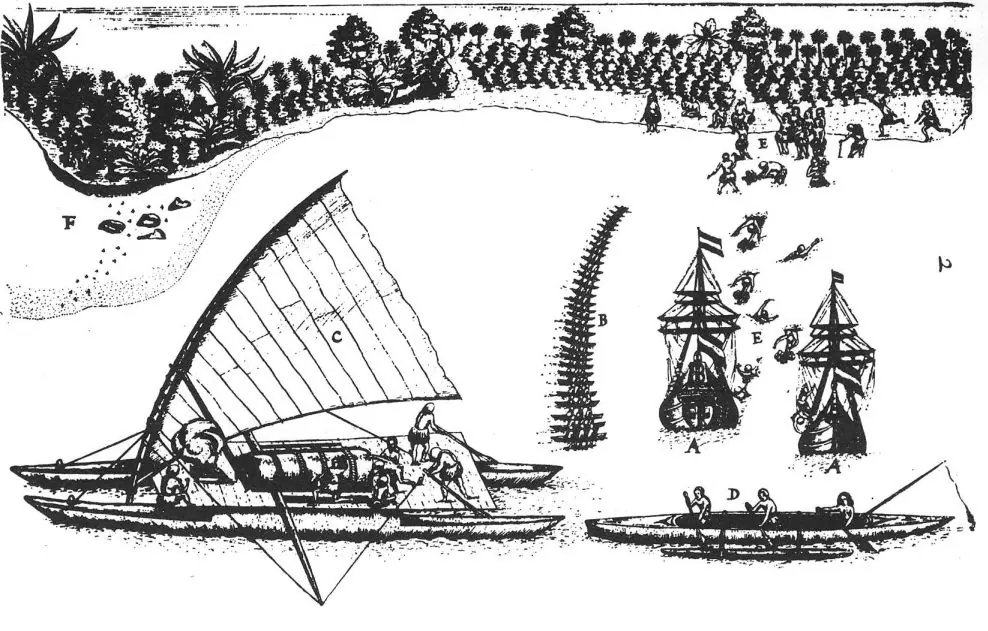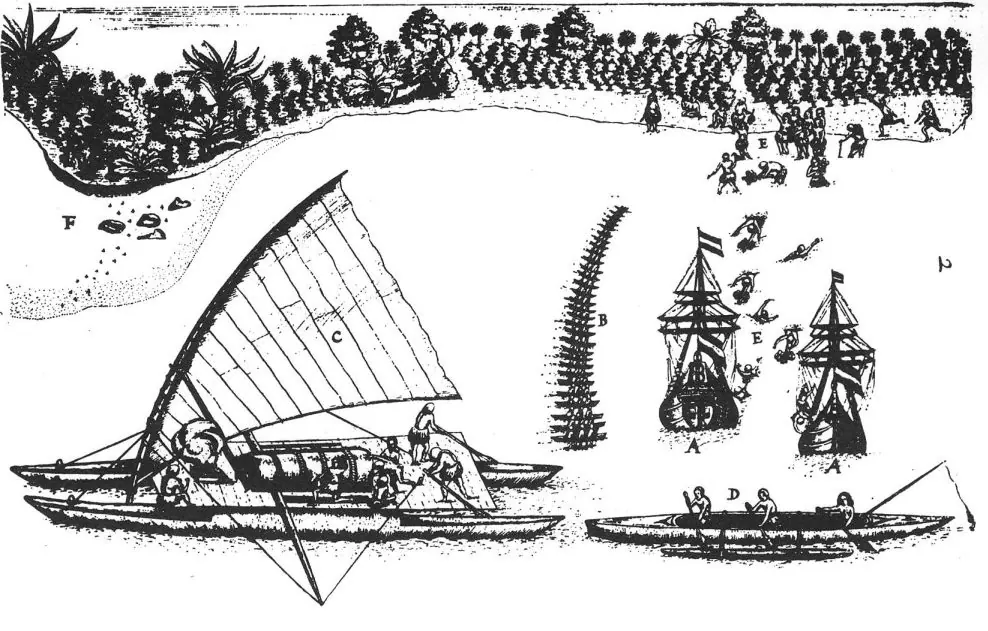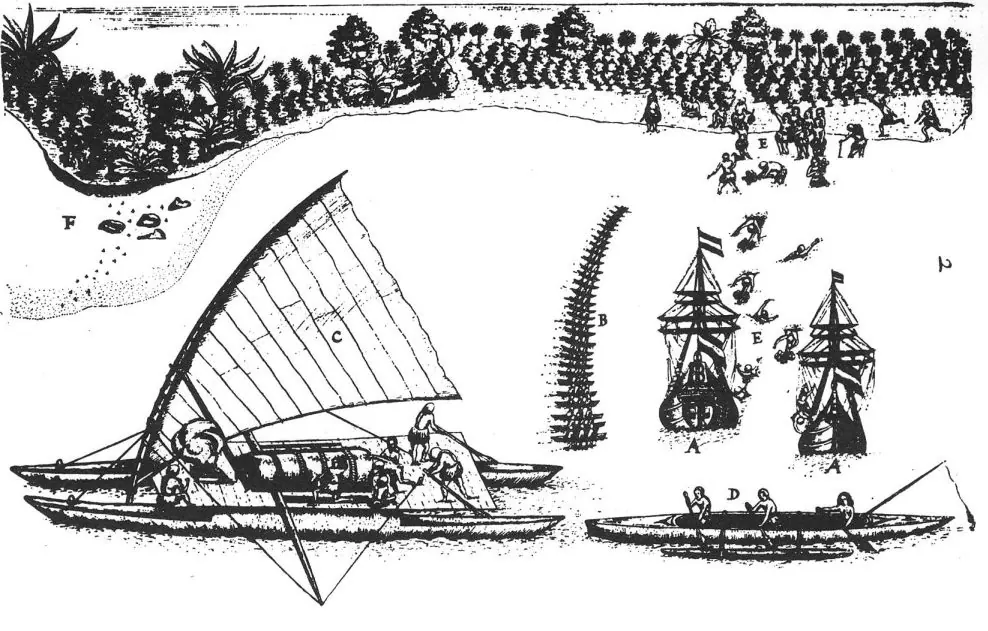
Tonga is the Pacific as it used to be: a kingdom of more than 170 islands where the loudest sound on a Sunday is a church choir and the biggest spectacle is a coral cliff throwing the sea into the sky. Split across four island groups — Tongatapu, Ha'apai, Vava'u and the far-flung Niuas — it rewards travellers who swap resort strips for limestone trilithons, flooded caves and beaches with nobody on them.
Nuku'alofa and Tongatapu's Royal Heart
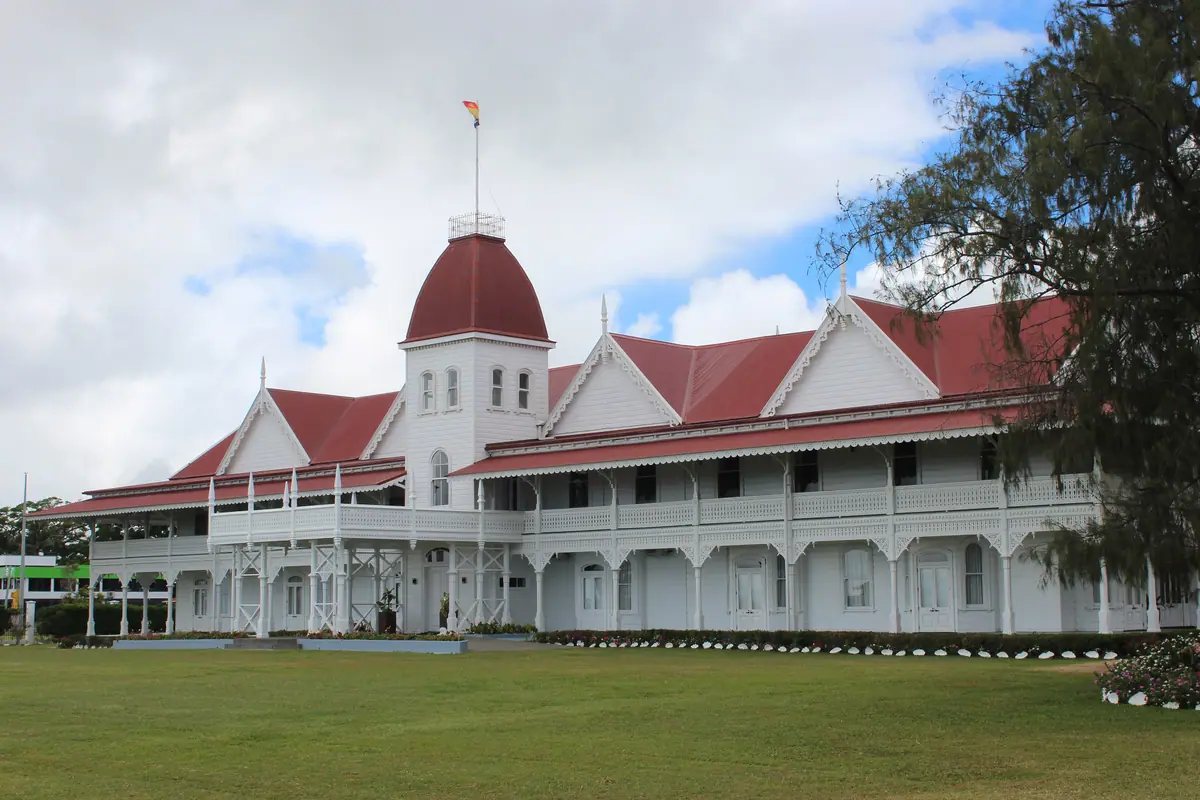
Start in Nuku'alofa, the capital, which is small enough to walk end to end in half an hour. On the harbour's edge stands the Royal Palace, a white timber building raised in 1867 and still the monarch's official residence, so you admire it through the picket fence from the waterfront road or from the deck of a boat rather than from inside. A few minutes inland is Mala'ekula, the walled, lawn-covered burial ground of Tonga's kings — a place of quiet, viewed respectfully from the roadside. Close by, the large white Centenary Church anchors the Free Wesleyan community, and its Sunday singing is one of the most moving things you can hear in the Pacific.
For colour and provisions, head to Talamahu Market in the town centre. Downstairs is heaped with papaya, watermelon, taro, vanilla and bundles of kava root; upstairs the stalls sell tapa cloth beaten from mulberry bark, woven pandanus mats, shell jewellery and woodcarvings. Saturday morning is the busiest and best time to browse. Because the whole of Tongatapu is flat, the coast is rarely more than a twenty-minute drive away, making the capital a practical base for two or three nights.
Ha'amonga 'a Maui and the Ancient Tombs of Lapaha
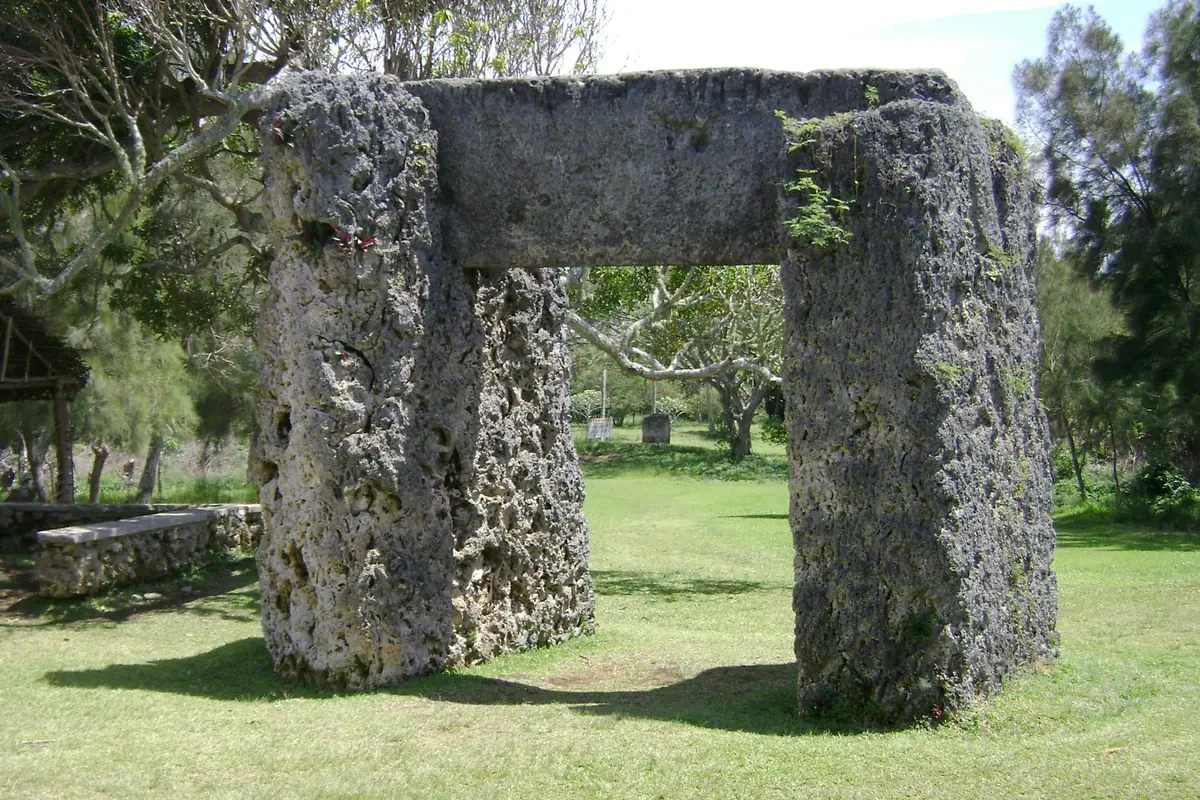
On the eastern coast at Niutoua stands Tonga's most haunting monument: Ha'amonga 'a Maui, the "burden of Maui", a trilithon of three coral limestone slabs weighing tens of tonnes, raised around 1200 CE under the eleventh Tu'i Tonga, Tu'itatui. Two upright pillars carry a lintel across the top, and local tradition holds that its edges mark the rising of the sun at the summer solstice. It is often called the Stonehenge of the Pacific, though standing beneath it, with vines threading the coral and roosters crowing in the village, feels entirely its own thing. It is roughly a 40-minute drive from Nuku'alofa; a small entry fee applies.
Continue south along the lagoon to Lapaha, near the old capital of Mu'a, where the langi — terraced tombs of the Tu'i Tonga chiefs — rise from the grass in stepped platforms of enormous cut coral slabs, some dating from the thirteenth century. These are sacred sites, so walk quietly, keep to the edges and follow any local guidance. On the way back, pause at Kolovai, where a colony of flying foxes hangs in the trees and is protected by royal decree — loud, rustling and oddly majestic in the late afternoon light.
Blowholes, Sea Caves and Coral Arches
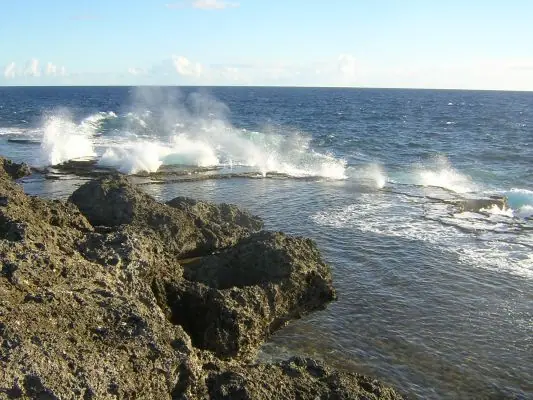
The southwest coast delivers Tongatapu's great natural theatre: Mapu'a 'a Vaea, the "Chief's Whistles", a five-kilometre line of rugged fossil coral cliff pierced by hundreds of vents. When a southerly swell meets a high tide, the sea detonates through the holes in white jets that can reach 20 metres or more. Timing matters more than anything else here — a calm, low tide turns the performance into a gentle fizz, so check the tide before you set out and give it an hour to explore the viewpoints.
Nearby at Houma sits Tsunami Rock, a colossal coral boulder hurled inland by an ancient wave, and further along the south coast is Hufangalupe, a collapsed sea arch that drops away into a green-rimmed hole in the cliff. On the eastern side, Anahulu Cave near Haveluliku is a walk-in cavern of stalactites and stalagmites with a cool freshwater pool at the bottom — bring sturdy shoes, a torch and a towel, and treat the slippery steps with care.
For an evening that mixes all of this with dinner, 'Oholei Beach on the southeast coast pairs a torch-lit cave setting with a traditional feast and dance performance. Book a day or two ahead in high season, and expect a short drive of about 30 minutes from the capital.
Vava'u: Harbour Lookouts, Sea Caves and Whale Season
Vava'u is the postcard group — dozens of steep green islands scattered across a sheltered harbour so deep and protected that yachts from everywhere anchor in Neiafu, its easy-going capital. The essential walk is up Mount Talau, a steep but short climb of around twenty minutes that ends at a lookout framing the harbour, its jetties and a mosaic of bush-clad islands. Down at the waterfront you can arrange sailing, kayaking and snorkelling trips that hop between reefs and beaches in a single afternoon.
The archipelago's signature trips go to its sea caves. Mariner's Cave has no opening above the surface: you free-dive through a submerged entrance and surface inside a dark, echoing chamber, which is why reputable operators insist on buoyancy control and a guide. Swallows' Cave is the opposite experience — a bright, open cavern where thousands of swiftlets wheel above the water. Both are reached by boat from Neiafu, usually combined with snorkelling stops.
Vava'u is also one of the few places on earth where you can legally get into the water with humpback whales. The season officially runs from June to October, with the peak from July to September, when the whales arrive from Antarctic waters to breed and calve. Swims run through licensed operators, in small groups, with strict limits on how many people approach each animal. If this is your reason for coming, book months ahead and give yourself a buffer of several days in case weather or whales refuse to cooperate.
'Eua, Ha'apai and the Far North
'Eua is the kingdom's quietest surprise. A short flight or a ferry ride from Tongatapu, it is geologically the oldest island in Tonga — a place of high forest, dripping limestone caves and cliff-top lookouts over a coastline that drops straight into the ocean. 'Eua National Park protects a long stretch of the eastern escarpment, and the walking here is the best in the country, threading through banyan groves and fern-filled gullies. Come for two nights, boots and a tolerance for mud.
North of Tongatapu, Ha'apai is a scatter of low coral islands, sand cays and shallow turquoise lagoons that see a fraction of Vava'u's visitors. Base yourself around Pangai on Lifuka, take a boat to the ancient tombs and empty beaches of Uiha, and swim with whales in water where yours may be the only vessel in sight. Diving and snorkelling on the outer reefs are superb, and the sense of solitude is the real luxury.
Reaching these outer groups takes patience: domestic flights link the main hubs, and long ferry crossings run on schedules that shift with weather and demand. Never book a tight onward connection on the same day. The remote Niuas in the far north, including volcanic Niuafo'ou with its celebrated "tin can mail" history, are for travellers with real time and a taste for the genuinely remote.
Feasts, Kava and the Sunday Sabbath
Tongan culture is not background noise here — it is the main event. A traditional feast means food cooked in an 'umu, an earth oven of heated stones, and the table groans with roast pig, lu pulu (taro leaves baked with corned beef and coconut cream), ota ika (raw fish cured in lime and coconut), and faikakai, dumplings drowning in coconut syrup. If you are invited into a kava circle, accept: the ceremony is slow, ceremony-rich and socially central, and your host will guide you through the clapping and the cup.
Tapa-making is worth seeking out too. Women beat strips of mulberry bark into broad sheets of ngatu, then paint them with intricate geometric patterns that pass down through families. You will see finished pieces in Nuku'alofa's markets, but watching the work itself — the thudding, the rhythm, the collective effort — explains why it carries such value.
Sunday changes everything. The Sabbath is constitutionally observed, which means most shops, restaurants and tours close, ferries and inter-island flights largely stop, and villages fill with hymn singing. Plan your travel days around it, dress modestly with shoulders and knees covered away from the beach, and wear a ta'ovala waist mat if you attend church. The best months to visit are from May to October, when the weather is drier and cooler; the cyclone season runs from November to April, with the heaviest rain between December and March. Temperatures sit comfortably between about 20°C and 30°C all year. For two island groups, allow seven to ten days. The currency is the pa'anga, tipping is not expected, ATMs are thin outside Nuku'alofa and Neiafu, and cash is king on the outer islands.
Frequently asked questions
What is the best time of year to visit Tonga?
May to October brings the driest, coolest and most reliable weather, with comfortable temperatures between roughly 20°C and 30°C. The cyclone season runs November to April and the heaviest rain falls between December and March. If swimming with humpback whales is your priority, aim for July to September within the June–October season.
How do you travel between Tongatapu, Vava'u and Ha'apai?
Short domestic flights connect Nuku'alofa with Neiafu in Vava'u and Pangai in Ha'apai, and long ferry crossings serve the same routes at a fraction of the cost but with far more time at sea. Schedules are limited and can shift with weather, so leave at least a day of slack before any international departure.
Can you swim with humpback whales in Tonga?
Yes — it is one of the few countries where in-water encounters are permitted. Swims operate out of Vava'u and Ha'apai from June to October, peaking in July to September, and are run by licensed operators with small group sizes and strict rules about approaching the whales. Book well in advance and allow several days in case conditions keep boats ashore.
What is closed on Sundays in Tonga?
The Sabbath is constitutionally observed, so most shops, restaurants and tours shut, ferries and inter-island flights mostly stop, and public life slows to church choirs and family lunches. Treat Sunday as a day for the beach, a book or attending a service — and plan any island transfers around it.
How many days do you need in Tonga?
Seven to ten days is a good target, and enough for two island groups: three or four nights on Tongatapu for the royal capital, Ha'amonga 'a Maui, the langi of Lapaha and the Mapu'a 'a Vaea blowholes, then the rest in Vava'u or Ha'apai for sea caves, reefs and whales. Add another week if you want 'Eua's hiking or the remote Niuas.
Plan it — experiences in Tonga
Live search, booked directly with trusted providers.