Tonga is a kingdom of roughly 170 islands strung across an enormous stretch of Pacific, and its travel calendar is ruled by two forces: the southeast trade winds and the humpback whales that arrive in their wake. Get the timing right and you'll find glassy lagoons, dry walking trails and some of the closest whale encounters anywhere on earth; mistime it and you could meet cyclone season with half the outer-island guesthouses shuttered for repairs. Here's how the Tongan year actually works, island group by island group.
The Tongan Year at a Glance: Two Seasons, One Kingdom
Tonga sits just west of the international date line in the southern hemisphere, which means its seasons run opposite to Europe and North America — and it is among the first places on the planet to greet each new day. The year splits cleanly in two. From May to October the southeast trade winds blow steadily, humidity drops and daytime temperatures settle into a comfortable band that rarely climbs far above the mid-20s Celsius. From November to April the winds slacken, the air turns heavy and warm, and afternoon downpours become a regular feature of island life.
The crucial detail for accommodation is that these two halves behave very differently depending on where you stay. Nuku'alofa, the capital on Tongatapu, keeps hotels, guesthouses and restaurants open year-round, so a wet-season trip based on the main island is perfectly workable. The small outer-island resorts in Vava'u, Ha'apai and 'Eua are a different story: many close for maintenance during the quietest, stormiest weeks, often between January and March, and some family-run lodges shut for months at a time.
Officially the cyclone season runs from November through April and peaks between January and March. Major storms are not an annual certainty, but they are a genuine possibility, and the risk shapes everything from insurance choices to how far ahead you should book. Sea temperatures, by contrast, stay swimmable all year, hovering in the mid-20s Celsius even in the coolest months.
May to October: The Dry Season and the Sweet Spot for Sightseeing
If you want one simple answer, it is this: aim for June through October. These are the months when the trade winds keep the air fresh, the reefs are at their clearest and the inter-island flights and ferries are least likely to be disrupted. August, September and October tend to offer the most reliable combination of calm seas, low rainfall and warm but not oppressive temperatures — ideal for boat trips, diving and long days exploring on foot.
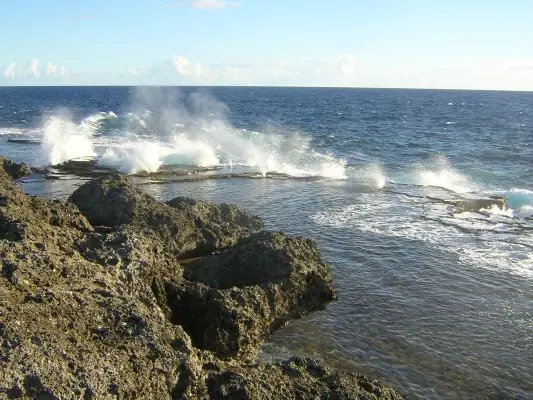
This is also the season when Tongatapu's extraordinary concentration of ancient sites is at its most enjoyable. The Ha'amonga 'a Maui trilithon at Niutoua, a monumental coral-limestone gateway raised around the 13th century and often called the Stonehenge of the Pacific, sits close to the terraced royal burial mounds of Lapaha, the old heartland of the Tu'i Tonga dynasty. Further along the south coast, the blowholes at Houma — known locally as the Chief's Whistles — fire spray high into the air along a five-kilometre stretch of cliff, and the Hufangalupe land bridge and the flying-fox colony at Kolovai are easy add-ons to a single day's drive.
Cooler, drier conditions also suit the walking islands. 'Eua National Park, with its rainforest tracks, cliff-top lookouts and rich birdlife, is far more pleasant in the dry months than in the sticky heat of the wet season, and the hiking on Vava'u's Mount Talau, which overlooks the harbour town of Neiafu, is best done before the humidity builds in the afternoon.
July to October: Whale Season in Vava'u and Ha'apai
Humpback whales migrate north from Antarctic feeding grounds to calve and court in Tonga's sheltered waters, arriving from around late June and staying until late October or early November. The peak months are August, September and October, when encounters are most frequent and the water is calmest. Licensed whale-swim operators work out of Vava'u and Ha'apai in particular, and the rules are deliberately tight: only a limited number of boats may approach a whale, and only a handful of swimmers enter the water at a time.
Because of those limits, capacity is genuinely scarce. Whale-swimming trips in Vava'u often sell out months in advance for the August–October window, which means you should reserve your berth before you lock in flights, not after. The same pressure applies to beds ashore: Neiafu's harbour lodges and the small island resorts scattered through the Vava'u group fill quickly for the whale months, and Ha'apai's few dive-orientated guesthouses on Lifuka and Foa have even less room to manoeuvre.
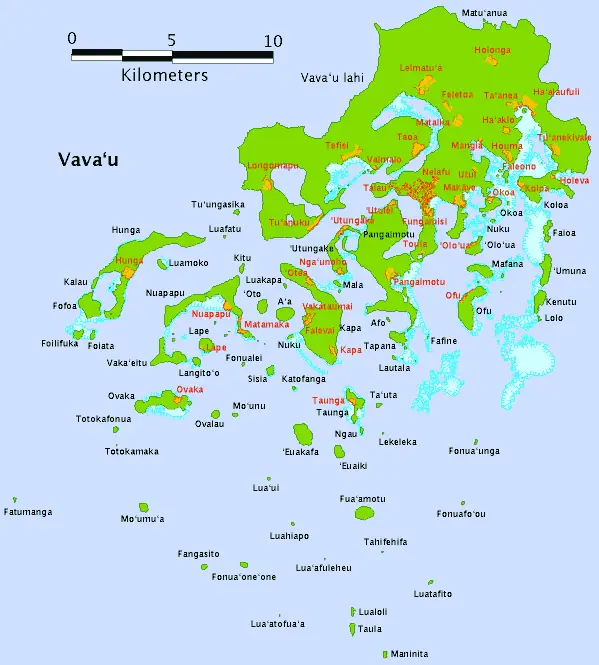
Whales are sometimes spotted from Tongatapu and 'Eua as well, but the organised industry is concentrated in the north. Even if you skip the swimming, the season is a superb time to be on the water: the protected channels around Neiafu, the sea caves at Swallows' Cave and Mariner's Cave, and the reef gardens of the Vava'u group are all at their most inviting in these clear, breezy months.
November to April: The Wet Season, Cyclone Risk and Quiet Resorts
From November the pattern flips. Temperatures climb, humidity rises and rain arrives in short, heavy bursts rather than lingering drizzle. Christmas and New Year aside, this is the low season, and it shows: rates soften, beaches and anchorages empty out, and you can often walk into a restaurant in Nuku'alofa without a reservation. The trade-off is unpredictability — a fine morning can turn into a drenched afternoon, and inter-island flights and the slow overnight ferries between Nuku'alofa, Ha'apai and Vava'u are more prone to delays and cancellations.
This is also cyclone season, with the greatest risk falling between January and March. That doesn't mean you should automatically write off the period, but it does mean planning differently: choose flexible, refundable bookings where you can, take out travel insurance that explicitly covers severe weather, and consider basing yourself on Tongatapu, where hotels stay open and there's plenty to do indoors. The limestone cavern at Anahulu Cave, with its cool freshwater pool, the busy stalls of Talamahu Market and the royal tombs at Mala'ekula all work perfectly well under a grey sky.
The outer islands become the fragile link. Several Vava'u and Ha'apai resorts shut for the quiet months, and the January 2022 volcanic eruption and tsunami damaged properties on outlying islands, many of which have since rebuilt and reopened. If a specific small resort is the reason for your trip, confirm directly that it will be operating during your dates before you commit to flights.
Tonga's Must-See Landmarks, and the Months That Show Them Best
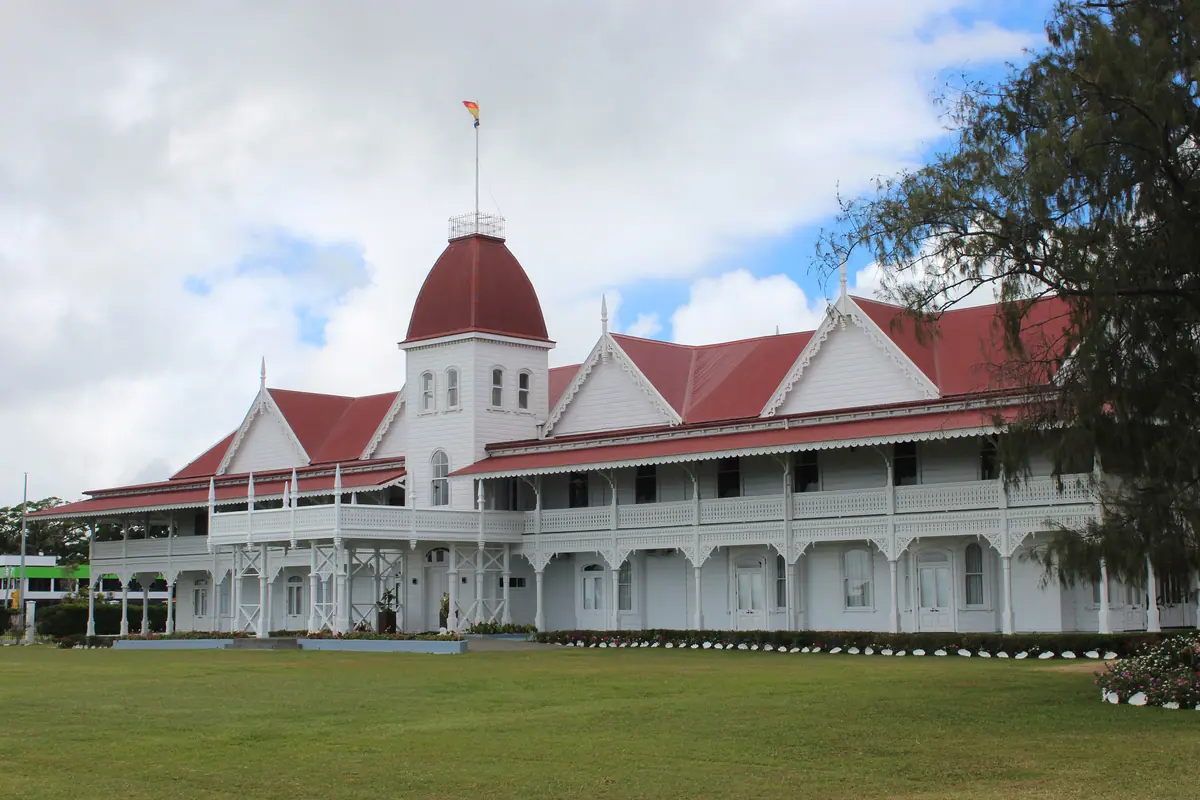
Tongatapu rewards travellers who treat it as more than an airport. The Ha'amonga 'a Maui trilithon, Lapaha's langi burial terraces, the Houma blowholes, the Hufangalupe arch and the fruit bats hanging in the ironwood trees at Kolovai together form one of the Pacific's richest archaeological circuits — and all of it is best walked and photographed in the dry, mild months from May to October. In Nuku'alofa itself, the wooden Royal Palace facing the waterfront, the Royal Tombs at Mala'ekula and the towering Basilica of St Anthony of Padua anchor a compact, easily covered city centre.
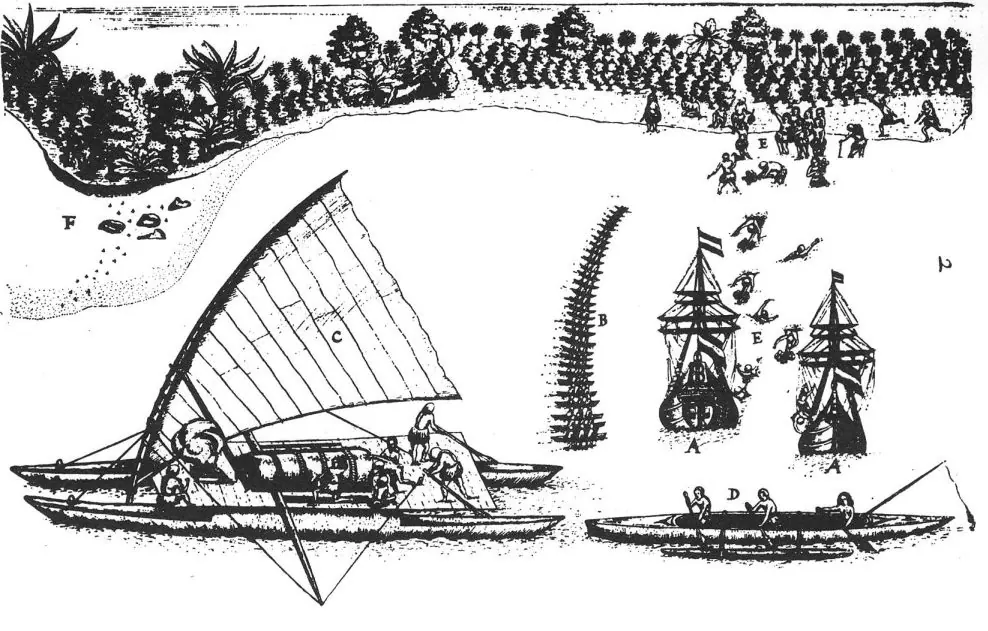
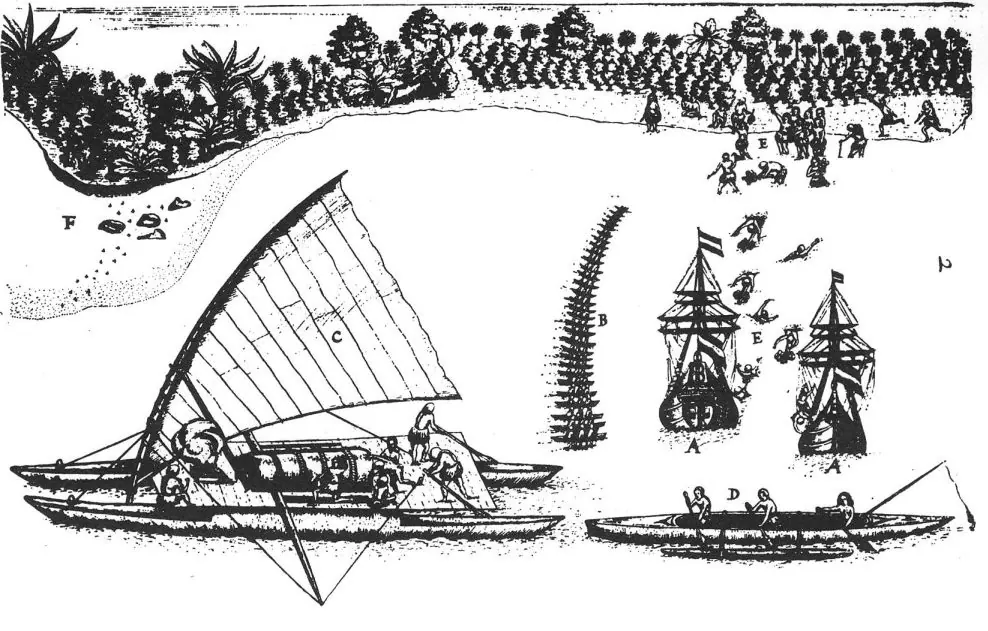
In Vava'u, the must-sees are watery: Neiafu's harbour, one of the finest natural anchorages in the South Pacific, the lookout on Mount Talau above it, and the sea caves and reef gardens scattered through the archipelago. These are best between June and October, when the trades keep visibility high and the boat crossings comfortable. The same window suits Ha'apai, where the drawcards are the Captain Cook landing site on Lifuka — the beach where the explorer came ashore in 1777 and gave the islands the name they still carry in some old charts — and the volcanic silhouettes of Tofua and Kao rising from the sea.
Then there's 'Eua, geologically the eldest of the main islands, with 'Eua National Park, rainforest tracks, dramatic cliff-edge lookouts and birdlife that draws naturalists from far afield. Cool, dry June-to-September weather makes its trails genuinely enjoyable, while the wet season turns many of them into slippery, humid slogs. If hiking is high on your list, build your whole trip around the middle of the year.
Festivals, Sundays and Booking Rhythms: Timing Your Hotel Stay
Cultural timing matters as much as weather. The Heilala Festival, held in late June and early July around the monarch's birthday, is the kingdom's biggest celebration — a week of parades, traditional dance, craft displays and the Miss Heilala pageant, centred on Nuku'alofa. Emancipation Day on 4 June, Constitution Day in early November and King Tupou I Day in early December bring their own ceremonies, sporting events and feasting. If you want to see Tongan culture at full volume, plan around the festival calendar; if you want peace, avoid it.
One fixed rule of Tongan life is the Sabbath. On Sundays almost everything closes — shops, markets, tours and most restaurants — and domestic flights and ferries generally do not run. Resorts often put on a substantial Sunday lunch or buffet, and the beaches are gloriously empty, but you should treat Sunday as a day for swimming, reading and doing very little else. Arriving on a Sunday without pre-arranged transport is a common mistake.
Your booking strategy should follow the demand curve. The busiest stretch is June to October, sharpened further by whale season and by school holidays in New Zealand and Australia — the mid-year break and the long mid-December-to-late-January summer holiday. For that window, especially in Vava'u and Ha'apai where bed numbers are tiny, reserve three to six months out, and book domestic flights and whale trips at the same time. Outside those peaks you can be far more spontaneous, though you should always double-check that your chosen outer-island lodge is actually open, because a beautiful beach with a locked gate is no holiday at all.
Frequently asked questions
What is the best month to visit Tonga overall?
June to October is the sweet spot: dry, breezy and comfortable, with calm seas and reliable inter-island transport. If whales are your priority, narrow it to August, September and October for the peak of the humpback season in Vava'u and Ha'apai.
When can I swim with humpback whales in Tonga?
Whales arrive from around late June and remain until late October or early November, with encounters most frequent from August to October. Licensed operators are based mainly in Vava'u and Ha'apai, and strict limits on boats and swimmers mean trips sell out months ahead — book your whale trip before your flights.
How risky is Tonga's cyclone season?
The official season runs November to April and peaks from January to March. Storms are not guaranteed, but the risk is real, and many outer-island resorts close during the quietest weeks. Choose flexible bookings, take out weather-aware insurance and consider basing a wet-season trip on Tongatapu, where hotels stay open.
Is everything closed on Sundays in Tonga?
Largely yes. The Sabbath is observed seriously, so shops, markets, tours and most restaurants shut, and domestic flights and ferries generally do not operate. Resorts usually lay on a Sunday lunch, and beaches stay quiet and beautiful — just arrange any transport in advance.
How far ahead should I book a hotel in Tonga?
For the June-to-October high season, especially in Vava'u and Ha'apai where accommodation is limited, book three to six months ahead and secure domestic flights at the same time. From November to April availability is much easier, but always confirm that your chosen lodge is open for your exact dates.
Sort the rest of your trip
Everything for Tonga, in one place
Transfer in Tonga
Private driver waiting on arrival — no queues, no surprises.
Book a transfer
Things to do in Tonga
Skip-the-line tickets, guided tours and standout experiences.
See experiences
Stay online in Tonga
Travel eSIM — data the moment you land, no roaming bills.
Get an eSIM