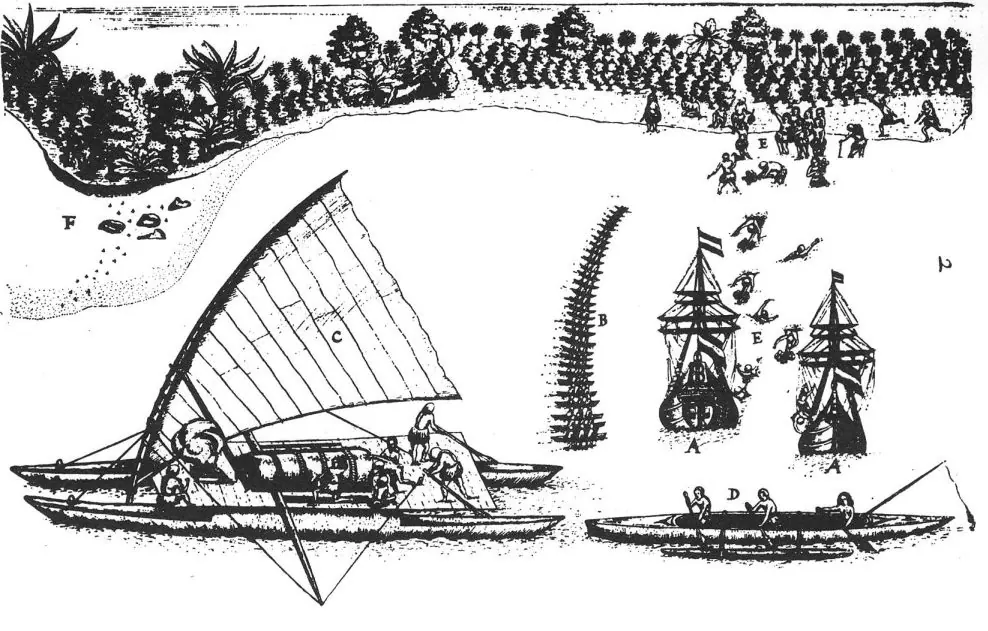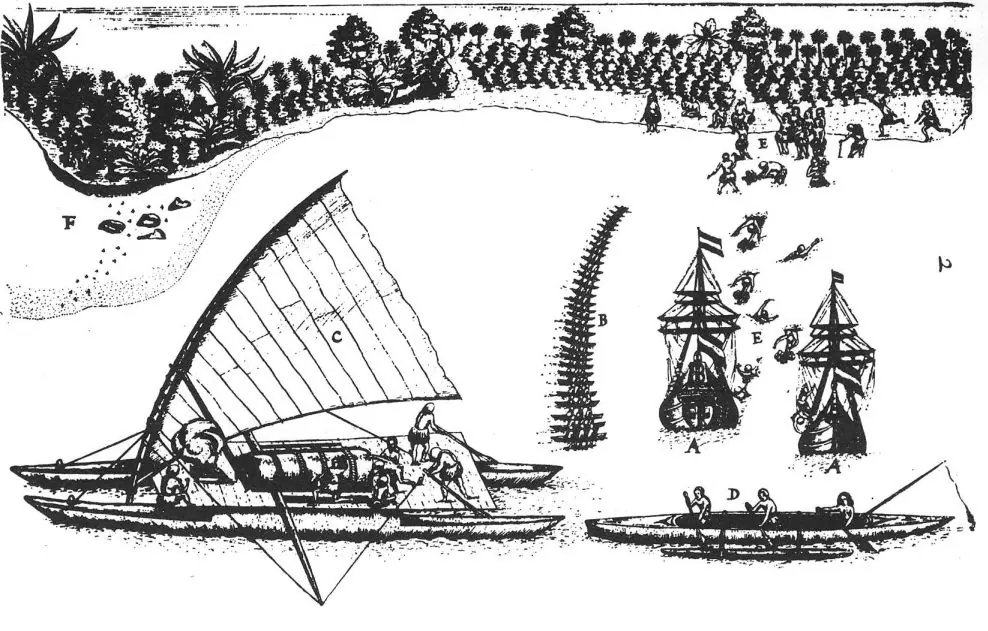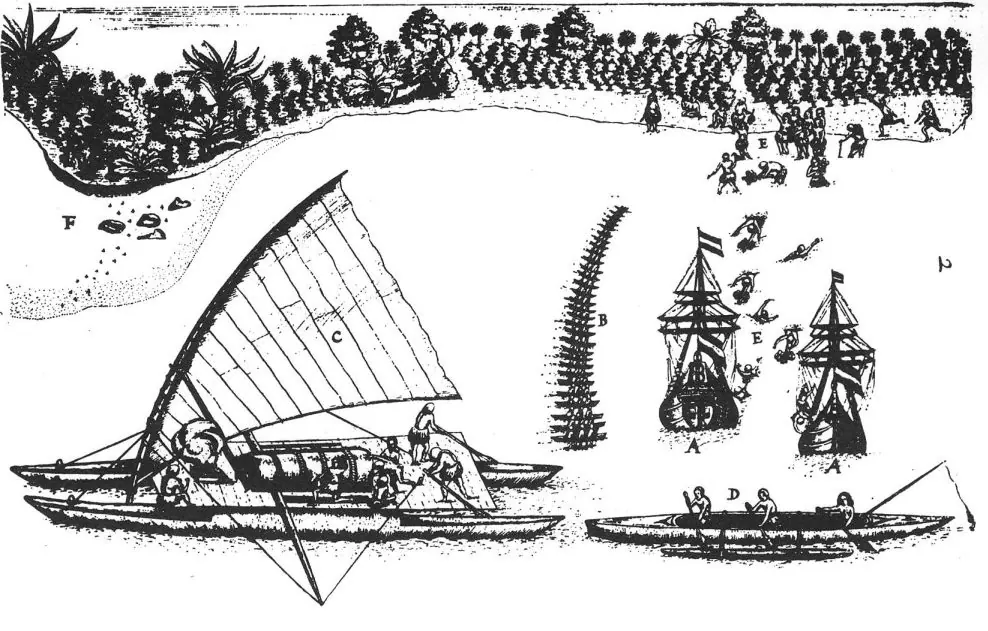
Tonga is the South Pacific before the resorts arrived: a kingdom of 170-odd islands strung across 700,000 square kilometres of ocean, where humpbacks nurse their calves in glassy lagoons and 800-year-old coral-stone monuments still stand in taro fields. Come for the whales, stay for the empty beaches, the singing that rolls out of village churches on Sunday, and the feeling that you have the ocean almost to yourself.
Swimming With Humpback Whales in Vava'u and Ha'apai
Few wildlife encounters are as humbling as slipping into open water while a 15-metre humpback hangs suspended below you, one eye half open. Every year from roughly July to late October, humpbacks leave their Antarctic feeding grounds for Tonga's warm, sheltered lagoons to breed, calve and nurse. The whales show up first in the northern groups, Vava'u and Ha'apai, with sightings peaking from mid-August into September before the animals begin drifting south again as the water cools. If a whale swim is the whole reason for your trip, build your dates around that window and nothing else.
Vava'u is the busiest hub, and day boats leave Neiafu's harbour before dawn for six to eight hours on the water, with snorkelling gear supplied and no scuba involved — you float quietly on the surface and let the whale decide how close to come. Tongan regulations cap how many swimmers may be in the water with an animal at a time and how near boats may approach, which is exactly why the encounters feel calm rather than chaotic. Nothing is guaranteed: some days you will watch from the boat as a mother and calf cruise past, and that alone is worth the fare.
Ha'apai offers the same whales with far fewer boats, thinner crowds and a rawer, more exploratory feel, though weather can cancel trips at short notice. Landlubbers are not left out either — the cliffs along southern Tongatapu and the high ridges of 'Eua are superb vantage points in season, and sightseeing boats also run from Nuku'alofa for those who would rather watch a breach than share the water with one.
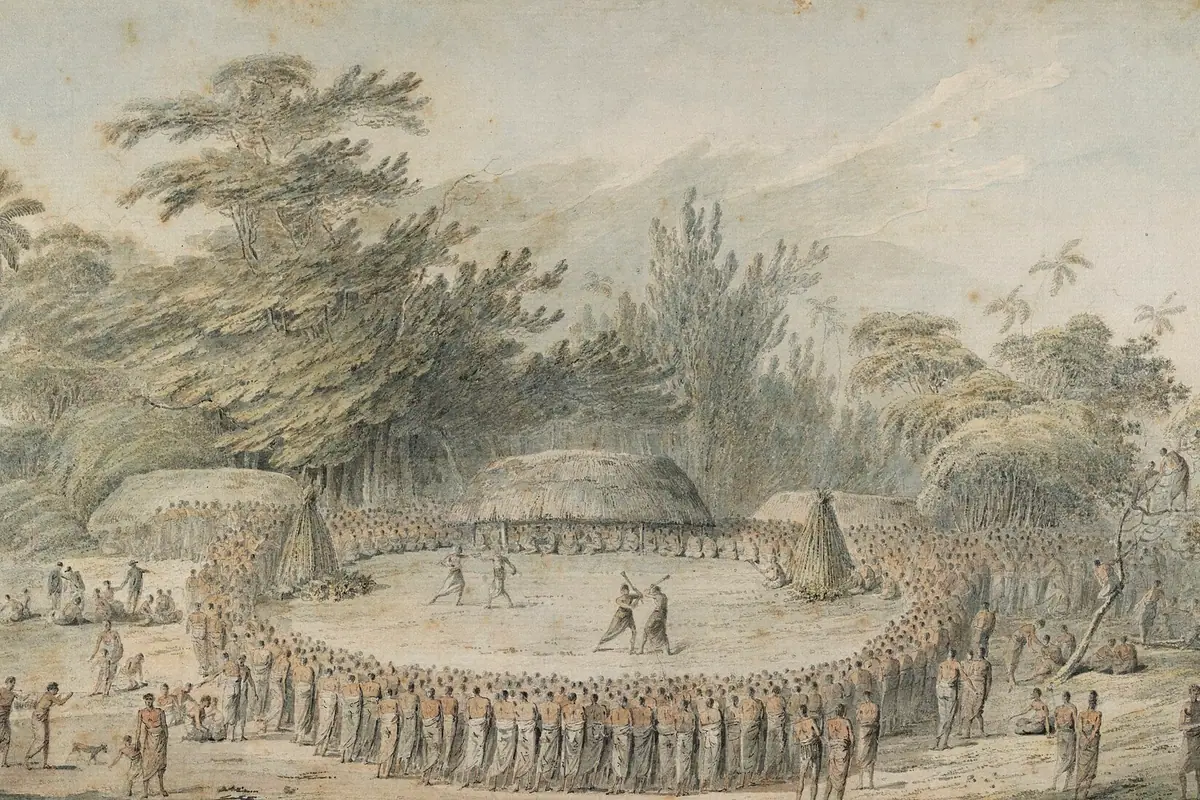
Vava'u: Caves, Lookouts and a Harbour Built for Sailing
Vava'u is a drowned volcanic landscape — dozens of islands and islets scattered across a lagoon so protected that passing sailors nicknamed the anchorage the Port of Refuge, and the name stuck. Neiafu, the group's easygoing main town, drapes itself along that harbour, with guesthouses and waterfront cafés looking out at yachts from a dozen countries. It is the natural base for everything the group offers: sailing charters, kayak trips between uninhabited motus, game fishing for wahoo and mahi-mahi, and snorkelling over shallow coral gardens.
Two sea caves are the classic outings. Swallow's Cave, on the island of Kapa, opens into a tall cathedral-like chamber where swallows wheel through the entrance and stalactites hang overhead; boats drift inside on calm mornings. Mariner's Cave is a different proposition entirely — an underwater tunnel you enter by free-diving on a held breath at low tide, surfacing in a pitch-dark air pocket, with a guide and only if you are a confident swimmer.
For the best view in the group, climb Mount Talau above Neiafu. The path is steep and root-tangled, taking 30 to 45 minutes, and the reward is the whole harbour and lagoon spread below you like a chart. Go early, before the heat, and take water — there are no facilities at the top.
Tongatapu's Ancient Stones and Coastal Drama
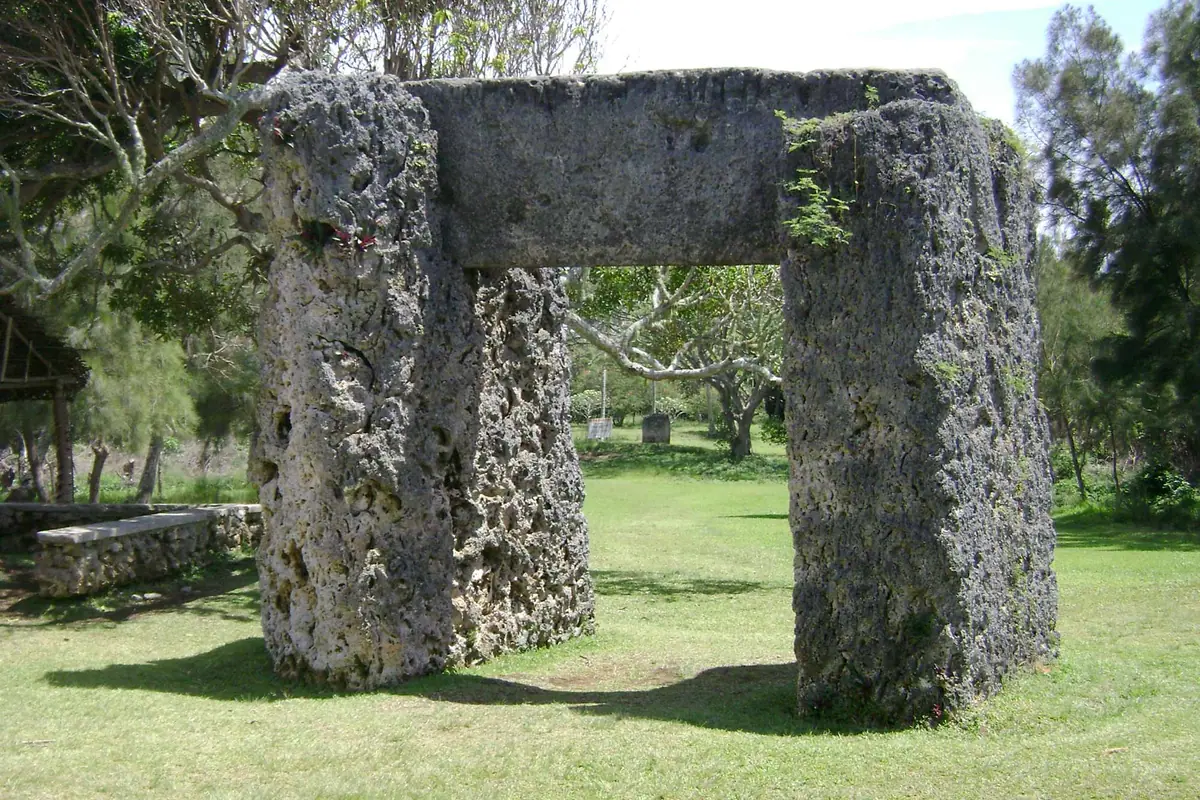
Tongatapu, the main island, holds the kingdom's great archaeological set pieces. Ha'amonga 'a Maui near Niutoua is a trilithon of three coral-limestone slabs — two uprights and a lintel — raised around the 12th century under a Tu'i Tonga ruler and often called the Stonehenge of the Pacific. A short walk away stands the Maka Faakinanga, a leaning stone said to have been a king's backrest so he could not be attacked from behind. Nearby, at the old capital of Mu'a, you can wander among the langi, terraced burial mounds of ancient kings built from dressed coral blocks.
The south coast is pure geology in motion. At Mapu'a 'a Vaea, a stretch of cliff near Houma erupts with dozens of blowholes, blasting spray 20 metres into the air when a southerly swell meets high tide; time your visit accordingly, because at low tide it is merely pretty. Further along, Hufangalupe is a collapsed cave that reads as a natural land bridge above the surf, and the Tsunami Rock is an enormous coral boulder that was somehow thrown far inland — one of the largest wave-transported rocks recorded anywhere.
Inland, Anahulu Cave near Haveluliku is a limestone cavern with a cool freshwater pool at its heart, lit by a few bulbs and a torch you should bring yourself. In the evening, 'Oholei Beach and the adjoining Hina Cave host a feast-and-dance show where roast pig, taro, raw fish in coconut cream and a floor show of Tongan dance come together under a cave ceiling. Book ahead in the high season.
Nuku'alofa: Markets, Palaces and Sunday Hymns
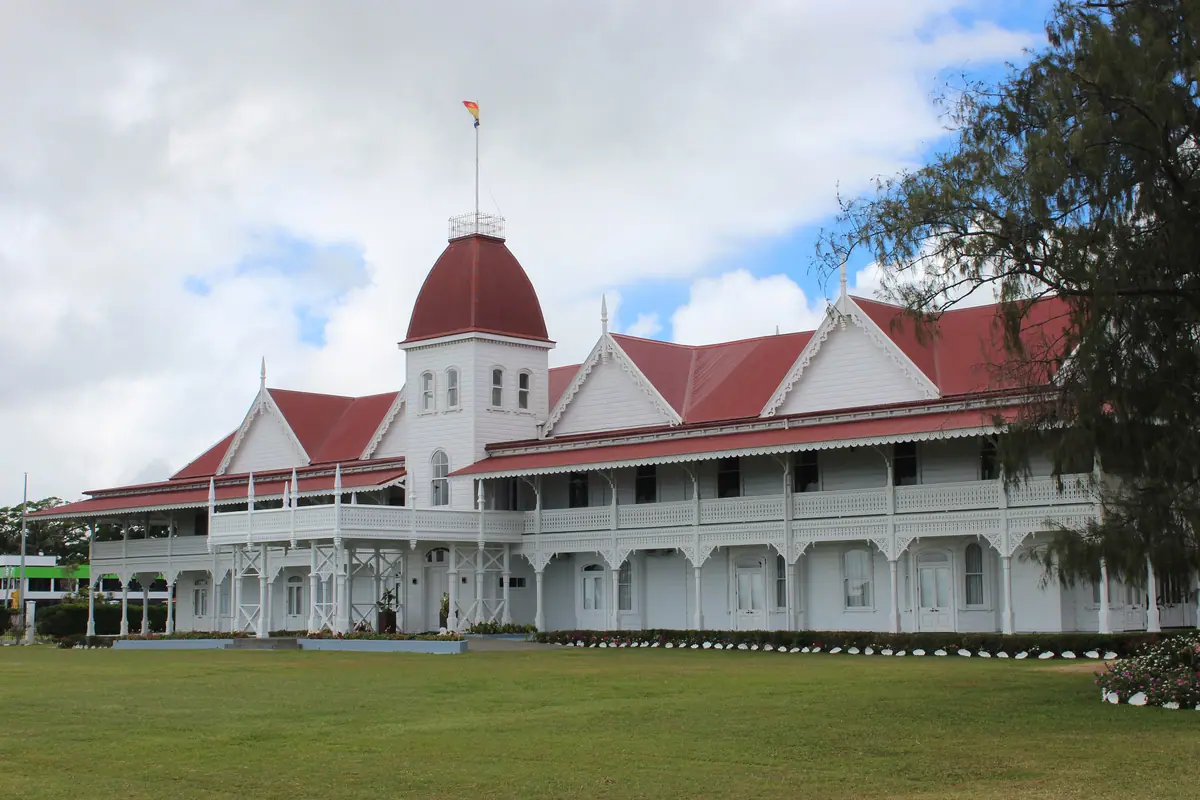
Nuku'alofa is small, low-rise and unhurried, but it earns a day or two. The Royal Palace sits behind a white picket fence on the waterfront, a wooden Victorian-era building with red roofs that is still in royal use and not open to visitors — you admire it from the road and the seawall, ideally in the soft light of late afternoon. Nearby, the royal tombs at Mala'ekula form a walled, landscaped burial ground for the kingdom's monarchs, also viewed from the perimeter.
Talamahu Market is the place to feel the capital's pulse: piles of taro, yams, watermelon and pineapple, bundles of kava root, hand-printed ngatu bark cloth, woven mats and carvings. Come on a Saturday morning for the full crush, and bring small notes. The town's churches are worth a look too — the Free Church of Tonga and the Basilica of St Anthony of Padua are the most imposing, and the choral singing that pours out of village chapels is one of the country's great free performances.
One thing to plan around: Sunday in Tonga is constitutionally observed. Shops, markets, most restaurants and tours shut, and ferries and domestic boat services do not run, so schedule island transfers for other days. Rather than fight it, treat it as the highlight — put on modest clothing, cover shoulders, and attend a morning service, where the harmonies are extraordinary. Kava circles in village kalapu (clubs) happen later in the week; visitors are welcome when invited, and you should always accept the bowl with both hands.
'Eua: Tonga's Hiking Island
A short ferry ride or a few minutes by plane from Tongatapu, 'Eua is geologically the oldest island in the kingdom and looks nothing like its flat neighbour — instead it is a raised, forested plateau sliced by cliffs and riddled with limestone caves. It also has one of the few national parks in Tonga, gazetted in the early 1990s, protecting rainforest that shelters native birds hard to find elsewhere in the country.
The classic walk follows the ridge to the eastern cliffs, where the land simply drops away and, on a clear day, you can see the coastline of Tongatapu floating on the horizon. Bring sturdy shoes: the trails are muddy after rain and unmarked in places, and a local guide is worth the modest fee for both navigation and the stories attached to caves, sinkholes and giant banyan trees. Between June and October, the clifftop lookouts double as whale-watching platforms.
Facilities on 'Eua are limited — a handful of guesthouses, simple eateries and no ATM culture to rely on — so bring cash, drinking water and patience. The upside is an island where the loudest sound at night is the sea, and where you might walk an entire beach without meeting another person.
Ha'apai: Sandbars, Volcanoes and the Quiet Side of Tonga
Ha'apai is what people picture when they say they want to escape: some 60 islands and atolls scattered across a shallow blue shelf, most of them uninhabited. Lifuka and its neighbour Foa are the main settled islands, with the small town of Pangai, an airstrip and the ferry stop; Uoleva, a short boat hop away, is a long ribbon of pale sand with little more than a few low-key guesthouses behind the dunes. Days here collapse into swimming, reading and walking the beach at dusk.
To the north rise Tofua and Kao, two volcanic islands that dominate the horizon. Kao is the highest point in Tonga at just over 1,000 metres, a steep cone that is only occasionally climbed with boat support and a guide, while Tofua holds a warm crater lake rather than a classic peak — trips to either are weather-dependent and not to be improvised.
Diving and snorkelling in Ha'apai are the region's quiet secret: drop-offs, coral gardens and caves that see very few divers in a season, plus the chance of humpbacks moving through between July and October. Practicalities matter here — domestic flights connect Pangai with Nuku'alofa in well under an hour, ferries take far longer, and ATMs on the outer islands are scarce or nonexistent, so carry enough pa'anga for your whole stay.
Frequently asked questions
When is the best time to visit Tonga?
The dry season from May to October brings lower humidity, steadier trade winds and the whale season, which runs roughly July to late October and peaks in August and September. November to April is the cyclone season: hotter, wetter, cheaper and quieter, with a real risk of disrupted ferries and flights.
How do I get between Tonga's island groups?
Domestic flights are the quickest option — Nuku'alofa to Neiafu in Vava'u takes about an hour, and Nuku'alofa to Pangai in Ha'apai well under that. Ferries are cheaper but slow, often running overnight, and 'Eua is reached by a short ferry crossing or a very brief flight from Tongatapu. Nothing moves on Sundays.
Do I need to book whale swim trips in advance?
Yes. Licensed operators in Vava'u and Ha'apai sell out months ahead for August and September, and the number of boats allowed in the water with whales is limited. Book before you fly, expect full-day trips, and accept that sightings and in-water encounters are never guaranteed — weather and the whales decide.
What is closed on Sundays in Tonga?
Almost everything. Shops, markets, most restaurants, tour operators and transport services shut down, and domestic ferries do not run. Larger hotels usually serve meals to guests. Plan transfers and travel days around Sunday, and use the day to attend a church service for the singing.
How much time do I need in Tonga?
Allow at least 10 days to two weeks if you want Tongatapu's ancient sites, a few days of whale swimming in Vava'u and a stretch of genuine remoteness in Ha'apai. If you only have a week, pair Tongatapu with Vava'u and skip the rest rather than spend your holiday in transit.
Plan it — experiences in Tonga
Live search, booked directly with trusted providers.