Strung across nearly 1,500 kilometres of the south-west Pacific, the Solomon Islands are what people mean when they say a place is truly remote: rainforest ridges dropping into lagoons, villages reachable only by outboard canoe, and a sea floor littered with the wrecks of a war fought here in 1942. This is a country for slow travel, where a single week barely covers one island group and every reef, waterfall and carved canoe feels earned.
Honiara and Guadalcanal: Markets, Memorials and the Ridge Above Iron Bottom Sound
Start in Honiara, the small, workaday capital on Guadalcanal's north shore, where the whole country seems to pass through the Central Market. Come on a Saturday morning for the fullest version: reef fish and mud crabs, purple yams, island cabbage, betel nut, and carvers selling bowls and shell jewellery. It is two minutes from Point Cruz, the harbour where supply ships and outboard-powered canoes share the same water, and an easy place to pick up breakfast before a day of sightseeing.
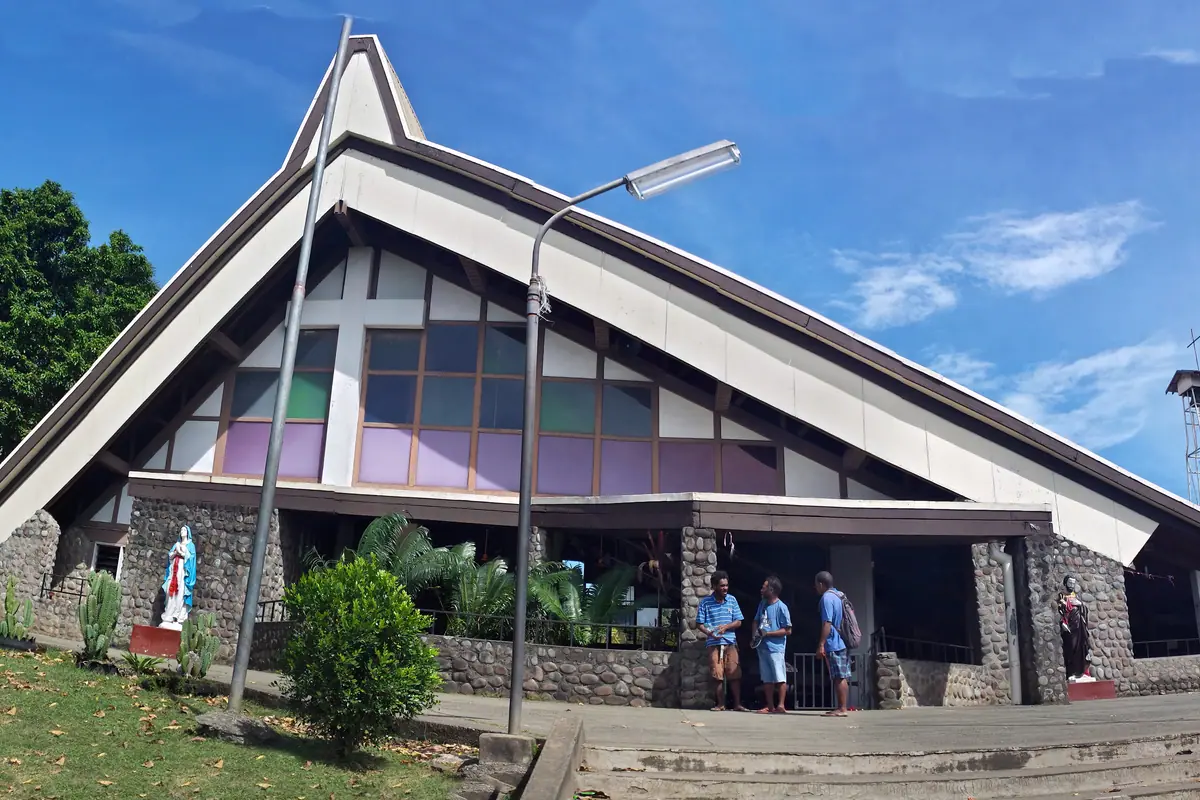
The Solomon Islands National Museum is the single best introduction to the country's cultures, with carved canoe prows, panpipes, shell money and a dense hoard of Second World War relics. A short drive away, Holy Cross Cathedral carries local motifs through its timber interior, while the ridge above town holds the most affecting stop of all: the memorial on Skyline Ridge, looking out across Iron Bottom Sound to Savo Island on the horizon. Nearby stands the memorial to the American campaign, and from the same road you can see Henderson Field, the wartime airstrip that is now the international airport, and the low ridgeline remembered as Bloody Ridge.
Diving and Snorkelling the Wrecks of Bonegi Beach and Iron Bottom Sound
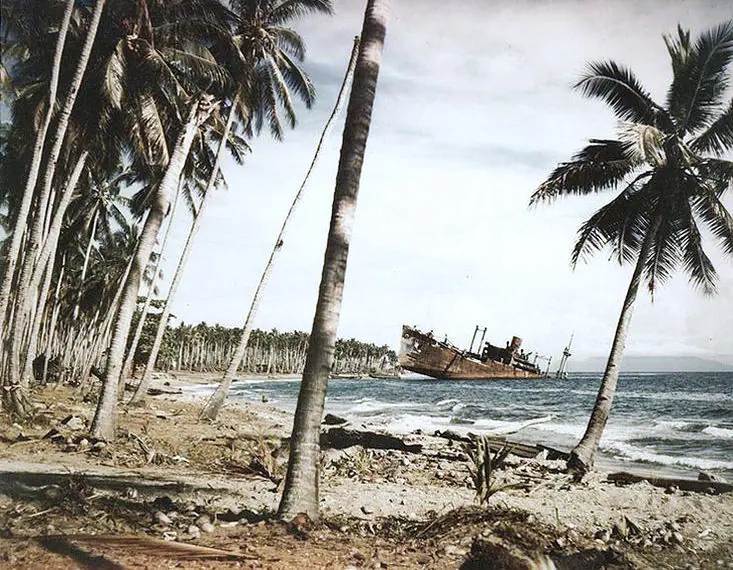
The channel between Guadalcanal, Savo and the Florida Islands earned its grim name in 1942, when so many ships went down that the sea floor became an archaeological site. The easiest wrecks to see are the two Japanese transports off Bonegi Beach, west of Honiara: one lies shallow enough that snorkellers can look down onto coral-smothered hulls, while the other drops past 30 metres, with holds and passageways that certified divers can swim through. Inland from the beach, the Vilu War Museum scatters wrecked aircraft, artillery and memorials among the palms, and the nearby beaches at Alligator Creek and Red Beach are places where the history and the swimming are equally good.
Across the sound, Tulagi rewards divers who like a challenge with a deep, technical wreck and some lovely shallow reefs, plus the remnants of the old colonial capital. Fly west, though, and the diving gets easier: off Gizo an upright transport sits between roughly four and forty metres, close enough to shore for a long surface swim, making it one of the most accessible wrecks in the Pacific. Visibility in the lagoons often reaches 30 metres or more, water stays around 27–30°C all year, and the driest, calmest window runs from April to October.
Waterfalls, Caves and Mountain Treks in Guadalcanal's Interior
Behind Honiara the island folds up into some of the wildest terrain in the Pacific, and a local guide is essential for all of it. The most popular day out is the walk to Tenaru Falls, a two- to three-hour hike through gardens and forest that ends at a tall curtain of water and a deep, cold pool. Go early, wear shoes that can handle mud, and take more water than you think you need.
The Mataniko Falls trip is stranger and more memorable: you follow the Mataniko River up from the edge of town, then swim through a cave where wartime relics and bats share the dark, emerging into a canyon that very few visitors ever see. Bring a headlamp, a dry bag and a tolerance for leeches.
For something far more serious, Guadalcanal's highest summit, Mount Popomanaseu, tops out at 2,335 metres and demands a multi-day expedition with village guides and camping gear. A gentler alternative is the crater-rim trek on Kolombangara to Mount Veve, usually done over three days from the coast, and Savo Island offers hot springs, megapode nesting grounds and a climb up an old volcanic cone.
Marovo Lagoon and the Western Province: Reefs, Carvings and Skull Shrines
Marovo Lagoon, in the Western Province, is often described as the largest saltwater lagoon of its kind, a double chain of barrier reef enclosing hundreds of forested islets and villages known across the Pacific for their woodcarving. Uepi Island, near the lagoon's edge, has become the classic base for drop-offs and coral passages, but just as rewarding is staying in a simple village guesthouse, snorkelling the reef in front of you and buying a carving directly from the person who made it.
Munda, a short flight further west, is the sleepiest of the region's bases, with a lagoon full of coral heads and easy access to Marovo and the surrounding islands. Gizo, the provincial town, is livelier: a market, a handful of dive operations, and boat trips that reach Kennedy Island — where a future American president and his crew swam ashore in 1943 — in about fifteen minutes. Nearby Njari Island is known for its dense fish life, and in the Vonavona Lagoon you can visit Skull Island, an ancestral shrine of bone and shell that is entered respectfully, with a local guide and a customary request for permission.
Getting between these islands is half the adventure: short domestic flights of roughly an hour link Honiara with Munda and Gizo, while banana boats and occasional inter-island ships connect the villages. Schedules bend with weather, so build slack into your plans and carry cash, because banks and card machines are scarce away from the capital.
Malaita and the Artificial Islands of the Langa Langa Lagoon
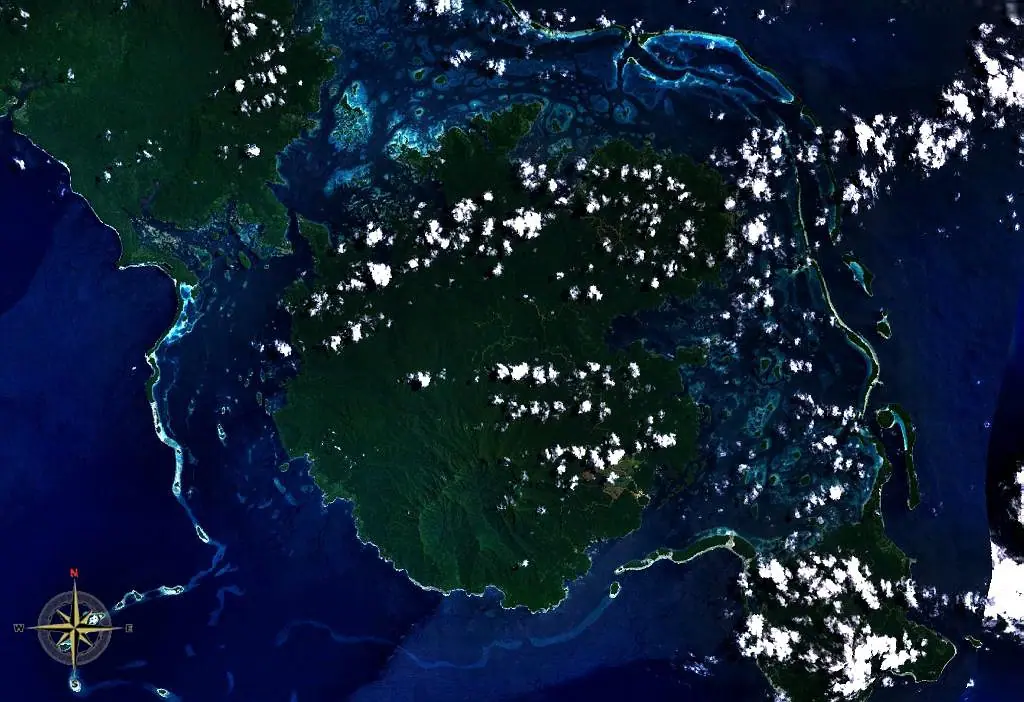
Malaita is the country's most populous island and its cultural heartland, reached by a short flight or a long ferry crossing from Honiara. Its capital, Auki, has a market worth timing your trip around and a gentle, unhurried feel, but the real draw lies just down the coast in the Langa Langa Lagoon, where families have built entire islands by hand from coral rubble and stone. Laulasi and Alite are the best known of these islets, raised out of the shallows generations ago by people seeking safety from raiders, and still home to families who live above the water.
This is also where you can watch shell money being made — red and white discs cut, ground and drilled by hand, then strung into the ceremonial currency that still changes hands at bride prices and reconciliations rather than in shops. Cultural shows here often feature the panpipe ensembles of the 'Are'are people of southern Malaita, whose layered, breathy music is unlike anything else in the Pacific. Further north, the Lau Lagoon holds more artificial islets, and a handful of villages keep alive the old and unsettling art of calling sharks to the canoe.
Visit with a guide from Auki, ask before entering villages or photographing people, and dress modestly. Guesthouses are simple, hospitality is generous, and the lagoon's shallow, bright water is superb for swimming and snorkelling between boat rides.
East Rennell, Tetepare and the Far-Flung Southern Islands
East Rennell is the wildest end of the country: a raised coral atoll whose interior holds Lake Tegano, the largest lake in the island Pacific, brackish, ringed by forest and home to birds and giant coconut crabs found nowhere else. There are no resorts, very few flights or supply ships, and the villages around the lake run their own management of the land. Reaching it is a project, not a package — but for travellers who want genuine isolation, this is it.
Easier, though still remote, is Tetepare, the largest uninhabited island in the South Pacific. Its descendants, who left generations ago, chose conservation over logging, and today a small ecolodge with basic bungalows sits beside reef and rainforest where leatherback and green turtles come ashore to nest. Between Santa Isabel and Choiseul, the Arnavon Islands are the country's great hawksbill turtle rookery, patrolled by rangers and visited by arrangement.
Timing matters everywhere here: April to October brings the southeast trades, drier days and calmer seas, while November to March is hot, humid and officially cyclone season. Whatever month you choose, pack reef-safe sunscreen, malaria precautions, sturdy sandals for wet landings and cash — and expect the boats to leave when they are ready, not when the timetable says.
Frequently asked questions
When is the best time to visit the Solomon Islands?
April to October is the sweet spot, when the southeast trades bring drier days, calmer seas and reliable diving visibility. November to March is hotter, wetter and carries a cyclone risk, though some travellers accept the humidity for fewer visitors and lush green landscapes.
How do you travel between the islands?
Short domestic flights of about an hour link Honiara with Munda, Gizo, Auki and Marau, while ferries and occasional cargo ships serve longer routes and banana boats handle village-to-village hops. Schedules shift with weather, so allow slack days and confirm boat departures locally.
Is the Solomon Islands good for diving and snorkelling?
Yes — the wrecks of Iron Bottom Sound, the accessible transport off Gizo and the reef passages of Marovo Lagoon are the highlights. Water sits around 27–30°C year-round, with visibility often exceeding 30 metres in the lagoons, and several wrecks are shallow enough for snorkellers.
Do I need permission to visit villages and reefs?
Almost always, yes. Land and reefs are customarily owned, so travel with a local guide, ask before entering a village, photographing people or snorkelling a reef, and follow the advice you are given. Modest clothing, especially for women, is appreciated everywhere outside Honiara.
How long should a trip be, and what should I pack?
Plan 10 to 14 days to cover Honiara and Guadalcanal plus one or two island groups; three to four days is enough for the capital's sights. Pack cash, reef-safe sunscreen, malaria precautions, a headlamp for cave and waterfall hikes, and sandals suitable for wet landings.
Plan it — experiences in Solomon Islands
Live search, booked directly with trusted providers.
Sort the rest of your trip
Everything for Solomon Islands, in one place
Stay in Solomon Islands
Hotels, guesthouses and apartments — compared in one search.
Search hotels
Transfer in Solomon Islands
Private driver waiting on arrival — no queues, no surprises.
Book a transfer
Stay online in Solomon Islands
Travel eSIM — data the moment you land, no roaming bills.
Get an eSIM