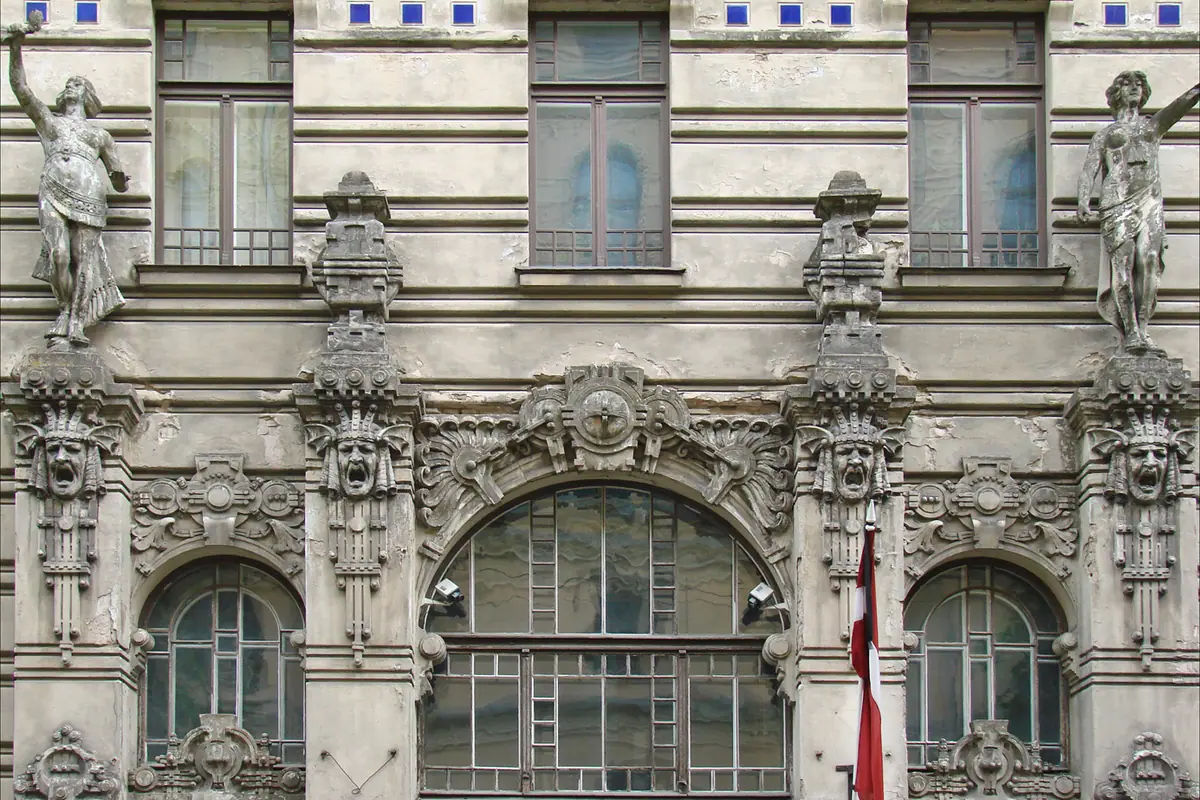
Riga rewards the kind of traveller who looks up: at screaming masks and sphinxes carved into Art Nouveau facades, at a 120-metre church spire, at the wrought-iron weather vanes on the rooftops of the Old Town. The Latvian capital packs a medieval core, one of Europe's finest architectural districts and a market the size of a small neighbourhood into a centre you can cross on foot in half an hour.
Start in Vecrīga: Riga's Old Town on Foot
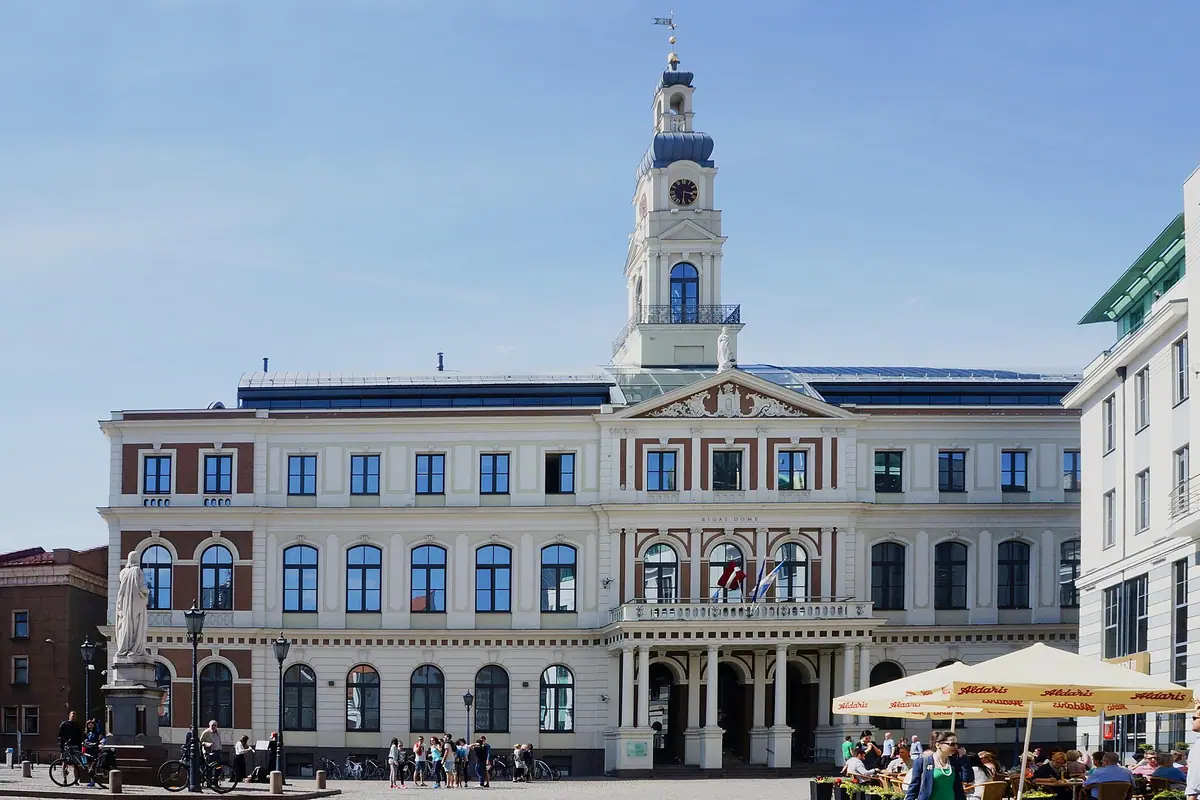
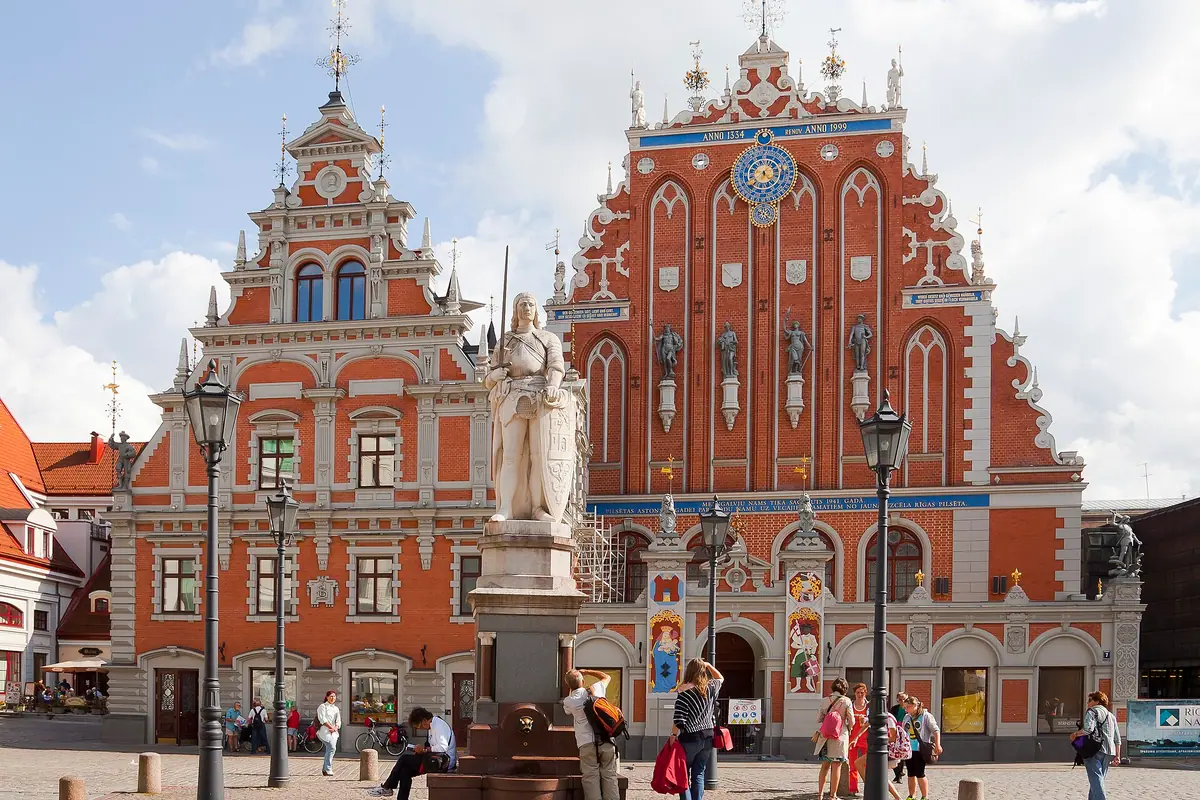
Begin early, before the tour groups arrive and while the cobblestones are still quiet. Riga's Old Town — Vecrīga — is a compact medieval grid of church spires, merchant houses and narrow lanes squeezed between the Daugava river and the old city canal. Town Hall Square is the natural starting point: the House of the Blackheads, a flamboyant guild house for unmarried merchants that dates back to the 14th century, was destroyed in the Second World War and rebuilt in the late 1990s, and it still anchors the square with its painted facade of stars and crests. From there, wander without a map for half an hour — the pleasure here is getting slightly lost.
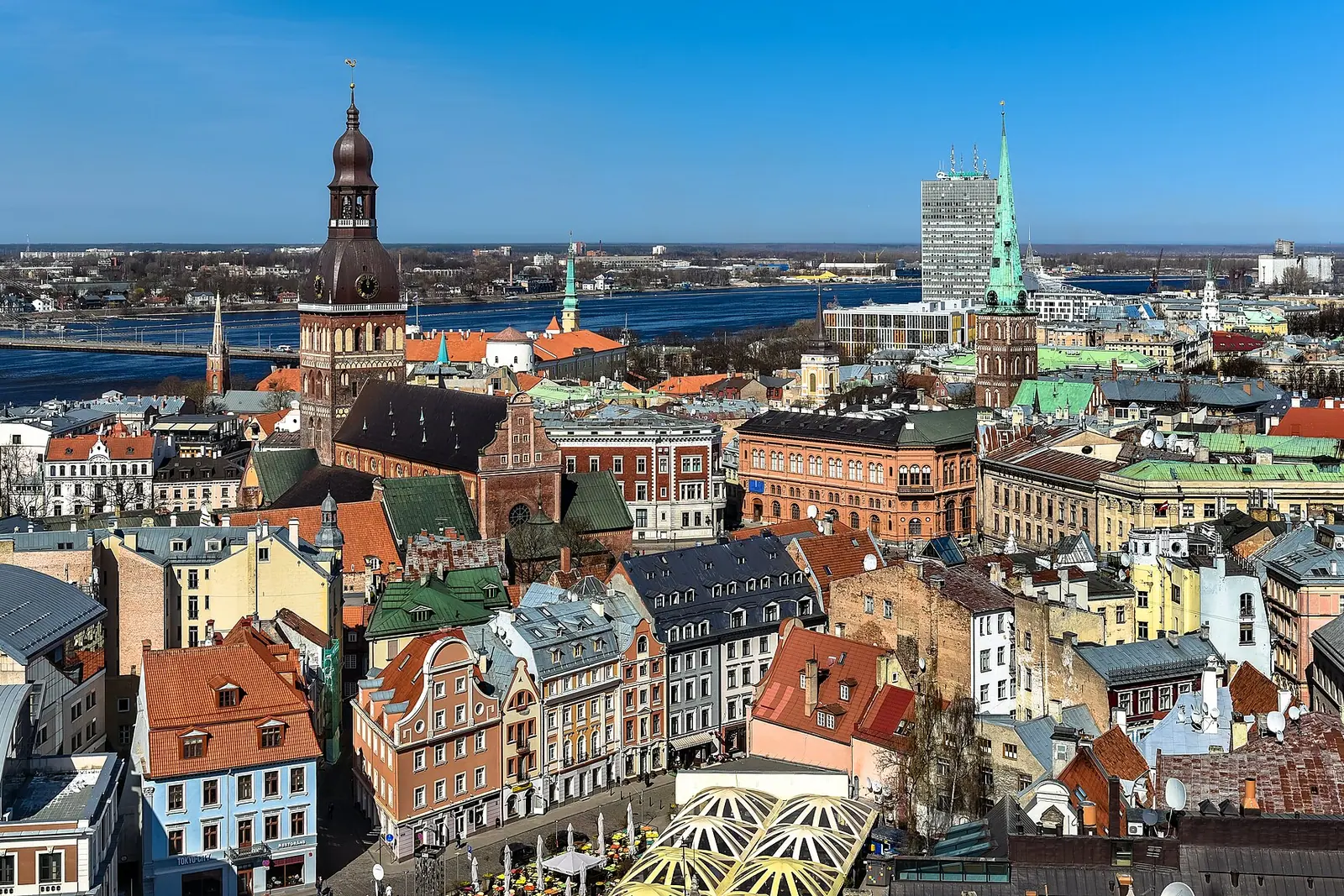
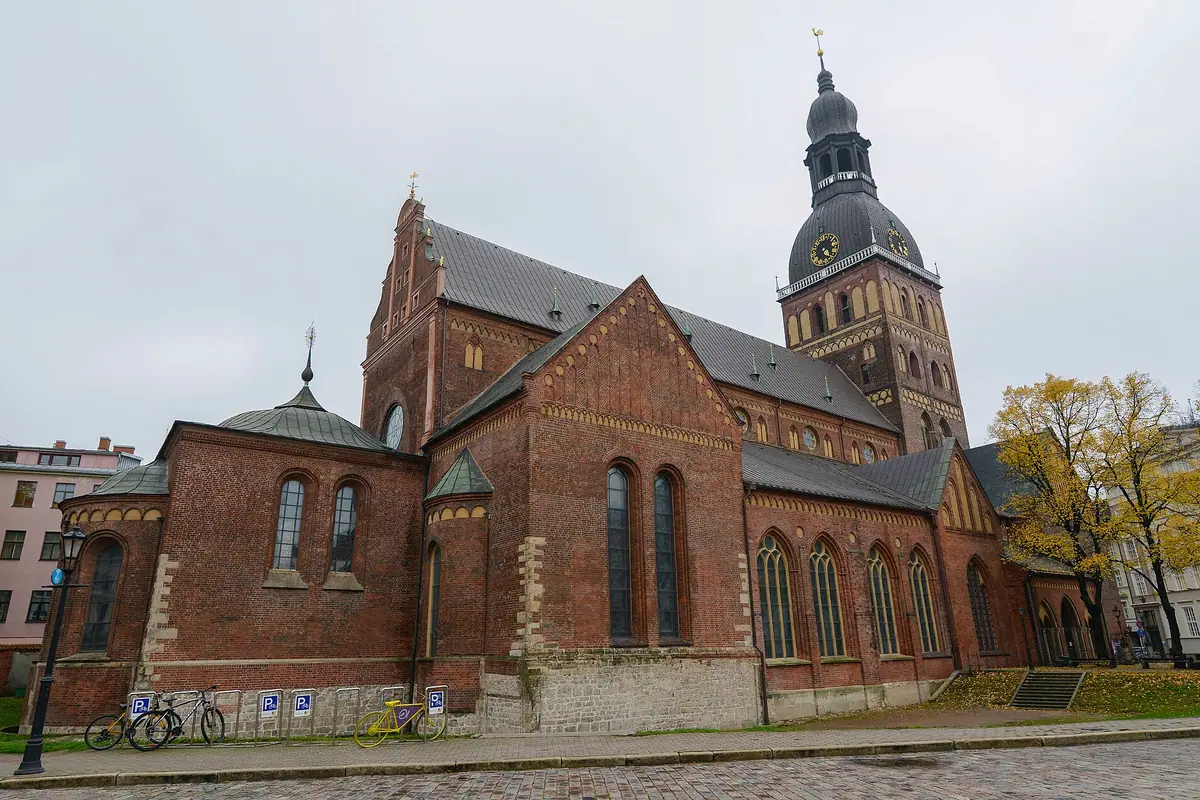
Climb St Peter's Church for the best view in the city. The church is first mentioned in the early 13th century, and its spire rises around 120 metres; a lift takes you most of the way to a viewing gallery roughly 70 metres up, with red-tiled roofs on one side and the river and distant Gulf of Riga on the other. Nearby, Riga Cathedral was founded in 1211 and holds one of Europe's largest pipe organs, with more than 6,000 pipes; short recitals are usually held around midday, and there is almost always a notice board outside listing the day's times.
Then hunt down the smaller details that make the Old Town memorable: the Three Brothers, three houses on Mazā Pils iela that lean against each other, the oldest from the late 15th century; the Swedish Gate, the only surviving opening in the old city wall; and the Cat House on Meistaru iela, where a black cat with an arched back has perched on the roof for over a century. Two practical notes: wear flat shoes, because the cobbles are genuinely unforgiving, and avoid the restaurants with photo menus on the main squares — walk ten minutes out for better food at better value.
Art Nouveau on Alberta iela: The City's Ornamental Face
Riga is one of Europe's great Art Nouveau cities, and it is not a museum piece — roughly a third of the buildings in the central district date from the exuberant building boom between about 1900 and 1914. The densest concentration runs along Alberta iela and the parallel streets of Elizabetes, Strēlnieku and Antonijas, a short walk from the Freedom Monument and the canal park that separates the Old Town from the boulevard ring.
The trick here is to look upwards. Facades bristle with peacocks, owls, sunbursts, stylised sphinxes and the famous grimacing masks — several of the most theatrical on Alberta iela were designed by Mikhail Eisenstein, the architect father of the filmmaker, whose buildings at numbers 2, 4, 6, 8, 10a and 13 are the highlights. If you want to see how the people who commissioned all this actually lived, the small Art Nouveau apartment museum at Alberta iela 12 restores a 1903 flat with its original tiled stoves, parquet floors and period furniture. It takes about an hour and rarely feels crowded.
Time your walk for morning light if you are photographing facades, or late afternoon in summer when the ornament catches a warm glow. These are quiet residential streets, so keep voices down and don't block doorways. From the Old Town it's a comfortable 20 to 30-minute walk, or a couple of stops on a tram along Brīvības bulvāris.
Riga Central Market: Five Hangars Full of Latvian Flavour
Just beyond the southern edge of the Old Town, five vast grey airship hangars have stood beside the canal since 1930, converted into one of Europe's largest market halls. Each hangar has its own speciality — meat, fish, vegetables, dairy, bread — and the scale takes a moment to absorb: entire aisles devoted to smoked fish, barrel after barrel of pickles, counters stacked with rye bread. Below ground, dim cellars hold fish and meat stalls that feel a century older than the bright halls above.
This is where to eat your way into Latvian cooking. Look for smoked sprats and herring, dense rupjmaize rye bread, grey peas, curd cheese with honey, hemp butter, fermented cabbage, and in autumn a riot of forest mushrooms and berries; in summer, strawberries go by the kilo and locals queue for them. The ring of stalls outside the hangars sells seasonal produce, flowers, and hand-knitted mittens and socks that make genuinely useful souvenirs.
Arrive before 10am for the fullest spread and the fewest people; weekends are lively and busy, weekdays calmer, and most stalls pack up by early evening. The market sits next to the central bus station and is an easy five-minute walk from the Old Town, so it slots neatly between sightseeing and lunch.
Cross the Daugava: Views, Wooden Houses and Ķīpsala
The river splits Riga in two, and the view back towards the spires from the far bank is one of the city's best free spectacles. The National Library, a glass mountain completed in 2014 on the left bank, has a public upper level worth the climb for the panorama; you can walk there from the Old Town across the stone bridge in about 20 minutes, ideally around sunset in summer.
Come back via Ķīpsala, an island district of 19th-century wooden houses with carved porches and overhanging eaves, where the streets are so quiet you forget you're ten minutes from the centre. The same wooden architecture survives on a grander scale in Āgenskalns, whose renovated market hall has become a food-lover's stop, and at the Kalnciema Quarter, where a Saturday market fills old timber warehouses with local bakers, cheesemakers and smoked fish, usually accompanied by live music.
For a rainy day, two museums justify the trip out of the centre: the ethnographic open-air museum on the shore of Lake Jugla, where farmsteads, windmills and wooden churches from every region of Latvia have been reassembled in a pine forest, and the motor museum in the east of the city, strong on Soviet-era limousines and pre-war classics. Allow 20 to 40 minutes each way by bus or taxi.
Miera iela, Tallinas kvartāls and Riga After Dark
North of the centre, Miera iela — literally Peace Street — is where Riga goes for a slow Saturday. Bakeries, coffee roasters, vintage shops and small design studios line the street, which ends at a long red-brick complex that was once a chocolate factory and now houses studios and event spaces. The surrounding blocks have some of the city's best breakfasts, and it's an easy tram ride or 25-minute walk from the Old Town.
A few streets away, Tallinas kvartāls has turned a former factory yard into a creative quarter with gigs, food trucks and small summer festivals, and the nearby Brasa and Tallinn Street area is where locals actually go out at night. Back in the Old Town, cellar bars serve the local herbal liqueur — a thick, bittersweet black balsam best taken with coffee or in a cocktail — alongside a fast-improving craft beer scene. Nights are liveliest from Thursday to Saturday and noticeably sleepier on Mondays and Tuesdays.
Latvian food is hearty and built for cold weather: grey peas fried with bacon and onion, pork with sauerkraut, rye bread with butter and sprats, kefir and curd snacks for dessert. Vegetarian and vegan options have multiplied in recent years, particularly in the centre and around Miera iela. Tipping around five to ten per cent is the norm, and cards are accepted almost everywhere, though small market stalls still appreciate cash.
When to Go, and Easy Escapes from Riga
Seasons shape a trip here more than most European cities. Late May to early September brings long, bright days — around the summer solstice the sun rises before 5am and it stays light until well after 10pm — plus terrace culture and river trips. Be aware that 23 and 24 June is Jāņi, the Midsummer holiday: the city half-empties as everyone heads to the countryside, many businesses close, and you should book transport and accommodation well ahead. Mid-August brings the Riga City Festival, with concerts and processions through the centre.
Winter has its own appeal. From late November until early January, Christmas markets fill Doma laukums and Līvu laukums with mulled wine, roasted nuts, grey peas and knitwear stalls, and the Old Town looks its best dusted with snow and strung with lights — though daylight fades by around 4pm in December. January and February are properly cold, sometimes -10 to -20°C, so pack insulated boots, thermals and a hat that covers your ears. Spring arrives slowly: March is muddy, April brings the first optimistic café tables outside, and May is arguably the sweet spot for weather without crowds.
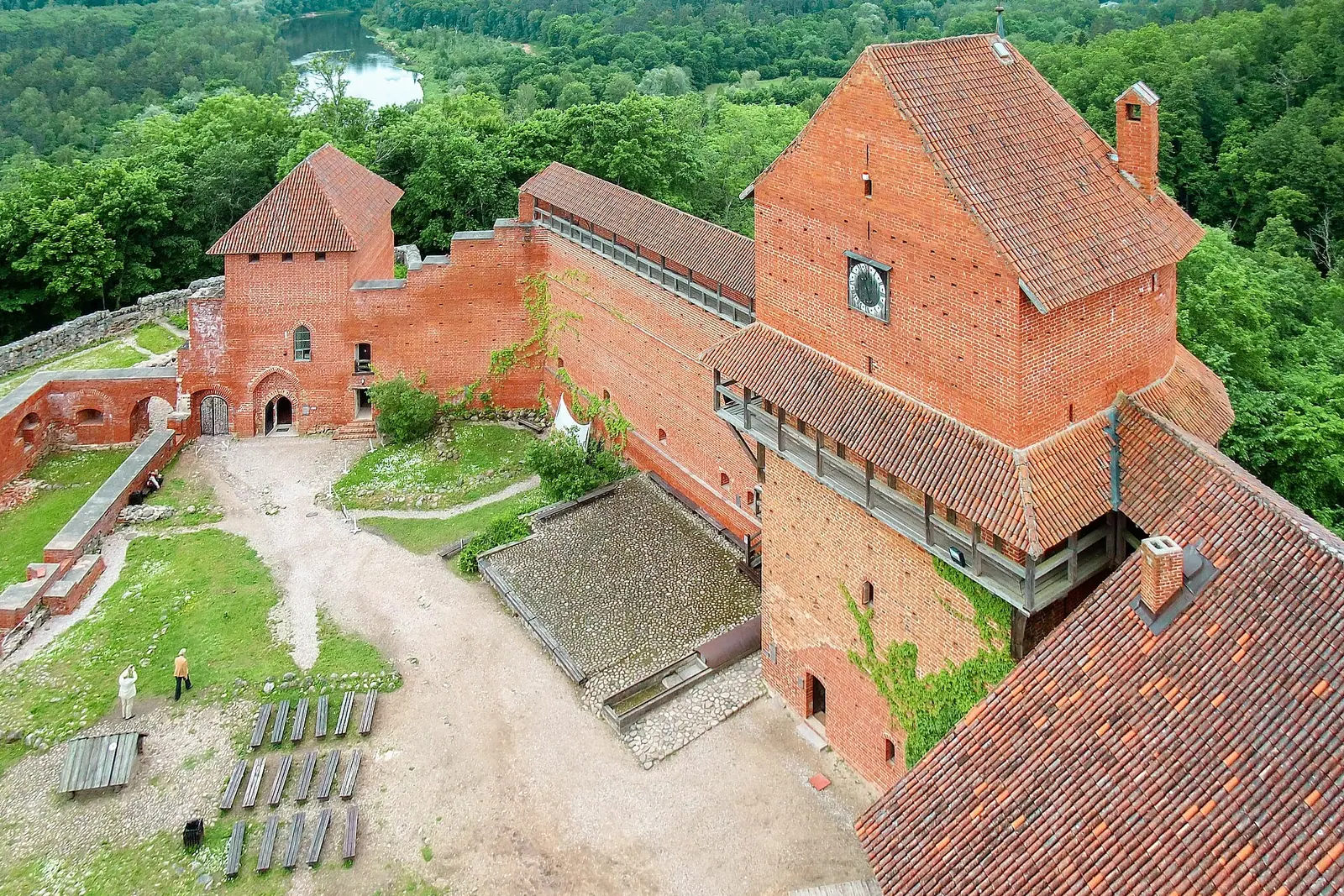
Riga also makes an excellent base. Jūrmala, the resort town on the Gulf of Riga with a long sandy beach, wooden villas and a famous concert hall, is about 30 minutes by train from the central station. Sigulda, roughly an hour away, is the gateway to Gauja National Park: castle ruins, the Turaida estate, a cable car gliding over the wooded valley and a working bobsleigh track. Closer still, the Great Ķemeri Bog boardwalk offers a 3.4-kilometre loop over a landscape that is spectacular at sunrise in autumn or on a hard-frozen winter morning.
Frequently asked questions
How many days do you need in Riga?
Two to three full days is enough to cover the Old Town, the Art Nouveau district, the Central Market and a half-day out to Āgenskalns or the left bank. Add two more days if you want day trips to Jūrmala, Sigulda or the Ķemeri bogs without rushing.
Is Riga walkable, and do I need public transport?
The historic centre is very walkable and most major sights sit within a 30-minute stroll of each other. For longer hops, trams, trolleybuses and buses are cheap and frequent — buy and validate a ticket before boarding rather than paying a higher on-board fare.
What is the best time of year to visit Riga?
June offers the longest days and Midsummer festivities, though 23–24 June sees many places closed. December is the best month for Christmas markets and snowy Old Town atmosphere. September brings golden autumn colours, mushroom season and lower room rates.
What food and drink should I try in Riga?
Look for grey peas with fried bacon and onion, dense rye bread with butter and sprats, smoked fish from the Central Market, curd cheese with honey, and the local black herbal liqueur, which is served neat, with coffee or in cocktails.
Is Riga expensive, and is it safe at night?
Riga is generally cheaper than Western European capitals for food, drink and museum tickets. The centre is safe, including in the evening, but stick to well-lit streets late at night, keep an eye on your belongings in crowded bars, and have your accommodation call a taxi if you're unsure.