Latvia is a country that sets its table by the calendar: birch sap in April, wild strawberries in June, chanterelles after the first autumn rain. Between the rye-bread bakeries of Riga and the misty castles of the Gauja valley, you will find a small nation with a very long memory and an appetite to match.
Latvia at a Glance: Forests, Coastline and a Table Set by the Seasons
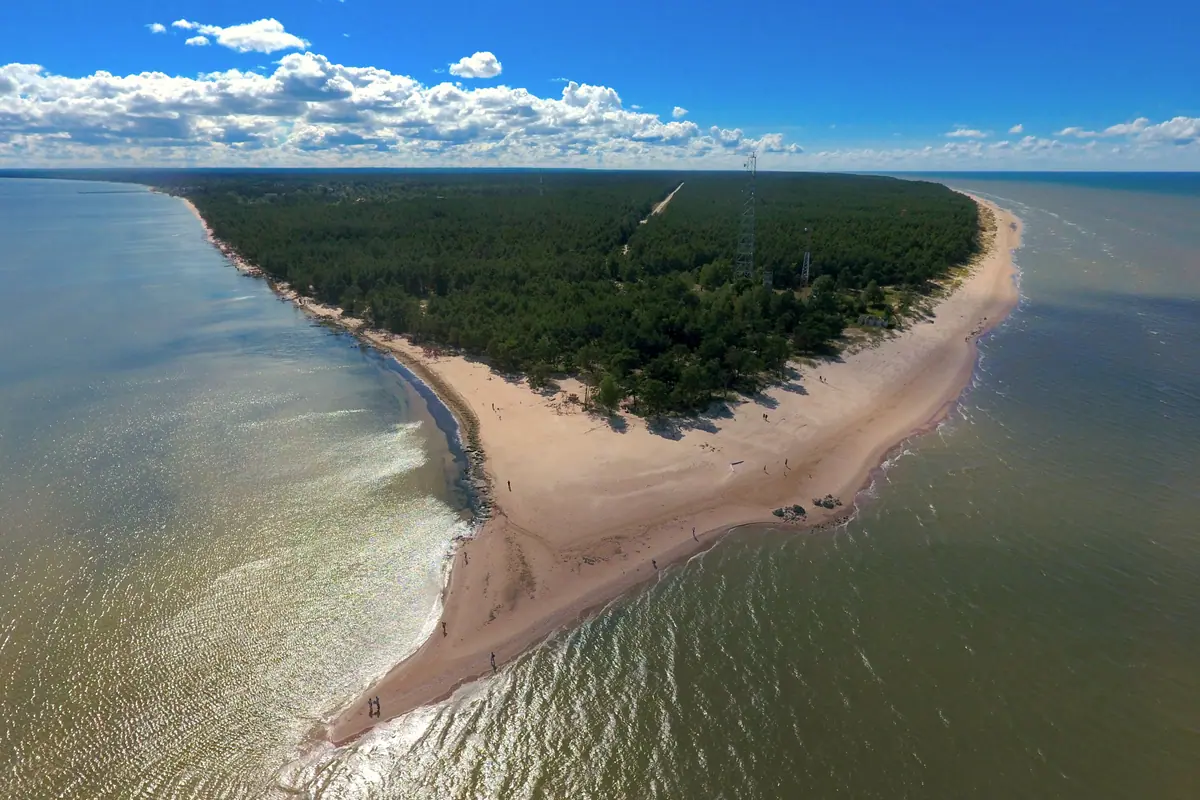
Latvia covers barely 64,000 square kilometres, yet more than half of it is forest and roughly 500 kilometres of it is Baltic coastline. That ratio shapes everything a visitor eats and does. The Gulf of Riga laps the northern shore, the open sea pounds the west, and at Cape Kolka the two waters meet in a restless, bird-haunted collision that marks one of Europe's great autumn migration routes. Just inland from there, Slītere National Park protects ancient shoreline forest and bog where the walking is flat, quiet and memorably strange.
The country divides culturally as well as geographically. The west and centre lean Lutheran and maritime — fishing villages, smoked fish, sturdy farmsteads. The eastern region of Latgale is Catholic, lake-strewn and distinct in dialect, food and pottery. Riga, with its UNESCO-listed Old Town and Art Nouveau boulevards, is the natural anchor, but the country is compact enough that you can base yourself in the capital for three or four days and still reach castles, caves and coastline on day trips.
A sensible first tour runs four days in Riga, then three or four more swinging through Sigulda, Cēsis and Kuldīga, with a detour to Rundāle Palace if you love gardens. Train and bus links cover the main towns; a rental car opens up the rural bakeries, smokehouses and bog boardwalks that make the trip memorable.
Riga: Zeppelin Hangars, Black Balsam and Art Nouveau
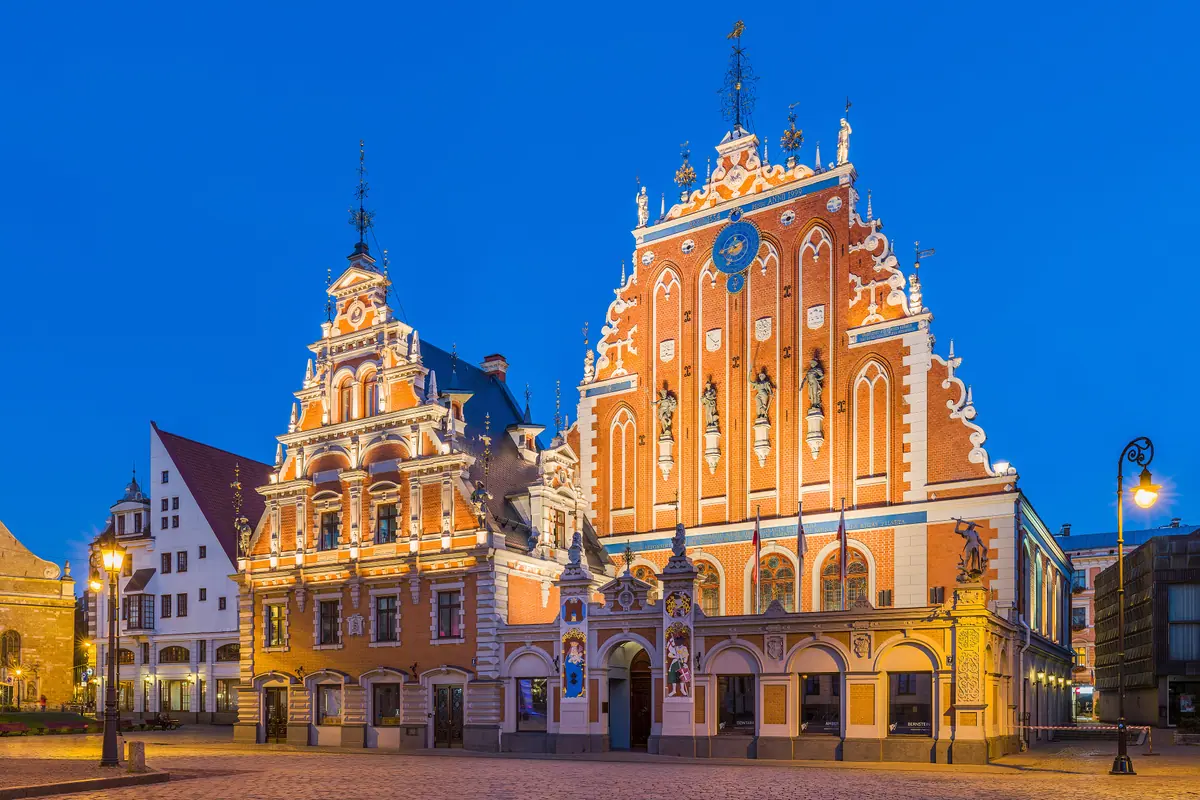
Start in Vecrīga, the Old Town, where the cobbles are older than most European nations. Town Hall Square is dominated by the House of the Blackheads, a fantastical rebuilt guild hall of gables and gilding, and a few steps away stand the towering Dome Cathedral — worth visiting for its organ recitals — and St Peter's Church, whose viewing platform delivers the classic rooftop panorama over the Daugava. Wander past the Three Brothers, the city's oldest stone houses, through the Swedish Gate, and out to the Freedom Monument and the leafy canal that separates Old Riga from the modern centre.
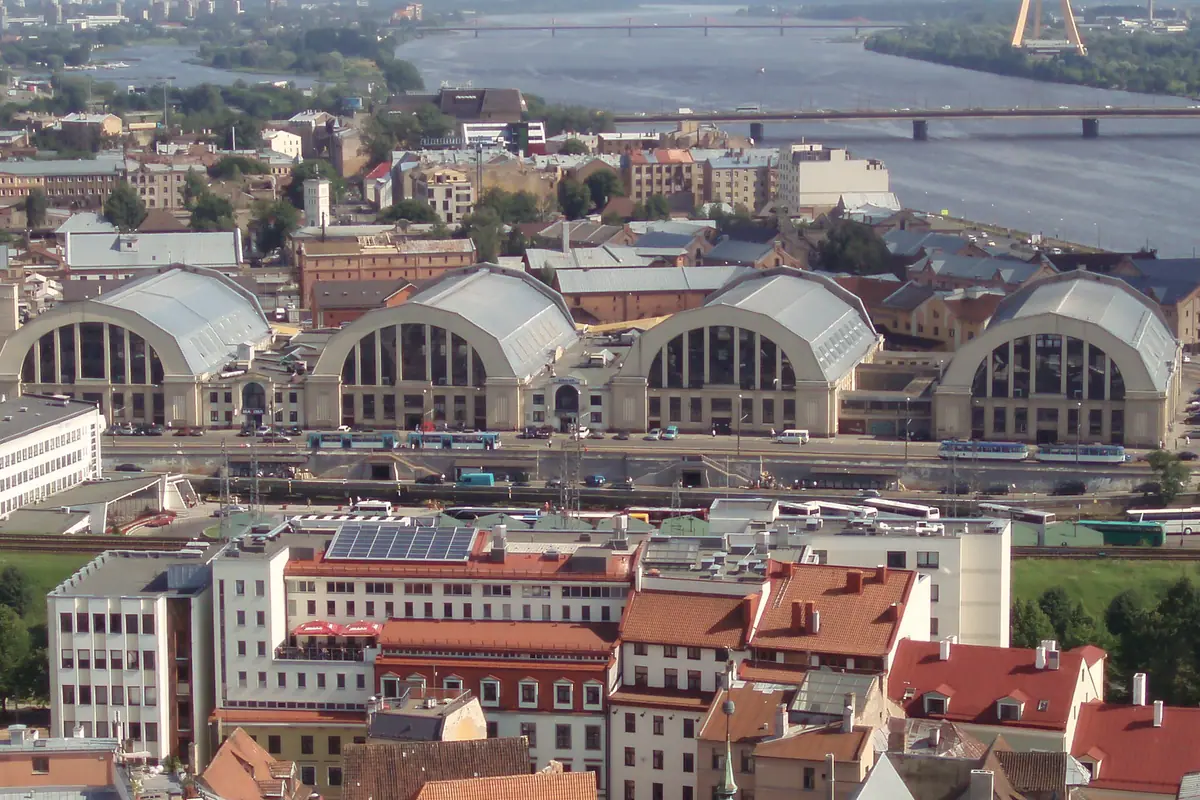
Then go to the market. Riga Central Market occupies five vast former Zeppelin hangars beside the river, and it is one of the largest and most atmospheric in Europe. Inside you will find smoked bream and sprats glistening on ice, dark rye loaves the size of dinner plates, barrels of sauerkraut and pickled cucumber, hemp butter, cloudberries and jars of honey labelled by forest. The neighbouring Āgenskalns market is smaller, more local and good on weekend mornings for cheese, pastries and coffee.
Riga's other great pleasure is architectural. Walk Alberta iela and Elizabetes iela for the city's celebrated Art Nouveau facades — screaming caryatids, peacocks and sphinxes — then rest in the courtyards of Berga Bazārs, a former industrial block turned shopping and café quarter. End the evening in a vaulted cellar restaurant with a glass of Riga Black Balsam, the thick herbal liqueur that locals sip neat, in coffee or with hot blackcurrant juice.
The Latvian Table: Rye, Grey Peas and Wild Things
Latvian cooking is peasant food with a serious following. The cornerstone is rupjmaize, dense dark rye sourdough, often spread with butter and topped with cheese, sprats or hemp seeds. Order pelēkie zirņi ar speķi — grey peas slow-cooked with smoked bacon — and you are eating something close to a national dish. Speķa pīrāgi, small crescent buns stuffed with bacon and onion, turn up at every bakery and every family celebration, while frikadeļu zupa, a sour-cream meatball soup, is the comfort food of choice on a cold day. In summer, ask for aukstā zupa, a chilled kefir and beetroot soup that is far better than it sounds.
Regional specialities are worth chasing. In Latgale, look for sklandrausis, a small rye tart filled with carrot and potato and protected as a traditional speciality; it is sweet, earthy and unlike anything else in the Baltic. Midsummer cheese — Jāņu siers, flecked with caraway — appears in markets from early June. On the coast, smoked fish rules: sprats from the capital, smoked bream and flounder along the Kurzeme shore, and, near the mouth of the Gauja outside Riga, the autumn lamprey that gets its own late-summer festival.
Finally, embrace foraging, which is a national pastime rather than a trend. Spring brings birch sap and wild garlic; June brings wild strawberries; late summer fills baskets with chanterelles, lingonberries and cloudberries. Markets throughout the country sell the results by the bucket, and many guesthouses will happily take you mushroom picking — but go with someone who knows the difference between a chanterelle and trouble.
Beyond the Capital: Castles, Caves and the Widest Waterfall in Europe
An hour by train from Riga, Sigulda is the gateway to Gauja National Park, Latvia's oldest and largest. Climb the red-brick ruins of Turaida Castle for views over the river valley, then walk down to Gutmanis Cave, the country's largest, its walls scratched with centuries of visitors' initials. The valley is at its most spectacular in early October, when the birches and maples turn; a cable car glides across the gorge, and a bobsleigh track hurtles down the opposite slope.
Further east, Cēsis pairs a handsome small town with the romantic ruins of a Livonian Order castle and a medieval-themed summer season of concerts and markets. West of the capital, Kuldīga is the country's loveliest small town: a UNESCO-listed old town of tiled roofs and a brick bridge spanning the Venta Rapid, the widest waterfall in Europe, which stretches roughly 250 metres across and turns golden at sunset. Down on the coast, Liepāja offers a breezy, arty seaside character and the sobering Karosta naval prison, while Jūrmala, 30 minutes from Riga, delivers a long sandy beach, the Dzintari concert hall and the Great Ķemeri Bog boardwalk, one of the finest short walks in the Baltics.
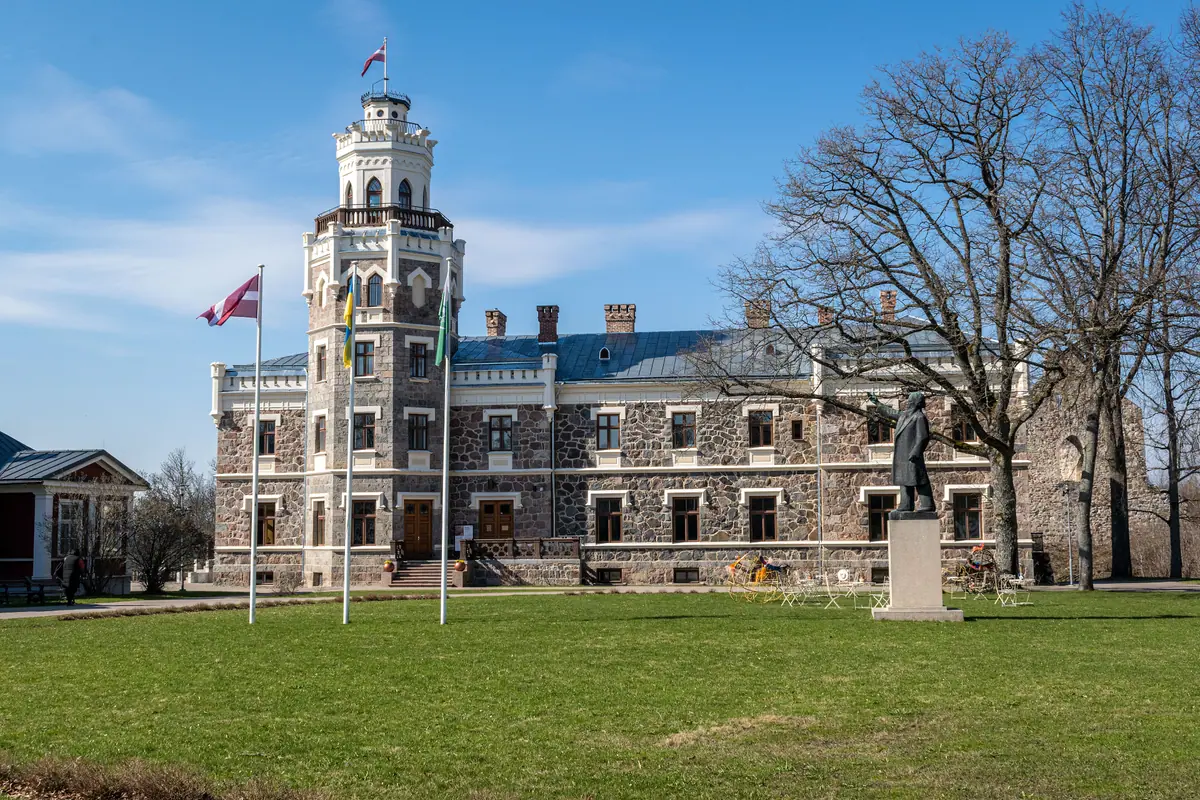
Inland to the south, Rundāle Palace near Bauska is the grandest Baroque statement in the country, designed by the same architect who worked on the Winter Palace, with formal gardens that peak in rose season in late June and July. And in the far east, Latgale rewards the extra miles: the pilgrimage basilica at Aglona, the lakes around Rāzna, the Mark Rothko Art Centre in Daugavpils — the artist was born there — and village pottery workshops where the clay is still dug locally.
Festivals, Saunas and Living Traditions
The single best time to be in Latvia is late June, for Jāņi, the midsummer festival. On the night of 23 June, towns empty as families head to the countryside for bonfires, beer, caraway cheese and wreaths of oak leaves for men and wildflowers for women. Nobody sleeps much; songs are sung until sunrise. If you are invited to a family Jāņi, accept — it is the most Latvian experience you can have.
Riga also hosts the Song and Dance Festival, staged every five years, when tens of thousands of singers and dancers gather at the Great Bandstand in Mežaparks and other venues for a mass choral event on a scale that has to be seen to be believed. Between festivals, the capital keeps its own calendar: Christmas markets in the Old Town fill December with mulled wine and wool mittens, while spring and autumn bring food fairs and craft markets.
Traditional crafts are alive rather than staged. You can watch amber being polished, linen woven and patterned woollen mittens knitted by hand; Latgale's potters still throw and glaze in wood-fired kilns. And then there is the pirts, the Latvian bathhouse, a social ritual of birch and oak whisks, herbal teas, honey scrubs and cold plunges into a lake or barrel. Booking a proper pirts evening with a local guide is the best few hours you can spend after a long day of castles.
When to Go and How to Travel Well
June to August is prime time: long daylight, warm sea at Jūrmala, outdoor festivals and markets at full tilt. It is also when coastal towns and Riga hotels fill up, so book ahead. May and September are sweeter for walkers — quieter trails, lower prices and good light — while late September and early October deliver the Gauja valley's autumn colours. Winter is for Christmas markets, frozen bogs and snowy forests, though daylight shrinks to around six hours in December, so pack warm layers and plan short days.
Getting around is straightforward. Frequent trains link Riga with Jūrmala, Sigulda and Cēsis; buses reach Kuldīga, Rundāle and most small towns. A rental car is worth it for the countryside, where the best bakeries and smokehouses sit outside village centres. English is widely spoken by younger Latvians and in cities, less so in rural areas, so learning a few words — paldies for thank you, lūdzu for please — goes a long way and is always appreciated.
Practical notes: cash is still handy at markets and rural stalls, tipping around five to ten per cent is normal in restaurants, tap water is drinkable, and market halls are best visited before noon. If your trip falls near Jāņi, book transport and accommodation months in advance, and remember that 24 June is a public holiday when much of the country genuinely closes. For a sauna or a guided foraging walk, ask your guesthouse — the best of Latvia tends to be arranged by word of mouth rather than online.
Frequently asked questions
What is the best time of year to visit Latvia?
June to August offers the warmest weather, longest days and the fullest festival calendar, including Jāņi on 23–24 June. May and September are quieter and ideal for hiking and cycling, late September brings autumn colour to Gauja National Park, and December is best for Riga's Christmas markets — though daylight is short and temperatures often drop well below freezing.
Which Latvian dishes should a first-time visitor try?
Start with dark rye bread (rupjmaize), grey peas with bacon (pelēkie zirņi ar speķi), bacon-and-onion buns (speķa pīrāgi), sour-cream meatball soup, and the Latgale carrot-and-potato tart called sklandrausis. Add smoked sprats or bream, caraway-flecked Jāņu cheese in early summer, and a glass of Riga Black Balsam to finish. In warm months, order the chilled kefir and beetroot soup.
How many days do you need in Latvia?
A comfortable week covers four days in Riga — Old Town, Central Market, Art Nouveau district and a Jūrmala beach afternoon — plus day trips to Sigulda and Turaida Castle, Cēsis, and Rundāle Palace. Add two or three nights if you want to reach Kuldīga, Liepāja or the lakes and pottery villages of Latgale, which are best explored with your own car.
Is Latvia easy to visit without a car?
Yes for the main sights. Trains from Riga run frequently to Jūrmala, Sigulda and Cēsis, and an extensive bus network reaches Kuldīga, Bauska and Rundāle. Rural bakeries, smokehouses and bog boardwalks are much easier with a rental car, and English is widely understood in cities, though less so in the countryside.
What should I know about Jāņi, the midsummer festival?
Jāņi is celebrated on the night of 23 June, when towns empty and families gather in the countryside around bonfires with beer, caraway cheese and flower wreaths. It is a public holiday on 24 June and much of the country closes. Transport and accommodation sell out far in advance, and if you are invited to a private celebration, bring a small gift and expect to stay up until sunrise.
Sort the rest of your trip
Everything for Latvia, in one place
Stay in Latvia
Hotels, guesthouses and apartments — compared in one search.
Search hotels
Transfer in Latvia
Private driver waiting on arrival — no queues, no surprises.
Book a transfer
Stay online in Latvia
Travel eSIM — data the moment you land, no roaming bills.
Get an eSIM