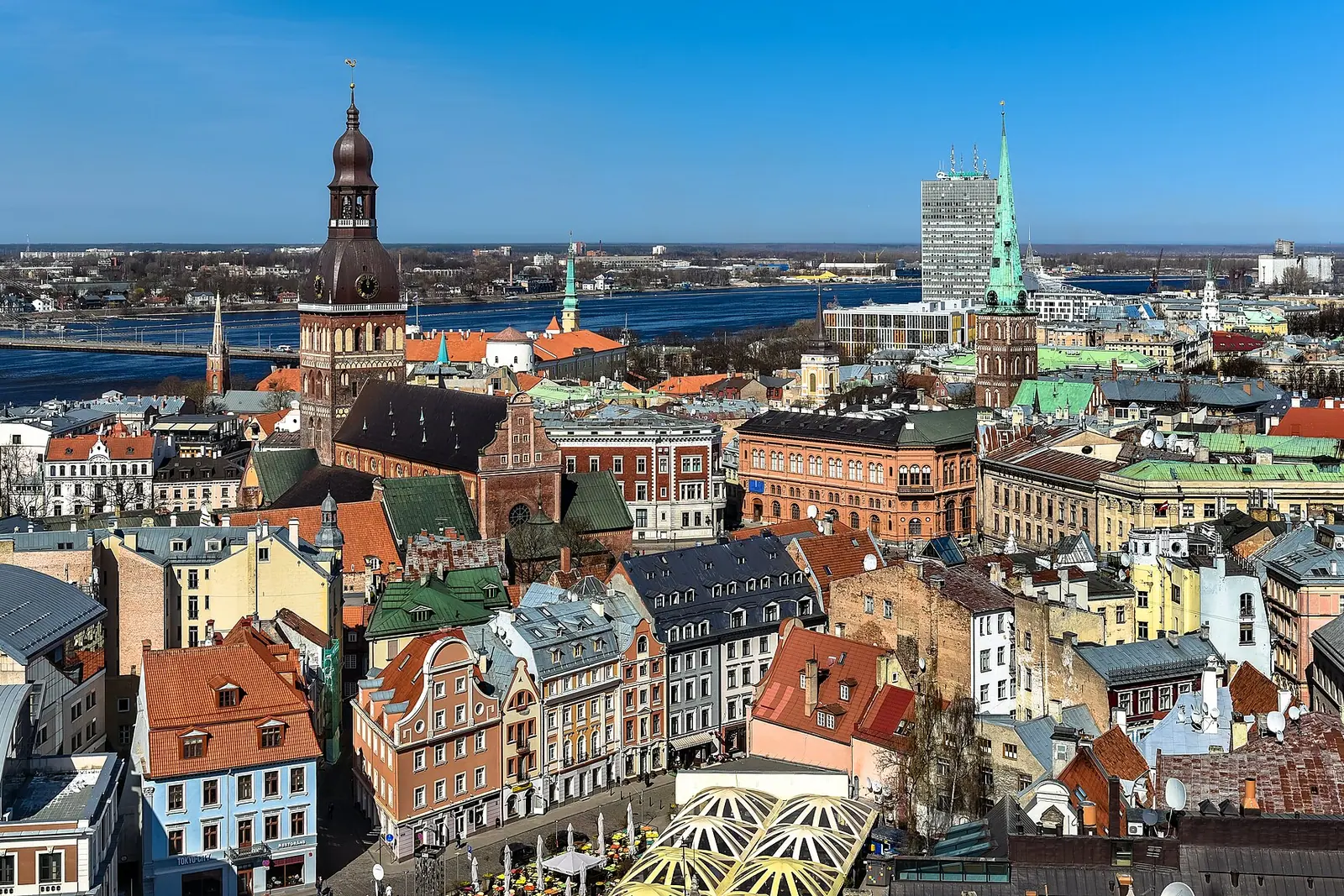
Latvia changes character so completely between January and July that the same hotel room can feel like a bargain hideaway or the last seat at a party. Whether you want Riga's Old Town under snow or Jūrmala's pine-fringed beach in full sun, the season you choose decides your rate, your view and your whole trip.
Why Latvia's Seasons Rewrite Your Hotel Bill
Latvia sits high on the Baltic, which means short, bright summers and long, dark winters — and the hotel market swings hard between the two. Rooms in Riga's Old Town and along Jūrmala's beachfront can command their highest rates from late June through mid-August, then fall steeply once the school holidays end. The shoulder windows of late May and September are the sweet spot for most travellers: mild weather, walkable streets and noticeably softer prices than the peak.
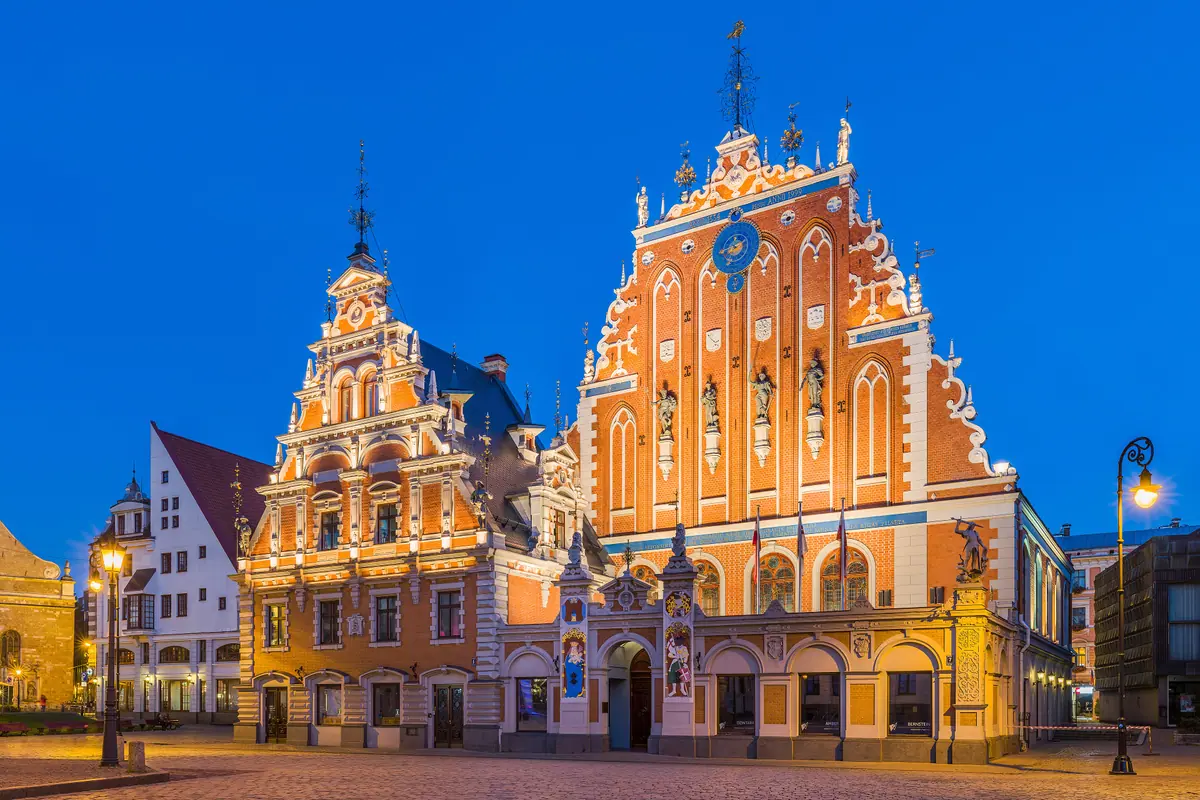
Geography matters as much as dates. Riga's Old Town hotels are priced for atmosphere — cobbled lanes, courtyard restaurants, the House of the Blackheads and Riga Cathedral a few minutes' walk away — while purpose-built spa hotels in Jūrmala charge for facilities rather than location, and rural guesthouses in Gauja National Park charge for quiet. Knowing which of those three you want narrows your booking window immediately.
As a rule, book summer stays two to three months ahead if you have a specific hotel in mind, and winter stays a few weeks out. For Midsummer and the Song Festival, think in terms of half a year — those dates are fixed and the whole country plans around them.
Late Spring and Early Summer: Riga in Its Golden Hour
From mid-May to mid-June, Latvia is at its most forgiving. Days stretch past 10pm, café terraces fill along Dome Square and Livu Square, and the Old Town is busy without being crushed. This is the ideal window for a first trip built around Riga: climb the tower of St. Peter's Church for the rooftop panorama, wander the Art Nouveau streets of Alberta iela, browse Riga Central Market in its old zeppelin hangars, and take the short train ride to Jūrmala for a first taste of the coast.
Hotels here reward early planners in this window rather than penalising them. Boutique properties in the Old Town often have their last quiet weekends in May, and the city's grander historic hotels — the kind with stained glass and breakfast rooms facing a courtyard — are still priced for spring rather than summer.
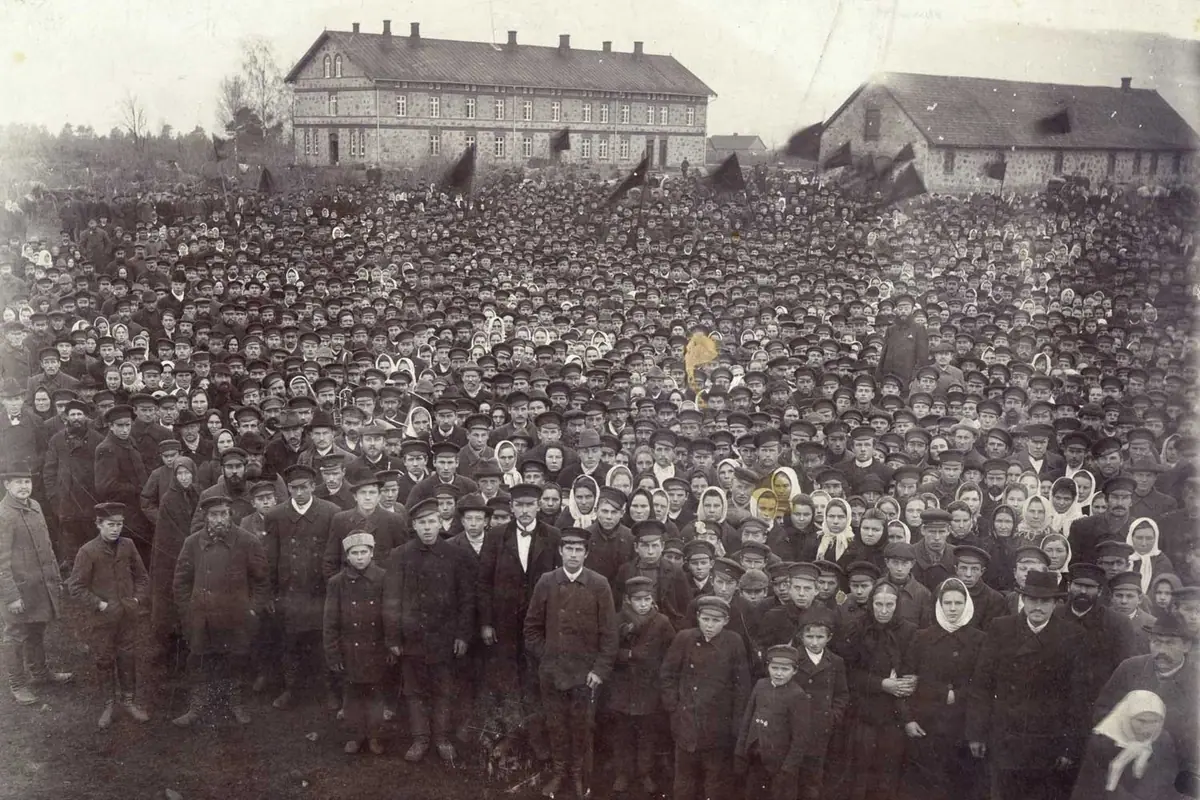
The one exception is Jāņi, Latvia's Midsummer festival on 23 and 24 June. Cities empty, coastal and countryside guesthouses fill with bonfires, herbal wreaths and singing that runs to sunrise, and any bed within reach of a beach or a lake goes fast. If Midsummer is your reason for coming, that is the moment to book months in advance — and to accept a minimum-stay requirement.
High Summer: Jūrmala, Beaches and Festival Fever
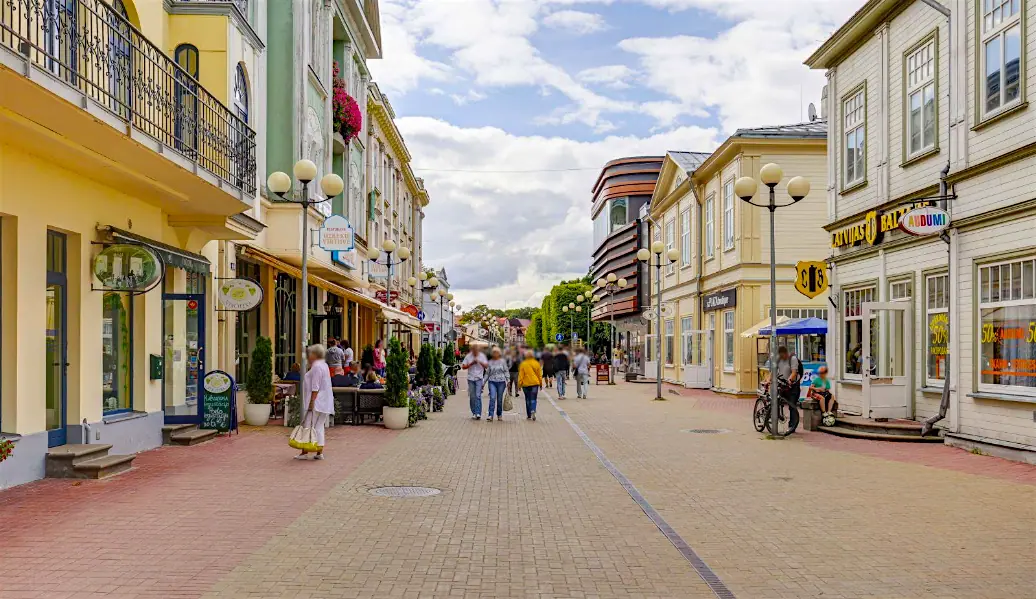
July and August are when Latvia behaves like a proper seaside nation. Jūrmala, barely half an hour from central Riga by train, becomes a resort of wooden villas, brine-scented pine forest and a long pale-sand beach that runs through Majori and Dzintari. Spa hotels here are the big draw: Baltic saunas, mineral-water pools and treatments that make a rainy afternoon worthwhile. Book a resort with a private beach path if sand is the priority, or a guesthouse on the quieter Bulduri side if you want to sleep.
Beyond Jūrmala, summer opens up the whole coastline. Liepāja has a Baltic beach and a lively music scene, Ventspils is neat and family-friendly, and Cape Kolka, where the Baltic Sea meets the Gulf of Riga, is one of the strangest and most beautiful shorelines in the country — best paired with a stay in a small guesthouse in the Slītere area.
Peak season also brings Latvia's cultural calendar at full volume. The Song and Dance Celebration, held roughly every five years, floods Riga with tens of thousands of singers and dancers, and the city's big open-air stages host concerts through the warm months. Expect the highest rates and the fewest vacancies of the year, and plan your days around the fact that the best restaurant tables vanish by early evening.
Autumn: Shoulder-Season Value and Golden Forests
September and October may be Latvia's most underrated stretch. The crowds thin after the first week of September, the birch and maple woods turn copper, and hotel rates drop with them — sometimes by a third compared with August for the same room. It is also mushroom and berry season, which locals take seriously, and you will see baskets of chanterelles at markets in Riga, Cēsis and Kuldīga.
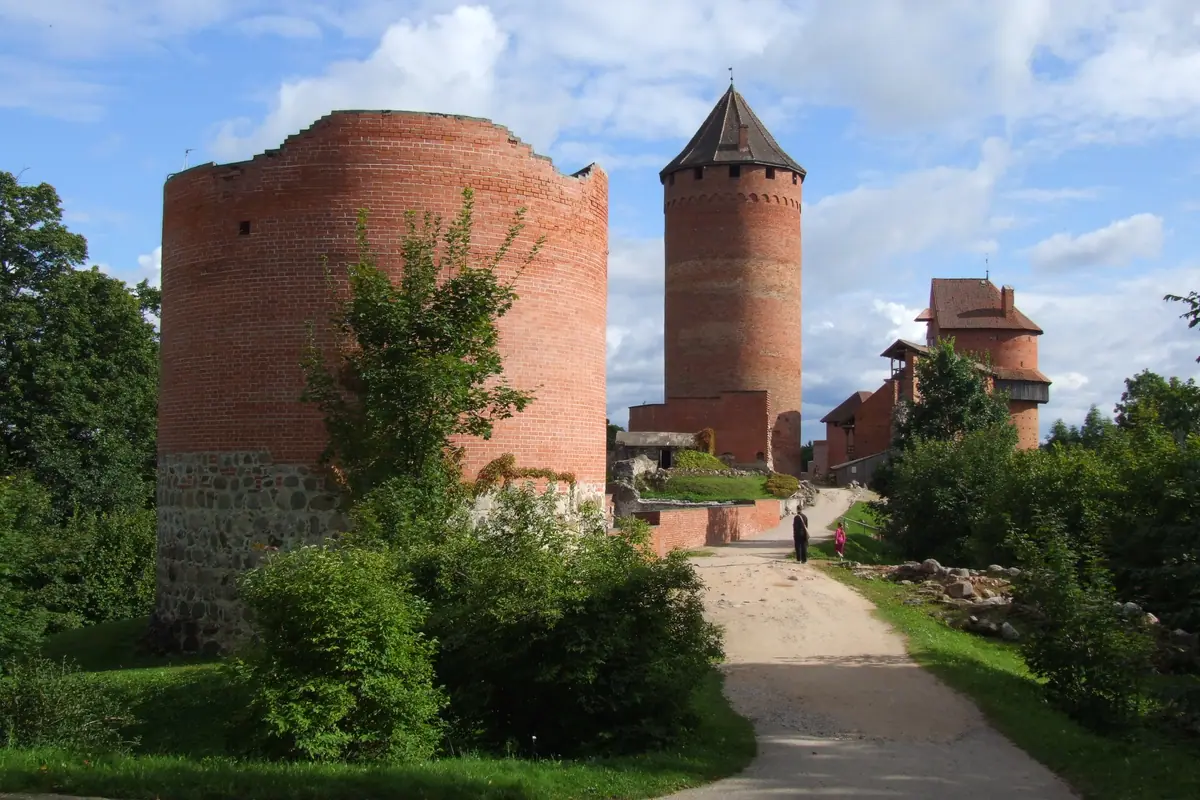
This is the season for Gauja National Park, an easy day trip or overnight from Riga. Base yourself in Sigulda and you can walk between the cable car over the river valley, the red-brick ruins of Turaida Castle and the manor landscape around it. Nearby Cēsis has its own medieval castle ruins, a pretty lake and a cluster of small hotels that feel genuinely rural without being remote. Kuldīga, in the west, pairs red-tiled roofs and a brick bridge with the widest waterfall in Europe.
Book autumn stays with some flexibility. The weather turns Atlantic and changeable, so a hotel with a sauna, a fireplace lounge or a decent restaurant on site turns a wet afternoon into a feature rather than a washout.
Winter: Sauna Steam, Christmas Lights and Cheapest Rooms
Latvia does winter properly. From December the Old Town of Riga glows with Christmas market stalls in Dome Square, mulled wine, smoked fish and hand-knitted mittens; the Art Nouveau quarter looks its best under a dusting of snow. Days are short — daylight can be gone by mid-afternoon around the solstice — so the rhythm shifts indoors: long breakfasts, museums, opera at the Latvian National Opera, and evenings in a cellar restaurant.
Hotel-wise, this is the value season outside the Christmas and New Year weeks. January and February bring the lowest rates of the year in Riga and Jūrmala, and many spa hotels deliberately market winter packages built around saunas, steam rooms and cold plunges. If you have ever wanted to try the Baltic ritual of hot sauna followed by a roll in the snow, this is the time, and Ķemeri National Park's bogs and forest trails are at their most atmospheric.
Outside the cities, winter is for the prepared. Rural guesthouses may close or run reduced hours, some roads need proper tyres, and Sigulda's bobsleigh track and cross-country trails draw their own crowd. Bring layers, expect beautiful light when it comes, and treat a clear blue winter day as a gift worth rearranging plans around.
Choosing Where to Base Yourself, Season by Season
Riga is the default base and works all year — Old Town for atmosphere and walkability, the Quiet Centre and Art Nouveau district for calmer nights and better value, the area around the Central Market for a more everyday feel. Two to three nights covers the headline sights comfortably; add a fourth if you plan day trips.
Jūrmala is a summer base and, increasingly, a year-round spa one. In July you want a beachside hotel in Majori or Dzintari; from October to April you want one with a serious wellness floor, when the sea view is dramatic and the rates are half what they were. Sigulda and Cēsis suit spring and autumn walkers, Kuldīga and Liepāja reward a summer or early-autumn road trip, and the Kurzeme coast is best saved for July and August.
Whatever you choose, book direct where you can, ask about parking — Riga's Old Town is largely car-restricted — and check whether your hotel sits on a street with late-night bars. In a city this compact, a five-minute walk can mean the difference between a quiet night and a very lively one.
Frequently asked questions
What is the cheapest month for hotels in Latvia?
January and February are consistently the softest months for rates outside the New Year period, especially in Riga and Jūrmala, where spa hotels offer winter packages to fill rooms. Early November and the first half of December are also quiet and inexpensive, before the Christmas market crowds arrive.
Should I stay in Jūrmala or just visit from Riga?
Both work. Day-tripping from Riga takes about half an hour by train and suits a first visit. Staying overnight is worth it if you want the beach at sunrise, spa facilities, or a slower pace — and in summer, beachside rooms in Majori and Dzintari should be booked well ahead.
When is the best weather in Latvia?
Late May to mid-June and the first half of September offer the best balance of warm, bright days and manageable crowds. July and August are warmest, with long evenings and sea temperatures at their highest, but they also bring the peak-season prices and the busiest streets in Riga.
Do hotels sell out during Midsummer and the Song Festival?
Yes, reliably. Jāņi on 23 and 24 June empties the cities and fills coastal and countryside guesthouses, often with minimum-stay rules. The Song and Dance Celebration, staged roughly every five years in Riga, does the same for city hotels. Book months in advance for either.
What is a winter hotel stay in Latvia actually like?
Cosy and indoor-focused. Daylight is short around December and January, so days revolve around museums, Christmas markets, cafés and the opera, and evenings around saunas and cellar restaurants. Ask whether your hotel has a sauna or steam room — it transforms a cold, wet afternoon — and expect rural guesthouses to run reduced hours.
Sort the rest of your trip
Everything for Latvia, in one place
Transfer in Latvia
Private driver waiting on arrival — no queues, no surprises.
Book a transfer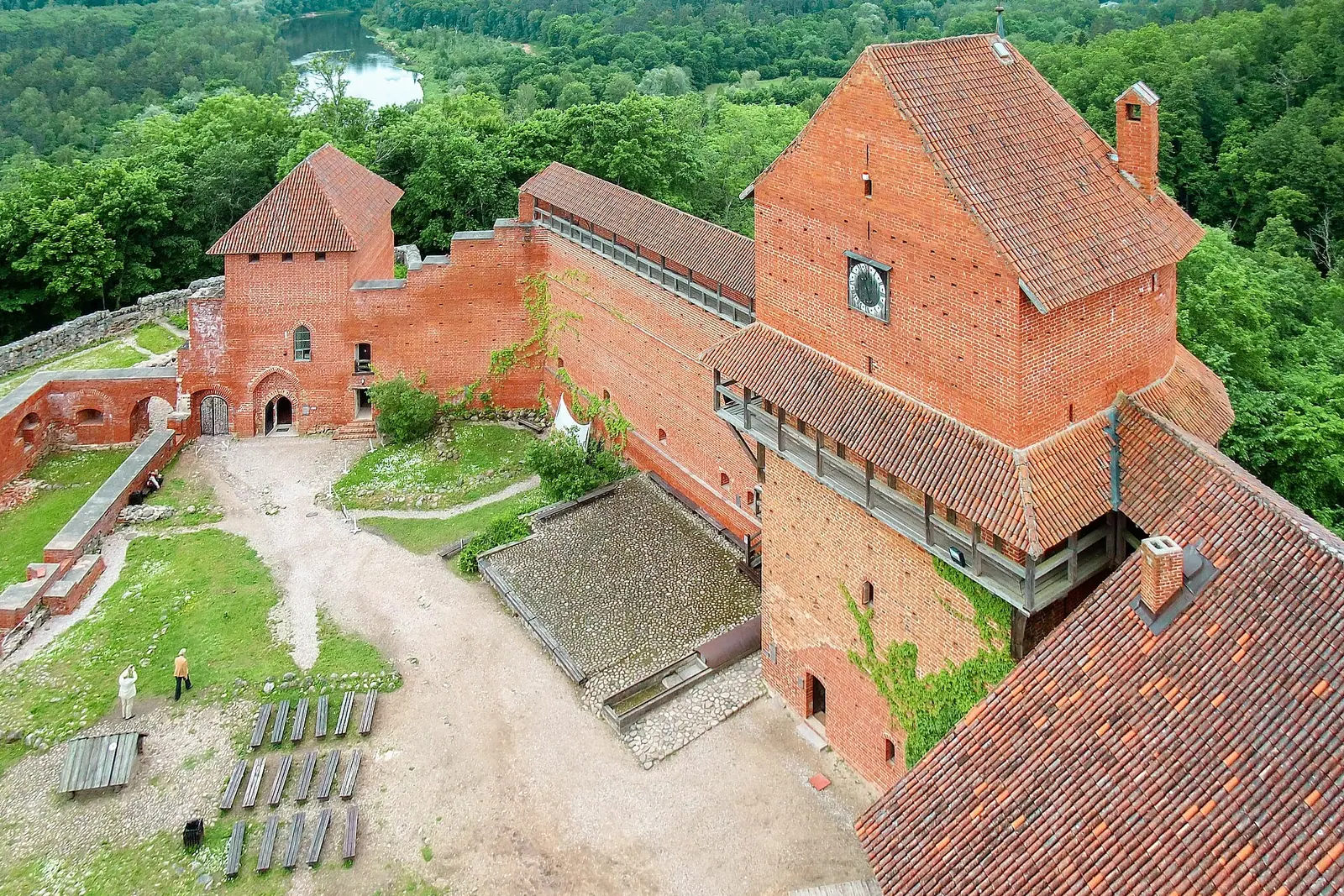
Things to do in Latvia
Skip-the-line tickets, guided tours and standout experiences.
See experiences
Stay online in Latvia
Travel eSIM — data the moment you land, no roaming bills.
Get an eSIM