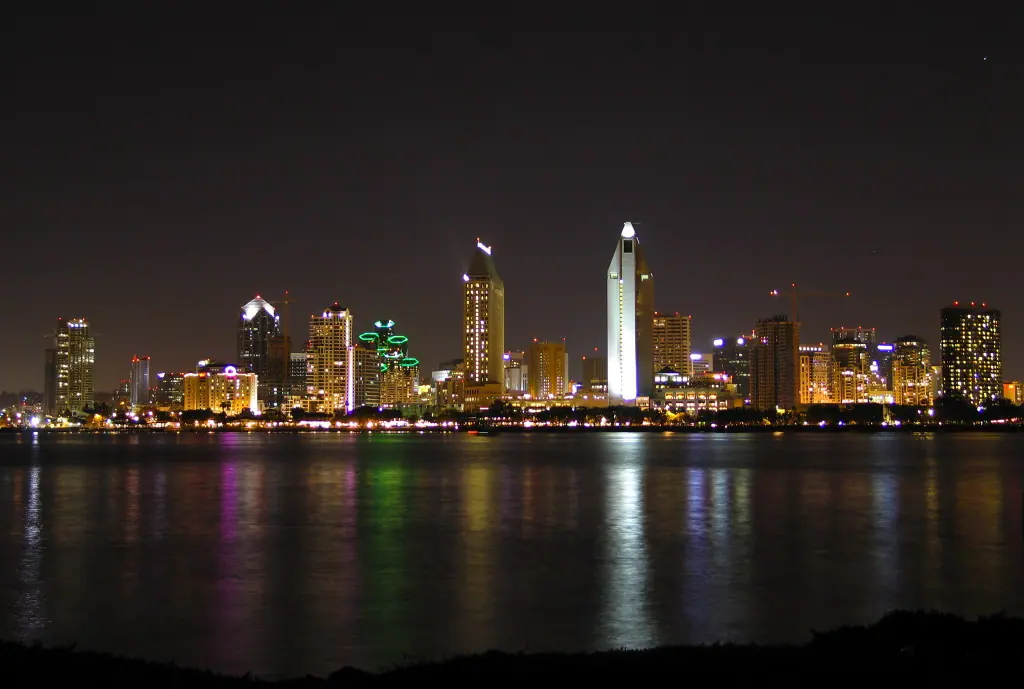
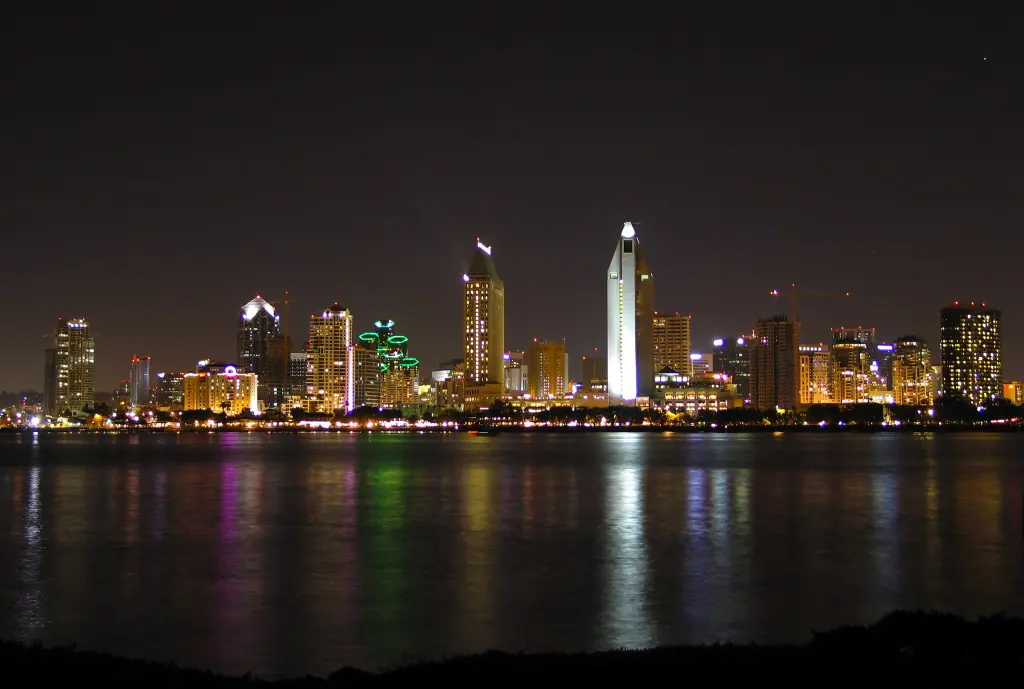
Poland packs an improbable range into one country: royal castles, a salt mine carved into underground cathedrals, a capital rebuilt brick by brick from wartime rubble, and mountain lakes so clear they seem lit from below. It is also one of the most affordable corners of Europe, where a day of sightseeing ends with dumplings and a glass of something local for the price of a round of coffees further west.
Kraków: Wawel Castle, the Main Market Square and Kazimierz
Kraków is where most first-time visitors fall for Poland, and the old capital earns it. At its heart lies the Main Market Square, one of the largest medieval squares in Europe, framed by the Cloth Hall — a long arcaded hall of amber stalls and craft shops — and the Gothic towers of St. Mary's Basilica. Inside the basilica, the vast carved altarpiece by Veit Stoss is worth the small entry fee alone; outside, listen for the trumpet call that breaks off mid-note every hour from the taller tower.
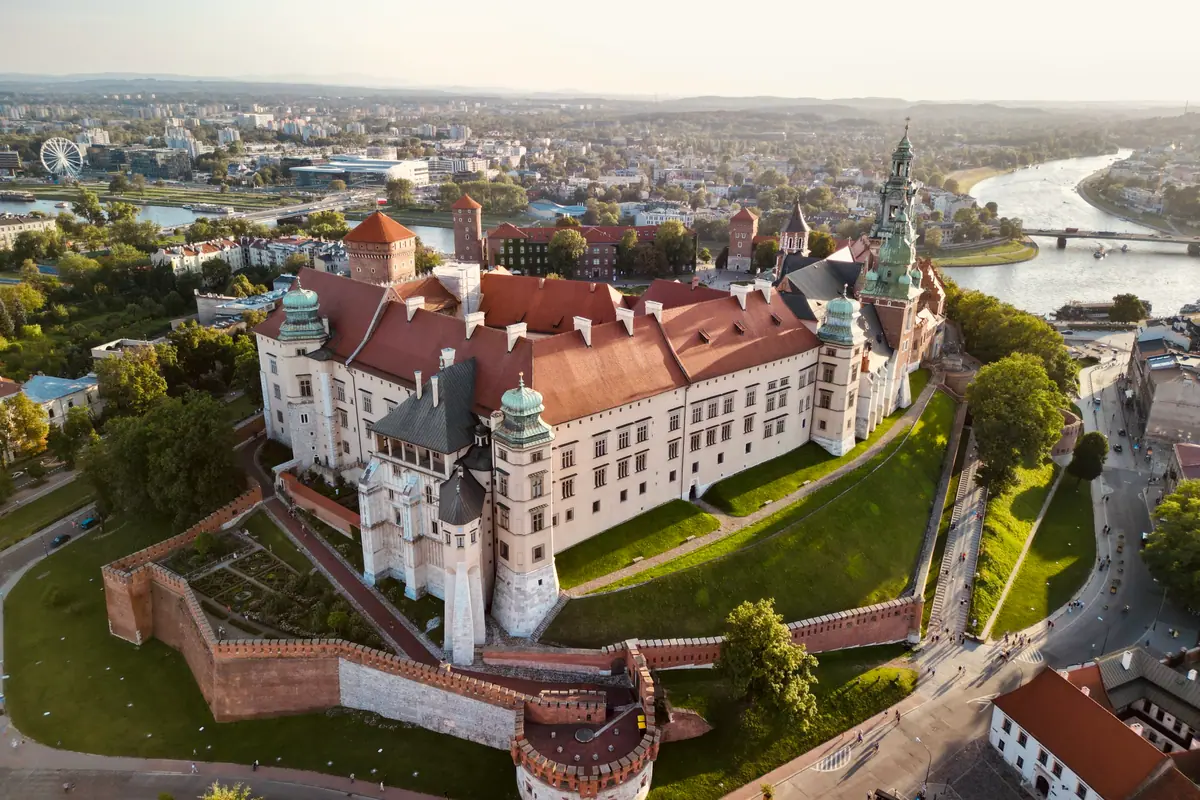
Crowning the hill above the Vistula, Wawel Royal Castle and Wawel Cathedral form the country's most important historic complex. This is where Polish kings were crowned and buried, and the mix of Renaissance courtyards, Renaissance and Baroque interiors and the ornate Sigismund Chapel rewards at least half a day. Below the ramparts, the legendary Dragon's Den cave leads down to the river, where a metal dragon breathes actual fire every few minutes.
Give Kraków a full two or three days, and keep an afternoon for Kazimierz, the former Jewish quarter south-east of the centre. Its synagogues, quiet courtyards and the flea-market buzz of Plac Nowy tell a deeper story than the tourist trail alone, and the district's café culture keeps going long after the square has emptied.
Underground Cathedrals and a Grave Pilgrimage: Wieliczka and Auschwitz-Birkenau
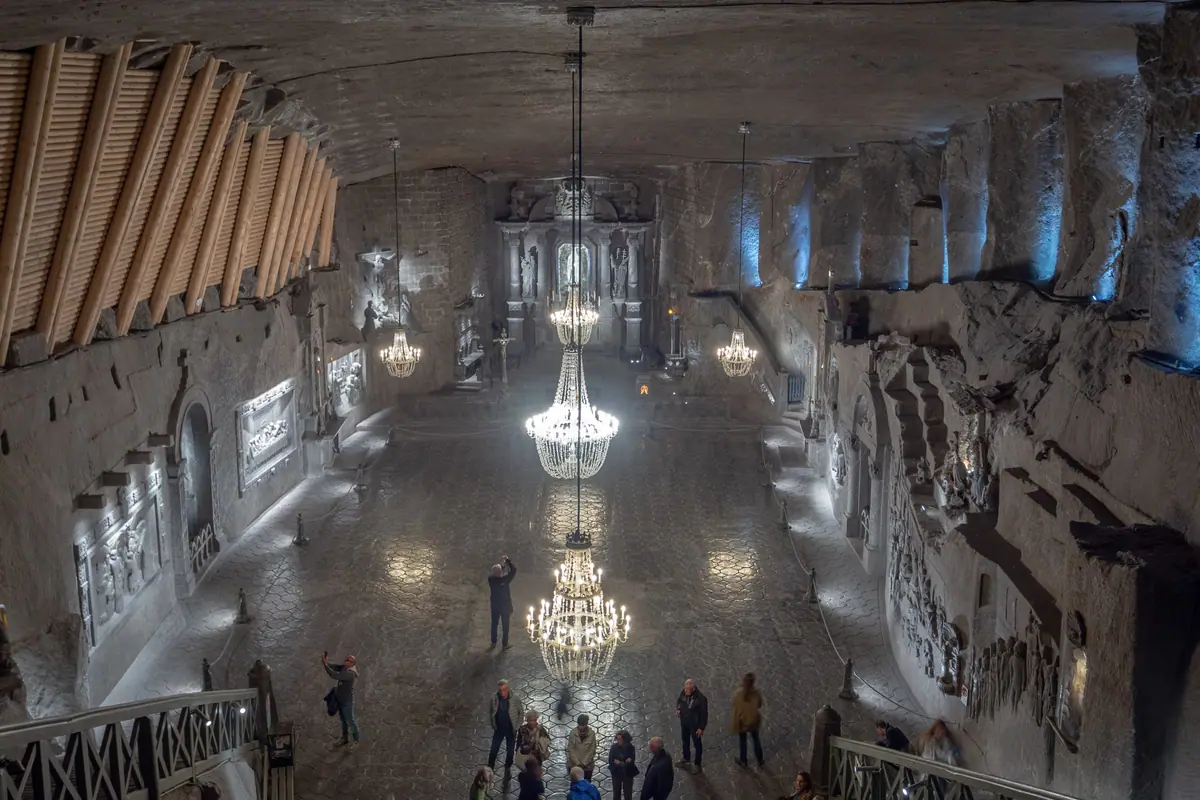
About 30 minutes from Kraków by local train or bus, the Wieliczka Salt Mine is the day trip that surprises everyone. You descend more than 100 metres through timber-lined tunnels and salt-carved chambers to reach the Chapel of St. Kinga, a working underground church with chandeliers of crystallised salt, altarpieces and reliefs all cut by miners. The guided route takes roughly two to three hours and involves a lot of steps, so wear proper shoes; the temperature sits around 14–16°C year-round, which feels cold in July and pleasant in January.
West of the city, the Auschwitz-Birkenau memorial and museum at Oświęcim is the most sobering place you will visit in Poland, and arguably in Europe. Entry is free but strictly timed, and you should reserve a slot on the memorial's own reservation system weeks ahead in summer — walk-up space is limited. Plan on three and a half hours minimum, travel independently or by organised transfer, and treat the site as a cemetery rather than an attraction: no large bags, quiet voices, no selfie glamour.
Doing both in one day is possible but emotionally and physically exhausting. It is far better to split them across two days, with an easy evening in between.
Warsaw: A Capital Rebuilt from Rubble
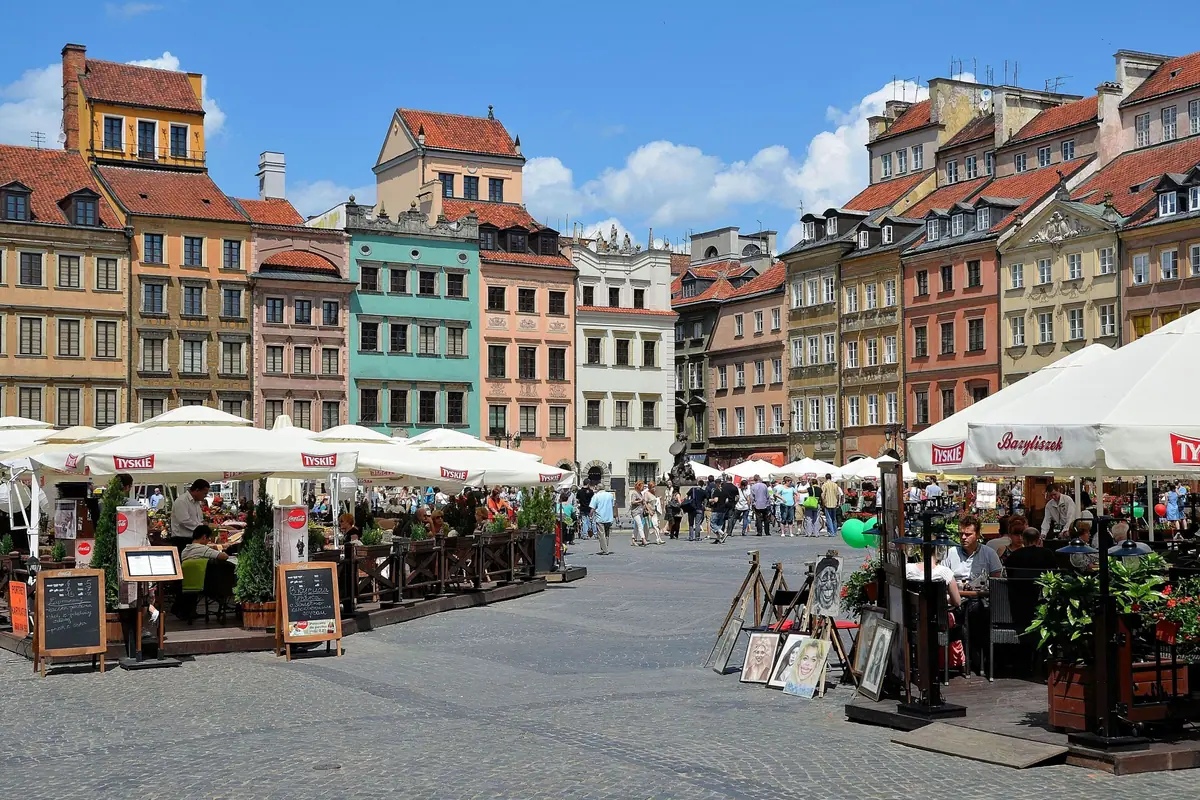
Warsaw's Old Town is a triumph of stubbornness. Flattened in 1944, it was rebuilt using old paintings, drawings and photographs, and its Market Square, Royal Castle and Sigismund's Column now sit on the UNESCO list precisely because they are a reconstruction. Walk the Barbican walls at dusk, when the pastel façades glow, then head down to the Vistula boulevards where the city gathers on summer evenings.
Beyond the postcard, Warsaw is a museum city. The POLIN Museum of the History of Polish Jews traces a thousand years of Jewish life in Poland across a thousand years of Polish borders, and the Warsaw Rising Museum is one of the most immersive historical exhibits anywhere in the country — allow three hours and book ahead. Łazienki Park, with its palace-on-the-water, peacocks and free open-air Chopin recitals on summer Sundays, is the city's green escape.
For a different flavour, cross to the right bank and explore Praga, where pre-war courtyards, street art and the neon museum sit side by side. Two days is a fair minimum for Warsaw; three lets you breathe.
Gdańsk, Malbork and the Baltic Coast
Gdańsk's Long Market is the showpiece of the Polish north: a wide, gabled thoroughfare of merchants' houses, the Neptune Fountain and the ornate Artus Court, all a short walk from the medieval crane on the Motława riverfront. The city is also where the Second World War began, marked at Westerplatte, and where the Solidarity movement later shook the communist state — the European Solidarity Centre tells that story well.
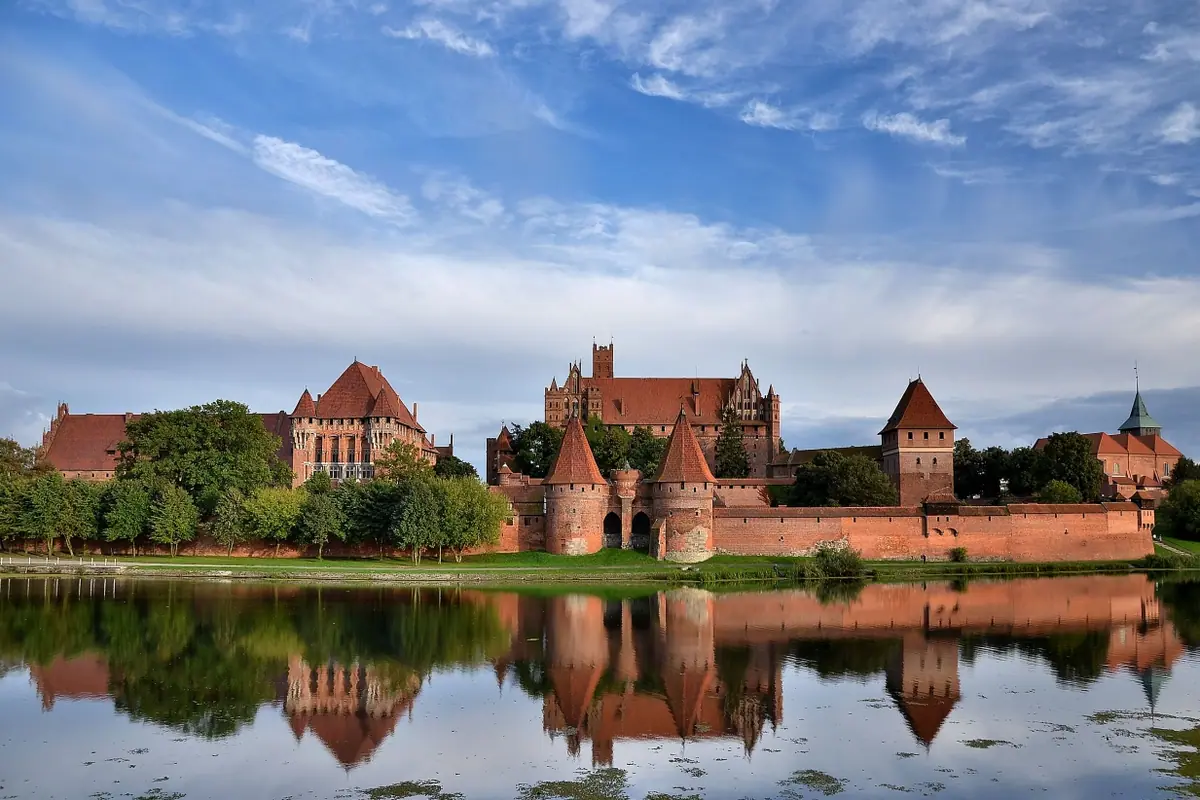
Forty minutes inland by train, Malbork Castle is the largest brick fortress on earth and a UNESCO site in its own right. Built by the Teutonic Knights, its moats, chapter house and vast refectory take three to four hours to do properly; go early in the morning to beat the coach groups. Combine it with Gdańsk for a two-day northern loop.
The coast itself deserves time. Sopot's wooden pier stretches over 500 metres into the bay, the pine-backed dunes at Łeba feel wilder, and the Hel Peninsula is a good spot for windsurfing and seal-watching. July and August are warm but crowded; late June and early September are quieter and still pleasant for swimming.
Mountains, Forests and Lakes: Poland's Wild Side
The Tatra Mountains, shared with Slovakia, are the country's alpine heart. From the mountain town of Zakopane you can ride a cable car toward Kasprowy Wierch, hike to the emerald lake of Morskie Oko on a roughly eight-kilometre trail each way, or take the easier ridge walks above the valley. Giewont's distinctive sleeping-knight silhouette looming over town is the classic view, and the mountain hut culture — hot tea, bigos, crowded bunks — is an experience in itself.
Further northeast, Białowieża Forest is the last great fragment of the primeval woodland that once covered Europe, and the only place on the continent where European bison roam free in significant numbers. Dawn guided walks in spring give the best odds, and the forest can be visited year-round, though winter tracking on snow is the most atmospheric option.
The Masurian Lake District, north of Warsaw, is Poland's sailing country — thousands of interconnected lakes, with Śniardwy the largest. Meanwhile, rafting the Dunajec Gorge through the Pieniny hills, on wooden boats steered by highlanders, is a two-to-three-hour float that families adore. Plan mountain trips for June to September; ski season runs roughly December to March.
Food, Festivals and Practical Rhythm
Polish food is comfort cooking done seriously: pierogi in dozens of fillings, tart żurek sour rye soup with sausage and egg, hunter's bigos, beetroot borscht, and grilled oscypek cheese with cranberry sold on Zakopane's streets. For cheap, fast, home-style lunches look for a milk bar — a surviving relic of the communist era where students and pensioners eat side by side. In Kraków, the zapiekanka stalls of Plac Nowy stay open into the small hours.
The best months overall are May, June and September: mild weather, long daylight, thinner crowds. Late November through December transforms the country into a Christmas-market trail, with the timber stalls of Wrocław's Market Square and Kraków's Rynek Główny among the most atmospheric; Wrocław also hides hundreds of little bronze dwarfs across its streets, and Ostrów Tumski's lamplit cathedral island is the city's loveliest evening walk. Winter in the cities is genuinely cold, often a few degrees below freezing with early darkness, so pack accordingly.
Getting around is straightforward: the rail network links Kraków, Warsaw, Gdańsk, Wrocław and Poznań comfortably, with journey times between two and five and a half hours, while buses reach smaller towns and trailheads. Buy city transport tickets from machines or apps, validate them on board, and book long-distance seats a week or two ahead for Friday and Sunday travel.
Frequently asked questions
What is the best time of year to visit Poland?
May, June and September offer the best balance of warm-but-not-humid weather, long days and manageable crowds. July and August are warmest but busiest, especially in Kraków, Zakopane and on the Baltic coast. December is magical for Christmas markets but cold and dark, and mountain hiking is only realistic from late spring to early autumn.
How many days do I need in Poland?
Ten days lets you see the essentials without rushing: two to three days in Kraków (plus a day for Wieliczka and another for the Auschwitz-Birkenau memorial), two in Warsaw, two in Gdańsk with Malbork, and the remainder in Wrocław or the Tatra Mountains. If you only have a week, choose Kraków and Warsaw and travel between them by train in under three hours.
Is Poland expensive to travel in?
Poland remains one of the better-value destinations in Europe. Mid-range hotels, restaurant meals, museum tickets and intercity trains all cost noticeably less than in Western Europe, and milk bars serve substantial traditional lunches very cheaply. Budget a little more for Zakopane and Gdańsk in high summer, when accommodation prices climb.
Do I need to book the Auschwitz-Birkenau memorial in advance?
Yes, especially between April and October. Entry is free but access is by timed pass, and popular slots sell out days or weeks ahead. Reserve through the memorial's official reservation system as soon as your dates are fixed, arrive with a small bag, and expect to pass through security before joining a guided group.
How do I get between Polish cities?
Trains are the easiest option, connecting Kraków, Warsaw, Gdańsk, Wrocław and Poznań in roughly two to five and a half hours, with faster expresses on the main lines. Regional buses fill the gaps to smaller towns and mountain trailheads. Book seats ahead for weekend travel, and always validate local city tickets after boarding.
Plan it — experiences in Poland
Live search, booked directly with trusted providers.
Sort the rest of your trip
Everything for Poland, in one place
Stay in Poland
Hotels, guesthouses and apartments — compared in one search.
Search hotels
Transfer in Poland
Private driver waiting on arrival — no queues, no surprises.
Book a transfer
Stay online in Poland
Travel eSIM — data the moment you land, no roaming bills.
Get an eSIM