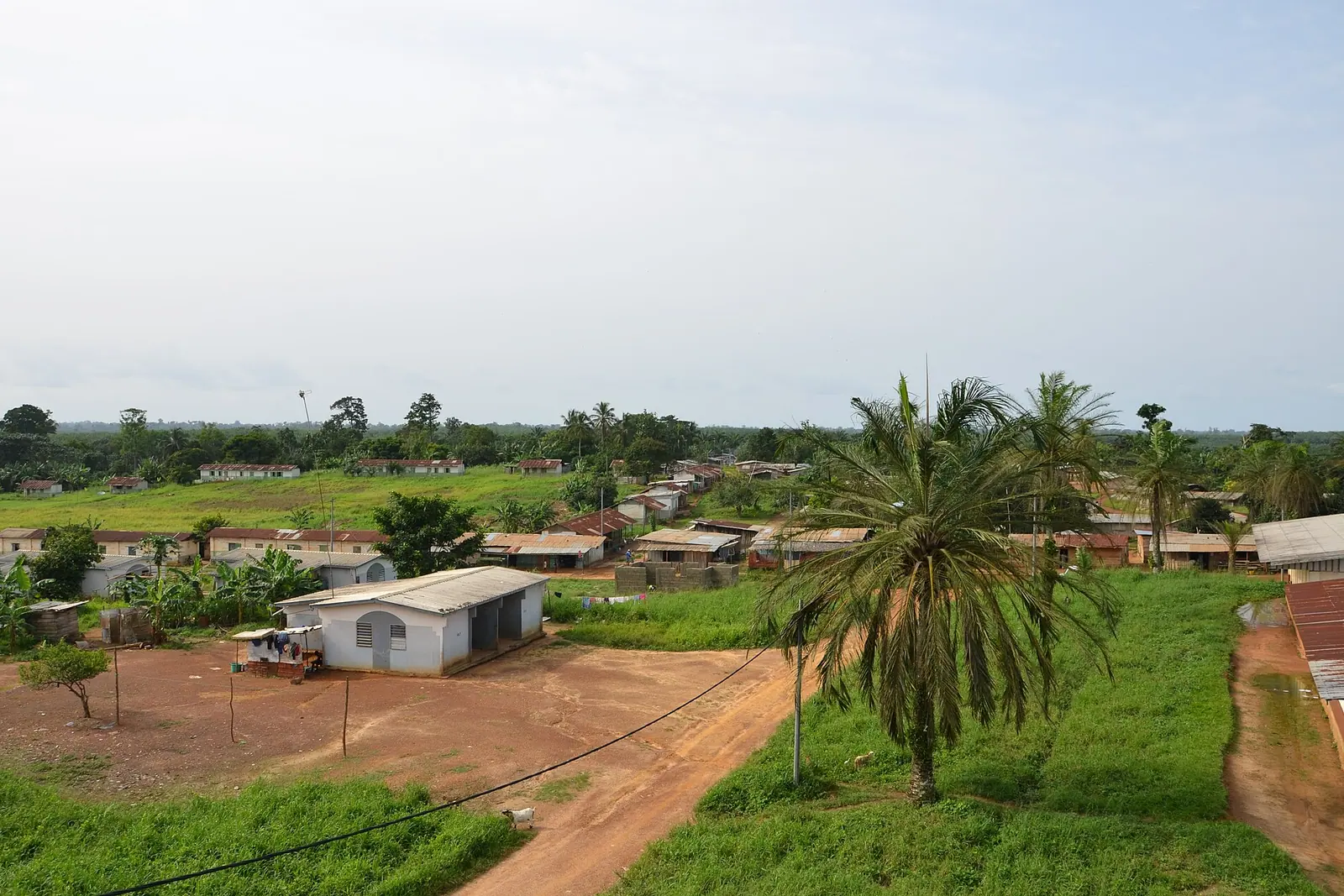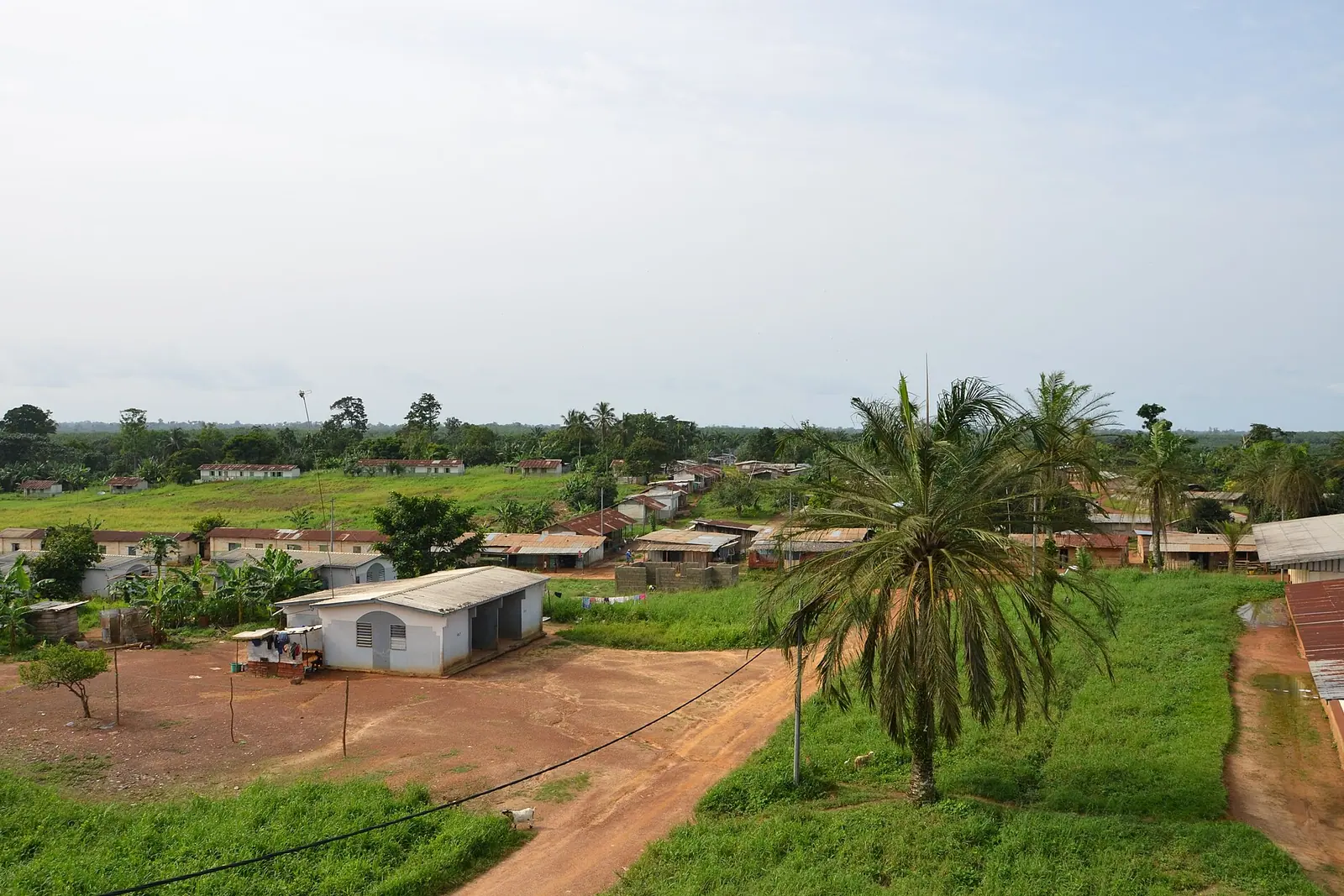
Gabon is the Africa that hides in plain sight: a small, forest-drenched country on the Atlantic where elephants walk out of the trees onto empty beaches and waterfalls crash through rainforest that few outsiders ever see. More than a dozen national parks protect its wildlife, and the rewards go to travellers who come for jungle, lagoons and long, wild coastlines rather than crowds.
Libreville: Carved Pillars, Spice Markets and a Beach Island
Almost every Gabon journey starts in Libreville, a humid, low-slung capital draped along the north shore of the Gabon Estuary. It is not a polished city: glass office towers stand a few streets from faded colonial facades, and the Boulevard Triomphal gives way quickly to sandy lanes lined with mango trees. Give it a day to acclimatise — the heat and humidity hit hard on arrival — and use it to sort permits, cash and supplies before heading into the interior.
The city's most striking sight is the Church of Saint-Michel in the Nkembo district, a modest white building famous for its timber columns, each one carved with biblical scenes in bold, naively powerful relief. Equally absorbing is the sprawling Mont-Bouët market, a labyrinth of smoked fish, plantains, bright wax-print cloth and cheap hardware. Nearby, the National Museum of Arts and Traditions gathers masks, carved figures and musical instruments from across the country's many ethnic groups.
Across the estuary lies Pointe Denis, a sliver of sand reached by a short boat crossing from the port, where calm water and small beach guesthouses make an easy first night out of the capital. Closer still, the mangrove-fringed Akanda National Park offers half-day boat trips among roots and wading birds, and the Sibang arboretum shows off Gabon's extraordinary plant life in one shaded walk.

Loango National Park: Elephants on the Sand, Hippos in the Surf
Loango is the postcard that made Gabon famous among wildlife watchers: a mosaic of rainforest, palm savanna and lagoon strung along the Atlantic between the N'Dougou Lagoon and the sea. Forest elephants and buffalo wander onto the beach at dawn, leaving footprints in wet sand, while hippos bob in the ocean swell just offshore — a behaviour rarely seen anywhere else on the continent. Behind the dunes, the Tassi Savannah opens into grasslands where sitatunga hide in the reeds.
The park's artery is the Iguela Lagoon, where boat trips glide between sandbanks and forest galleries, past fishing camps and roosting birds. Between roughly July and September humpback whales pass close to the coast, spouting and breaching within sight of the shore, and the same dry months are the most reliable for game drives and long beach walks. At the southern end, the village of Sette Cama sits where the lagoon meets the sea, a low-key base for fishing, kayaking and boat excursions.
Access is part of the adventure. Most visitors fly into a small airstrip or make the long overland haul from Port-Gentil by 4x4 and boat, and the handful of forest camps here are simple, timber-and-canvas affairs with generator power. Roads and sand tracks become impassable after heavy rain, so plan around the dry season, travel with a local guide, and carry more water and insect repellent than you think you need.
Lopé National Park: Mandrill Troops, Rock Art and a Forest-Savanna Mosaic
Lopé is where Gabon's rainforest breaks open into grassland, and the result is a landscape of hills, wooded gullies and grassy plateaus above the Ogooué valley. It is one of the rare places recognised for both its nature and its archaeology: thousands of engraved rock images and the remains of ancient iron-working sites trace human presence here back over many centuries, scattered across a terrain that still teems with wildlife.
The star attraction is the mandrill. In the dry season, enormous troops of these brilliantly coloured primates — sometimes numbering in the hundreds — move across the savanna, and joining a tracker on a dawn walk to find them is one of the great wildlife experiences in Central Africa. Forest elephants, gorillas and chimpanzees are regularly seen at the forest clearings, known locally as bais, where hides let you watch without disturbing the animals.
Lopé village, on the country's single railway line, is the usual base; the overnight train from Libreville is an experience in itself, rattling through forest for hours. The best months for mandrills and clear walking conditions are June to September, with a shorter dry window around December and January. Expect leeches, mud and high humidity — and bring binoculars, neutral-coloured clothing and boots that can get wet.
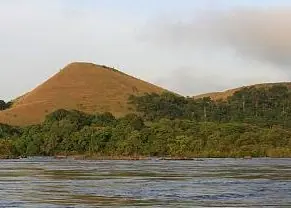
Ivindo National Park: Kongou Falls and the Clearing at Langoué Bai
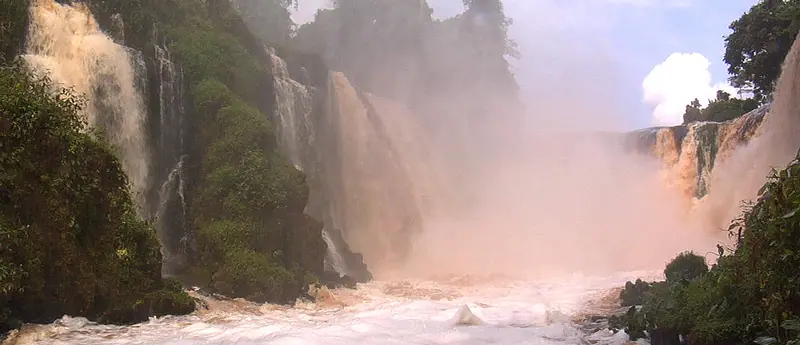
In the far northeast, Ivindo protects some of the wildest Congo Basin forest in the country, and getting there feels like an expedition. The centrepiece is Kongou Falls, where the Ivindo River forces its way between black-rock islands in a chain of rapids and cascades, so powerful and wide that the roar carries for kilometres. Reaching the falls involves boat travel and a trek from the Makokou area, often with a night under canvas near the water.
Inland from the river, Langoué Bai is a natural forest clearing that has become one of the best places in Africa to watch forest elephants at close range. Gorillas, buffalo and the shy sitatunga also emerge from the trees, and simple wooden hides allow hours of quiet observation as mist lifts off the clearing at first light. The surrounding Ipassa reserve, near Makokou, is superb for birding, with hundreds of species recorded in its old-growth forest.
This is not a destination for casual stops. Permits must be arranged well in advance, guides accompany all visits, and facilities are minimal — think tents, bucket showers and food carried in. Go in the drier months from June to September, when trails hold up better and animals gather at the bais, and accept that the rainforest will be hot, damp and full of biting insects.
The Southern Coast: Turtles, Whales and Lagoon Villages
Gabon's southern shoreline is a long, almost empty run of surf, lagoon and forest, with Mayumba National Park protecting a narrow coastal strip where leatherback turtles haul themselves ashore to nest between November and February, peaking around December and January. Humpback whales move through the same waters from roughly July to September, and dolphins are a common sight on boat trips across the Banio Lagoon, where the mangroves are thick and the fishing camps tiny.
Further north, near Port-Gentil, the Fernan Vaz Lagoon is a maze of channels, islands and stilted villages, best explored by pirogue with a local guide. Birdlife is excellent, and the pace is unhurried: this is the Gabon of wooden dugouts, palm-oil kitchens and evening fires rather than safari vehicles. Port-Gentil itself is an oil town with flights from Libreville and a workable base for a couple of nights.
Closer to the capital, Pongara National Park lies directly across the estuary, its mangroves, sandy beaches and forest trails reachable by boat in under an hour — a realistic day trip for anyone with limited time. Turtle nesting also happens on these beaches, and the combination of riverside mangrove, open sand and forest edge makes Pongara the easiest introduction to Gabon's wild coast.
When to Go, What It Costs and How to Get Around
Gabon is equatorial, so expect heat and humidity year-round, with the long dry season from June to September the best overall window for wildlife, beach access, whale watching and hiking. A shorter dry spell falls around mid-December to mid-January, while the heaviest rains arrive from February to May and again in October and November, when dirt tracks turn to soup and some camps close. Rain rarely means all-day downpours; it usually comes in short, dramatic bursts.
The country is large, sparsely populated and poorly served by roads, so travel is slow and often expensive. Domestic flights link Libreville with Port-Gentil, Franceville and a few other towns; the railway crosses the centre of the country and is a good option for reaching Lopé and the interior. Elsewhere you rely on hired 4x4s with a driver, boats and pirogues, and journeys that look short on a map can take most of a day.
Park visits usually require permits arranged in advance, and independent travel into the parks is not permitted — you go with an accredited guide. Bring euros or US dollars to change into the local franc, since ATMs are scarce outside the cities, and carry cash for park fees, fuel and tips. French is essential; English is rarely spoken away from hotels. A yellow fever certificate is generally required for entry, and malaria prophylaxis is strongly advised.
Frequently asked questions
What is the best time of year to visit Gabon?
The long dry season from June to September is the most reliable window, with better road access, easier hiking, whale sightings along the coast and the best chance of seeing mandrills and forest elephants at the clearings. December and January offer a shorter dry spell, while February to May and October to November bring the heaviest rain.
How long do I need in Gabon?
Allow at least ten days to two weeks. That is enough for a night or two in Libreville, a southern park such as Loango or Mayumba, and a stay at Lopé or Ivindo. Trying to combine three remote parks in a single short trip usually means spending most of your time in transit.
Do I need a visa or vaccinations for Gabon?
Most visitors need a visa arranged before arrival, and a yellow fever vaccination certificate is generally required for entry. Malaria is present throughout the country, so prophylaxis and mosquito precautions are strongly recommended, along with travel insurance that covers remote-area evacuation.
Can I visit Gabon's national parks independently?
Not really. Park entry normally requires a permit arranged in advance, and visits inside the parks are made with an accredited guide or through a local camp. Outside the parks you can travel on your own, but hiring a driver with a 4x4 is sensible given the road conditions.
Is Gabon an expensive destination?
Yes, by regional standards. Flights, permits, guides, vehicle hire and remote lodges add up quickly, and there is little budget infrastructure once you leave Libreville. Costs drop if you travel in a small group to share vehicles and boats, and if you plan park visits well ahead of time.
Plan it — experiences in Gabon
Live search, booked directly with trusted providers.