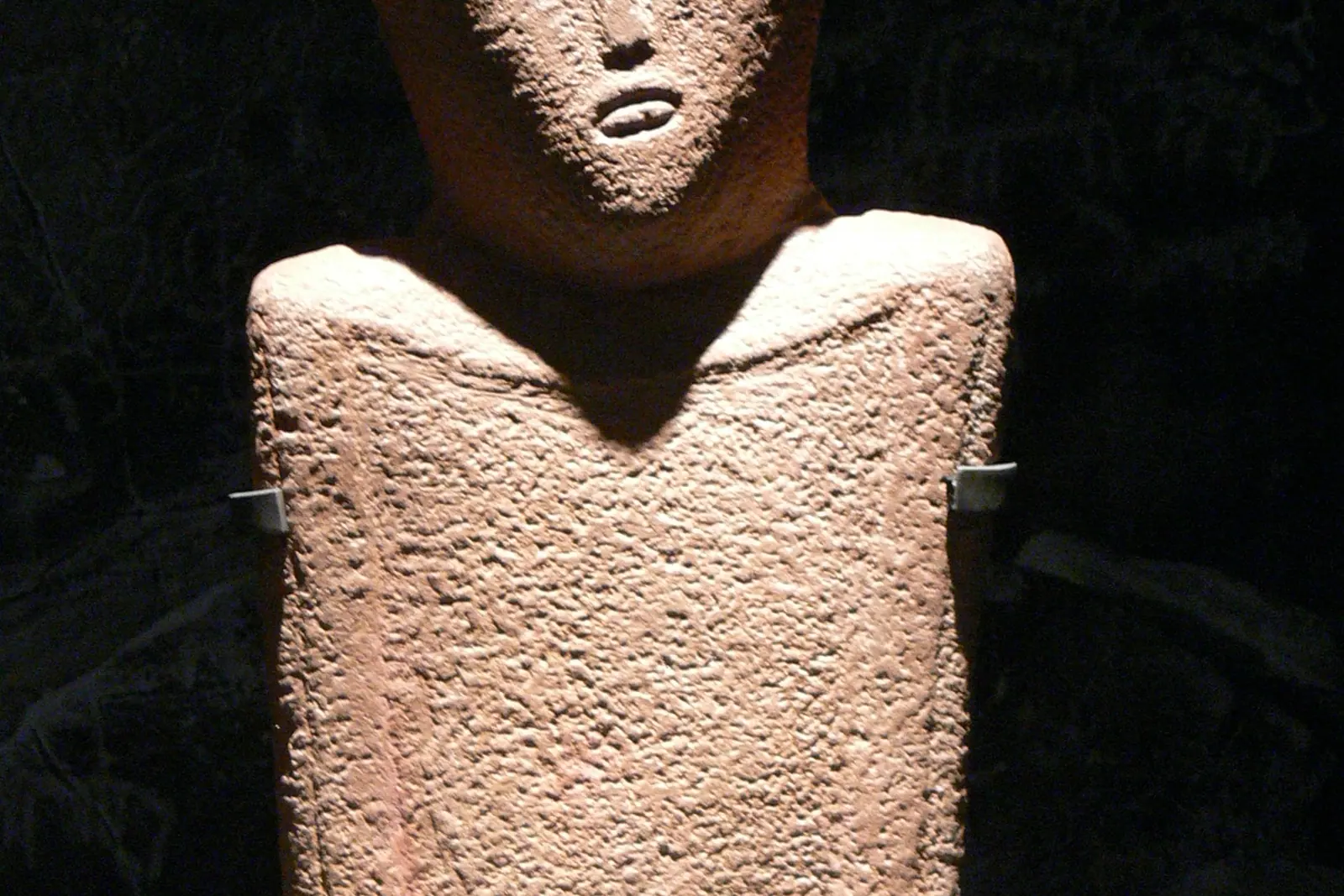
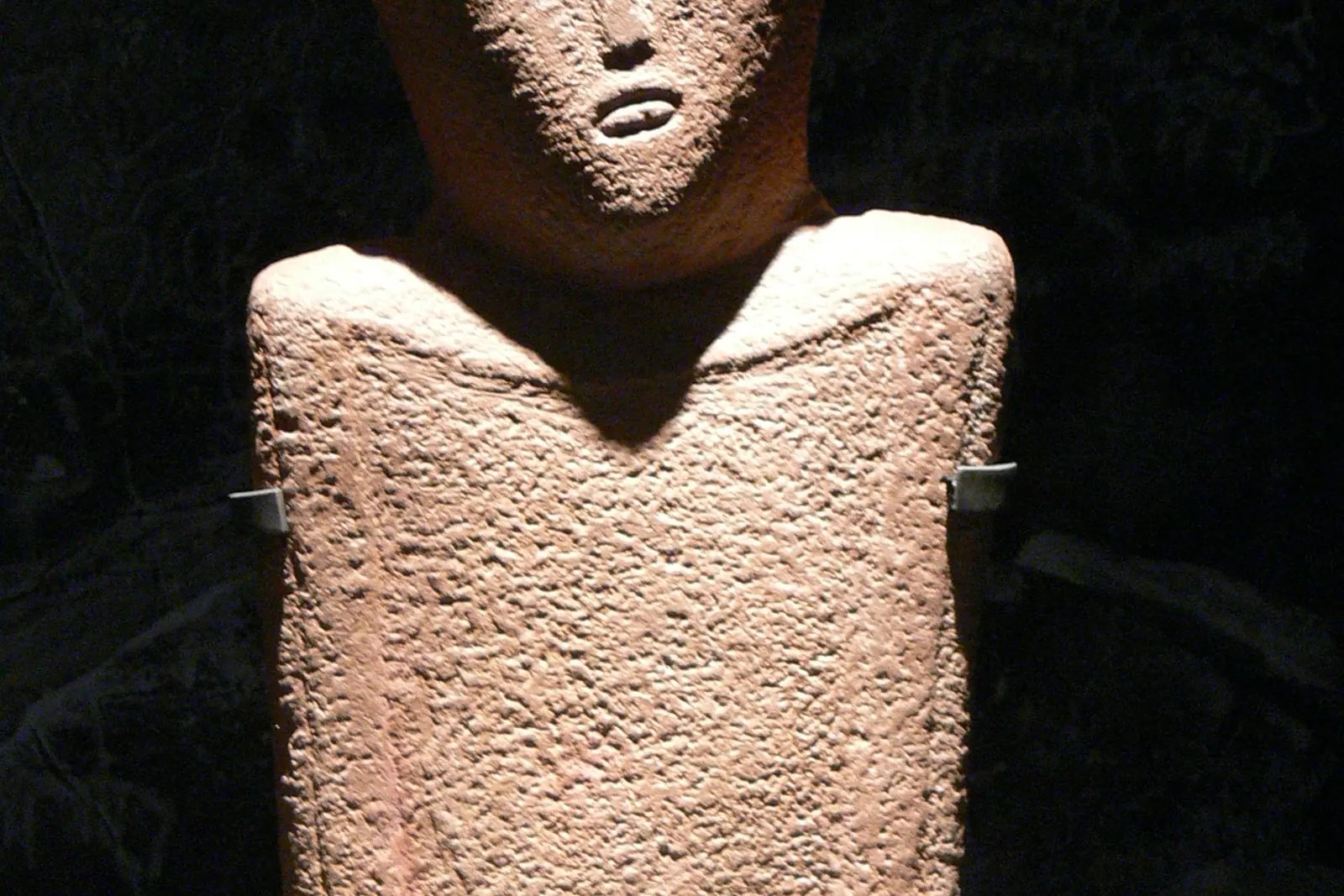
Saudi Arabia is no longer a closed door with a skyline behind it — it is a country where you can sleep in a canyon villa beneath Nabataean tombs, wake to the Red Sea, and walk out of your lobby into a five-hundred-year-old coral-house alley. But where you sleep changes everything here, because distances are vast, seasons are fierce and a few cities have rules of their own. This is how to choose.
Riyadh: Skyscraper Stays, Mud-Brick Diriyah and the Edge of the World
Most trips begin in the capital, and most of its hotels cluster along King Fahd Road and the Olaya district, where glass towers hold polished international-style rooms, rooftop pools and gyms that stay busy long after midnight. The payoff is the view: from the skybridge near the top of the Kingdom Centre Tower you look down on a city that seems to have been poured in one go, while the golden globe of the Al Faisaliyah Center glints a few blocks away. If you would rather trade skyline for atmosphere, look at the older core around Al Masmak Fortress, the 1865 clay-and-mud-brick citadel where you can still see a spearhead lodged in the door from a battle that reshaped the peninsula, with Souq Al Zal's carpet and oud sellers a short walk away.
Twenty minutes northwest, Diriyah's At-Turaif District is the country's showpiece restoration — an entire mud-brick palace city of the first Saudi state, lit amber at night and ringed by new boutique-style properties and cafes. Staying out here puts you among the heritage rather than above it, though you will need a car or a ride to reach the National Museum and Murabba Palace on the other side of town.
Plan your days around heat, not just opening hours. From November to March the city is genuinely pleasant, desert nights dip low enough for a jacket, and day trips become realistic — most famously to the Edge of the World, a cliff line above an ancient ocean floor about ninety minutes out of the city that requires a four-wheel drive and a booked guide. From June to September expect 45°C afternoons and pool decks you use before nine in the morning or after eight at night.
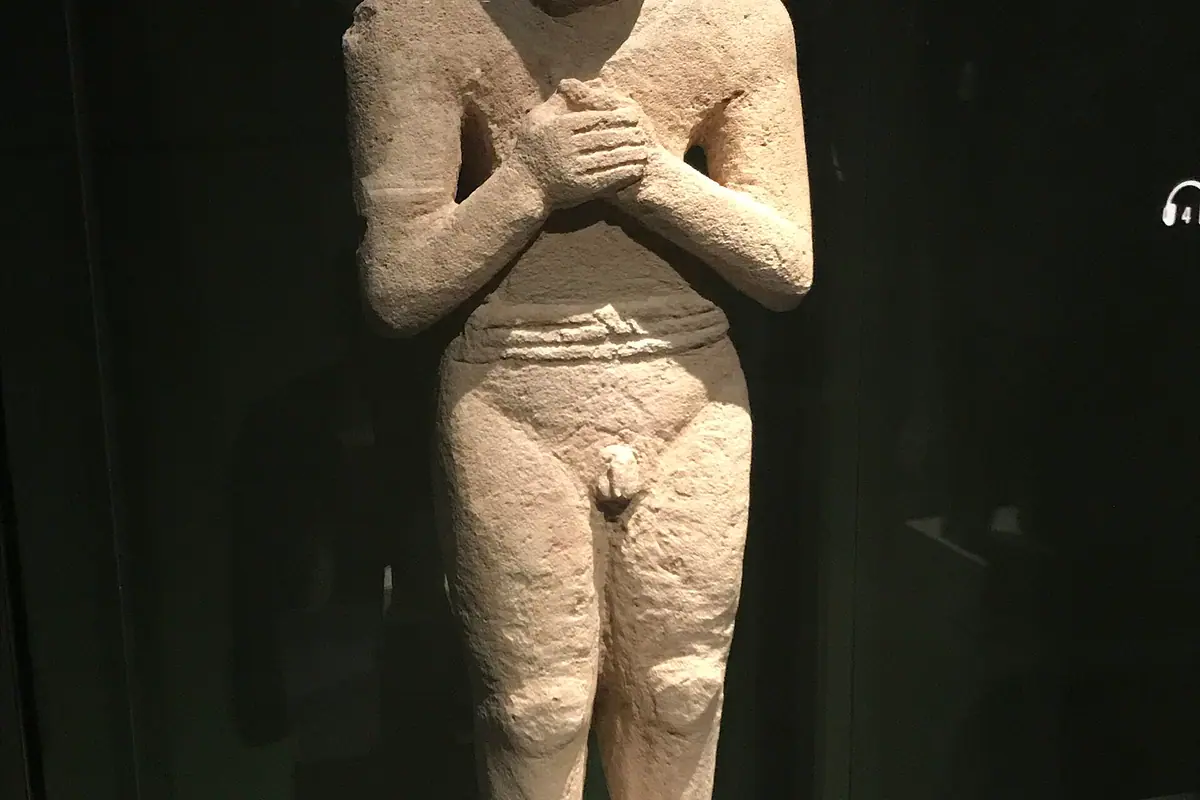
Jeddah: Red Sea Rooms and the Coral Houses of Al-Balad
Jeddah is the country's most relaxed big city and its most rewarding for a first night. Hotels line the northern Corniche, where sea-facing balconies catch the sunset and the King Fahd Fountain throws water hundreds of metres into the air offshore. A little further along, the Al Rahma floating mosque appears to sit on the water at high tide. Book a sea-view room here and the evening walk along the promenade — families, food stalls, fishing lines — becomes the highlight rather than an afterthought.
Then there is Al-Balad, the UNESCO-listed historic quarter, and it is worth changing hotels for. Its coral-stone merchant houses lean over narrow lanes behind carved wooden rawasheen balconies, and Nassif House, once the grandest residence in the city, anchors a district that has been slowly, carefully brought back to life. A handful of restored houses and small heritage-style hotels now let you sleep inside the old town; if you choose one, accept creaking character and thin walls over soundproofed comfort, and go up to a rooftop at dusk when the minarets light up.
Jeddah is also the practical base for the Red Sea, with reef diving and snorkelling north and south of the city and boat trips running in the cooler months from October to April. In July and August the humidity is punishing and the sea is like warm soup, so most visitors retreat to air-conditioned lobbies and evening meals.
AlUla: Desert Resorts Among Nabataean Tombs
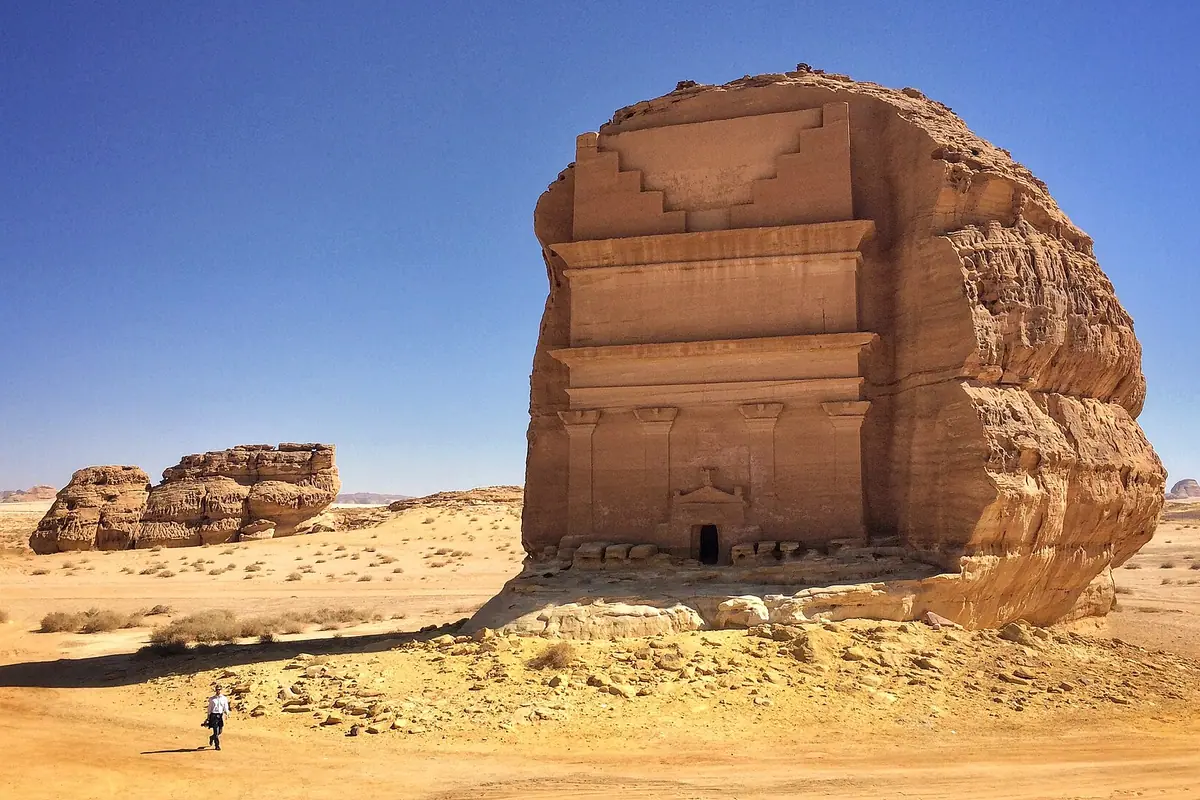
AlUla is the reason many people finally book a flight to Saudi Arabia, and its hotels are unlike anything else in the country. Some are tented canyon resorts where your villa wall is carved sandstone and dinner is served under a sky with no light pollution; others are modest properties in and around the town, within easy reach of the sites. Hegra, the country's first UNESCO World Heritage listing, holds over a hundred monumental Nabataean tombs cut into outcrops, most famously the lone tomb of Lihyan son of Kuza, its facade stranded in the sand like a stage set. Nearby you have Dadan and the inscriptions of Jabal Ikmah, the mud-brick maze of AlUla Old Town, and the mirrored concert hall in the desert that vanishes into the landscape.
Do not skip Elephant Rock, a naturally carved monolith shaped like an animal drinking, best visited an hour before sunset when the crowds gather around fire pits and low seating. The surrounding Sharaan Nature Reserve protects Arabian leopards and ibex, and stargazing here rivals anywhere on earth.
Capacity is the catch. AlUla has a limited number of rooms and they sell out months ahead for the winter cultural season from October to March, when the days sit around 25°C and the nights turn genuinely cold — bring a proper jacket for December and January. The town is about an hour's flight from Riyadh or Jeddah, or a four-hour drive from Madinah. Book Hegra tours and canyon experiences well in advance, and use the site shuttle network rather than trying to drive yourself between tombs.
Makkah and Madinah: Hotels Built Around the Two Holy Mosques
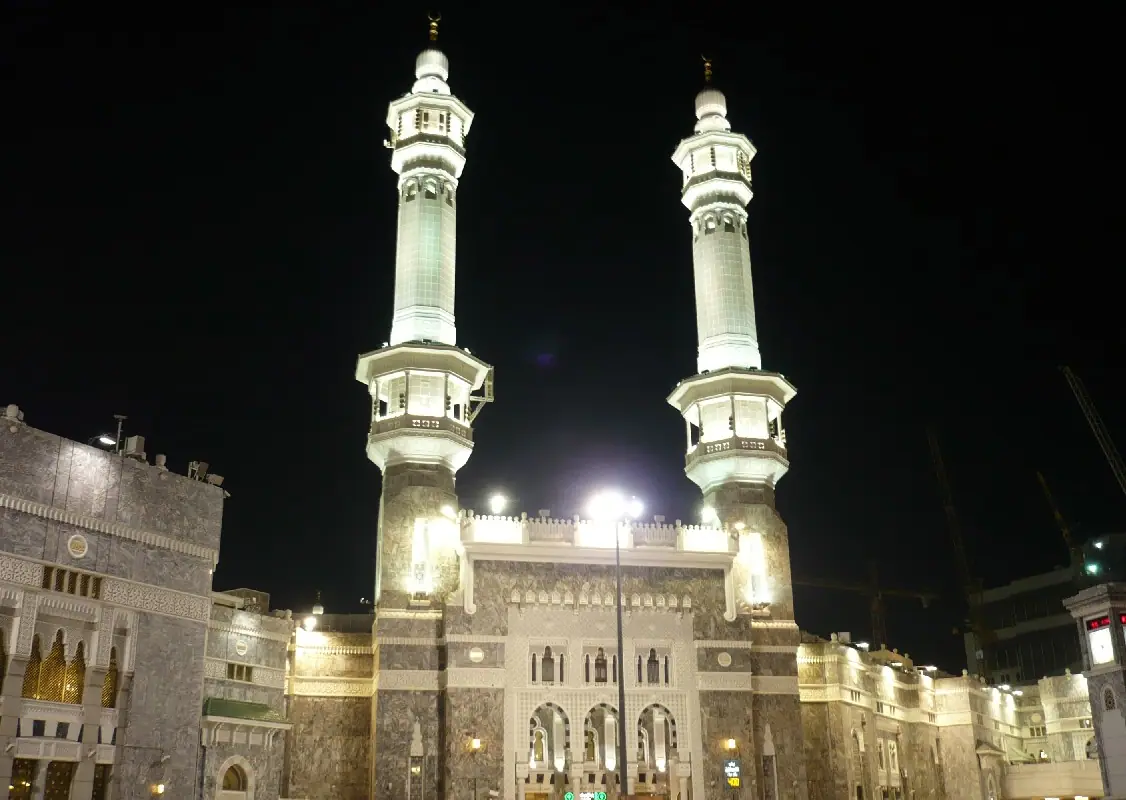
In Makkah, hotel choice is almost entirely a question of distance. Properties ring the Great Mosque, Masjid al-Haram, and the ones with direct views of the Kaaba and the circling crowds below command extraordinary rates, especially in the final ten nights of Ramadan and during the pilgrimage season. The clock tower complex beside the mosque is the most recognisable address in the city. My honest advice: a plain room two minutes' walk from a gate beats a luxurious one fifteen minutes away, because you will make that walk five times a day. Further out, the rocky hills hold Jabal al-Nour and the Cave of Hira, where the first revelation is said to have come — a steep, early-morning climb that most visitors attempt once.
Madinah is calmer, cooler in temperament and generally kinder on the wallet, with hotels arranged around Al-Masjid an-Nabawi and its green dome. The city rewards a slower rhythm: the Quba Mosque on the southern edge, the first mosque built in Islam, the Qiblatain Mosque where the direction of prayer changed, and the plain of Uhud to the north. Rooms with a view of the mosque courtyard fill first, so book early if that matters to you.
Two rules shape everything here. Non-Muslims may not enter Makkah at all — checkpoints on every road enforce it — and the holy sites of Madinah are likewise for Muslims, though the city itself is open. Second, demand is wildly seasonal: prices multiply during Ramadan and Hajj, so reserve many weeks or months ahead. A high-speed rail line now links Jeddah, Makkah and Madinah with shuttle connections, making a multi-city pilgrimage itinerary far easier than it used to be.
The Eastern Province and Asir: Gulf Beaches, Oasis Caves and Mountain Fog
On the Gulf side, Dammam and Al Khobar run on business travel midweek and family leisure at the weekend, with beach resorts around Half Moon Bay and easy access to the long causeway that reaches Bahrain. Inland, the Al-Ahsa Oasis is the surprise of the region: a UNESCO-listed sprawl of date palms and springs, with Al-Qarah Mountain rising above it, its rock hollowed into cool caves that stay bearable even in August. Hotels here are practical rather than glamorous, and that is exactly the point.
Far to the southwest, the Asir highlands are the country's summer escape. Abha sits at around 2,200 metres, where temperatures hover near 20°C while Riyadh bakes, and afternoon cloud rolls into fog across the ridges. Take the cable car down the escarpment, drive up to Al Soudah for the views, and visit the stone tower houses of Rijal Almaa, a village so photogenic it feels curated. Mountain-view hotels and simple guesthouses fill fast during the local summer holiday, so book well ahead for June to August.
The contrast is the story of Saudi travel: you can swim in the Gulf in the morning and need a fleece on a mountain the next day. Pack for both, and never assume one region's weather tells you anything about another's.
Booking Smart: Seasons, Etiquette and What Your Room Won't Have
The best window for most of the country is November to March — comfortable days, cold desert nights, and everything from AlUla's tombs to the Riyadh outskirts at their most walkable. December and January are the sweet spot for heritage sites but the busiest for AlUla and Jeddah. Summer belongs to the Asir highlands and to indoor life everywhere else. The weekend runs Friday to Saturday, so leisure hotels spike then and business hotels empty out — a useful quirk if you are flexible.
Alcohol is not sold or served anywhere in the country, hotel minibars included, so do not plan around a nightcap. Ramadan transforms the daily rhythm: daytime eating and drinking in public pauses, and hotels shift to generous iftar buffets after sunset, with room service timings adjusted accordingly. Dress modestly in public spaces, and note that some properties run separate hours or separate facilities for women at pools and gyms. A tourist visa is available to many nationalities and is straightforward to obtain before you fly.
Inside the room, expect the details that make travel here distinctive: a prayer mat and a qibla direction marker, dates and cardamom-spiced coffee in the lobby, heavy air conditioning, and breakfast buffets built for families. Because so much domestic travel is family-based, interconnecting rooms and family floors are common — ask for them if you are travelling with children. And book early for Makkah, Madinah and AlUla above all: these are the three places where a room is not a commodity but a scarce, seasonal prize.
Frequently asked questions
Where should I stay in Riyadh for a first visit?
Olaya and the King Fahd Road corridor are the easiest base, with walkable dining, skyline views and quick access to the Kingdom Centre Tower. Choose Diriyah instead if you want heritage atmosphere around the At-Turaif District, but plan on using rides to get around.
Can non-Muslim travellers stay in Makkah or Madinah?
Makkah is closed to non-Muslims, with checkpoints on all approach roads, so hotels there are effectively for Muslim visitors. Madinah as a city is open, but its holy sites, including the area around Al-Masjid an-Nabawi, are for Muslims.
Is alcohol available in Saudi hotels?
No. Alcohol is not sold or served anywhere in the country, and hotel minibars do not stock it. Expect excellent coffee, fresh juices and mocktails instead.
When is the best time of year to visit Saudi Arabia?
November to March suits most of the country, including Riyadh, Jeddah and AlUla. For summer travel from June to August, head for the Asir highlands around Abha, where the altitude keeps temperatures around 20°C.
How do I travel between Saudi cities?
Domestic flights connect Riyadh, Jeddah, AlUla and Abha in roughly one to two hours each. For the west, a high-speed rail line links Jeddah, Makkah and Madinah with shuttle connections, which is far easier than driving the desert highways.
Plan it — hotels in Saudi Arabia
Live search, booked directly with trusted providers.
Sort the rest of your trip
Everything for Saudi Arabia, in one place
Transfer in Saudi Arabia
Private driver waiting on arrival — no queues, no surprises.
Book a transfer
Things to do in Saudi Arabia
Skip-the-line tickets, guided tours and standout experiences.
See experiences
Stay online in Saudi Arabia
Travel eSIM — data the moment you land, no roaming bills.
Get an eSIM