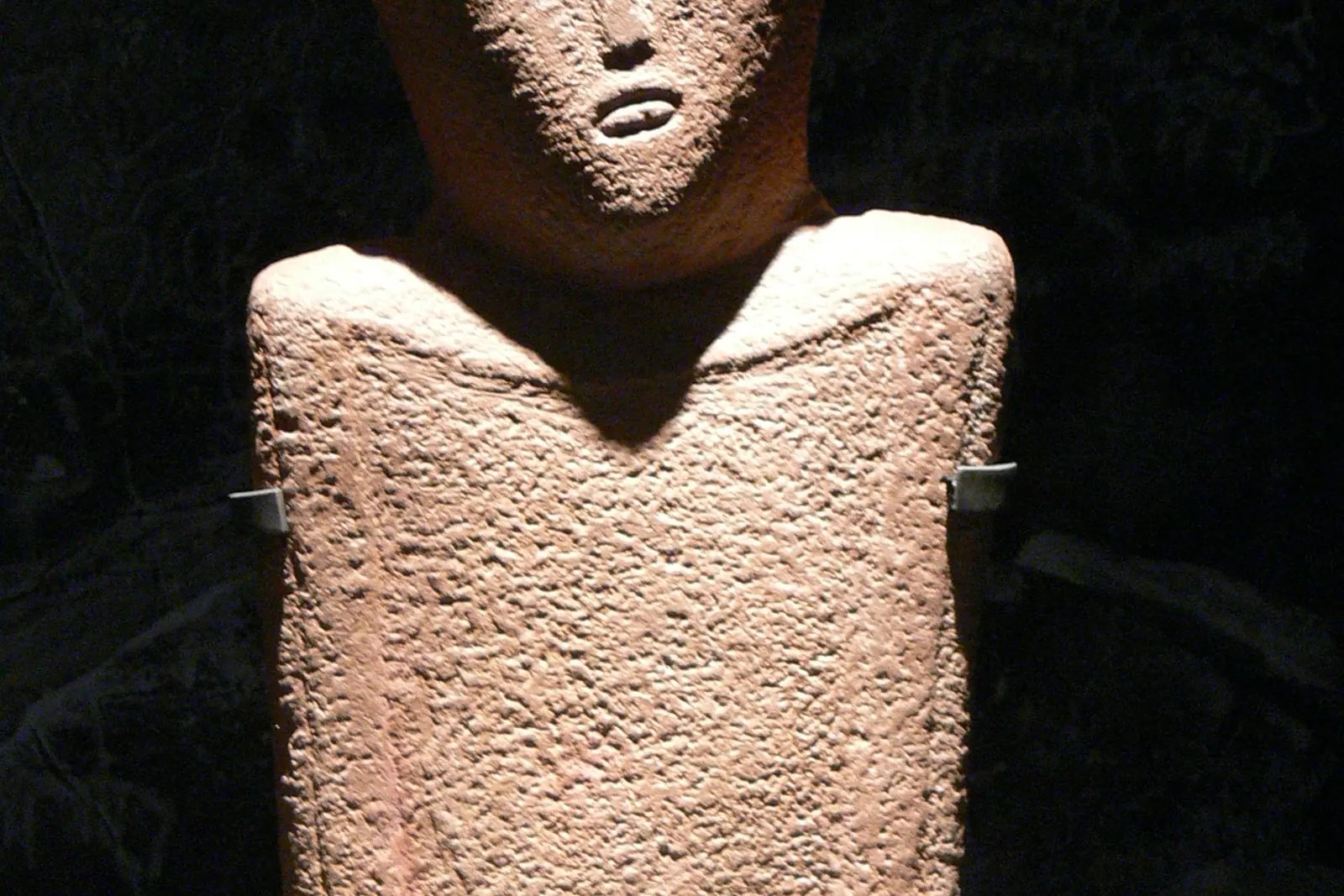
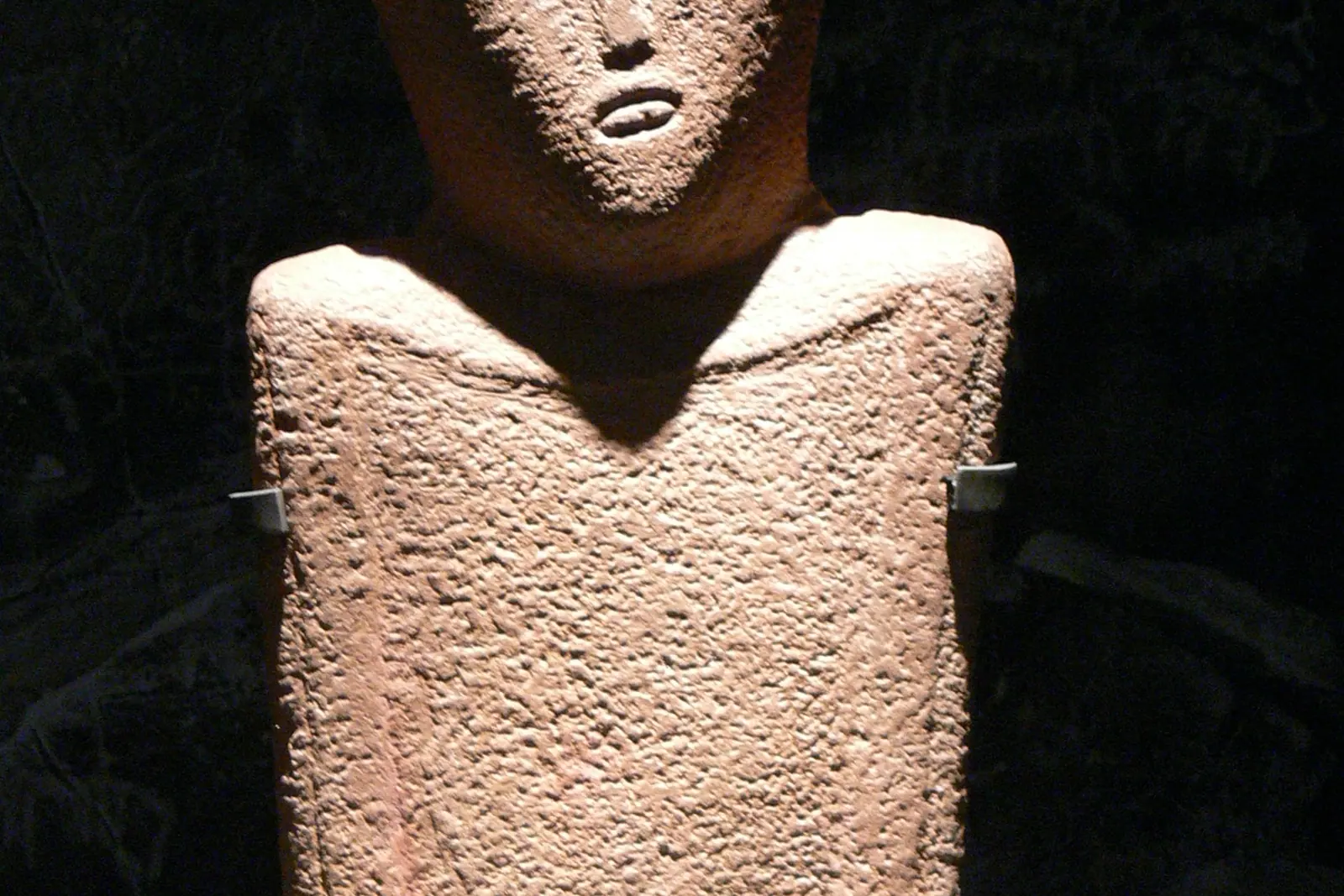
Saudi Arabia has opened up faster than almost anywhere on earth, and the rewards are extraordinary: Nabataean tombs cut into desert outcrops, coral-stone alleys on the Red Sea, mountain villages floating in cloud and a capital reinventing itself year by year. Here is where to go, what to do once you arrive, and the seasons that make each region shine.
AlUla and Hegra: The Country's Ancient Showpiece
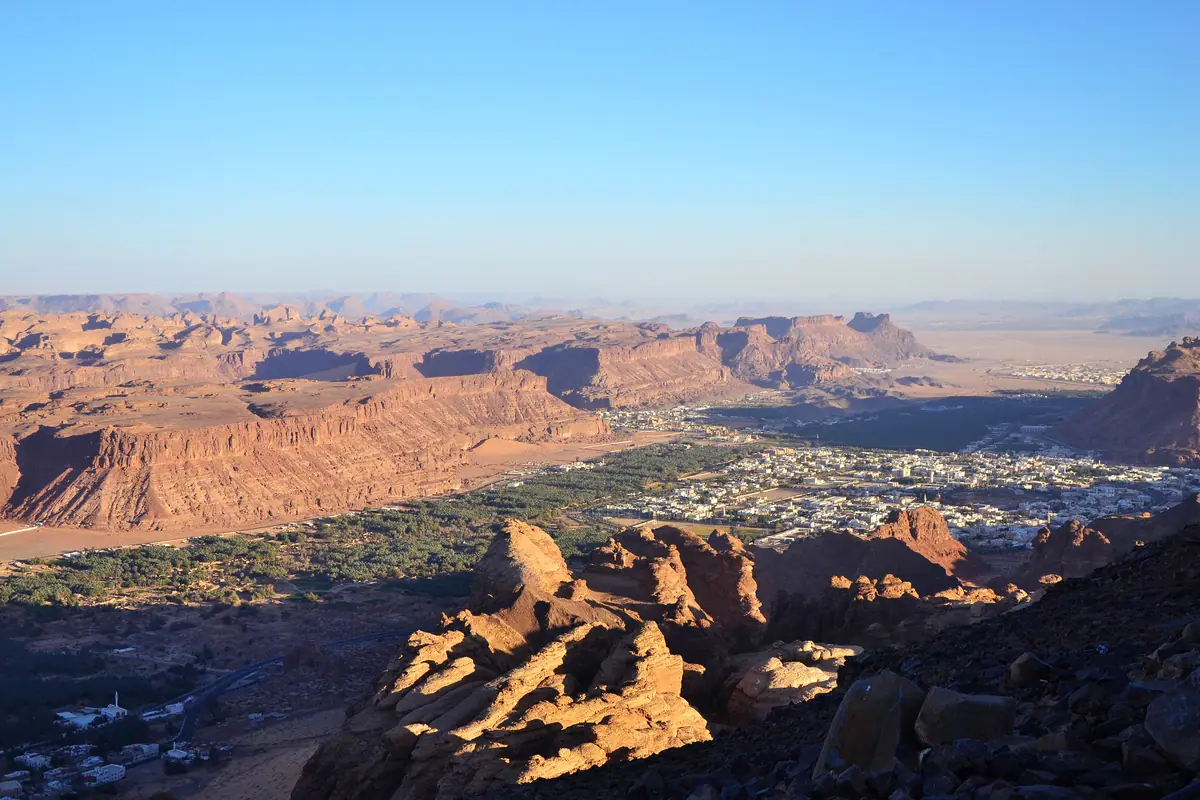
AlUla sits in a wide desert valley in the north-west, palm groves and irrigation channels at its centre and honey-coloured sandstone all around. Most travellers come for Hegra, the country's first UNESCO World Heritage Site and the southern capital of the Nabataean kingdom. More than a hundred monumental tombs are carved into the outcrops here, from modest niches to grand facades, with Qasr al-Farid — the solitary, unfinished tomb standing alone in the sand — as the image everyone carries home. It is the largest Nabataean site outside Petra, and it is barely crowded.
The pleasures of AlUla are not all ancient. The Old Town is a tight maze of mud-brick houses and lanes inhabited until the 1980s, while Jabal Ikmah, a short drive away, holds hundreds of inscriptions and carvings in Dadanitic, Aramaic and other scripts — an open-air library in a canyon. Come evening, everyone drifts to Elephant Rock, a three-storey arch of weathered stone with low seating and lanterns scattered beneath it, where you drink tea and watch the rock glow orange. Activities fill the cooler months: dawn hot-air balloon flights over the tombs, stargazing camps, canyon hikes, ziplining and guided drives through Hegra itself.
Timing matters. AlUla is at its best from October to March, when days are mild and nights cold enough for a jacket; July and August are punishing. Access to Hegra is controlled and usually by guided shuttle, so book well ahead, especially during the winter arts and culture season. The town has its own airport with short flights from Riyadh and Jeddah, and two full days is the bare minimum — three lets you add the Dadan ruins and a slow afternoon among the date palms.
Riyadh, Diriyah and the Edge of the World
Start in Riyadh, a capital that grew from a mud-brick town behind the walls of Masmak Fortress into a glass-and-steel sprawl. The fort is a compact museum and the best place to understand how the modern state began; from there you walk into the Deira souq for carpets, spices, gold and cardamom coffee. The National Museum covers the peninsula from prehistoric lakes to the oil era, and the Sky Bridge on the Kingdom Centre tower is the classic sunset viewpoint, with the city laid out far below.
Twenty minutes north-west of the centre, Diriyah is the emotional heart of the country: the At-Turaif district, a UNESCO-listed complex of mud-brick palaces and courtyards on the edge of Wadi Hanifah, built in the 18th century and now carefully restored. Arrive in the late afternoon, walk the shaded lanes between the towers, then stay for dinner in the surrounding district, where restaurants line the wadi and the walls are lit after dark.
The other unmissable half-day from Riyadh is the Edge of the World, about 90 minutes' drive north-west of the city on the Tuwaiq escarpment. You walk to a cliff edge that drops hundreds of metres onto a dry, fossil-strewn seabed, with nothing between you and the horizon. Go at sunrise or sunset, travel with a guide or a 4x4, and carry water — there are no facilities, and the last stretch is rough dirt track.
Jeddah and the Red Sea Coast
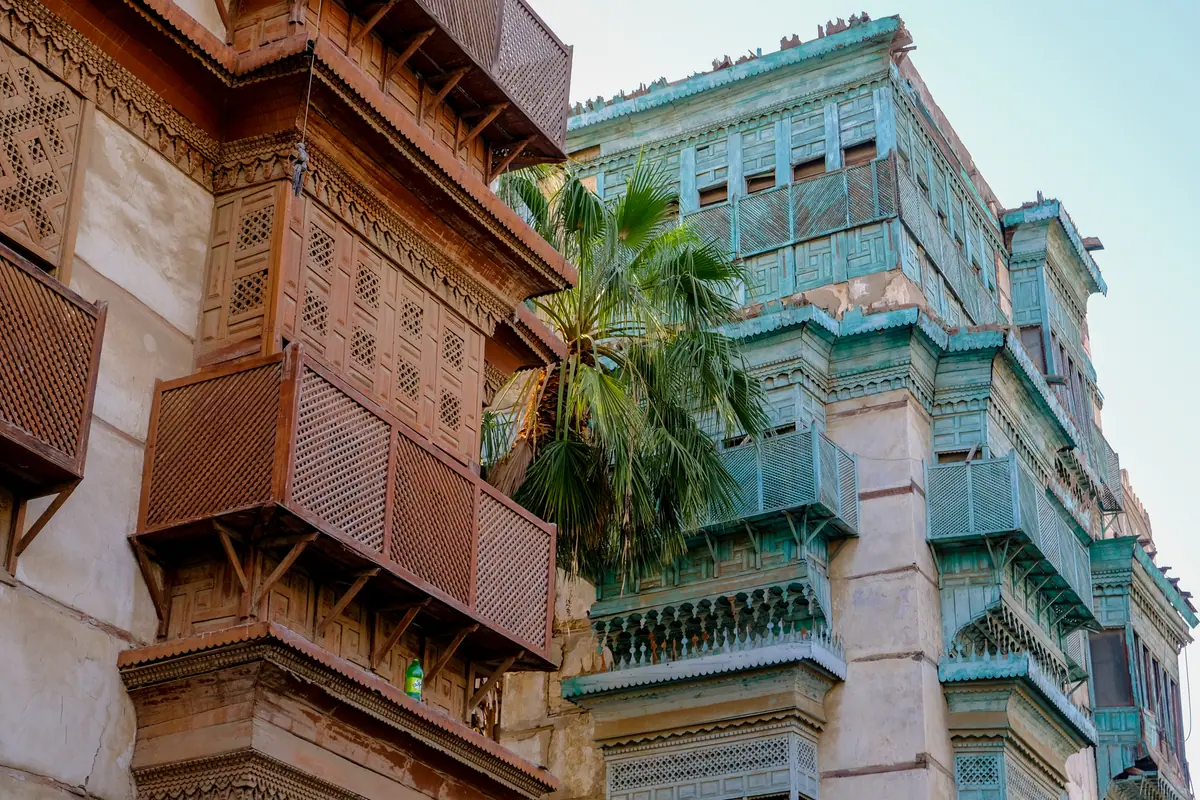
Jeddah is the country's most relaxed city and its gateway to the Red Sea. The historic quarter, Al-Balad, is UNESCO-listed and genuinely atmospheric: tall coral-stone houses with rawasheen, the carved wooden lattice balconies that catch the breeze, narrow lanes, the restored Nassif House, spice and gold souqs, and small galleries inside old merchant homes. Go in the evening when the shops open and the whole district smells of oud, cardamom and grilled fish. The Corniche runs for kilometres along the water, the King Fahd Fountain throws seawater higher than any other fountain in the world, and the reefs just offshore are the start of some of the easiest diving in the country.
North of Jeddah, Yanbu has calm, clear reefs that suit beginners. Further north again, Umluj and its archipelago have earned the nickname "the Maldives of Saudi Arabia" — white sand, shallow turquoise flats, turtles and dugongs. In spring, whale sharks gather in the plankton-rich water off Al Lith, and dive operators run day trips to see them. Far to the south, the Farasan Islands off Jazan are a different world of coral gardens, mangroves, dolphins and the endemic Farasan gazelle, reached by ferry.
Visibility along this coast is at its best from March to May and September to November, and water temperatures stay comfortable year-round. If you want a mix of city and sea, base yourself in Jeddah for a few days, add a boat trip or a dive, and keep a day spare for the mountain town of Taif inland.
The Asir Highlands and Taif: The Cool Side of the Country
For a country people picture as endless dunes, the Asir mountains come as a shock. In the south-west near Abha, the land rises to nearly 3,000 metres at Al-Soudah: juniper forest, terraced fields, cloud drifting through the valleys and temperatures twenty degrees cooler than Riyadh. A cable car drops from the escarpment, and the roads linking Abha, Al-Baha and the coast are among the most dramatic drives in the Middle East. June to August, when the rest of the country bakes, is the season to be here.
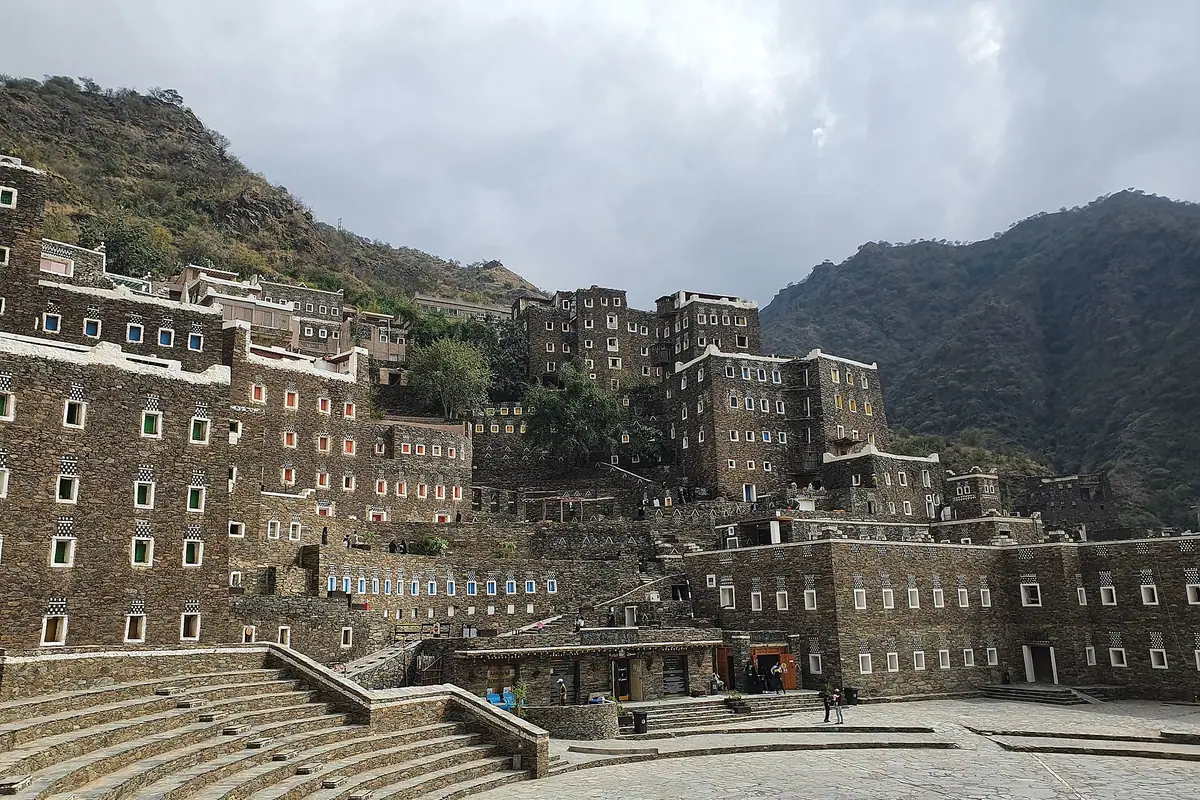
Do not miss Rijal Almaa, a village of tall stone towers stacked against a hillside with quartz windows that glitter in the sun, where some houses hold small museums of traditional dress, honey and coffee. Further south, Habala clings to a cliff face above a valley reached by cable car. Asir is also where the country's coffee culture is rooted, with beans grown on terraces and roasted and served with cardamom and dates.
Further north, Taif sits at 1,800 metres and is famous for its roses: in April the fields around Al-Hada bloom, and distilleries produce rose water for the year ahead. The switchback road down towards Mecca is a highlight in itself, with viewpoints over the escarpment. This makes an easy, cooler day trip from Jeddah.
Mecca and Medina: The Sacred Cities
Mecca and Medina are the two holiest cities in Islam, and for Muslim travellers they are the reason to come. In Mecca, the Masjid al-Haram surrounds the Kaaba, and pilgrims circle it day and night; Umrah can be performed at any time of year, though Ramadan and the days around Hajj are by far the busiest. Medina is quieter in mood: Al-Masjid an-Nabawi, the Prophet's Mosque, with its green dome and vast shaded courtyards, plus Quba Mosque, the first mosque in Islam, and the Uhud battlefield site on the edge of the city.
Entry to Mecca is restricted to Muslims, and the central area around the Prophet's Mosque in Medina is also closed to non-Muslim visitors; everyone else experiences the country through Jeddah, AlUla, Riyadh and the coast. If you are travelling for pilgrimage, plan months ahead — accommodation within walking distance of the Haram sells out first, and Ramadan shifts about eleven days earlier each year on the lunar calendar.
The high-speed rail line linking Jeddah, Mecca and Medina covers the Jeddah–Medina run in roughly two and a half hours, which makes combining a pilgrimage with a Red Sea holiday surprisingly simple. Outside Ramadan and Hajj, the atmosphere is calmer and the crowds lighter.
Al-Ahsa, the Empty Quarter and the Rock Art of the North
In the Eastern Province, Al-Ahsa is the largest oasis on earth, a UNESCO-listed patchwork of more than two million date palms, springs, canals and old mud-brick settlements. The highlight for most visitors is Jabal Qara, a limestone hill whose caves and passages stay cool even in midsummer, carved out by water and long used as shelter. In Hofuf, the Qaisariya souq, pottery workshops and working date farms fill a half-day, with Dammam and Al Khobar on the Gulf coast making an easy base and their beaches busy at weekends.
Beyond that lies the Rub' al Khali, the Empty Quarter, the largest continuous sand desert on the planet, with dunes rising some 250 metres. Trips run between November and February, usually as overnight camps with dune driving, sandboarding and a sky so dark the Milky Way looks like weather.
In the north-west, Wadi Disah's palm-lined canyon below Tabuk is another surprise, with freshwater pools and towering sandstone walls. Near Hail, the Jubbah rock art, a UNESCO site, preserves thousands of engravings of ibex, camels and human figures carved up to 10,000 years ago — a reminder that this landscape has never really been empty.
Frequently asked questions
What is the best time of year to visit Saudi Arabia?
October to March is the sweet spot for most of the country, with mild days and cool desert nights. Desert camping in the Empty Quarter is best from November to February, the Taif roses bloom in April, and the Asir mountains around Abha stay pleasant from June to August when the rest of the country is extremely hot. For Red Sea diving and snorkelling, aim for March to May or September to November.
Do tourists need a visa for Saudi Arabia?
Most visitors from Europe, North America, Asia and Oceania can apply for a tourist visa online before travelling, and some nationalities can obtain one on arrival. It is usually multiple-entry and valid for a year, with stays of up to 90 days. Tourist visa holders can generally perform Umrah outside the Hajj period; check the latest rules for your nationality before booking.
Can non-Muslims visit Mecca and Medina?
No — Mecca is closed to non-Muslims, and the central area around the Prophet's Mosque in Medina is also restricted. The rest of the country, including Jeddah, AlUla, Riyadh, Abha and the Red Sea coast, is open to everyone. Non-Muslim travellers should simply plan their route to avoid passing through Mecca.
How long do I need to see the highlights?
Ten days to two weeks lets you cover Riyadh and Diriyah, AlUla, Jeddah and the Asir highlands without rushing. Distances are huge, so internal flights are the practical choice between Riyadh, Jeddah, AlUla and Abha, while the high-speed rail line links Jeddah, Mecca and Medina. A short four- or five-day trip works well if you concentrate on AlUla or Jeddah.
What should I wear and what etiquette should I know?
Dress modestly: loose clothing covering shoulders and knees is expected in public, though foreign women are no longer required to wear an abaya. Alcohol is illegal, shops and restaurants pause briefly at prayer times, and Friday mornings are quiet. Always ask before photographing people, and avoid photographing religious sites, security buildings or worshippers without permission.
Plan it — experiences in Saudi Arabia
Live search, booked directly with trusted providers.
Sort the rest of your trip
Everything for Saudi Arabia, in one place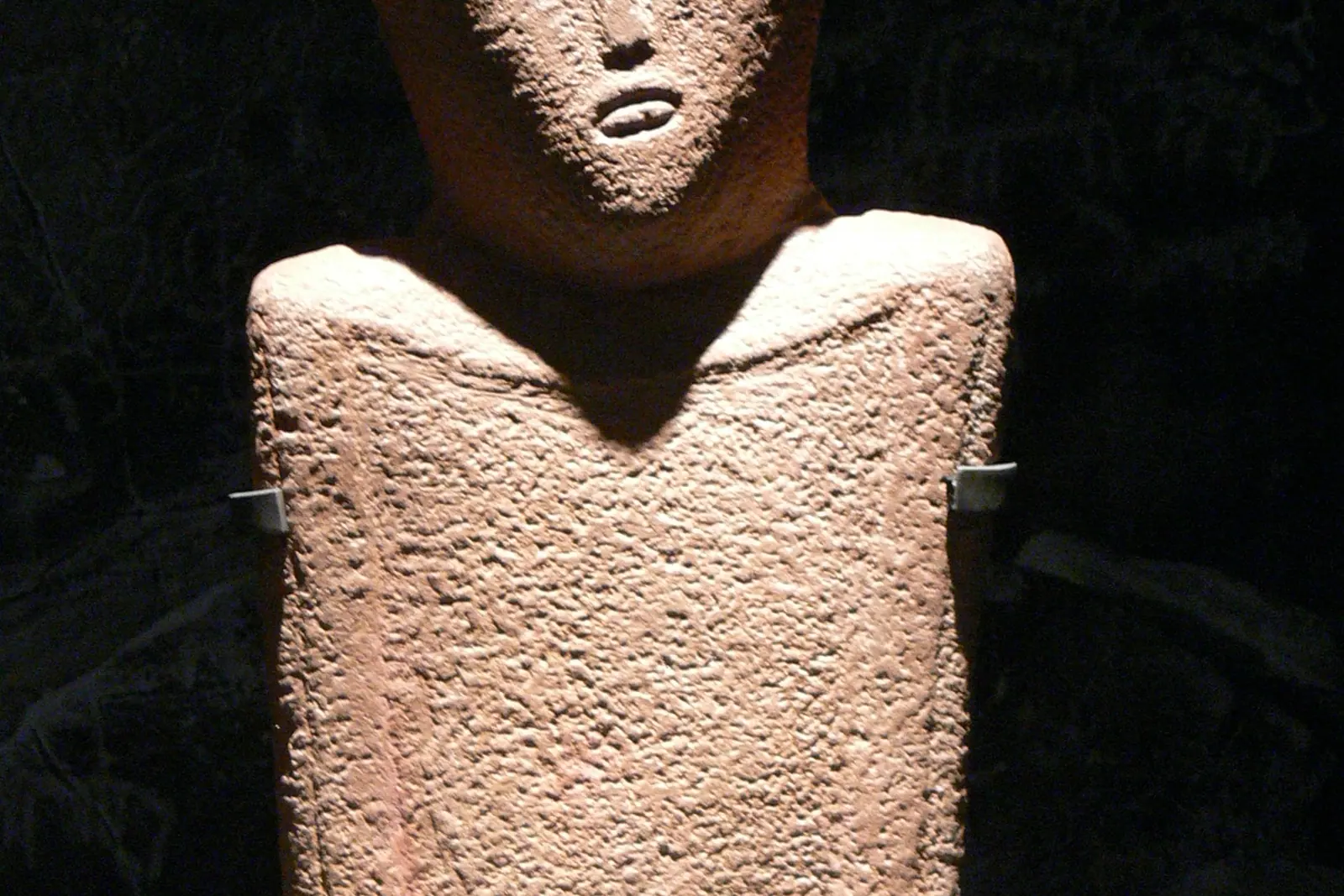
Stay in Saudi Arabia
Hotels, guesthouses and apartments — compared in one search.
Search hotels
Transfer in Saudi Arabia
Private driver waiting on arrival — no queues, no surprises.
Book a transfer
Stay online in Saudi Arabia
Travel eSIM — data the moment you land, no roaming bills.
Get an eSIM