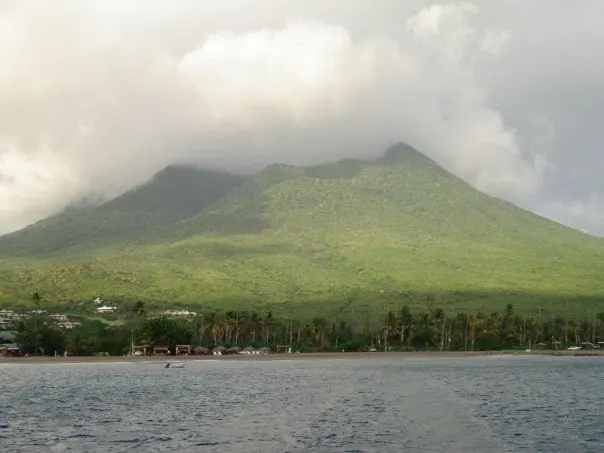
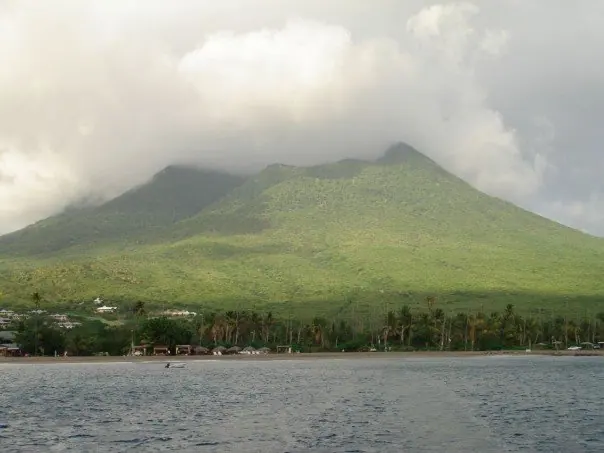
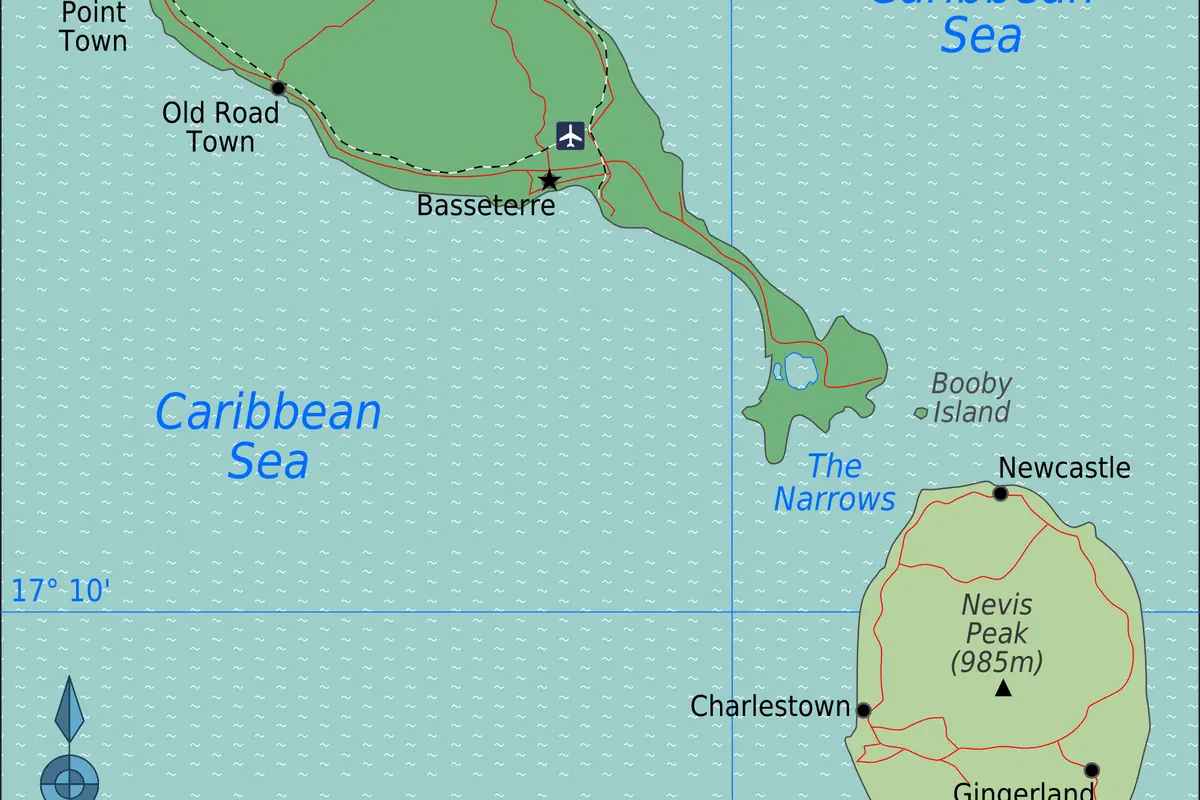
Two islands, one flag, and a week that splits beautifully between them: Saint Kitts with its fortress-crowned hills and rainforest ridges, Nevis with its slow green calm and a volcano rising straight out of the sea. Fly into Robert L. Bradshaw International Airport, cross to Nevis midweek by ferry or a seven-minute hop, and you get two genuinely different islands instead of one resort blur.
Days 1: Landing in Saint Kitts, Transfers and Your First Evening
Most international flights touch down at Robert L. Bradshaw International Airport, a compact, breezy strip of tarmac sitting barely two miles from the capital, Basseterre. Direct services arrive from several East Coast hubs in roughly three and a half to four hours, and seasonal long-haul flights from the United Kingdom take around eight to nine hours when they operate. If your itinerary starts on Nevis instead, smaller planes connect to Vance W. Amory International Airport on the sister island, but for a first visit the smoother route is to land on Saint Kitts and work your way across.
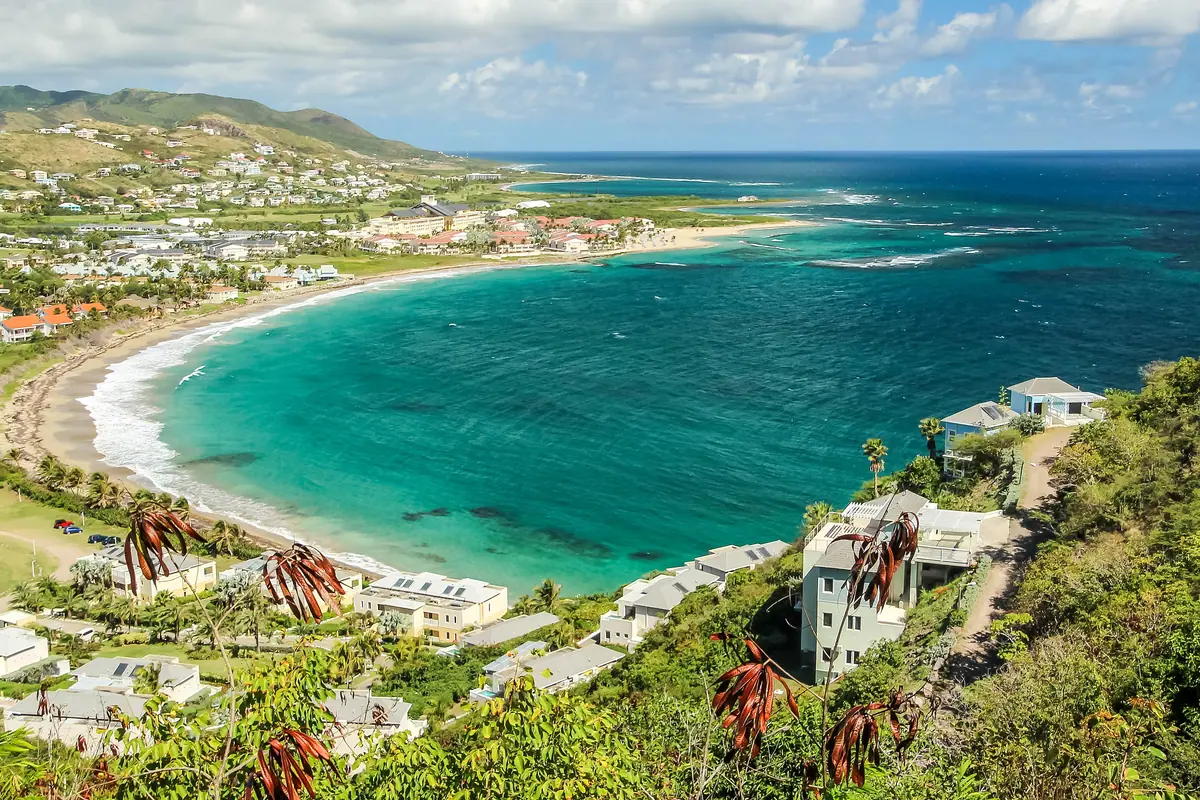
Clear immigration, collect your bags and take a licensed taxi — the drive to the Frigate Bay resort strip is only about fifteen minutes, and to the southern peninsula beaches closer to twenty-five. Don't over-plan arrival day. Drop your bags, walk to the Caribbean-facing sand, and let the water reset you; the Atlantic side is rougher and better saved for later in the week when you want waves.
Come evening, head for the row of beach bars and restaurants known locally as the Strip at Frigate Bay. Grilled lobster, rice and peas, rum punch and a soundtrack that drifts from calypso to soca to reggae — it is the easiest possible introduction to the island's rhythm. If you plan to rent a car later in the week, remember that Kittitians drive on the left, roads are narrow and roundabouts take some nerve.
Days 2–3: Basseterre's Historic Core and the Southeast Peninsula
Give your first full day to Basseterre, one of the oldest towns in the Eastern Caribbean. The Circus, modelled loosely on Piccadilly, is anchored by the green Berkeley Memorial Clock, and a short walk away sits Independence Square, a leafy plaza that was once a slave market and is now ringed by Georgian-style buildings. Nearby you'll find St. George's Anglican Church, the pale Co-Cathedral of the Immaculate Conception, and the National Museum housed in the old treasury building, where the island's sugar and colonial story is told in a couple of absorbing rooms. Two hours of wandering plus a stop for cold drinks is plenty.
Spend the afternoon heading south along the island's spine. Your first real stop should be Timothy Hill, the famous viewpoint where the Atlantic and the Caribbean run side by side, separated by nothing but a thin ribbon of sand — it is the photograph everyone brings home. From there the road threads through Friar's Bay, Cockleshell Bay with Nevis floating on the horizon, and on to Reggae Beach and Salt Pond at the peninsula's tip.
Day three is for slowing down. Snorkel the calm water at South Friars Bay, where reef and turtles sit close to shore, or claim a lounger at Cockleshell and swim out to the offshore rocks. Beach bars here are casual, the sand is dark volcanic gold, and the pace is deliberately unhurried. If you want one active hour, hike the short trail to the old fort ruins above Friar's Bay for a panoramic sweep of the whole peninsula.
Day 4: Brimstone Hill Fortress, Romney Manor and the Sugar Railway
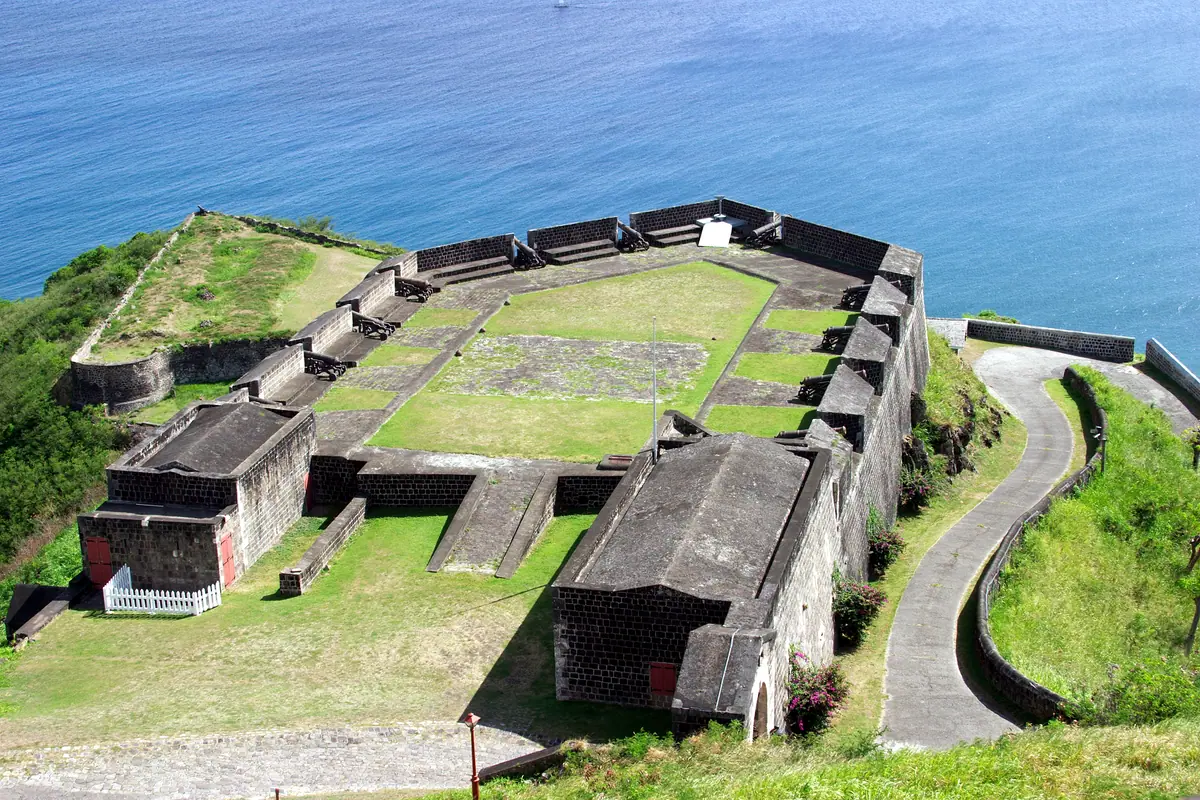
No visit to Saint Kitts is complete without Brimstone Hill Fortress National Park, a World Heritage-listed stronghold perched about 800 feet above the sea and nicknamed the Gibraltar of the West Indies. Begun in the late seventeenth century and fought over for generations, it unfolds in layers of black volcanic stone, ramparts, barracks and powder magazines. On clear days the view reaches out to Sint Eustatius, Saba and St. Barths. Go early, wear proper shoes, and allow two unhurried hours.
Continue to Romney Manor, a former estate garden dominated by a sprawling saman tree said to be centuries old, with a working batik studio on site and views down to the coast. Just below it, the ruins of Wingfield Estate reveal the old sugar works — a waterwheel, boiling house walls and the sobering remnants of the industry that shaped these islands. The nearby Old Road Town area also holds carved petroglyphs left by the island's Indigenous inhabitants.
Round off the day with the Saint Kitts Scenic Railway, a three-hour loop of roughly thirty miles that follows the coast on a line originally built to haul sugar cane. Double-decker railcars, open-air upper decks, guided commentary and a small choir make it far more charming than it sounds; the northern stretch, where the track hugs cliffs above the surf, is the highlight. Book ahead in high season and take the morning departure if you can.
Day 5: Mount Liamuiga and the Rainforest Interior
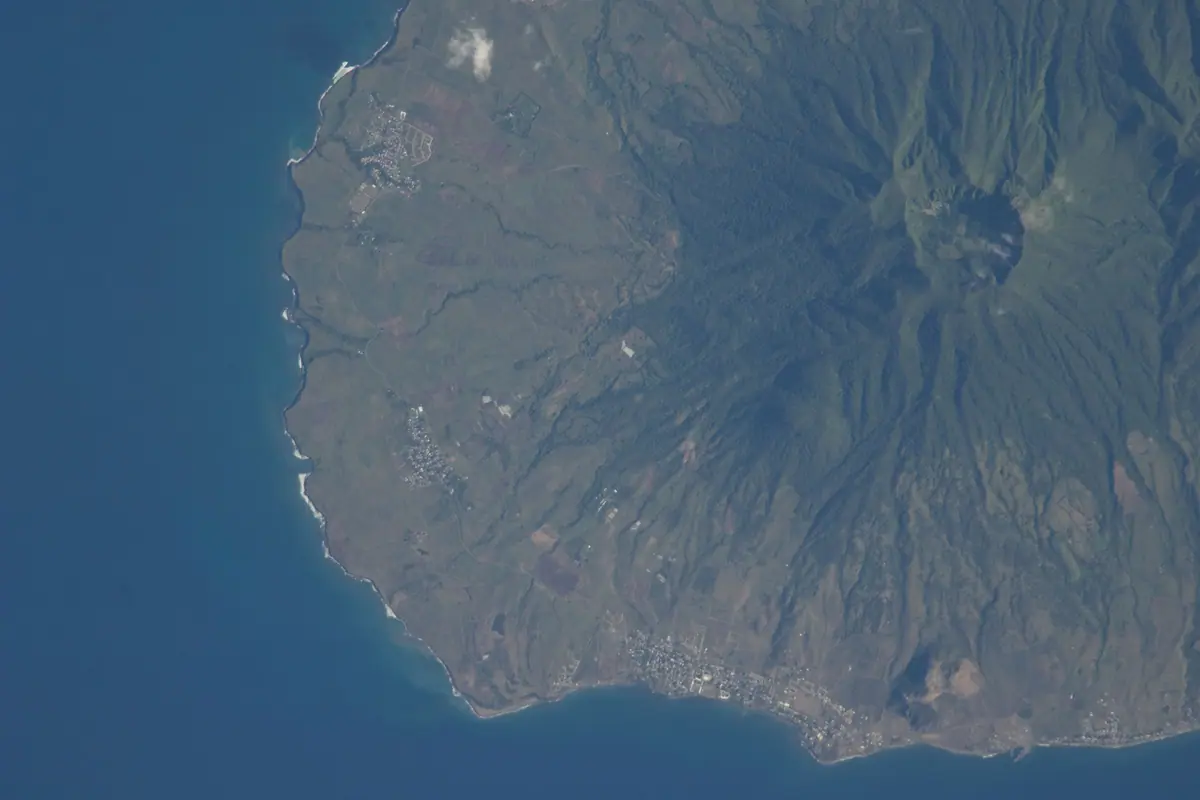
The island's highest point, Mount Liamuiga, rises to 3,792 feet and holds a cloud forest and a collapsed crater at its summit. The guided round-trip hike takes most people four to six hours from the trailhead near the northwestern villages, climbing through tangled strangler figs, giant ferns and bamboo, with green vervet monkeys crashing through the canopy overhead. Start by seven in the morning to beat the heat and the afternoon cloud build-up.
Near the rim the forest thins and the ground turns to slick clay; a guide is genuinely necessary here, both for route-finding and for the rope-assisted scramble down into the crater, where you look out over a bowl of dense green rather than a smoking vent. Sturdy shoes, two litres of water, a rain shell and a change of clothes left in the car are the practical essentials. The payoff is a view across the island to the sea on both sides.
If a summit push sounds like too much, spend the morning on gentler rainforest trails instead — the slopes above Belmont Estate offer shorter loops with the same birdsong and tree ferns — then reward yourself with an afternoon at South Friars Bay or a long, lazy lunch in Basseterre. This is also the smart day to reschedule if rain is lashing the ridge, since the trail turns treacherous when wet.
Day 6: Crossing to Nevis — Charlestown, Pinney's Beach and the Bath Hotel
Nevis is only a short crossing away, and getting there is half the fun. The public ferry from Basseterre to Charlestown runs several times a day and takes about forty-five minutes; a water taxi from Reggae Beach or Cockleshell to Oualie Bay shaves that to ten or fifteen minutes; and there are small inter-island flights if you prefer the air. Whichever you choose, keep luggage light — inter-island planes have strict weight limits.
Charlestown itself is small, quiet and full of history. The Alexander Hamilton Birthplace, on the waterfront where the future American statesman was born in 1755, now houses a museum on Nevis history, and the surrounding streets are lined with weathered wooden buildings that reward a slow hour on foot. Inland, the Nevis Botanical Gardens spill across the slopes with orchids, palms and a rainforest conservatory, while the Bath Hotel, opened in the late 1770s as one of the Caribbean's first resort spas, still sits beside steaming hot springs that run around 107°F — locals and visitors soak their aches away for free.
End the day on Pinney's Beach, four miles of soft grey-gold sand with a view back to Saint Kitts that turns pink at sunset. Beach bars here are low-key and welcoming, and the swimming is calm. If you want a different angle for your final morning, Oualie Beach on the island's western shore faces the sunset squarely and is far quieter than the main strip.
Day 7: Nevis Peak, Cottle Church and the Journey Home
A guided ascent of Nevis Peak is the best possible farewell. The volcano tops out at 3,232 feet, and the route is less a trail than a muddy, rope-assisted scramble through dripping rainforest and along a narrow ridge. Allow three to five hours round trip, start at first light, and only go with a local guide — the path is easy to lose and genuinely slick. Cloud often swallows the summit, so treat any clearing as a gift rather than a guarantee.
For something calmer, spend your last morning on the island's heritage trail. Cottle Church, built in 1824 for a congregation of both enslaved people and planters, is a roofless, open-air ruin in a meadow that says more about Nevis's past than any museum label. Nearby are the ruins and viewpoints of Saddle Hill, the quiet sands of Lovers Beach, and the winding lanes of Gingerland, where goats, mango trees and old stone windmills set the pace.
Then it's time to cross back. Ferries to Basseterre run through the afternoon, and taxis meet arrivals for the short run to Robert L. Bradshaw International Airport. Build in a buffer of at least three hours before an international departure, more if you are on the last ferry of the day. If you are flying out of Vance W. Amory instead, confirm your connection times in advance — the schedule is thinner and the aircraft smaller. Either way, you leave with two islands properly seen rather than one briefly sampled.
Frequently asked questions
What is the best time of year to visit Saint Kitts and Nevis?
The dry season from December through April brings the most reliable sunshine, lower humidity and the most comfortable hiking conditions, which matters if you plan to climb Mount Liamuiga or Nevis Peak. June to November is hurricane season, with September and October typically the wettest and quietest months. If you enjoy festivals, late December brings the islands' carnival celebrations, while Nevis holds its own cultural festival in the summer.
Do I have to fly between Saint Kitts and Nevis?
No. The ferry from Basseterre to Charlestown takes about 45 minutes and runs several times daily, and water taxis make the crossing in 10 to 15 minutes from the southeastern beaches. Short inter-island flights also connect the two airports in roughly seven minutes, but they have tight luggage allowances, so the boat is usually the easier option for a one-week trip.
Which airport should I fly into for Saint Kitts and Nevis?
Most travellers land at Robert L. Bradshaw International Airport on Saint Kitts, which handles the island's international flights and sits just minutes from Basseterre and the Frigate Bay resorts. Nevis is served by Vance W. Amory International Airport, reached by smaller aircraft from nearby Caribbean hubs. If your schedule is tight, fly into Saint Kitts and use the ferry for Nevis.
How should I split a week between the two islands?
A five-two split works well for a first visit: base yourself on Saint Kitts for the fortress, the railway, the rainforest hike and the peninsula beaches, then cross to Nevis for two nights to see Charlestown, the hot springs, Pinney's Beach and, if you have the legs, the peak. Travellers who prefer quiet over sightseeing often reverse it and give Nevis the larger share.
Do I need to rent a car in Saint Kitts and Nevis?
Not necessarily. Taxis are plentiful, drivers know the sights and can be hired by the hour or day, and the ferry terminals and airports are well served. Renting a car gives you flexibility for the southern peninsula and the northwestern villages, but remember that traffic drives on the left, roads are narrow and winding, and you will need a local driving permit, which is issued quickly on presentation of your licence.
Plan it — flights in Saint Kitts and Nevis
Live search, booked directly with trusted providers.
Sort the rest of your trip
Everything for Saint Kitts and Nevis, in one place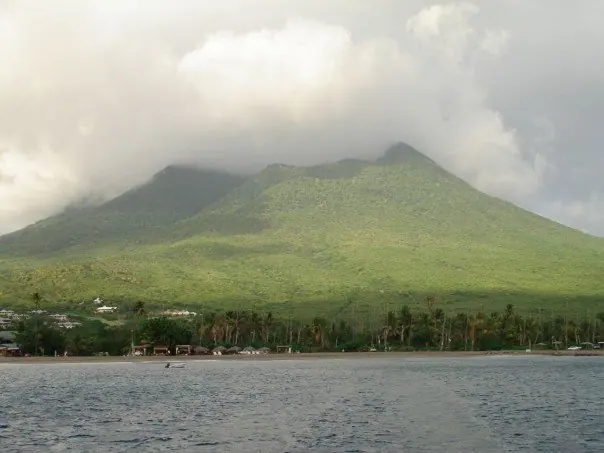
Stay in Saint Kitts and Nevis
Hotels, guesthouses and apartments — compared in one search.
Search hotels
Transfer in Saint Kitts and Nevis
Private driver waiting on arrival — no queues, no surprises.
Book a transfer
Travel insurance
Medical cover, delays and lost baggage — sorted before you go.
Get covered