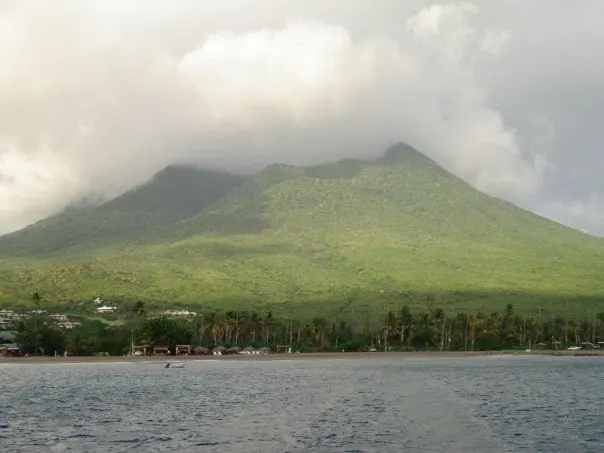
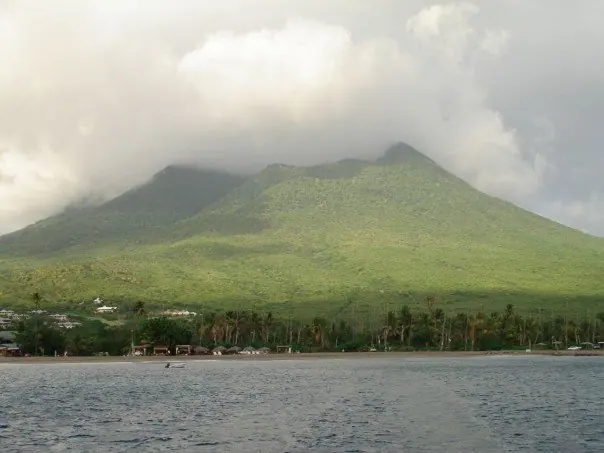
Two islands, one country, and only a narrow channel between them — Saint Kitts and Nevis rewards travellers who treat the pair as a single, week-long circuit rather than a single stopover. Fly into the sugar-and-rainforest island of Saint Kitts, cross the water by ferry, and finish on Nevis among Georgian streets and a green volcano that seems to float above the sea.
Day 1: Landing at Robert L. Bradshaw Airport and Finding Your Feet in Basseterre
Almost every international arrival touches down at Robert L. Bradshaw International Airport, a compact, open-air terminal on the northeastern edge of Basseterre, roughly ten minutes from the capital's waterfront. Regional carriers connect through larger Caribbean hubs, so most travellers arrive mid-afternoon with time to spare before sunset. Taxis are fixed-rate and plentiful, and if you plan to drive, remember the island keeps to the left — an adjustment worth making in daylight on quiet roads rather than at night.
Spend your first evening easing into Basseterre. The heart of the town is the Circus, a roundabout modelled on Piccadilly and crowned by the green Berkeley Memorial clock, where locals gather and minibuses loop past. A short walk away, Independence Square was once a slave market and is now a bright, fountain-filled plaza ringed by the white stone of St. George's Anglican Church. If you have energy left, the small national museum near the waterfront explains the island's sugar and colonial history in under an hour.
For dinner, head over the hill to Frigate Bay, where the strip of beach bars along the sand serves grilled lobster, saltfish and rum punch with the Atlantic breeze. It is the liveliest corner of Saint Kitts after dark, and an easy introduction to the island's rhythm.
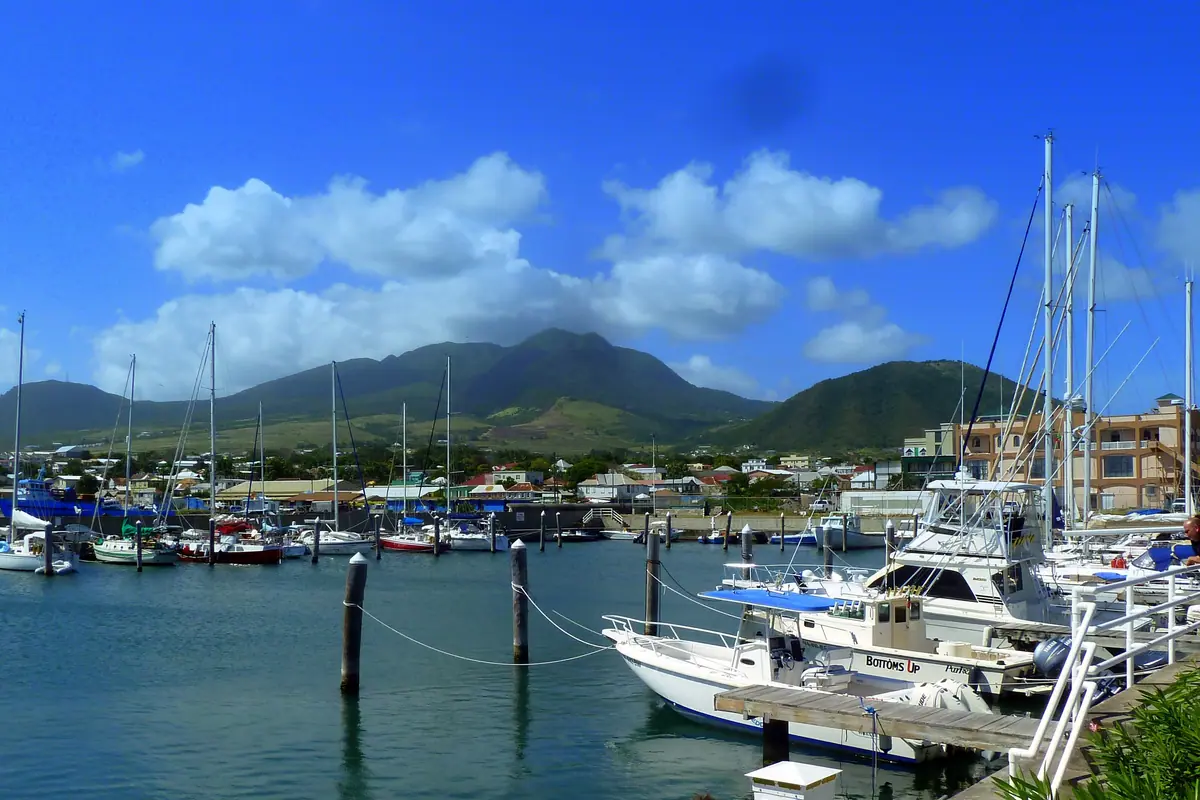
Days 2–3: Brimstone Hill Fortress, Romney Manor and the Old Sugar Coast
Give your first full day to Brimstone Hill Fortress National Park, the island's headline sight and a UNESCO World Heritage Site. Built over a century by enslaved labourers and British engineers, the limestone bastion climbs more than 200 metres above the sea on the island's western shore. Allow two to three hours to walk the ramparts, the officers' quarters and the powder magazines, and to stand at the summit where the view sweeps across to neighbouring St. Eustatius and, on clear days, Saba. Go early — the limestone bakes by midday.
On the way back south, stop at Romney Manor, a former plantation estate whose grounds hold a centuries-old saman tree and a working batik studio where you can watch wax and dye being applied by hand. Just down the road lie the ruins of Wingfield Estate, with old stone walls, an aqueduct and a set of Amerindian petroglyphs carved into a boulder beside a stream — a reminder that these islands were inhabited long before sugar arrived.
If you want the lazier version of the same landscape, ride the narrow-gauge railway that traces the old cane line around the island's northern coast. The loop takes about three hours, passes abandoned windmills and villages strung along the sea, and pairs the scenery with commentary and refreshments. Reserve a day or two ahead in high season, when seats on the morning departures sell out.
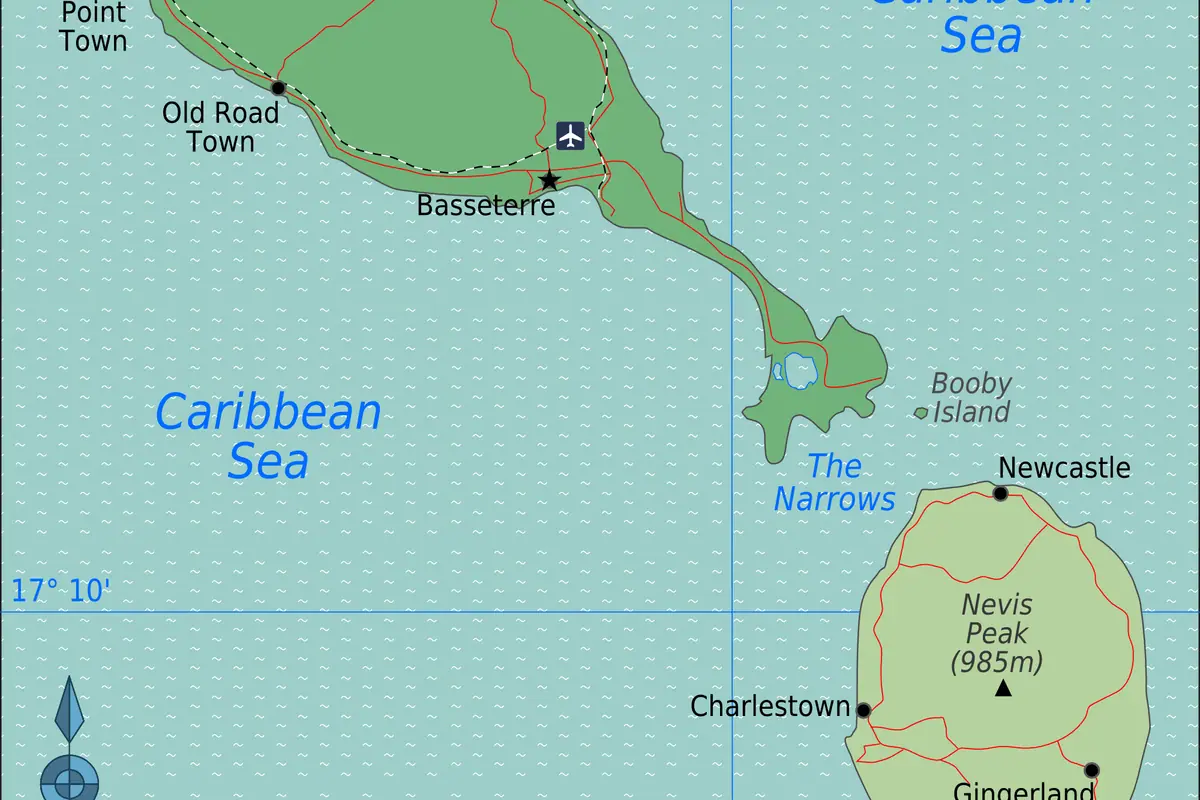
Day 4: Mount Liamuiga, the Rainforest and Black Rocks
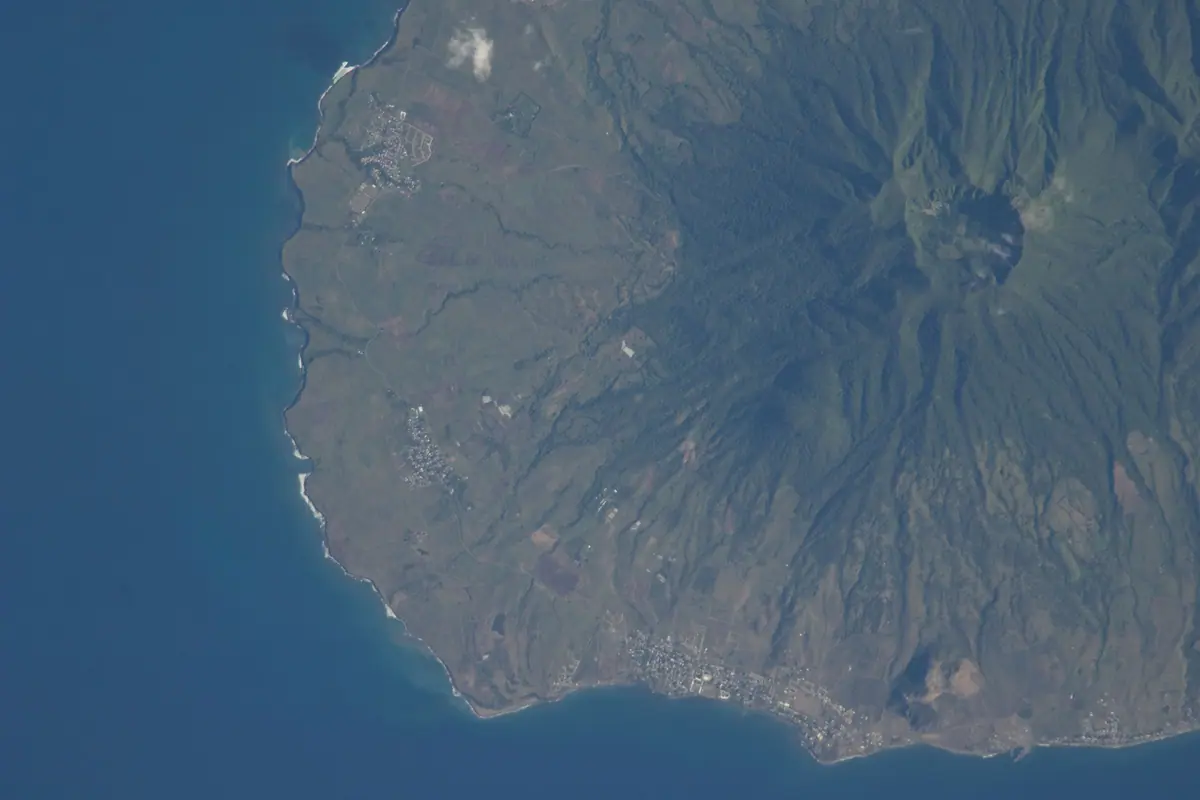
Saint Kitts is volcanic at its core, and the best way to feel that is on the trail up Mount Liamuiga, the 1,156-metre peak that dominates the island's north. The hike takes roughly three to four hours round trip with a guide, climbing through farmland, then cloud forest thick with tree ferns, wild orchids and vervet monkeys, before dropping into the crater rim for a view straight down into the green bowl. Start before seven in the morning: the summit clouds over by late morning and the path turns slick.
Travellers who prefer their rainforest flatter can book a much gentler walk or a zip-line and canopy tour through the same central forest reserve, where the vegetation is dense enough that the temperature drops several degrees the moment you step under the canopy. Either way, wear shoes with grip and carry more water than you think you need.
Finish the day on the Atlantic side at Black Rocks, a stretch of coastline where dark volcanic boulders tumble into white surf, just south of the village of Belle Vue. It is a ten-minute stop, spectacular in late-afternoon light, and on the drive back you can detour through Old Road Town, the island's first English settlement, for a look at the Roman Catholic church and the old Carib petroglyphs nearby.
Day 5: The Southeast Peninsula and the Ferry Across to Nevis
Before you leave Saint Kitts, drive the Southeast Peninsula, a ribbon of salt ponds, scrub and empty sand that ends at the island's southern tip. Pull over at Timothy Hill, the famous viewpoint where the Atlantic and the Caribbean are separated by a sliver of land no wider than a football pitch — it is the single most photographed spot in the country, and deservedly so. Beyond it lie Cockleshell Bay, Friar's Bay and the calm, shallow water of the southern beaches, good for a final swim and a long lunch.
Then head back to Basseterre and take the public ferry to Nevis. The crossing runs several times a day, takes around 45 minutes, and costs a few dollars — far cheaper than flying, and far more scenic. Sit on the open deck as Nevis Peak rises out of the haze, a nearly perfect cone wrapped in cloud. A car ferry also shuttles between the two islands if you have rented a vehicle, though it runs less frequently and needs booking ahead.
Charlestown, Nevis's capital, is a small, walkable Georgian town of stone warehouses and narrow lanes. Check into a guesthouse or plantation-style inn on Pinney's Beach, where the sand runs for more than four kilometres and the sunsets are unobstructed.
Days 6–7: Charlestown, Hamilton's Birthplace, Pinney's Beach and Nevis Peak
Nevis packs an improbable amount of history into a few square kilometres. In Charlestown, the Museum of Nevis History occupies the building where Alexander Hamilton was born in 1757, and the collection traces the island's sugar fortunes, its Jewish community and the life of the founding American statesman. Down the street stands the Bath Hotel, an 18th-century spa that once drew wealthy bathers to its hot springs, and behind it the small Jewish cemetery, one of the oldest in the Caribbean. The Botanical Gardens of Nevis, just south of town, fill a former estate with orchids, palms and a rainforest conservatory.
Set aside one day for the water and one for the mountain. Pinney's Beach is the classic: calm, palm-backed, with beach bars that serve grilled fish and killer bee cocktails as the light goes orange. At Oualie Bay on the northern coast the water is glassy and ideal for kayaking, paddleboarding and snorkelling, with dive boats heading out to reefs and wrecks offshore. If hiking calls, the climb up Nevis Peak is a serious four to five hours of ropes, mud and cloud forest — genuinely demanding, best done with a local guide, and unforgettable on a clear day.
On your final morning, wander Charlestown's market for fruit and spice, or visit the ruins of Cottle Church and the Nevisian Heritage Village if you have time before your departure. Small aircraft leave from Vance W. Amory International Airport on the island's north coast, connecting to regional hubs; otherwise the ferry returns you to Basseterre, where a taxi meets the boat for the run to Robert L. Bradshaw. Build in at least three hours between ferry and flight — the channel can be choppy in winter and schedules flex.
When to Go, What to Pack and How to Pace the Week
The dry season runs from December to April, when humidity drops, trade winds pick up and rainfall is at its lowest — this is peak season, so book plantation inns and beachfront rooms months ahead. May and June bring softer prices and warm, still water. Hurricane season officially spans June to November, with the statistical peak from mid-August to mid-October; late-autumn trips can be wonderful value but should stay flexible on flights and ferries.
If you want a week with a party in it, time your visit to Carnival, the island's Christmas-season festival of parades, calypso and street parties that runs into early January on Saint Kitts, or to Culturama on Nevis in late July and early August. The mango festival in July and the islands' restaurant weeks are quieter draws but excellent for eating well.
Pack light, breathable clothing, reef-safe sunscreen, sturdy trail shoes and a light rain shell for the rainforest. The local currency is the Eastern Caribbean dollar, though US dollars are accepted almost everywhere, and cards work in hotels and larger restaurants. Drive on the left, carry cash for small beach bars and taxi drivers, and resist the urge to cram both islands into three days — the ferry alone eats half a morning. Four nights on Saint Kitts and three on Nevis is the sweet spot, and it lets you keep one day entirely unscheduled for whatever the weather decides.
Frequently asked questions
Which airport do you fly into for Saint Kitts and Nevis?
Most international arrivals land at Robert L. Bradshaw International Airport on Saint Kitts, reached via connecting flights from larger Caribbean hubs. Nevis has its own smaller strip, Vance W. Amory International Airport, served by light aircraft. Many travellers fly into Saint Kitts and out of Nevis, or simply return by ferry.
Do you need to fly between Saint Kitts and Nevis?
No. The public ferry from Basseterre to Charlestown takes about 45 minutes and runs several times daily, and there is also a less frequent car ferry. A short inter-island flight exists but saves little time once you factor in transfers and check-in.
What is the best time of year to visit?
December to April offers the driest, breeziest weather and is the most popular window. May and June are quieter and still pleasant. Hurricane season runs June to November, peaking from mid-August to mid-October, when deals are best but plans should stay flexible.
How many days do you need for both islands?
A week works well: roughly four nights based on Saint Kitts and three on Nevis. That allows time for Brimstone Hill, the rainforest and the Southeast Peninsula, plus Charlestown, Pinney's Beach and a Nevis Peak hike if you want one.
Should you rent a car or rely on taxis?
Taxis are fixed-rate and easy for short hops, but a rental car gives you the freedom to explore the Southeast Peninsula and the northern coast at your own pace. Remember that driving is on the left, and you will need a local temporary licence, usually arranged through the rental agency.
Plan it — flights in Saint Kitts and Nevis
Live search, booked directly with trusted providers.
Sort the rest of your trip
Everything for Saint Kitts and Nevis, in one place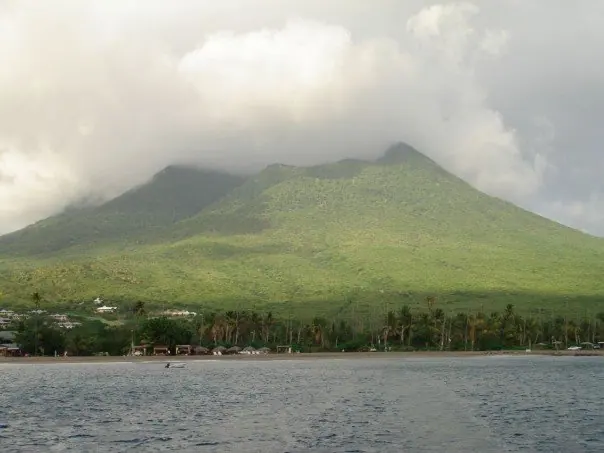
Stay in Saint Kitts and Nevis
Hotels, guesthouses and apartments — compared in one search.
Search hotels
Transfer in Saint Kitts and Nevis
Private driver waiting on arrival — no queues, no surprises.
Book a transfer
Travel insurance
Medical cover, delays and lost baggage — sorted before you go.
Get covered