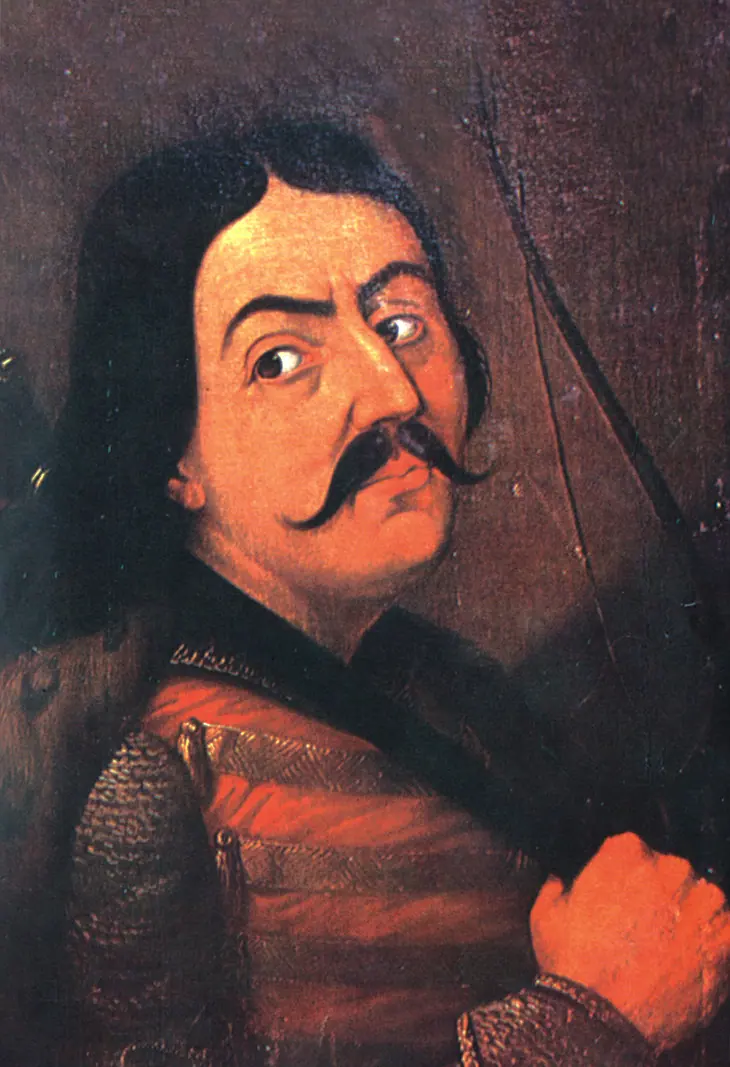
Moldova is small enough to cross in a day yet deep enough in cellars, monasteries and green hills to fill a week. Choosing the right room — a townhouse in Chișinău, a village guesthouse in the Codri forest, or a vineyard estate near Bulboaca — changes how the country reveals itself.
Where to Sleep in Moldova: The Big Picture
Almost every first trip begins and ends in Chișinău, and roughly four days gives you the capital, one wine cellar and one rural monastery run. Seven days lets you add Soroca in the north, the cave monastery at Orheiul Vechi, and either Transnistria or Gagauzia in the south. The best windows are late April to mid-June, when the countryside is yellow-green and the markets fill with sour cherries, and September to early October, when grapes arrive at the presses and the days stay warm. July and August can push past 32°C, while January commonly sits between -5°C and -10°C, which is beautiful if you plan for it and miserable if you don't.
Accommodation sorts into three rough tiers. In the capital you find polished boutique townhouses and modern mid-range blocks in the centre, with older Soviet-era towers offering large rooms and dated furniture at lower rates. Outside Chișinău, the real character comes from vineyard estates with on-site cellars, small family pensions in villages like Trebujeni and Butuceni, and a handful of renovated manor houses in the north. Rural rooms often mean shared bathrooms and homemade breakfasts of placinte and brânză — wonderful, but book by phone or message rather than expecting instant online confirmation.
Rooms go fast during the wine harvest and around Orthodox Easter, when families travel and city hotels fill. Elsewhere, midweek arrivals in shoulder season can often be negotiated at the desk. Bring some cash in Moldovan lei for rural stays: card machines are common in Chișinău but rare in villages, and many small guesthouses price in lei and prefer payment on arrival.
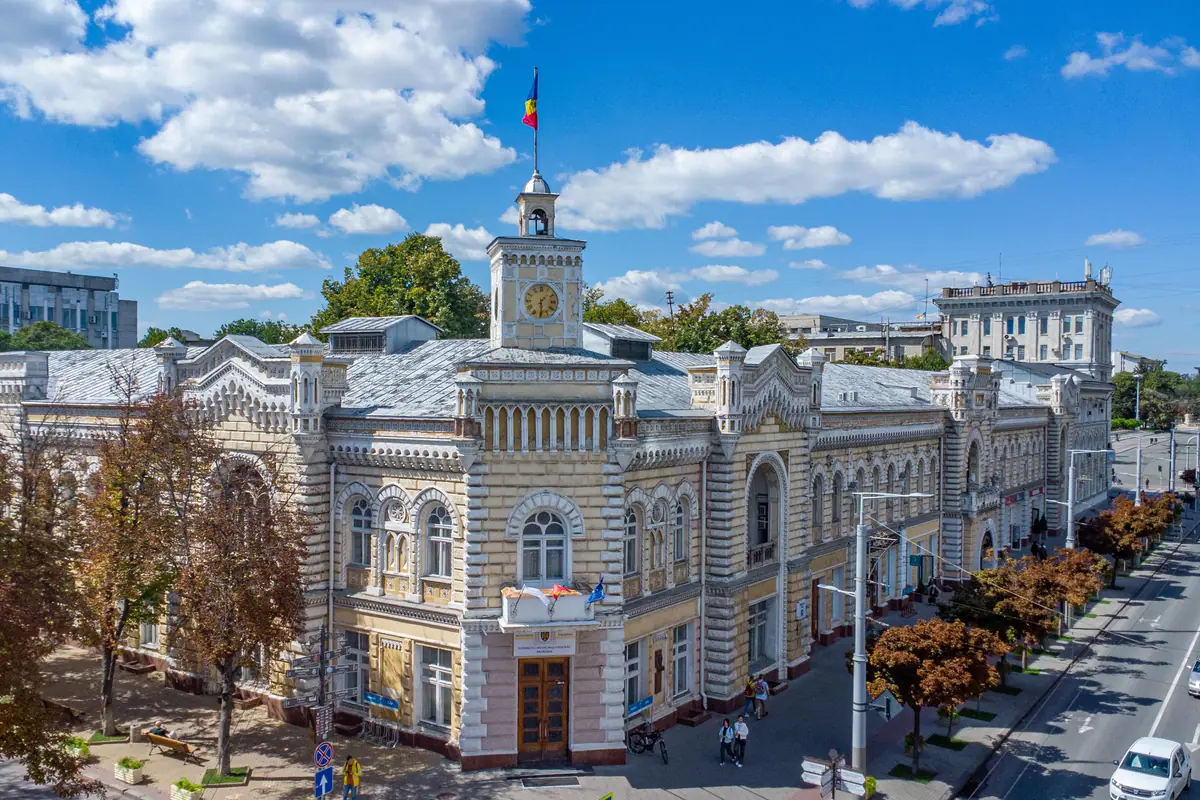
Chișinău: Boutique Rooms in the Capital
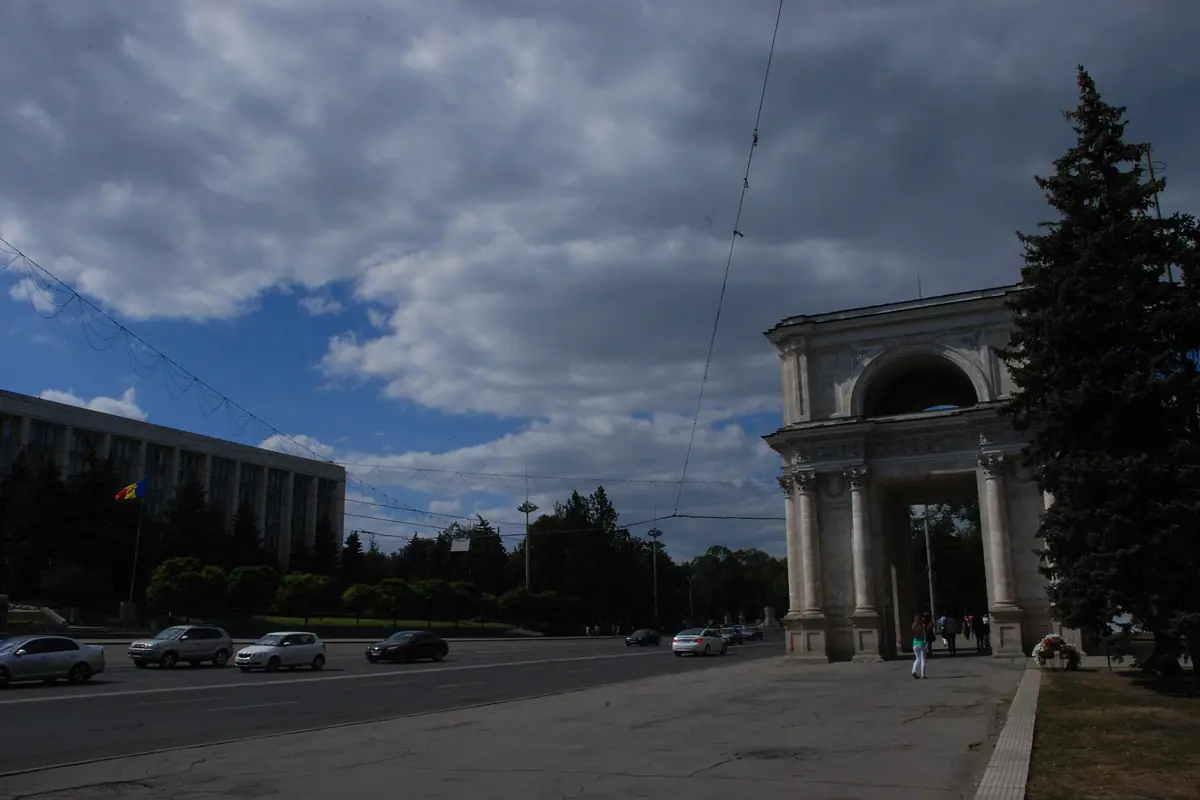
Base yourself on or just off Bulevardul Ștefan cel Mare, the spine of the centre, and you can walk to nearly everything. Stephen the Great Monument stands at the top of the central park, with the Triumphal Arch and the Neoclassical Government House framing the square beside it. A few minutes east, the white-and-blue Nativity Cathedral anchors Cathedral Park, and further along the same boulevard the Ciuflea Monastery, with its turquoise domes and gold crosses, is one of the city's most photographed sites.
Aim for the streets between the centre and Valea Morilor Park. That larger green space has a lake with pedal boats, a long staircase known as the Alley of Classics lined with busts of writers, and a summer cafe scene. Staying near it means morning runs and evening strolls without taxis. The historic centre also puts you close to the National Museum of History of Moldova, the National Museum of Ethnography and Natural History, and Piața Centrală, the sprawling market where you can buy walnuts, honey, dried fruit and bottles of house wine at prices that make wine-shop markups look absurd.
Room choice matters less than location here: the centre is compact, taxis are cheap, and trolleybuses run until late. Ask for a room away from the boulevard if you are sensitive to traffic, and confirm air conditioning if you are travelling in July. Several properties sit in restored nineteenth-century buildings with high ceilings and courtyard entrances, which feel far more Moldovan than any glass-fronted block.
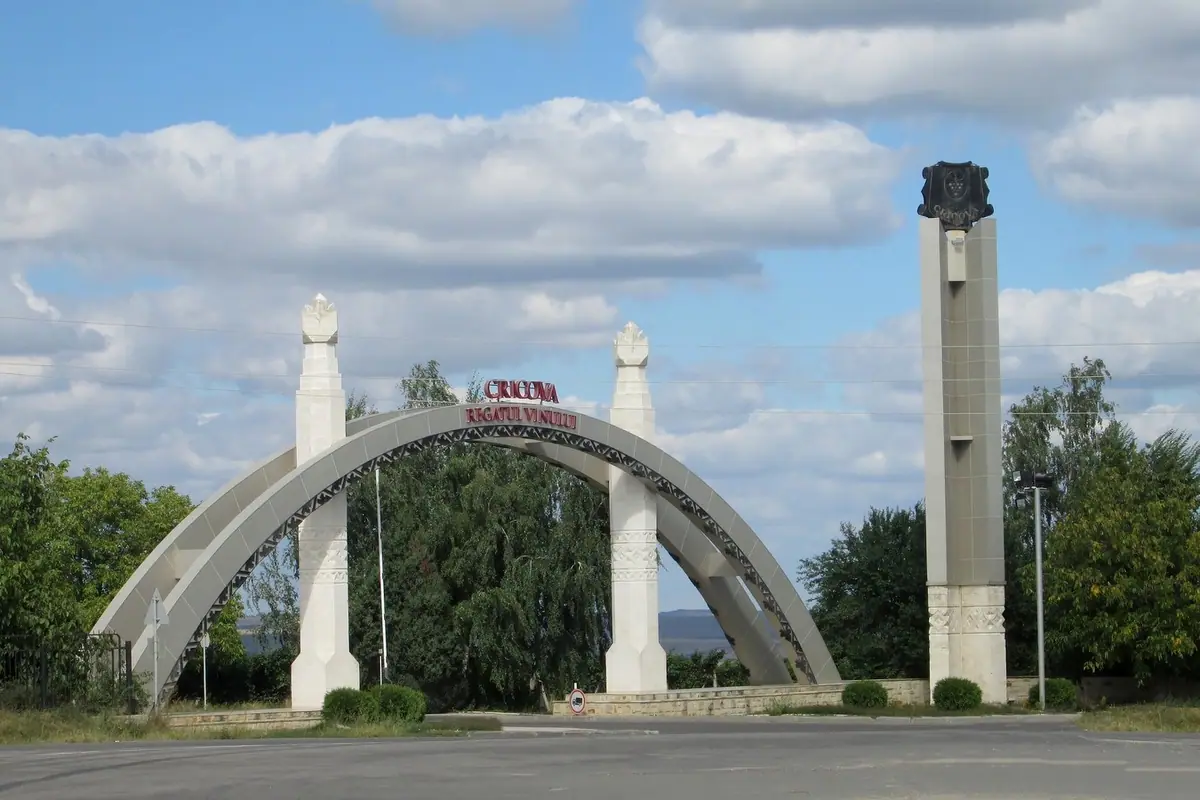
Wine-Cellar Stays: Cricova, Mileștii Mici and Purcari
Moldova's cellars are its signature. Cricova, twenty minutes from Chișinău, is a limestone labyrinth of more than a hundred kilometres of underground streets where you can drive between aisles of bottles and taste sparkling wines in cool underground halls. Mileștii Mici, a little further out, holds one of the largest wine collections on earth and keeps visitors in a sweater-and-jacket chill even in August. Both sit close enough to the capital for a day trip, but staying overnight nearby turns a rushed tour into a slow evening.
For a genuine sleep-among-the-vines experience, look at the estates around Bulboaca and Purcari in the south-east. Castel Mimi, a late-nineteenth-century winery complex at Bulboaca, has been restored into a wine destination with gardens, tasting rooms and rooms on site, while the Purcari estate near the Dniester floodplain has a long history of reds and a village setting that goes quiet at dusk. Château Vartely near Orhei and Et Cetera in the Codru hills offer similar combinations of restaurant, cellar and lodging.
These estates are the practical answer if you want wine without driving. Tastings stretch over two or three hours, pours are generous, and taxis to a village guesthouse after dark are neither reliable nor cheap. Book cellar tours in advance, especially at weekends and during the autumn crush. Ask about the difference between the tasting tiers; the mid-range option almost always offers the best value.
Old Orhei, Căpriana and the Northern Fortresses
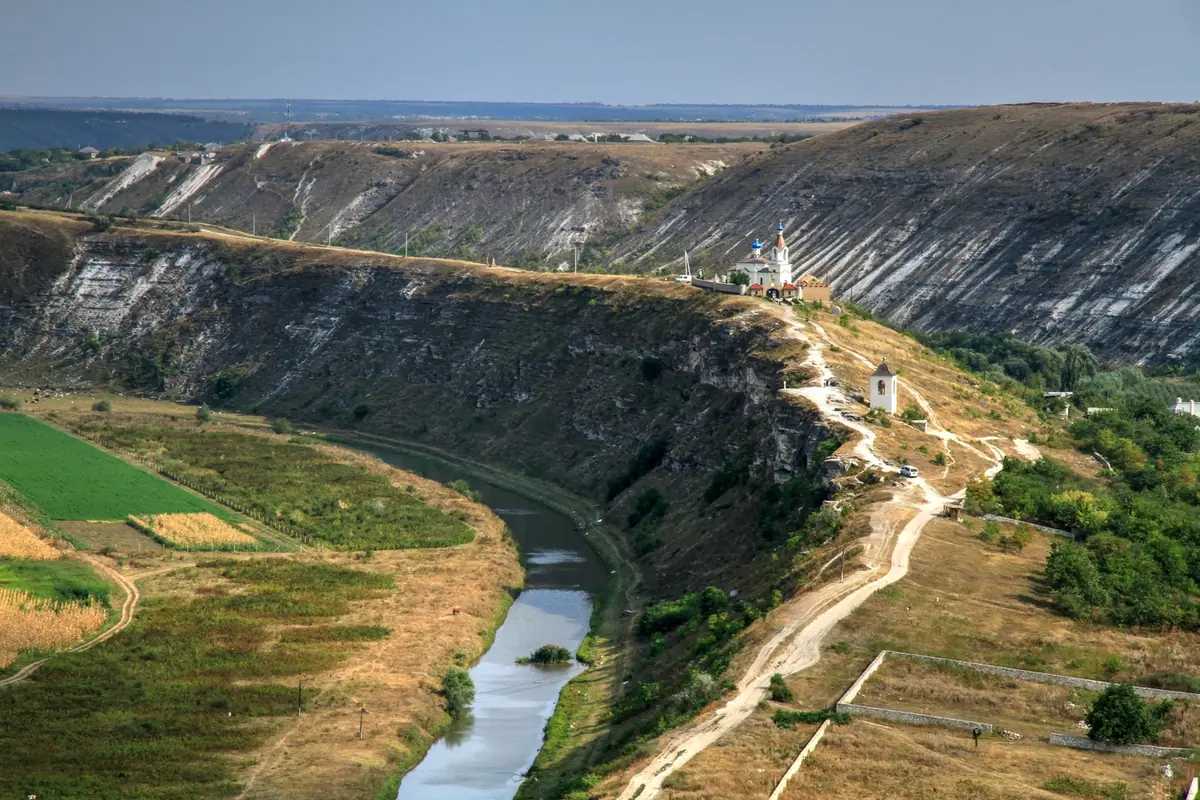
An hour north-east of the capital, Orheiul Vechi is Moldova's most striking landscape: a limestone gorge above the Răut river, with a cave monastery carved into the cliff by medieval monks and the villages of Trebujeni and Butuceni perched on the rim. Staying in a village guesthouse here means waking to roosters and walking to the cliff edge before tour buses arrive. The same area holds the Orhei National Park trails and, further along, the monastery at Căpriana, a fifteenth-century foundation set among the dense oak woods of the Codri.
Push north and the rewards keep coming. Soroca Fortress, a perfectly round medieval stone citadel on the Dniester, anchors a town with a strong Roma community and views across the river to Ukraine. Along the way, Saharna Monastery clings to a wooded slope with a spring and waterfall below, and the cliff-hewn monastery at Tipova is a demanding but unforgettable walk. This is the region for renovated manor houses and family guesthouses rather than chain comfort.
In the far north-west, Hîncu Monastery and the villages around Bălți give you an alternative stopover if you are arriving from Romania. Public transport connects these towns by bus and marshrutka, but the last mile to monasteries and village pensions is often a taxi or a lift from your host. Renting a car for two or three days is the single biggest upgrade to a northern itinerary.
East and South: Tiraspol, Bender, Comrat and the Danube
The breakaway region east of the Dniester runs on its own rules, currency and time-honoured Soviet signage. Tiraspol's central square is dominated by a statue of Alexander Suvorov, with the Kvint brandy works nearby, and Bender just to the south keeps the imposing Bender Fortress on the riverbank. Accommodation is functional and inexpensive, usually in older city hotels. Keep your registration slip from your host or hotel, carry your passport, and be ready for a checkpoint conversation on the way in and out.
In the south, Gagauzia is a Turkic-speaking, Orthodox region with a distinct cuisine of pastries, grilled meats and heavy reds. Comrat makes a good base, and the small museum and carpet collection at Beșalma is a rewarding detour. Further south, Cahul and the Lower Prut wetlands near the Danube offer birdwatching, quiet roads and the kind of low-key riverside guesthouses where dinner is whatever the family is cooking.
This half of the country rewards slow travel. Roads are uneven, distances that look short on a map take longer than expected, and buses thin out in the afternoon. Staying two nights in one southern town beats one night in three, and hosts will happily arrange tastings, boats or a driver for the day.
Practical Booking Tips for a Moldova Trip
Moldova uses the leu, Romanian is the official language and Russian is widely spoken, so a few words of either go a long way in villages. Wi-Fi is fast and near-universal, even in rural pensions, but card acceptance is not: withdraw lei in Chișinău and keep small notes for markets, monasteries and tips. Tipping around ten percent is normal in restaurants. Tap water is generally safe in cities, though most travellers drink bottled or filtered water.
When booking, confirm three things in writing: air conditioning (essential from June to August), whether the bathroom is private, and how to reach the property from the nearest bus stop. Rural addresses are often informal, so ask for a pin or a landmark. Check cancellation terms during harvest and Easter, when demand spikes. For Chișinău, a central room for two to three nights plus one wine-country night is the formula that suits most first visits.
Finally, plan your days around opening hours rather than distance. Many museums close one day a week, monasteries observe long services in the morning, and cellars run by appointment. Build in an unscheduled afternoon — Moldova's best moments are usually a lunch that stretches to four o'clock, or a road that turns out to lead somewhere worth staying an extra night.
Frequently asked questions
Which area of Chișinău is best for a first stay?
The centre along Bulevardul Ștefan cel Mare puts Stephen the Great Monument, the Triumphal Arch, Cathedral Park and Ciuflea Monastery within walking distance, with restaurants and cafes nearby. For quieter evenings, the streets near Valea Morilor Park offer greenery, a lake and a short taxi ride to the same sights.
When is the best time to visit Moldova?
Late April to mid-June and September to early October are ideal, with mild temperatures, lively markets and the grape harvest in autumn. July and August are hot and humid, sometimes above 32°C, while December to February is cold, often -5°C to -10°C, and best for city breaks with cellar visits.
Should I stay overnight at a wine estate or just take a day trip?
If you plan to taste seriously, stay over. The cellars at Cricova, Mileștii Mici, Castel Mimi at Bulboaca and the Purcari estate all pair well with an on-site or nearby room, and rural taxis after a long tasting are unreliable and expensive.
Do I need cash for hotels and guesthouses in Moldova?
Yes, keep lei on you. City hotels take cards, but many village pensions, monasteries and market stalls only accept cash, and prices are quoted in lei. Withdraw in Chișinău or Bălți and carry small notes for tips, entry fees and transport.
How many days do you need in Moldova?
Four days covers Chișinău, one major wine cellar and Orheiul Vechi. A week lets you add Soroca Fortress in the north and either Transnistria or Gagauzia and Cahul in the south, with enough slack for slow roads and long lunches.
Sort the rest of your trip
Everything for Moldova, in one place
Transfer in Moldova
Private driver waiting on arrival — no queues, no surprises.
Book a transfer
Things to do in Moldova
Skip-the-line tickets, guided tours and standout experiences.
See experiences
Stay online in Moldova
Travel eSIM — data the moment you land, no roaming bills.
Get an eSIM