Moldova is one of Europe's least-visited corners, which means its seasons shape a trip more dramatically than almost anywhere else — a hotel room in Chișinău in mid-October feels like a different city from the same room in January. Get the timing right and you'll catch grape harvest in the Codri hills, long light over the Dniester, and cellar tours that go on for hours.
Why the Season Decides Everything in Moldova
Moldova sits between the Carpathian foothills and the Black Sea steppe, and its climate runs to real extremes: winters drop well below freezing, summers push past 30°C, and the two shoulder windows in between are short and glorious. What matters for a traveller is that the country's best experiences are seasonal by nature. Wine cellars are open all year, but the harvest, the vineyards and the long rural drives through the Codri forests belong to specific weeks. Sightseeing at cave monasteries such as Orheiul Vechi, Tipova and Saharna is far more pleasant in spring and autumn than in the baking heat of July or on icy winter stairways.
Hotel supply is concentrated in Chișinău, where the city centre around Stephen the Great Central Park holds most of the mid-range and boutique properties, with a smaller cluster near the railway station and business districts. Outside the capital, you're choosing between small rural guesthouses, a handful of winery-owned rooms, and simple town hotels in Bălți, Soroca and Comrat. That thin inventory is the key to timing: one big event can fill the capital almost completely.
The calendar pivots on a few fixed points. National Wine Day, held in early October on Chișinău's central square, is the single busiest weekend of the year for accommodation. Spring brings Orthodox Easter, which moves each year and sends families back to villages. Late December and early January fill city hotels with New Year revellers. Book around those dates or accept whatever is left.
Spring: Blossom, Easter and the Quiet Hotel Bargain
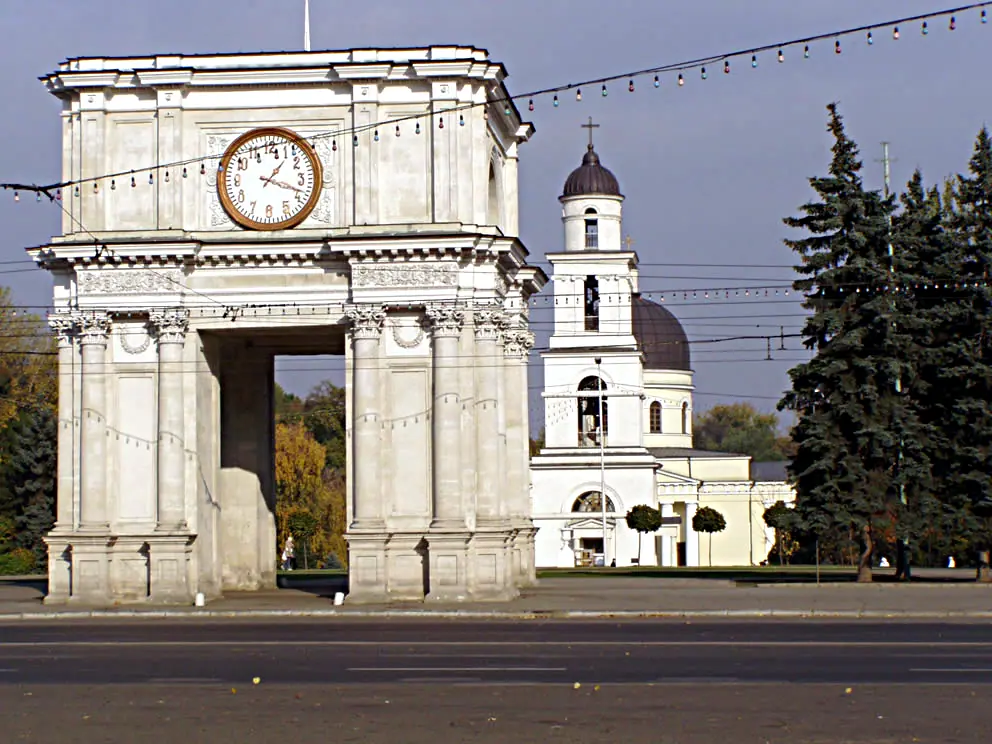
March is still raw, with grey skies and lingering frost, but by early April the country turns. Fruit trees blossom across the orchards of the centre and south, Judas trees flower along Chișinău's boulevards, and temperatures settle into a comfortable 15–22°C by May. This is the season for walking cities: the Triumphal Arch, the Nativity Cathedral and the Stephen the Great Monument all sit within a few minutes of each other in the capital, and the surrounding park is at its most welcoming. Hotels are still charging low-season rates through March and often into early April.
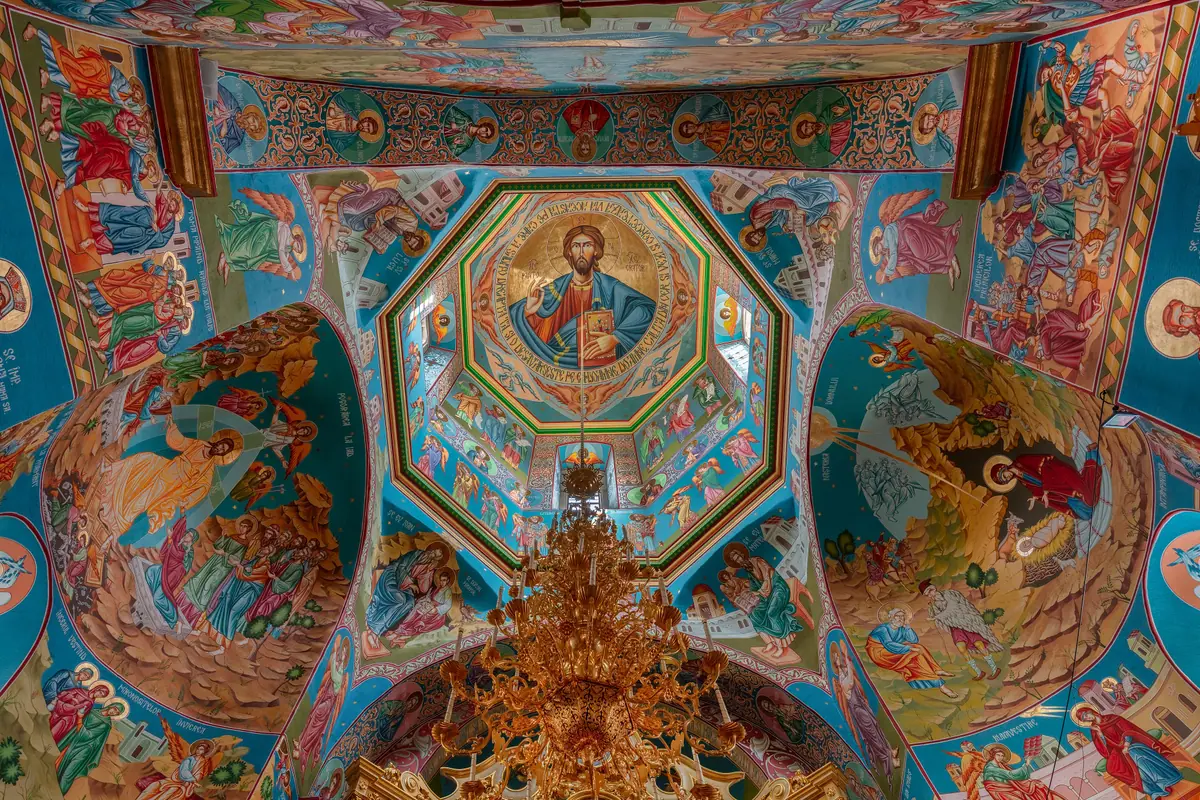
It is also monastery season. Căpriana, Hîncu and Rudi monasteries sit in wooded valleys that are muddy in winter and parched in August; April and May are when they look their best, and when the drive out through the hills is genuinely beautiful. Bring layers, because mornings can be 6°C while afternoons reach 20°C, and pack shoes you don't mind getting dirty on unpaved monastery paths.
One caution: Orthodox Easter, which can fall anywhere from early April to early May, is a huge travel period domestically. Rural guesthouses near Orheiul Vechi and along the Răut valley fill with families, and the few hotels in smaller towns like Soroca can sell out weeks ahead. If your trip overlaps the holiday, book early and expect some restaurants and museums to close for two or three days.
Summer: Long Days, Festivals and Countryside Escapes
June to August is hot, bright and busy by Moldovan standards. Chișinău empties slightly as residents head to the countryside, but the city hosts open-air concerts, street food events and festivals on the central square, and hotel prices peak around them. Daytime temperatures regularly hit 30–34°C, so the sensible rhythm is early mornings and late evenings: Valea Morilor Park and the lake below the city are lovely at 7am, unbearable at 2pm. Air conditioning in your room stops being a luxury and becomes the first thing to check.
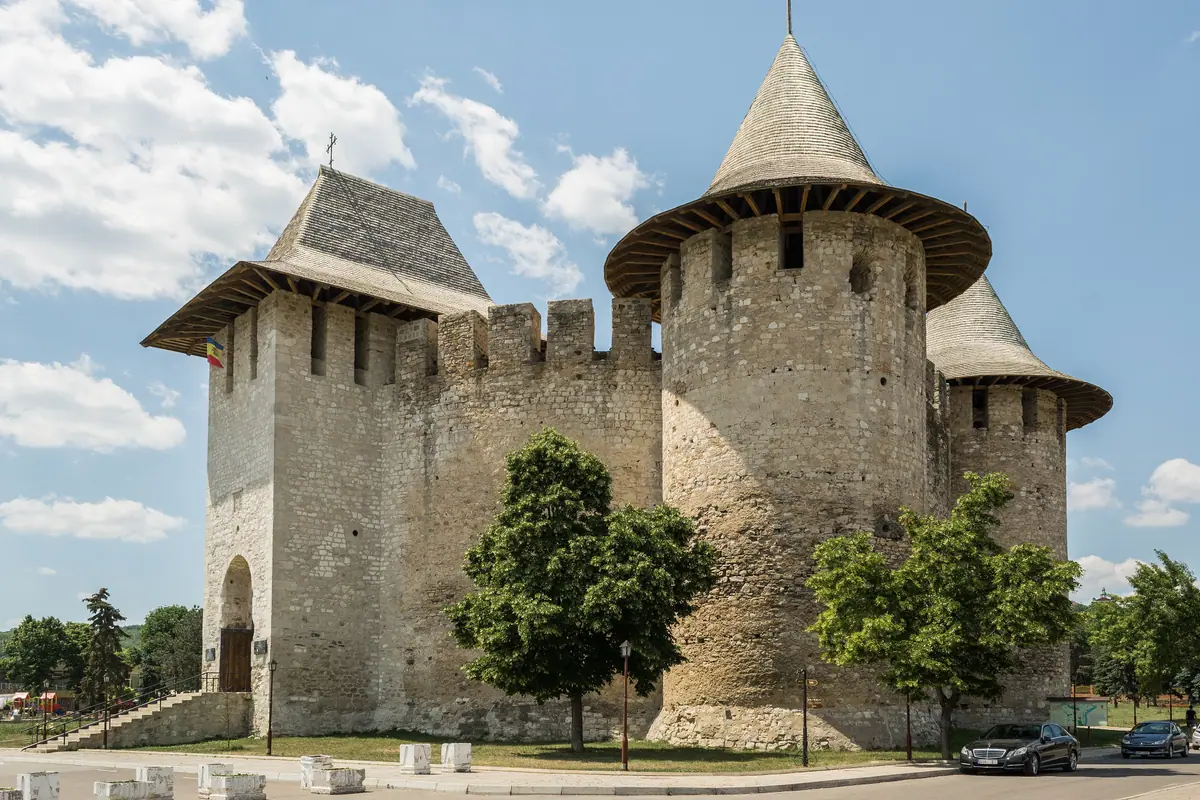
This is the best window for the north and for long-distance sightseeing. Soroca Fortress on the Dniester looks magnificent in full summer light, and the river villages nearby are at their liveliest. But the heat makes the climb to Orheiul Vechi's cave monastery tough, and the exposed stone of Tipova is punishing at midday. Go early or go in the shoulder months.
Summer is also wine-tour season, even though the harvest hasn't started. The vast underground galleries at Cricova and Mileștii Mici stay at a constant cool temperature year-round, which makes them a perfect midday refuge, and tours run frequently. Book cellar visits at least a few days ahead in July and August, and remember that many rural guesthouses operate on a half-board basis with no restaurant nearby — plan your dinners with your host.
Autumn: The Wine Harvest and the Best Overall Window
If you have to choose one stretch, choose mid-September to mid-October. The Codri forests turn gold, the vineyards are heavy with grapes, daytime temperatures sit in a gentle 18–24°C, and the whole country smells faintly of fermenting must. Harvest runs through September, and the small wineries and family cellars around the Codri hills welcome visitors in a way that feels genuinely uncommercial — you'll taste wine from barrels, eat placinte and mamaliga, and lose an afternoon without noticing.
Early October brings National Wine Day, when producers from every region set up stalls in the centre of Chișinău and the city celebrates for a weekend. It's enormous fun and unquestionably the worst time to arrive without a reservation: hotels in the capital can be fully committed, and prices for the remaining rooms climb steeply. Plan three to six months ahead if you want to be here for it, or deliberately come the week after, when the crowds vanish and the weather is still lovely.
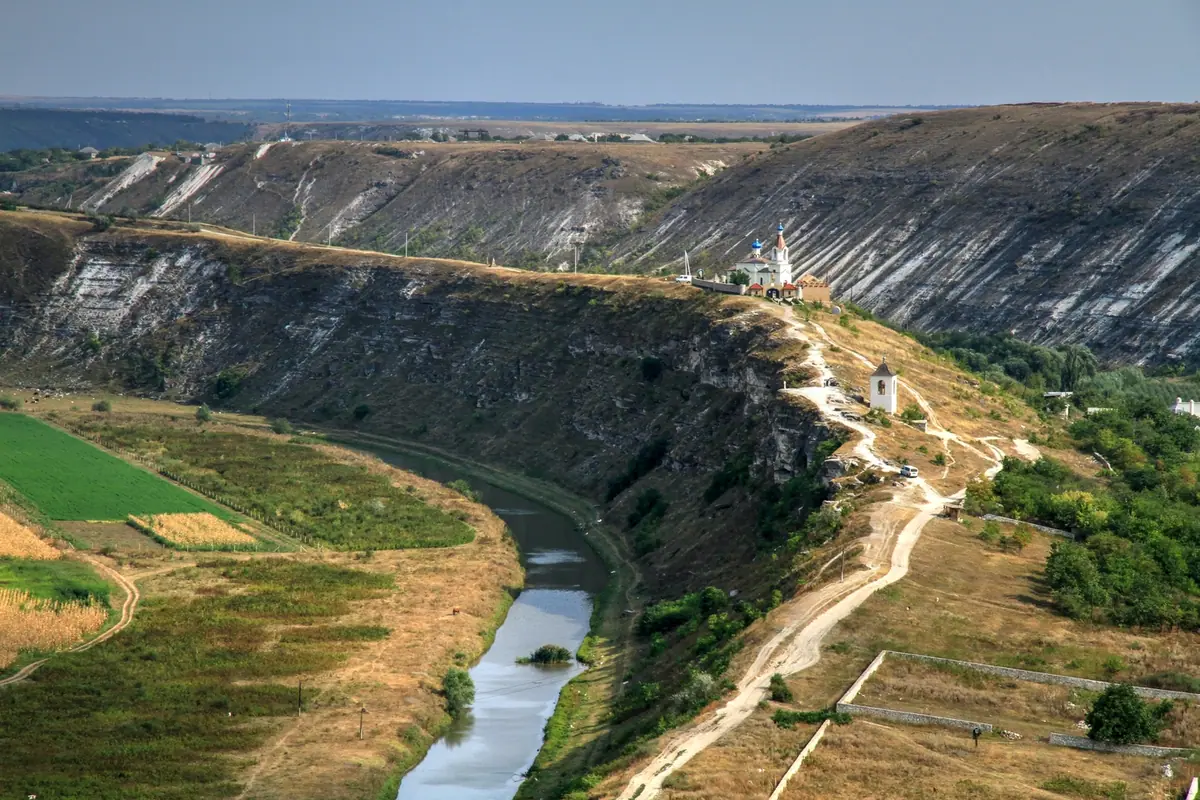
Autumn is also the best season for the big-ticket sights. Orheiul Vechi's clifftop monastery and cave complex, the rocky gorge at Tipova, and the stepped waterfalls at Saharna are all at their most photogenic, and you can drive between them comfortably in a single long day from the capital. Many rural guesthouses close or reduce service from November, so late October is effectively the end of the countryside season.
Winter: Snowy City Breaks and Cheap Rooms
December to February is cold — lows of -5 to -10°C are normal, with occasional sharper snaps — and the countryside largely shuts down. But Chișinău works well as a winter city break. The National Museum of History of Moldova, the Pushkin Museum and the city's art galleries are all indoor, warm and quiet, and a dusting of snow makes the central park and cathedral look like a stage set. Hotel rates in January and February are the lowest of the year outside the New Year period, making it the best-value time for a short capital stay.
The festive window from mid-December to early January is the exception. New Year is the big celebration here, trees and markets go up on the main square, and city hotels fill with regional visitors and returning diaspora. Prices roughly double for a few nights and restaurants require reservations. If you want the atmosphere without the cost, come in the second week of January when everything is still decorated but the crowds have gone.
Winter is also when wine cellars and spa-style country hotels earn their keep. The underground galleries at Cricova and Mileștii Mici are warmer than the streets above them, tastings run year-round, and a few rural properties with saunas and indoor pools offer winter packages. Check heating and hot water carefully before booking older guesthouses, and expect some rural roads to be difficult after snow.
Where to Base Yourself and How Booking Rhythms Change
For a first visit, stay in central Chișinău within walking distance of Stephen the Great Central Park. You'll be near the cathedral, the triumphal arch, the main museums and the restaurant strip, and you won't need taxis for evenings. The Botanica and Râșcani districts are cheaper but more residential, while the area around Valea Morilor suits anyone who wants a park and lake on the doorstep. Two to three nights is enough for the capital; add a fourth if you plan a cellar tour.
For countryside sightseeing, split your stay rather than day-tripping endlessly from the city. A night or two in a village guesthouse near Orheiul Vechi puts you at the cave monastery before the tour buses, and a night near Soroca turns the fortress and the Dniester into a relaxed morning instead of a four-hour round trip. Rural rooms are simple, often family-run, and best booked directly by phone or email — many have only a handful of rooms and no reception desk.
Booking lead times vary sharply by season. For October wine weekend, aim for two to four months ahead. For summer weekends, three to six weeks is usually enough. In winter and early spring you can often decide a few days out, with one caveat: business hotels in Chișinău spike when conferences or trade fairs hit the city, so check the local event calendar before assuming a quiet week. Whatever the season, ask about airport transfers and whether breakfast is included — outside the capital, it often isn't.
Finally, factor in how you'll move around. Chișinău has trolleybuses, buses and plentiful taxis, and minibuses connect towns, but many of Moldova's best sights — Tipova, Saharna, the northern monasteries, the smaller wineries — are awkward without a car. Hiring a driver for a day or two, or arranging a guided tour, often costs less than the frustration of patchy rural transport, and it lets you drink at tastings without worrying about the drive home.
Frequently asked questions
What is the best month to visit Moldova overall?
Late September to mid-October is the sweet spot. The grape harvest is in full swing, the Codri forests turn golden, temperatures stay comfortable for walking around Orheiul Vechi and the monasteries, and the wine cellars are at their liveliest. The only caveat is National Wine Day in early October, when Chișinău hotels fill and prices jump.
When is National Wine Day and how far ahead should I book a hotel?
It falls in early October on the central square of Chișinău, with a weekend of tastings from producers across the country. Because it's the busiest accommodation weekend of the year, book two to four months ahead if you want to be in the city centre, or stay just outside and travel in.
Is winter a good time to visit Moldova?
For a city break, yes. January and February offer the cheapest hotel rates of the year, and Chișinău's museums, galleries and cathedral district are all indoors and easy to enjoy in the cold. Rural sightseeing and countryside guesthouses largely close, though wine cellars such as Cricova stay open and are pleasantly warm underground.
Do I need to book rural guesthouses in advance?
Yes, especially around Orthodox Easter and the autumn harvest. Many village properties near Orheiul Vechi and in the north have only a few rooms and no online booking system, so contact them directly by phone or email. Expect simple rooms, home-cooked half-board meals and limited English outside the main towns.
How many days do I need in Moldova, and where should I stay?
Four to six days covers it comfortably: two or three nights in central Chișinău near Stephen the Great Central Park for the museums, cathedral and a cellar tour, then a night or two in a rural guesthouse for Orheiul Vechi or Soroca Fortress. Splitting your stay beats long daily drives on rural roads.
Sort the rest of your trip
Everything for Moldova, in one place
Transfer in Moldova
Private driver waiting on arrival — no queues, no surprises.
Book a transfer
Things to do in Moldova
Skip-the-line tickets, guided tours and standout experiences.
See experiences
Stay online in Moldova
Travel eSIM — data the moment you land, no roaming bills.
Get an eSIM