Moldova is small enough to cross in a morning and layered enough to fill a month: limestone cave monasteries above the Răut, wine kept in streets of underground tunnels, a 15th-century fortress on the Dniester and a capital that runs on strong coffee and roadside plăcinte. Fly into Chișinău, hire a driver for a few days, and one week is enough to see the country properly.
Flights to Chișinău: Arrival Day and Getting Your Bearings
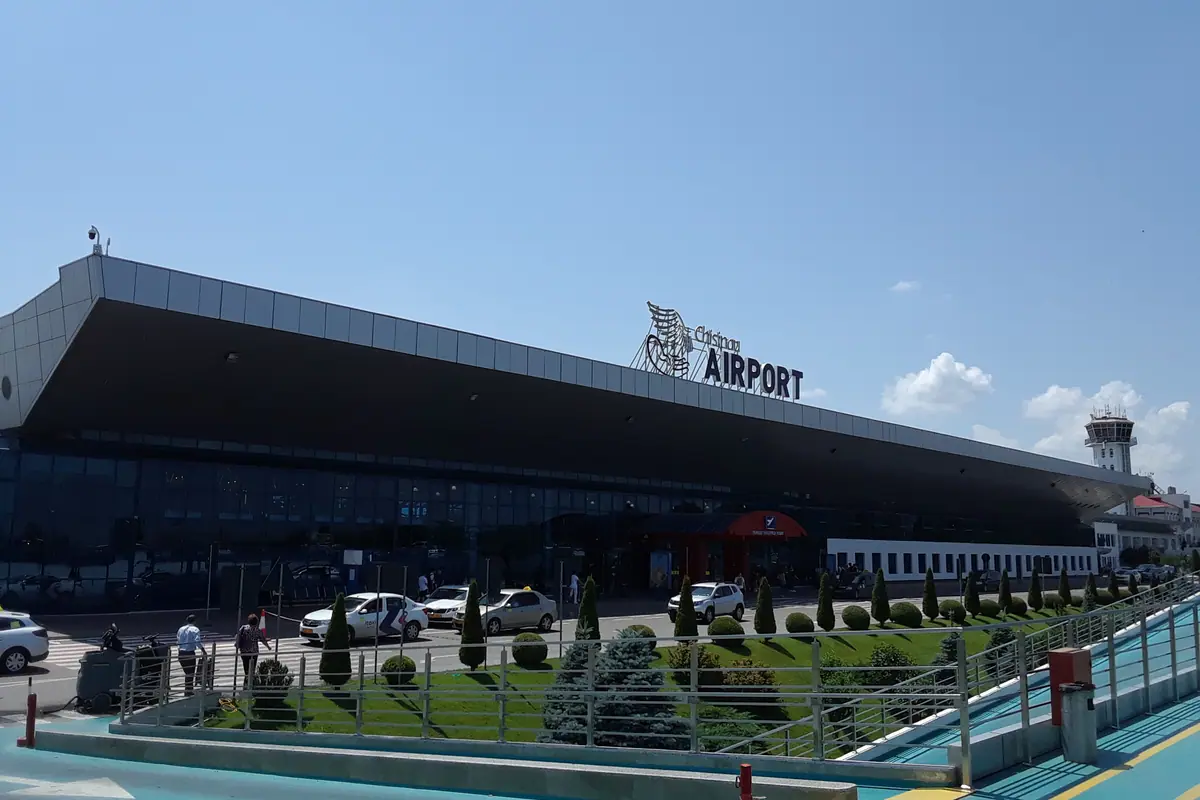
Almost every trip to Moldova begins at Chișinău International Airport, the country's main gateway, sitting about 12 kilometres southeast of the capital. Direct services link it with a long list of European cities — Vienna, Istanbul, Bucharest, Warsaw, Frankfurt, London, Milan and more — with flight times running from roughly an hour from Bucharest to around three and a half hours from the UK. Summer schedules are noticeably fuller than winter ones, and a few seasonal routes appear only between May and October, so book early if you are travelling in harvest season.
Once you land, the centre is a 20–25 minute drive away. Metered taxis and ride-hailing apps meet arrivals, and there is also a public bus and trolleybus connection if you would rather save the fare. Change a small amount of money at the airport for immediate needs, then use a bank or proper exchange office in the city, where the rate for the Moldovan leu is better. Cards work in hotels, restaurants and supermarkets in Chișinău, but villages, markets and rural guesthouses still run on cash, so keep a stash of small notes.
Moldova is visa-free for 90 days within any 180-day period for citizens of the EU, UK, US, Canada and many other countries, and your passport should be valid for at least six months beyond arrival. Buy a local SIM at the airport or in town — data is cheap and coverage is decent even in the countryside. If you have arrived on a late flight, resist the urge to do much: check in, walk ten minutes to a wine bar, order a plate of brânză and a glass of local Fetească Albă, and start properly in the morning.
Days 1 and 2 in Chișinău: Squares, Parks and the Cathedral
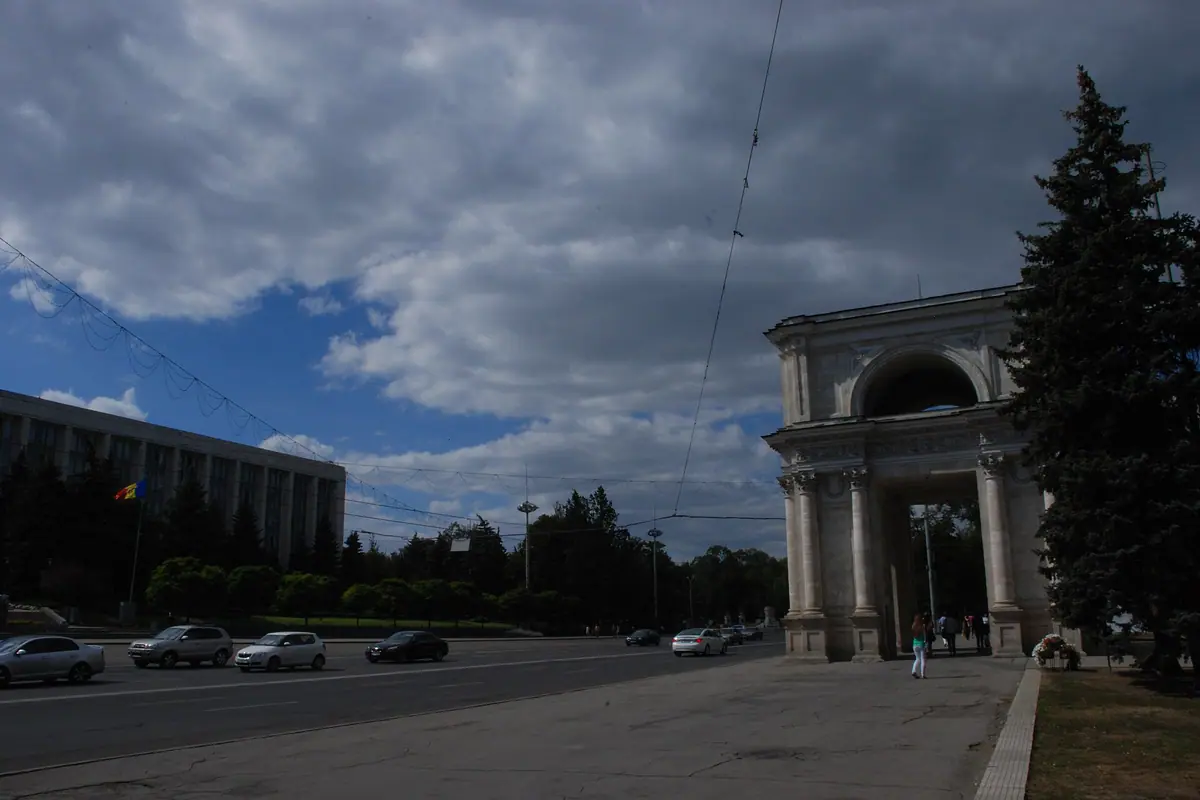
Give the capital two unhurried days. Begin at Ștefan cel Mare Central Park, the green spine of the city, where the Triumphal Arch and the white Neoclassical Nativity Cathedral face each other between clipped flowerbeds and an Alley of Classics lined with busts of Moldovan writers. From there, walk up to the Great National Assembly Square and the Government House, then loop back along Bulevardul Ștefan cel Mare, the city's main artery, which fills with families and street musicians after six o'clock.
Museums here are small, cheap and genuinely worth an hour or two. The National Museum of History of Moldova holds a hoard of artefacts from the Cucuteni culture and medieval Moldavian princely regalia, while the National Museum of Fine Arts next door covers two centuries of local painting. A quieter stop is the small house museum where Alexander Pushkin spent an exiled year in the early 1820s, still shaded by the same mulberry tree in the courtyard. Finish the afternoon at Ciuflea Monastery, a 19th-century complex with a striking blue-and-gold interior, or at Valea Morilor Park, whose lake and stepped terraces make a fine sunset circuit.
Eat seriously. The Central Market, a sprawling hall near the centre, is the place to graze on sheep's-milk cheese, pickled everything, honey and hot plăcinte straight from the griddle. For dinner, look for zeamă (sour chicken soup), sarmale wrapped in vine leaves, mamaliga with brânză and sour cream, and grilled meats with mujdei garlic sauce. Moldovan wine lists are long and inexpensive — a bottle of good local red often costs less than a cocktail in Western Europe — so take advantage while you can.
Day 3: Underground Wine Cities at Cricova and Mileștii Mici
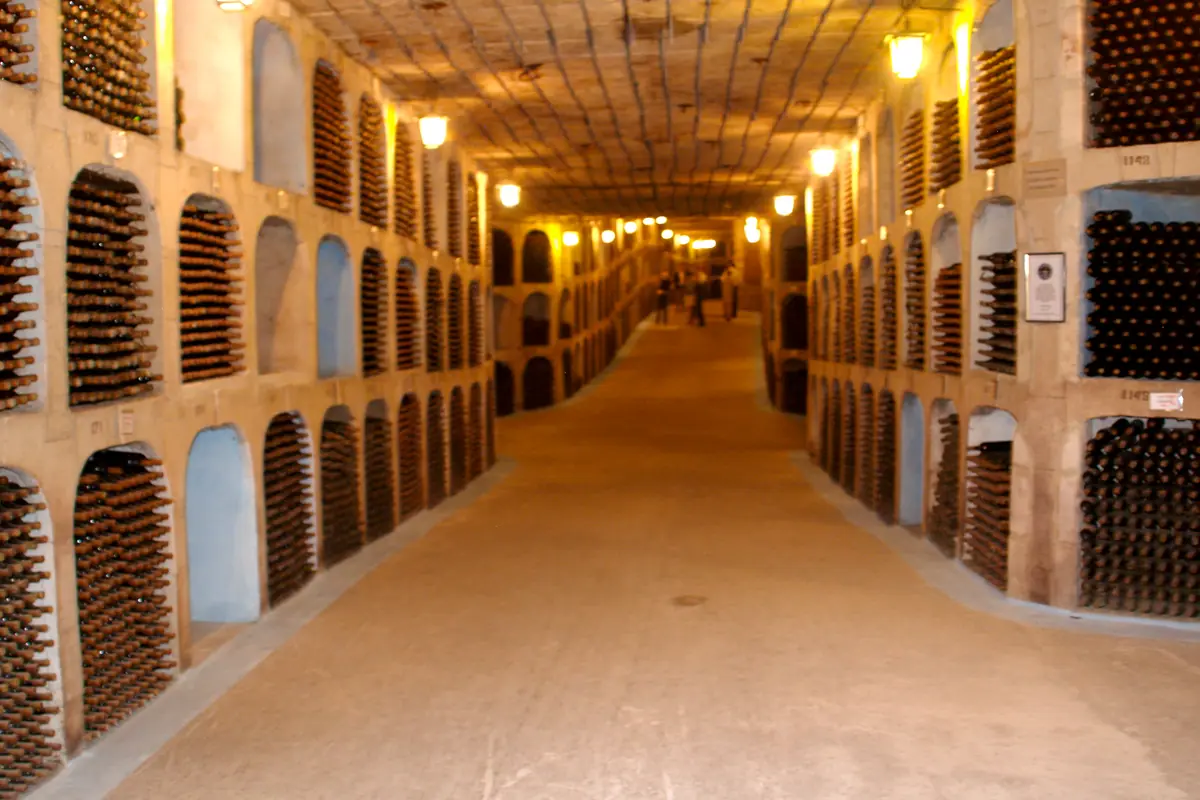
No visit to Moldova makes sense without a day underground. Cricova, half an hour north of the capital, is a former limestone mine turned into a working winery with around 120 kilometres of tunnels, some wide enough to drive through and named like streets after grape varieties. Tours roll through on electric carts past vast oak casks and sparkling-wine galleries, ending in a tasting room that feels like a banquet hall carved out of the rock. Mileștii Mici, a little further south, goes one better: more than 200 kilometres of galleries and one of the largest wine collections on earth, stored bottle by bottle in cool, dusty alcoves.
Both cellars sit at a constant 12–14°C, so bring a jacket even in August, and wear shoes you do not mind scuffing. Tours last roughly an hour and a half to two hours, including tasting, and almost always need to be booked in advance — weekends in September and October sell out weeks ahead. If you want a warmer, more pastoral wine experience, head southeast instead to Purcari, where the vineyards sit above ground and the tasting is paired with a proper lunch; the drive takes about two hours each way.
You cannot reach either cellar by public transport, so either hire a car with a sober driver for the day or join a small-group tour from Chișinău. Do not plan to drive yourself — the tastings are generous, pours are real glasses, and rural roads are unlit at night. Back in the city, a consignment of Cricova or Mileștii Mici bottles makes one of the best souvenirs in Eastern Europe, though check your airline's baggage allowance before you buy a case.
Day 4: Orheiul Vechi and the Cave Monasteries of the Răut Valley
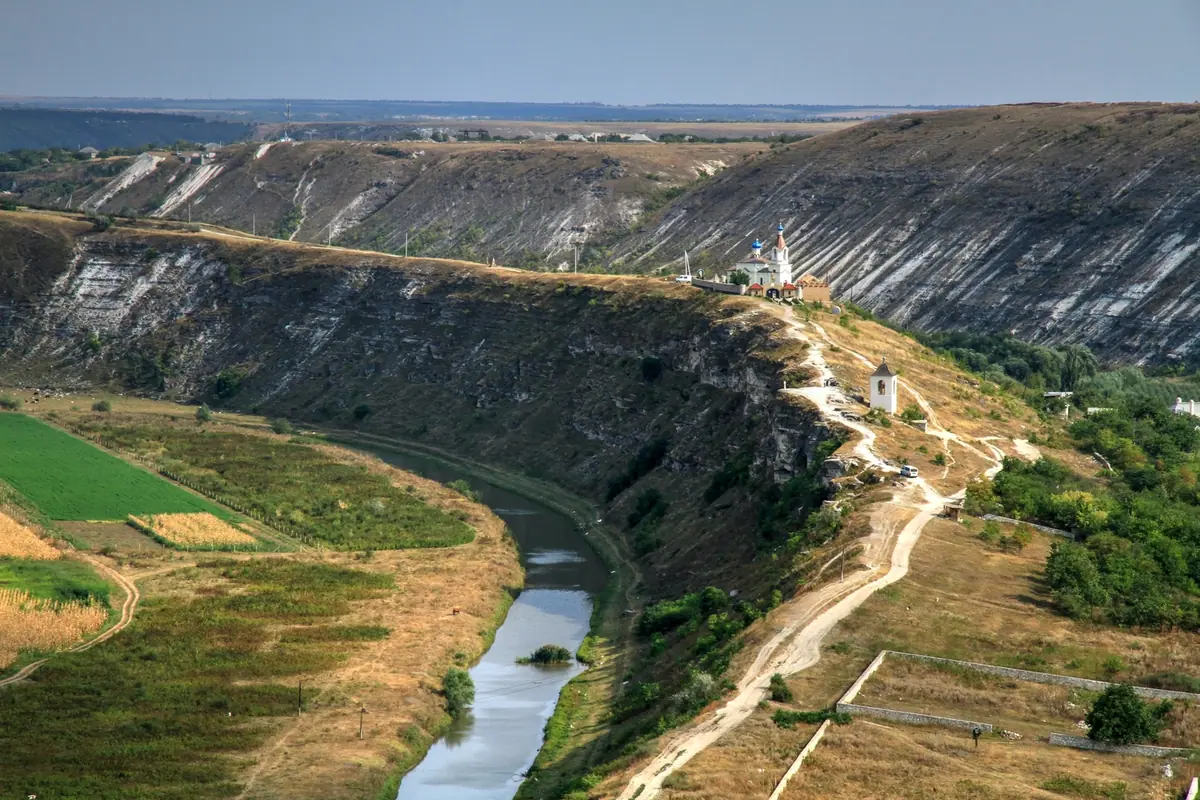
An hour's drive north of Chișinău lies Orheiul Vechi, or Old Orhei — the single most striking landscape in the country. A medieval cave monastery is cut straight into a limestone cliff above a bend in the Răut river, with whitewashed cells, a bell tower and a chapel where monks still hold services. Below, the villages of Butuceni and Trebujeni spill across the valley with stone houses, wells and orchards, and footpaths lead along the ridges for views that stretch for miles. Allow three or four hours on site, including the small archaeological museum and the cliff walk.
Combine the valley with Țipova, a cave monastery complex further north on the Dniester, where stairways and shrines cling to a sheer rock face above the river. Nearby Saharna Monastery sits in a rocky gorge with a waterfall and a hilltop chapel that locals climb barefoot on pilgrimage days. The roads between these sites are slow and often unpaved in sections, so a private driver or a small organised tour makes far better use of the day than public buses, which drop you kilometres from the entrances.
Practicalities: there is little shade on the cliffs, so start early in July and August and carry water. Wear shoes with grip — the limestone paths get slick after rain, and spring and autumn showers are common. Butuceni has a handful of traditional guesthouses if you would rather sleep in the valley than return to the capital, and the home-cooked dinners there, served with house wine, are some of the best food you will eat in Moldova.
Days 5 and 6: Soroca Fortress, Transnistria and Bender
Head north on day five to Soroca, where a perfectly round stone fortress built under Stephen the Great in the late 15th century stands above the Dniester with four towers and a courtyard you can walk through. The town itself is worth an hour: climb to the Hill of Gypsies, where extraordinarily ornate mansions rise above the river, and stop at the Candle of Gratitude monument for the view into Ukraine across the water. It is a three-hour drive from Chișinău on reasonable roads, so an early start pays off.
Day six belongs to Transnistria, the self-declared republic east of the Dniester that still feels suspended in the Soviet era. Buses run from Chișinău to Tiraspol in about two hours; you show your passport at a checkpoint and are handed a small migration slip that you must keep until you leave. In Tiraspol, walk the length of 25 October Street past the House of Soviets and the equestrian statue of Suvorov, browse the souvenir stalls selling Soviet kitsch, and take a tour of the town's historic cognac factory if you have arranged it in advance.
On the way back, stop at Bender Fortress, a vast 16th-century Ottoman stronghold on the river that has been fought over by Moldavians, Ottomans, Russians and Swedes. Transnistria uses its own currency, the Transnistrian ruble, and cards are patchy outside Tiraspol's main hotels, so bring cash and change some at a bank in the capital before you cross. Note that political tensions occasionally flare; check the current situation before travelling, and never photograph military installations or checkpoints.
Day 7: Căpriana, Hîncu and the Codru Forest Before You Fly
Spend your last day in the wooded hills west of Chișinău, where three of Moldova's most important monasteries sit within an easy loop. Căpriana Monastery, founded in the 15th century and rebuilt many times since, has a tall white bell tower and a peaceful walled courtyard that once served as a royal burial place. Hîncu Monastery, a 17th-century complex set deep in oak forest, is quieter still — a favourite spot for locals to walk, picnic and collect spring water.
Between them lies the Codru forest, the country's largest wooded massif, where marked trails wind through beech and oak and the summer air is noticeably cooler than the plains. If you have time, continue north to the rock-cut Rudi Monastery and the village of Rîșcova, both close to the Dniester and easily combined on a half-day drive. Any of the monastery shops sell wine, honey and preserves direct from the communities that make them.
Allow a comfortable buffer before your flight: the monasteries are 45–60 kilometres from Chișinău, and rural roads can be slow with tractors and livestock. Aim to be back in the city two to three hours before departure, and factor in a 25-minute transfer to the airport. If your flight leaves early in the morning, move to an airport-side hotel the night before rather than risk a 4am drive on unlit roads. Souvenirs worth packing: local wine, Țuică plum brandy, walnut preserves and embroidered textiles from the Central Market.
Frequently asked questions
Which airport do you fly into for Moldova, and are there direct flights?
Chișinău International Airport is the country's main gateway, roughly 20–25 minutes from the city centre. Direct flights connect it with Vienna, Istanbul, Bucharest, Warsaw, Frankfurt, London, Milan and several other European cities, with more routes and higher frequencies in summer. Some travellers fly into Iași in Romania instead and cross the border by road at Sculeni, which can be cheaper but adds several hours of travel.
What is the best time of year to visit Moldova?
May, June, September and October are ideal — mild temperatures, long daylight and, in autumn, the grape harvest and wine festivals. July and August are hot, often above 30°C, with little shade at sites like Orheiul Vechi. Winters are short and grey with occasional snow, and while the cities stay lively, rural roads and monastery visits are less pleasant.
Do I need a visa, and how long can I stay?
Citizens of the EU, UK, US, Canada and many other countries can enter Moldova visa-free for up to 90 days within any 180-day period. Your passport should be valid for at least six months beyond your intended departure. Transnistria is not a separate visa zone, but you will be given a migration slip at the checkpoint that you need to keep until you leave.
Do I need to book winery tours in advance?
Yes. Cricova and Mileștii Mici both run guided tours with tastings that require advance reservation, and weekend slots in September and October fill up weeks ahead. Tours last around 90 minutes to two hours, the tunnels sit at a constant 12–14°C, and you cannot reach either cellar by public transport — arrange a driver or a small-group tour.
How do I get around Moldova without a car?
Intercity buses and minibuses link most towns cheaply, but they rarely stop at the places you actually want to see, such as Orheiul Vechi or the monasteries in the Codru forest. For those days, hiring a car with a driver or joining a small tour is far more efficient. Chișinău itself is walkable, with cheap taxis and ride-hailing for longer hops.
Sort the rest of your trip
Everything for Moldova, in one place
Stay in Moldova
Hotels, guesthouses and apartments — compared in one search.
Search hotels
Transfer in Moldova
Private driver waiting on arrival — no queues, no surprises.
Book a transfer
Travel insurance
Medical cover, delays and lost baggage — sorted before you go.
Get covered