Ivory Coast rewards travellers who look beyond the postcard: a skyline of lagoons and towers in Abidjan, a colossal basilica rising from savanna in Yamoussoukro, colonial verandas facing the Atlantic at Grand-Bassam, and rainforest lodges where chimpanzees call at dawn. Choosing the right hotel here is really about choosing your rhythm—business hub, beach base, highland trailhead or wildlife camp—and the country’s best sights are never far from a good bed.
Abidjan: Lagoon Skyscrapers and Urban Rainforest
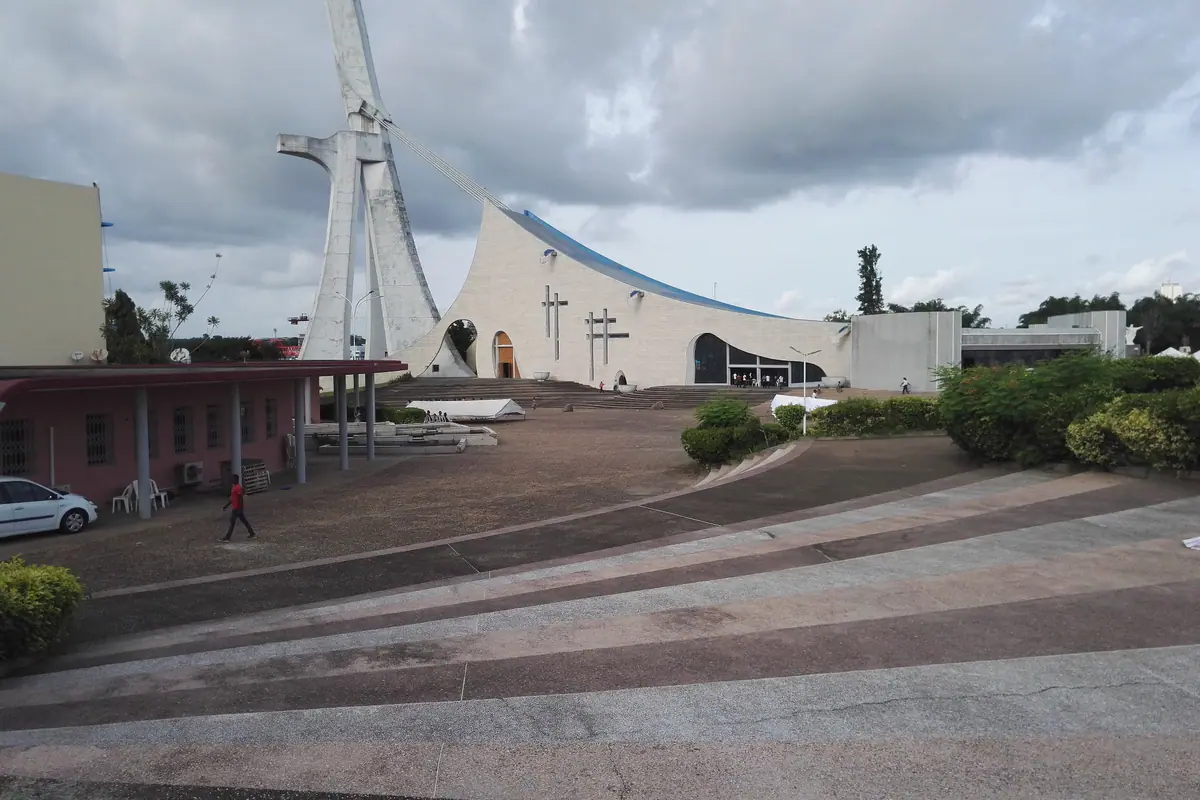
Abidjan is the economic capital and the most natural first stop. In Plateau, the peninsula downtown, glass towers face the Ébrié Lagoon; hotels here suit business travellers who want to walk to offices, banks and the St. Paul's Cathedral, whose swooping concrete form is one of the city’s most photographed landmarks. Cocody and Riviera offer quieter boutique stays near restaurants and galleries, while Marcory and Treichville put you closer to nightlife, markets and the airport road.
Culture hounds should base themselves within reach of the Musée des Civilisations de Côte d'Ivoire and the vast Banco National Park, a rare old-growth forest inside a major city, with walking trails and monkey calls overhead. Allow two or three days: one for Plateau and the cathedral, one for Banco and the museum, and one for the lagoon-side districts and craft markets. The dry months from November to March are the most comfortable, though Abidjan’s energy runs year-round.
Yamoussoukro: The Basilica and Presidential City
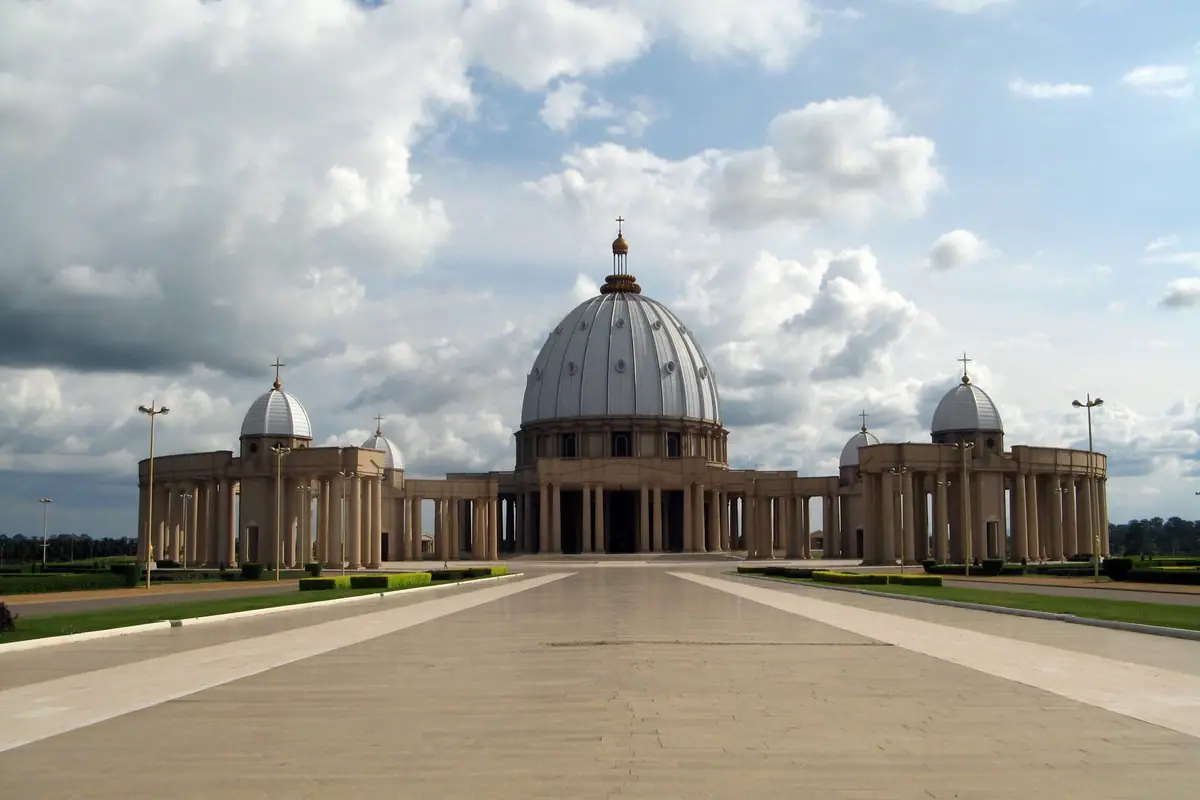
Yamoussoukro, the political capital, feels like a stage set built on a grand scale. Its centrepiece is the Basilica of Our Lady of Peace, a domed marble and glass monument with colonnades that can hold thousands; whether or not you attend a service, the sheer scale is unforgettable. Nearby, the Presidential Palace and its Lake aux Caïmans—where crocodiles bask—add a surreal touch to a city of broad avenues and few crowds.
Hotels in Yamoussoukro are mostly modest city properties, government guesthouses and small independent inns, so think comfort rather than resort luxury. Stay one or two nights: enough for the basilica, the palace viewpoint, the crocodile lake and the peace foundation. The city is a natural break on the road between Abidjan and the northern savanna, and the dry season from November to February makes sightseeing easier.
Grand-Bassam and Assinie: Colonial Coast and Beach Resorts
Grand-Bassam, the former colonial capital, is a beach town with a haunting past and a handsome face. Its historic quarter is a grid of crumbling colonial houses, verandas and courtyards; the Musée National du Costume and the craft workshops are worth an afternoon. The Atlantic surf is strong here, so swimming is best at supervised spots or at the lagoon side, and the town makes an easy day trip or a relaxed weekend from Abidjan.
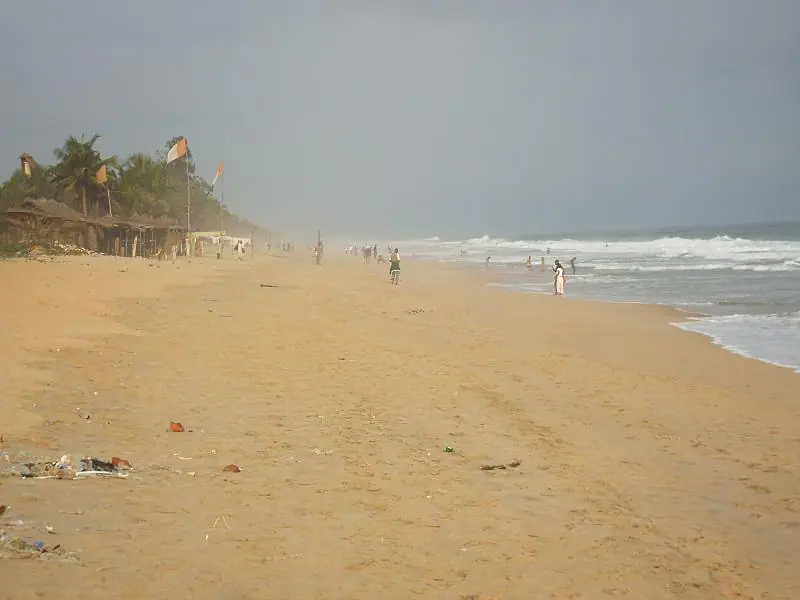
Further east, Assinie is where Ivorians go for lagoon-side resorts, palm-fringed beaches and water sports. Hotels range from simple beach bungalows to polished resorts with pools and boat transfers, ideal for families and couples. Book ahead for weekends and holidays, especially in the dry season from December to March. Both towns show why the coast is a highlight—just bring reef-safe sun protection and respect the currents.
Man and the Western Highlands: Waterfalls, Peaks and Village Stays
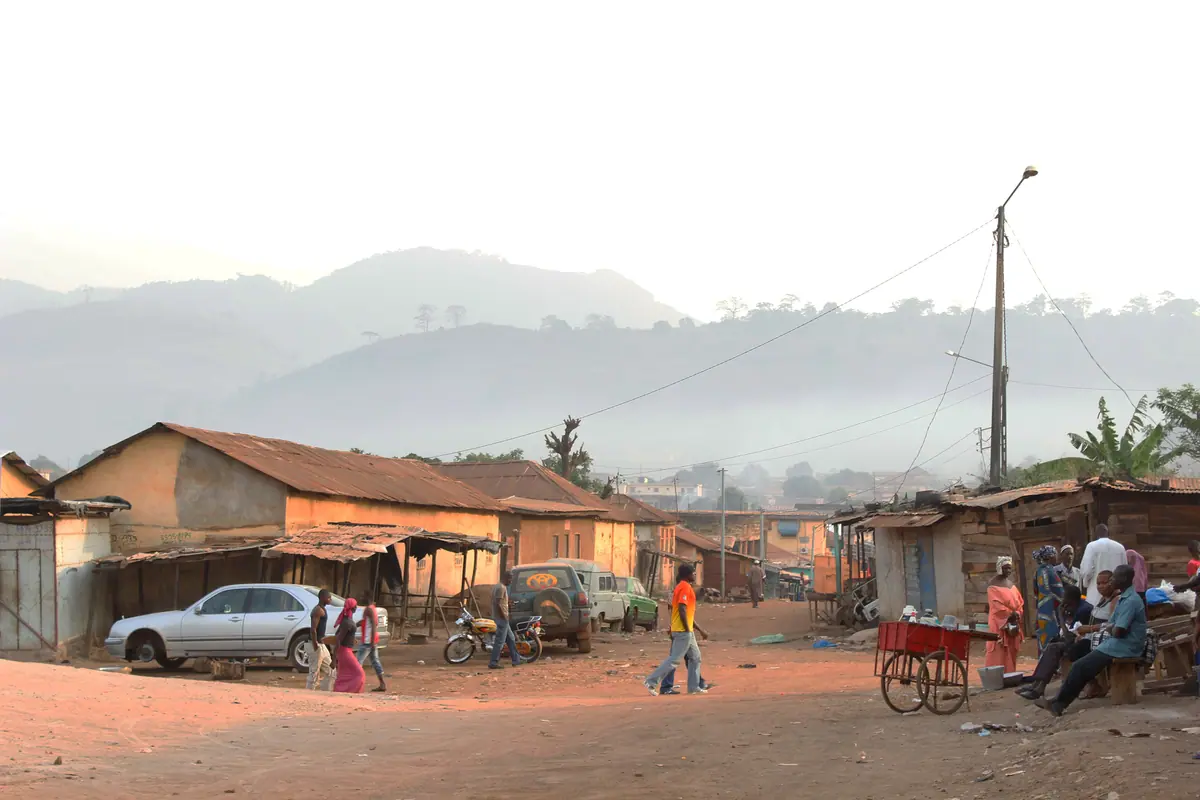
The western highlands around Man are Ivory Coast’s hiking country. The Dent de Man, a jagged tooth of rock, dominates the skyline, while Mount Tonkoui offers cooler air and panoramic views toward Liberia and Guinea. The Cascades de Man—a series of waterfalls in lush forest—are a short ride from town and make an easy half-day outing. Local guides can arrange walks to villages, coffee plantations and lookout points.
Hotels here are mostly simple guesthouses, family-run inns and a few eco-lodges; don’t expect big-city polish, but do expect warm welcomes and home cooking. Plan two or three nights to acclimatise and hike. The best months are December to February, when trails are drier and views clearer; the rainy season from May to October turns paths to mud and waterfalls to torrents. A 4x4 helps for remote village stays.
Taï and Comoé National Parks: Rainforest and Savanna Lodges
For wildlife, head to Taï National Park in the southwest, a dense rainforest where chimpanzees, forest elephants and pygmy hippos survive. Guided walks leave from the park edges, and nearby eco-lodges and research guesthouses offer basic but atmospheric beds. In the northeast, Comoé National Park spreads across savanna and gallery forest, with antelope, monkeys and prolific birdlife. Mount Nimba, on the Liberian border, is another rugged reserve for serious hikers.
Accommodation inside or near the parks is limited, so arrange permits, guides and 4x4 transport in advance through local operators or park offices. Expect simple rooms, solar power and early starts. The dry season from December to February is best for roads and visibility; the wet months bring lush green but difficult access. Two to three nights per park allows time for tracking, birdwatching and village visits without rushing.
Korhogo and the North: Senufo Culture and Craft Villages
Korhogo, in the northern savanna, is the gateway to Senufo country. The town’s markets overflow with hand-woven cloth, brass jewellery and carved masks, and nearby villages welcome visitors to see traditional weaving, dyeing and woodcarving. The Poro society’s rituals are not for tourists, but respectful cultural encounters can be arranged through local guides. The landscape of baobabs and mud-brick compounds feels a world away from the coast.
Hotels in Korhogo are practical rather than plush: small hotels, mission guesthouses and craft-focused stays with fans or air-conditioning. Further east, Bondoukou’s Sudanese-style mosques and ancient trading houses reward a detour. Visit from November to February, when the heat is gentler and roads are dry. Allow two nights for Korhogo and its villages, and bring cash, as card acceptance is limited outside Abidjan.
Frequently asked questions
What is the best time to visit Ivory Coast?
The dry season from November to March is generally best, with December to February offering the most comfortable temperatures and easiest travel on unpaved roads. The coast is warm and humid year-round; the north is hottest from March to May. Rain peaks from May to July and again in October, though showers are often short.
Which cities should I base myself in for hotels?
Abidjan for business and city culture, Grand-Bassam or Assinie for beach resorts, Yamoussoukro for the basilica and a road-trip break, Man for highland hikes, Korhogo for Senufo crafts, and park-edge lodges for Taï or Comoé wildlife. Most trips combine two or three bases.
What are the must-see attractions in Ivory Coast?
Don’t miss St. Paul’s Cathedral and Banco National Park in Abidjan, the Basilica of Our Lady of Peace in Yamoussoukro, the colonial streets of Grand-Bassam, the waterfalls and peaks around Man, the rainforest of Taï National Park and the savanna wildlife of Comoé National Park. Korhogo’s craft villages and Bondoukou’s mosques are rewarding for culture-focused travellers.
Are hotels in Ivory Coast suitable for different budgets?
Yes. Abidjan has international-style business hotels, boutique stays and midrange options; beach towns offer bungalows and resorts; inland areas rely on guesthouses and eco-lodges. Outside major cities, amenities are simpler, so pack a torch, adaptor and any medications you need. Booking ahead is wise in peak dry season and on holiday weekends.
Do I need French to get around and choose hotels?
French is the main language, and English is less widely spoken outside business hotels and upscale resorts. A few phrases go a long way when negotiating guesthouses, ordering food or arranging guides. It also helps to have your hotel’s address and phone number written down for taxi drivers.
Plan it — hotels in Ivory Coast
Live search, booked directly with trusted providers.
Sort the rest of your trip
Everything for Ivory Coast, in one place
Transfer in Ivory Coast
Private driver waiting on arrival — no queues, no surprises.
Book a transfer
Things to do in Ivory Coast
Skip-the-line tickets, guided tours and standout experiences.
See experiences
Stay online in Ivory Coast
Travel eSIM — data the moment you land, no roaming bills.
Get an eSIM