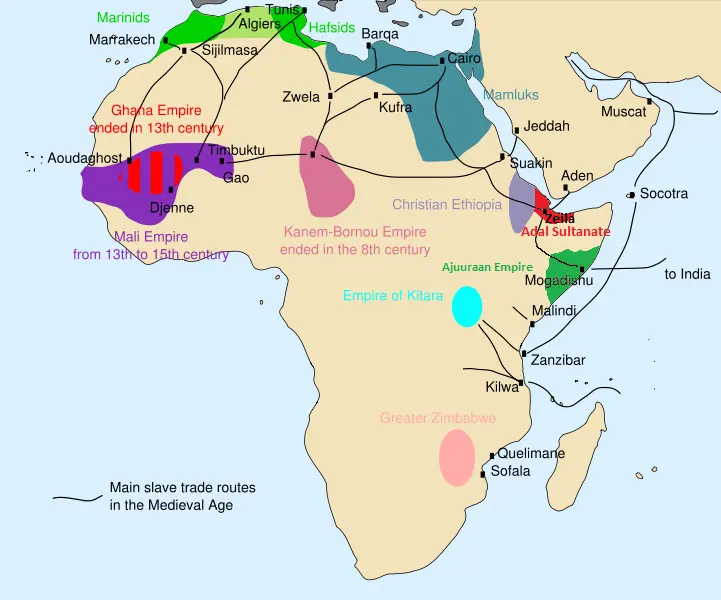
Guinea-Bissau is one of West Africa's quietest corners: a mainland of mangrove rivers and cashew groves stitched onto an archipelago of dozens of islands that most travellers have never heard of. Hotels here are few, personal and often bewilderingly simple — which is exactly why choosing the right base matters more than choosing the right star rating.
Guinea-Bissau at a Glance: A Country with a Thin Hotel Map
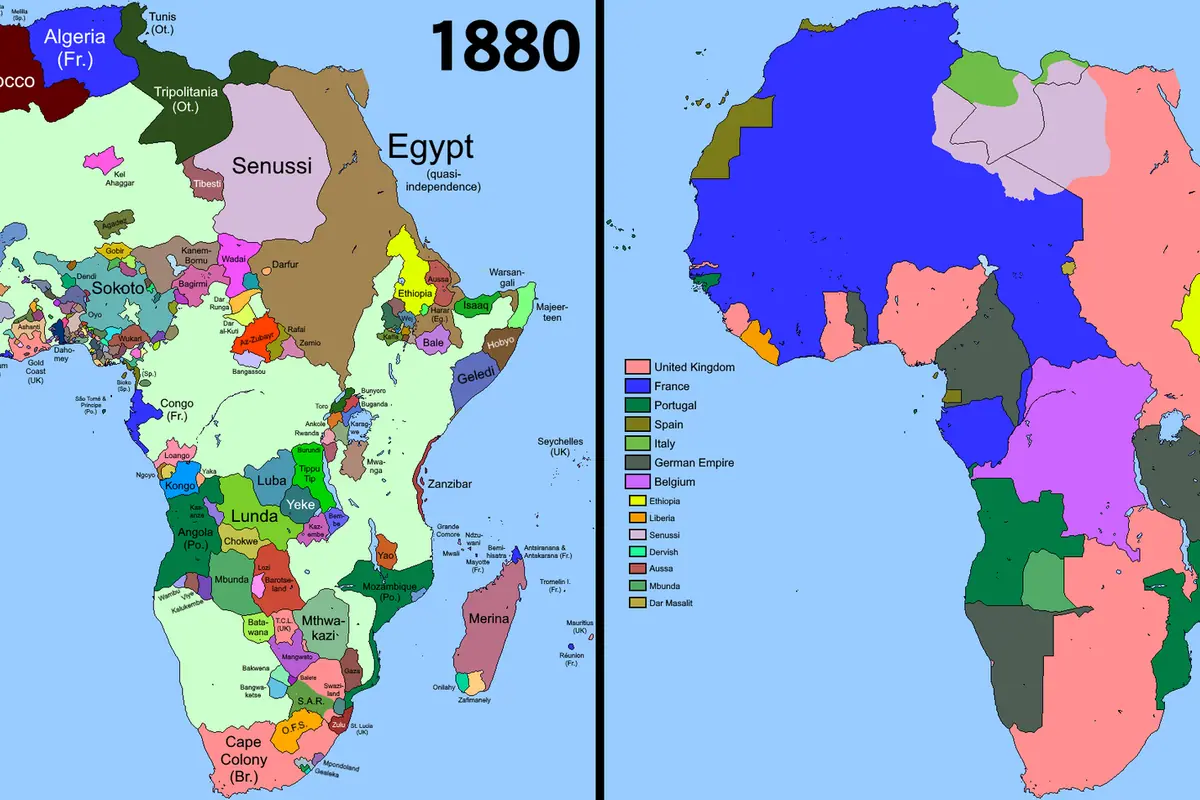
Squeezed between Senegal to the north and Guinea to the east and south, Guinea-Bissau is compact but split in two: a mainland shaped by wide rivers — the Geba, the Corubal, the Cacheu — and the Bijagós, a scatter of islands and islets drifting into the Atlantic. Portuguese colonial rule left behind Portuguese as the official language, Crioulo as the street language, and a stock of crumbling, faded-ochre architecture that gives towns like Bissau and Bolama an atmosphere unlike anywhere else in the region.
Because tourism remains small-scale, the accommodation map is sparse. The capital has the only cluster of full-service hotels with reliable air conditioning and generators. Elsewhere you are choosing between residential-style guesthouses, simple provincial pensions and a handful of beach lodges and eco-camps on the islands. Rooms are rarely online in full, capacity is tiny, and booking well ahead — especially for the Bijagós — is the single most useful thing you can do.
Timing shapes everything. The dry season runs roughly from November to May, with the most comfortable, driest and most popular stretch falling between December and April. From June to October the rains arrive: roads to the south and east turn to red mud, island crossings get choppy, and some lodges close altogether. The harmattan haze of January and February softens the light and drops the humidity.
Where to Stay in Bissau: Neighbourhoods and Sights on Your Doorstep
Bissau is a low-rise, easy-going capital, and almost every visitor spends at least a night or two here. The old town, Bissau Velho, clusters around the port with peeling colonial facades, the iron-roofed market streets and the Pidjiguiti docks, where a memorial marks the 1959 dockworkers' strike that became a turning point in the independence struggle. Inland from the water, the government quarter around Praça Che Guevara puts you within walking distance of the Presidential Palace, the elegant colonnaded Monumento aos Heróis Nacionais and the broad avenues that fill with traffic each evening.
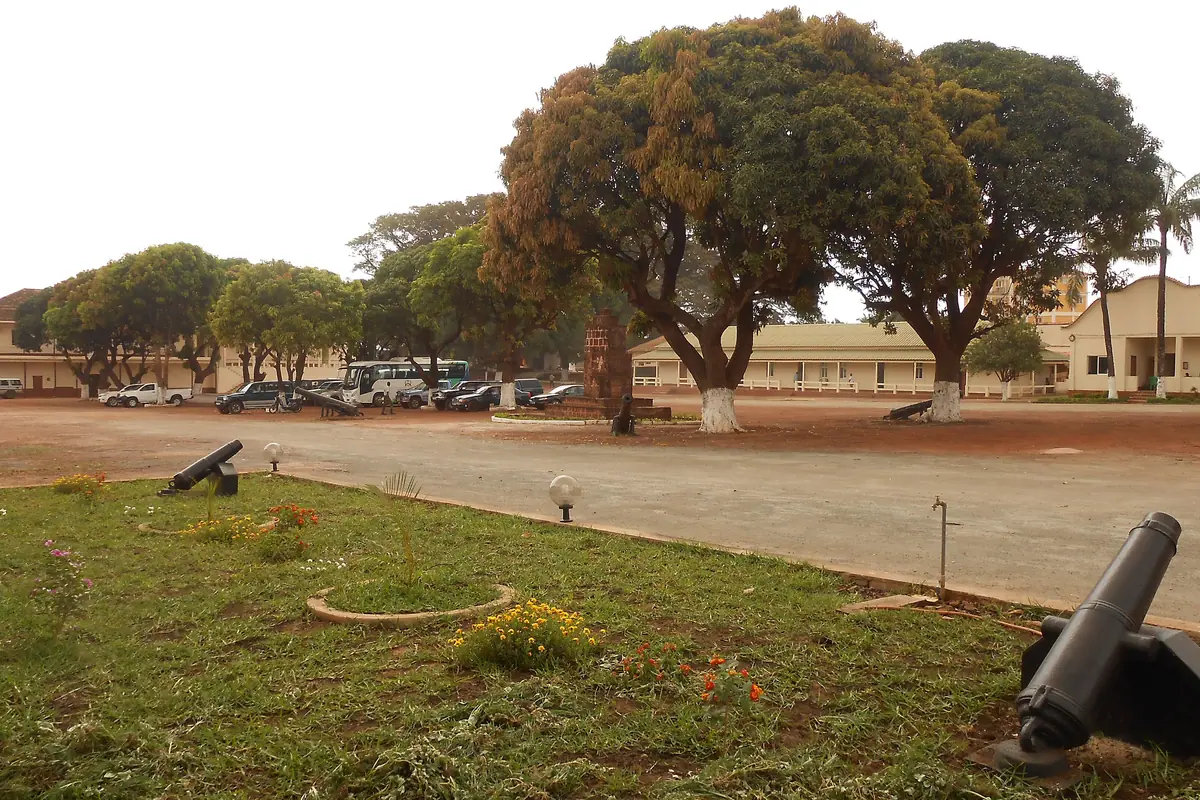
The single unmissable sight in the city is the Fortaleza de São José da Amura, a squat, whitewashed coastal fortress at the tip of the peninsula. Inside its walls lies the tomb of Amílcar Cabral, the independence leader whose face, name and statues appear all over the country. Nearby, the small museum and the craft stalls on the approach make for an easy half-day. Pair it with Bandim Market, one of the largest and most chaotic trading places in the region — a maze of fabric, fish, cashew, palm oil and hardware where you will be the only obvious visitor.
Choose your base by purpose. Staying in or near Bissau Velho and the centre keeps you walkable to the fortress, the palace, the market and the ferry docks. The quieter Antula and Santa Luzia area, where embassies and aid offices sit behind walls, offers better restaurants, greener streets and calmer nights. If you have a dawn departure, a hotel close to Osvaldo Vieira International Airport saves a fraught early-morning drive. Across the capital, expect the practicalities of a power grid that flickers: the better hotels run generators, but Wi-Fi is patchy and slow in every category.
The Bijagós Archipelago: Island Lodges, Bolama's Ruins and Orango
The Bijagós are the reason many people come at all. Dozens of islands and islets lie offshore, only a score or so permanently inhabited, and the whole archipelago is recognised internationally for its ecosystems and the enduring Bijagó culture that governs land and sea use. Bubaque is the usual first stop: a small town with a harbour, a market and the greatest concentration of guesthouses and beach lodges. Rubane, Kéré and Canhabaque are quieter, more traditional, and reachable by boat from Bubaque or Bissau.
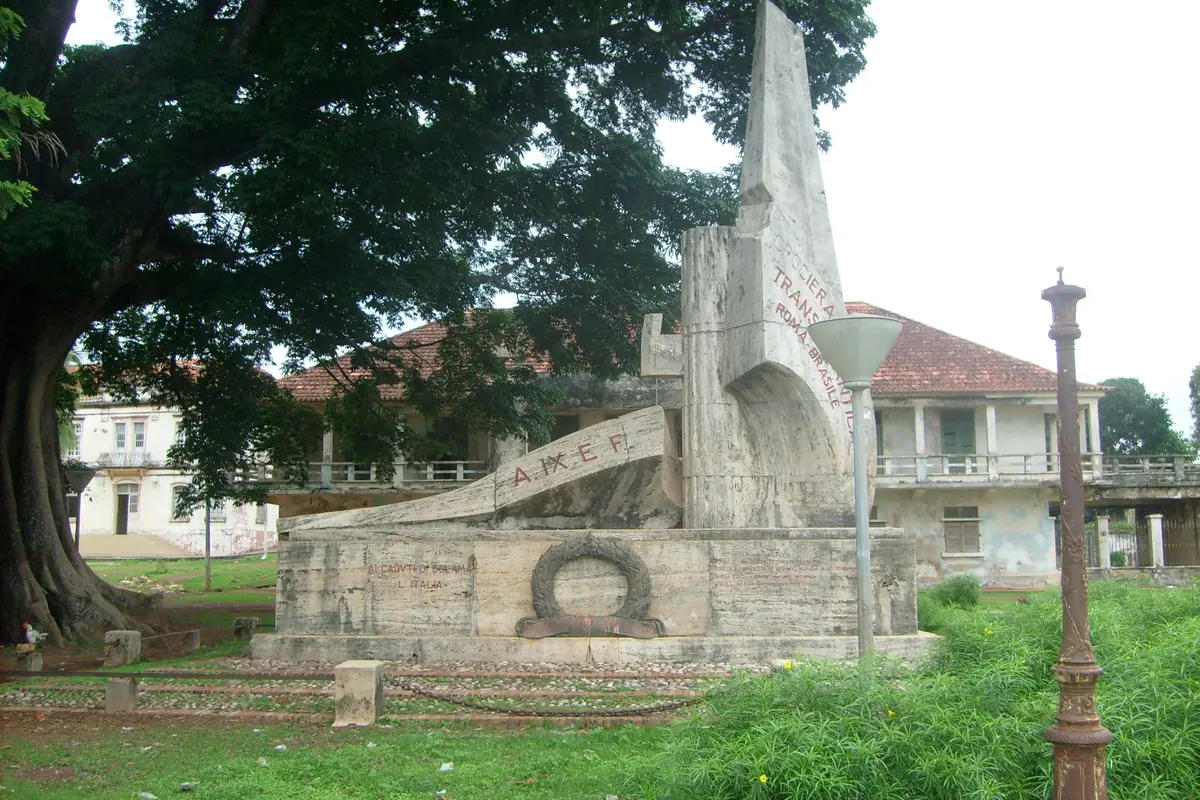
Two islands justify a longer detour. Bolama, the old colonial capital, is a ghost town of arcaded government buildings, a crumbling cathedral colonised by bats, and empty streets where mangoes fall on abandoned verandas — haunting, safe to wander, and a genuinely unique place to spend a night. Further out, Orango National Park protects saltwater hippos that swim in the mangroves, while the João Vieira–Poilão marine area is one of the Atlantic's most important green turtle nesting grounds, with nesting on the beaches between roughly July and October.
Island accommodation is deliberately low-key: family-run lodges, small eco-camps and guesthouses with solar power, bucket or cold showers and generator hours in the evening. Rooms are limited to a few dozen beds per island at most, so reserve months ahead for the December–April window. The ferry from Bissau to Bubaque takes several hours and does not run daily; faster private boats and shared pirogues fill the gap, but crossings are weather-dependent and unreliable in the rainy season. Bring enough cash in local francs to cover your entire island stay — there are no working ATMs out there.
Inland Guinea-Bissau: Bafatá, Gabú, Cacheu and the Forested South
Heading east, Bafatá is a sleepy river town of decaying Portuguese buildings and the birthplace of Amílcar Cabral, whose modest family house is preserved as a memorial. Further east, Gabú is the country's second city and the heartland of Fula and Mandinka culture, with a sprawling market and easy access toward the remote Boé borderlands. Both towns have basic pensions and a couple of slightly better guesthouses; neither has anything approaching an international-standard hotel, so plan to travel with your own amenities.
To the northwest, Cacheu is a small town on a wide mangrove river with a restored 17th-century fort, the Fortim de Cacheu, that once anchored Portuguese trade along this coast. The mangroves around it are a protected natural park and a source of the oysters sold in Bissau's markets. Accommodation is rudimentary — a simple guesthouse or two — but the boat trip through the channels at dawn, with kingfishers and mudskippers, is worth the detour.
The south rewards the patient. Cantanhez Forests National Park, based around the village of Jemberém, holds chimpanzees, monkeys and patchwork forest-farmland that you explore on foot with local guides. Nearby, the Saltinho waterfalls on the Corubal River make a cool, green stopping point, and Varela beach up near the Senegalese border offers empty sand and simple beach huts. This region needs a 4x4 in the wet months, local arrangements rather than internet bookings, and a tolerance for very simple rooms.
Practicalities: Getting There, Getting Around and Paying
Almost everyone arrives through Osvaldo Vieira International Airport outside Bissau, with connections usually routed through Senegal, Morocco, Portugal or Cape Verde — there are no long-haul direct flights. Overland travellers come from southern Senegal via São Domingos and Ziguinchor, a route that involves a border post and a shared taxi or bush taxi onward to Bissau. A yellow fever vaccination certificate is required for entry, and visas are generally arranged in advance or on arrival depending on your nationality, so verify current rules before you fly.
On the ground, transport is shared and cheap: minibuses and shared taxis rattle along the main highways, motorbike taxis dart through Bissau, and for the islands you depend on ferries, speedboats or wooden pirogues. Renting a vehicle with a driver is the most efficient way to reach Cantanhez, Saltinho or the eastern towns. Roads are sealed only in parts; in the rainy season expect long, slow, muddy journeys.
Money is the biggest practical hurdle. The currency is the West African CFA franc, and Guinea-Bissau runs almost entirely on cash. ATMs in Bissau are few and frequently empty or out of service, and outside the capital there is effectively nothing — bring euros to change, budget generously, and keep small notes for tips, boatmen and market purchases. Cards are accepted almost nowhere. Tap water is not drinkable, malaria is present year-round, and electricity runs at 220 volts with European-style two-pin sockets, though outages are routine and even good hotels rely on generators. Portuguese and Crioulo carry you further than English, which is rare outside hotels and offices; a little French helps in the north and east.
How to Shape a Guinea-Bissau Itinerary Around Your Hotels
A comfortable first trip runs roughly ten days to two weeks. Start with two or three nights in Bissau to see the fortress, the palace, Bandim Market and the old town without rushing. Then take the ferry or a boat to Bubaque for three or four nights, using it as a base for Rubane, Kéré or a day trip to Bolama. Finish with a couple of nights inland — Bafatá or Gabú if you want culture and river scenery, Jemberém and Varela if you want forest, chimps and empty beaches — before returning to the capital for your flight.
If you are adding Orango or the turtle beaches, budget extra days and accept that boats may not leave on schedule. Island lodges often arrange transfers themselves; confirm the crossing, the meeting point and the price in writing before you commit, and always carry a day's worth of water, cash and a rain shell in case a crossing is delayed.
Finally, adjust your expectations of what a hotel means here. A four-star badge in Bissau delivers air conditioning, a pool and a restaurant, not international polish. A Bijagós lodge delivers a bed under mosquito netting, a shared bathroom and a sunset over the water that no city hotel can match. Bring a headlamp, a plug adapter, a sarong for cold showers, cash in francs, and the patience that makes travelling in Guinea-Bissau genuinely rewarding.
Frequently asked questions
When is the best time of year to visit Guinea-Bissau?
The dry season from November to May is the most comfortable, with December to April offering the driest, sunniest conditions and the calmest sea crossings to the Bijagós. The rainy season from June to October brings heavy downpours, muddy inland roads and rougher boats, and some island lodges close. January and February can be hazy with harmattan dust.
Can I pay by card or use ATMs in Guinea-Bissau?
Almost everything runs on cash in West African CFA francs. There are a small number of ATMs in Bissau that are often out of service or empty, and essentially none elsewhere in the country. Cards are accepted almost nowhere. Bring enough currency to cover your whole trip, including island stays, transport and tips, and keep small notes handy.
How do I get to the Bijagós islands and where should I stay there?
The main route is the ferry from Bissau to Bubaque, which takes several hours and does not sail daily; faster private boats and shared pirogues are alternatives but depend on weather and availability. Bubaque has the widest choice of guesthouses and beach lodges, while Bolama, Rubane, Kéré and Orango offer a handful of beds each. Book months ahead for the December to April peak and confirm your boat transfer before travelling.
Do I need vaccinations or a visa for Guinea-Bissau?
A yellow fever vaccination certificate is required for entry, and malaria prophylaxis is strongly recommended, along with routine travel vaccinations. Visa rules vary by nationality and can change, so check the current requirements with the relevant embassy or consulate well before departure. Bottled or filtered water is essential throughout the country.
Is Guinea-Bissau safe for visitors?
Travel is generally calm and locals are welcoming, but the country is poor and infrastructure is thin. Take the usual precautions in Bissau — avoid walking alone at night, keep valuables out of sight, use reputable taxis after dark — and stay clear of any political gatherings or demonstrations. Check current travel advice before booking, travel with cash rather than valuables, and use a local driver or guide for remote regions such as Cantanhez and the eastern border areas.
Plan it — hotels in Guinea-Bissau
Live search, booked directly with trusted providers.
Sort the rest of your trip
Everything for Guinea-Bissau, in one place
Transfer in Guinea-Bissau
Private driver waiting on arrival — no queues, no surprises.
Book a transfer
Things to do in Guinea-Bissau
Skip-the-line tickets, guided tours and standout experiences.
See experiences
Stay online in Guinea-Bissau
Travel eSIM — data the moment you land, no roaming bills.
Get an eSIM