Serbia is a country that feeds you first and explains itself later, usually over a glass of rakija and a plate of grilled meat that refuses to stop arriving. Between the Danube's wide bends, painted monasteries and brass-band villages, the real Serbia lives in kafanas, mountain farmsteads and market stalls.
Why Serbia Rewards the Slow Traveller
Serbia sits exactly where Central Europe loosens into the Balkans, and you feel that seam everywhere — in the Austro-Hungarian facades of the north, the Byzantine domes of the south, and the Ottoman traces in the food. Most visitors arrive through Belgrade, where the Sava empties into the Danube beneath a fortress that has been fought over for two thousand years, and most of them end up staying longer than planned. This is not a country you tick off; it is one you eat, drink and walk through slowly.
Timing matters a great deal. May, June, September and October are the sweet spots: warm days, long light, café terraces in full swing and festivals at their peak. July and August push Belgrade past 35°C, which is exactly why locals flee to river beaches and mountain villages, while December to February brings cold, sharp air, snow on Tara and Kopaonik, and a hearty argument for sarma and hot rakija. Spring floods the Fruška Gora orchards with blossom; autumn fills Vojvodina with paprika harvests and wine presses.
Give yourself five to seven days for Belgrade and Vojvodina, or ten to fourteen if you want the monasteries, the southern mountains and the Danube gorge. English is widely spoken by anyone under forty, but a few words — dobar dan, hvala, živeli — unlock warmer doors. Cards work in city hotels and restaurants; the dinar still rules in markets, villages, monasteries and roadside grills, so keep cash on you.
Belgrade: Kalemegdan, Skadarlija and the Kafana Ritual
Start at Kalemegdan Fortress, the sprawling green citadel above the confluence of the Sava and Danube. The Pobednik monument stares out over Great War Island, the Military Museum spills cannons across the lawns, and the lower town's Roman wells and medieval gates lead you down to the river. From there, walk the length of Knez Mihailova, Belgrade's pedestrian spine, to Republic Square and the National Museum, then climb to Vračar for the Church of Saint Sava, whose green-and-gold mosaic dome dominates the skyline and whose crypt is a study in solemn marble.
Evenings belong to Skadarlija, the cobbled bohemian quarter where tamburica bands play at tables and no one looks at a clock. This is the kafana tradition — a tavern that is really a social institution. You order rakija and a mixed grill, the waiter brings more than you asked for, someone at the next table starts singing, and three hours vanish. The same spirit spills onto the splavovi, the floating clubs moored along the Sava and Danube, which run from early summer until the small hours.
Cross into Zemun for a different rhythm: the Gardoš tower on its hill, the Danube quay lined with fish restaurants, and long walks along the river. In summer, Ada Ciganlija turns into a lake beach with kayaks, cafés and cyclists. A word on etiquette: service is unhurried by design, tipping around ten percent is normal, and if you are offered a second glass, refusing twice is considered polite before you finally accept.
The Serbian Table: What to Eat and How to Drink It
Serbian cooking is generous, smoky and built for sharing. Ćevapi — small grilled minced-meat sausages — arrive in a warm lepinja with kajmak, the clotted cream that improves almost everything, and ajvar, the roasted red-pepper relish made every autumn in village kitchens. Order pljeskavica if you want the oversized patty version, Karađorđeva šnicla if you want it rolled, crumbed and drowned in tartar sauce, and šopska salata for the tomato-cucumber-white cheese counterweight. Sarma, cabbage rolls simmered for hours, is winter's national dish, and prebranac — slow-baked beans — proves how good humble food can be.
Breakfast is burek, bought by the circle or the slice from bakeries that open before dawn. It comes with meat, cheese, or apple, and it must be eaten with yoghurt poured over the top. Belgrade's Kalenić and Zeleni Venac markets are the best places to graze: cured meats, čvarci, honey, wild herbs, dried peppers and pyramids of fruit in season. This is also where you learn that Serbian food is not only meat — the Orthodox calendar's fasting days, when animal products are avoided, have produced a deep repertoire of vegetable, bean, nut and pastry dishes that vegetarians can happily live on.
Then there is rakija, the fruit brandy that opens meals, toasts and arguments alike. Šljivovica is the plum classic, but look for quince, apricot, pear and grape versions, each with its own village style. Drink it in small glasses, slowly, with the word živeli. Wine is the quieter success story: the slopes of Fruška Gora, Župa and Oplenac produce serious reds from Prokupac and fragrant whites from Tamjanika, while Vojvodina's Bermet, a spiced dessert wine, has been poured for two centuries. Finish with urmašice, tulumbe or baklava, and a spoonful of slatko — fruit preserved in syrup — served with a glass of water.
Vojvodina: Novi Sad, Petrovaradin and the Plains
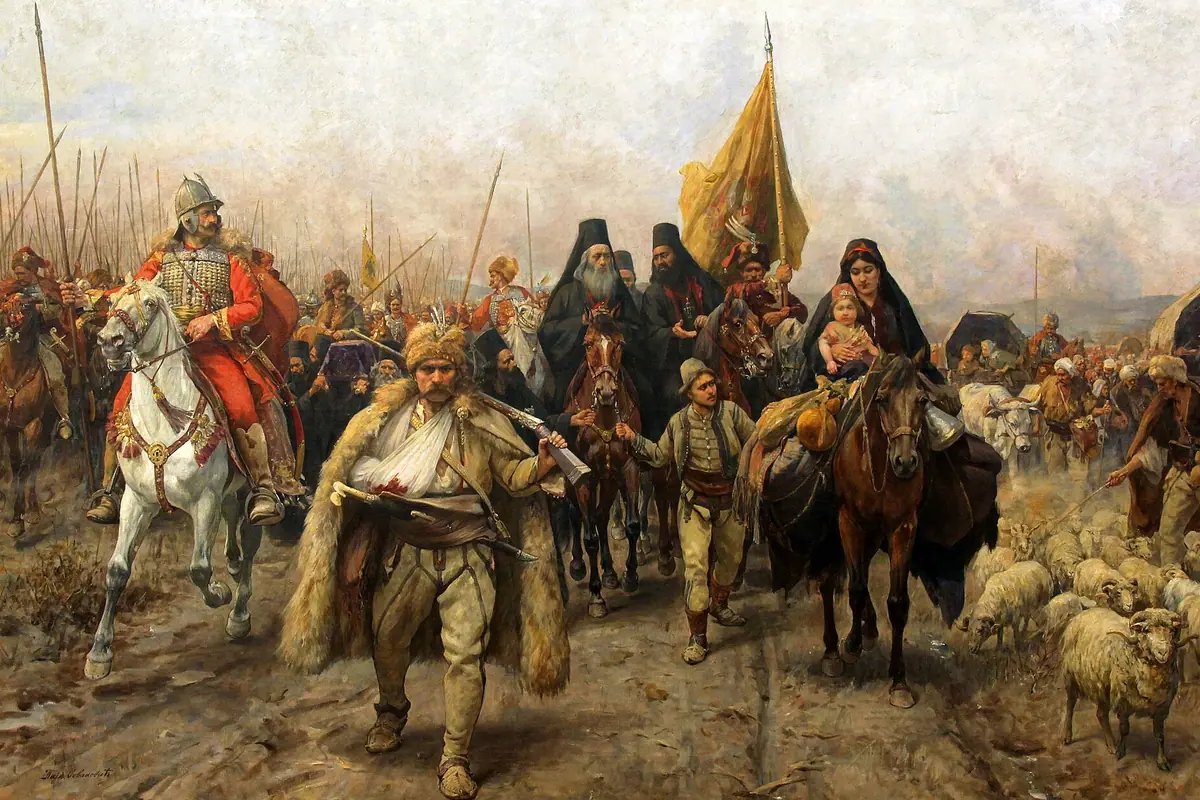
Vojvodina is Serbia's flat, orderly north, shaped by the Danube and a Habsburg past. Novi Sad is its handsome capital, with Freedom Square, the bishop's palace and Dunavska Street leading to a riverside park. Above it all looms Petrovaradin Fortress, a vast eighteenth-century stronghold whose clock tower famously runs with the hour hand long and the minute hand short so that fishermen on the river could read it from a distance. Its underground tunnels, galleries and terraces make it a place to wander for an afternoon — and in early July, the fortress becomes the stage for one of Europe's largest summer music festivals.
An hour north lies Subotica, an unexpected burst of Art Nouveau: the City Hall with its wedding-cake tower, the synagogue with its stained glass and peacock motifs, and the leafy promenade of Lake Palić with its spa and villas. South of Novi Sad, the Fruška Gora hills rise out of the plain, covered in vineyards and more than a dozen Orthodox monasteries. Krušedol and Novo Hopovo are the easiest to visit and the most rewarding, with frescoes, walled courtyards and monks or nuns selling honey, wine and cheese at the gate. Locals call the range Serbia's Holy Mountain, and on a quiet weekday morning you will understand why.
Beyond the towns, the Vojvodina countryside keeps its own traditions: salaši, isolated farmsteads where families welcome guests with cured ham, paprika-based stews and horse-drawn cart rides. Autumn is harvest time, with village festivals, pig-slaughtering feasts and wine cellars open late. If you want to understand how Serbia eats, this is where the paprika, wheat and wine come from.
Monasteries, Fortresses and the Southern Roads
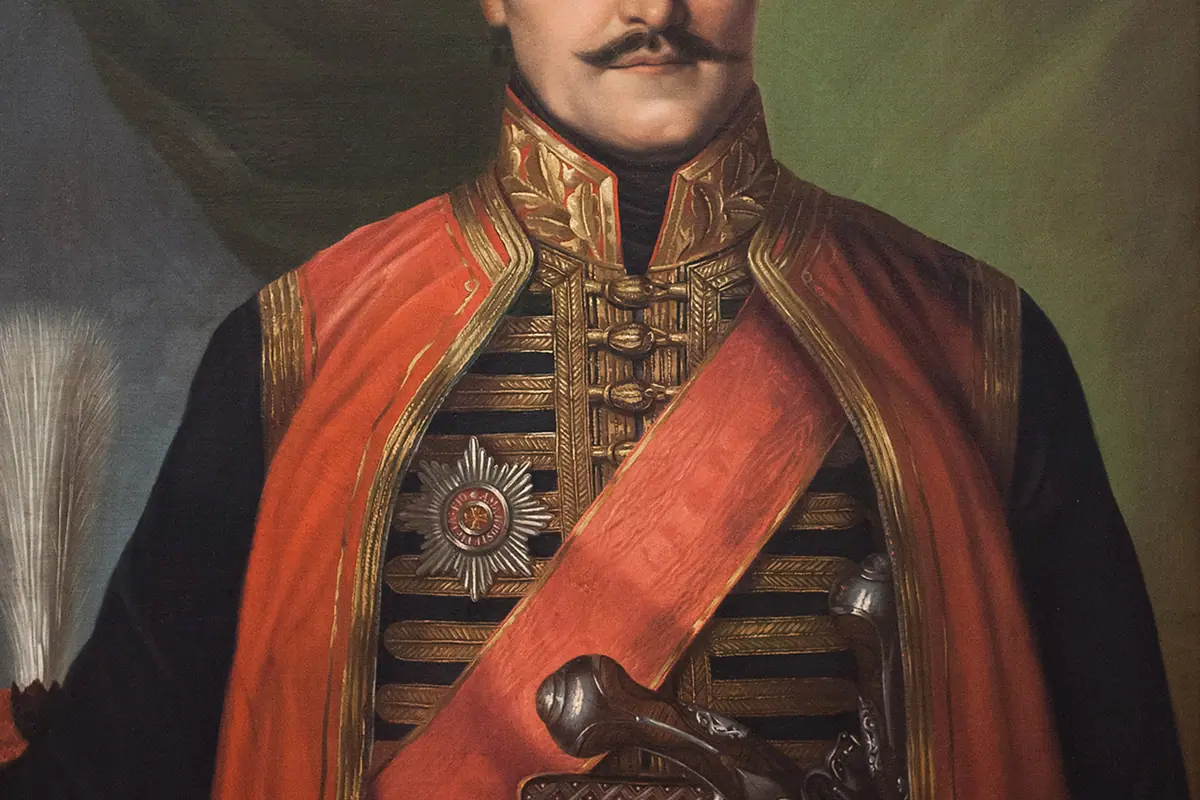
Head south and Serbia turns mountainous and medieval. Studenica Monastery, a UNESCO-listed complex of white marble churches, is the finest of them all, its frescoes glowing with Byzantine colour. Nearby Sopoćani holds the haunting Dormition frescoes, while Mileševa is home to the White Angel, one of the most reproduced images in Serbian art. Dress modestly when you visit — shoulders and knees covered, and women often wear a scarf at the door — and carry small notes for candles, honey and monastery wine sold at the gates.
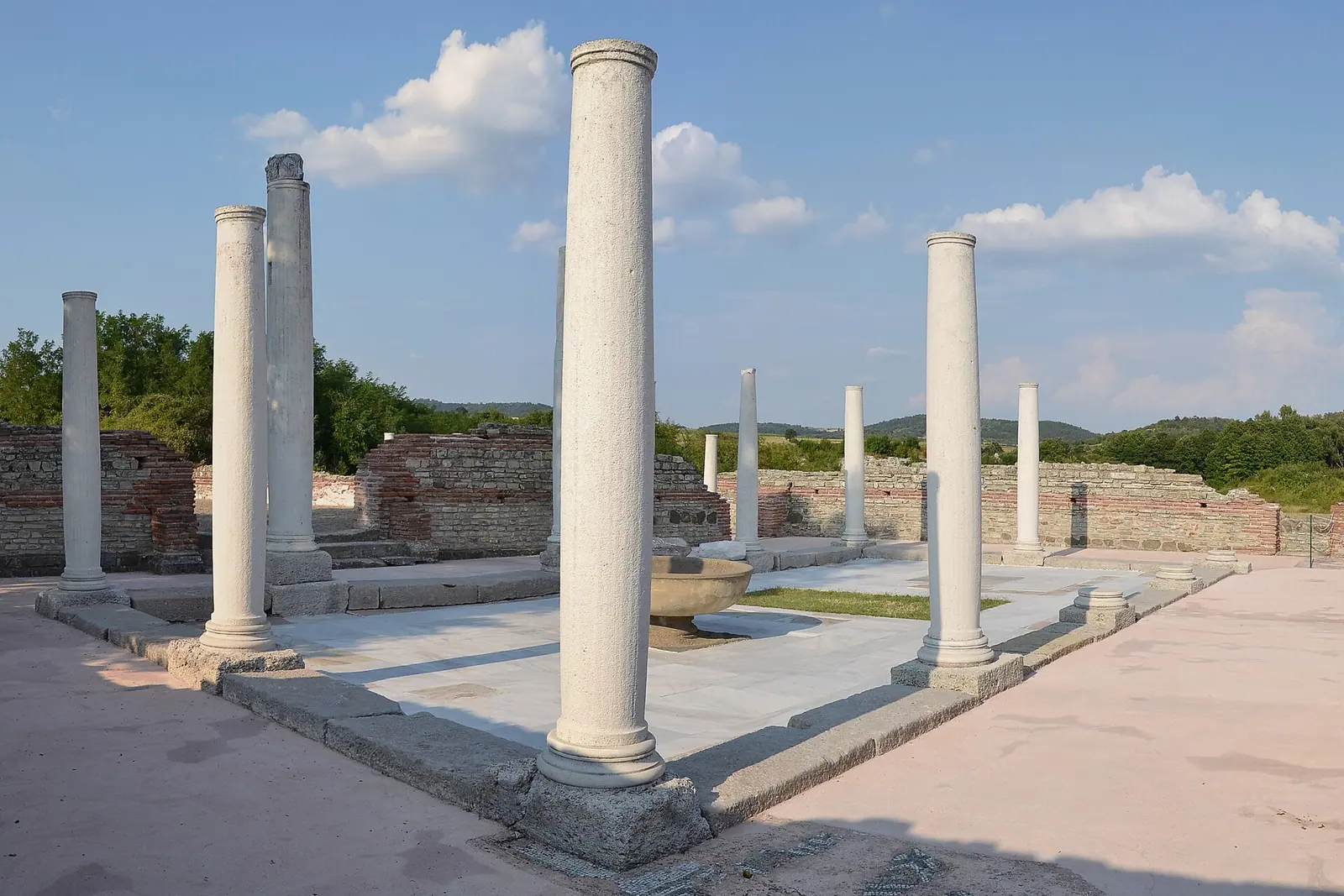
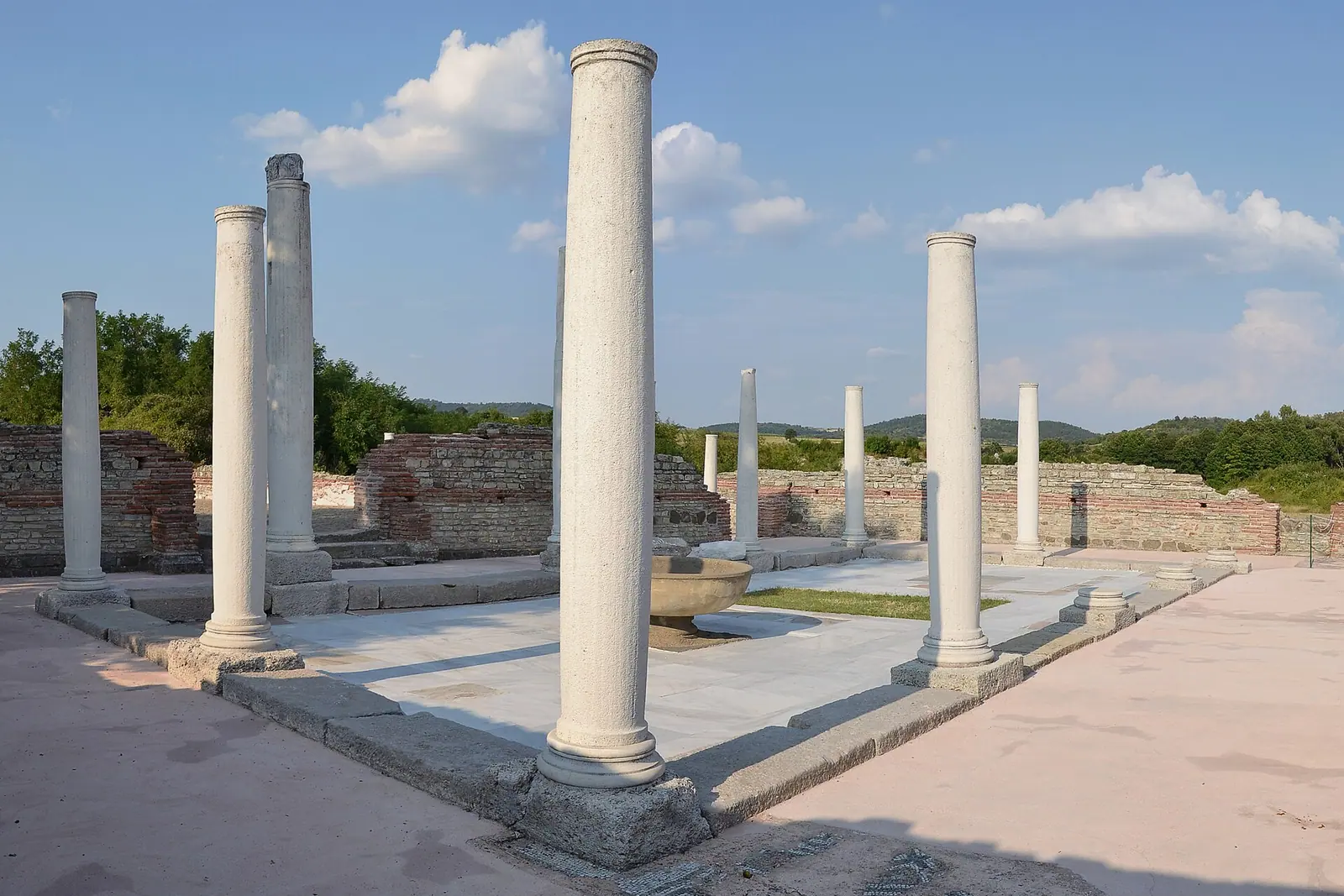
The Danube's own route is just as dramatic. Golubac Fortress guards the river with nine towers, Lepenski Vir preserves one of Europe's oldest planned settlements, and the Iron Gate gorge narrows the water between cliffs. Further east, Felix Romuliana, the Roman palace of Galerius, spreads across a hillside near Gamzigrad. In the far south, Niš combines a sprawling Ottoman-era fortress used for concerts with the sobering Ćele Kula, the Skull Tower built from the remains of fallen rebels, and the Roman villa of Mediana. The region's jazz festival each August fills the fortress with brass and saxophones.
Not far from Niš, the Devil's Town near Kuršumlija is a strange forest of more than two hundred earth pyramids topped with stone caps, with two springs so heavily mineralised that the water leaves a bitter taste. It is a half-day detour through quiet countryside, best reached by car, and a reminder that Serbia's strangest sights are often its least crowded.
Festivals, Mountains and Living Local Life
Serbia's festival calendar is worth planning a trip around. Guča, a small town in the Dragačevo hills, hosts the trumpet festival every August, when brass bands from across the country turn the streets into one long, loud party of music, grilled meat and rakija. Novi Sad's fortress festival takes over Petrovaradin in early July, Belgrade hosts a beer festival in August, and smaller harvest fairs, rakija competitions and village slavas — the family saint's day, still the most important date in many households — fill the calendar through autumn and winter.
The landscape itself is the other draw. Tara National Park tumbles into the Drina canyon, with viewpoints above the river and brown bears in its forests. Kopaonik is the country's biggest ski resort, while Zlatibor and Zlatar offer milder mountain air, hiking and in-room fireplaces. The Šargan Eight heritage railway clatters from Mokra Gora through tunnels and viaducts to Šargan Vitasi, and nearby Drvengrad is a wooden village built on a hillside, full of galleries and cafés. In the southwest, Uvac Special Nature Reserve protects griffon vultures and a serpentine canyon that you can explore by boat in summer.
Practicalities are simple once you know them. Rent a car in Belgrade or Novi Sad if you want monasteries, mountains and village guesthouses — buses and trains connect the cities but rarely the places worth remembering. Rural tourism stays, known as seoski turizam, usually include home cooking, rakija on arrival and a host who will insist you eat more. Distances are short on paper but slow on mountain roads, so plan fewer stops than you think. Bring cash, a European adaptor, modest clothing for religious sites, and patience — Serbia runs on its own clock, and that is very much the point.
Frequently asked questions
What is the best time of year to visit Serbia?
May, June, September and October offer the best weather for cities, monasteries and hiking. July and August are hot in Belgrade but ideal for Guča's trumpet festival, Novi Sad's fortress festival and river swimming at Ada Ciganlija. Winter is cold and snowy — perfect for skiing at Kopaonik and Tara, and for warming food like sarma and gibanica.
How many days do I need in Serbia?
Five to seven days covers Belgrade, Novi Sad and Fruška Gora comfortably. For the southern monasteries, Niš, the Iron Gate gorge and the mountains, allow ten to fourteen days. Mountain roads and rural detours take longer than the map suggests, so build in slack.
Is Serbia a good destination for vegetarians?
Better than its grilled-meat reputation suggests. The Orthodox fasting tradition means many dishes are plant-based: prebranac (baked beans), ajvar, pindžur, stuffed peppers, gibanica, proja, grilled vegetables and salads. Bakeries sell cheese and apple burek, and most restaurants will happily adapt a plate of vegetables and kajmak.
Do I need cash in Serbia?
Yes, especially outside Belgrade and Novi Sad. Cards are accepted in hotels, city restaurants and supermarkets, but markets, village guesthouses, monasteries, taxis and small kafanas often prefer the dinar. Use official exchange offices or ATMs rather than street changers, and keep smaller notes for buses and bakeries.
How do I get around Serbia without a car?
Intercity buses link Belgrade, Novi Sad, Niš and most towns reliably, and trains connect the main corridors. That said, monasteries, the Devil's Town, Uvac Canyon and mountain villages are far easier with your own vehicle or a local guide. Rental cars are affordable and roads are generally good, though mountain routes are narrow and slow.
Sort the rest of your trip
Everything for Serbia, in one place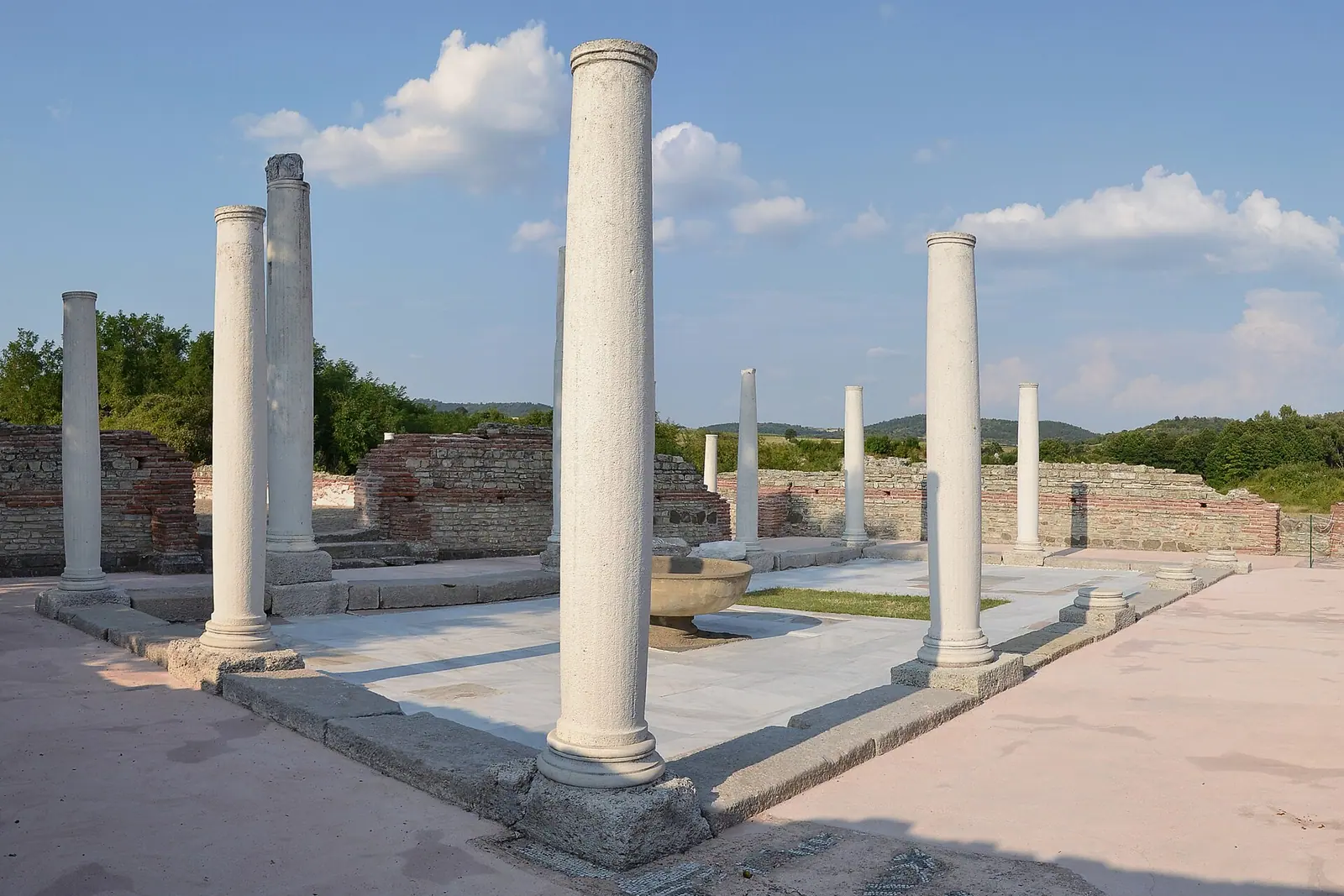
Stay in Serbia
Hotels, guesthouses and apartments — compared in one search.
Search hotels
Transfer in Serbia
Private driver waiting on arrival — no queues, no surprises.
Book a transfer
Stay online in Serbia
Travel eSIM — data the moment you land, no roaming bills.
Get an eSIM