Serbia changes character with the calendar: riverside cafés and fortress sunsets in May, trumpet festivals and mountain air in August, wine-cellars and amber hillsides in October, and snow-dusted pine forests by January. Choosing the right season decides whether your hotel room opens onto a buzzing city square or a silent ski slope — and this guide walks you through both.
How Serbia's Seasons Shape Where You Sleep
Serbia sits squarely in the continental zone, which means four genuine seasons rather than a long blur of mild weather. Summers in the northern plains around Belgrade and Novi Sad push past 30°C and stay humid, while winters there are grey and often foggy, with temperatures hovering near freezing. Head south and the picture flips: the mountains of Kopaonik, Tara and Stara Planina collect serious snow from December to March, and the summer there is cool enough that you will want a jacket after sunset.
That contrast is why the country suits different trips at different times. A city-break traveller who wants long evenings on a fortress terrace should aim for late spring or early autumn, when Belgrade's Kalemegdan Fortress and Skadarlija's cobbled tavern street are at their most sociable. A skier wants the deep winter window, booking a mountain lodge weeks or months ahead. Anyone chasing the harvest, the wine roads or the best photography light usually lands on September and October as the sweet spot.
In practical terms, plan two to three days for Belgrade itself, four to six for a loop that adds Novi Sad, Fruška Gora and a mountain, and a full week if you intend to reach the far south and the monasteries of the Raška region. Accommodation across the country ranges from grand old city hotels to family-run guesthouses, ethno villages and spa resorts — and in peak season, the good ones fill fast.
Spring: Blossom, Riverside Terraces and Fewer Crowds (April to June)
Spring arrives first in the flat north, where the orchards of Vojvodina flower through April and the riverside paths fill up again. May and early June are arguably the finest weeks of the year for a city stay: warm but not oppressive, long daylight hours, and hotel rates that have not yet climbed to summer levels. This is the moment to walk Knez Mihailova, the pedestrian spine of Belgrade, climb to the viewpoint of Kalemegdan Fortress above the confluence of the Sava and Danube, and take a slow evening meal in Skadarlija while musicians move between the tables.
Venture an hour north and the wine country of Fruška Gora opens up, with the baroque town of Sremski Karlovci and its cellars, plus the hilltop Petrovaradin Fortress looming over Novi Sad. Further south, spring is the best time to ride the Šargan Eight heritage railway through the Mokra Gora hills and to see the wooden streets of Drvengrad before the summer coaches arrive. Tara National Park's pine forests and the Drina canyon look their freshest after the spring melt.
One caveat: April and May can be wet, with sudden showers that pass quickly but soak you if you are unprepared. Pack a light rain shell, keep a couple of indoor options in reserve — Belgrade's National Museum and the Nikola Tesla Museum are both excellent rainy-day stops — and you will barely notice.
Summer: Festival Season, Lakes and Mountain Air (July and August)
Summer is Serbia at full volume. The country's biggest event is the music festival held inside Petrovaradin Fortress in Novi Sad in early July, when the fortress tunnels, ditches and ramparts turn into stages and the city's hotels sell out months in advance. August brings the trumpet festival in the small town of Guča, an unruly celebration of brass music that draws crowds from across the region, as well as a run of open-air concerts and beer festivals along Belgrade's riverbanks.
Away from the stages, the heat sends locals to water. Ada Ciganlija, Belgrade's island lake, becomes an open-air beach with its own cafés and sports facilities, while Zlatibor's rolling plateau and the slopes of Kopaonik offer cool, pine-scented relief just a few hours south. The Uvac Special Nature Reserve, with its meandering gorge and griffon vultures, is best explored by boat in the warm months, and the strange red-earth pillars of Đavolja Varoš are far more enjoyable to walk in dry weather than in mud.
Book early and choose your base deliberately. Belgrade's city-centre hotels are convenient for nightlife but noisy in festival weeks; a guesthouse in the quieter streets of Zemun, or a room in Novi Sad within walking distance of the fortress, can make all the difference. Mountain resorts fill with domestic holidaymakers through the school break, so if you want a cabin with a view, reserve well ahead.
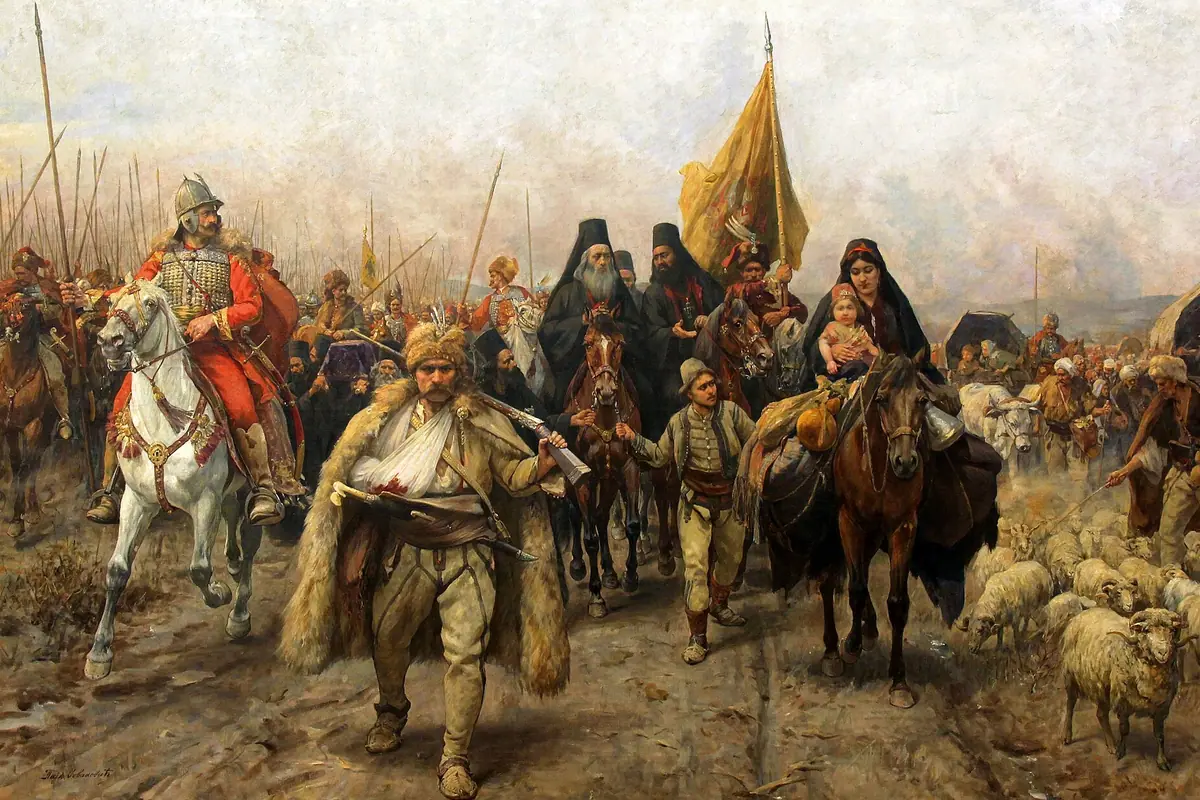
Autumn: Harvest, Wine Roads and the Best Light of the Year (September and October)
If you only have one window to choose, September and early October make a persuasive case. The summer crowds disperse, temperatures settle into comfortable teens and twenties, and the light takes on the golden clarity that photographers chase. Hotels in Belgrade and Novi Sad are easier to book, restaurant terraces stay open, and long walks — around Kalemegdan's walls, along Novi Sad's Dunavska Street, or up to the ramparts of Niš Fortress — become genuinely pleasant rather than exhausting.
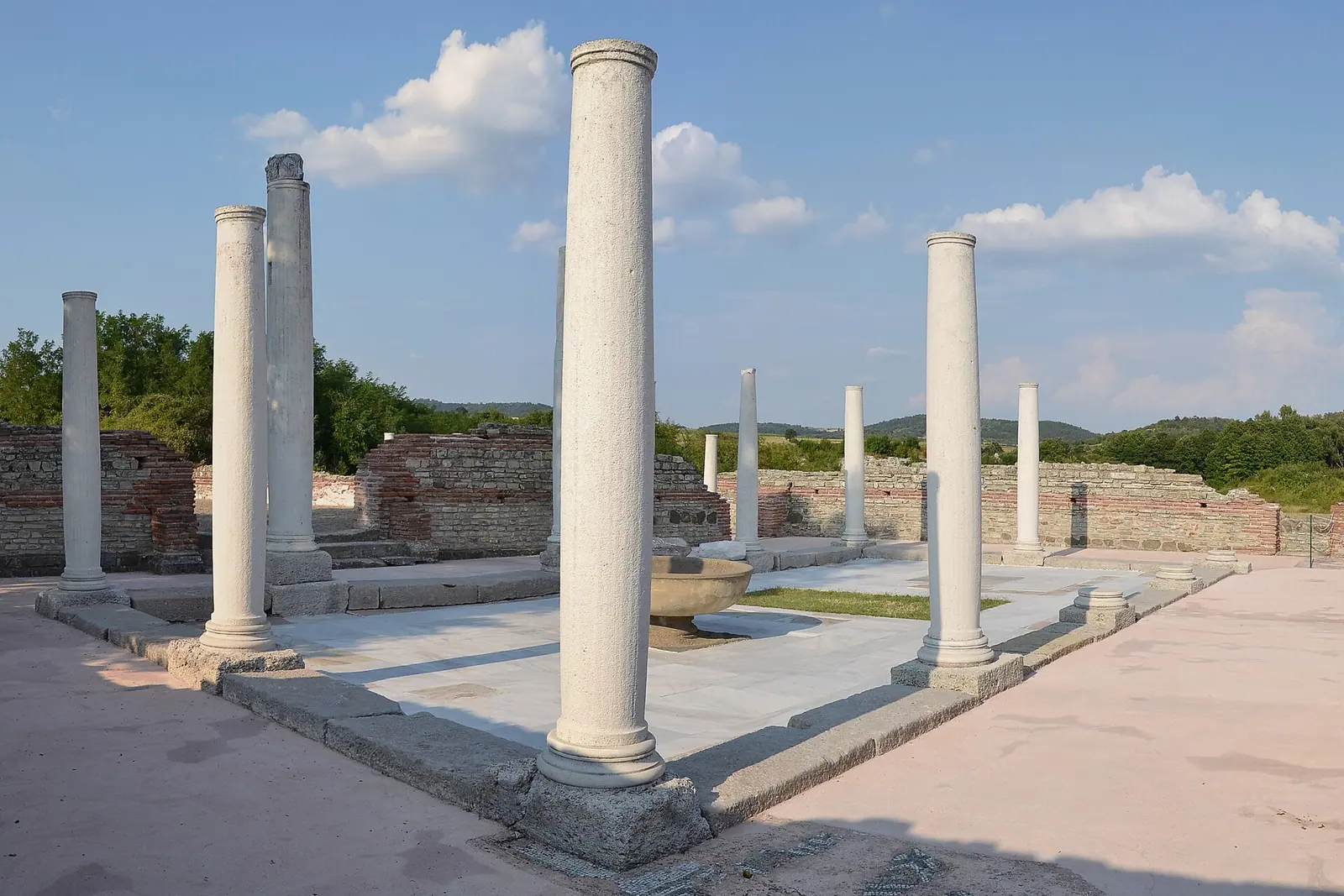
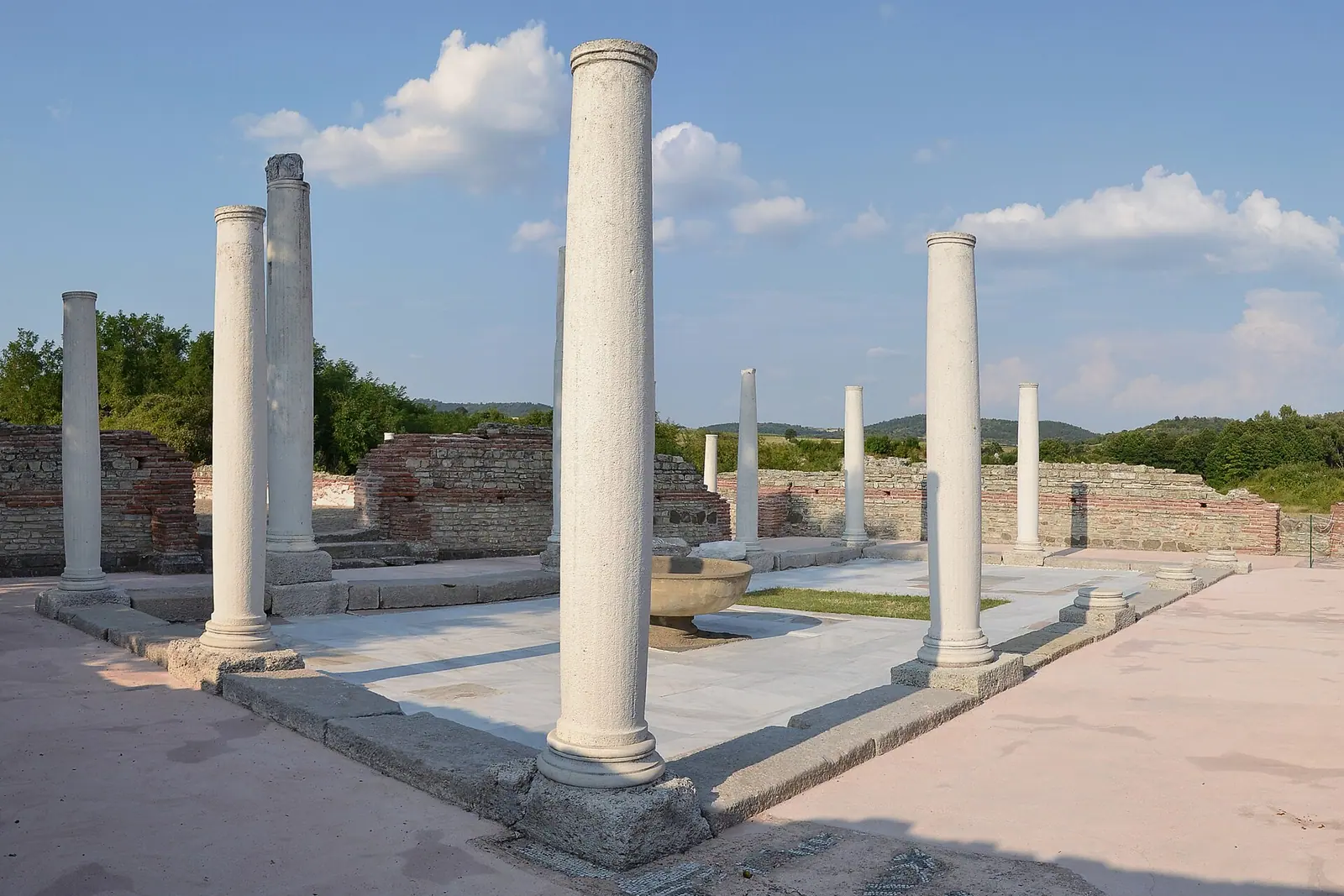
This is also harvest time in the vineyards and orchards of Vojvodina and the Šumadija hills, when small cellars open their doors and the region's food markets are at their best. Subotica, in the far north, shows off its art nouveau City Hall and the lakeside walks of Palić in crisp autumn air. In the south, the monasteries of Studenica and Sopoćani, with their medieval frescoes, and the Roman palace complex at Gamzigrad are quieter and easier to appreciate without summer heat.
Pack layers. Autumn mornings in the mountains of Tara or on Zlatibor can be genuinely cold, while midday in Belgrade may still call for short sleeves. Rain is possible, though rarely persistent, and the first snow typically dusts the highest peaks in late November rather than October.
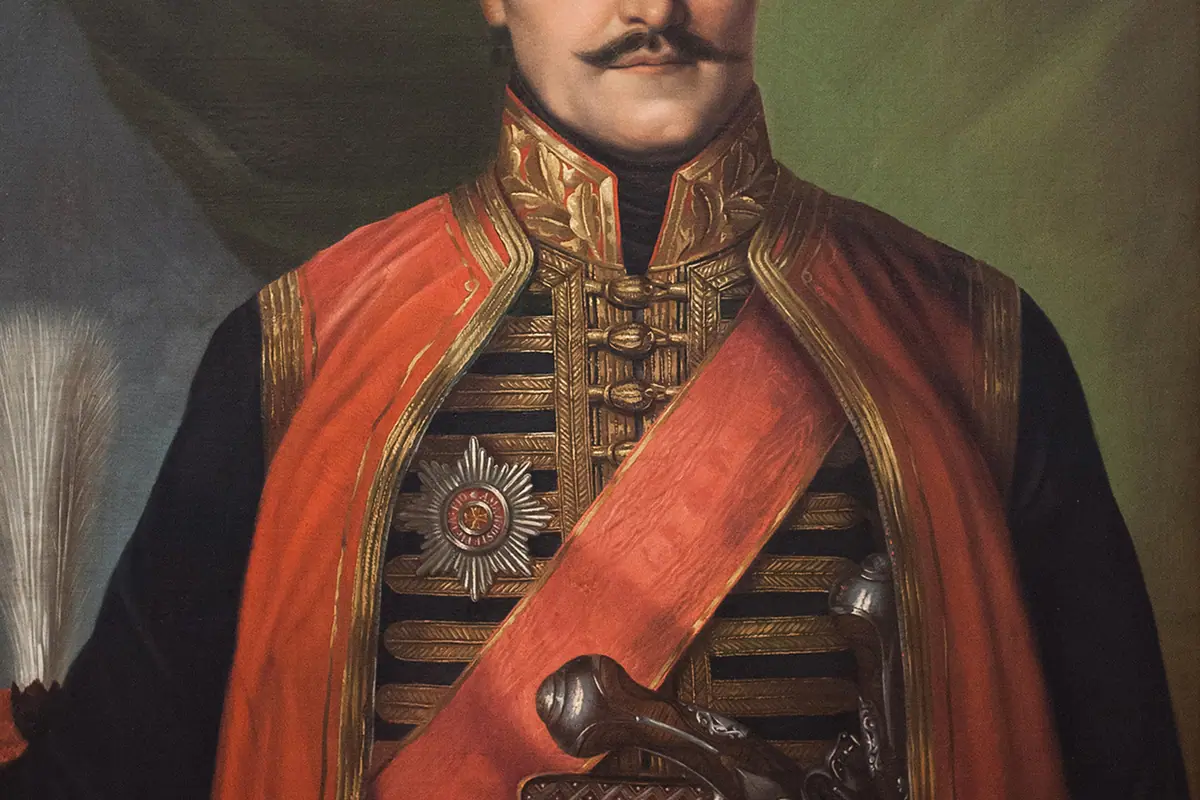
Winter: Snow, Spa Towns and Belgrade's Indoor Season (November to March)
Serbia's winter is properly cold, and that is precisely the appeal for a certain kind of trip. Kopaonik is the country's flagship ski resort, with a long season that usually runs from December into March, a reputation for reliable snow and a village of hotels and apartments clustered at altitude. Stara Planina in the east and Zlatibor in the southwest offer smaller, quieter alternatives, often with better value and fewer lift queues on weekdays.
Below the snow line, winter is spa season. Vrnjačka Banja, Sokobanja and Prolom Banja have drawn visitors to their mineral springs for well over a century, and their hotels are built around thermal pools, saunas and long, unhurried meals — ideal for a few days of recovery in January or February. Belgrade, meanwhile, turns inward: the monumental Church of Saint Sava, the Nikola Tesla Museum, the National Museum and the warm, wooden interiors of Skadarlija's kafanas all come into their own when the streets are raw.
Expect fog in the northern plains, short daylight hours and occasional snow that can slow road travel, especially in the mountains. New Year's Eve is the busiest night of the year in Belgrade, with hotel rates peaking accordingly, and the city's Orthodox Christmas celebrations in early January add a second wave of demand.
Choosing Your Base: Which Region Suits Which Season
Belgrade is a year-round city destination, but it rewards different seasons differently: spring and autumn for walking and café life, summer for river clubs and lake swimming, winter for museums and long dinners. Stay in or near the old town if you want to walk everywhere, or in Zemun if you prefer a calmer riverside base with a village feel and quick transport links.
Novi Sad works best from late spring through early autumn, when the fortress, the Danube park and the surrounding wine hills are all in play; winter is quiet apart from the festive season. The mountain regions — Kopaonik, Tara, Zlatibor, Stara Planina — split cleanly into a snow season from December to March and a hiking, cycling and fresh-air season from May to October, with guesthouses and ethno villages often more rewarding than large hotels.
Wherever you go, book the specific dates that matter to you as early as you can: festival weeks in July and August, ski weekends in January and February, and the New Year period are the three moments when the best rooms genuinely disappear. Outside those peaks, Serbia is a forgiving destination where you can often decide a week ahead and still find somewhere characterful to sleep.
Frequently asked questions
What is the best month to visit Serbia for the first time?
Late May, June and September are the safest all-round choices. You get warm, mostly dry weather, open terraces and outdoor sights such as Kalemegdan Fortress and Petrovaradin Fortress at their best, without the festival-season crowds or the mid-summer heat.
When is ski season in Serbia?
Kopaonik normally runs from December through March, with the most reliable snow in January and February. Stara Planina and Zlatibor offer shorter, quieter seasons. Book mountain accommodation well in advance for weekends and school holidays.
Do hotels in Serbia fill up at certain times?
Yes — the July music festival at Petrovaradin Fortress in Novi Sad, the August trumpet festival in Guča, the New Year period in Belgrade, and January–February ski weekends are the tightest windows. Reserving two to three months ahead is sensible for those dates.
Is winter a good time to visit Serbia if I don't ski?
Absolutely. The spa towns of Vrnjačka Banja, Sokobanja and Prolom Banja are at their most appealing in cold weather, and Belgrade's museums, the Church of Saint Sava and the taverns of Skadarlija make an easy few days indoors. Just expect fog in the northern plains and short days.
How long should I spend in Serbia, and where should I base myself?
Two to three days suits Belgrade alone; four to six days lets you add Novi Sad, Fruška Gora and one mountain or spa town; a week or more opens up the southern monasteries, Uvac and the Mokra Gora railway. Basing yourself in Belgrade or Novi Sad and taking day trips is the simplest approach.
Sort the rest of your trip
Everything for Serbia, in one place
Transfer in Serbia
Private driver waiting on arrival — no queues, no surprises.
Book a transfer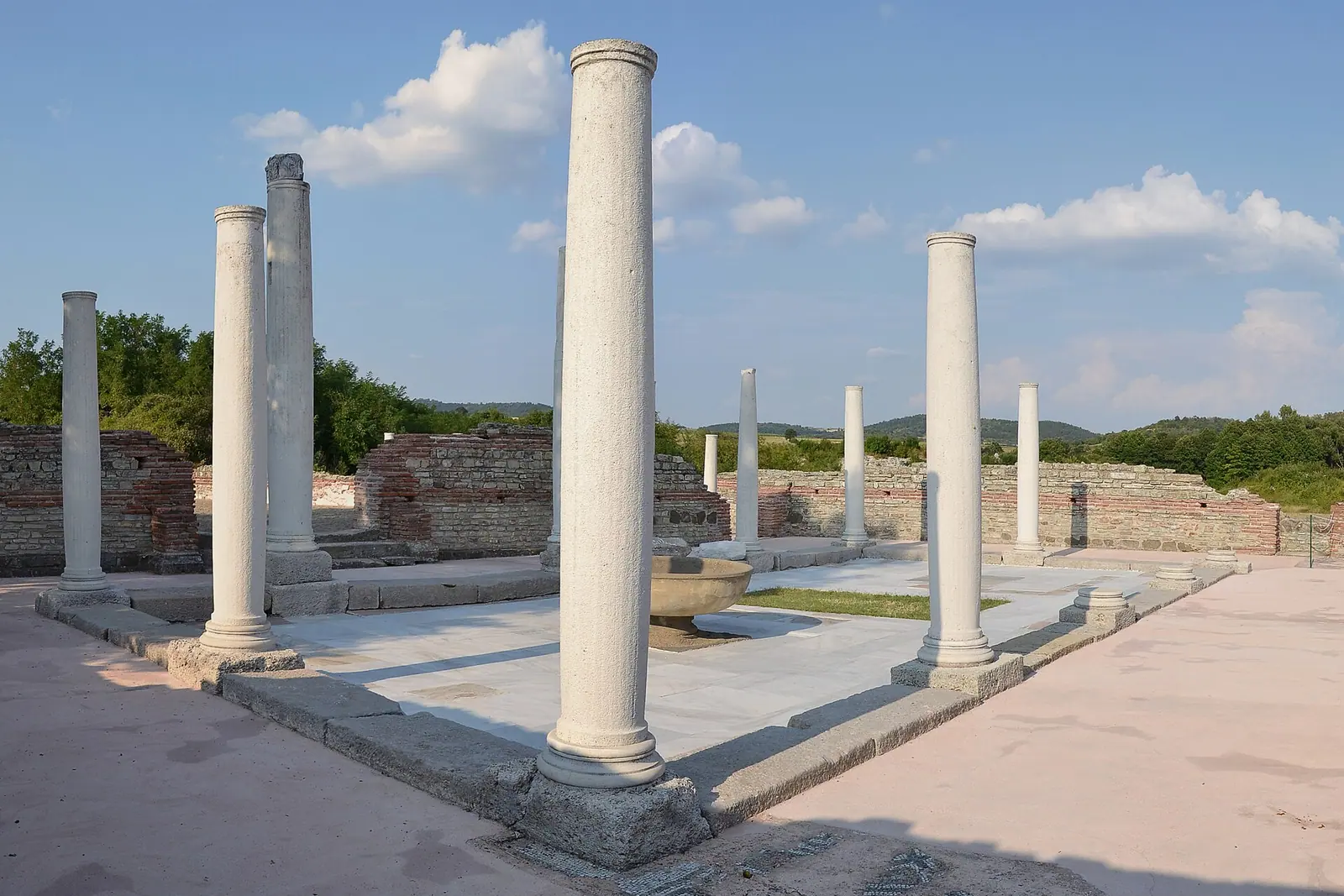
Things to do in Serbia
Skip-the-line tickets, guided tours and standout experiences.
See experiences
Stay online in Serbia
Travel eSIM — data the moment you land, no roaming bills.
Get an eSIM