Serbia is a country of river gorges, fortress walls and vineyards folded into rolling hills, where the Danube cuts a path between the Carpathians and the Balkans. It rewards travellers who look past the capital: Roman ruins, medieval monasteries, narrow-gauge steam railways and mountain lookouts are all within a few hours of one another. This guide maps the places worth building a trip around, and when to go.
Belgrade: Fortress Walls, Bohemian Streets and the Sava-Danube Confluence
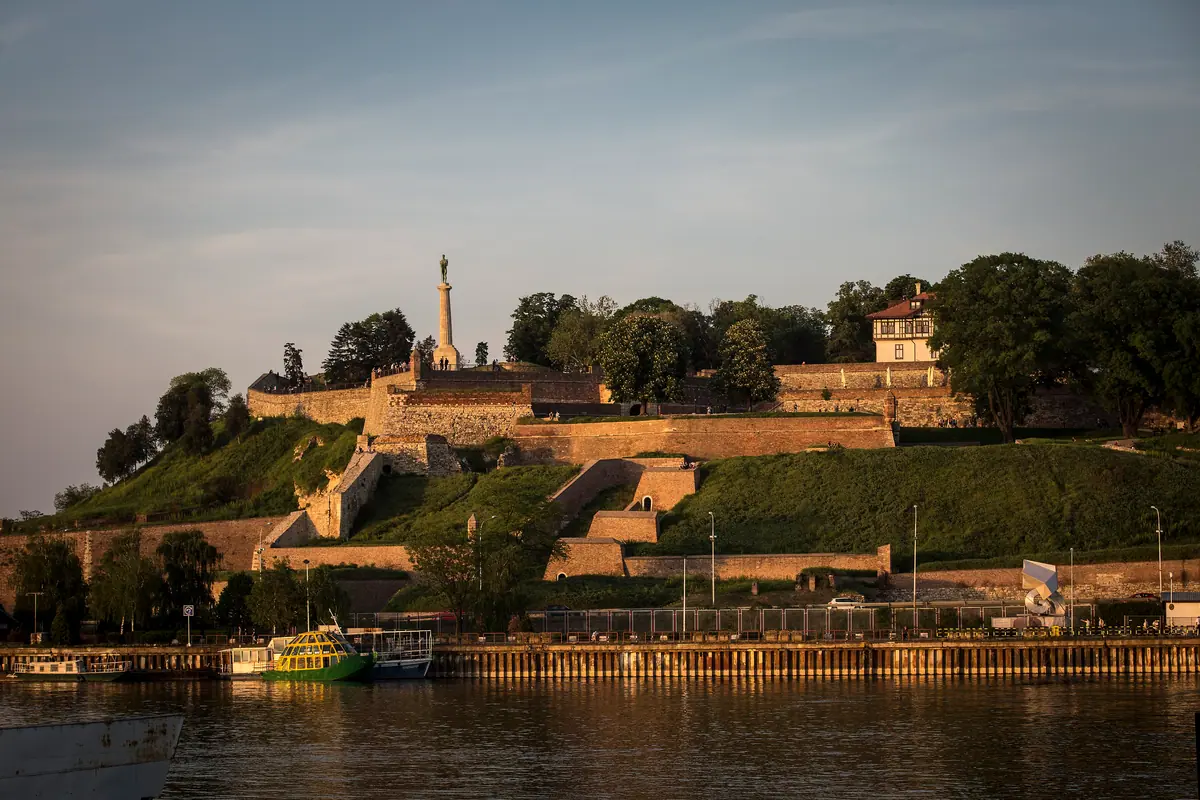
Start in Belgrade, a city that sits exactly where the Sava meets the Danube. The historic core is anchored by Kalemegdan Fortress, a sprawling complex of ramparts, gates and grassy bastions that has been rebuilt so many times that Roman, Ottoman and Austrian layers sit almost on top of each other. Walk the Upper Town's ridge for the view over the confluence, pass the Pobednik monument, and drop into the Lower Town where the old Nebojša Tower stands above the water. Allow at least half a day here, more if the Military Museum or the small zoo tempts you.
From the fortress, the pedestrian Knez Mihailova Street runs straight into Republic Square, flanked by the National Museum and the National Theatre, then spills into Skadarlija, the cobbled bohemian quarter where kafanas serve grilled meat and plum brandy to the sound of live tamburica bands. Two days is a fair minimum for the city. On the Vračar plateau, the Church of Saint Sava dominates the skyline with its vast green-gold dome and mosaic interior, while the Nikola Tesla Museum nearby holds the inventor's archive and interactive demonstrations that pull in crowds year-round.
In summer, Belgrade moves to the water. Ada Ciganlija, a former island turned lake-beach, draws tens of thousands of swimmers and cyclists along its gravel paths, and the floating clubs moored along the Sava keep going until dawn. Across the river in Zemun, a Habsburg-flavoured old town climbs to the Gardoš tower for a slower, quieter evening.
Novi Sad, Fruška Gora and Vojvodina's Northern Plains
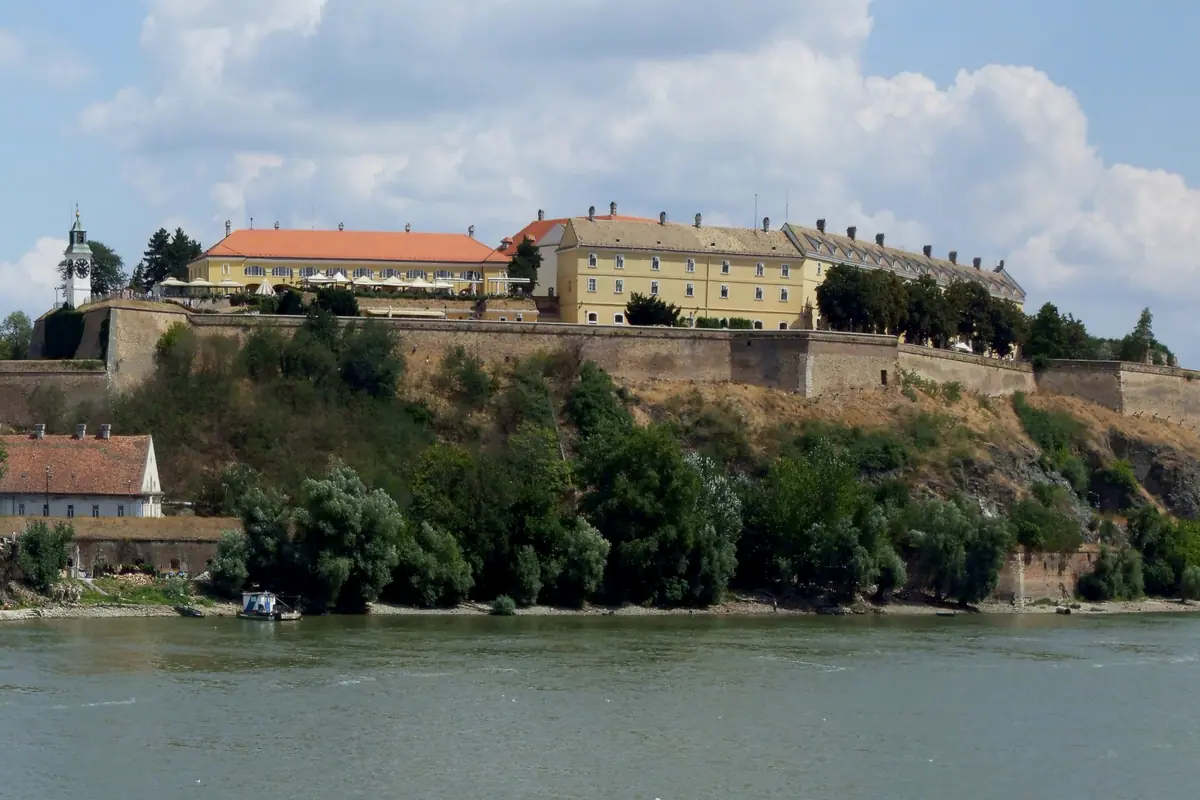
An hour and a half north of Belgrade, Novi Sad spreads along the Danube beneath Petrovaradin Fortress, a massive 18th-century bastion often called the Gibraltar on the Danube. Its underground system of tunnels is open to visitors, the clock tower famously shows the hour and minute hands reversed so boatmen could read it from the river, and the terraces give the best sunset view in the region. Every July the fortress hosts one of Europe's largest music festivals, when the whole city swells with visitors and accommodation books out months ahead.
The old town below is compact and easy to cover on foot: Liberty Square with its Catholic church, the long pedestrian spine of Zmaj Jovina and Dunavska streets, and the green Danube Park. Just south, the low wooded ridge of Fruška Gora rises out of the flat plains, dotted with wine cellars and Orthodox monasteries such as Krušedol and Novo Hopovo, some founded in the 15th and 16th centuries. Hiking trails thread between villages, and many cellars welcome drop-in tastings of local riesling and bermet, a sweet aromatised wine once shipped to Vienna's imperial court.
If you have an extra day, push further north to Subotica, near the Hungarian border, whose art nouveau City Hall and synagogue are among the finest in this part of Europe, and whose nearby Palić Lake has a genteel promenade, a small zoo and a summer film festival.
The Iron Gates: Golubac Fortress and the Danube's Deepest Gorge
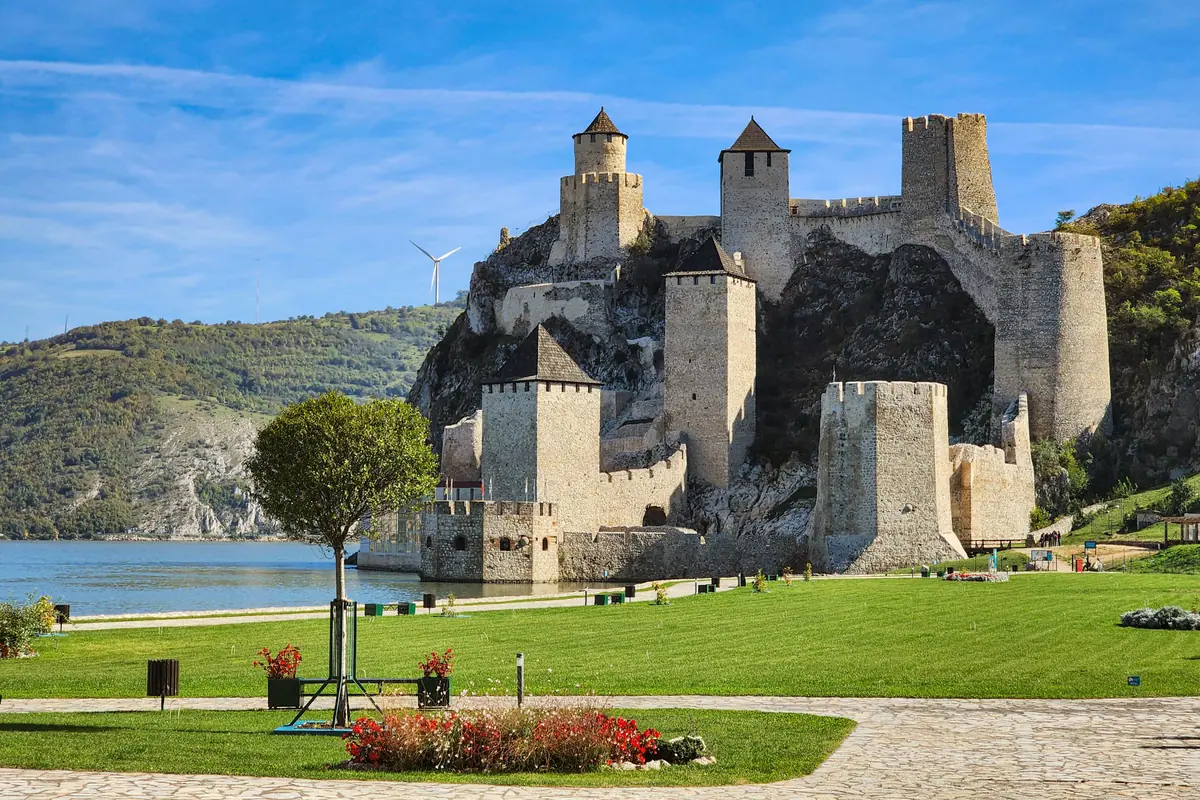
East of Belgrade the Danube narrows into the Iron Gates, a gorge where the river squeezes between steep limestone walls before it reaches the Romanian border. Guarding the entrance is Golubac Fortress, a 14th-century stronghold of ten towers rising straight from the water; heavily restored, it is now one of Serbia's most photogenic sights, with wooden walkways and viewpoints over the river. Go early in the morning, when tour groups have not yet arrived and the fortress catches the light.
Further downstream lies Lepenski Vir, an archaeological site preserving the remains of a settlement occupied more than eight thousand years ago, complete with trapezoidal house foundations and carved sandstone sculptures — a genuinely rare glimpse of Europe's earliest farmers and fishers. Nearby, the Roman plaque known as Tabula Traiana is cut into the cliff face above the water, marking the road the emperor Trajan built along the Danube. Boat trips from Donji Milanovac and Kladovo are the best way to see the cliffs and the rock carvings from below.
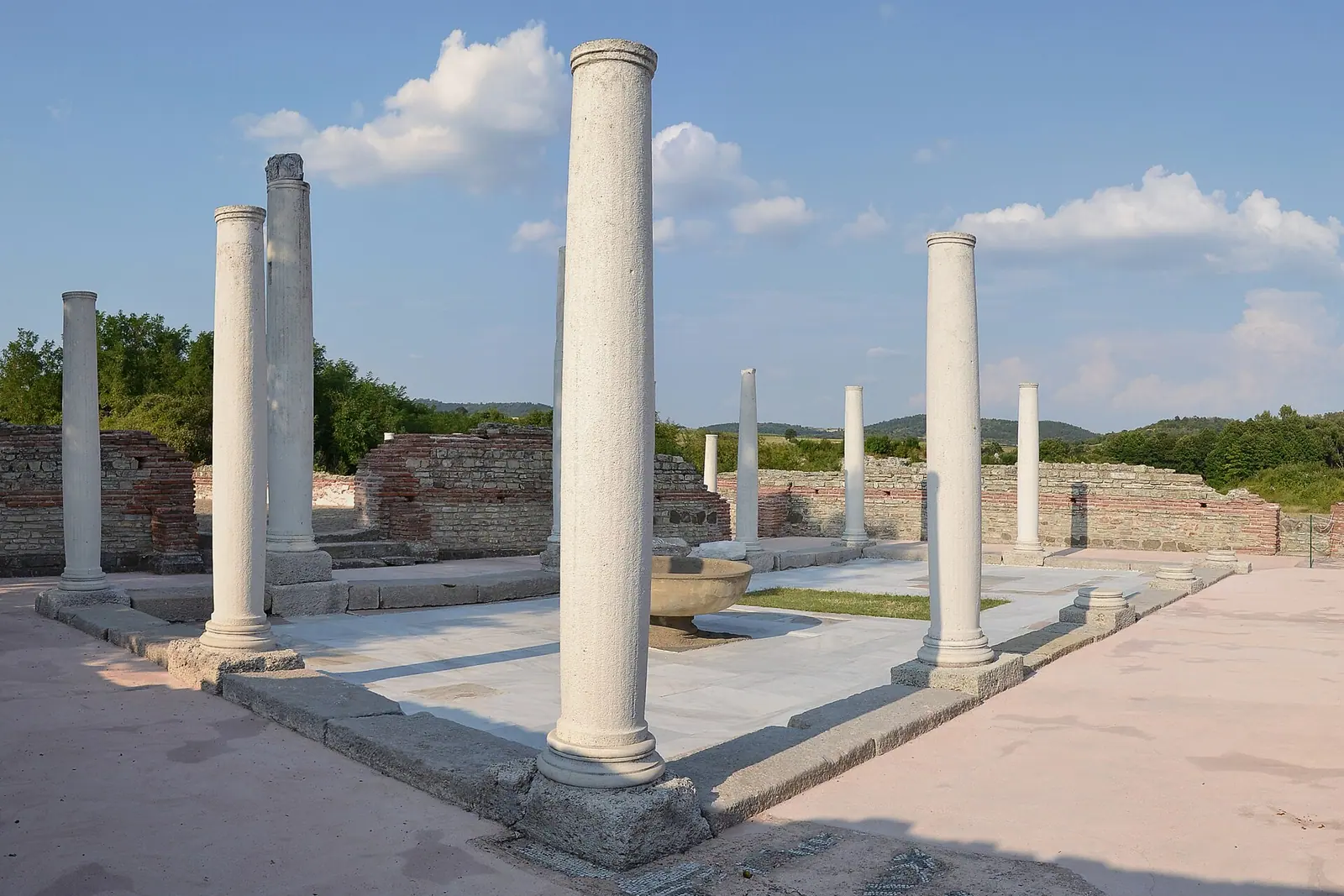
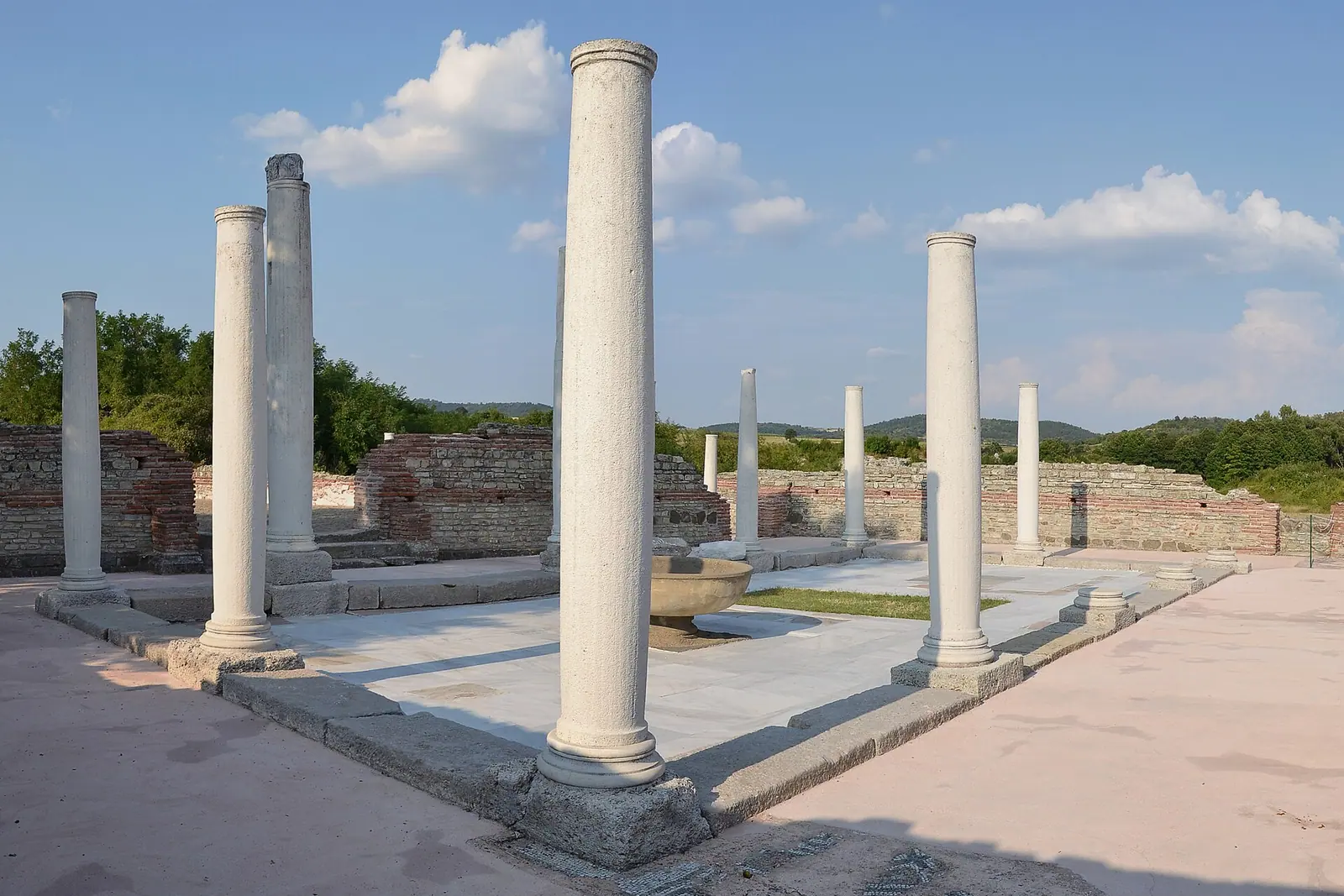
Inland, the Roman sites of Viminacium near Kostolac and Gamzigrad-Romuliana near Zaječar add imperial palaces and legionary camps to the itinerary. Late spring through early autumn is the sweet spot for this region, when roads are clear and river cruises run daily.
Western Serbia: Tara, Uvac and the Šargan Eight Railway
Western Serbia is the country's outdoor heartland. In Tara National Park, the Banjska Stena viewpoint hangs over the Drina canyon in a single uninterrupted sweep of forest and water, and the glacial Lake Zaovine hides among the conifers a short drive away. Marked trails suit everyone from families to serious hikers, and the nearby villages rent simple rooms and serve mountain cheese, kajmak and smoked ham.
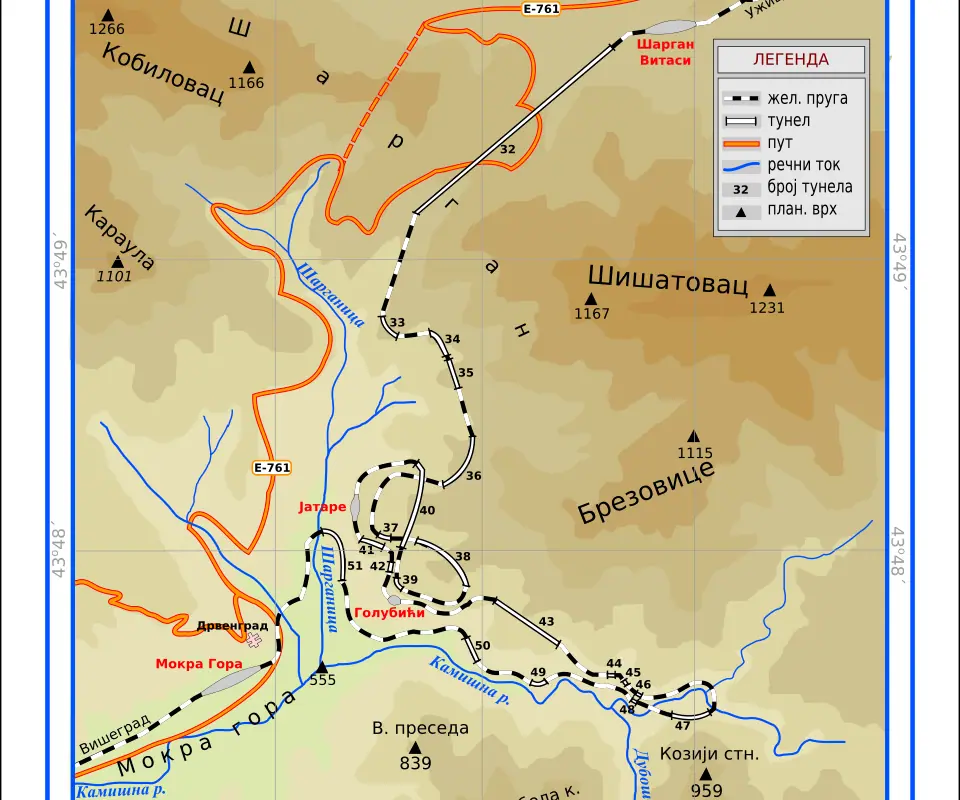
From Mokra Gora, the Šargan Eight heritage railway climbs a spiralling narrow-gauge line through tunnels and viaducts on its way to Šargan Vitasi, a ride of about two and a half hours that feels like stepping into the early 20th century. The surrounding Zlatibor plateau has a cave with a huge travertine cascade, wooded walking trails and a cable car up to the Tornik peak. Evenings are cool even in August; pack a jumper.
South of here, the Uvac Special Nature Reserve protects a serpentine river canyon where griffon vultures nest on cliff ledges. Boat trips from the Sjenica side thread between the meanders, and the classic photograph is taken from a viewpoint above the bends at sunrise. May to October is the practical window; the reserve is at its greenest in June.
Southern Serbia: Niš, Devil's Town and Medieval Monasteries
Niš, Serbia's third city, has layer upon layer of history: a Roman villa with mosaic floors at Mediana, the Ottoman Niš Fortress turned into a park and concert venue, and the Skull Tower, a grim monument built into a chapel wall from the skulls of fallen rebels. It makes an easy overnight stop between Belgrade and the south, with good coffee culture in the streets around the fortress.
Further south, near Kuršumlija, Devil's Town is a field of more than two hundred earth pyramids topped by stone caps, standing over two springs — one strongly mineral and reddish. Boardwalks keep visitors out of the fragile formations, and the site is small enough to see in an hour or two alongside the nearby spa towns of Prolom and Kuršumlija.
The south also holds Serbia's greatest medieval monuments. Studenica Monastery, founded in the 12th century, pairs white marble walls with frescoes of extraordinary quality, and nearby Sopoćani is known for its monumental painting. In winter, attention shifts to Kopaonik, the country's largest ski area, with lifts, snow parks and a season that usually runs from December into March.
When to Go, How Long to Stay and What to Eat
May, June, September and October are the most comfortable months across the country: warm days, cool evenings, green mountains and fewer crowds. July and August are hot in Belgrade and Vojvodina, but they are also festival season — the Petrovaradin fortress festival in July and the trumpet gathering at Guča in August fill towns to bursting. December to February suits skiers at Kopaonik and Zlatibor, and the spa towns of Vrnjačka Banja and Sokobanja, which are pleasant year-round thanks to their thermal springs.
For a first visit, plan seven to ten days: two or three in Belgrade, a night or two in Novi Sad, then a loop west to Tara and Mokra Gora or east along the Danube to Golubac and Lepenski Vir. Buses connect all major towns frequently and cheaply, but a car makes the national parks, monasteries and viewpoints far easier to reach — mountain roads are winding, so allow generous driving times.
Eat as locals do: ćevapi and pljeskavica with kajmak, roasted peppers in ajvar, cabbage rolls, flaky cheese pie and grilled river fish along the Danube. Finish with rakija, most often plum brandy, and a slice of walnut gibanica. Portions are big, meals are long, and coffee is treated as a ritual rather than a pit stop.
Frequently asked questions
What is the best time of year to visit Serbia?
May, June, September and October offer the best balance of mild weather and manageable crowds. July and August are hot inland but liveliest for festivals, while December to March suits skiing at Kopaonik and Zlatibor and soaking in thermal spa towns such as Vrnjačka Banja.
How many days do you need in Serbia?
Seven to ten days lets you cover Belgrade, Novi Sad and one major nature or monastery region without rushing. If you only have a long weekend, base yourself in Belgrade for three days and add a day trip to Petrovaradin Fortress or the Iron Gates.
Do I need a car to get around Serbia?
Not for the main cities — frequent buses link Belgrade, Novi Sad, Niš and most towns. A car is genuinely useful for reaching Tara National Park, Uvac, Studenica Monastery and the Iron Gates, where public transport is sparse and slow. Roads in the hills are winding, so budget extra time.
What should I not miss on a first trip to Serbia?
Kalemegdan Fortress and Skadarlija in Belgrade, Petrovaradin Fortress in Novi Sad, Golubac Fortress and Lepenski Vir along the Danube, the Šargan Eight railway at Mokra Gora, and Studenica Monastery in the south. Together they cover the country's Roman, Ottoman, Habsburg and medieval layers.
Is Serbia a good destination for hiking and nature?
Yes. Tara National Park, Uvac Special Nature Reserve, Fruška Gora and the mountains around Kopaonik all have marked trails, viewpoints and guesthouses. Spring and early autumn are ideal for walking; summer brings heat and occasional afternoon storms, so start hikes early.
Plan it — experiences in Serbia
Live search, booked directly with trusted providers.
Sort the rest of your trip
Everything for Serbia, in one place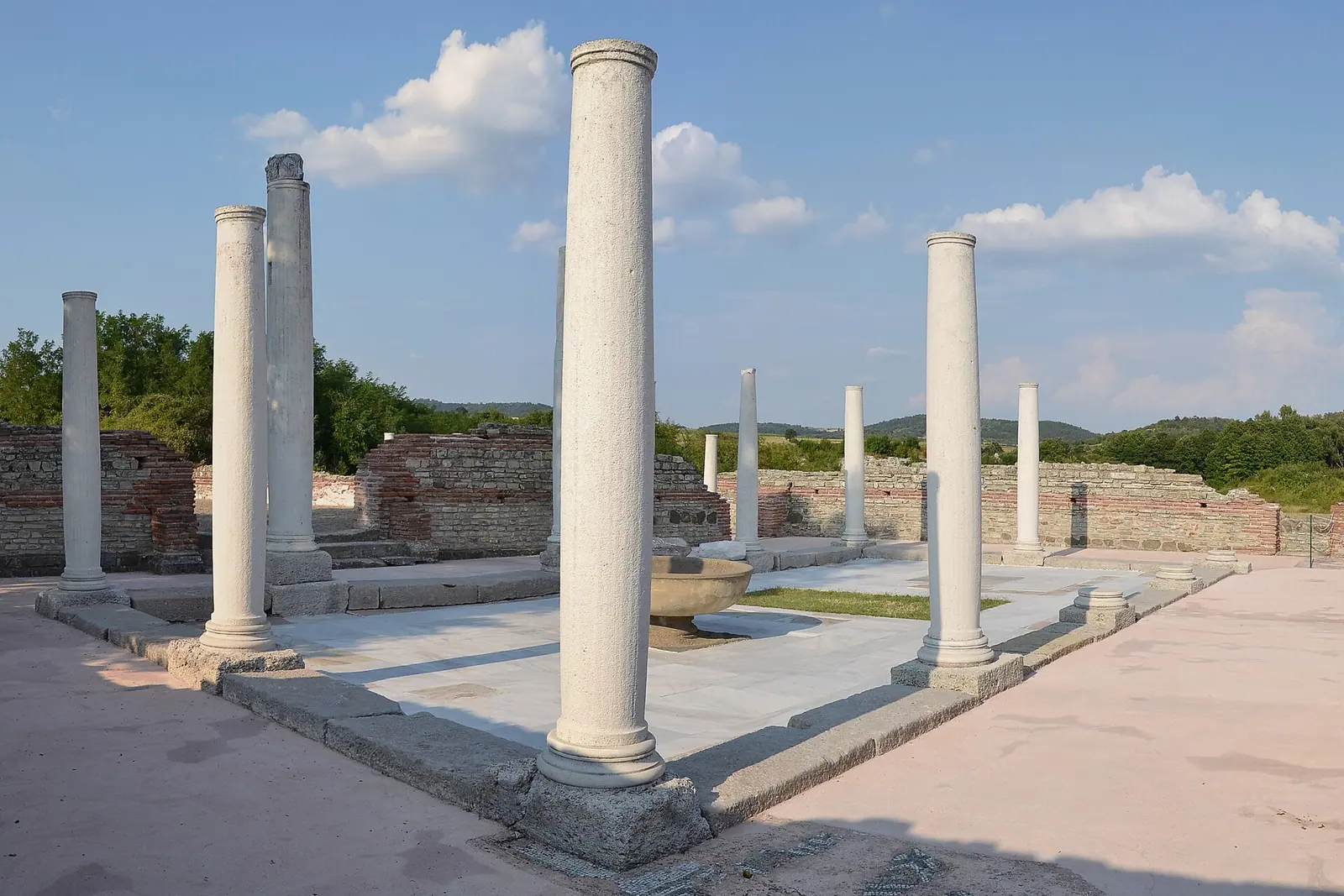
Stay in Serbia
Hotels, guesthouses and apartments — compared in one search.
Search hotels
Transfer in Serbia
Private driver waiting on arrival — no queues, no surprises.
Book a transfer
Stay online in Serbia
Travel eSIM — data the moment you land, no roaming bills.
Get an eSIM