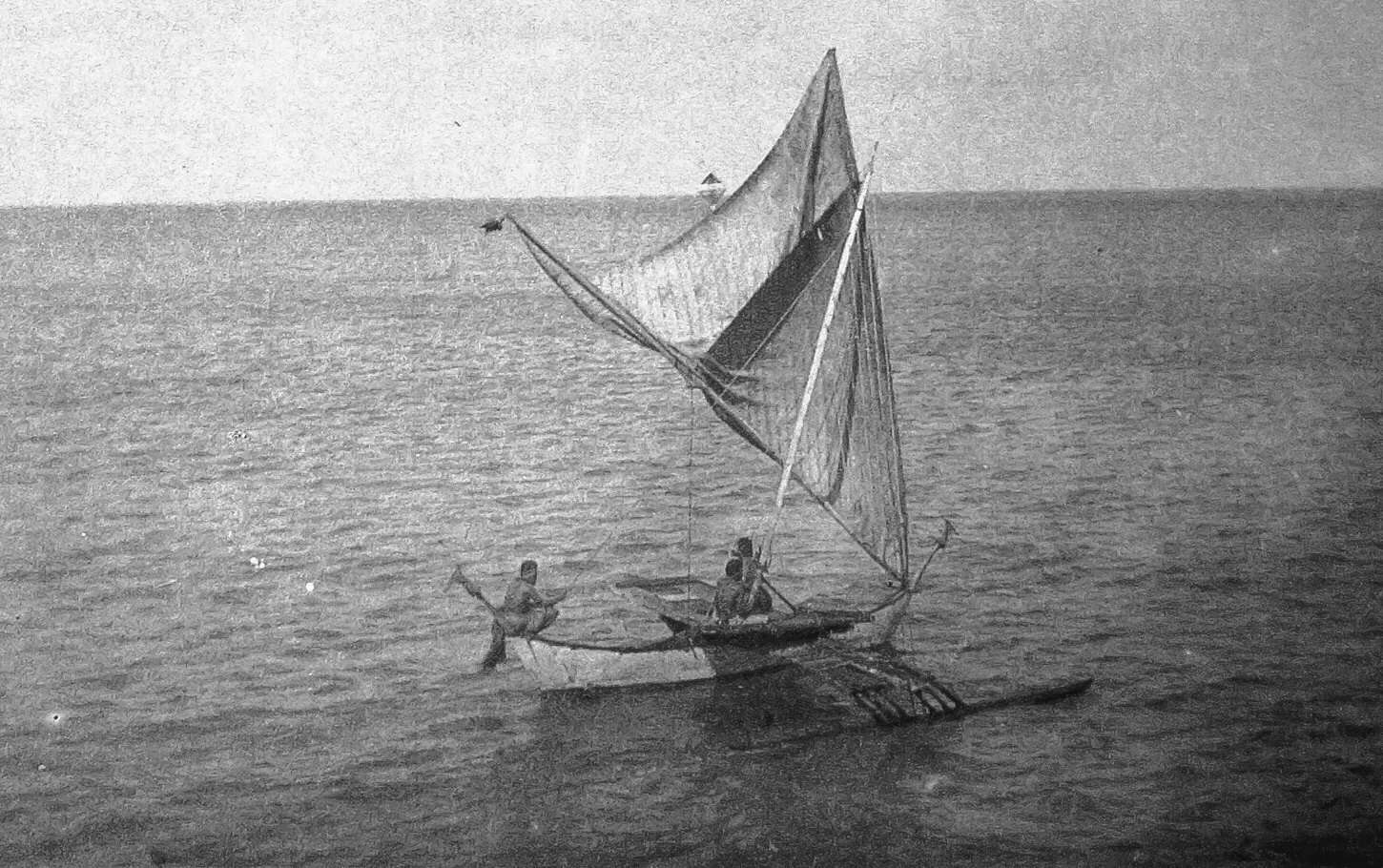
A ribbon of coral islets around a turquoise lagoon, one road that runs out of land before it runs out of view, and a culture that learned to read the ocean without instruments: the Marshall Islands are not a resort destination, and that is precisely the appeal. Here you eat breadfruit from a backyard tree, watch a navigator explain a stick chart by lamplight, and swim off a beach where the only crowd is a school of parrotfish. This guide covers the food, culture and local experiences that make the long flight worthwhile.
Majuro Atoll: Where Nearly Every Marshall Islands Trip Begins
Flights land at Amata Kabua International Airport at the eastern tip of Majuro, the capital atoll and home to roughly half the country's people. From there a single paved road unspools west through the urban strip of Delap, Uliga and Djarrit — locals simply say D-U-D — and keeps going some 30 miles until it runs out of land at Laura. You can drive the whole atoll in about an hour, which makes Majuro a gentle place to find your bearings.
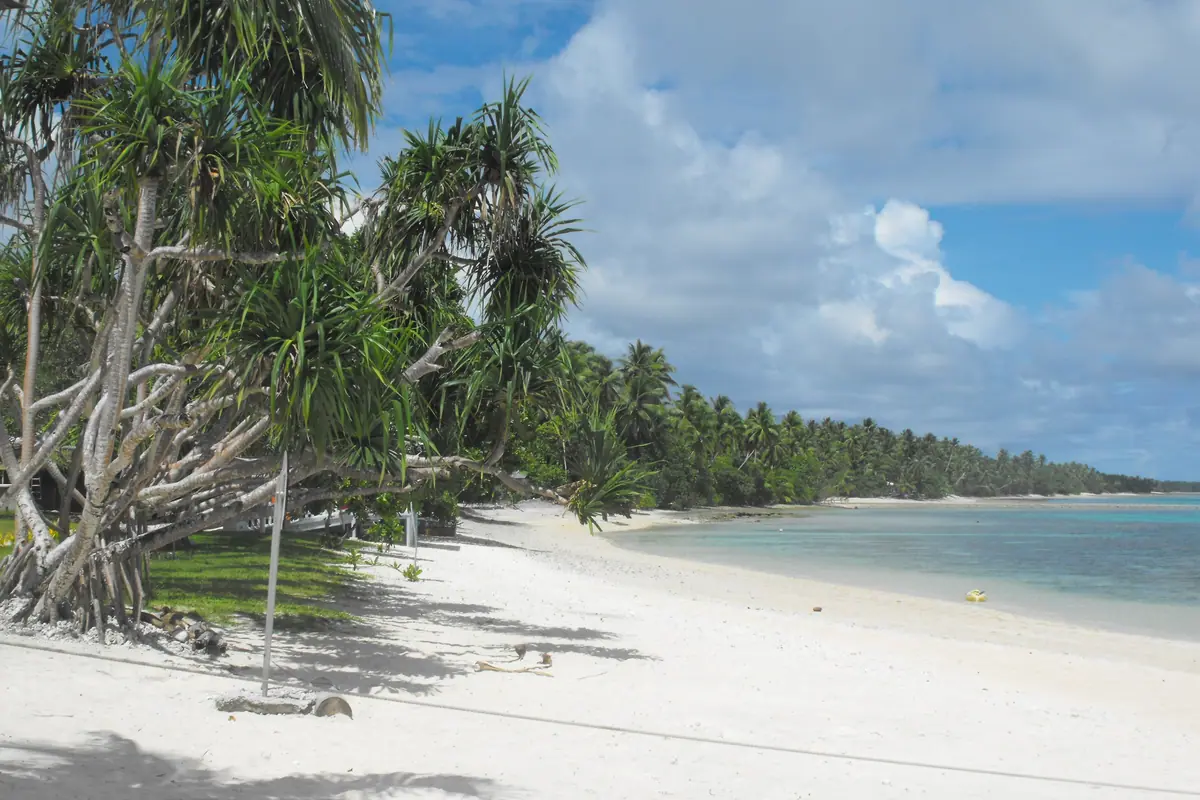
The water is the point. The lagoon side is calm and glassy, and Laura Beach at the western end is where families gather at weekends, with white sand, shade trees and a shallow shelf that makes it the best swimming on the atoll. The ocean side feels wilder: reef flats, breaking swell, empty horizon. Near Rita, a span known locally as the bridge to nowhere ends abruptly above the lagoon, and the Marshall Islands Capitol in Delap is worth a look from outside for its distinctive roofline alone.
Getting around is easy, with shared taxis and minibuses running the main road cheaply and rental cars available in D-U-D if you want to stop wherever you like. Bring reef shoes, because the lagoon floor is coral rubble in places. Bottled water is the sensible default, and on the outer atolls fresh water is genuinely scarce.
History and Culture You Can Walk Through
The Alele Museum, Library and National Archives in Majuro is the best introduction to the country: small, absorbing and rarely crowded. Its cases hold shell tools, woven mats and photographs from the German and Japanese colonial eras, along with the remarkable stick charts — palm ribs lashed into grids that map swell patterns, wind and island positions. They are navigational memory made physical, and they explain a great deal about how these islands were settled and connected.
Marshallese society is matrilineal, with land passing through women, and it is organised around chiefs, with families holding rights to particular islets and reef parcels. That shapes how you travel: you do not simply wander onto an island, you ask. A Japanese-built peace memorial overlooking the lagoon near Majuro, plus rusting bunkers and gun emplacements left from the Second World War, are reminders that these quiet atolls were once strategic ground.
Greet people first — iokwe is hello, kommol tata is thank you — and ask before photographing anyone. Dress modestly away from the beach, and treat Sunday as a genuine day of rest: many shops close, and some communities prefer no swimming or loud activity.
What Marshallese Food Actually Tastes Like
Coral soil grows what it grows. Breadfruit, known as ma, is roasted over coals or boiled; giant swamp taro and pandanus are staples; coconut appears in every form, from drinking nuts to thick cream. Because fresh food spoils fast on small islands, preserving became a craft — breadfruit fermented in pits and pandanus pounded into a sweet paste — old solutions to long sea voyages that are still eaten and still prized.
Fish is the centrepiece: tuna, reef fish grilled whole, raw fish marinated in lime and coconut cream, always with rice. Majuro's kitchens carry a century of outside contact, Japanese, Filipino, Chinese and American among them, so sashimi sits beside barbecue chicken. Imported food costs real money because it arrives by ship, which is one more reason to eat what is local.
The D-U-D strip has the densest cluster of small restaurants and takeaway counters, and roadside stands sell cold drinking coconuts. On Sundays almost everything shuts, so shop on Saturday. If a family invites you to eat, say yes; the raw fish and coconut cream handed to you at a family table will beat most restaurant meals.
Island-Hopping Beyond Majuro: Arno, Jaluit, Mili and Likiep
Arno Atoll is the easiest escape, a short boat ride across the lagoon from Majuro, near enough for a day trip yet quiet enough to feel genuinely remote. Snorkelling the reef, walking the village and sharing lunch with a family is the classic first taste of outer-island life.
The further atolls carry layers of history. Jaluit Atoll, once a German administrative centre and later a Japanese naval base, has a lagoon littered with wartime relics. Likiep Atoll keeps rare German-era wooden buildings and a mission church, while Mili Atoll holds the overgrown bones of a Japanese airfield and aircraft wreckage beneath its water. Ebon Atoll, in the south, is famous for jaki-ed, the finest pandanus mats woven anywhere in the country.
Logistics are the challenge. Inter-atoll flights are infrequent and fill early, supply boats are slow and unpredictable, and most places need an invitation or an arrangement with local landowners. Build slack into your plans; if you allow a week for three days of travelling, you will enjoy it far more.
Bikini Atoll, Kwajalein and the Weight of History
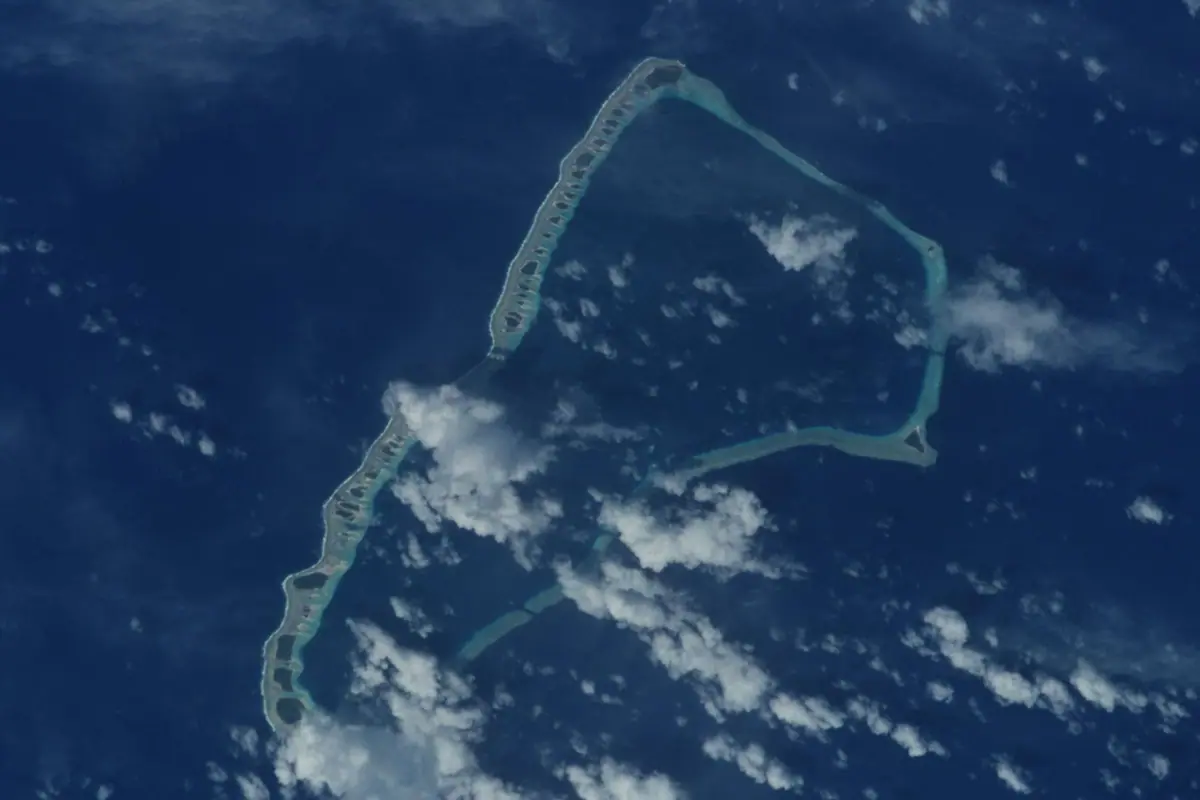
Bikini Atoll draws experienced divers from around the world, and it is also a place of grief. Between 1946 and 1958 it was used for nuclear tests; its people were relocated and have campaigned for decades to return. Recognised internationally as a heritage site for the scale of what happened there, its lagoon now holds an intact ghost fleet, including the aircraft carrier USS Saratoga, resting in exceptionally clear water.
Diving Bikini requires a permit and a liveaboard berth, departures are from Kwajalein rather than Majuro, and trips run only in a narrow season. It is not an add-on to a beach holiday.
Kwajalein is the largest coral atoll on earth, yet access is restricted to people with official business, so most travellers see it only from the air; densely populated Ebeye next door tells its own story. Further west, Enewetak Atoll holds the concrete dome covering waste from the testing era. Visit these places as a guest rather than a collector of landmarks, because the Marshallese relationship to them is personal and ongoing.
Craft, Canoe and Everyday Etiquette
Marshallese craft is exceptional. Jaki-ed mats from Ebon are woven so finely they were once reserved for chiefs, and pandanus-leaf handbags, purses and hats are sold along the D-U-D road and at the airport. Model canoes and stick charts are the classic objects to take home. Buy from the weaver directly when you can, and you will hear the story behind the pattern.
Outrigger canoes still cross the lagoon, and the knowledge behind them is the country's great inheritance: a navigator reading swell, stars and birds to find land. Ask around in Majuro and you may find a sailing trip, a race, or simply someone willing to take you out on a tipnol for an afternoon.
A few final notes. The US dollar is the currency and English is widely spoken alongside Marshallese. Medical facilities are limited, so travel insurance with evacuation cover genuinely matters, and reef-safe sunscreen is the right choice. Some outer atolls are dry, with no alcohol sold at all. Travel slowly, ask first, and the welcome you receive will be unlike anything a packaged holiday offers.
Frequently asked questions
When is the best time to visit the Marshall Islands?
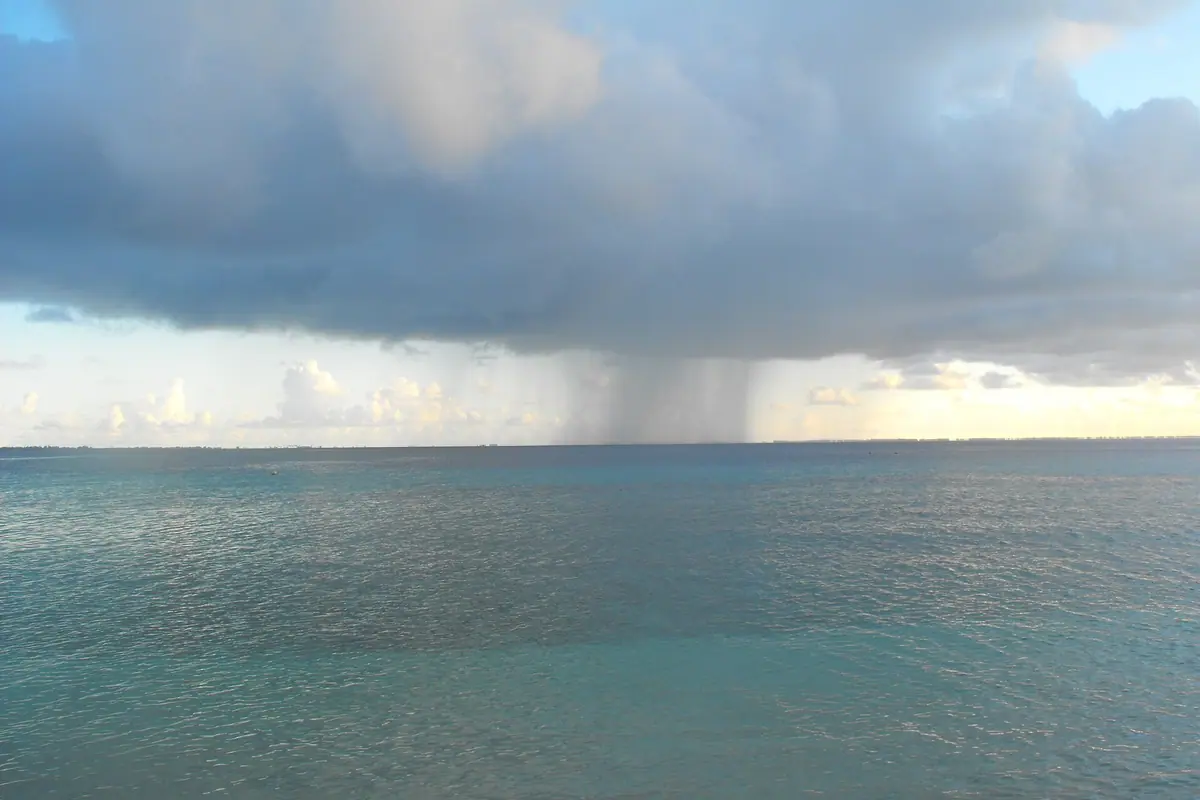
The driest, breeziest stretch runs from December to April, with steady trade winds, lower humidity and the clearest water for diving and snorkelling. From roughly June to November it turns hotter and wetter, and that is also when tropical storms are possible. Temperatures sit between about 27°C and 30°C all year, so rain and wind, not warmth, decide your timing.
How do you get to the Marshall Islands and how long is the flight?
Majuro is served by a handful of weekly flights from Honolulu, with island-hopper services continuing on towards Guam and a few other Pacific stops. The hop from Honolulu takes around five hours. Seats are limited and connections to outer atolls are tighter still, so book months ahead rather than weeks.
Do I need a visa for the Marshall Islands?
Many nationalities are granted entry on arrival, and US citizens may enter without a visa, but rules vary and consular support in the region is thin. Carry a passport valid for at least six months, proof of onward travel and the address where you are staying, and confirm current requirements shortly before departure.
Can you actually visit Bikini Atoll?
Only as a diver, and only with a permit. Trips operate as liveaboard charters departing from Kwajalein during a limited season, arranged far in advance; there is no independent travel to the atoll. Land-based visits are not part of the picture, and the return of Bikini's people remains an unresolved and sensitive subject.
What should I know about etiquette and safety?
Greet people before anything else, ask permission before photographing anyone or visiting a family's islet, dress modestly away from the beach, and keep Sunday quiet. The US dollar is the currency and English is widely spoken. Medical care is limited outside Majuro, some outer atolls ban alcohol entirely, and reef-safe sunscreen plus a reusable water bottle will serve you well.
Plan it — tours in Marshall Islands
Live search, booked directly with trusted providers.
Sort the rest of your trip
Everything for Marshall Islands, in one place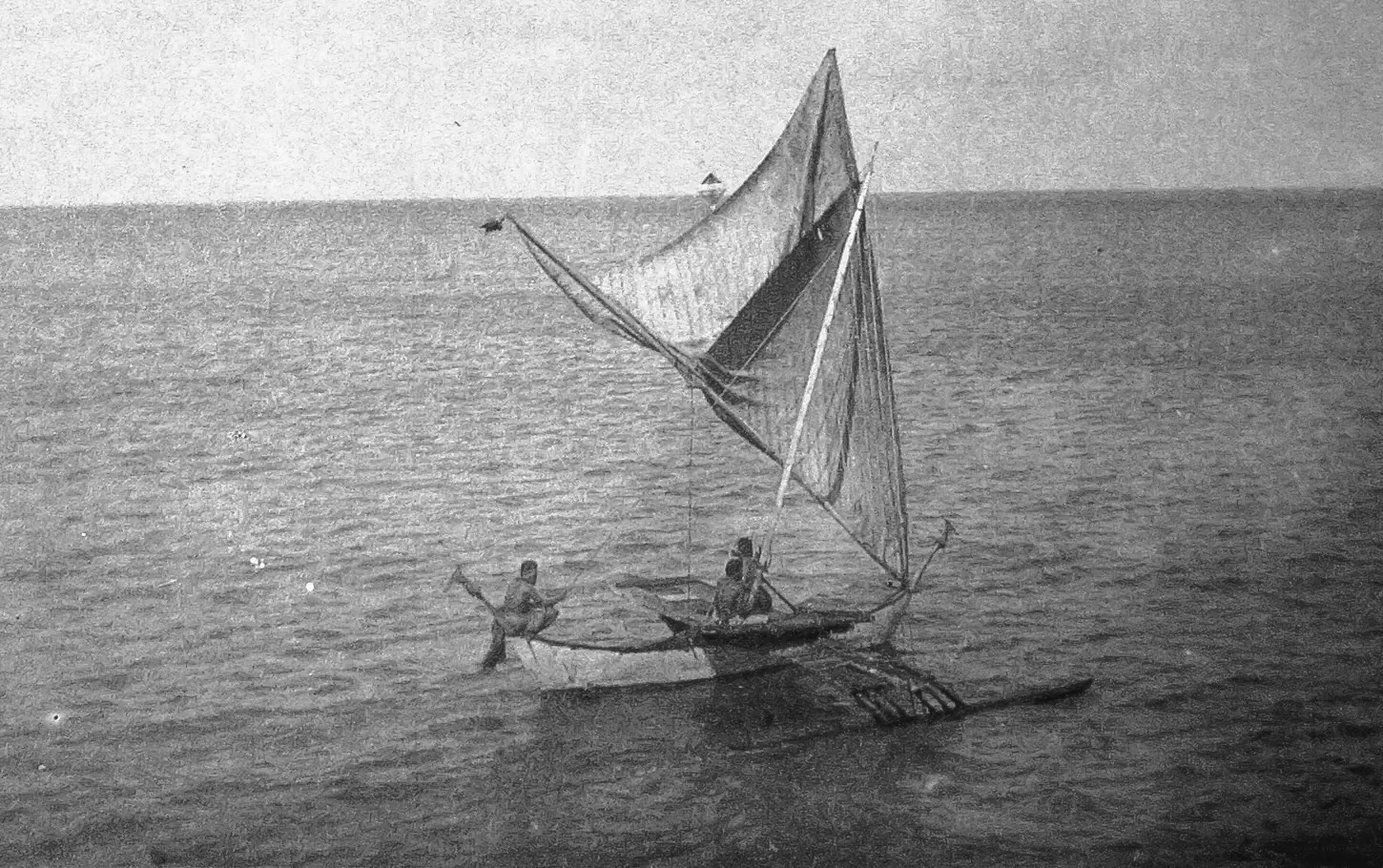
Stay in Marshall Islands
Hotels, guesthouses and apartments — compared in one search.
Search hotels
Transfer in Marshall Islands
Private driver waiting on arrival — no queues, no surprises.
Book a transfer
Stay online in Marshall Islands
Travel eSIM — data the moment you land, no roaming bills.
Get an eSIM