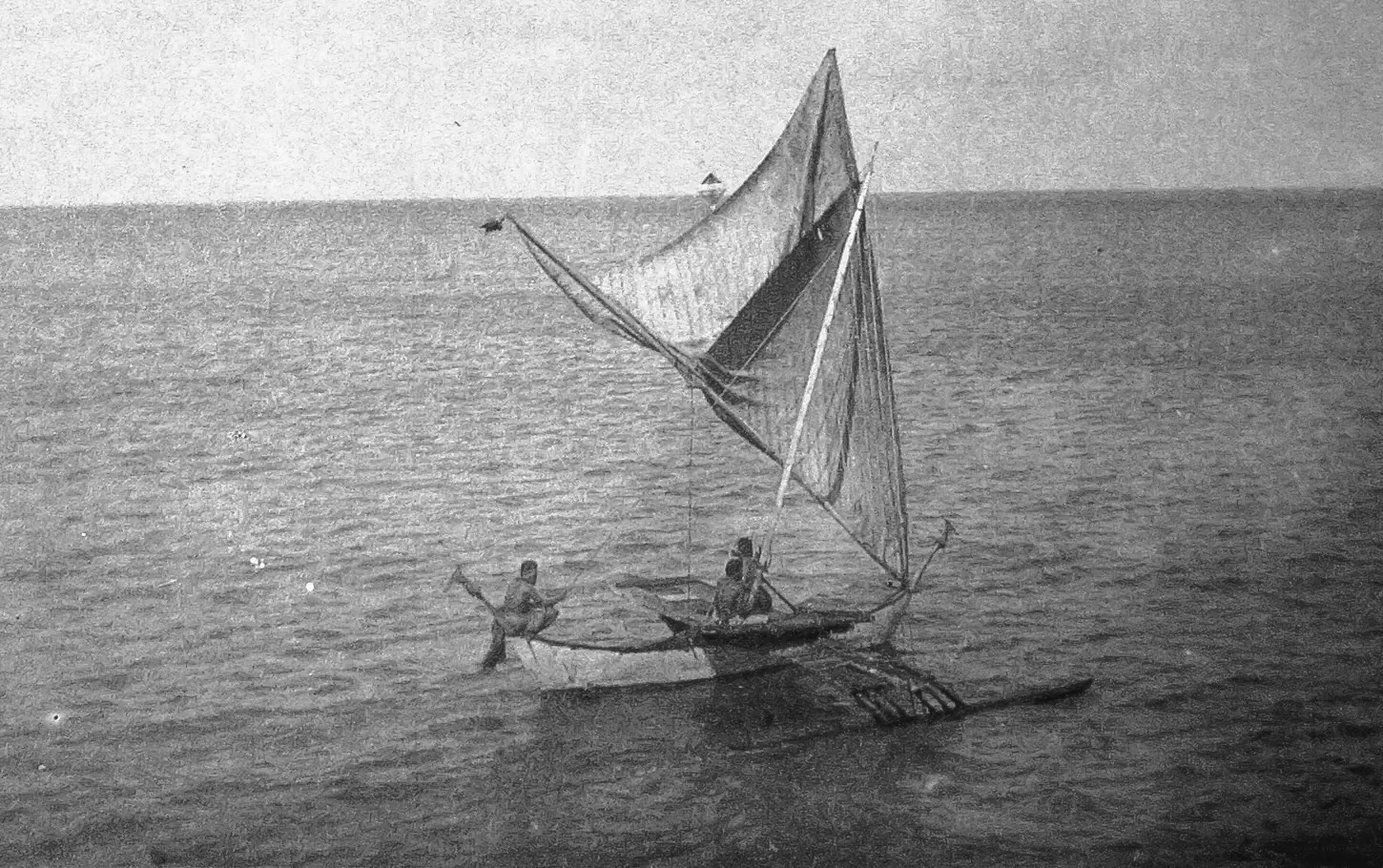
The Marshall Islands rarely asks you to choose between seasons so much as to choose between moods: bright, breezy trade-wind days or hot, still, squall-split afternoons that leave the sea flat as glass. Get the timing right and a handful of tiny hotels on Majuro, plus the guesthouses scattered across the outer atolls, suddenly feel like the easiest places in the Pacific to reach.
How the Trade Winds Shape the Marshall Islands Calendar
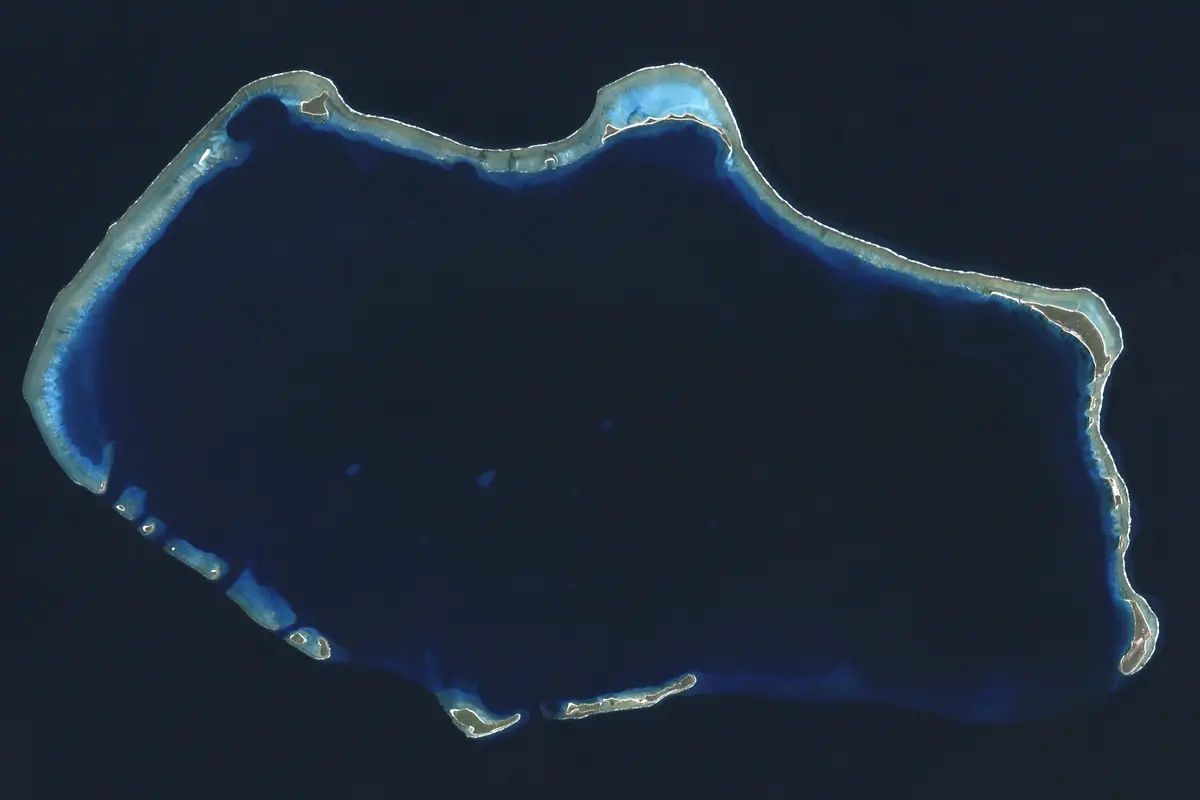
The Marshall Islands spreads 29 coral atolls and five isolated islands across nearly 750,000 square miles of the central Pacific, and the thermometer barely moves all year: daytime highs sit between 27°C and 30°C, and lagoon water hovers around 27°C to 29°C. What actually changes is wind, rain and sea state — the three things that decide whether your stay becomes glassy lagoon mornings or rain-slicked afternoons indoors.
From December through April the northeast trade winds take charge. Humidity falls, sunny spells stretch longer, and this dry season is comfortably the best window for beach days at Laura, snorkelling inside Majuro's lagoon and wandering the downtown islets on foot. The trade-off is wind: afternoons on the water turn choppy, small-boat crossings to neighbouring atolls get bumpy, and anything on the lagoon is best scheduled for the morning.
May to November is the wet season, though 'wet' here means short, heavy squalls rather than endless grey. Rain tends to arrive in bursts, often overnight or mid-afternoon, with hot, humid, windless hours in between. The reward is a flatter sea: the winds ease, inter-atoll crossings become gentler, and the outer islands turn a deep, saturated green. The country sits largely outside the main typhoon belt, but the later wet-season weeks can still turn unsettled.
Month by Month: When Majuro's Hotels Fill Up
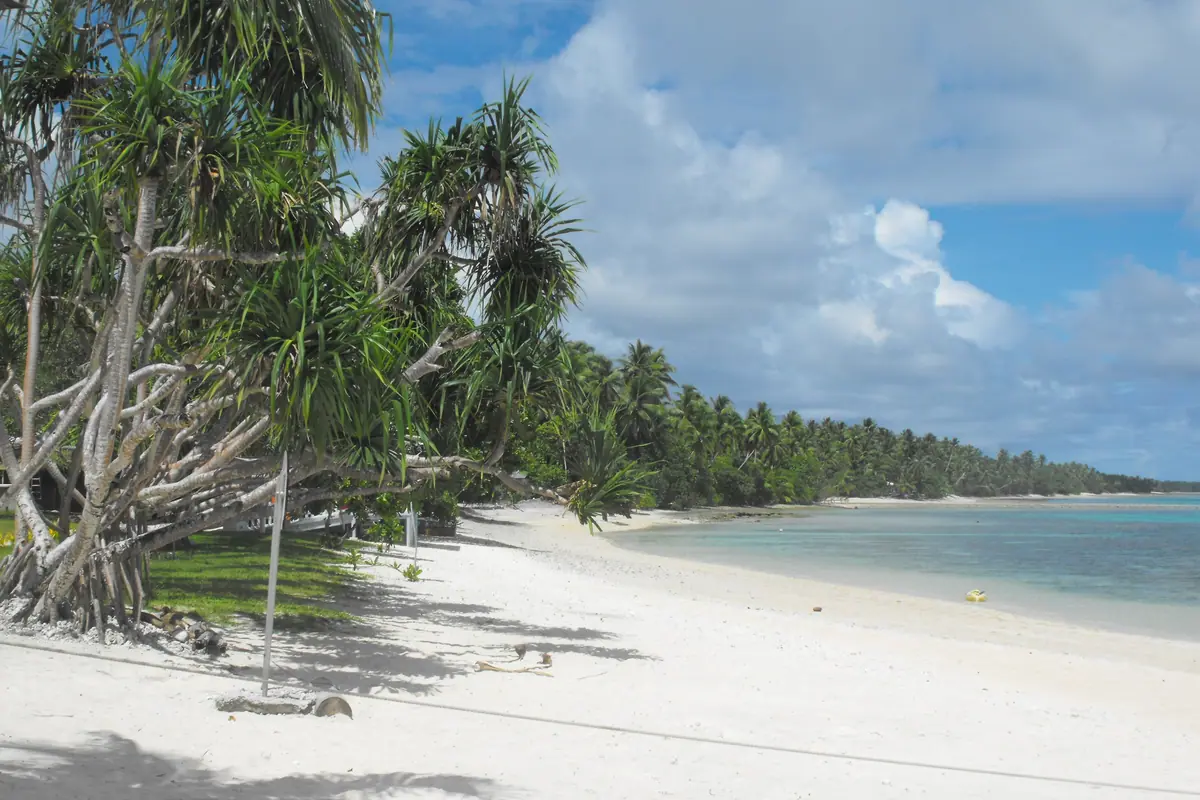
January to March delivers the driest, most reliable weather of the year and is the easiest time to plan a Majuro hotel stay — long beach days, clear lagoon views and low odds of a washout. It is also peak demand. Rooms on the main islets disappear fastest around New Year and through the first weeks of January, so reserve two to three months ahead if those dates matter to you.
March 1 is Nuclear Victims Remembrance Day, a solemn public holiday marked with ceremonies and a noticeable pause across the islands. Far louder is May 1, Constitution Day, which kicks off the biggest celebration of the year: canoe races, parades, sports carnivals and traditional weaving displays. Hotel rooms in Majuro book out weeks in advance for that week, and inter-island transport gets crowded.
The calendar keeps giving through the second half of the year — Fishermen's Day on the first Friday of July, Manit Day on the last Friday of September, Gospel Day in early December. The heaviest rain usually falls between August and October. Fewer visitors, softer room rates and greener atolls make that stretch appealing if you don't mind dodging showers.

Diving, Snorkelling and the Calm-Sea Window
Bikini Atoll, listed as a World Heritage site in 2010, is the dive trip people cross oceans for: a lagoon floor strewn with warships sunk during the 1946 nuclear tests, including a vast aircraft carrier sitting upright in clear water. Liveaboard expeditions run roughly May to October, when the passage is calmest and visibility sharpest. Access is staged through Kwajalein, Bikini itself remains uninhabited, and berths are few, so plan close to a year ahead.
Closer to base, Kalalin Pass on the edge of Majuro's lagoon is the dependable local dive — grey reef sharks patrolling a coral drop-off, with operators running boats year-round. Visibility is often best in the dry months, while currents are more forgiving and the surface flatter during the wet season. Either way, morning departures usually beat the afternoon chop.
Snorkelling off Laura and around Arno is superb when the sea lies flat, and the lighter-wind months of roughly June to September make boat crossings to Arno, Jaluit, Mili and Likiep noticeably easier. Domestic flights between atolls run on thin schedules and delays are routine, so leave slack in any itinerary that links a guesthouse stay to an onward flight.
Must-See Landmarks That Reward the Right Season
Start in Uliga at the Alele Museum, Library and National Archives, the best single introduction to Marshallese culture: navigation stick charts, outrigger canoe models, shell jewellery and exhibits covering the Second World War and the nuclear-test era. It is compact, absorbing, and an ideal refuge during a wet-season downpour.
At the far western end of the atoll, Laura Beach runs long and white with a shallow, calm lagoon behind it — at its best from December to April, when the sand is dry and the water clear. Nearby, Peace Memorial Park commemorates the Japanese and Marshallese dead of the war, and old bunkers and gun emplacements still stand among the palms.
Majuro itself is essentially one road threading a chain of islets — Delap, Uliga, Djarrit, then Rita and on to Laura — linked by causeways and small bridges. Driving it end to end takes under two hours but easily fills a day: the Capitol and parliament buildings, busy produce and handicraft markets, war memorials, and sunset over the lagoon from a causeway.
Beyond Majuro: Outer Atolls and When to Go
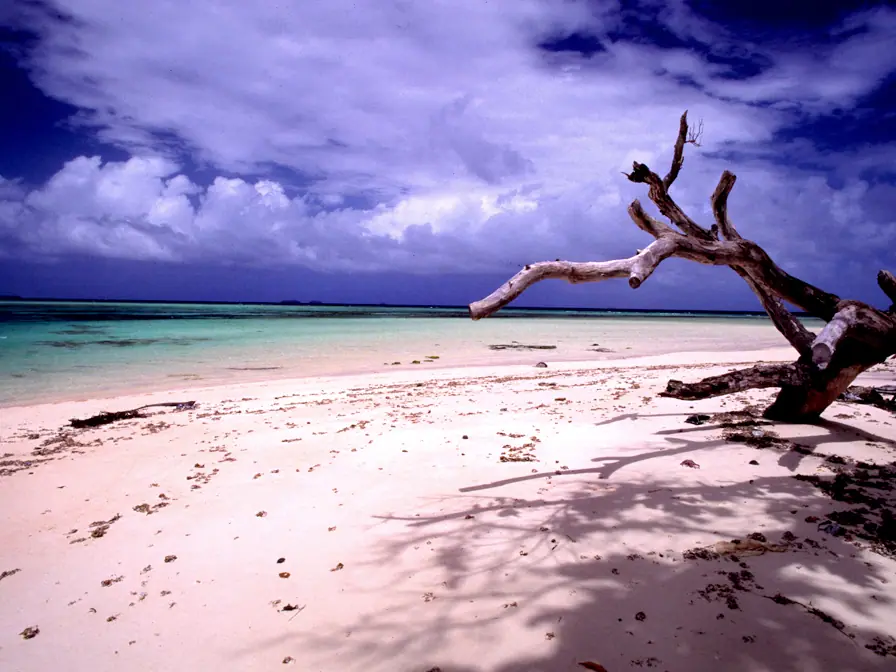
Arno Atoll is the easiest escape — a boat ride across the lagoon to quiet beaches, reef flats and villages where a handful of family guesthouses host visitors. Its proximity makes it a realistic day trip in the dry season and a comfortable overnight once the wet-season winds slacken.
Further out, Jaluit was the German colonial capital and still holds ruins, an old cemetery and church remains; Mili carries wartime wreckage and airstrips; Likiep preserves unusual timber buildings from the trading era. Kwajalein, the largest coral atoll on earth, is largely restricted, with the densely packed island of Ebeye as its Marshallese heart.
Hotels, Guesthouses and Practical Timing
Majuro's hotel stock is small: a long-established waterfront property in Delap, a lagoon-front resort-style hotel, plus guesthouses, homestays and serviced apartments strung along the main islets. Outer atolls offer simple family-run lodgings. Because inventory is limited, booking two to three months out is wise for the dry season and essential around Constitution Day, Christmas and New Year.
Expect air conditioning and generator backup in Majuro's hotels, patchy Wi-Fi, and water drawn from rainwater catchments — most visitors drink bottled or boiled. Sundays are quiet: many shops and restaurants close and the pace slows considerably, so avoid scheduling an arrival day around shopping or errands.
Pack light cottons, reef shoes, a rain shell, reef-safe sunscreen and insect repellent. Cash goes a long way outside Majuro's main strip, where ATMs are thin on the ground. Away from the beach, dress modestly, and accept that island time is real — patience is part of the trip.
Frequently asked questions
What is the best month to visit the Marshall Islands?
January to March typically offers the driest, sunniest conditions, with December and April close behind. If calm seas matter more than dry skies — for outer-atoll crossings and diving — aim instead for the lighter-wind months of June to September and accept more rain.
Do I need to book Marshall Islands hotels in advance?
Yes. Majuro's room inventory is genuinely small, so reserve two to three months ahead for the December-to-April dry season and even earlier around Constitution Day in early May, Fishermen's Day in July, and the Christmas and New Year period.
When is the best time to dive Bikini Atoll?
Liveaboard expeditions generally run from around May to October, when the passage is calmest and underwater visibility is at its best. Trips are staged through Kwajalein, berths are limited and demand is high, so booking up to a year ahead is sensible.
Are the Marshall Islands affected by typhoons?
The country lies largely outside the main typhoon belt, so direct hits are uncommon. The wet season does bring heavy squalls, and the later months — roughly September to November — can turn unsettled, so flexible plans and travel insurance are worth having.
Is Sunday a good day to arrive?
Not ideal. Sunday is observed quietly across the islands, with many shops and restaurants closed and limited transport. Arriving on a weekday gives you a better chance of settling in, sorting cash and supplies, and organising onward island travel.
Plan it — hotels in Marshall Islands
Live search, booked directly with trusted providers.
Sort the rest of your trip
Everything for Marshall Islands, in one place
Transfer in Marshall Islands
Private driver waiting on arrival — no queues, no surprises.
Book a transfer
Things to do in Marshall Islands
Skip-the-line tickets, guided tours and standout experiences.
See experiences
Stay online in Marshall Islands
Travel eSIM — data the moment you land, no roaming bills.
Get an eSIM