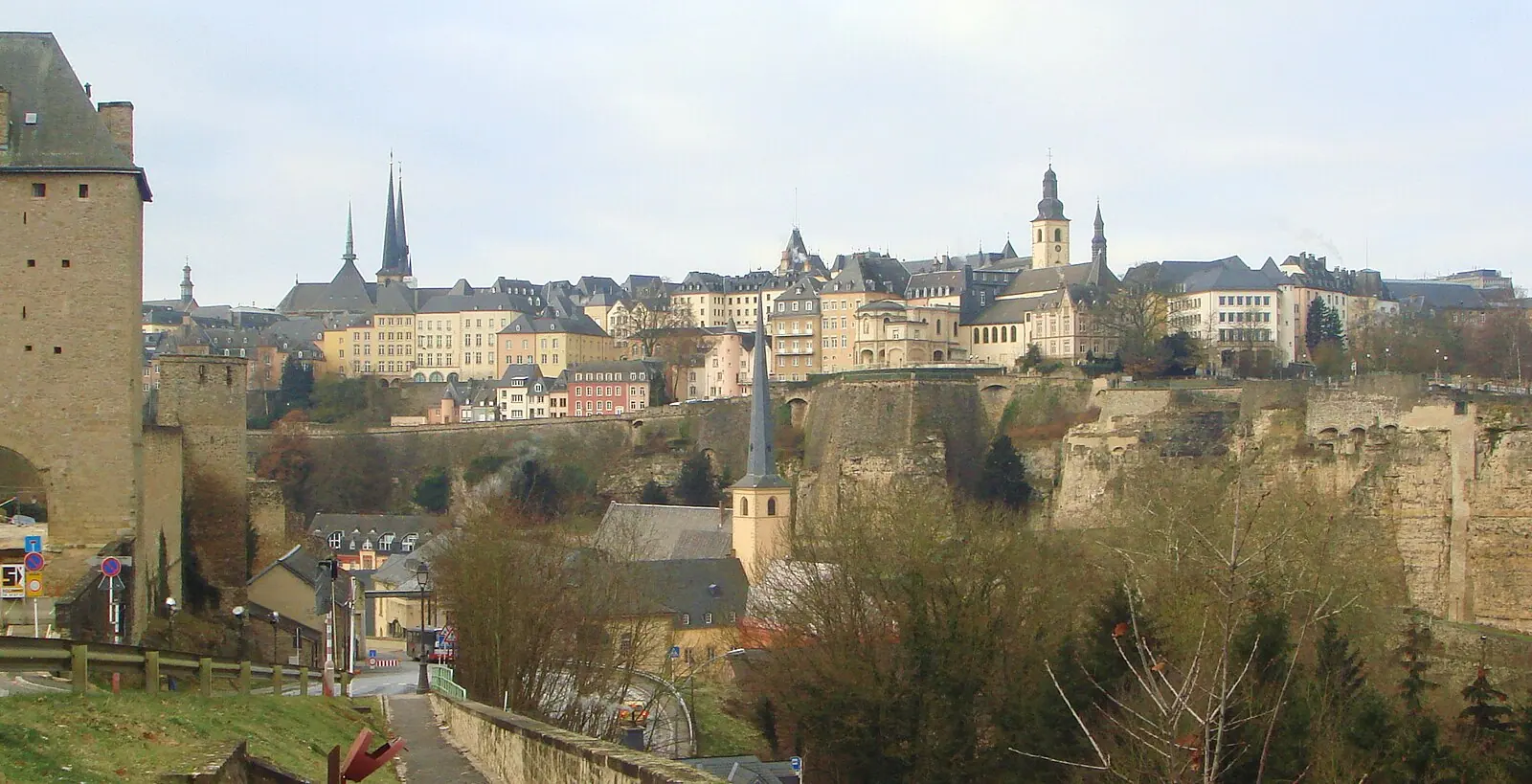
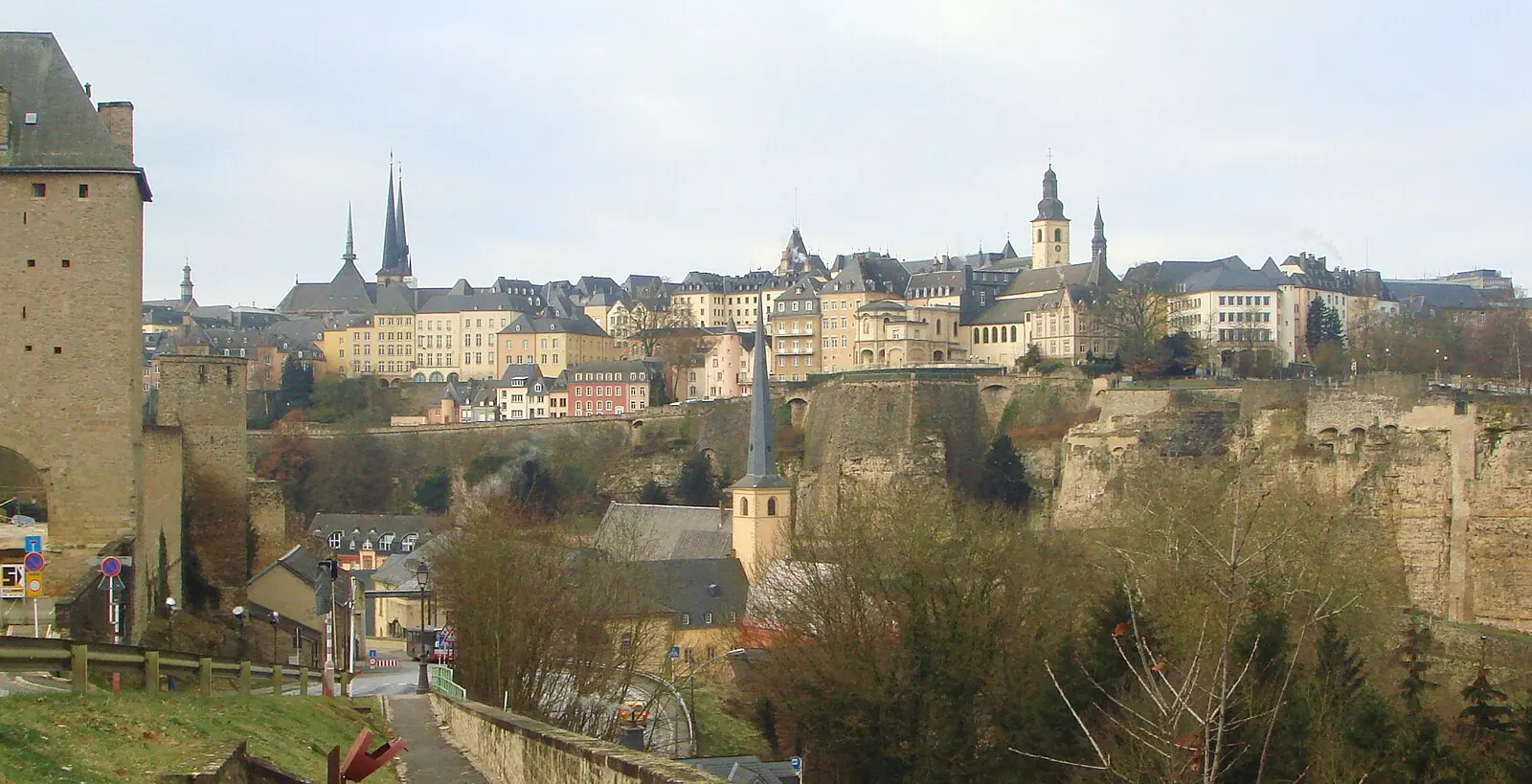
Luxembourg is the kind of place that hides its best material in plain sight: a capital city folded into a gorge, a plate of smoked pork and broad beans that tastes like a Sunday afternoon, and a wine valley that most travellers drive straight past on the way to somewhere else. Stay a few days and the Grand Duchy stops being a footnote between Belgium, France and Germany and becomes the whole point of the trip.
Markets, Squares and the Rhythm of the Old Town
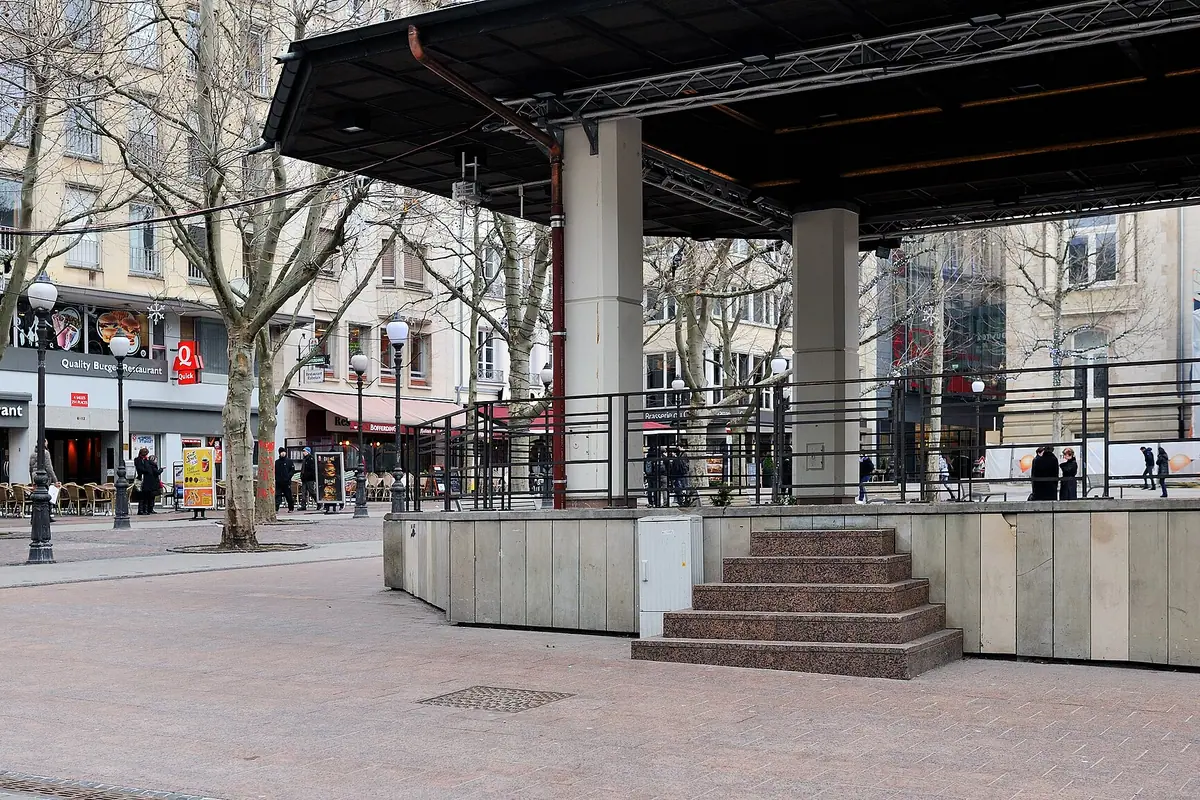
Luxembourg City is best understood on foot and slightly uphill. Start at Place d'Armes, the paved heart of the old town, where café terraces spill out under the plane trees and the whole city seems to gather for a mid-morning coffee. Two minutes away is Place Guillaume II, known locally as the Knuedler, which hosts the city's main food market on Wednesday and Saturday mornings — cheese stalls, charcuterie, bread, flowers, and a low hum of Luxembourgish, French and Portuguese that tells you more about the country than any museum label.
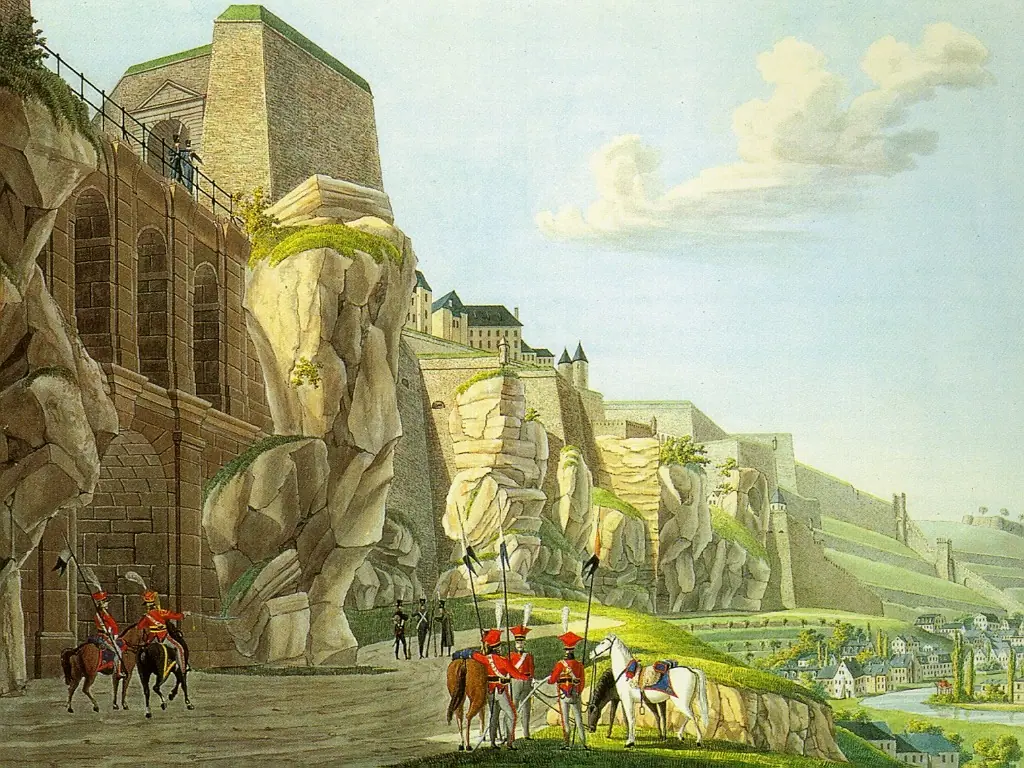
Then descend. The Alzette river loops through the valley below the old town, and the quarters of Grund and Clausen sit down there among the water and the willows, all stone bridges and riverside kitchens. The walk down from the Chemin de la Corniche — a balustraded path along the old ramparts, long nicknamed the most beautiful balcony in Europe — is the single best introduction to the city's shape: fortifications on one side, church spires and slate roofs on the other.
Eating habits here run on a quiet clock. Lunch is a serious affair, usually between noon and two, and many kitchens close again in the late afternoon before reopening for dinner. Sundays are slower still, with a handful of places shut entirely. Book ahead for Friday and Saturday evenings, and don't be surprised if the best table of the trip turns out to be a brasserie with a chalkboard menu and no website at all.
The Luxembourgish Table: What to Order at Least Once
If you order one dish in Luxembourg, make it judd mat Gaardebounen — smoked pork collar simmered with broad beans, served with boiled potatoes and often a spoonful of mustard sauce. It is the national plate, hearty and faintly smoky, and it turns up on brasserie menus across the capital and in the Ardennes villages where it feels most at home. Alongside it, look for Bouneschlupp, a green bean and potato soup with bacon, and Träipen, a dark, spiced black pudding served with apple compote or fried potatoes.
Snack culture is where Luxembourg gets playful. Gromperekichelcher — crisp potato fritters flecked with onion and parsley — are sold from stalls at fairs and markets, best eaten hot with a dusting of salt while you walk. Kachkéis, a soft cooked cheese spread on bread or potatoes, is the local answer to comfort food, and Rieslingspaschtéit, a cold pie filled with pork, veal and Riesling wine, is the picnic staple you'll find in butcher shops and bakeries. In the Moselle valley in spring and early summer, order F'rell — freshwater fish, fried in butter, usually with potatoes and a glass of something local.
Sweet things follow the seasons. Quetschentaart, a dense plum tart, appears in late summer and autumn when the plums come in, and a plain pretzel carries its own history: on Pretzel Sunday, the fourth Sunday of Lent, pretzels are traditionally exchanged between sweethearts. In spring, asparagus from the fields around the Moselle shows up on menus for a few intense weeks; in autumn, game and mushroom dishes take over. Portions are generous, so pace yourself and share a starter.
Underground and Overlooked: Landmarks You Should Not Miss
The Bock Casemates are the city's signature experience and the reason its fortifications and old quarters were granted World Heritage status. These rock-cut galleries, carved into the promontory above the Alzette from the 18th century onwards, once sheltered soldiers, horses and workshops; you can walk through echoing tunnels and peer out through gun ports over the valley below. Visits are self-guided or guided and take around an hour, and the site generally opens from spring through autumn, so check seasonal hours before you build a day around it.
Above ground, the essential landmarks are close together and easy to string into a single morning. The Grand Ducal Palace on Rue du Marché-aux-Herbes opens for guided tours in the summer weeks when the royal family is away, and the changing of the guard in front of it draws a small, cheerful crowd. Nearby stand the Notre-Dame Cathedral with its ornate interior, the Place de la Constitution with the Gëlle Fra memorial to Luxembourg's war dead, and the Adolphe Bridge, the city's great stone arch spanning the Pétrusse valley, lit up after dark.
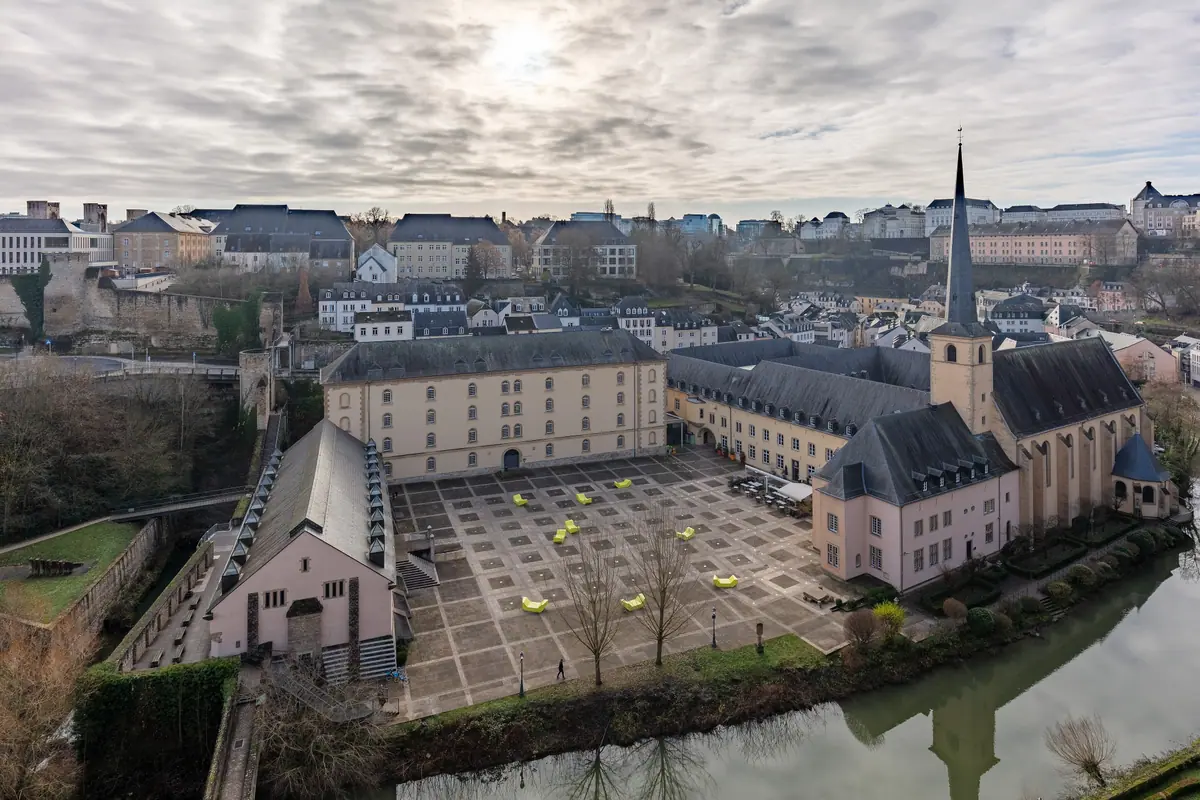
Cross to the Kirchberg plateau for the Mudam contemporary art museum and the National Museum of History and Art, or stay in the valley and visit Neumünster Abbey, a former Benedictine monastery in the Grund that now hosts concerts and exhibitions. If staircases aren't your thing, ride the glass panoramic lift between the Pfaffenthal valley floor and the upper city — it's free, quick, and gives you the view without the climb.
Beyond the Capital: Castles, Little Switzerland and the Moselle
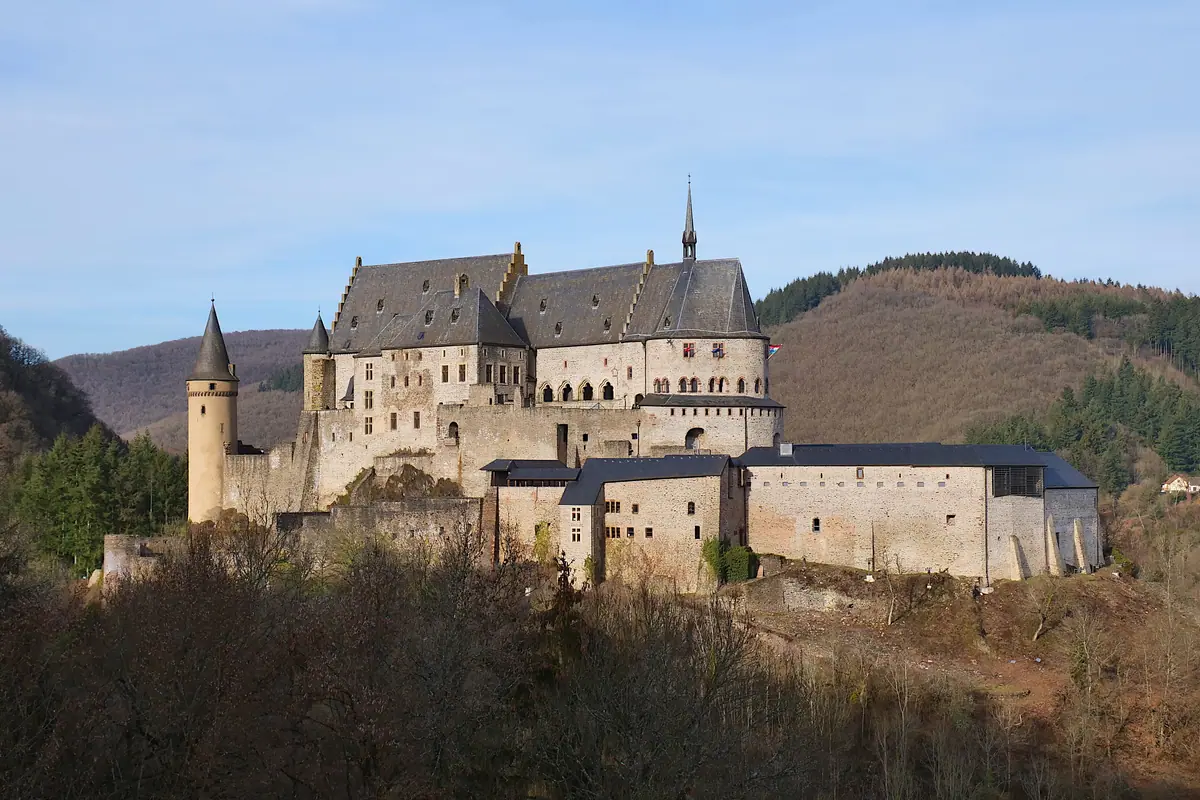
Luxembourg is small enough that the country is a day-trip machine. Vianden Castle, a restored medieval fortress on a wooded hill above the Our river, is the most dramatic of them — reachable by train to Ettelbruck and then by bus, with a chairlift gliding up the slope opposite for the postcard view back. Also worth the detour: Beaufort and Larochette with their ruined castles, Bourscheid's towering keep, and Clervaux, where the castle holds a remarkable collection of humanist photography alongside the abbey and its Benedictine community.
East of the city, the Mullerthal region — nicknamed Little Switzerland for its sandstone crags and ravines — is laced with walking trails through mossy gorges, past rock formations with names like the Predigtstuhl and the Labyrinth. The town of Echternach makes the best base, with its basilica housing the shrine of St Willibrord, its abbey, and a lakeside promenade where locals walk off a long lunch. Even a half-day loop here gives you forest, water and geology that feel nothing like the capital.
Then there's the Moselle, Luxembourg's wine country, running along the German border through Remich, Wormeldange, Ehnen and Grevenmacher. This is where Crémant de Luxembourg is made, along with Riesling, Auxerrois, Elbling and Pinot Gris, and where the villages hold wine festivals through the summer and harvest celebrations in September. Rent a bike, follow the river path, and stop at a winery cellar door for a tasting — most are family-run, most welcome drop-ins, and almost none of them are crowded.
Local Rituals: When Luxembourg Celebrates
National Day on 23 June is the country's biggest party, marking the Grand Duke's official birthday with a torchlight procession, military parades and evening fireworks over the city. The whole capital turns out, the squares fill with music, and the celebrations run late into the night. A few weeks later the Schueberfouer opens on the Glacis fairground, a funfair that has been running since the 14th century and lasts roughly two and a half weeks into early September — all candy floss, dodgems, sausage stands and Gromperekichelcher.
Spring brings the older, stranger traditions. On the first Sunday of Lent, villages light Buergbrennen bonfires to burn away winter; on Pretzel Sunday, the fourth Sunday of Lent, pretzels are given as tokens of affection. Whit Tuesday belongs to Echternach, where the hopping procession — a slow, rhythmic dance through the streets in honour of St Willibrord — draws pilgrims and onlookers from across Europe and has been recognised as intangible cultural heritage. Carnival season in Diekirch and the city's own Fuesend parades keep February and early March lively.
Winter has its own draw. From late November, the Christmas markets take over Place d'Armes and Place de la Constitution with wooden chalets, mulled wine, smoked ham and crafts, and the streets fill with lights. Museum Night in spring and the Fête de la Musique on 21 June round out a calendar that punches well above the country's size.
Practical Pleasures: Getting Around, Timing and Local Etiquette
Getting around is unusually painless: public transport across the entire country — buses, trams and trains, standard class — has been free to ride since 2020. That makes Vianden, Echternach and the Moselle genuinely easy without a car, though cross-border trains and first-class carriages still require a ticket. The capital itself is walkable end to end in about forty minutes, with trams linking the old town to the Kirchberg museums and the station district.
Allow two full days for Luxembourg City — one for the old town, casemates and Corniche, one for museums and the valley quarters — then add two more for Vianden and the Mullerthal or the Moselle. May, June, September and October offer the best mix of mild weather and open terraces; July and August bring palace tours, outdoor festivals and the start of the fair season; December is for markets and crémant by the fire. Many museums close on Mondays, so plan around it.
On the ground, expect a trilingual country: Luxembourgish is the national language, French and German are official, and English is widely spoken in the city and in tourism. Menus are usually in French. Tipping isn't obligatory — rounding up or leaving five percent is plenty. And do try a glass of crémant before dinner at least once; it's the local way to start an evening, and it tastes better when you've spent the afternoon walking the vineyards that made it.
Frequently asked questions
How many days do you need in Luxembourg?
Two full days cover Luxembourg City properly — the old town, the Bock Casemates, the Chemin de la Corniche, the museums and the Grund. Add two more days if you want Vianden Castle, the Mullerthal trails or a Moselle wine tasting, since each is a comfortable day trip by free public transport.
Is public transport really free in Luxembourg?
Yes. Since 2020, buses, trams and trains are free to ride in standard class anywhere within the country, which makes day trips to Echternach, Vianden and the Moselle valley easy without a car. Cross-border journeys and first-class seats still need a ticket.
What food is Luxembourg known for?
The national dish is judd mat Gaardebounen, smoked pork with broad beans. Also look for Bouneschlupp bean soup, Gromperekichelcher potato fritters, Träipen black pudding, Kachkéis cheese spread, Rieslingspaschtéit pie and Quetschentaart plum tart in autumn, plus Crémant de Luxembourg from the Moselle.
When is the best time to visit Luxembourg?
May, June, September and October offer mild weather and lively terraces. Late June brings National Day on the 23rd, the Schueberfouer fair runs from late August into early September, and Christmas markets fill the squares from late November through December.
Do you need to speak French or German in Luxembourg?
Not strictly. Luxembourgish is the national language, while French and German are official and English is widely spoken in the capital and in tourism. Menus and signs are usually in French, and a simple "Moien" (hello) goes a long way.
Sort the rest of your trip
Everything for Luxembourg, in one place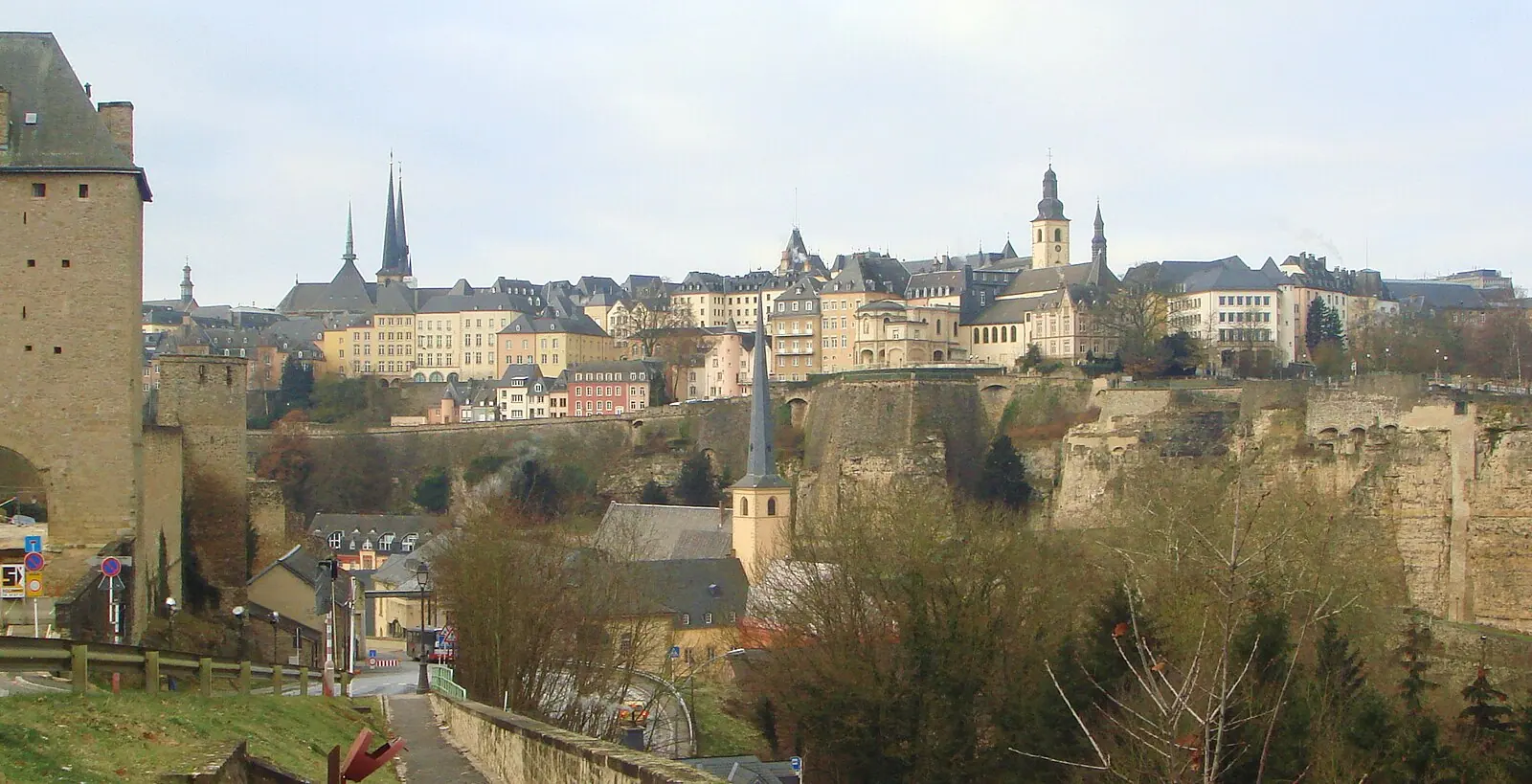
Stay in Luxembourg
Hotels, guesthouses and apartments — compared in one search.
Search hotels
Transfer in Luxembourg
Private driver waiting on arrival — no queues, no surprises.
Book a transfer
Stay online in Luxembourg
Travel eSIM — data the moment you land, no roaming bills.
Get an eSIM