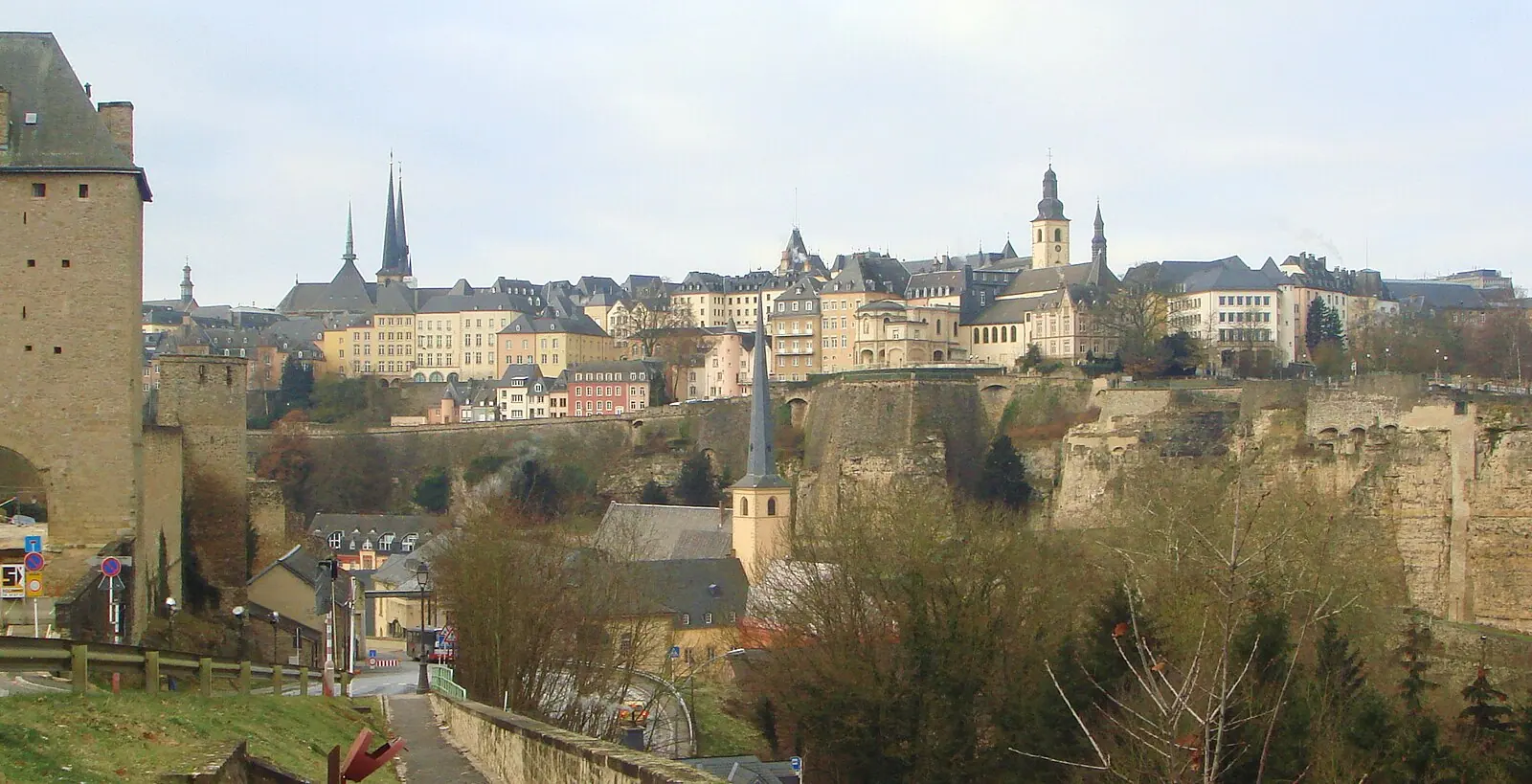
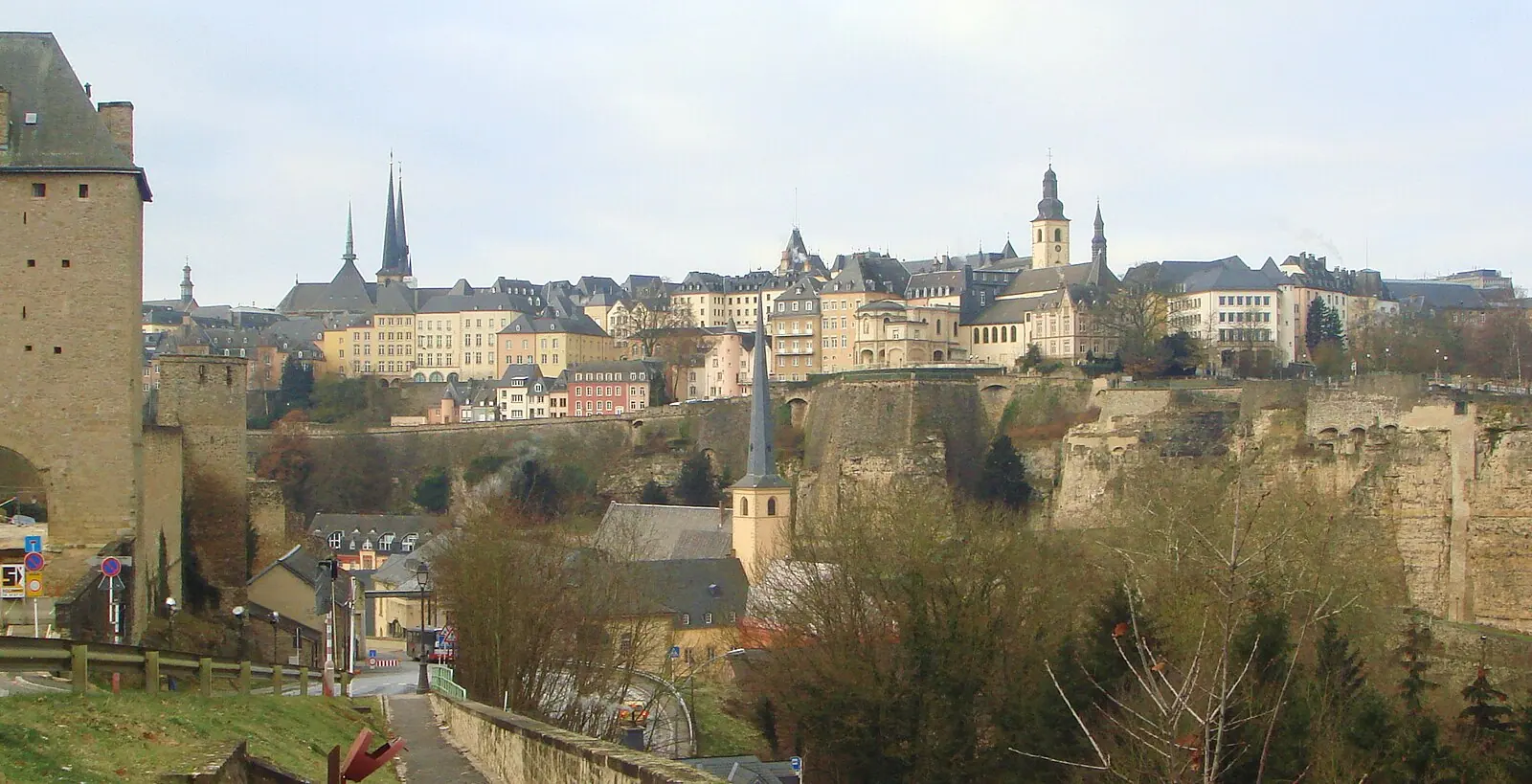
Luxembourg is small enough that one hotel can unlock an entire country — the capital's fortified old town, the forest gorges of the Müllerthal and the vineyard slopes of the Moselle all sit within an hour of each other. What changes through the year is the light, the crowds and what you'll pay for a room. Here's how the seasons really shape a stay here, and when to book.
Why the Season Decides More Than Your Packing in Luxembourg
The Grand Duchy is roughly 80 kilometres long and 60 wide, and free public transport connects almost every corner of it, so most visitors base themselves in Luxembourg City and fan out from there. That makes the capital's hotel map the single most important booking decision you'll make — and its two halves behave very differently. Up on the plateau, Ville Haute clusters around Place d'Armes, Place Guillaume II and the Grand Ducal Palace, where you step out of your door straight into the pedestrian lanes. Down in the valley, the Grund and Pfaffenthal districts trade convenience for atmosphere, with riverside terraces and stone bridges under the Adolphe Bridge's single arch.
Seasonality here is gentler than in Paris or Amsterdam but sharper than you might expect for a city of 130,000. Business travel to the Kirchberg plateau, home to the European institutions and the striking Museum of Modern Art (Mudam), keeps weekday demand steady all year, which means weekend rates in that quarter often drop while the old town fills. Peak leisure season runs from late May into September, spikes again for National Day on 23 June, and returns with real force during the December Christmas market weeks.
The practical upshot: between March and May and again from mid-September to late October, you get good weather, walkable streets and a choice of rooms in the old town rather than a scramble. In high summer and mid-December you'll want to book two to three months ahead, and you may hit minimum-stay rules on market weekends.
Spring (March to May): Chemin de la Corniche Without the Crowds
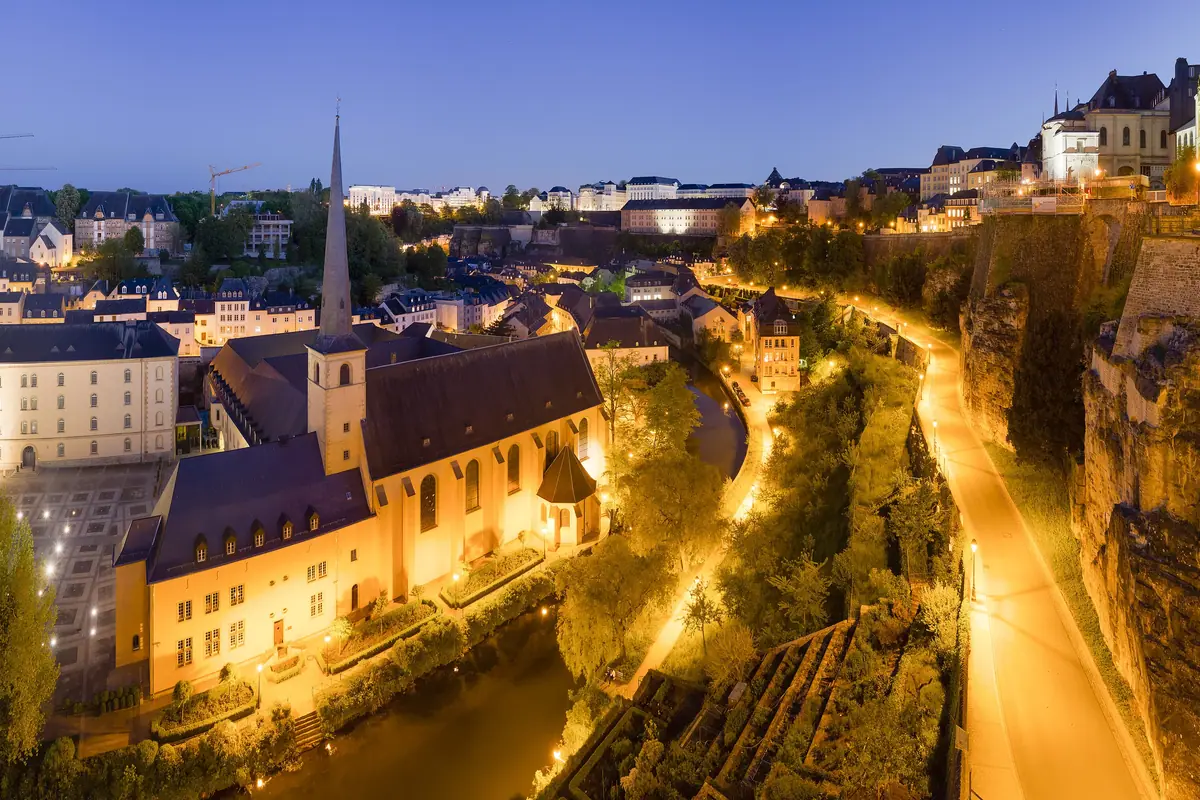
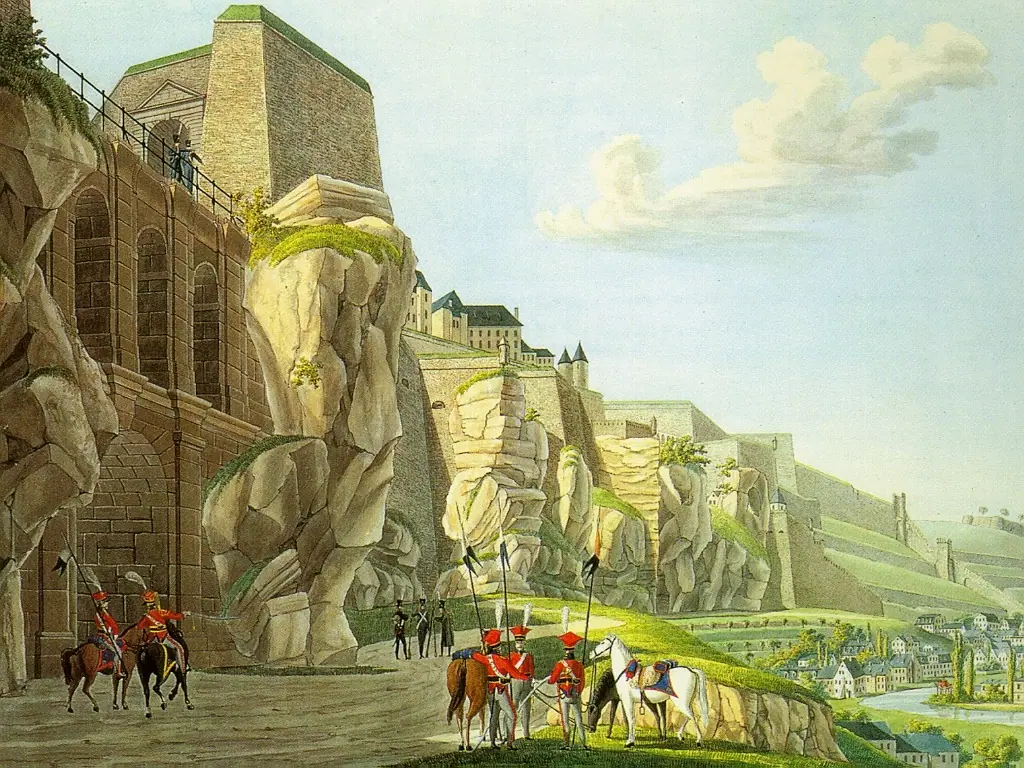
Spring arrives slowly in the Ardennes but the capital warms up nicely from late March, with daytime temperatures climbing from around 10°C to 17°C by May. This is the season for the city's best viewpoint: the Chemin de la Corniche, the balcony path that traces the old ramparts above the Grund, is genuinely quiet on a weekday morning, and the Bock Casemates — the tunnel network carved into the cliff below the first fortifications — typically reopen for the year in spring after the winter shutdown. Combine them with the Adolphe Bridge and the Gëlle Fra memorial on Place de la Constitution for a half-day that covers the city's greatest hits on foot.
Hotel-wise, this is the sweet spot. Rates in Ville Haute sit below summer levels, boutique rooms in the Grund are bookable at short notice, and you won't fight for a table on Place d'Armes. The one exception is the Easter school break, when families from neighbouring countries arrive for a long weekend; book that period well ahead.
Further out, late April brings blossom along the Moselle between Remich and Grevenmacher, and the vineyards start their growing season against a backdrop of river bends and wine villages. Expect changeable weather — a waterproof layer and shoes with grip for the cobbles are worth more than an umbrella in the valley wind.
Summer (June to August): Long Evenings, National Day and Peak Prices
Summer is Luxembourg at its most sociable. Temperatures sit in the low-to-mid twenties, daylight stretches past 21:30, and the café terraces on Place d'Armes and Place Guillaume II spill onto the cobbles. On 23 June the whole country celebrates National Day, with a torchlit parade, fireworks over the valley and a street party that makes the city feel far bigger than it is — hotels sell out and prices jump for that one night. Time your trip around it, or book very early if you want to be part of it.
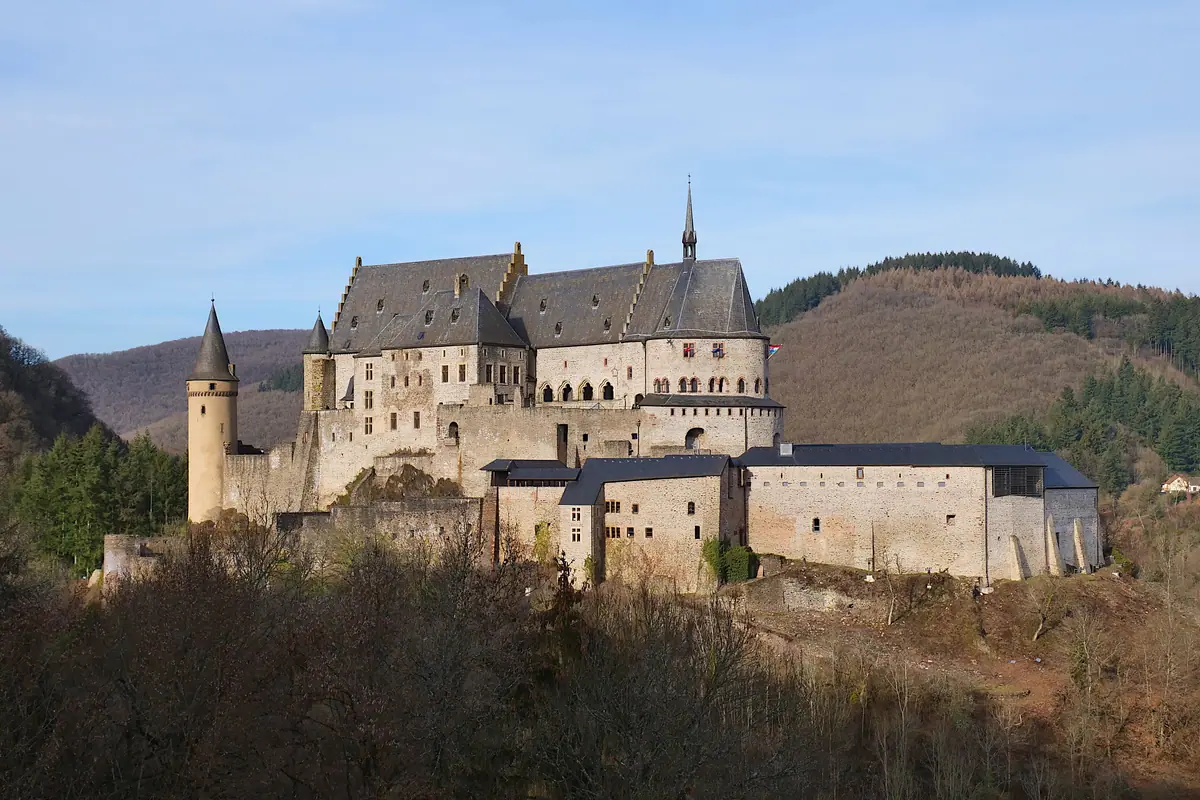
This is also when day trips come into their own. The Müllerthal Trail, Luxembourg's 'Little Switzerland', offers ravine and rock-formation walks around Echternach and Berdorf that are lush and shaded in June, humid and crowded in August. Vianden Castle, the fairy-tale hilltop fortress above the Our river, is reachable by train and bus and best visited before 11am. The Moselle wine villages, Esch-sur-Sûre's clifftop ruins and the forested north around Clervaux all make easy day trips from a city base.
For value in high summer, look at the Kirchberg plateau at weekends: business hotels there discount heavily on Friday and Saturday nights when the institutional travellers leave, and you're still 15 minutes by tram or bus from the old town. Budget-conscious travellers often do well near the central station, where rooms are smaller but connections to Trier, Metz and Brussels are unbeatable.
Autumn (September to November): Funfair, Harvest and Shoulder-Season Value
September is arguably the best all-round month in Luxembourg: warm but no longer sticky, quiet mornings on the Chemin de la Corniche, and the Schueberfouer, a huge funfair that takes over the Glacis plateau in the city's north-west for roughly three weeks from late August into early September. It's a centuries-old tradition and a genuinely local night out. Down on the Moselle, the grape harvest brings wine festivals to the villages between Remich and Wasserbillig, and by late October the Müllerthal's beech woods turn copper and gold — the best walking of the year.
Hotel rates dip from mid-September onward except during the funfair and major trade-fair weeks, so check the city's event calendar before committing. Late October and early November are the year's quietest stretch for leisure travel, which means old-town rooms at their most affordable and restaurants that finally have space.
November itself is grey, damp and short on daylight, but it's the month for Luxembourg's museums: the Museum of Modern Art on Kirchberg, the National Museum of History and Art in the old town, and the riverside Neumünster Abbey complex in the Grund, which hosts concerts and exhibitions. The Luxembourg American Cemetery at Hamm, with its rows of white crosses and the grave of General Patton, is a sobering and worthwhile stop in any month, and easiest to reach in the shoulder season without crowds.
Winter (December to February): Christmas Markets and the Cheapest Rooms
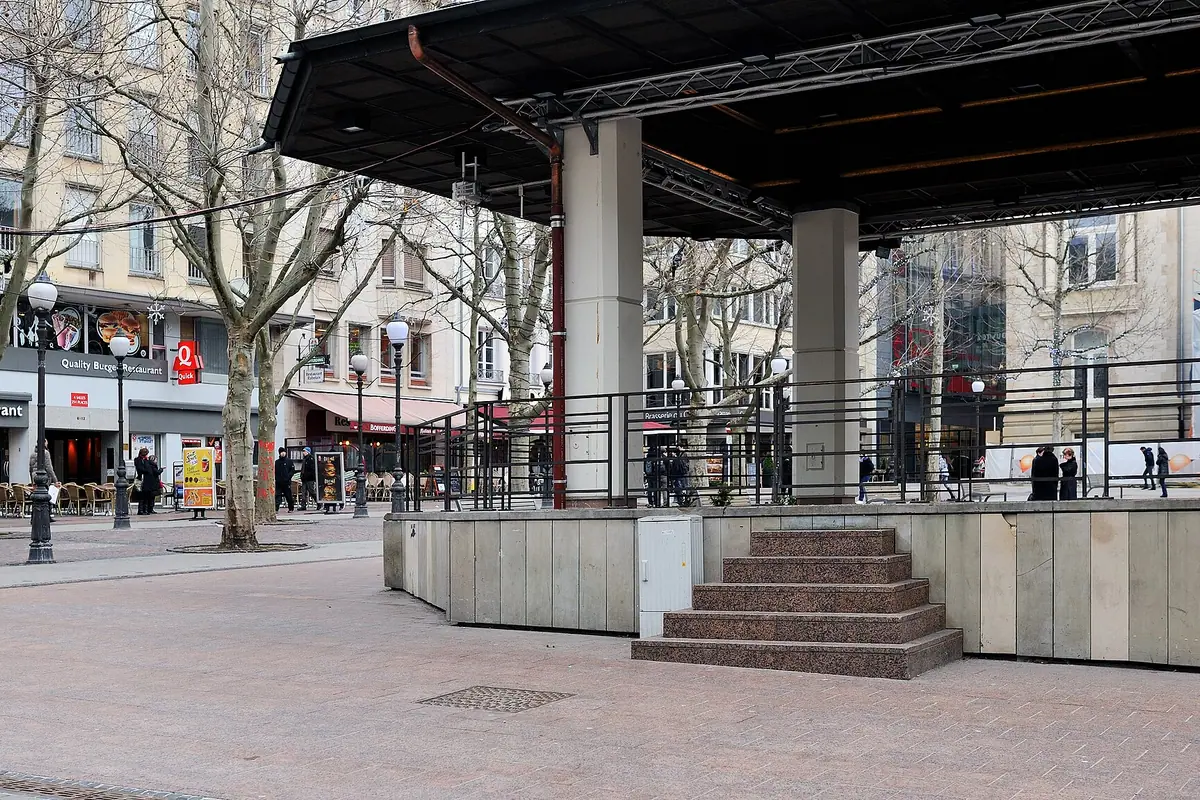
December transforms the city centre. Christmas markets fill Place d'Armes and spill towards Place de la Gare, the Winterlights programme puts illuminations around the old town, and the smell of mulled wine and gromperekichelcher — potato fritters — hangs over the pedestrian lanes. The atmosphere is intimate rather than enormous, which is exactly its charm. Weekend nights in December command the year's highest rates alongside high summer; travelling Sunday to Thursday instead drops the price noticeably.
Once the markets close in late December, winter becomes deep shoulder season. January and February are the cheapest months for a hotel in Luxembourg City by a wide margin, and the old town feels like it belongs to locals again. The trade-off is reduced hours: the Bock Casemates are closed for the season, some smaller museums cut their days, and the Chemin de la Corniche is a bracing rather than leisurely walk.
Snow in the capital is rare and rarely settles, but the northern Ardennes around Wiltz and Clervaux can hold a dusting, giving a very different winter landscape an hour from the city. Inside the walls, the Grand Ducal Palace, Notre-Dame Cathedral and the Place Guillaume II market — held on Wednesdays and Saturdays year-round — keep the centre alive. If your priority is a comfortable room at a fair price and unhurried time in museums and cafés, this is your season.
Matching Your Hotel to the Season — Practical Booking Notes
If you're coming for atmosphere and evening walks, aim for spring or early autumn and book a boutique guesthouse in the Grund or Pfaffenthal, where you're below the ramparts and within walking distance of everything. For summer, Ville Haute around Place d'Armes puts terraces and the Grand Ducal Palace on your doorstep, but expect to reserve early. For winter value and easy tram access, the Kirchberg plateau is the quiet winner, with modern business hotels that discount hard on weekends.
Travellers using Luxembourg as a rail hub — trains run to Trier, Metz, Brussels and beyond, and public transport within the country carries no fare — often find the area around the central station the most practical base at any time of year. Rooms there are functional rather than romantic, but you gain time you'd otherwise spend on connections. Expect a modest nightly city tax to be added to bills in the capital.
Whichever season you choose, build in one rainy-day contingency. Luxembourg's weather changes quickly, especially in the valley, and the country's small size means a washout is easily swapped for a museum morning, a spa afternoon or a longer lunch of Judd mat Gaardebounen — smoked pork with broad beans — in a wood-panelled old-town dining room.
Frequently asked questions
What is the best month to visit Luxembourg?
May, June and September are the best all-round months: mild temperatures in the mid-teens to low twenties, long daylight hours, and the city's viewpoints, casemates and terraces fully open without the peak-season crush. September adds the Schueberfouer funfair and the start of the Moselle grape harvest.
When are hotels in Luxembourg cheapest?
January, February and November are consistently the quietest and cheapest months, excluding the Christmas market period in December. In summer, weekend rates on the Kirchberg plateau often fall below old-town prices because business demand drops. Always check the city's event calendar — a trade fair or National Day on 23 June can spike prices overnight.
How many days do you need in Luxembourg?
Two full days covers the capital properly: the Chemin de la Corniche, Bock Casemates, Place d'Armes, the Grand Ducal Palace, the Grund and Neumünster Abbey, plus one museum. Add two or three more days for Vianden Castle, the Müllerthal Trail around Echternach, and the Moselle wine villages — all reachable by train and bus without a car.
Is Luxembourg worth visiting in winter?
Yes, for two very different reasons. December brings intimate Christmas markets on Place d'Armes and the Winterlights illuminations, with a cosy old-town atmosphere. January and February are the cheapest, quietest months of the year, ideal for museums and long meals — though the Bock Casemates close for the season and daylight is short.
Do you need a car to see Luxembourg's attractions?
No. Public transport across the whole country is free to use, and trains and buses link the capital with Vianden, Echternach, Clervaux and the Moselle villages. A car only helps for remote corners of the Ardennes, and parking in the old town is limited and expensive in peak season.
Plan it — hotels in Luxembourg
Live search, booked directly with trusted providers.
Sort the rest of your trip
Everything for Luxembourg, in one place
Transfer in Luxembourg
Private driver waiting on arrival — no queues, no surprises.
Book a transfer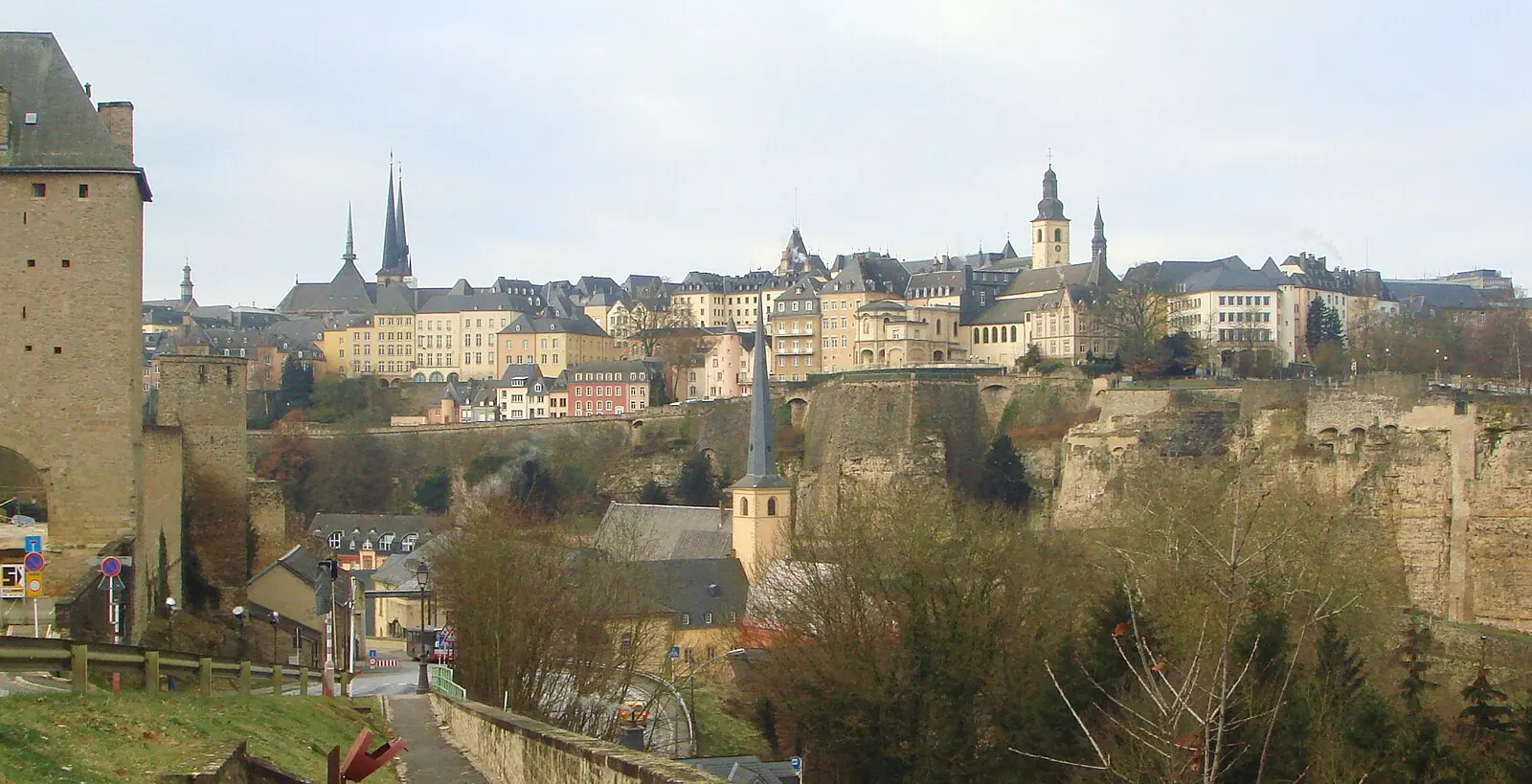
Things to do in Luxembourg
Skip-the-line tickets, guided tours and standout experiences.
See experiences
Stay online in Luxembourg
Travel eSIM — data the moment you land, no roaming bills.
Get an eSIM