Djibouti compresses an entire continent's worth of drama into a country the size of a weekend road trip: salt flats that sit 153 metres below the sea, a volcano that cracked open in living memory, and whale sharks gliding through a gulf you can see from your hotel balcony. Where you sleep here genuinely changes the trip — the capital's waterfront plateau puts you near embassies, dive shops and espresso, while a guesthouse in Tadjoura or an Afar-side camp turns your room into a base for landscapes that look borrowed from another planet.
Djibouti at a Glance: A Tiny Country With Enormous Landscapes
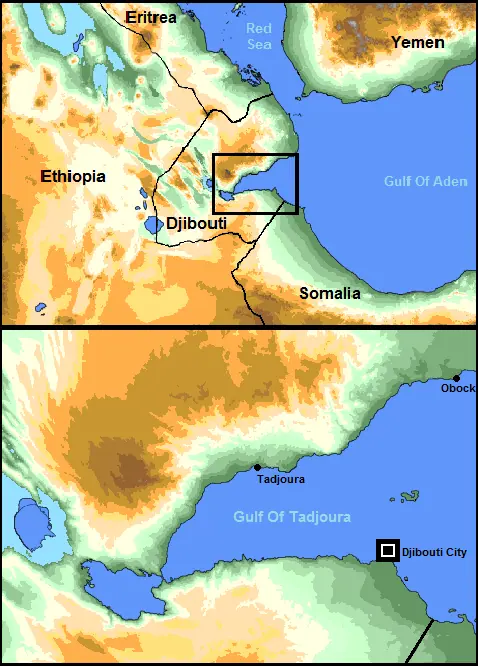
Djibouti sits at the southern mouth of the Red Sea, wedged between Ethiopia, Eritrea and Somalia, with the Gulf of Tadjoura biting into its coastline. It is a country of roughly a million people, and most of them live in the capital, also called Djibouti, a low-rise port city of cream-coloured colonial facades, minarets and container cranes. Almost every visitor flies into Ambouli airport on the city's southern edge, and almost every hotel booking decision starts from there.
The hotel stock is small, which matters more than any star rating. Outside the capital you are choosing between a handful of coastal guesthouses, a couple of mountain lodges and simple inland hotels used by truckers and traders. Between November and February, when the weather turns glorious and diving season peaks, rooms in Djibouti City fill with NGO staff, shipping executives and divers, so booking two or three weeks out is not paranoid, it is sensible.
Think of the country in three bands: the capital and its beaches, the Gulf of Tadjoura coast stretching north to Tadjoura and Obock, and the volcanic interior where Lake Assal, the Ardoukoba rift and Day Forest sit. Most trips mix all three, and the smartest hotel strategy is to spend your first and last nights in the city and use one or two coastal or mountain bases in between.
Where to Stay in Djibouti City: Picking the Right Neighbourhood
The Plateau du Serpent is the postcard district, a peninsula of seafront boulevards where the presidential palace, ministries and most of the city's larger hotels cluster. Staying here buys you sea views, rooftop pools, reliable air conditioning and generators, walkable access to Place Ménélik and the palm-lined corniche, and the best restaurants in the country. It is also where dive operators and tour organisers are based, which saves hours of logistics if you are arranging a whale-shark trip or a 4x4 run to the salt lakes.
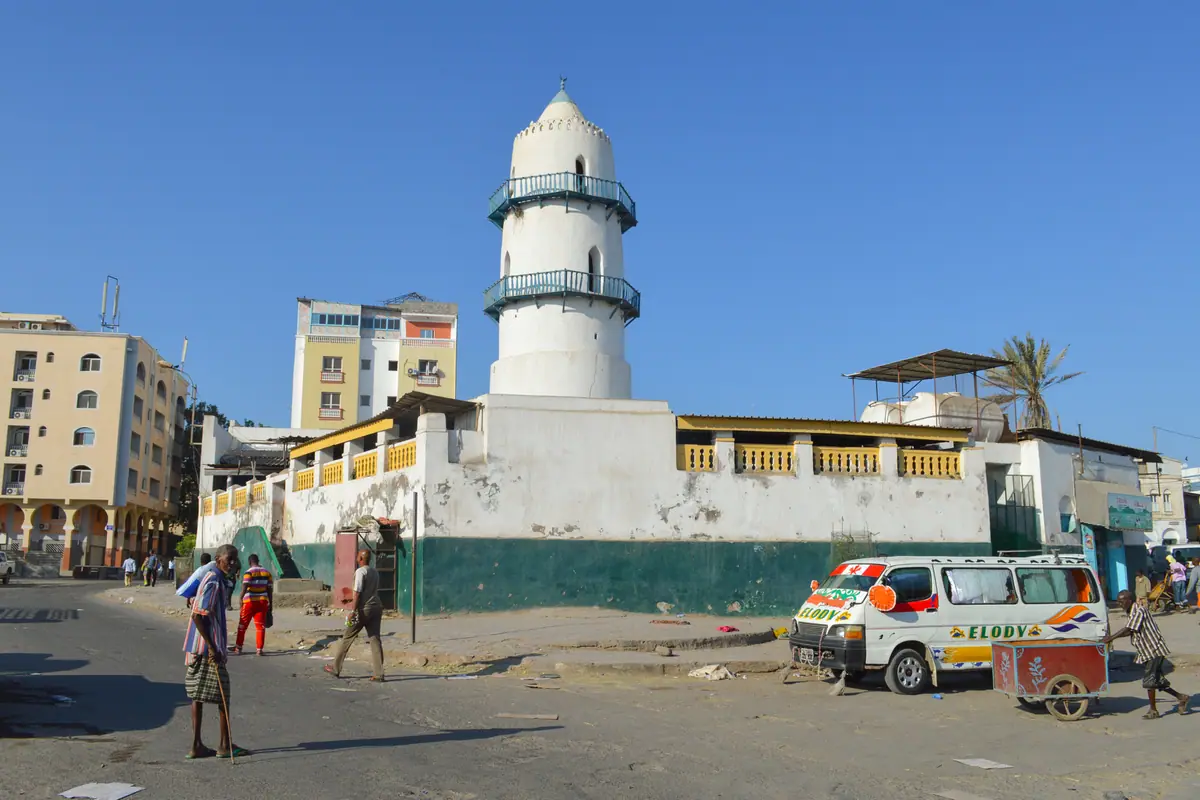
The European Quarter, just inland, is the older commercial heart: arcaded streets, faded Art Deco buildings, the Marché Central with its spice and incense stalls, and the striking white-and-green Hamoudi Mosque, whose minaret has been a city landmark for over a century. Small independent hotels and guesthouses here are cheaper and more characterful, though streets are noisy and parking is tight. It is a good base if you would rather spend your money on excursions than on a room you barely use.
Further out, the Haramous and Heron districts near the airport are residential and quiet, with villa-style hotels and easy access to the beach clubs at Doraleh, Khor Ambado and Arta Plage to the east. This suits families, longer stays and anyone leaving on an early flight. As a rule: choose the plateau for comfort and views, the European Quarter for atmosphere and value, and Haramous for space and convenience.
One practical note — the city is small enough that a 15-minute drive covers almost any neighbourhood, so do not agonise. Air conditioning, hot water and a backup power supply are the three things worth confirming before you book, because summer heat and grid hiccups are real.
The Must-See Attractions That Justify the Whole Trip
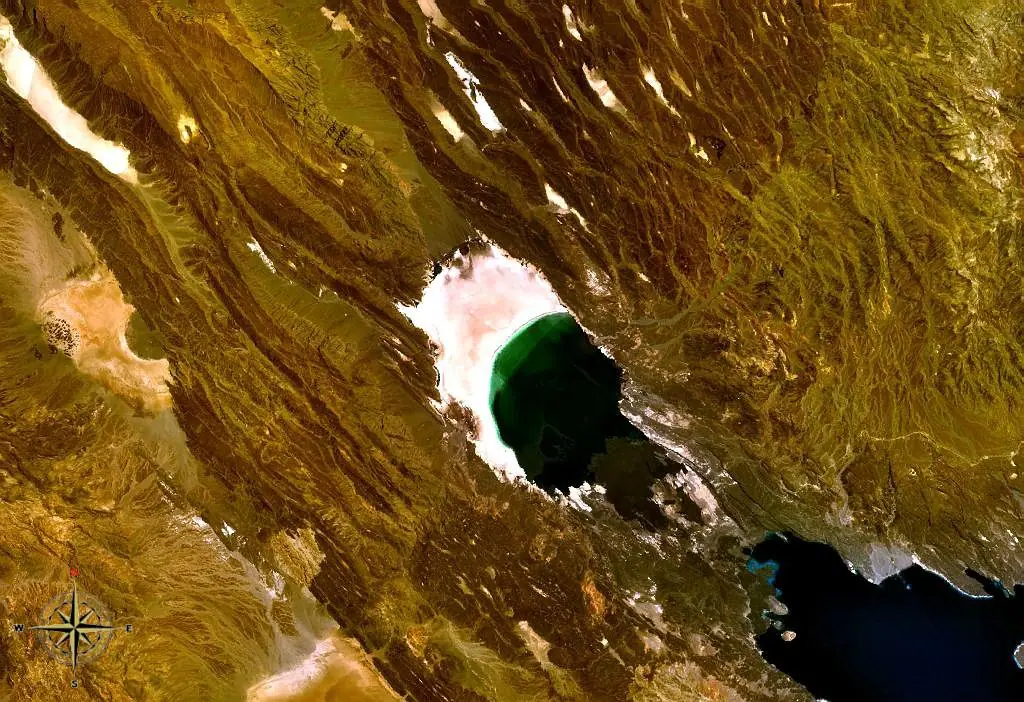
Lake Assal is the reason many people come. Sitting about 153 metres below sea level in the Danakil-style depression west of the capital, it is a blinding white-and-turquoise salt pan ringed by black volcanic rock, and it is the lowest point in Africa. The crust is sharp, the glare is fierce, and there is no shade for kilometres, so go at dawn, carry several litres of water each, and expect the swim of your life — the salinity is so high you float like a cork. Combine it with the Ardoukoba volcano nearby, whose fissure erupted in 1978 and left a raw, walkable lava field.
Lake Abbe, on the Ethiopian border, is the other headline act: a forest of limestone chimneys steaming on the plain, flamingos wading between them, and a silence that feels prehistoric. Reaching it means a long, rough 4x4 drive, a licensed guide and permits arranged in advance, and most travellers overnight nearby to catch the chimneys at sunrise, when the light is best. Along the way you pass Grand Barra, a vast dried lake bed that looks like a mirror laid on the desert.
Closer to the capital, Day Forest National Park protects a relic juniper forest on the slopes of Godaa mountain, the country's highest ground at roughly 1,500 to 1,780 metres. It is genuinely cool up there, often 15°C lower than the coast, and it shelters the endemic Djibouti francolin and troops of hamadryas baboons. In the Gulf of Tadjoura, the Sept Frères islands, Moucha and Maskali offer white sand, coral gardens and glass-clear water within a short boat ride. And between roughly November and February, whale sharks gather near Ras Dibba and Ras Eiro, where snorkellers can swim alongside them — a genuinely world-class wildlife encounter.
In the capital itself, do not skip Place Ménélik with its railway station from the old Addis Ababa line, the Marché Central, the Hamoudi Mosque and the fish market on the waterfront at dusk, when the day's catch comes in and the whole harbour turns amber.
Coastal Bases: Tadjoura, Arta, Obock and the Islands
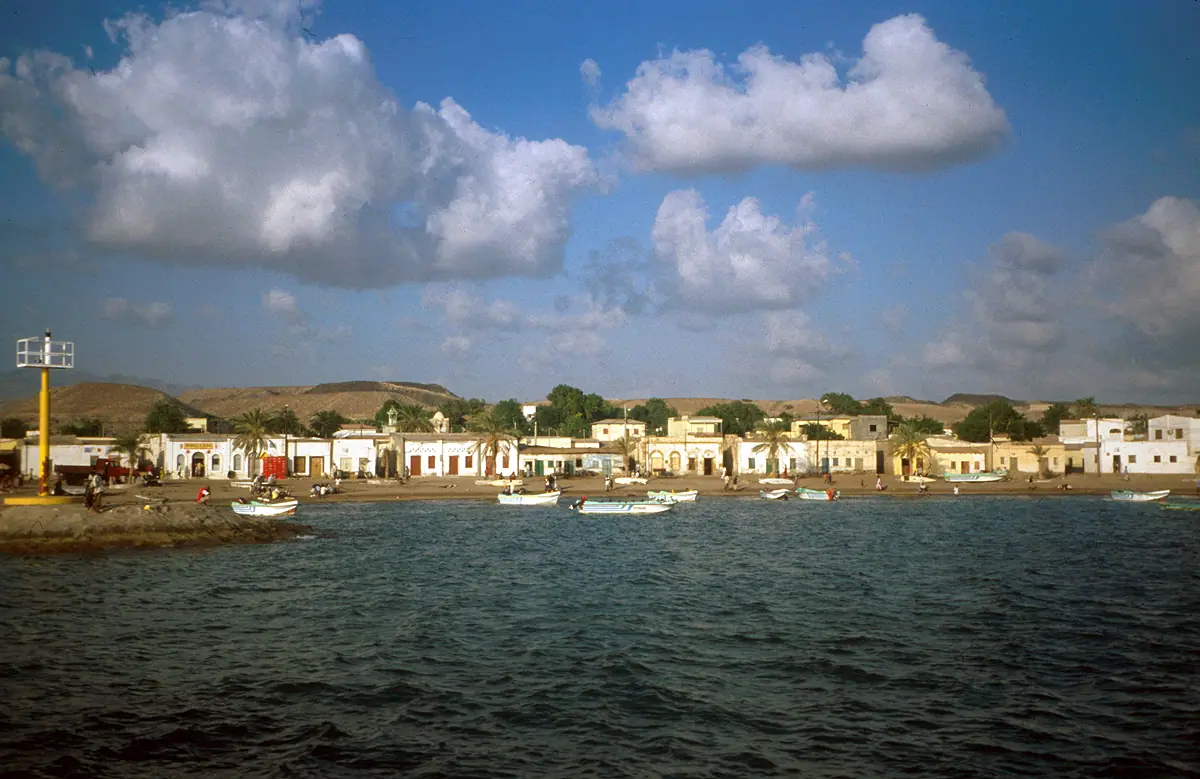
Tadjoura, reached by road along the gulf or by ferry from Djibouti City, is one of the oldest towns on this coast, a sprawl of whitewashed houses and wooden balconies between dark basalt hills and pale water. Its small guesthouses and beachfront lodges are the natural base for diving the Sept Frères islands, snorkelling with whale sharks and reaching Moucha and Maskali without a pre-dawn start. Days here run to boat trips, grilled fish and slow evenings; nights are quiet in the best sense.
Inland, the mountain town of Arta sits at around 700 metres and is a favourite weekend escape for city residents because the air actually cools after sunset. Simple hotels and weekender lodges serve hikers and families heading to Arta Plage, a long pale beach at the head of the gulf, and to the beaches at Khor Ambado and Doraleh closer to the capital. Further north, Obock is a sleepy port of crumbling colonial verandas and mangroves at Godoria, a fine spot for birdlife and total decompression.
For the inland loop — Lake Assal, Ardoukoba, Grand Barra and Lake Abbe — most travellers overnight in Dikhil or Ali Sabieh, both of which have basic, clean hotels used by traders heading to and from Ethiopia. They are not destinations in themselves, but they break up punishing drives and put you within striking distance of the salt lakes at first light, which is when those landscapes are at their most photogenic.
When to Go, and How the Weather Shapes Your Booking
November to February is the golden window. Coastal temperatures sit in the comfortable mid-twenties to low thirties, the khamsin dust wind has eased, the sea is calm and clear, and whale sharks are most reliably present around Ras Dibba and the Gulf of Tadjoura. This is also the busiest stretch, so lock in your rooms early and expect the better hotels to sell out around holidays and long weekends.
March to May turns steadily hotter and stickier, with humidity that makes midday walking unpleasant but diving conditions still good. Then comes the brutal stretch: June to August, when the coast frequently exceeds 40°C, the wind blows hot and dusty, and air conditioning stops being a luxury and becomes the entire point of your hotel choice. If you travel then, plan outdoor sightseeing for 5am to 9am, spend the middle of the day in a pool or asleep, and prioritise properties with strong cooling and backup power.
September and October bring a little relief and occasional rain in the highlands, greening up Day Forest and the Arta mountains, while Ramadan shifts restaurant hours and daytime rhythms across the country. Whatever the season, the interior — Lake Assal especially — runs hotter and drier than the coast, and Day Forest runs cooler, so a single trip can require both a sun hat and a fleece.
Booking Smart: Cash, Permits and the Details That Trip People Up
Djibouti is largely a cash economy. Bring enough in local francs or US dollars for hotels, guides, drivers and meals, because card acceptance outside the bigger city properties is patchy and ATMs that work with foreign cards are few. Change money at banks in the capital rather than on the street, and keep small notes for taxis, whose fares are negotiated before you get in — agree the price first, every time.
For the interior, logistics matter more than the hotel. Lake Abbe and the Ethiopian border zone require permits and a licensed guide arranged in advance, Day Forest is best reached with a 4x4 and local knowledge, and Lake Assal is a long, hot drive that rewards an early start. Many coastal guesthouses and inland hotels can organise vehicles and drivers themselves, which is often simpler than piecing it together in the city.
Finally, pack for a Muslim country with a French colonial past: light long clothing for markets and villages, modest swimwear away from hotel beaches, reef-safe sunscreen, sturdy sandals for the salt crust, and more drinking water than you think you need. French and Arabic are the official languages, Somali and Afar are widely spoken, and a few words of greeting go a long way. Do that, choose your base by what you want to see rather than by star rating, and Djibouti will feel far bigger than its borders suggest.
Frequently asked questions
Is Djibouti worth visiting for a first-time traveller?
Yes, if you want landscapes rather than cities. In a single trip you can float in the hypersaline water of Lake Assal, walk the lava field of the Ardoukoba volcano, snorkel with whale sharks in the Gulf of Tadjoura and watch flamingos between the limestone chimneys of Lake Abbe. It rewards people who are comfortable with rough roads, early starts and simple accommodation.
When is the best time to snorkel with whale sharks in Djibouti?
The reliable window is roughly November to February, when plankton blooms draw whale sharks into the Gulf of Tadjoura near Ras Dibba and Ras Eiro. Boats typically leave from Djibouti City or Tadjoura in the early morning, and encounters are usually snorkelling only, with no feeding.
Should I choose Lake Assal or Lake Abbe?
Do both if time allows, but they are very different days. Lake Assal is a manageable half-day or full-day drive from the capital and needs no permits. Lake Abbe is a multi-hour 4x4 expedition near the Ethiopian border that requires permits and a guide, and is best done as an overnight to see the chimneys at sunrise.
Do I need a visa or special permits for Djibouti?
Many nationalities can obtain a visa on arrival or an e-visa in advance, so check current rules before flying. Separately, travel to Lake Abbe and some border areas requires an interior permit and an authorised guide, usually arranged through your hotel or a local operator several days ahead.
How do I reach Tadjoura, Moucha Island and the beaches?
Tadjoura is roughly a two-hour drive north of the capital along the gulf, or a ferry ride across the water. Moucha and Maskali islands are reached by boat from the city or from Tadjoura, often as day trips, while Arta Plage, Khor Ambado and Doraleh are short drives east of Djibouti City and easy to combine with a beach-club afternoon.
Sort the rest of your trip
Everything for Djibouti, in one place
Transfer in Djibouti
Private driver waiting on arrival — no queues, no surprises.
Book a transfer
Things to do in Djibouti
Skip-the-line tickets, guided tours and standout experiences.
See experiences
Stay online in Djibouti
Travel eSIM — data the moment you land, no roaming bills.
Get an eSIM