Djibouti packs a whole continent's worth of extremes into a sliver of the Horn of Africa: a coral-rimmed coastline, a gulf that fills with whale sharks, and a salt lake so far below sea level that the air shimmers by nine in the morning. The month you choose shapes everything about your hotel stay — whether you sleep with the windows open or live inside the air conditioning, and whether a walk to dinner at Place Ménélik feels like a pleasure or an endurance test.
Djibouti's Two Moods: A Short Cool Season and a Very Long Hot One
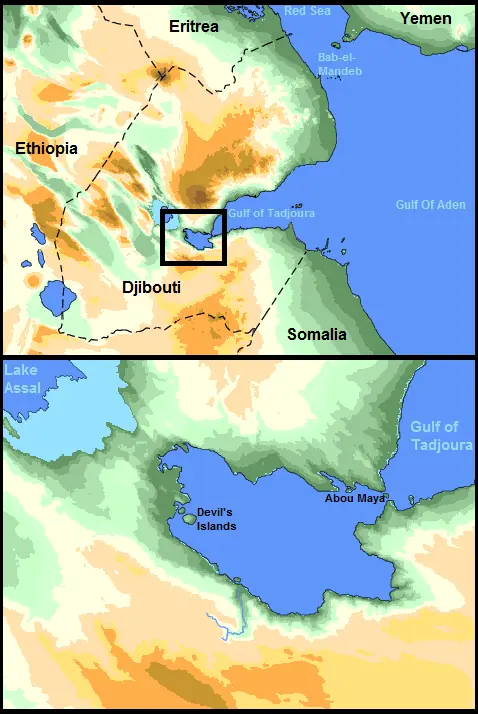
Djibouti sits where the Red Sea narrows into the Bab-el-Mandeb, with the Gulf of Tadjoura cutting deep into its coastline. Rain barely registers along the coast — most years bring fewer than 200 mm, arriving in erratic, sometimes violent bursts between November and April. The year here is not divided by rainfall but by heat, and that single fact governs when hotels are full, when they are cheap, and when certain parts of the country are simply off the table.
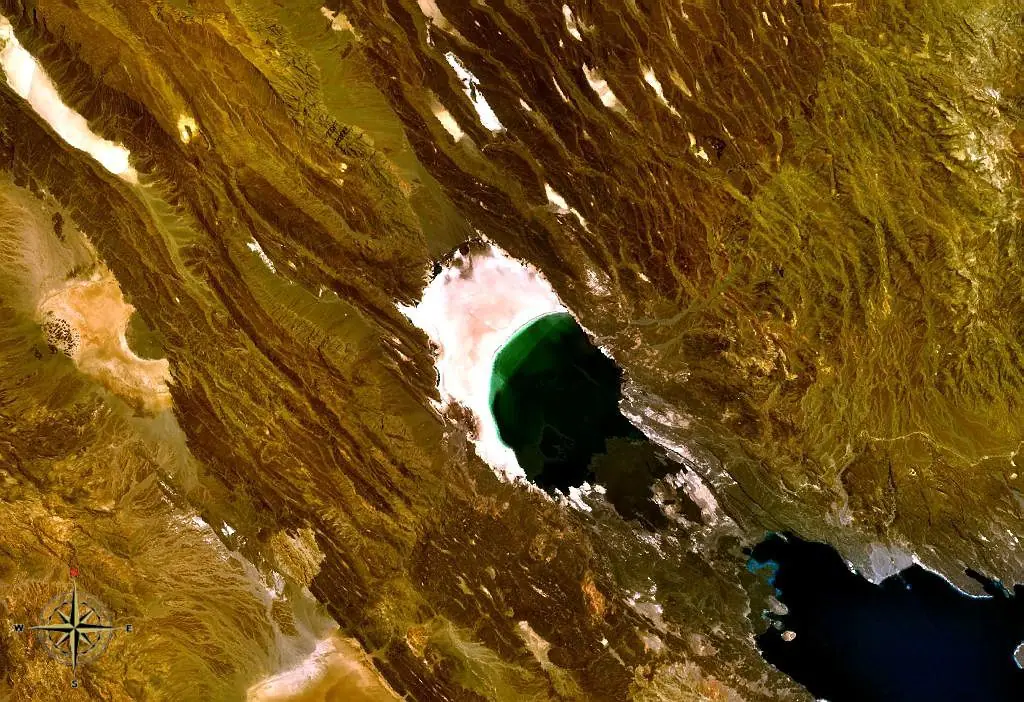
From roughly November to April, the coast becomes genuinely pleasant: daytime temperatures settle between 25°C and 30°C, evenings drop to around 20°C, and a sea breeze moves through the city after dark. From May to September the khamsin — a hot, dust-laden desert wind — takes over. Djibouti City regularly exceeds 40°C, humidity clings to everything, and nights stay uncomfortably warm. Inland it is fiercer still: Lake Assal lies about 155 metres below sea level, ringed by black volcanic rock, and in summer it ranks among the hottest places on earth.
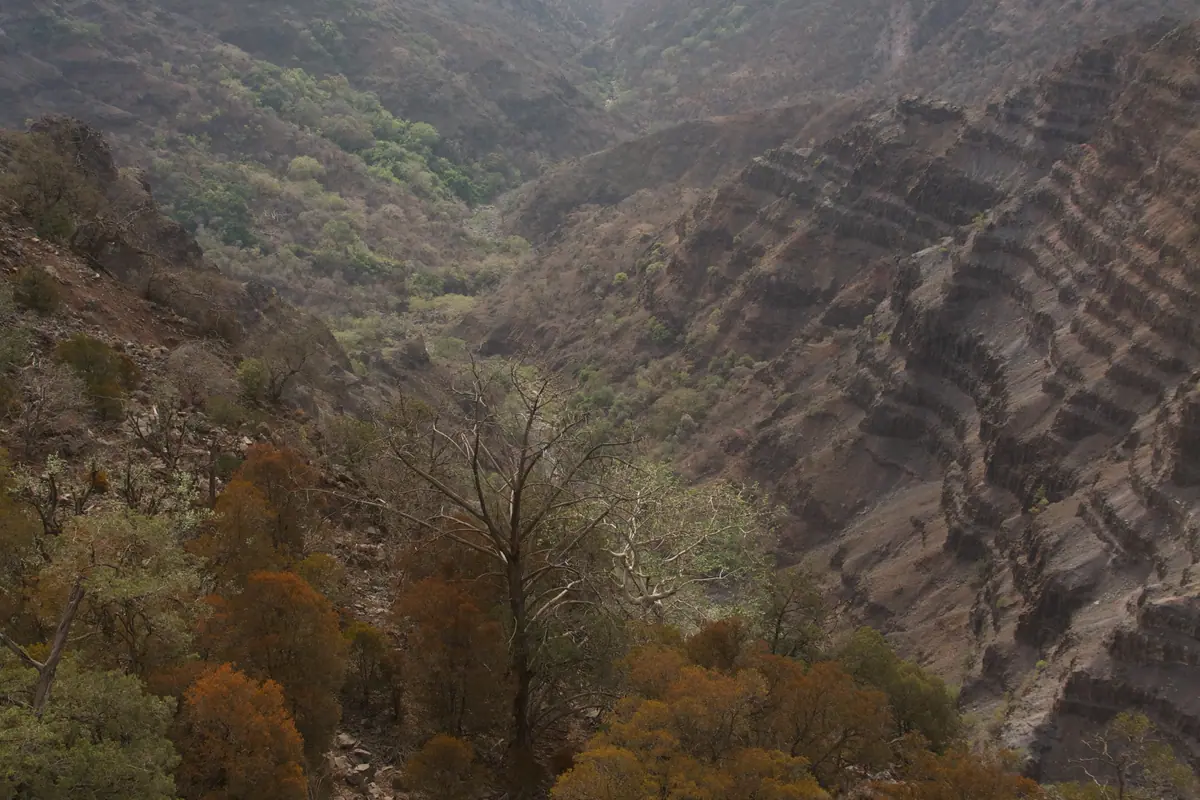
The mountains rewrite the rules. The Goda and Mabla ranges climb towards Mount Mousa Ali, Djibouti's highest peak at just over 2,000 metres, where mist, juniper forest and temperatures a full ten degrees cooler than the coast create a completely different travel season. Direction matters as much as dates.
November to March: The Sweet Spot for a Djibouti City Hotel
This is the window almost every visitor aims for, and for good reason. Days hover in the high twenties, the sea is calm, and you can spend an evening on a rooftop terrace near the old European Quarter without melting. It is also whale shark season: from November through January, sometimes stretching into February, these gentle giants gather in the plankton-rich waters of the Gulf of Tadjoura around Ras Bir and the Arta coastline, and snorkelling boats run out from Djibouti City and from Tadjoura across the gulf.
Diving hits its best form too. Ghoubbet-el-Kharab — the so-called Gulf of the Demons, a deep, dramatic inlet where the sea meets raw volcanic rock — offers some of the region's most striking underwater terrain, while the Seven Brothers Islands and the reefs around Île Moucha and the Maskali Islands reward anyone willing to spend a night or two offshore.
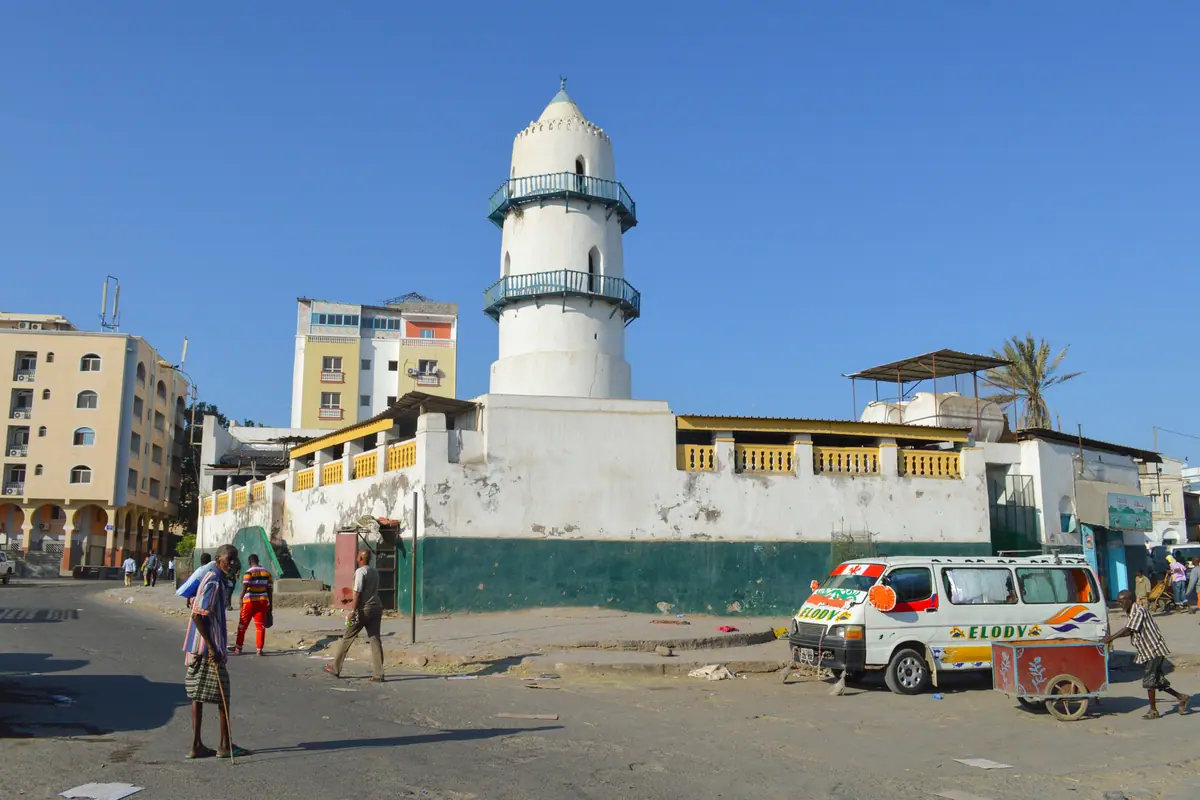
For the city itself, two areas make sense. The Plateau du Serpent and the European Quarter put you within walking distance of Place Ménélik, the Hamoudi Mosque, the Central Market and the old railway station, which suits anyone who wants to walk to dinner. Haramous, out towards the airport, is quieter, more modern and better for early departures. Book two to three months ahead for December, January and the New Year period: good mid-range rooms in Djibouti City are surprisingly scarce and get absorbed by diplomatic, business and aid-sector travellers long before the holiday rush.
Shoulder Months: October, Late March and April
October and April sit on the edges of the good season, and they divide travellers neatly. October still feels heavy and muggy, with temperatures pushing into the mid-thirties and the sea at its warmest, but rates have not yet climbed to their year-end heights. Late March and April bring the heat back gradually; mornings remain comfortable, which is enough for most excursions if you start early and retreat indoors by midday.
The shoulder weeks in late October, November and March are when the interior opens up. This is the time to head for the Goda Mountains and Day Forest National Park, a rare relict juniper woodland wrapped in cloud and cool air, with hiking trails above the village of Day and sweeping views towards Mount Mousa Ali. Tadjoura, across the gulf, is a lovely half-day in any of these months — whitewashed lanes, coral-stone houses and a pace far slower than the capital's.
Value is the real draw. Outside the December-to-February peak, room rates soften noticeably, and you are far more likely to find space in the small boutique-style properties and family-run guesthouses that give the city its character. If your priority is a comfortable base rather than a specific wildlife encounter, this is the smartest compromise on the calendar.
May to September: Surviving the Khamsin, and Why Some Travellers Do It Anyway
There is no gentle way to describe a Djiboutian summer. Djibouti City sits between 38°C and 42°C for weeks at a time, the humidity turns the air into a warm towel, and the khamsin carries fine dust into every corner. Nights barely drop below 30°C. Head inland to Lake Assal or the Ardoukoba volcanic field and you can add several degrees on top of that, with no shade and no breeze.
What you gain is emptiness and price. Hotel rates fall to their lowest of the year, restaurants are unhurried, and you can have the Tropical Aquarium on the corniche, the cool interior of the Hamoudi Mosque, the Our Lady of the Good Shepherd Cathedral and the stalls of the Central Market almost to yourself. The trick is to invert your day: excursions at first light, a long siesta through the worst hours, and everything else after sunset, when the city finally comes alive along the waterfront.
If you visit in these months, air conditioning stops being a preference and becomes the deciding factor in which hotel you choose. Confirm it works, ask about a pool, and favour newer or refurbished properties where power and water supply tend to be more reliable. Serious outdoor sightseeing — Lake Assal included — is best left to a dawn departure or postponed entirely.
The Landmarks Worth Planning Your Trip Around
Lake Assal is the country's signature sight and the lowest point in Africa, a vast white salt pan glittering beneath cliffs of black lava, where Afar salt caravans still load camels by hand. It sits roughly two to three hours west of the capital, so it works as a long day trip — but only between November and March, and only if you leave before dawn. Pair it with the Ardoukoba volcano, whose 1978 eruption left a raw, walkable lava field, and with Ghoubbet-el-Kharab next door.
Further afield, Lake Abbe is the other great pilgrimage: a field of limestone chimneys rising from a flat, salt-rimmed plain on the Ethiopian border, reached by a multi-day 4x4 expedition with camping. It is a cooler-months destination, best between November and February, and one you should arrange well before you arrive. Offshore, Île Moucha and the Maskali Islands make easy day trips for snorkelling and grilled fish, while the Seven Brothers Islands are the preserve of liveaboard divers.
In Djibouti City, the old town rewards a slow morning on foot. Start at Place Ménélik, the historic heart of the capital, then walk to the Hamoudi Mosque, one of the city's oldest religious buildings, and on to the Central Market for spices, incense and Ethiopian coffee. The Our Lady of the Good Shepherd Cathedral, the Tropical Aquarium and the colonial-era railway station — the old terminus of the line to Addis Ababa — round out an itinerary that fits comfortably into a single unhurried day.
Rates, Ramadan and the Practical Side of Timing Your Stay
Djibouti is not a budget destination. Almost everything is imported, the supply of genuinely mid-range hotel rooms is thin, and rates in the capital can rival European cities. The calendar is your best lever: December to February is peak, shoulder weeks in March and November sit in the middle, and the summer months drop to the year's lowest prices — often by a wide margin, since demand collapses along with the mercury.
Ramadan shifts everything, and because it follows the lunar calendar it moves about eleven days earlier each year. During the month, daytime eating and drinking in public are restricted, many small local restaurants close or change their hours, and the rhythm of the city tilts towards the evening. Hotel restaurants generally continue to serve guests, but it is worth confirming before you book, and worth booking ahead for the Eid al-Fitr and Eid al-Adha holidays, when domestic travel surges and rooms in Djibouti City fill quickly. Remember that the local weekend runs Friday to Saturday.
Two final practicalities. Whale shark and diving trips are limited-capacity and genuinely sell out in the November-to-January window, so secure those at the same time you book your room rather than on arrival. And because the country is small — most visitors cover the highlights in five to seven days — it pays to match your hotel base to your plan: the old quarter for city days, Haramous for early flights, and Tadjoura or a liveaboard for the reef.
Frequently asked questions
What is the best month to visit Djibouti?
November to February is the sweet spot. Coastal temperatures sit in the mid-to-high twenties, evenings are comfortable, and the whale sharks that gather in the Gulf of Tadjoura are present from November through January. December and January are the busiest and most expensive weeks, so book accommodation two to three months ahead.
When can you swim with whale sharks in Djibouti?
The season runs roughly from November to January, occasionally stretching into February. Tours leave from Djibouti City and from Tadjoura, heading for the plankton-rich waters around Ras Bir and the Arta coastline. Spots are limited, so reserve your place before you travel rather than after you arrive.
How hot does Djibouti get in summer?
From May to September, Djibouti City regularly exceeds 40°C with high humidity and dusty khamsin winds, and nights rarely fall below 30°C. Inland at Lake Assal, which lies about 155 metres below sea level, it is hotter still. If you travel in these months, choose a hotel with reliable air conditioning, a pool and a backup power supply.
How does Ramadan affect hotel stays in Djibouti?
Ramadan moves about eleven days earlier each year. During the month, daytime eating and drinking in public are restricted and some local restaurants close or shorten their hours, though hotel restaurants usually keep serving guests. The Eid al-Fitr and Eid al-Adha holidays bring a surge in domestic travel, so book well in advance if your dates overlap.
How many days do you need in Djibouti?
Five to seven days covers the essentials: two days in Djibouti City for Place Ménélik, the Hamoudi Mosque, the Central Market and the cathedral, a dawn day trip to Lake Assal and the Ardoukoba lava field, a day on Île Moucha or the Maskali Islands, and a night or two in Tadjoura. Add three to four days if you want to reach the limestone chimneys of Lake Abbe.
Sort the rest of your trip
Everything for Djibouti, in one place
Transfer in Djibouti
Private driver waiting on arrival — no queues, no surprises.
Book a transfer
Things to do in Djibouti
Skip-the-line tickets, guided tours and standout experiences.
See experiences
Stay online in Djibouti
Travel eSIM — data the moment you land, no roaming bills.
Get an eSIM