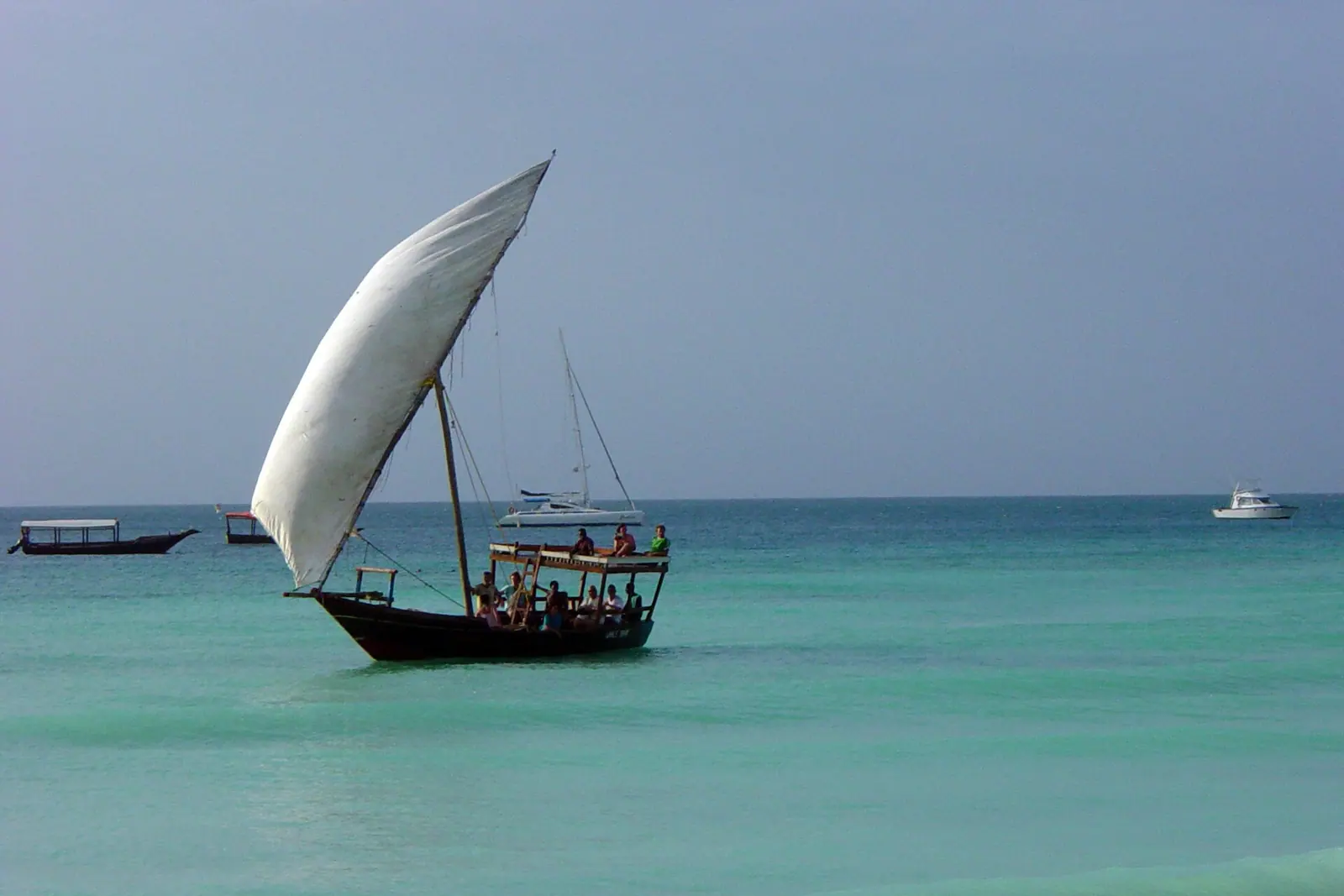
Three islands, one week, and a network of small planes that hop between volcanic peaks and coral-fringed coasts. Comoros rewards travellers who plan around its air links rather than against them, trading long beach days for crater rims, clove-scented medinas and whale-filled channels. This is how to see Grande Comore, Anjouan and Mohéli properly in seven days.
Days 1–2: Land in Moroni and Read the Capital's Old Quarter
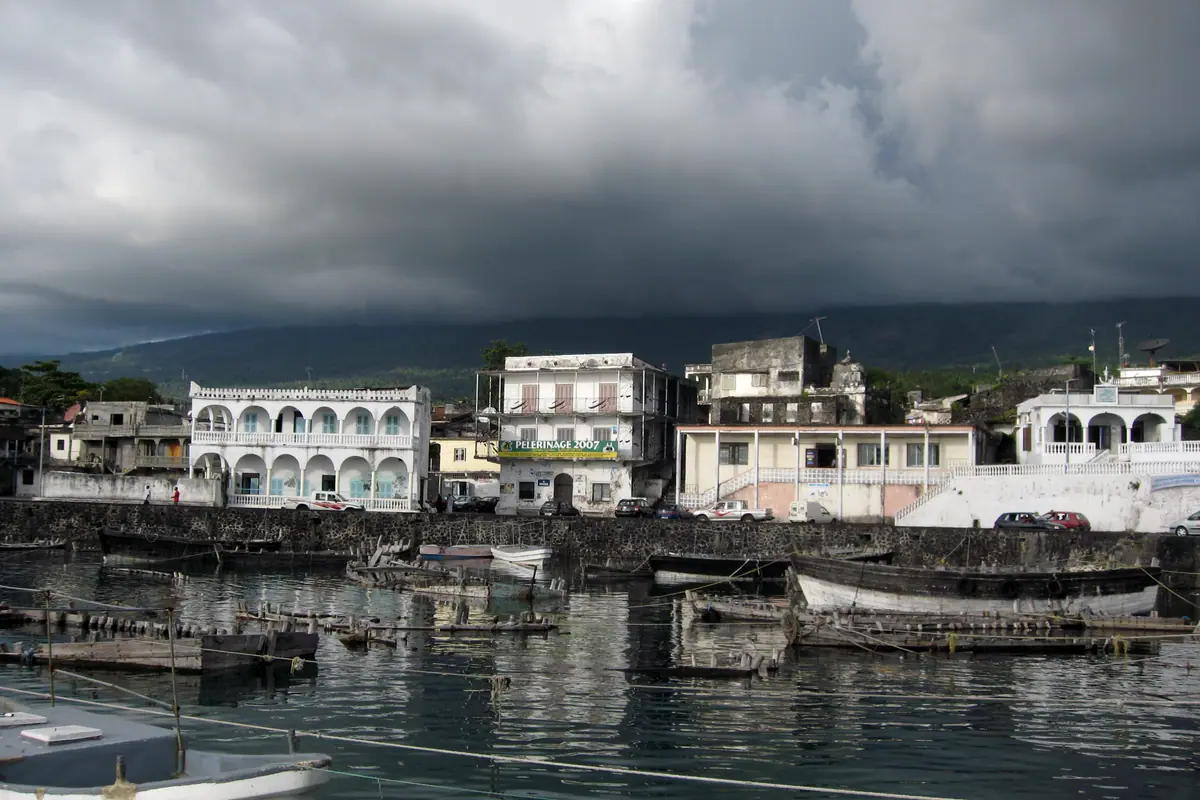
Almost every international arrival touches down at Prince Said Ibrahim International Airport, set on the lava plains north of Moroni. The drive south into the capital takes twenty to thirty minutes and sets the tone immediately: black rock, coconut palms, and a bay where wooden fishing boats and rusting freighters share the water. Check in, drop your bags, and spend the rest of the day on foot — Moroni's old town is compact and best understood slowly.
Start at the Ancienne Mosquée de Vendredi, the Old Friday Mosque, whose whitewashed minaret and coral-stone walls date back to the fifteenth century and still anchor the medina. Wander the lanes behind it, where carved doors, crumbling balconies and small Quranic schools sit behind walls of volcanic block. Then push into the Volo Volo market for vanilla pods, ylang-ylang oil, cloves and dried fish — the smells alone explain why these islands were once fought over by colonial powers.
Use day two for the quieter side of Grande Comore. Head south to Iconi, an old sultanate town with ruined palace walls and a long grey beach, then loop back past the national museum and the harbourfront corniche for sunset. This is also the day for logistics: draw cash in Comorian francs, confirm your Mount Karthala trek, and buy your inter-island flight tickets in person — seats on the small aircraft fill fast and the schedule shifts with the weather.
Day 3: The Volcanic North — Mitsamiouli, Trou du Prophète and Lac Salé
Hire a car and driver for the day and drive north along the coast to Mitsamiouli, roughly an hour and a half from Moroni. The headline sight here is the Trou du Prophète, a collapsed lava tube that opens onto a hidden saltwater pool ringed by sheer rock. You swim in it, then climb back out through the tunnel — bring shoes with grip, because the lava is sharp and slick in places.
Nearby, Lac Salé sits in an old crater and turns glassy in the late afternoon, while Maloudja beach offers the kind of pale sand and warm, shallow water that makes the north coast worth the drive. Continue to Chomoni, where black volcanic sand mixes with imported white coral grain, giving a beach that looks almost striped. Small beach cafés here grill fish to order; expect a simple, excellent lunch.
If you have energy left, ask your driver to detour to the old colonial-era landing at Galawa and the rocky coves around Ntsudjini. Come back to Moroni before dark — the coastal road is unlit and potholed in stretches, and drivers treat it as a slalom after dusk.
Days 4–5: Climb Mount Karthala, the Island's Live Volcano
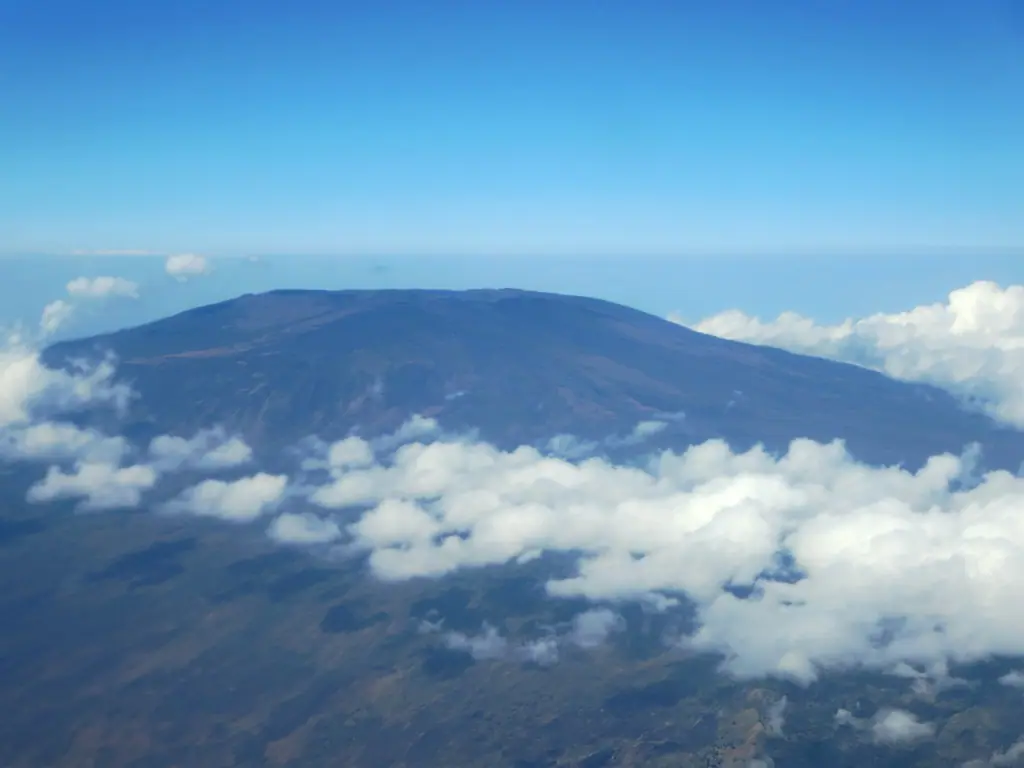
Mount Karthala is the reason many travellers come to Grande Comore at all. Rising to around 2,361 metres, it is one of the world's most active volcanoes and its summit crater, Chaharamé, is a two-day undertaking rather than a morning stroll. You need a licensed guide and a porter, arranged through guesthouses in Moroni in advance — this is not a trail you improvise.
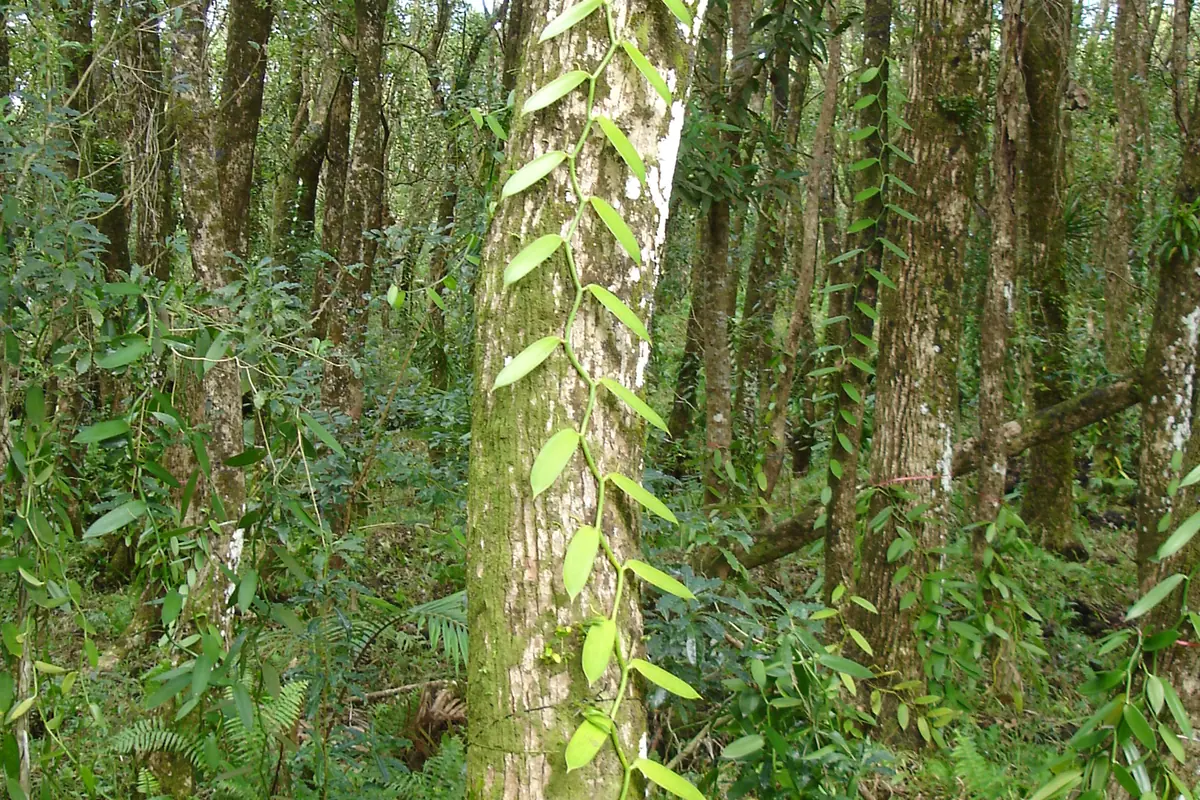
The usual pattern is to start early, walk through villages and then into heath and cloud forest, and camp near the rim in basic shelters. Nights up there are cold, damp and windy, which surprises people who packed only for tropical beaches. Carry a proper sleeping bag, a waterproof layer, three litres of water per person, and food — there is nothing to buy above the treeline.
Summit morning is the payoff: a vast caldera floor, fumaroles, and on clear days a view across to the sea with Anjouan floating on the horizon. Descend by early afternoon, rest, and use the evening to pack light for the next morning's flight — the inter-island planes enforce strict luggage limits, often in the region of 15 kilograms including hand baggage.
Days 5–6: Fly to Anjouan — Mutsamudu, Domoni and the Perfume Hills
The flight from Grande Comore to Ouani Airport on Anjouan takes well under an hour, but it drops you into a completely different island: steeper, greener, and threaded with the scent of ylang-ylang. From Ouani it is a short drive to Mutsamudu, Anjouan's port capital and the most atmospheric town in the country.
Mutsamudu's old quarter is the highlight. Its citadel, built to fend off raiders, still crowns the town, and the medina below is a maze of carved wooden doors, shuttered shopfronts and narrow stairways that open unexpectedly onto the sea. Walk the market in the early morning when the boats come in, then climb to the fort for the view over the harbour and the crowded rooftops.
With a second day, push inland or south. The road to Domoni passes through the island's perfume-growing heart, where distilleries process ylang-ylang and vanilla; Domoni itself is an old sultanate town with a crumbling medina and a long history of seafaring. If you want altitude instead, guided walks up towards Mount Ntringui, Anjouan's highest point, climb through rainforest that stays wet long after the coast has dried out.
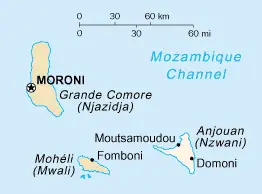
Day 6–7: Fly to Mohéli — Marine Park, Islets and Nesting Turtles
The shortest hop of the week connects Anjouan to Mohéli's small airstrip, and the difference is immediate: Mohéli is the least developed of the three islands, with more forest, fewer cars and a coastline protected as the Mohéli Marine Park. Base yourself around Nioumachoua, where guesthouses sit above a bay dotted with islets.
Boat trips from Nioumachoua are the main event. You sail out to the Îlot de Sable Blanc, a shifting white sandbank that appears and vanishes with the tide, and to the Chissioua islets and their reef-fringed beaches. Between July and September humpback whales move through these channels, and dolphins are a near-daily sight. On land, Itsamia beach on the island's east coast is one of the Indian Ocean's important green turtle nesting beaches — visit at night with a local guide during nesting season.
Squeeze in Lac Boundouni, a shallow crater lake alive with birdlife, and a walk through the villages that run the marine park. Then take the last available flight back to Moroni, or if the planes are full, the ferry — slower, rougher and far less punctual, but a genuine slice of island life. Keep your final night near the capital so a delayed connection cannot ruin your onward flight home.
Day 7: Making the Air Links Work — and What to Know Before You Fly
Comoros is genuinely a flying itinerary. Inter-island aircraft are small, seats are limited, and weather over the volcano can cancel a departure at short notice, so build slack into the end of your trip rather than the beginning. Book domestic sectors as early as you can, travel with soft bags, and weigh your luggage before you leave the guesthouse — excess baggage is often simply refused rather than charged.
Cash is king. Comorian francs are what you will use everywhere, ATMs are scarce and unreliable outside Moroni and Mutsamudu, and card payment is uncommon outside a handful of hotels. Bring euros to exchange, keep small notes for taxis and market stalls, and carry more than you think you need for Mohéli, where there is very little to fall back on.
Finally, respect the context. This is a conservative Muslim country: dress modestly away from the beach, ask before photographing people, and expect alcohol to be limited or unavailable outside a few hotels. The dry, cooler months from May to October are the most comfortable for hiking and flying; July and August bring whales but also the busiest inter-island seats, while the cyclone season from December to March is best avoided entirely.
Frequently asked questions
What is the best time of year to visit Comoros?
The dry season from May to October brings lower humidity, cooler hiking conditions on Mount Karthala and the most reliable flying weather. July to September adds humpback whales off Mohéli but also peak demand for inter-island seats. The wet, cyclone-prone months from December to March are best avoided, especially if you plan to trek or island-hop.
How do you get between Grande Comore, Anjouan and Mohéli?
Small domestic aircraft link Moroni's Prince Said Ibrahim International Airport with Ouani on Anjouan and the airstrip on Mohéli, with flights generally taking under an hour. They are weather-dependent, seats are limited and schedules shift, so book early, pack light (around 15 kilograms is a common limit) and leave a buffer day before any international departure. Ferries also run between the islands but are slower and far less punctual.
Do I need a guide to climb Mount Karthala?
Yes. The two-day trek to the Chaharamé crater requires a licensed guide and usually a porter, arranged in advance through guesthouses in or near Moroni. Expect to camp near the rim in basic shelters. Take a warm sleeping bag, waterproofs and all your own food and water — there are no facilities above the villages.
Is Comoros good for beaches?
Very. The north coast of Grande Comore has Chomoni's black-and-white sand and Maloudja's calm shallows, while Mohéli offers the Îlot de Sable Blanc sandbank, the Chissioua islets and Itsamia's turtle-nesting beach. Beaches are mostly undeveloped, so bring what you need and expect little in the way of sunbeds or bars.
What should I know about money, dress and etiquette in Comoros?
Carry cash in Comorian francs — ATMs are scarce outside Moroni and Mutsamudu and cards are rarely accepted. Euros can be exchanged locally. Dress modestly away from the beach, ask permission before photographing people, and note that alcohol is limited outside a few hotels. French and Shikomori are widely spoken; English less so outside tourist-facing businesses.
Sort the rest of your trip
Everything for Comoros, in one place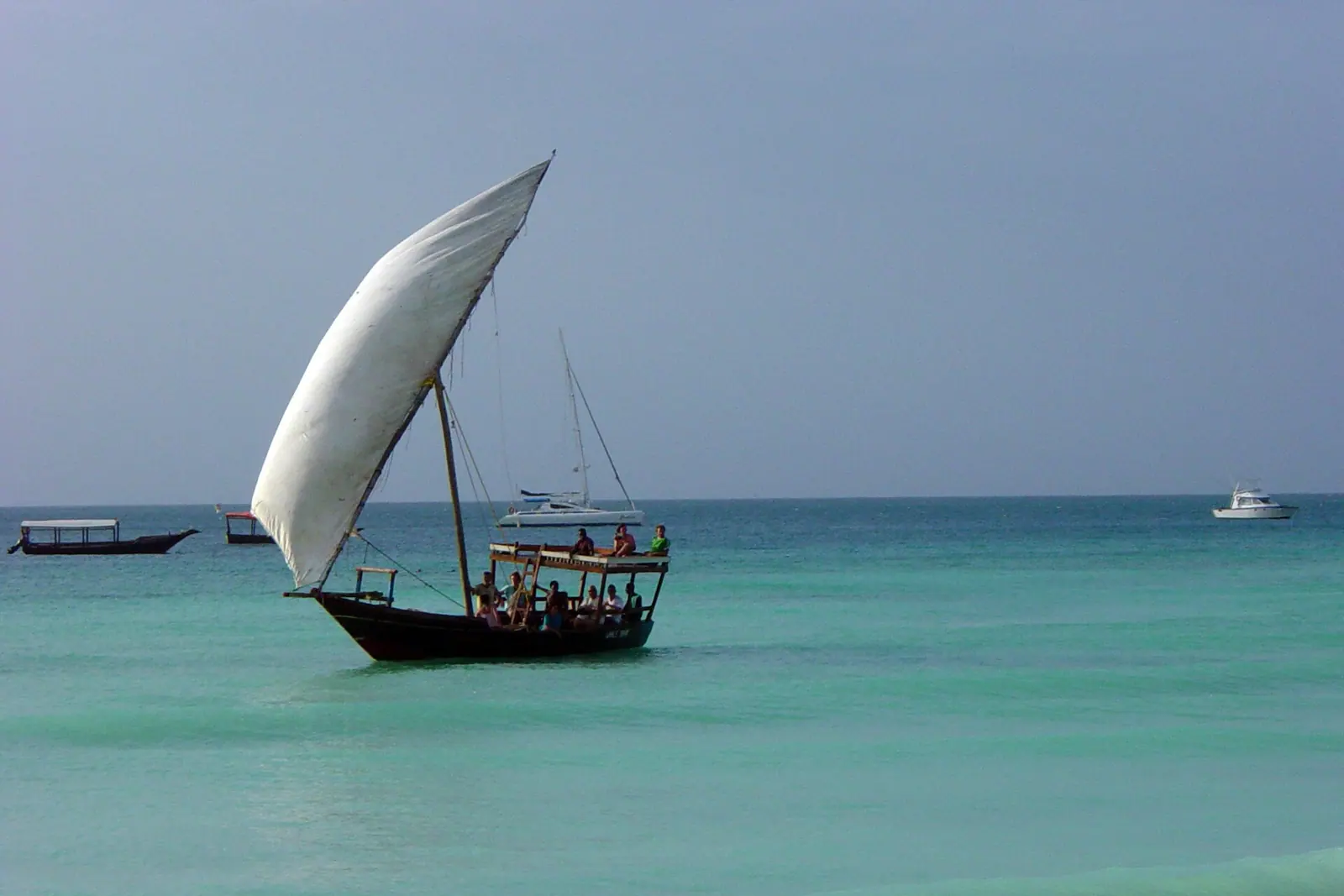
Stay in Comoros
Hotels, guesthouses and apartments — compared in one search.
Search hotels
Transfer in Comoros
Private driver waiting on arrival — no queues, no surprises.
Book a transfer
Travel insurance
Medical cover, delays and lost baggage — sorted before you go.
Get covered