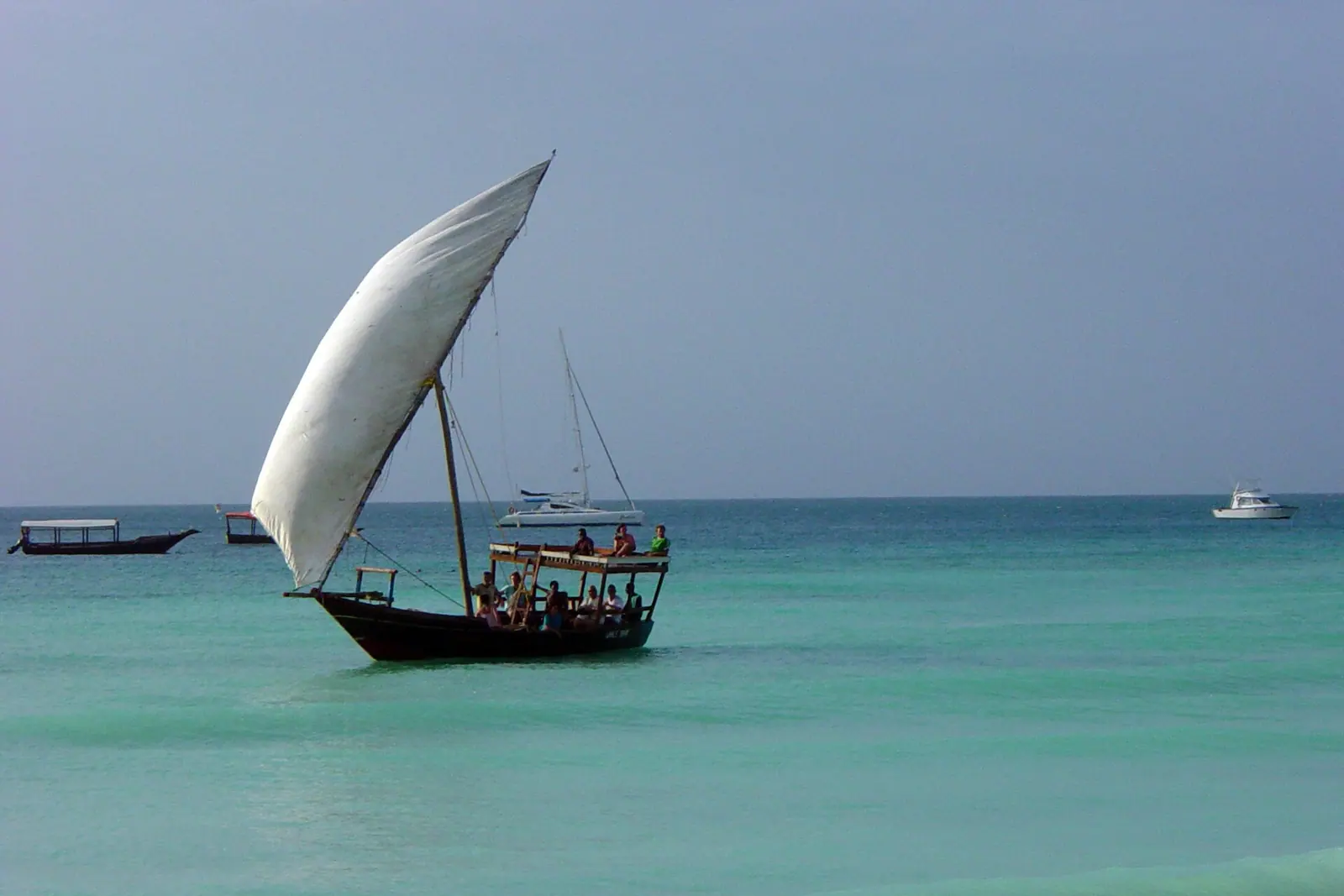
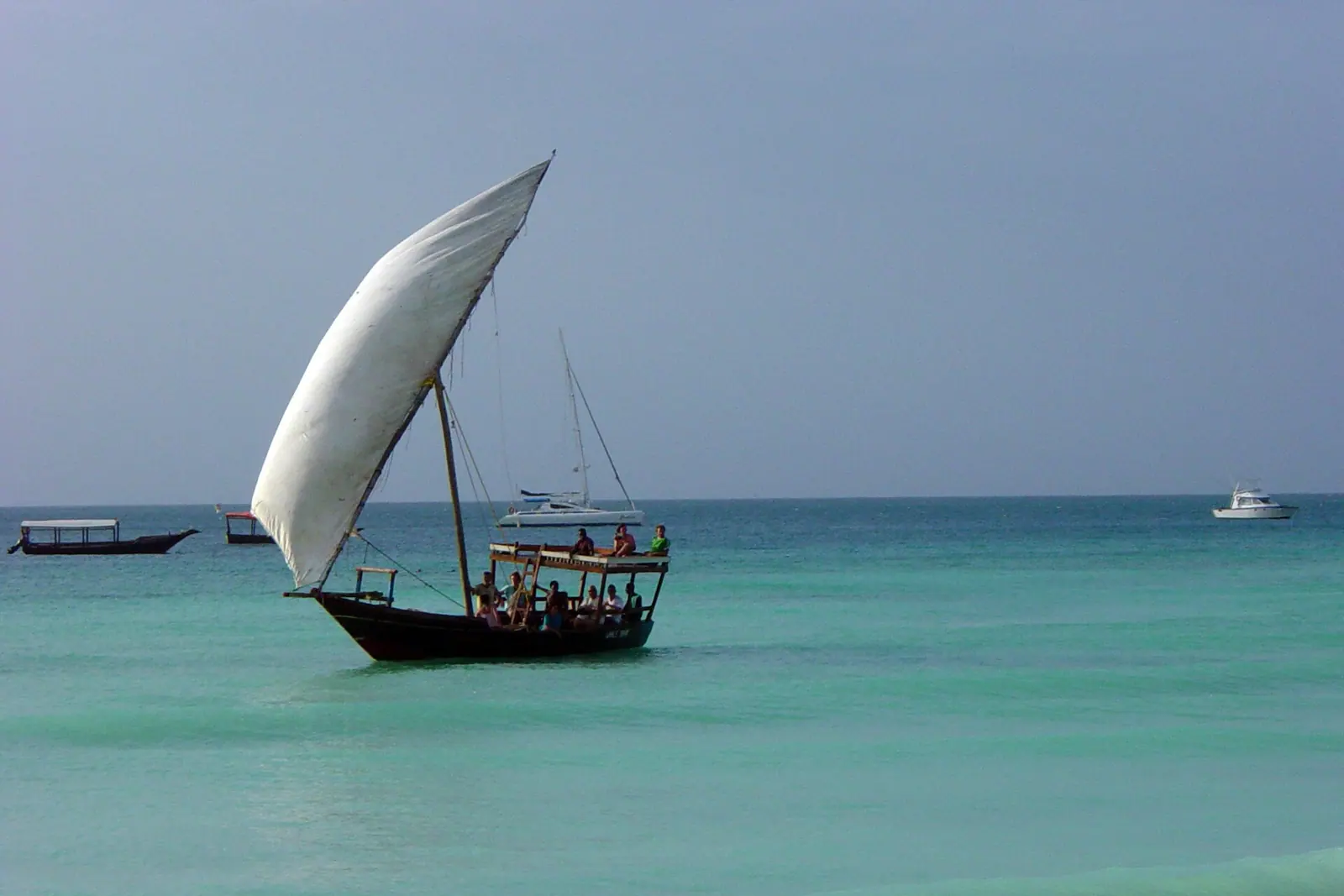
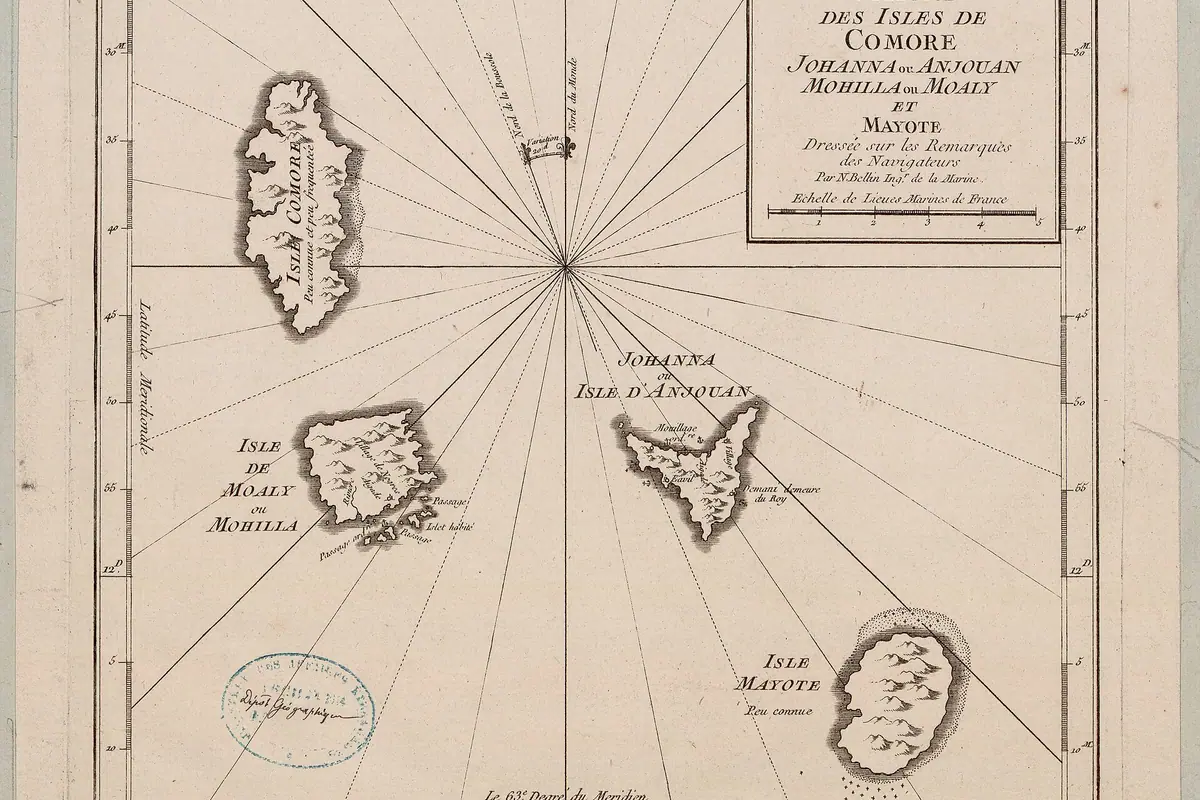
Comoros is an archipelago of four islands strung between Madagascar and Mozambique, where a live volcano smokes above coral-stone medinas and the sea is thick with turtles, whales and a fish once thought extinct. It is uncrowded, unhurried and largely unpolished — a place for travellers who prefer ylang-ylang distilleries and lava beaches to resort lobbies.
Mount Karthala and the Volcanic North of Grande Comore
Grande Comore is built almost entirely from one mountain. Mount Karthala rises to 2,361 metres and holds one of the largest active craters on the planet, a caldera wide enough to swallow a town. Most hikes begin from the forested village of Convalescence on the volcano's flank, where a rough track climbs through heathland and old lava flows before the final loose slog to the rim. Plan on five to seven hours of walking up, with an overnight camp at the edge for the reward: sunrise spilling into the crater, steam curling from fumaroles, and cloud peeling off the coast far below. A local guide and porter are effectively essential — the path braids and vanishes in mist, and the temperature drops sharply after dark.
Down on the northern coast, the geology keeps showing off. Near Mitsamiouli, the Trou du Prophète is a collapsed lava tube where swell surges in and out of a green pool in the rock, and Lac Salé is a crater lake ringed by palms whose water shifts from jade to lime through the day. Chomoni Beach, further south, pairs powdery coral sand with boulders of black basalt, which makes it the classic first swim of a Comoros trip. Small bungalow-style guesthouses around Mitsamiouli make a sensible base for two or three nights of coastal walking, snorkelling and slow grilled-fish dinners.
Moroni: Medina Lanes, Markets and the Old Friday Mosque
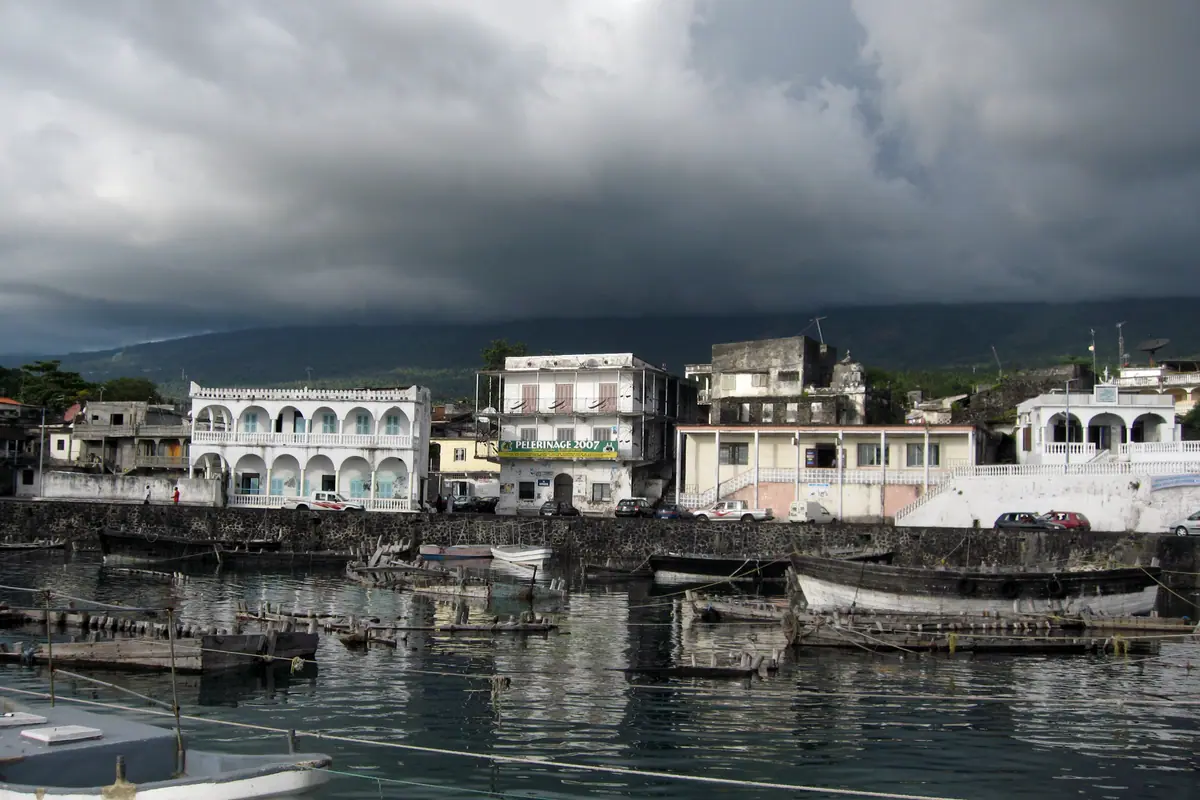
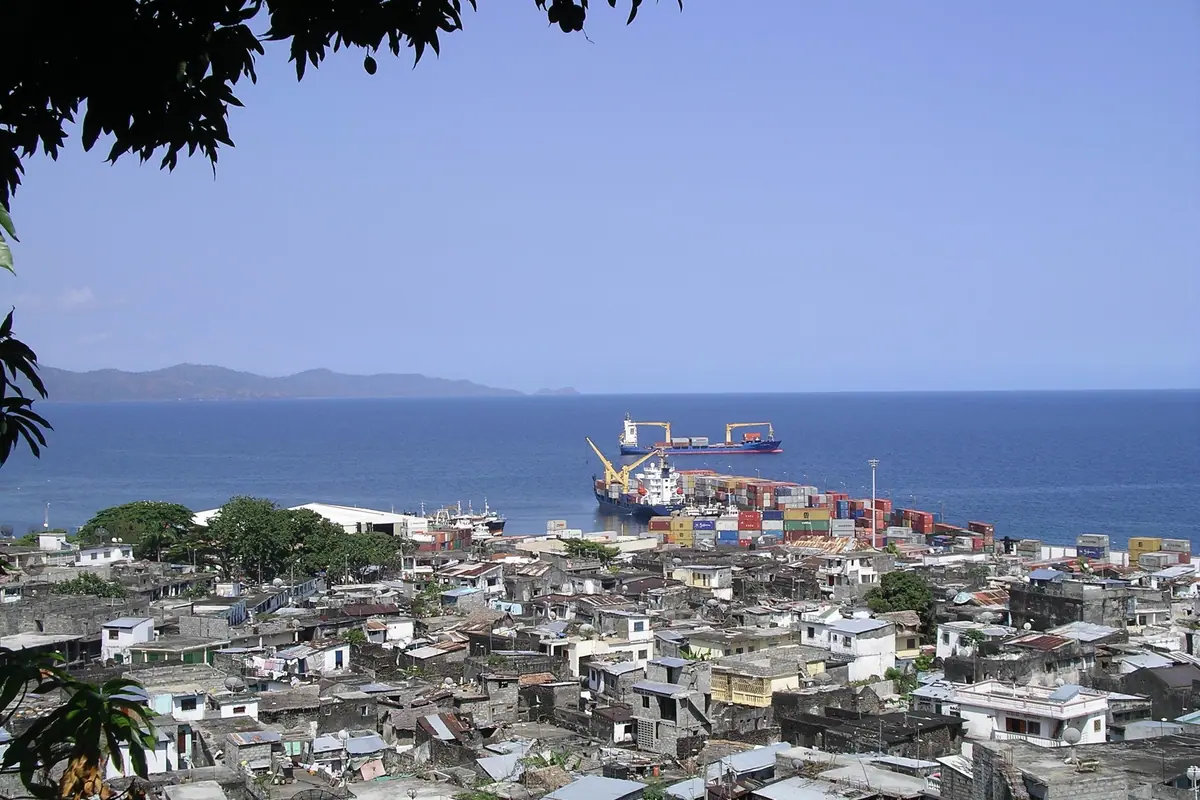
Moroni, the capital, tumbles down hills towards a working harbour, and its historic core rewards a morning of aimless wandering. The Ancienne Mosquée du Vendredi — the Old Friday Mosque — is the anchor, a coral-stone building with centuries of history layered into its walls, set among lanes of whitewashed houses, carved doors and small Quranic schools. Nearby, the Volo Volo market is the sensory heart of the city: pyramids of vanilla pods, cinnamon bark, cloves and ylang-ylang essence, alongside jackfruit, cassava and dried fish.
Just south of the capital, Iconi is the former seat of a sultanate and feels entirely different from Moroni's bustle. Its old Friday mosque, royal tombs and crumbling stone walls sit close to a beach where fishing pirogues still come in at dusk; the town makes an easy half-day trip and a good introduction to Comorian history before you commit to longer island hops. Elsewhere on Grande Comore, the forest reserve of La Grille offers cooler walking among tree ferns and mist, and the island's west-coast villages such as Ntsoudjini are known for their traditional carved houses and tightly knit old quarters.
Do not rush Moroni. Friday is quiet, many shops close in the middle of the day, and dress is modest everywhere — covering shoulders and knees will make you feel welcome in the medina rather than conspicuous. Late afternoon, when the heat eases and the harbour fills with colour, is the best time for photographs.
Mohéli: Marine Park, Islets and Green Turtle Beaches
Mohéli is the smallest and least developed of the three main islands, and its protected waters are the reason many visitors come. The Mohéli Marine Park, established at the turn of the millennium as the country's first marine protected area, covers a broad sweep of coast and the Chissioua islets off Nioumachoua — a scatter of forested rocks and sandbars you explore by wooden boat. Between them lie shallow coral gardens where snorkellers drift over parrotfish, turtles and reef sharks, and the calm channels are gentle enough for beginners.
On the island's eastern shore, the beaches around Itsamia are among the most important green turtle nesting sites in the Indian Ocean. Females haul out to lay through the night in season, and hatchlings scramble for the water at first light; local wardens organise respectful dawn and night watches, and the small community-run fees support the protection work. Inland, the crater lake of Dziani Boundouni sits in a hollow of green hills, a short and slightly steamy walk from the road, while the island's villages, Fomboni included, keep a slow, friendly rhythm.
Humpback whales pass through these waters from roughly July to October, and boat trips out to the islets often turn into whale-watching excursions. Bring reef-safe sunscreen, a rash guard and a dry bag — crossings between Mohéli and Grande Comore can be bouncy, and weather decides schedules more than timetables do.
Anjouan: Mutsamudu's Citadel and Mount Ntringui
Anjouan is the steepest, greenest island in the group, a tangle of ridges and ravines that rise straight from the sea. Its capital, Mutsamudu, is the most atmospheric town in the country: a genuine medina of tight alleys, carved wooden doors, coral-block houses and sudden views down to the port. Above the old town stands the Citadel, a stone fortress with thick walls and lookout points that once guarded the harbour and now give the finest panorama of the bay, the fishing boats and the vertiginous hills behind.
Inland, Mount Ntringui reaches 1,595 metres and forms the spine of the island, its slopes cloaked in rainforest and smallholder plots. Trails lead up through villages and terraced farmland to viewpoints and to Lac Dzialandzé, a small crater lake cupped in the highlands, often wrapped in cloud by midday. Anjouan is also the heart of the country's ylang-ylang industry — the flowers are picked at dawn and distilled in small, fragrant sheds that you will smell long before you see them.
This is walking country rather than beach country, with waterfalls streaking the ravines after rain and views that shift with every switchback. Allow two to three days to see Mutsamudu properly and get one solid highland hike in, and hire a local guide for anything beyond the main tracks — paths fork constantly and signage is scarce.
Underwater Comoros: Reefs, Coelacanths and Perfume Islands
Comoros sits on the edge of deep water, and the drop-offs off Grande Comore's west coast are famous among marine biologists for one extraordinary resident: the coelacanth, the ancient lobe-finned fish rediscovered in these waters in the twentieth century and still occasionally brought up in local fishermen's nets. Divers with deep-water experience can arrange specialist trips, while shallower reefs, lava arches and caves around the islands suit everyone else — expect healthy hard corals, turtles, groupers and the odd reef shark.
Snorkelling needs no ceremony. The sheltered bays near Chomoni and Mitsamiouli on Grande Comore, and the channels between Mohéli's islets, are all easy to reach from shore or by a short pirogue ride. Visibility is usually best in the drier months, and the sea is calmest from around May to October, which is also when whales are most often seen.
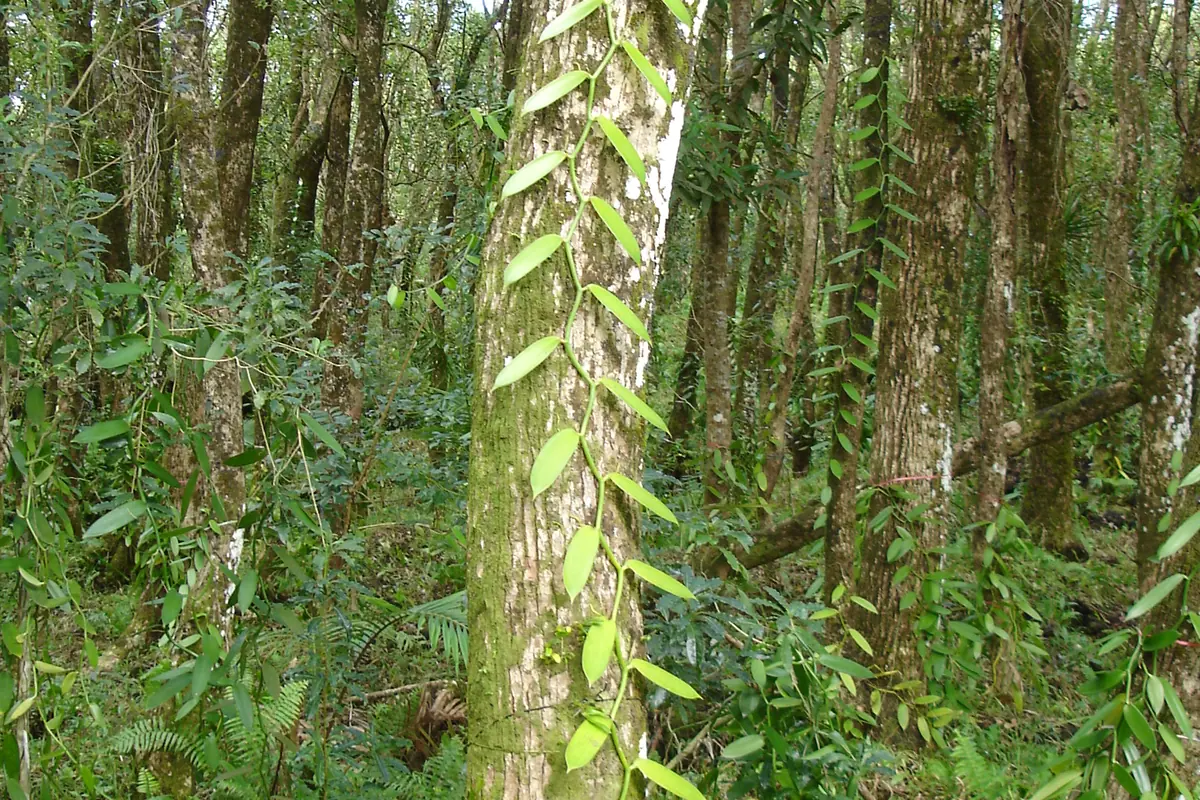
Above the waterline, the country's signature crop is ylang-ylang, distilled into an essence used in perfumes worldwide, with vanilla, cloves and cinnamon close behind. Visiting a small distillery on Anjouan or Grande Comore takes an hour and leaves you with a far better understanding of the islands' economy than any museum could.
When to Go and How to Move Between the Islands
The dry, cooler season runs roughly from May to October and is comfortably the best time to visit: lower humidity, firmer hiking trails on Mount Karthala, calmer seas and the humpback whale migration. November to April turns hot, humid and wet, with heavy downpours and a cyclone risk that peaks between December and March; travel is still possible, but inter-island boats are more likely to be cancelled and hiking can be muddy and clouded in.
Getting between Grande Comore, Mohéli and Anjouan is part of the adventure. Fast ferries and slower cargo-passenger boats connect the ports, and small domestic aircraft link Moroni with the other islands, but seats are limited and weather, fuel and demand all affect schedules. Build slack into any itinerary: a two-week trip covering all three islands is comfortable, while a week realistically means Grande Comore plus one neighbour. Pack light, expect luggage limits on the small planes, and keep a printed copy of your bookings.
On the ground, shared taxis and minibuses are cheap and frequent along the main roads, and hiring a car with a driver for a day is an easy way to reach beaches and trailheads. Carry cash in Comorian francs — ATMs are scarce and cards are accepted in very few places — and remember that this is a conservative Muslim country, so modest clothing and a respectful attitude go a long way.
Frequently asked questions
What is the best time of year to visit Comoros?
Aim for the dry season from May to October, when humidity drops, trails to Mount Karthala are firmer and seas are calmer. Whale watching peaks between July and October. November to April is hot, wet and carries a cyclone risk, particularly from December to March.
How many days do you need in Comoros?
Ten days to two weeks lets you cover Grande Comore, Mohéli and Anjouan without rushing, including a Karthala hike and a turtle-watching morning at Itsamia. With only a week, concentrate on Grande Comore and add either Mohéli or Anjouan.
Do you need a guide to climb Mount Karthala?
Yes — in practice a local guide and often a porter are essential, since the route is unmarked in places, weather changes fast and the crater rim is exposed. Guides can be arranged in Moroni or through guesthouses near the trailhead village of Convalescence.
Is it easy to travel between the islands?
It is possible but rarely punctual. Ferries and small domestic flights link the three main islands, yet seats sell out and departures shift with weather and demand, so leave buffer days and avoid tight onward connections.
What should I pack and what currency is used?
Bring sturdy walking boots, layers for cold volcano nights, reef-safe sunscreen and modest clothing covering shoulders and knees. The currency is the Comorian franc; cash is essential because ATMs are few and cards are rarely accepted outside a handful of hotels.
Plan it — experiences in Comoros
Live search, booked directly with trusted providers.
Sort the rest of your trip
Everything for Comoros, in one place
Stay in Comoros
Hotels, guesthouses and apartments — compared in one search.
Search hotels
Transfer in Comoros
Private driver waiting on arrival — no queues, no surprises.
Book a transfer
Stay online in Comoros
Travel eSIM — data the moment you land, no roaming bills.
Get an eSIM