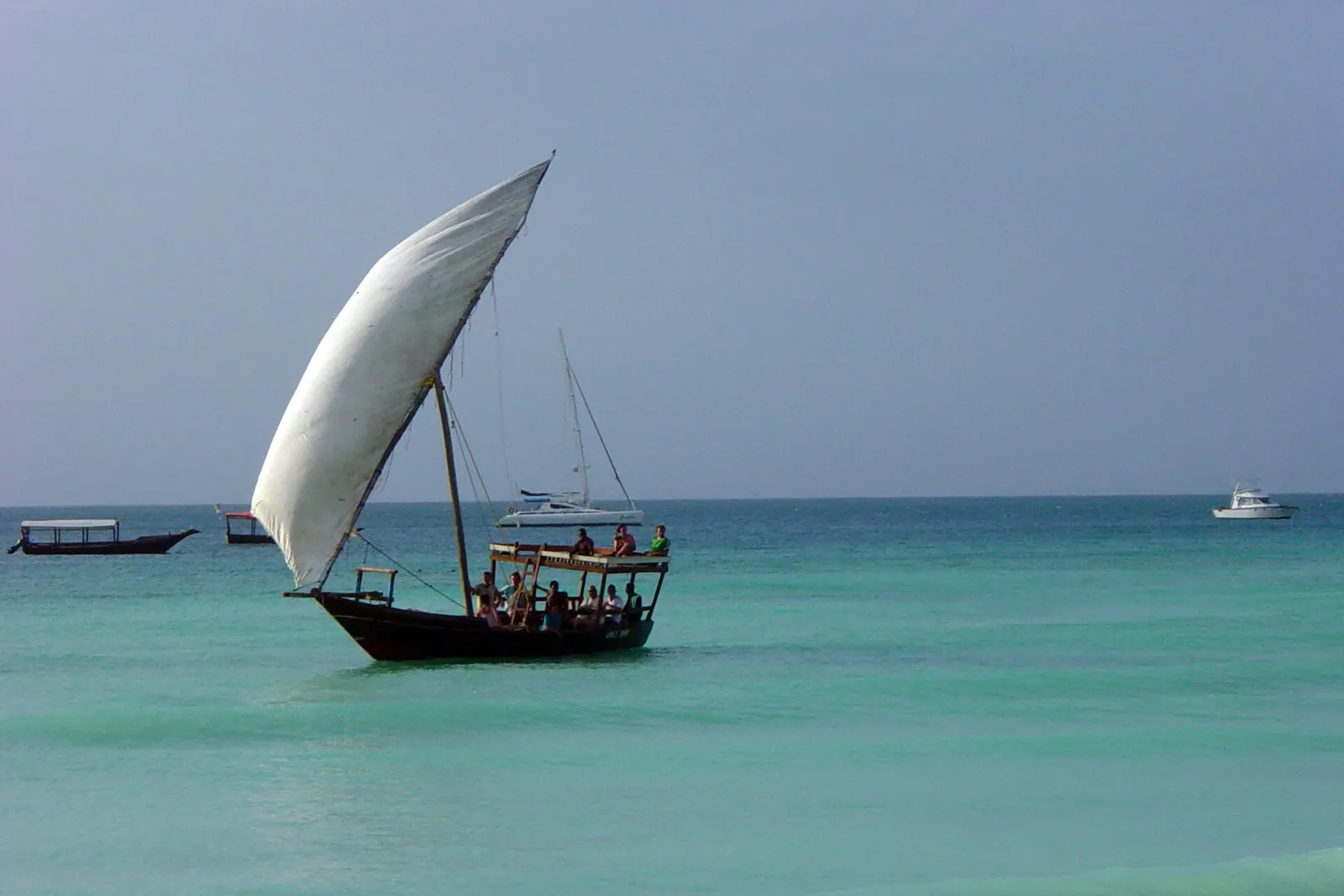
Comoros floats in the Mozambique Channel like a handful of green volcanic pebbles, and its mood swings with two monsoons rather than four neat seasons. Choosing the right month decides whether your room in Moroni is a breezy, fan-cooled sanctuary or a humid box you'll want to escape — and whether the road to Mount Karthala is a dusty track or a river of red mud.
Kusi and Kaskazi: The Two Seasons That Decide Your Room
The archipelago sits just south of the equator, so the year is divided by wind direction, not by winter and summer. From roughly May to October the kusi blows — a dry southeast trade wind that brings cooler, breezier days, clearer skies and seas calm enough for boat trips. Coasts hover between about 23°C and 28°C, and on Grande Comore the air along the waterfront in Moroni and Itsandra feels light enough that a ceiling fan does the job at night.
From November to April the kaskazi takes over: a warm, wet northeast monsoon that pushes humidity high, heats coastal towns to the low thirties and dumps most of the year's rainfall between December and March. This is when air conditioning stops being a luxury and becomes the single most important line on a hotel listing — worth checking before you commit, because power supplies can flicker in smaller guesthouses and beach bungalows on the outer islands.
Altitude matters too. Rooms tucked into the foothills below Mount Karthala stay noticeably cooler and far wetter than the coast, while the sheltered leeward west coast — the stretch from Moroni down through Iconi and Chomoni — is the most comfortable place to sleep when the trade winds are at their strongest. Sea temperatures swing from a bracing 25°C in August to a bath-like 29°C in March and April.
May to October: The Dry-Season Sweet Spot for Hotels
If you want the widest choice of rooms and the most forgiving weather, aim for this window. Rain becomes scarce, trails dry out, and humidity drops enough to make walking the medina of Moroni pleasant rather than punishing. It's also the only sensible time to attempt the two-day trek up Mount Karthala, whose 2,361-metre summit and vast caldera are the country's defining adventure; guides, porters and camping gear are easiest to arrange from June through September.
July and August are peak months, and they fill fast. Families from Europe arrive with the school holidays, and the Comorian diaspora returns in force, swelling demand for the modest stock of business-style hotels in Moroni and the beach properties near Mitsamiouli, Galawa and Chomoni. Book two to three months ahead for these weeks, or accept a room further from the water.
September and October are the connoisseur's choice: still dry and sunny, but with noticeably thinner crowds and softer rates. Divers also favour this stretch, since visibility around the Mohéli Marine Park is at its best once the runoff of the rains has cleared. Just note that October is the transition month, when the first afternoon showers creep back in.
November to April: The Green Season, Cyclones and Empty Beaches
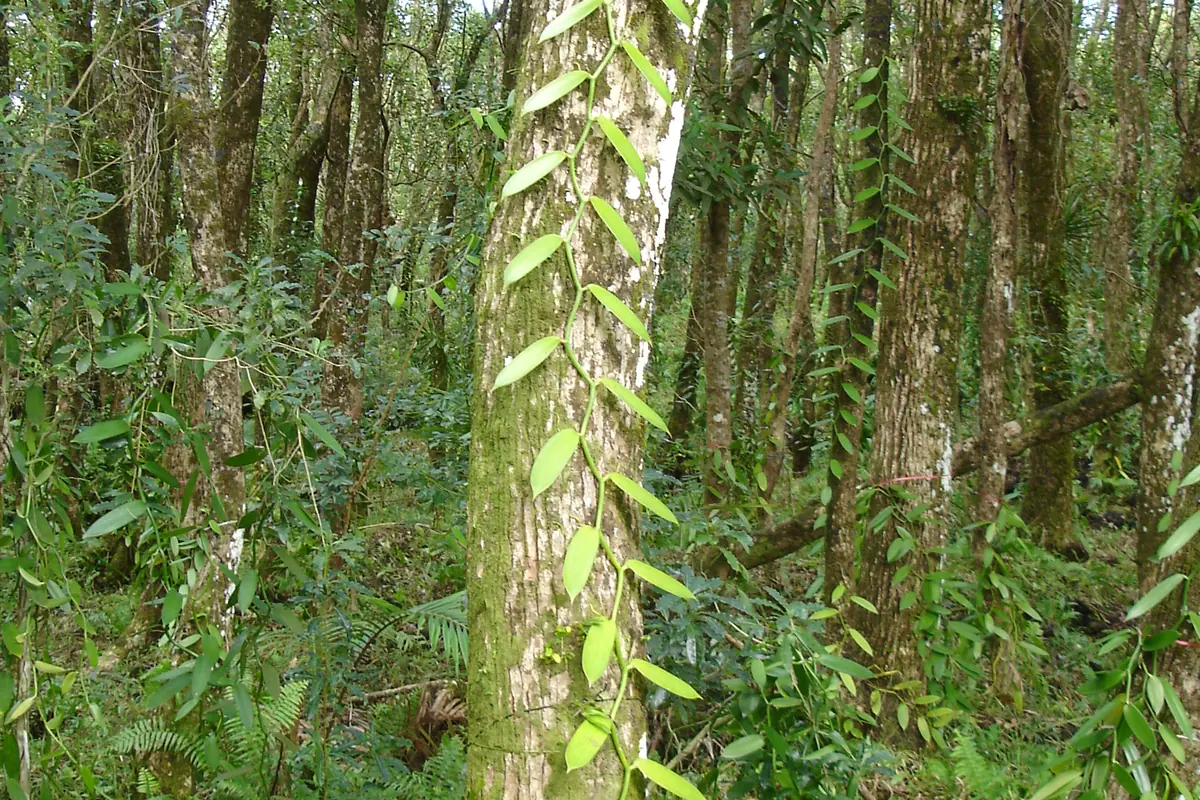
The wet season is not a write-off, but it is a gamble. December to April carries genuine cyclone risk, inter-island ferries turn rough and unreliable, and small planes linking the islands are more prone to weather delays. The compensation is a landscape at its most extravagant: waterfalls appear on Anjouan's slopes, ylang-ylang, vanilla and clove plantations smell intoxicating, and the crater lake of Dziani Boundouni on Mohéli sits in a bowl of almost fluorescent green.
Hotel-wise, this is bargain territory. Rates dip, availability is rarely a problem, and you'll often have beaches such as Chomoni or Itsamia practically to yourself. The trade-off is that a few small island properties reduce operations or close entirely during the heaviest February and March rains, so always confirm directly before committing to a flight.
Ramadan falls inside this period in some years and shifts about eleven days earlier annually. During it, daytime life slows, many small eateries shut until sunset, and evening streets in Moroni and Mutsamudu become lively and social. Hotels continue to serve guests, but the atmosphere is different — quieter, more observant, and a genuine window into daily Comorian life.
Island by Island: Where Your Hotel Should Actually Be
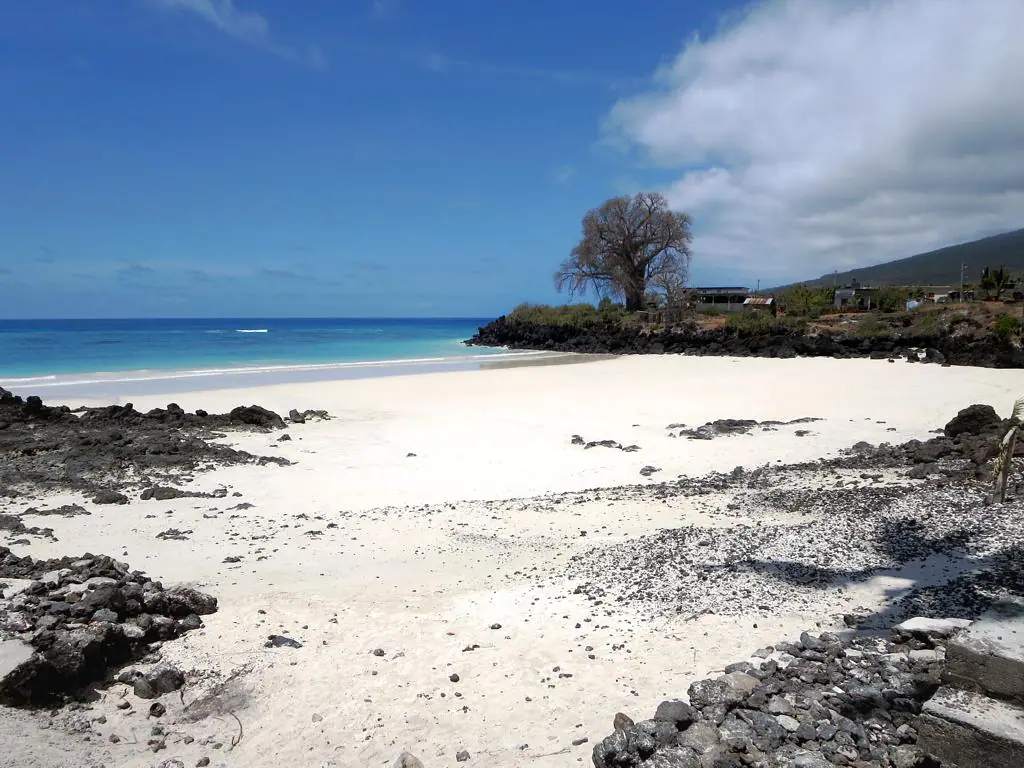
On Grande Comore, almost everything clusters around the capital and the northern coast. Moroni's Ville Haute and medina hold the most atmospheric small hotels, within walking distance of the Old Friday Mosque, the carved wooden doors of the old Swahili houses and the always-busy Grand Marché. If you'd rather wake to surf, head north to Itsandra or Mitsamiouli, or southeast to Chomoni, where simple beach lodges sit beneath black lava cliffs.
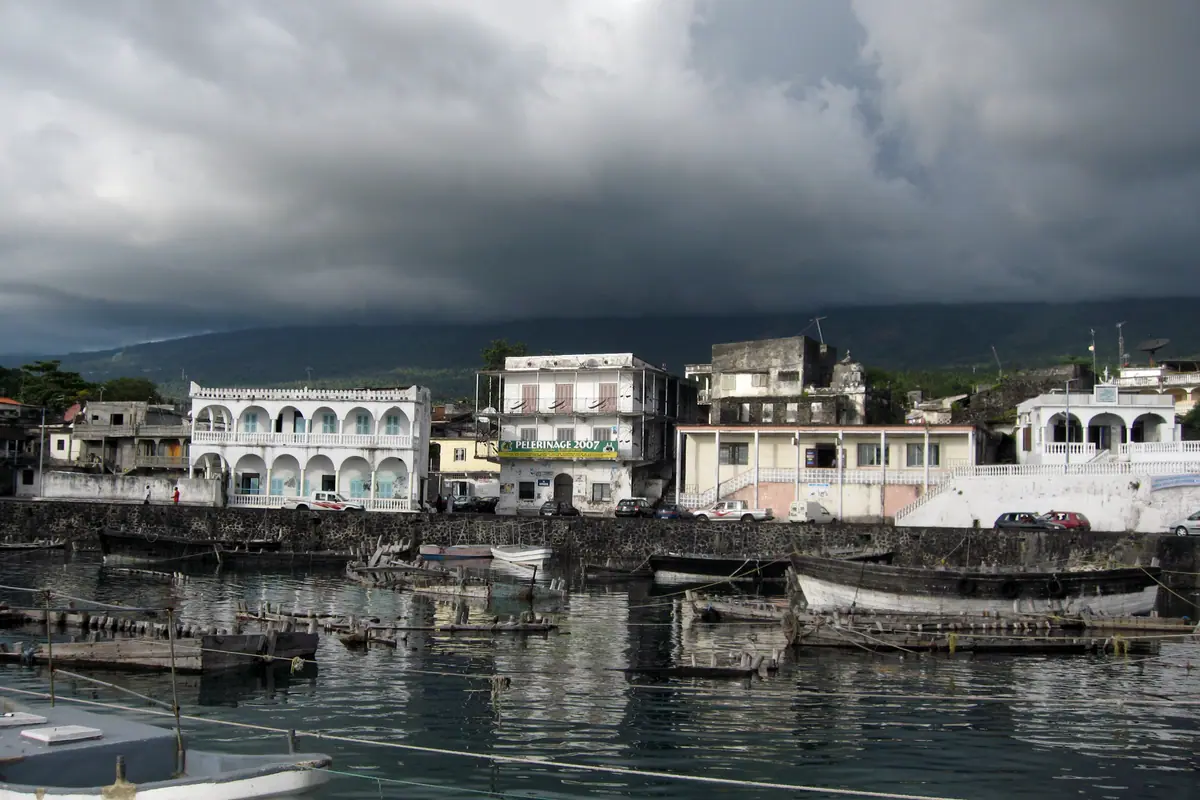
Anjouan rewards those who accept a slower rhythm. Mutsamudu's old town — a tight grid of lanes below the citadel, with the harbour and the Grand Mosque at its heart — has a handful of family-run guesthouses that feel far more lived-in than resort-like. From here you can reach Mount Ntringui, the island's highest point, and the crater lake of Lac Dzialandzé, both best visited in the drier months when the paths hold together.
Mohéli is the smallest and least developed island, and its lodging reflects that: simple bungalows around Nioumachoua, often solar-powered with limited or no wi-fi. What you trade in comfort you gain in access to the Mohéli Marine Park and its islets, plus the turtle beaches at Itsamia. Because capacity is tiny, whale season bookings here should be made well in advance.
Must-See Sights to Anchor Your Stay
Build your trip around a few named landmarks rather than drifting between beaches. On Grande Comore: the smoking caldera of Mount Karthala; Lac Salé, the salt-filled crater near Iconi; the forest-rimmed crater lake known as the Trou du Prophète; the lava-and-white-sand sweep of Chomoni Beach; and the ruined royal tombs and old mosque at Iconi. In Moroni itself, don't miss the Old Friday Mosque and the medina lanes around it.
On Anjouan, the citadel above Mutsamudu's harbour gives the finest view in the country's second city, with the old town's coral-stone houses and the Grand Mosque below. Inland, Mount Ntringui and Lac Dzialandzé offer the archipelago's lushest walking, especially between June and October.
Mohéli's signature experiences are underwater and on the sand. The Mohéli Marine Park protects a scatter of islets where you can snorkel over coral gardens, spot dolphins and manta rays, and — from July to October — watch humpback whales pass through the channel. At Itsamia, green turtles come ashore to nest on most nights of the year, with hatchlings emerging roughly two months later.
Festivals, Whales and Booking Tactics
Timing is not only about weather. The grand mariage — Grande Comore's famously elaborate, community-funded wedding ceremony — dominates the dry season, running through the middle months of the year. When one is underway, entire extended families descend on Moroni and the west coast, and hotel rooms vanish weeks in advance. Independence Day on 6 July brings parades and celebrations to the capital, another spike in demand.
Whale watching is the other big draw on the calendar: humpbacks migrate through Comorian waters from around July to October, peaking in August and September, with the Mohéli Marine Park and the west coast of Grande Comore the best vantage points. Book boats through your guesthouse rather than turning up at the harbour.
Finally, practical logistics. International flights arrive mainly through East Africa, the Gulf, Madagascar and Réunion, and the July–August and December–January diaspora periods are the busiest. Domestic hops between Moroni, Anjouan and Mohéli use small aircraft with tight luggage allowances, and ferries between the islands are frequently cancelled in rough kaskazi seas. Bring euros in cash: ATMs are scarce and unreliable, and card payments are rare outside the largest hotels.
Frequently asked questions
What is the best month to visit Comoros?
June and September offer the best combination of dry, breezy weather, calm seas and manageable hotel demand. July and August are equally pleasant but far busier, with peak rates and limited availability, especially in Moroni and on Mohéli.
Is cyclone season a problem for travel to Comoros?
The risk runs roughly December to April, with February and March the most hazardous. Storms can disrupt inter-island ferries and small flights, and some remote beach properties scale back or close. If you travel then, build in flexible dates and check forecasts closely.
Do I need air conditioning in a Comoros hotel?
From November to April, yes — humidity is high and nights stay warm, so air conditioning makes a real difference. During the drier kusi months of May to October, a ceiling fan and open windows are usually enough, particularly on the breezy west coast of Grande Comore.
When can you see humpback whales in Comoros?
Humpback whales pass through Comorian waters from around July to October, with August and September the strongest months. The Mohéli Marine Park and the western coast of Grande Comore are the most reliable places to join a boat trip.
How far ahead should I book a hotel in Comoros?
For July and August, or over Independence Day and the grand mariage season, book two to three months ahead. At other times four to six weeks is generally sufficient, though the tiny bungalow properties around Nioumachoua on Mohéli are worth confirming directly well before you fly.
Sort the rest of your trip
Everything for Comoros, in one place
Transfer in Comoros
Private driver waiting on arrival — no queues, no surprises.
Book a transfer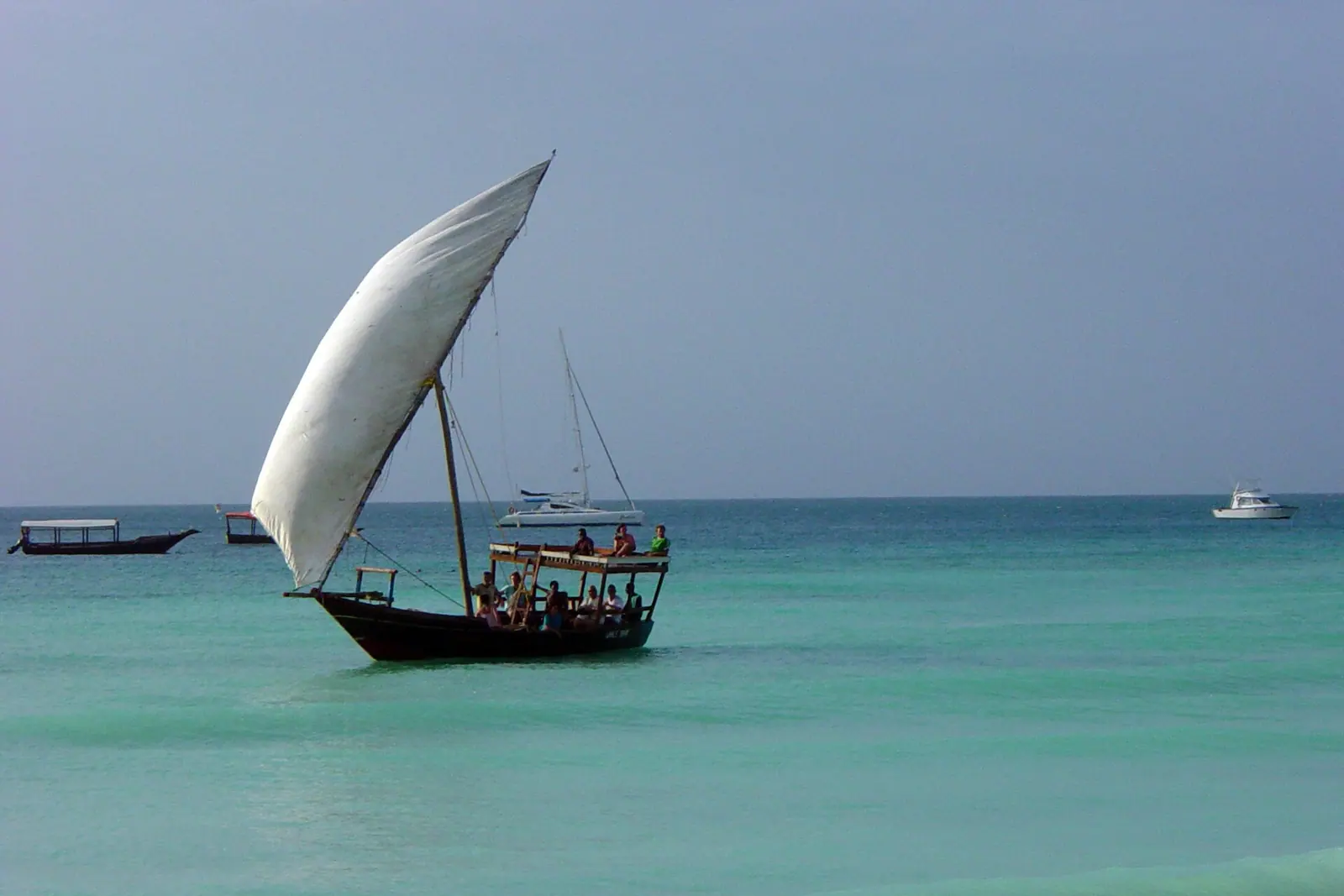
Things to do in Comoros
Skip-the-line tickets, guided tours and standout experiences.
See experiences
Stay online in Comoros
Travel eSIM — data the moment you land, no roaming bills.
Get an eSIM