Bhutan is a kingdom you visit slowly, and where you sleep shapes how the country unfolds — a hillside lodge above Thimphu, a farmhouse in Bumthang, a riverside room in subtropical Punakha. This guide maps the lodging scene valley by valley, alongside the dzongs, monasteries and mountain passes that make each stop worth the winding drive.
How Hotels in Bhutan Actually Work
Bhutan limits tourism by design, and its accommodation reflects that. Every property that takes foreign guests must be certified by the national tourism authority, so even simple guesthouses in remote valleys are inspected, insured and licensed. Most travellers arrive on an arranged itinerary that bundles rooms, a licensed guide, a driver and road permits into one package; independent travel is possible, but you still need certified hotels, a guide for certain regions and a permit for every district you enter.
The daily Sustainable Development Fee applies for each night you stay, and visitors from India, Bangladesh and the Maldives pay a substantially lower rate. Because that fee is charged per night, the rhythm of a Bhutan trip matters: most itineraries run seven to twelve nights, moving every two or three days so you are not paying top rate to sleep in the same valley for a week.
Seasons swing the whole equation. March to May brings rhododendrons and the spring festivals; late September to November delivers the crispest Himalayan views; December to February is cold in the high valleys but mild in Punakha and ideal for birdwatchers; June to August is monsoon, with lush green paddies, the lowest room rates of the year and leeches on lower forest trails. For peak October and April dates, book four to six months ahead — festival weeks sell out first.
Thimphu: The Capital's Hotels and Landmarks
Thimphu sits at around 2,300 metres in a bowl-shaped valley, and its hotels cluster along Norzin Lam in the busy town centre, up in the quieter Motithang and Lungtenphu districts, or on the forested slopes above the valley where the high-end lodges enjoy uninterrupted views. Two nights here is the usual introduction to the country: enough for the landmarks, a wander through the weekend market and a slow adjustment to altitude before heading higher.
Start at Tashichho Dzong, the whitewashed fortress-monastery that houses the seat of government and the central monastic body, best visited in late afternoon when the monks file in and the light turns gold. Nearby, the National Memorial Chorten draws a constant circuit of elderly Bhutanese spinning prayer wheels, while the National Textile Museum and the Folk Heritage Museum give context to what you will see in the villages.
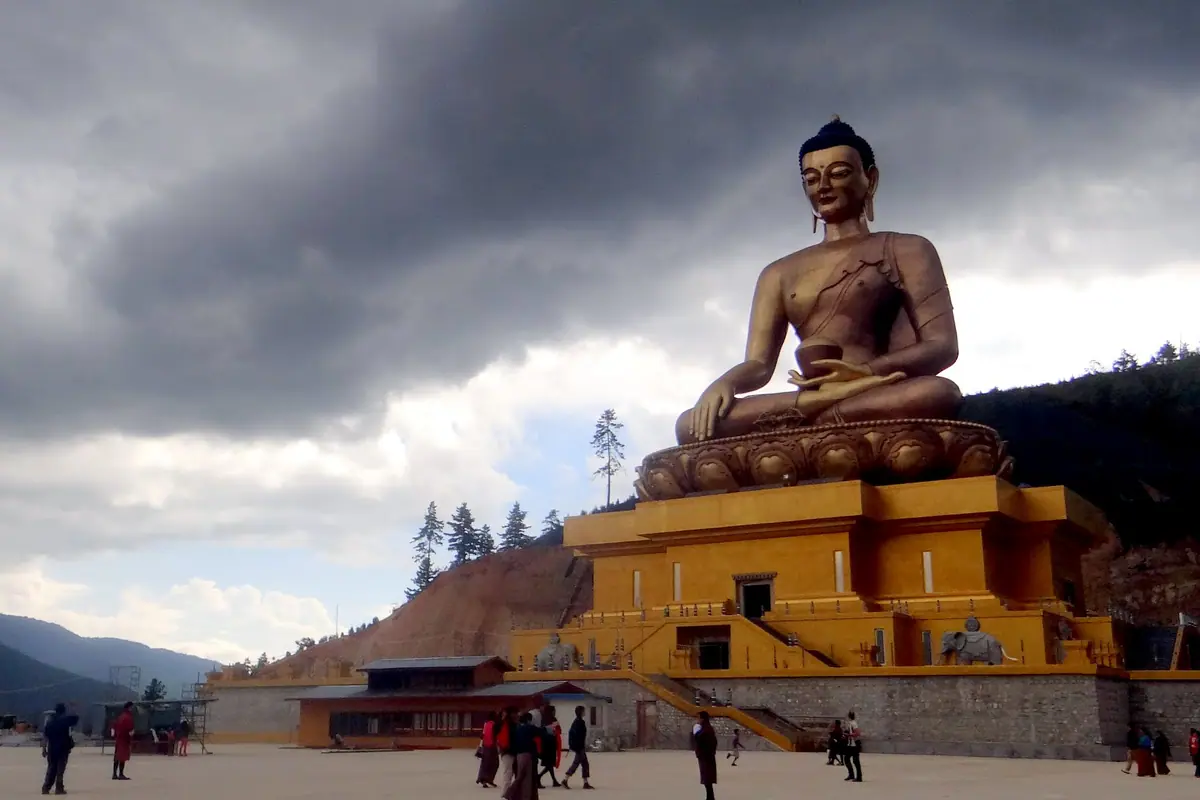
Then climb to Kuenselphodrang, where the 51-metre Buddha Dordenma sits in bronze and gold above the valley, one of the largest seated Buddha statues in the world. On the way down, the Motithang Takin Preserve protects Bhutan's odd national animal, a shaggy goat-antelope that legend says was assembled from the bones of a cow and a goat. Simply Bhutan, a living museum in the town centre, offers a quick, cheerful primer on farmhouse life, archery and butter tea.
Paro: Base Camp for the Tiger's Nest
Almost every journey begins in Paro, home to the country's only international airport and to its most famous sight. Hotels range from town-centre properties a short walk from the main street to riverside resorts and converted farmhouses out among the apple orchards of Bondey and Dopchari. The valley floor sits at 2,200 metres, so nights are cool even in summer and the first morning is best spent gently.
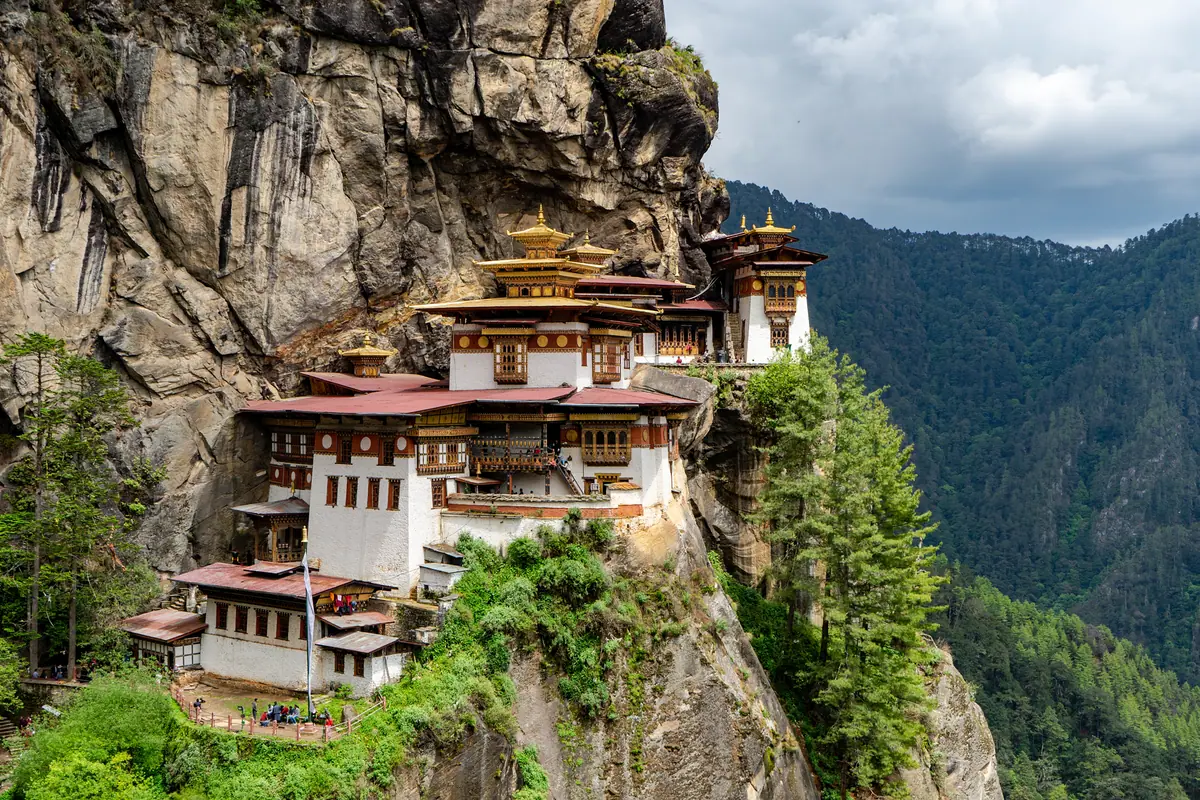
The headline act is Paro Taktsang, the Tiger's Nest Monastery, clamped to a cliff face 900 metres above the valley floor. The return hike takes most people four to five hours, including the steep final staircase and a rest at the midway cafeteria; start by 7.30am to beat both the heat and the crowds, and carry water and a walking stick. Horses can carry you part of the way, but the last stretch is on foot.
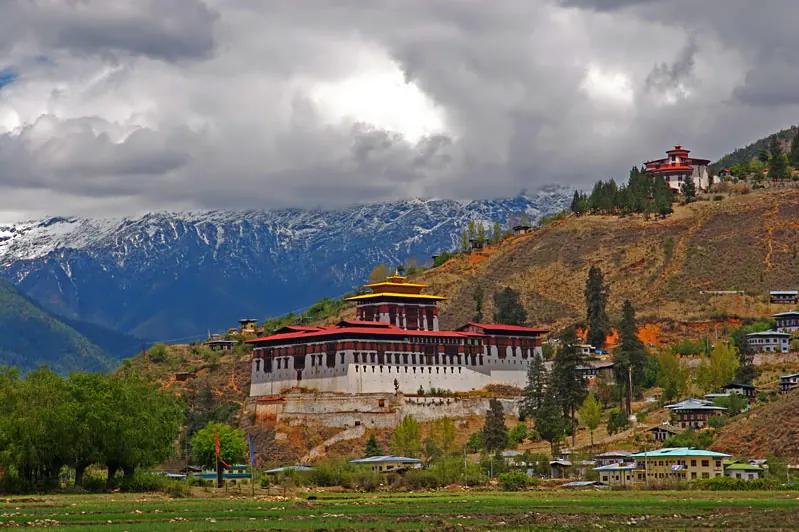
Below the trailhead, Rinpung Dzong is a vast fortress-monastery that hosts the spring Paro Tsechu festival, when enormous silk thangkas are unfurled in the courtyard at dawn. A path leads down to the covered cantilever bridge and on to the town. Also worth the drive are the seventh-century Kyichu Lhakhang, one of the oldest temples in the kingdom, the ruined Drukgyel Dzong at the head of the valley, and Chelela Pass at 3,988 metres, the highest road pass in the country, explosive with rhododendrons in May.
Punakha and the Dochula Pass: Warmer Valleys, Bigger Fortresses
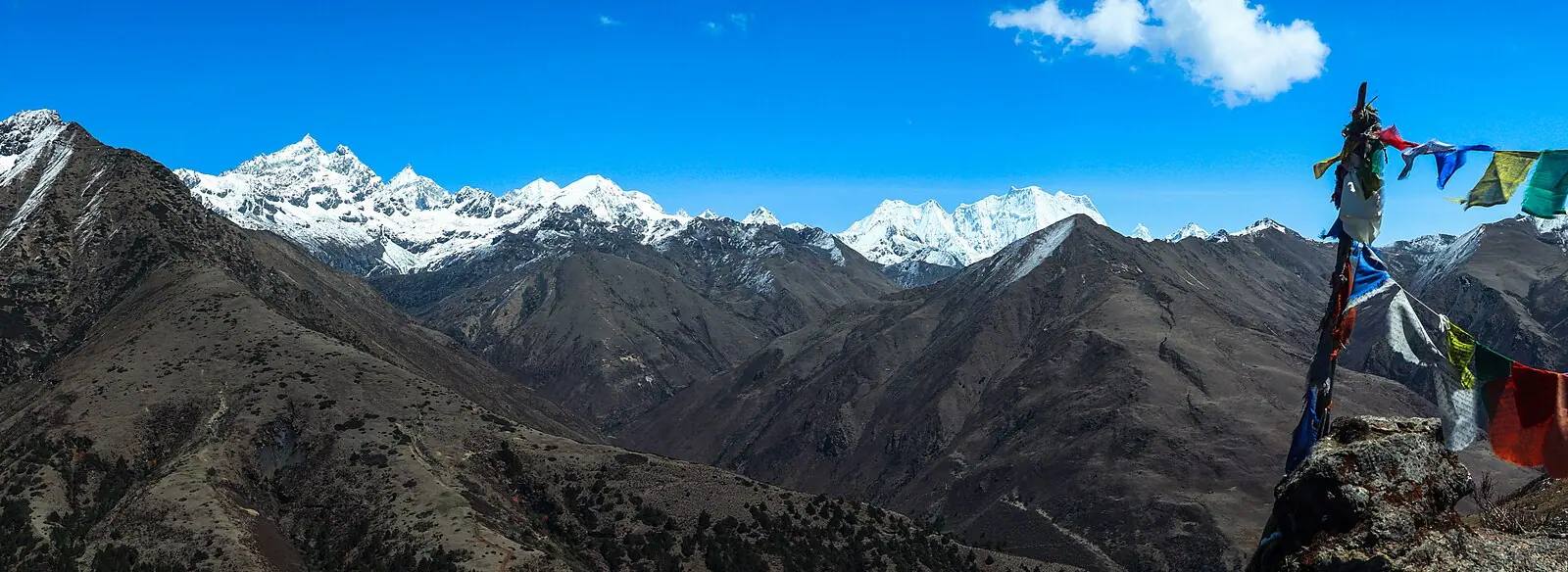
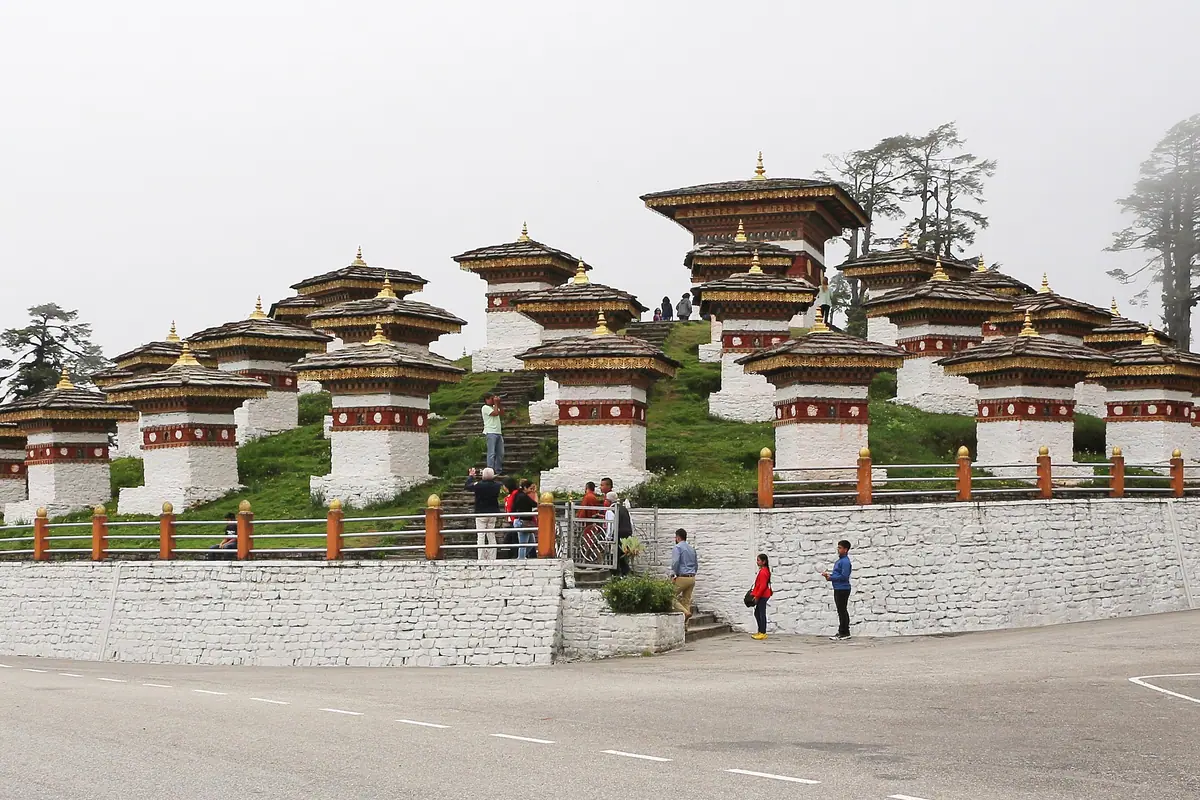
The road east from Thimphu climbs through pine and oak to Dochula Pass at 3,100 metres, where 108 chortens stand in tiers against a wall of Himalayan peaks. On clear winter mornings you can see the full northern range, snow from end to end; by midday the clouds usually close in, so leave early. From the pass the road drops nearly 1,800 metres into the subtropics, and the change in temperature is dramatic — Punakha is the winter capital in every sense.
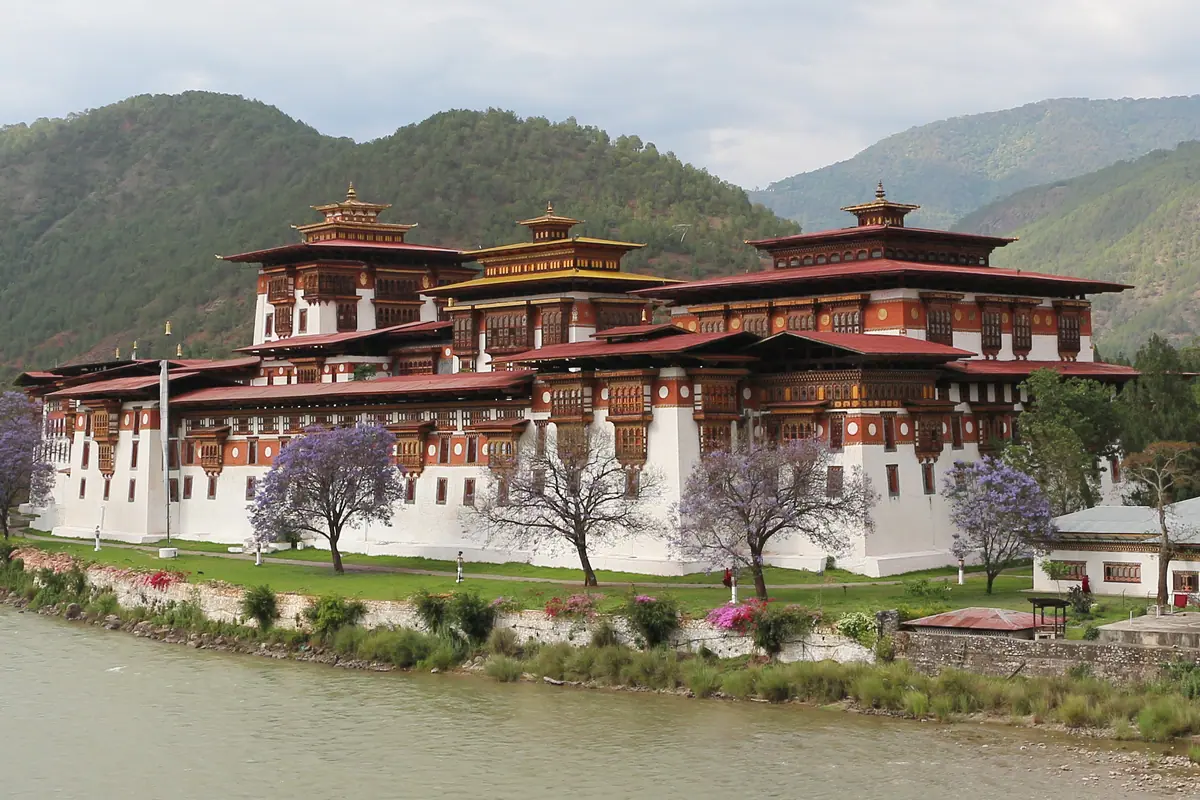
Punakha Dzong, the most photogenic fortress in Bhutan, sits at the confluence of the Pho Chhu and Mo Chhu rivers, reached by a wooden bridge lined with prayer flags. In spring its jacaranda trees turn lilac against the white walls, and in February or March the courtyard hosts the Punakha Drubchen and Tsechu, re-enacting a seventeenth-century battle. A short drive away, the long suspension bridge over the Mo Chhu makes a fine walk, and the walk through paddy fields to Chimi Lhakhang, a small fertility temple, takes about half an hour each way.
Hotels here trade altitude for comfort: garden resorts and eco-lodges set among rice terraces, some with river rafting arranged from the door. Because Punakha sits around 1,200 metres, it is the favourite December and January base when Thimphu and Paro are frosty. Two or three nights lets you add the nunnery at Sangchhen Dorji Lhuendrup and the long, low Wangdue Phodrang valley.
Phobjikha, Trongsa and Bumthang: Glacial Valleys and Sacred Sites
Beyond Punakha the road crosses the Pelela range and drops into Phobjikha, a glacial valley of open marsh and dwarf bamboo that serves as the winter home of the black-necked crane. The birds arrive from the Tibetan plateau in late October and leave by late February, and the valley's lodges — low, wood-and-stone buildings tucked into the hillside — are perfectly placed for dawn viewing from the nature trail. Above the valley, Gangtey Monastery anchors the hillside with its long white walls.
Further east, Trongsa Dzong is the largest and longest fortress in Bhutan, its galleries stacked along a ridge above the Mangde Chhu; the watchtower opposite holds a fine museum of royal history. From Trongsa the road climbs over the Yotongla pass into Bumthang, the spiritual heartland, where the valleys of Chokhor are dense with temples: Jambay Lhakhang, one of the oldest in the country, Kurjey Lhakhang with its sacred cypress, and Tamshing, with its remarkable old wall paintings. Jakar Dzong watches over the town below.
Bumthang lodging is where Bhutan's farmhouse tradition shines. Family-run guesthouses offer hot-stone baths, home-distilled spirits and meals of buckwheat pancakes, red rice and dried yak cheese. This is also the region for the Burning Lake pilgrimage site at Mebar Tsho and, for the adventurous, the rough road onward to Mongar and Trashigang in the far east, where homestays vastly outnumber conventional hotels.
Farmhouse Stays, Food and Booking Practicalities
Bhutan's roads are beautiful and slow. Drivers average 30 to 40 kilometres an hour on mountain curves, so Paro to Thimphu takes about an hour and a half, Thimphu to Punakha two and a half to three hours, and Punakha to Bumthang a full day. Plan itineraries in driving hours, not distances, and keep a spare day at the end in case a landslide closes a road. Altitude is the other thing to respect: Paro and Thimphu sit above 2,200 metres, Bumthang around 2,600 and Phobjikha near 3,000, so take the first 24 hours easy and drink more water than feels necessary.
Food is a highlight of staying in smaller properties. Ema datshi — chillies stewed with cheese — is the national dish and appears at every meal; look also for kewa datshi with potatoes, phaksha paa with dried pork, and red rice from Paro and Bumthang. Farmhouse stays usually include a hot-stone bath, heated river stones slid into a wooden trough of water, which is exactly what you want after a day on the trail.
Book accommodation at the same time as your guide and permits, especially if your dates coincide with festival season, when entire valleys fill up. Ask directly about heating, hot water and altitude, since a charming wooden guesthouse at 3,000 metres can be uncomfortably cold in January. Finally, buy a local SIM on arrival in Paro, carry cash for handicraft markets and small teahouses, and remember that tipping guides and drivers is customary and appreciated.
Frequently asked questions
When is the best time of year to stay in Bhutan?
March to May and late September to November offer the best combination of clear skies, comfortable temperatures and festival dates. December to February is dry and cold in the high valleys but pleasant in Punakha and Phobjikha, which is prime black-necked crane season. June to August is monsoon: green, quiet and the cheapest time for rooms, but expect rain, clouded mountain views and muddy forest trails.
Can I book hotels in Bhutan independently?
You can choose and book your own certified hotels, but you still pay the daily Sustainable Development Fee, hold a visa and travel with a licensed guide for most regions. Most visitors find it simpler to arrange lodging, transport and permits together, since hotels outside the main towns are small, seasonal and rarely listed on international platforms.
How demanding is the hike to Tiger's Nest?
The return walk from the trailhead at Ramthangka to Paro Taktsang is roughly four to five hours over about 900 metres of ascent, on a steep dirt path with a final flight of stone stairs. It is achievable for most reasonably fit walkers who take it slowly, and horses can carry you to the midway cafeteria. Start early, carry water and allow extra time if you are still adjusting to altitude.
What should I expect from a Bhutanese farmhouse stay?
Expect simple wooden rooms, shared or private bathrooms, home-cooked meals of red rice, chillies and cheese, and a hot-stone bath on request. Farmhouses in Bumthang and around Paro are the most established, and staying in one is the easiest way to see daily life — archery, weaving and farming — rather than just the monuments.
How far in advance should I reserve rooms?
For October, April and any festival week, book four to six months ahead, as the number of certified rooms in each valley is limited and tour groups reserve early. Outside peak dates, four to six weeks is usually enough, though the handful of lodges in Phobjikha and Bumthang can still fill quickly during crane season.
Sort the rest of your trip
Everything for Bhutan, in one place
Transfer in Bhutan
Private driver waiting on arrival — no queues, no surprises.
Book a transfer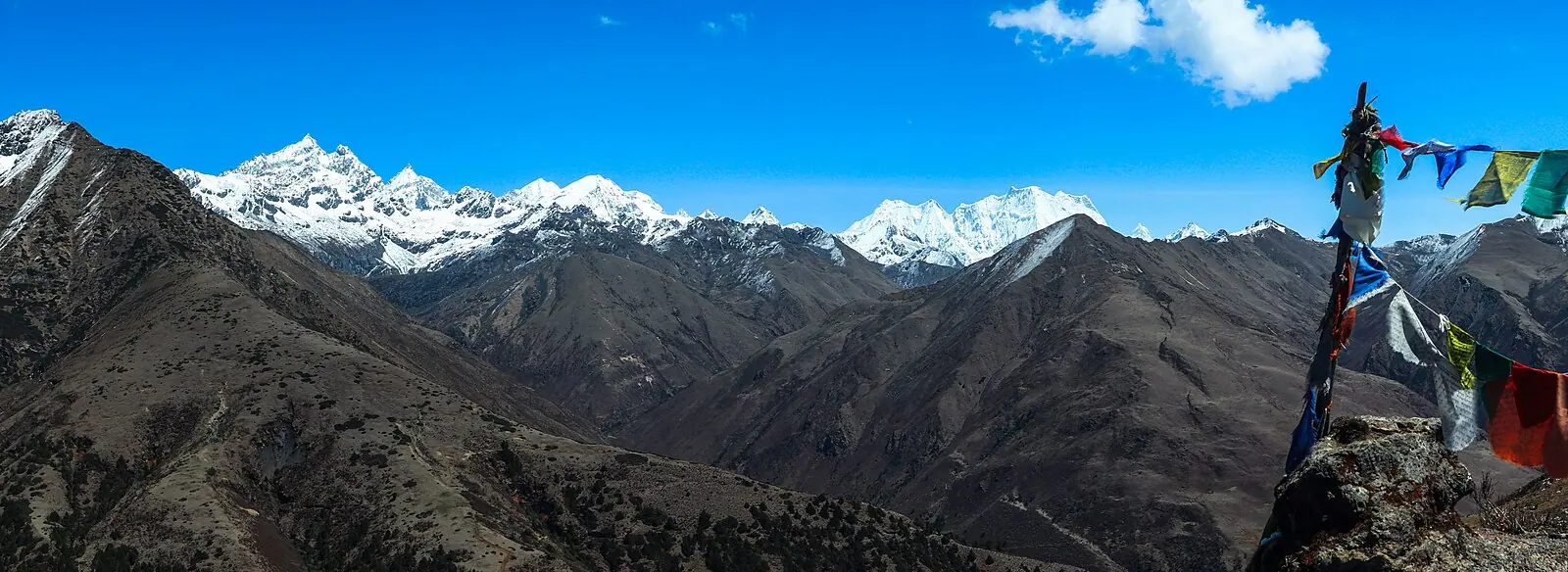
Things to do in Bhutan
Skip-the-line tickets, guided tours and standout experiences.
See experiences
Stay online in Bhutan
Travel eSIM — data the moment you land, no roaming bills.
Get an eSIM