Vietnam stretches more than a thousand miles from misty northern mountains to coconut-fringed southern deltas, so there is no single best week to visit the whole country. Getting the timing right — and pairing it with the right kind of hotel in the right region — is what turns a good trip into an unforgettable one.
Why Vietnam Has Three Travelling Seasons, Not One
Vietnam is shaped like a long, narrow S, and that geography is the single most useful thing to understand before you book anything. The north, anchored by Hanoi and the mountain town of Sa Pa, runs on a subtropical rhythm with four distinct seasons — cool, drizzly winters and hot, storm-prone summers. The central coast, from Hue through Da Nang to Hoi An, has its own pattern entirely, with a dry, sunny window in the first half of the year and a wet, typhoon-prone late autumn. The south, around Ho Chi Minh City and the Mekong Delta, is tropical: hot year-round, with a clear dry season and a predictable afternoon-rain season.
That means the 'best time' question is really three questions. A traveller planning an overnight cruise in Ha Long Bay, a walking week in the Old Quarter around Hoan Kiem Lake, and a beach stay on Phu Quoc is effectively planning three separate trips with three separate weather windows. The good news is that somewhere in Vietnam is almost always in its prime — and the hotel stock shifts accordingly, from misty mountain lodges to air-conditioned city towers to palm-shaded beach resorts.
If you want one simple answer for a two-week country-wide itinerary, aim for March to April or October to November. Those two windows give you the most comfortable overlap across all three regions, and they are also when the widest range of accommodation is operating at full capacity rather than half-closed or booked solid.

Spring and Autumn: The Sweet Spots for a Country-Wide Trip
March and April are arguably the kindest months Vietnam offers. Hanoi dries out and warms to a soft, breezy mildness — ideal for wandering the Temple of Literature, circling Hoan Kiem Lake at dawn with the tai chi crowd, and taking a two- or three-day Ha Long Bay cruise while the limestone karsts sit sharp and clear instead of hazy. Further south, the central coast is entering its dry stretch, so Hoi An's Ancient Town and its lantern-lit Japanese Covered Bridge are at their photogenic best, and the Imperial City in Hue is pleasant to explore on foot over three or four unhurried hours.
Autumn, roughly September through November, delivers a second golden window. The north cools into crisp, blue-skied days, the rice terraces around Sa Pa turn gold before the harvest, and the south is sliding into its dry season — perfect for the Cu Chi Tunnels, city time in Ho Chi Minh City, and a Mekong Delta homestay. This is also the season when the My Son Sanctuary, the brick temple complex southeast of Hoi An, is at its most comfortable to visit before the midday heat builds.
Both windows are peak booking season, particularly for boutique stays in Hoi An and beach resorts around Da Nang. Reserve four to eight weeks ahead for spring, and be even more decisive for autumn, when domestic travellers join the international crowd. In the northern mountains, book early for anything with a valley view — lodges facing the Muong Hoa valley and the Fansipan ridgeline sell out first.
December to February: Crisp North, Dry and Sunny South
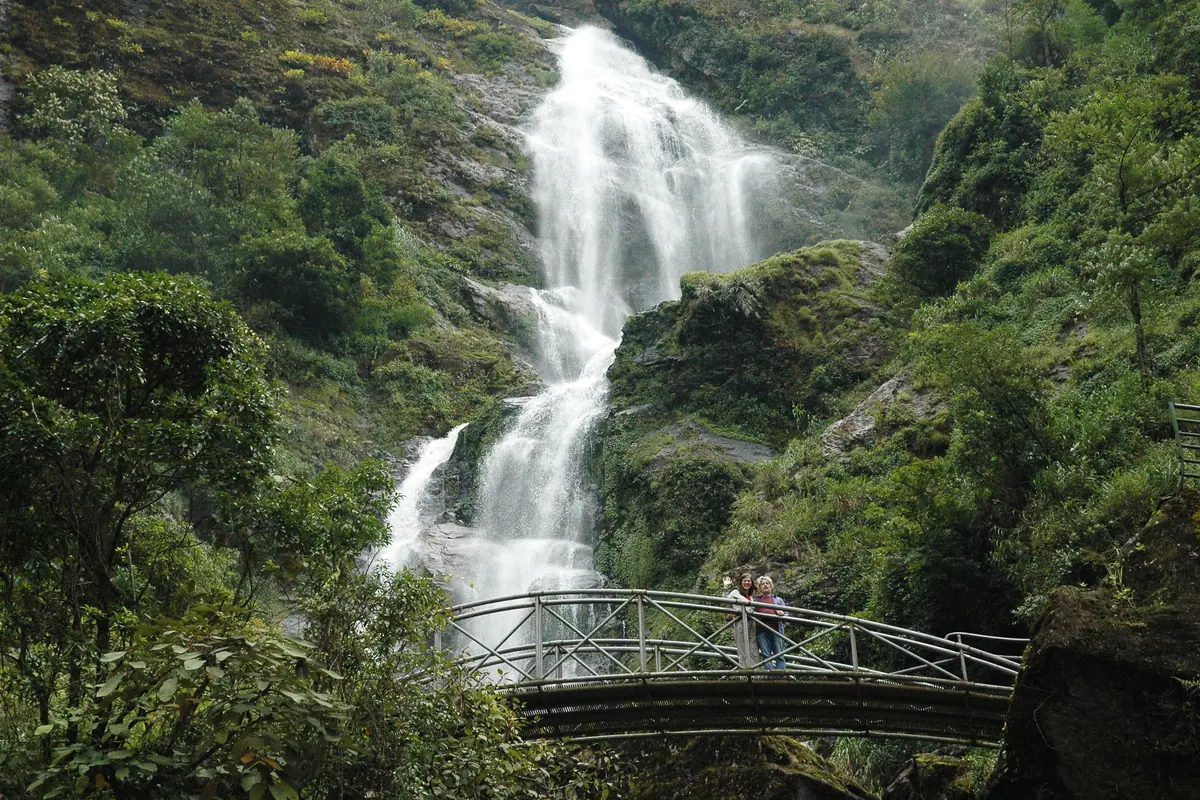
Winter splits the country dramatically. Hanoi and the north turn cool and often drizzly, with a damp chill that surprises first-timers — a light waterproof layer matters more than a heavy coat. Sa Pa can dip close to freezing at night, so if you are chasing terrace views and the cable car up Fansipan, choose a hotel with proper heating and ask specifically about it; many older mountain guesthouses rely on thick blankets instead of radiators. Ha Long Bay in these months is atmospheric rather than balmy, with mist wrapping the islands and fewer boats on the water.
The south, meanwhile, is in its finest form. Ho Chi Minh City, the Mekong Delta and Phu Quoc enjoy dry, hot, sunny days from December through April. This is the moment for a boat trip to the Cai Rang floating market near Can Tho, when the delta's waterways are busy at first light, and for lazy beach days on the island. Book Phu Quoc and the southern beach resorts well ahead for the Christmas and New Year period, when rates and demand both spike.
One caution: this is also Tet territory, the lunar new year, which usually falls between late January and mid-February. Cities empty out as families travel home, then refill with domestic holidaymakers. Many small restaurants and shops close for several days. Hotels stay open but fill fast, so lock in your rooms two to three months ahead if your dates touch Tet.
May to August: Beach Resorts, Highlands and Cool Caves
Summer is when Vietnam's coastline takes over. The central coast is dry, bright and hot, making Da Nang's long sweep of My Khe Beach and the nearby Marble Mountains prime territory, along with the Golden Bridge at Ba Na Hills, which is best reached early before the crowds and the midday glare. Nha Trang and the quieter beaches around Quy Nhon come into their own, and this is peak season for pool-side resort stays along the whole central strip.
Escape the heat by going up. Da Lat, in the southern highlands, stays cool and pine-scented, with French-era villas and lakeside walks, while Sa Pa offers relief from the lowland humidity. For something more adventurous, the cave country of Phong Nha-Ke Bang National Park is superb in summer, though the multiday expeditions into the largest caverns require bookings many months in advance — far earlier than any ordinary hotel room.
The trade-offs are real. Northern Vietnam sees its heaviest rain and occasional typhoon remnants from July into September, and Ha Long Bay and Cat Ba Island cruises can be cancelled at short notice for safety. When choosing hotels in the north in summer, favour flexible cancellation policies. The south is wet too, but usually in short, dramatic afternoon bursts that clear by evening — hardly a trip-ruiner if you plan indoor time for the middle of the day.
October and November: Shoulder Season, Flood Risk and Real Bargains
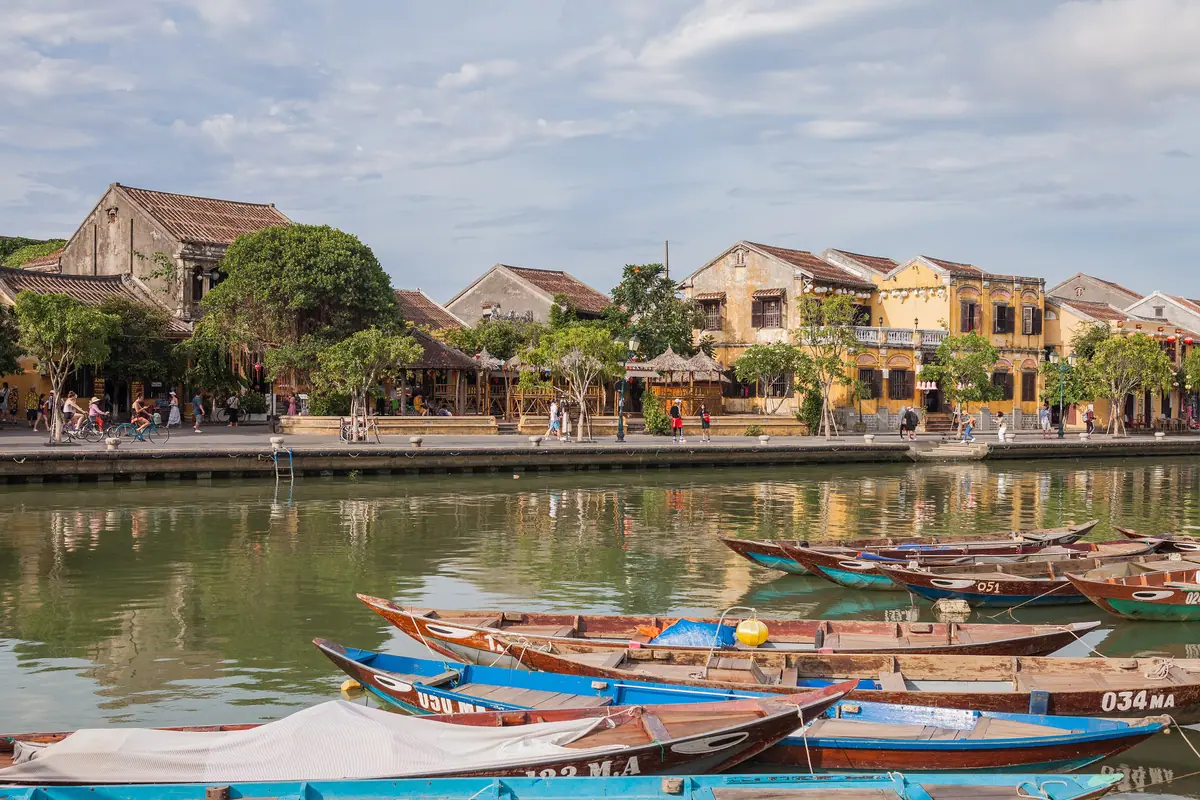
Here is the quirk that catches people out: while the north and south are often lovely in October and November, the central coast enters its wettest, most volatile stretch. Hue and Hoi An can flood, sometimes seriously, and typhoons sweeping in from the sea are a genuine possibility. Streets in Hoi An's old quarter occasionally become shallow canals, with locals ferrying visitors by boat past the Japanese Covered Bridge.
That risk comes with rewards. Outside the worst weeks, shoulder-season rates in central Vietnam drop noticeably, and you can often upgrade to a riverside boutique room or a beachfront villa for what a standard room costs in July. If you book Hoi An or Hue in this window, choose an upper-floor room, favour hotels with generous cancellation terms, and keep a couple of days of slack in your itinerary so a washed-out day does not derail the trip.
Meanwhile, October is arguably the north's most beautiful month — cool, clear and golden — and November marks the start of the dry season in the south. A smart shoulder-season route is to spend the first half of the trip in Hanoi and the northern mountains, then fly south to finish with dry, sunny days in the Mekong Delta or on a southern island.
Tet, Festivals and Booking Timing That Actually Works
Vietnam's festival calendar shapes hotel availability more than most visitors expect. Tet is the big one: for roughly a week around the lunar new year, internal travel surges, long-distance transport tightens and the best city hotels sell out. The days immediately before and after are chaotic but wonderfully atmospheric, with flower markets, fireworks and decorated streets. If you want that experience, book accommodation two to three months out and confirm that your hotel's restaurant will be open.
Beyond Tet, the mid-autumn festival brings lanterns and mooncakes to towns like Hoi An, and the highland cities host flower festivals in the cooler months. These events add colour but also compress supply in a specific town for a specific weekend. A useful habit: check whether your dates collide with a local festival before you commit to a non-refundable rate.
As a rule of thumb, book beach resorts and mountain-view lodges six to ten weeks ahead in peak season, city hotels two to four weeks ahead in shoulder season, and anything involving a cruise on Ha Long Bay or Lan Ha Bay as soon as your dates are fixed — cabin numbers are limited and the good boats go first. For the Mekong Delta, a simple homestay booked a fortnight ahead is usually plenty outside holiday periods.
Frequently asked questions
What is the single best month to visit Vietnam overall?
March is the strongest all-rounder. The north is mild and drying out, the central coast is entering its sunny stretch, and the south is still comfortably dry. October is a close second, though central Vietnam becomes wet and typhoon-prone by then.
How far in advance should I book hotels in Vietnam?
Six to ten weeks for beach resorts and mountain-view lodges in peak season (March–April and September–November), two to four weeks for city hotels in shoulder months, and two to three months if your trip overlaps Tet or the Christmas and New Year period.
Is the rainy season a reason to avoid Vietnam?
Not entirely. Southern rain typically arrives as short, heavy afternoon downpours that clear by evening. The bigger concern is central Vietnam in October and November, when Hue and Hoi An can flood and typhoons are possible — book flexible rates and upper-floor rooms if you travel then.
Which region should I choose if I can only visit in July or August?
Head for the central coast and the highlands. Da Nang, Hoi An and Nha Trang are dry and sunny, Da Lat and Sa Pa offer cool mountain air, and Phong Nha-Ke Bang is excellent for cave exploring — though book the big cave expeditions months ahead.
How does Tet affect hotel bookings and opening hours?
Tet usually falls between late January and mid-February. Hotels remain open but fill quickly with domestic travellers, while many small restaurants and shops close for several days. Reserve two to three months ahead and confirm that on-site dining will be available.
Sort the rest of your trip
Everything for Vietnam, in one place
Transfer in Vietnam
Private driver waiting on arrival — no queues, no surprises.
Book a transfer
Things to do in Vietnam
Skip-the-line tickets, guided tours and standout experiences.
See experiences
Stay online in Vietnam
Travel eSIM — data the moment you land, no roaming bills.
Get an eSIM