Tuvalu is nine specks of coral and sand scattered across a very large ocean, and the weather here is not scenery — it decides whether the boat leaves, whether the ship sails and whether you sleep with the windows open. Choosing your months well is the single most useful thing you can do before booking a flight that lands only twice a week.
Tuvalu's Climate: Small Islands, Enormous Weather
Tuvalu's nine islands — five atolls and four reef islands — lie just west of the 180th meridian, strung across hundreds of kilometres of open Pacific. Nobody here thinks in four seasons. What shapes a visit is the trade winds, the rain and the cyclone watch. Daytime temperatures sit between roughly 25°C and 32°C every month of the year, the sea rarely drops below a bathtub-warm 28°C, and humidity is high enough that a midday walk along the lagoon feels like a workout.
What actually changes is wind and water. From about March to October the southeast trades push steadily across the islands, dragging cloud away, cooling the evenings and flattening the lagoon to glass. From November to April the winds falter, the air turns heavy, and rain arrives in short, spectacular bursts — often an hour of downpour followed by brilliant sun. Those wet months also carry cyclone risk and the year's highest king tides, which on crowded Fongafale can send seawater bubbling up through the ground.
Because almost everything you do in Tuvalu happens outdoors — crossing the lagoon by boat, eating under a thatched roof, walking to the shops along the airstrip — weather is never background noise. It dictates whether the boat to the conservation area departs, whether the inter-island ship sails, and how much of your day you spend waiting under cover.
May to October: The Dry Season and the Best Window
This is the sweet spot. Between May and October the trades steady, rainfall drops and the lagoon turns glassy. July, August and September are the driest and most comfortable months — nights cool enough to sleep with the windows open, and boat trips to the Funafuti Marine Conservation Area running most reliably. Peak season here is relative: "peak" means a dozen visitors on the island instead of four, with the small guesthouses in Vaiaku filling a few weeks ahead rather than months.
October brings the national independence celebrations, marked on Fongafale with two days of fatele — the hypnotic seated dancing with drumming and singing that can run long into the night — plus sports on the airstrip and feasts across the villages. If you want a reason to build a trip around a date, this is it, but book flights and rooms many months out: the handful of beds on the island disappear fast.
Pay attention to flight days. Arrivals come on a twice-weekly service from Fiji, so a long weekend is impossible; plan a minimum of five nights and ideally a week, which also gives you a buffer if wind or rain cancels a lagoon day. The days either side of an arrival are the busiest for boat operators and the handicraft stalls.
November to April: Heat, Rain and Cyclone Watch
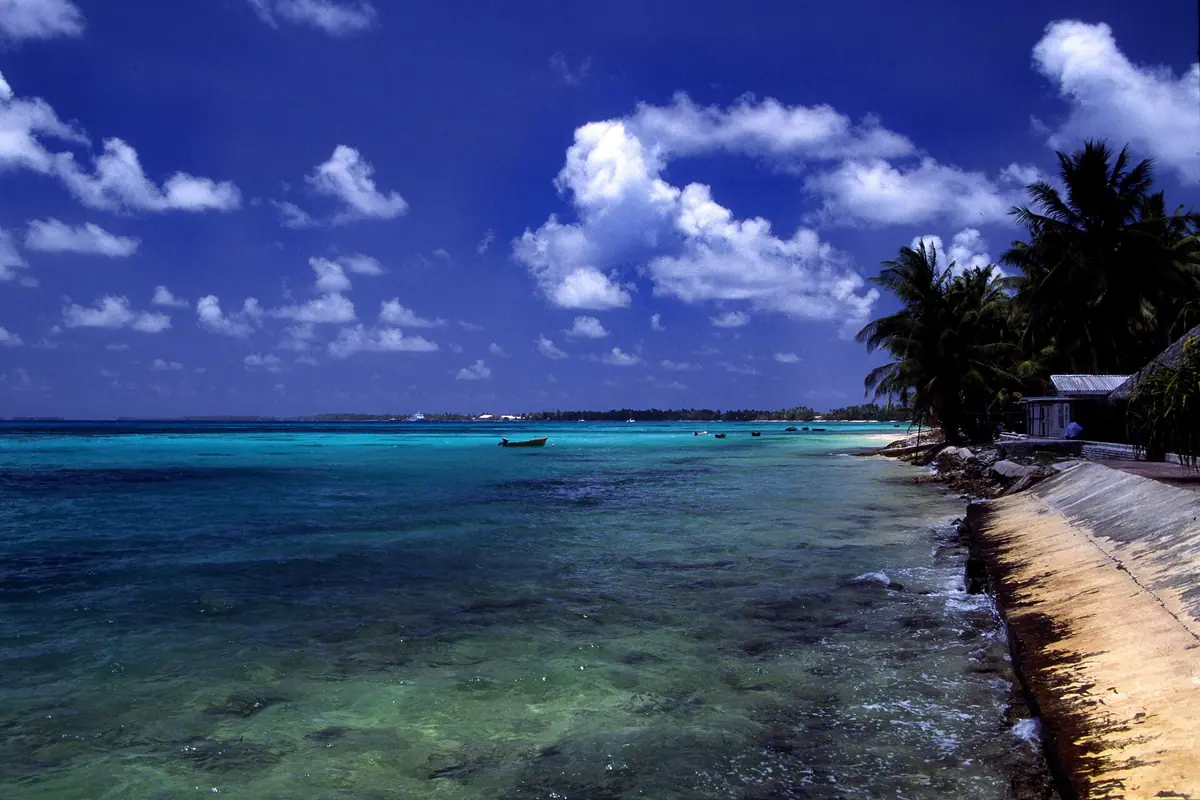
The other half of the year is hotter, wetter and riskier — but it is not a write-off. Rain usually comes as heavy afternoon squalls rather than all-day drizzle, and between them the islands are greener, the water even warmer and the light extraordinary. Guesthouses have room, boat operators are more flexible, and you will often have an entire islet to yourself.
The catch is cyclone season, which officially runs November to April and peaks between January and March. Storms can form quickly and close the airport, sometimes for days at a time. Add the year's highest king tides in February and March, when seawater seeps up through the coral on Fongafale and floods low-lying roads, and you have a season that rewards flexibility over fixed itineraries.
If you travel then, arrange insurance that covers weather disruption, leave slack at both ends of the trip, and treat the inter-island ship timetable as a rumour rather than a schedule. Mosquitoes are more persistent in the wet months, so pack repellent and light long sleeves for the evenings.

Where You'll Sleep: Vaiaku, Fongafale and the Outer Islands
Tuvalu has no resorts. On Fongafale, the main islet of Funafuti, accommodation means one government-run hotel and a scatter of small family-run guesthouses, most of them along the lagoon side of Vaiaku village. Expect simple rooms with fans, some with air conditioning, cold-water showers, rainwater tanks and a shared veranda looking out over the lagoon. Breakfast is usually included, and dinner can often be arranged if you ask in the morning.
The best time to book is the moment you book your flight — six months ahead for the dry season, three for the wet. Rates are moderate by Pacific standards, but availability rather than price is the real constraint. Bring cash in Australian dollars: card acceptance is patchy and the island's single bank branch keeps limited hours.
The outer islands — Nanumea, Nanumanga, Vaitupu, Nui, Nukufetau, Nukulaelae and tiny Niulakita — offer council-run guesthouses that are simpler still, sometimes without power overnight. You generally need permission from the island's traditional council before arriving, along with the patience to wait for the government ship. For most first-time visitors, a week based on Fongafale with one or two lagoon excursions is the realistic plan; the outer islands are a second visit.
The Sights That Justify the Journey
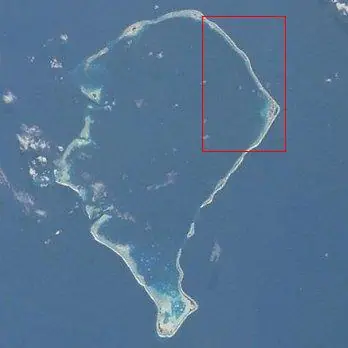
The Funafuti Marine Conservation Area, known locally as Kogatapu, is why most travellers come. A protected sweep of lagoon and reef covering six islets — Tepuka Vili Vili, Tepuka Savilivili, Fualopa, Fuafatu, Fuakea and Vasafua — it is reached by small boat from Fongafale in around an hour. Inside, you'll find nesting seabirds, green turtles grazing on seagrass, giant clams and coral heads thick with reef fish. Tepuka Vili Vili keeps a lonely shipwreck and wartime relics among its pisonia trees.
Back on Fongafale, the landmarks are human-scale. The Tuvalu Philatelic Bureau sells the intricately designed stamps that made this tiny nation famous among collectors decades ago, and the Women's Handicraft Centre nearby is the place for woven pandanus mats, fans and shell jewellery. The Church of Tuvalu anchors Sunday life across the island, and the coral bore holes left by a 19th-century scientific drilling expedition — still pointed out as David's Drill — sit close to the borrow pits dug when the wartime airstrip was built.
Beyond Funafuti, the Nanumanga Fire Caves hold traces of ancient hearths in a half-submerged cavern, Nanumea carries wartime wreckage and a fine lagoon of its own, and Vaitupu's Motufoua school and long white beaches reward anyone who makes the ship journey. On every island, the falekaupule — the traditional meeting hall at the heart of village life — is worth a respectful look from outside.
Practical Rhythm: Sundays, Tides and Getting There
Sunday is not a shopping day. Almost everything closes, swimming and noisy activity are discouraged, and most families attend church dressed in white. Dress modestly away from the lagoon, ask before photographing people or village land, and treat an invitation to a fatele or a shared meal as the highlight it genuinely is.
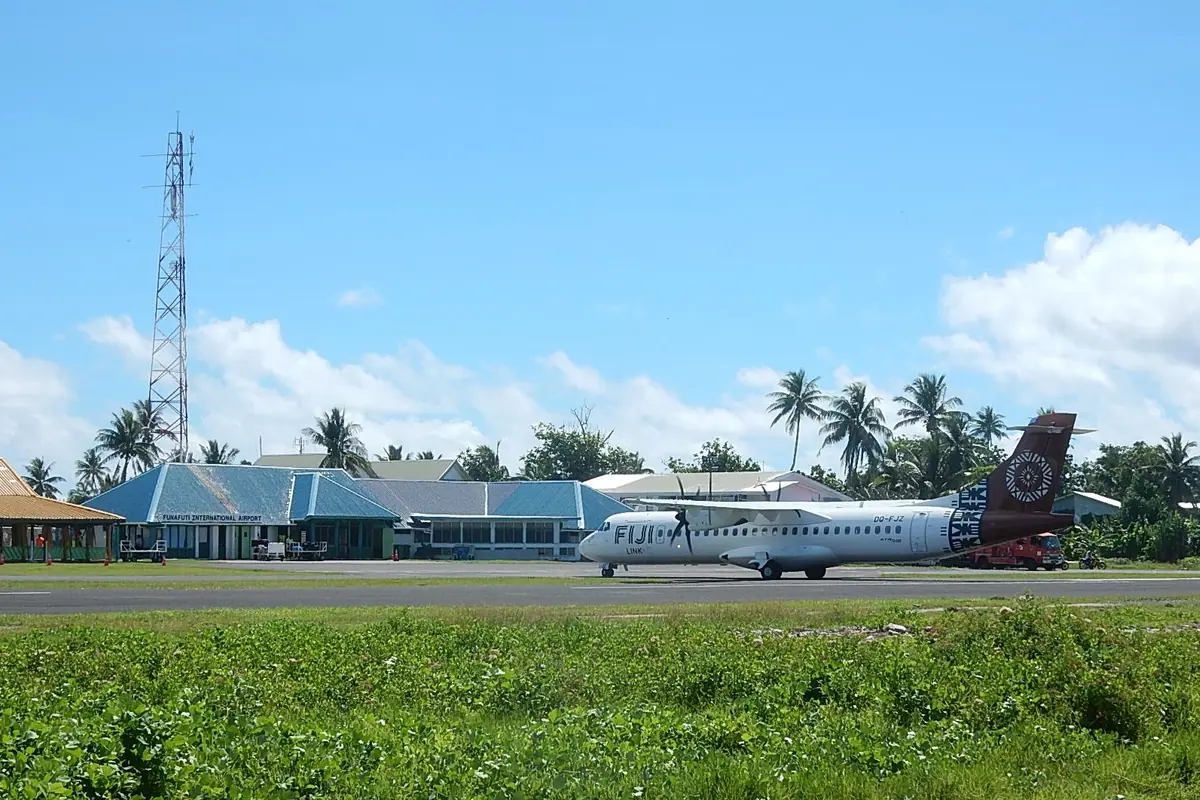
Getting there is the biggest commitment: a short but costly flight from Fiji, twice a week, landing at Funafuti International Airport, whose runway doubles as the island's promenade, sports field and evening gathering place. Fresh water is scarce and precious, so short showers and refillable bottles are appreciated. Pack reef-safe sunscreen, a hat, light long sleeves, insect repellent and cash.
Choose your months with the trip you want in mind: dry-season trades for dependable boats and comfortable nights, or wet-season quiet for solitude and softer demand — accepting that weather may rewrite your plans. Either way, Tuvalu rewards slowness more than any checklist.
Frequently asked questions
When is the best time to visit Tuvalu?
May to October, when the southeast trade winds steady the weather and rainfall drops. July, August and September are the driest and most comfortable months, with calm lagoon crossings and reliable boat trips to the Funafuti Marine Conservation Area.
Is cyclone season a real concern in Tuvalu?
Yes. The cyclone season runs roughly November to April and peaks between January and March, when storms can close the airport for days. Buy insurance that covers weather disruption and leave flexibility at both ends of your trip.
How many days do I need in Tuvalu?
Flights arrive only about twice a week, so a long weekend is impossible. Allow at least five nights, ideally a week, on Fongafale — enough for the conservation area, the philatelic bureau and the handicraft stalls, plus a buffer for weather cancellations.
How do I visit Tuvalu's outer islands?
Travel between islands is by government ship on an irregular schedule, so plan on weeks rather than days. You'll usually need permission from the island's traditional council in advance, plus basic supplies, since accommodation is simple and shops are limited.
What should I know about Sundays and money in Tuvalu?
Sunday is strictly observed: most businesses close, swimming is discouraged and families attend church in white. Bring Australian dollars in cash, since card acceptance is patchy and banking hours are limited, and use water sparingly — it is collected from rainfall.
Sort the rest of your trip
Everything for Tuvalu, in one place
Transfer in Tuvalu
Private driver waiting on arrival — no queues, no surprises.
Book a transfer
Things to do in Tuvalu
Skip-the-line tickets, guided tours and standout experiences.
See experiences
Stay online in Tuvalu
Travel eSIM — data the moment you land, no roaming bills.
Get an eSIM