Sudan is a country the size of Western Europe, and its travel calendar is written almost entirely by heat, dust and the Nile. Get the timing right and you can walk the pyramids of Meroe in soft winter light, share a courtyard with Nubian hosts in Karima and drink tea on the confluence at dusk — get it wrong and the midday sun will simply end your day by ten in the morning.
The Short Answer: November to February
The window almost everyone plans around runs from late November through February. Across the northern desert, the Nile Valley and the capital region, days settle into the high twenties or low thirties, skies clear of dust, and the light turns long and golden — the kind of weather that makes a ten-hour day at an archaeological site feel like a pleasure rather than a punishment. Nights are a different story: in the Bayuda Desert and around Karima, temperatures can drop close to freezing, so a fleece and a windproof layer belong in your bag even though you packed for the Sahara.
The rest of the year divides into two difficult halves. From March to May the khamsin — a gritty north-easterly wind — hauls dust across the country, hazing the horizon and pushing Khartoum past 40°C on bad afternoons. Then comes the long summer, when the north bakes and the Sahel belt turns green under rain that rarely reaches the desert. October is the quiet in-between: still hot, but with the dust settling and the tourist season quietly beginning.
Because Sudan's climate zones are so different, the sensible approach is to pick your region first and your month second. The northern monuments and the capital reward a winter trip; the Red Sea coast and the eastern hills have their own rhythm; the southern savannah answers to rain rather than to temperature.
Winter in the North: Pyramids Without the Heat
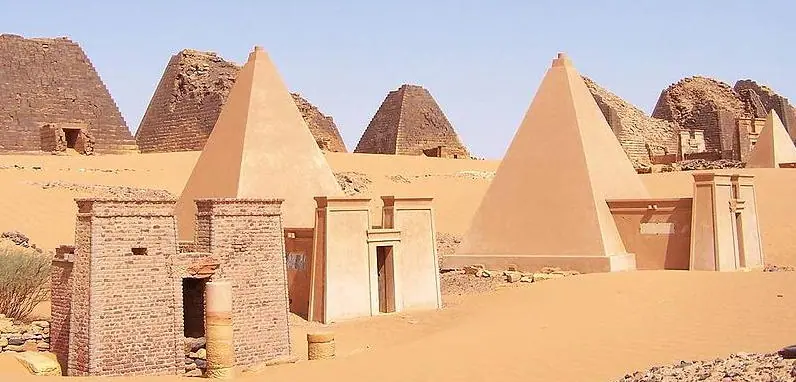
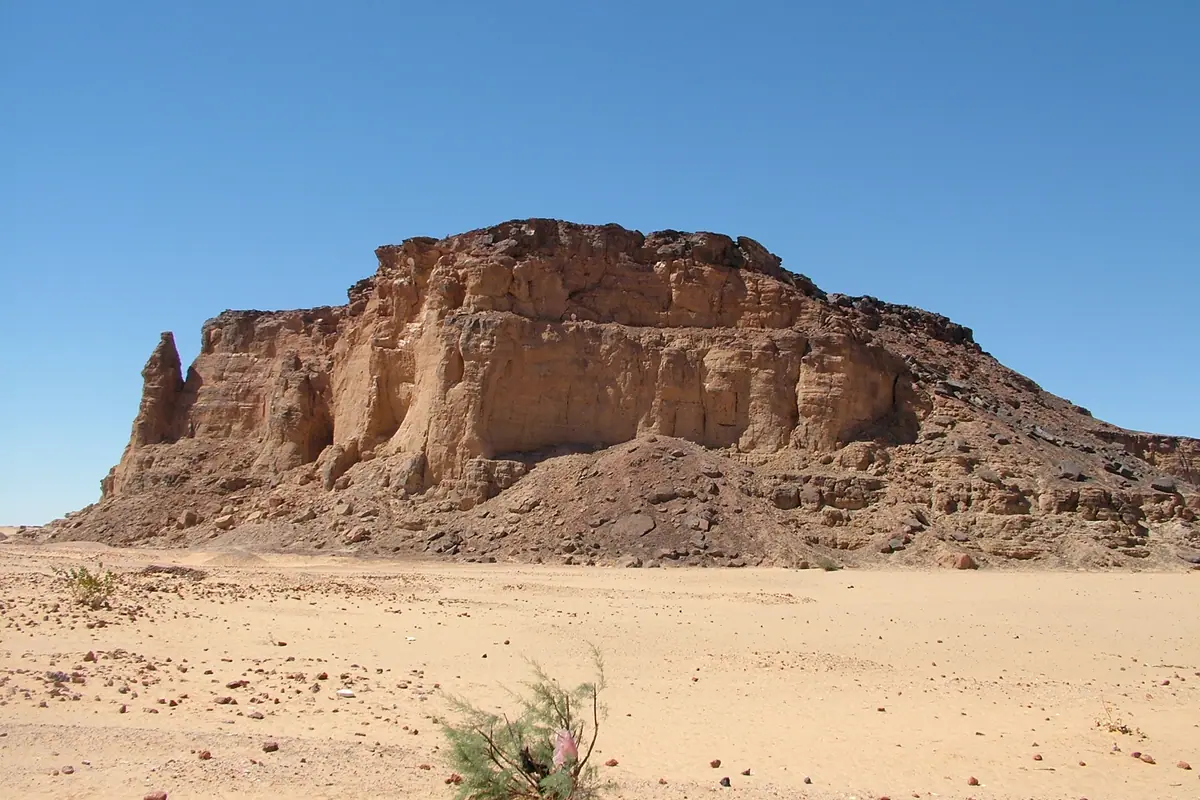
Winter is when the great Nubian sites become genuinely enjoyable rather than an endurance test. The pyramids of Meroe at Begrawiya, roughly a three-hour drive north of Khartoum, are the image most travellers carry home: dozens of steep, narrow pyramids rising from orange dunes, with barely another visitor in sight. Add the royal cemeteries at Nuri and El-Kurru, the sandstone pinnacle and temple ruins of Jebel Barkal at Karima, and the lion temple and processional way at Naga, and you have an itinerary that no other country can match for emptiness and scale.
Push further north along the Nile and the landscape thins into pure desert: the Western Deffufa at Kerma, the mud-brick churches of Old Dongola, the remote temples of Soleb and Sedeinga, and the rocky defiles of the Third Cataract. In December and January you can move between them comfortably, stopping for sweet tea and grilled Nile fish in riverside villages.
Two practical notes shape the season. First, distances are long and roads variable, so plan fewer sites per day than you would elsewhere in the region — three hours of driving for two hours of exploring is normal. Second, this is also wedding and holiday season for Sudanese families, which means the limited accommodation in Karima and around the pyramids fills quickly; reserve well ahead if you want a room rather than a floor mattress.
Khartoum and Omdurman: Souqs, Sufi Drums and the Confluence
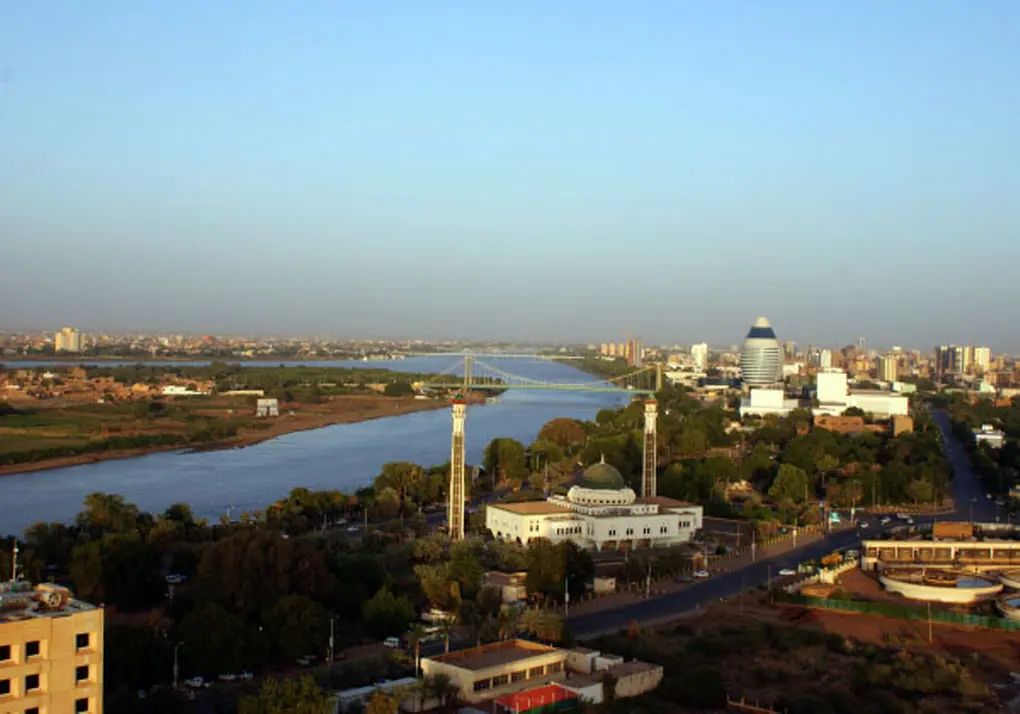
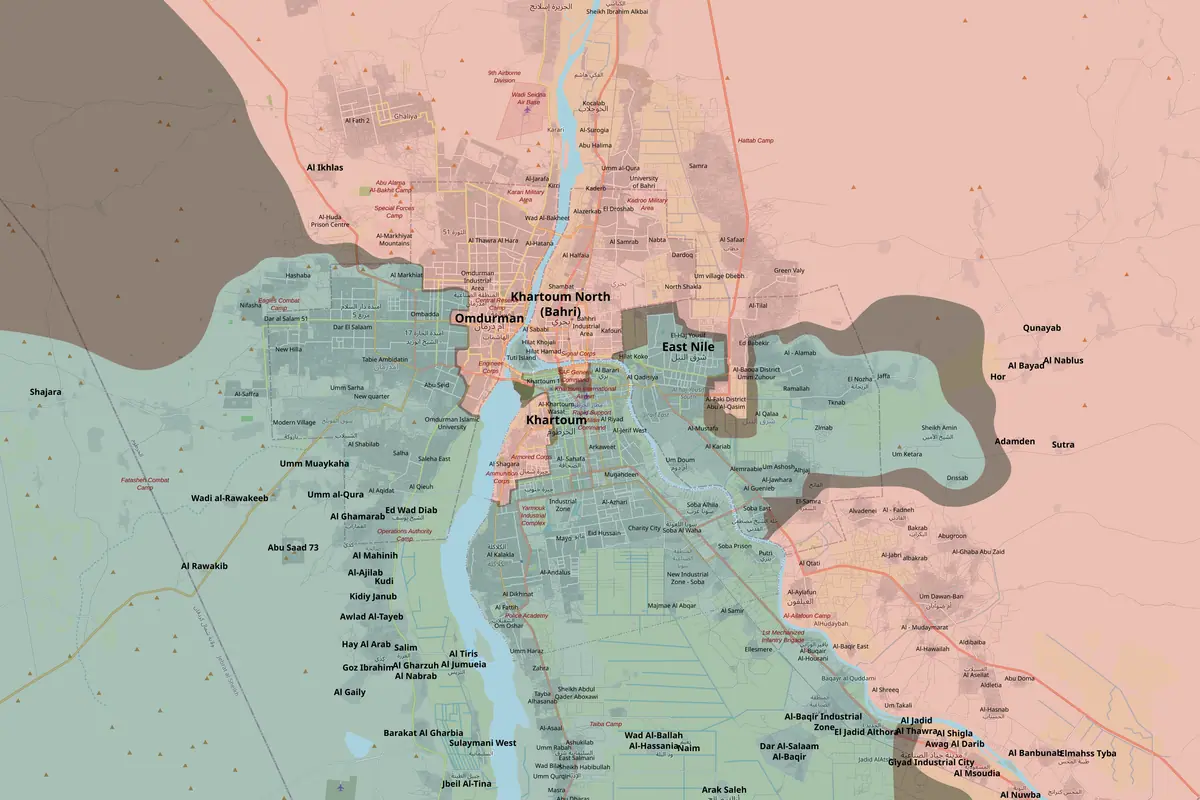
In winter the twin cities are at their most sociable. Walk the confluence at Al-Mogran where the Blue and White Nile meet in two visible ribbons of colour, take the boat or bridge across to Tuti Island for farmland and quiet lanes, and spend a slow morning in the National Museum of Sudan, whose garden shelters the salvaged temples of Buhen. Across the river in Omdurman, the enormous souq is a world of spices, silver and woven baskets, with the Khalifa House Museum and the dome of the Mahdi's tomb a short walk away.
Time your visit to a Friday afternoon if you can. Near the Hamad al-Nil cemetery in Omdurman, Sufi orders gather to chant and drum, and visitors are generally welcomed at a respectful distance. It is one of the most moving experiences in the country, and it happens outdoors — which in winter means you can stay for hours.
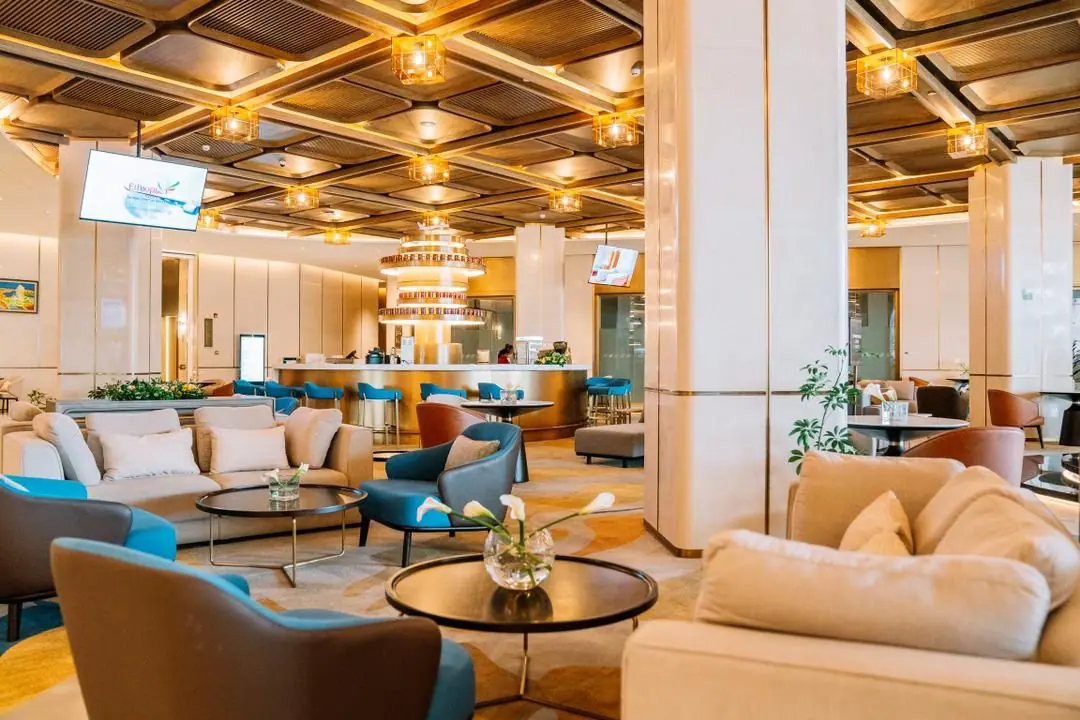
Spring changes the mood sharply. Dust storms can cancel the view from any rooftop, and the heat makes midday wandering unpleasant. Summer is worse still, and this is where your hotel matters enormously: shaded courtyards, thick walls, reliable air conditioning, a pool and backup power generation turn a punishing afternoon into a tolerable one. Ask about all four before you book, and expect the city to live in the early morning and late evening.
March to May: Khamsin Dust, Red Sea Diving and the Eastern Hills
The khamsin months are the least appealing inland, but they are not a total write-off. Along the Red Sea coast the wind is a friend rather than an enemy: it keeps the air moving, and the diving off Port Sudan is at its most reliable in the calmer stretch from roughly October through May. Sanganeb Atoll, a coral ring rising from deep water, and the reefs around Sha'ab Rumi are among the finest in the region, with sharks, walls and drop-offs that most divers have never heard of.
Combine a dive trip with the coral-stone ruins of Suakin, the old Ottoman-era port an hour or so south of Port Sudan, where roofless houses of carved coral block stand open to the sky. Offshore islands and shallow lagoons offer easy snorkelling for non-divers.
Inland, head for Kassala and the granite domes of the Taka Mountains, where the fruit markets and tea stalls give the town a distinct, unhurried character, and the higher village of Erkowit provides genuine relief from the plains heat even in the hottest months. Late summer, when the Gash river floods, turns the surrounding country improbably green — but it also makes travel rough, so most visitors prefer the shoulder weeks.

June to September: Deep Heat, Green Savannah and Dinder
Summer is Sudan at its most extreme. Khartoum, Atbara and the northern Nile towns regularly climb past 40°C, and life shifts to a pre-dawn and post-sunset rhythm. If you must travel then, build your day around early starts, treat midday as a hotel-bound siesta, and drink far more water than feels necessary. Historic courtyard houses with high ceilings and thick mud-brick walls stay surprisingly cool and are often a better choice than a glassy modern block with weak cooling.
The rains arrive in the Sahel belt and the far south, greening Kordofan, the Blue Nile region and the crater country of Jebel Marra, where lakes sit inside an extinct volcanic massif. This is the season for dramatic skies and lush landscapes rather than for desert monuments.
It is also the season that dictates when Dinder National Park can be visited at all. During the rains the black-cotton tracks become impassable, so safaris run in the dry months — roughly December to April — when animals gather at the mayas, the oxbow waterholes strung along the park. Lions, roan antelope, tiang, waterbuck and an enormous bird list make it a genuinely wild destination, and the paucity of visitors gives it an atmosphere no better-known park can match.
How Your Hotel Choice Changes With the Season
In the capital region, winter is high season for local celebrations as much as for tourists, so book city hotels in Khartoum and Omdurman weeks ahead for December and January, and check whether a trip overlaps Ramadan, when restaurant hours and daytime rhythms shift considerably. Confirm the practical details in writing: air conditioning, generator backup during power cuts, water supply, and whether the property arranges airport transfers, since transport is the part of a Sudanese trip most likely to go sideways.
Outside the cities, accommodation follows the weather. Around Meroe, simple rest camps and tented desert lodges work beautifully in winter and brutally in summer; in Karima, family-run guesthouses near Jebel Barkal offer rooms and rooftops with views of the pinnacle. On the Nile between Dongola and Wadi Halfa there are Nubian homestays in domed courtyard houses, and on the Red Sea coast the diving lodges are busiest from autumn through spring, when the sea is calmest.
One serious caveat overrides all seasonal planning. Since 2023 armed conflict has affected large parts of the country, and tourism is not currently realistic across much of Sudan. Any trip should begin with your government's current travel advice and with trusted local operators on the ground — and should be postponed until conditions genuinely allow. When they do, the reward is one of the least-visited and most extraordinary countries on earth, best seen between November and February, with a warm jacket for the desert nights.
Frequently asked questions
What is the best month to visit Sudan?
December and January are generally the most comfortable months, with mild days, clear skies and cool nights across the northern Nile Valley. Late November and February are nearly as good and often quieter.
How hot does it get in summer?
Inland temperatures in June regularly exceed 40°C in Khartoum and the northern Nile towns, with hot nights and occasional dust haze. Travel then is possible but requires pre-dawn starts, long midday breaks and air-conditioned rooms.
When is the best time for Red Sea diving off Port Sudan?
The calmest, clearest conditions generally fall between October and May, when winds ease and visibility at sites such as Sanganeb Atoll and Sha'ab Rumi is at its best. Summer offers warm water but heavier heat on land and less predictable conditions.
When can you visit Dinder National Park?
Safaris run in the dry season, roughly December to April, when tracks are passable and wildlife concentrates around the mayas waterholes. During the rains from June onwards the park becomes largely inaccessible.
Do I need to book hotels in advance in Sudan?
Yes, especially for December and January, when family celebrations fill the limited accommodation in Khartoum, Omdurman, Karima and around the Meroe pyramids. Outside the cities, room stock is small and a confirmed booking is essential.
Sort the rest of your trip
Everything for Sudan, in one place
Transfer in Sudan
Private driver waiting on arrival — no queues, no surprises.
Book a transfer
Things to do in Sudan
Skip-the-line tickets, guided tours and standout experiences.
See experiences
Stay online in Sudan
Travel eSIM — data the moment you land, no roaming bills.
Get an eSIM