Lebanon packs snow-capped peaks, Roman temples, Crusader harbours and a Mediterranean coastline into a country you can cross in a morning. The trick is choosing your season: spring and autumn reward sightseeing, summer belongs to festivals and mountain air, and winter offers one of the world's strangest luxuries — skiing in the morning, swimming after lunch.
Spring: The Sweet Spot for Ruins, Wildflowers and Hotel Value
From mid-March to mid-May, Lebanon turns green and gloriously walkable. Coastal temperatures in Beirut hover in the low twenties, the Bekaa Valley sheds its winter chill, and the ruins at Baalbek — the Temple of Jupiter with its surviving six columns, the vast Temple of Bacchus and the hexagonal forecourt — become bearable to explore for hours rather than minutes. Snow still caps the high ridges, so photographs of the temples framed against white peaks are a spring-only bonus. Anjar's Umayyad city, an hour away, is quiet and wonderfully eerie at this time of year.
April and May are also the months that suit the mountains best on foot. The Qadisha Valley, a UNESCO-listed gorge below Bcharre, is full of wildflowers, waterfalls and the rock-cut monasteries that hide in its cliffs, while the Chouf Cedars Reserve around Barouk offers gentle trails through ancient trees. Conditions can change fast: March often delivers heavy rain on the coast, and the high passes between Bcharre and Baalbek may still hold snow into April, so put a waterproof layer in your day bag and ask locally before committing to a mountain road.
Hotels respond to this shoulder window with some of their most sensible rates of the year, particularly on weeknights in Beirut and in the boutique guesthouses of Byblos and Batroun. Easter, celebrated on both Western and Eastern calendars in different communities, briefly fills Christian villages such as Deir el Qamar and Zahle, so book those dates well ahead if you want a room with a view of the processions.
Summer: Coastal Heat, Mountain Escape and Festival Nights
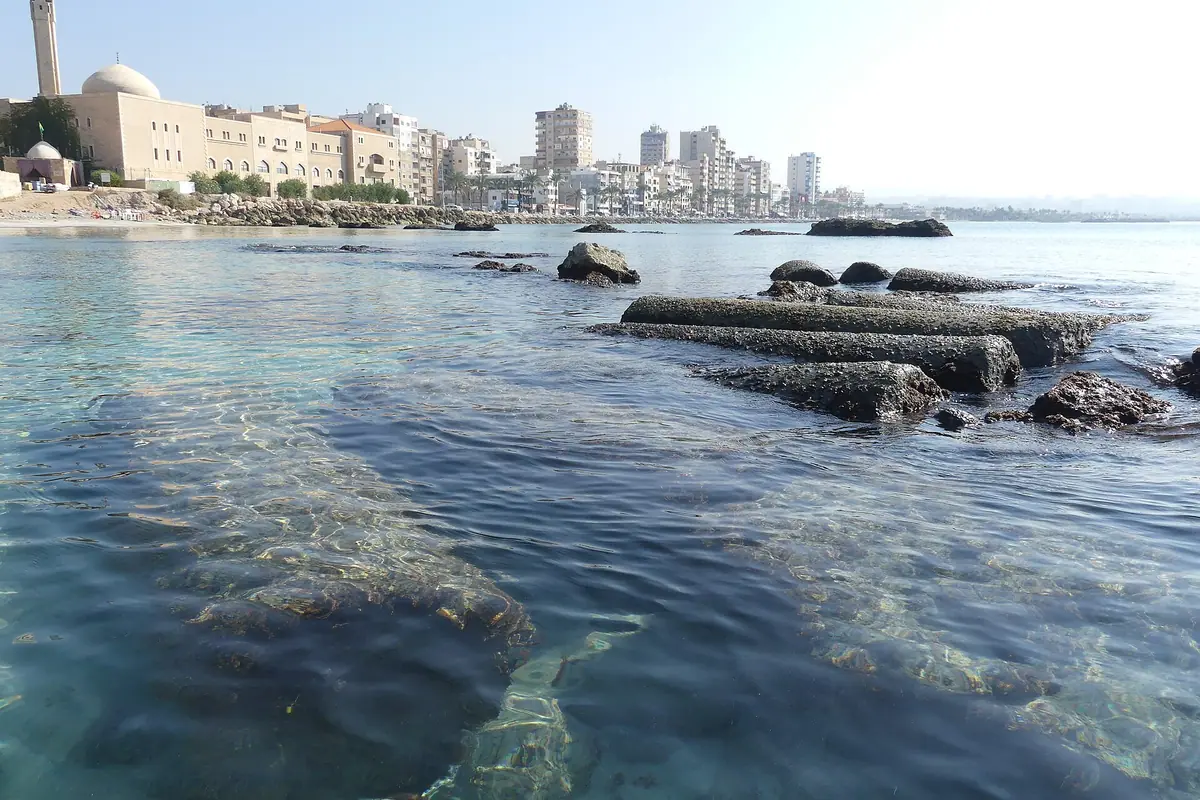
June through August is high season, and with good reason. The coastline turns hot and humid — Beirut commonly pushes past 30°C — but the mountains run ten to fifteen degrees cooler, which is why Lebanese families decamp to Ehden, Bcharre, Beit Meri and the Cedars each year. Beach clubs along the coast south of Beirut open their doors, the promenade at Raouche fills at sunset for the view of the Pigeon Rocks, and the sea stays warm enough for long evening swims until well into October.
Summer is also when Lebanon's cultural calendar peaks. Concerts and theatre are staged among the Roman columns at Baalbek, the courtyards of Beiteddine Palace in the Chouf host a major arts festival, and Byblos stages performances beside its Crusader castle and Roman colonnade. If you are travelling for a specific performance, note that hotel rooms in Byblos, Beit Meri and Deir el Qamar sell out weeks in advance and prices roughly double.
Practical summer advice: sightseeing in Beirut should be split between morning and late afternoon, with the middle of the day spent indoors at the National Museum or the Sursock Museum, or in the shaded lanes of Gemmayzeh and Mar Mikhael. Sidon's Sea Castle and the Soap Museum, and Tyre's Hippodrome and Al-Bass necropolis, are far more pleasant in early morning light than under a midday sun.
Autumn: Clear Light, Olive Harvests and Empty Trails
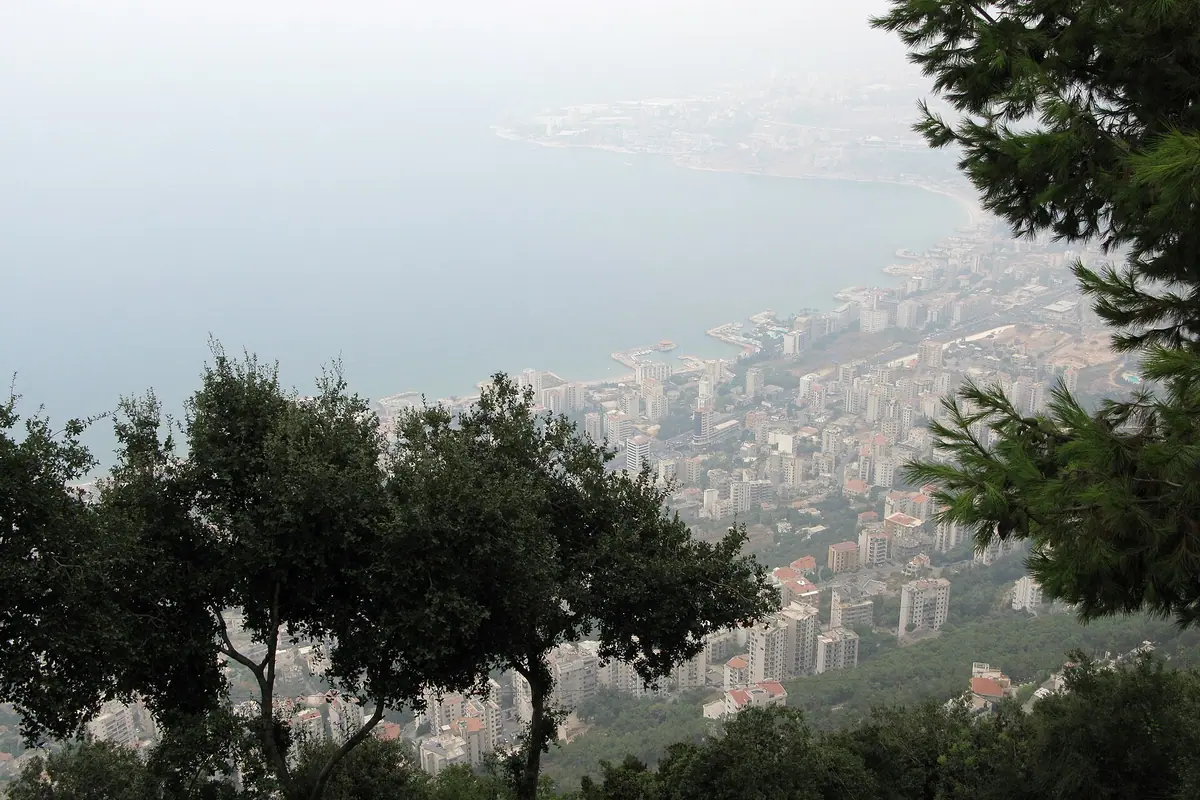
Mid-September to late November is arguably the finest stretch of the Lebanese year. The sea remains swimmable into October, the crowds thin after the festival season ends, and the light turns golden and clean — ideal for photographing the hippodrome at Tyre, the Crusader sea castle at Sidon or the mountain terraces of the Qadisha. Daytime temperatures settle into the low-to-mid twenties, and rain only begins to arrive in force in November.
Autumn is harvest time in the Bekaa Valley, where vineyards around Zahle and Ksara press their grapes, and across the hills where families gather olives and press oil in village cooperatives. It is a wonderful season to eat: roadside restaurants along the Berdawni river in Zahle, trout farms in the mountains and long lunches in Batroun all feel at their best. The Lebanon Mountain Trail, which threads through the Chouf, the Kesrouan and the north, offers its most comfortable walking now.
Hotel-wise, October is the quiet luxury of the Lebanese calendar — coastal hotels drop back from summer pricing, mountain guesthouses with fireplaces start lighting them in the evening, and you can often book a room with a balcony over the old souk of Byblos or Tripoli's Citadel district without competing for it.
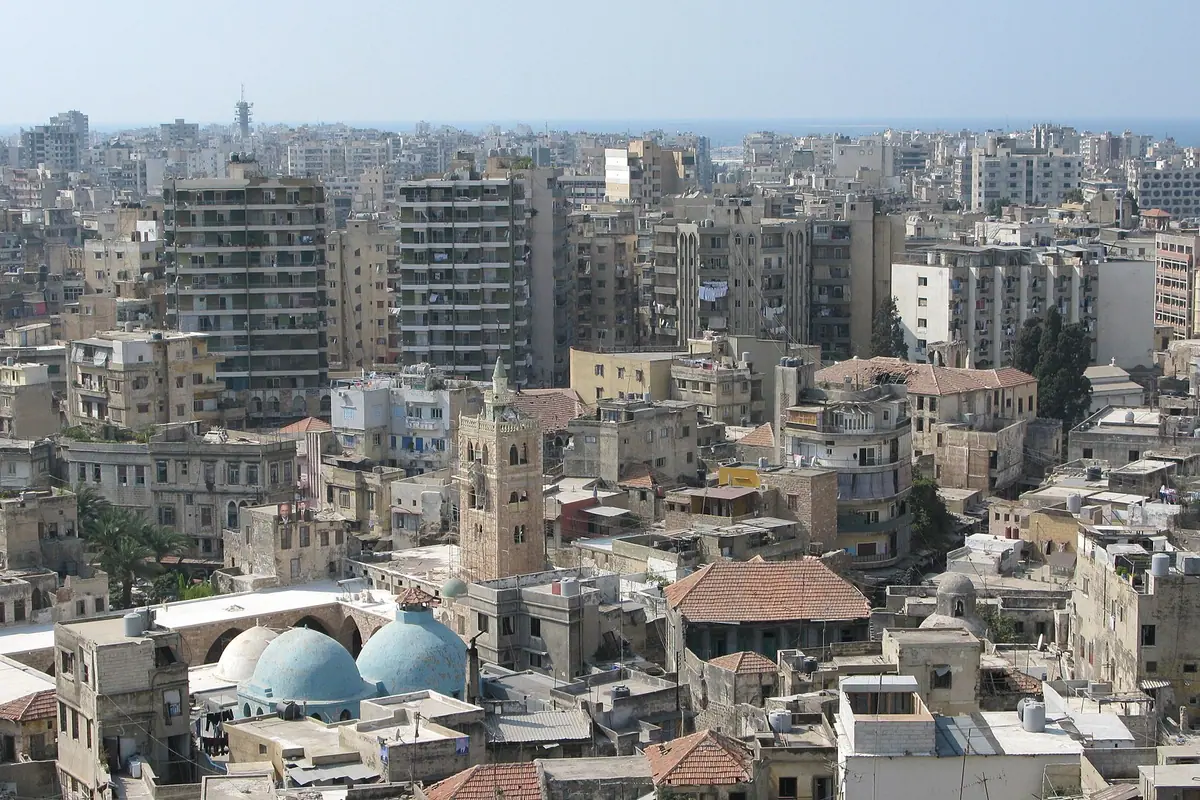
Winter: Snow Sports, Stormy Coasts and Cheap City Rooms
December to February is Lebanon's least understood season. The coast is cool and wet rather than cold, with Beirut around 14°C and heavy showers that scrub the city clean; the mountains above 1,200 metres receive serious snowfall, and the ski areas at Mzaar Kfardebian and the Cedars near Bcharre open between January and March, snow conditions permitting. That geography produces the country's signature stunt: skiing in the morning and swimming in the sea the same afternoon, roughly an hour's drive apart.
This is the season for Lebanon's indoor treasures. The National Museum in Beirut holds one of the region's great collections of Phoenician and Roman sarcophagi; the Sursock Museum occupies a restored villa filled with modern Lebanese art; Jeita Grotto, with its cathedral-sized limestone chambers and boat ride on the underground lake, is a reliable rainy-day outing. Mountain guesthouses in Bcharre, Ehden and the Chouf keep fires burning, and Christmas in Beirut brings lights, markets and late-night cafe culture.
Expect the cheapest room rates of the year in coastal cities — except around Christmas, New Year and the ski weeks, when mountain lodges and Beirut hotels fill quickly. Winter travel also demands flexibility: storms occasionally close the high passes, so build slack into any plan to cross from the coast to Baalbek or the Cedars, and carry chains or hire a driver used to mountain roads.
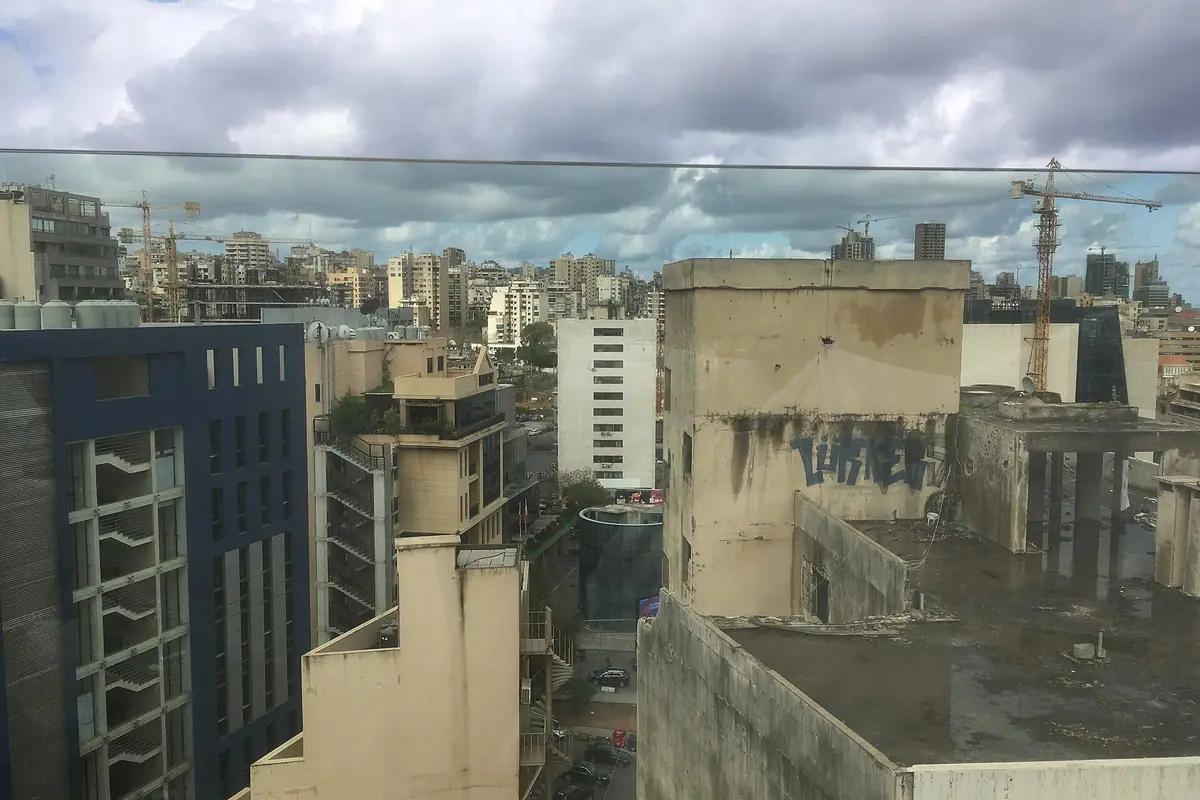
Where to Base Yourself: Matching Your Hotel to the Season
Beirut works all year as a base, and its neighbourhoods each suit a different trip. Hamra puts you near the National Museum and the university quarter's cafes; Gemmayzeh and Mar Mikhael are for nightlife and restored Ottoman townhouses; Achrafieh is quieter and more residential; Raouche has sea-view balconies looking out to the Pigeon Rocks. Downtown, around Martyrs' Square and the Mohammad Al-Amin Mosque, is the most central and the most polished, though often the priciest.
For a coastal stay, Byblos offers boutique guesthouses inside the old souk, steps from the Crusader castle, the Roman colonnade and the harbour — magical in spring and autumn, buzzing in summer. Batroun, twenty minutes north, has a growing cluster of small design-led hotels beside its Phoenician wall and pebble beaches. Tripoli rewards an overnight with its Citadel of Raymond de Saint-Gilles, the Khan al-Saboun soap market and the Mamluk architecture of the old city, and hotel choice there is limited, so book early.
In the mountains, choose Bcharre or the Cedars for the Qadisha Valley, the Cedars of God forest and summer hiking, and the Chouf villages of Deir el Qamar and Beiteddine for palace visits and cedar trails. For the south, base in Sidon or Tyre to reach the Sea Castle, the Hippodrome and the beaches without long drives. Zahle, with its riverside restaurants, is the natural base for Baalbek and the Bekaa wineries. Driving times are short: Beirut to Byblos is about 40 minutes, to Baalbek around two hours, and to the Cedars roughly two and a half.
Timing Your Trip: Holidays, Weekends and Booking Windows
Lebanese holiday periods reshape hotel availability more than the weather does. Christmas and New Year, Easter, Eid al-Fitr and Eid al-Adha, and the whole of July and August are when expatriate families return and prices peak. Ramadan brings quieter hotels and softer rates in Beirut, though some restaurants close by day and evening hours shift. Weekend demand is heavily domestic: Thursday to Sunday, mountain guesthouses and coastal resorts fill with Beirutis escaping the city, so midweek stays often cost noticeably less for the same room.
Book two to three months ahead for summer coastal hotels, festival weekends and mountain lodges in ski season, and earlier still if you want a specific room — a terrace overlooking the Qadisha, a balcony facing the Pigeon Rocks or a courtyard suite in a Byblos stone house. Outside those windows, Lebanon is a wonderfully spontaneous destination: outside peak weeks you can often decide on the day.
Finally, pack for two climates regardless of season. Even in July, evenings in Bcharre and the Cedars can drop to sweater weather, and in winter a light waterproof is more useful on the coast than a heavy coat. Note that some smaller guesthouses still prefer cash, and that public holidays can slow transport between regions, so keep the first and last day of your trip loose.
Frequently asked questions
What is the best month to visit Lebanon?
April and May, and October, are the most comfortable months overall. You get mild coastal temperatures, dry conditions for Baalbek, Anjar, Tyre and Byblos, wildflowers or olive harvest in the mountains, and hotel prices below the summer peak.
Can you really ski and swim in Lebanon on the same day?
Yes, in a good snow year. From roughly January to March, you can ski at Mzaar Kfardebian or the Cedars in the morning and be swimming in the Mediterranean about an hour's drive below in the afternoon. Snow conditions vary year to year, so check locally before planning it.
When are Lebanon's main festivals and cultural events?
Most performances fall between late June and early September, staged among the Roman ruins at Baalbek, in the courtyards of Beiteddine Palace, and beside the Crusader castle at Byblos. If you are coming for a specific event, book your hotel two to three months ahead, as nearby rooms sell out fast.
Is winter a good time to visit Beirut?
It can be excellent. Beirut stays mild at around 14°C with rain showers, and it is the best season for the National Museum, the Sursock Museum and Jeita Grotto, plus the lowest hotel rates of the year outside the Christmas and New Year period.
How far ahead should I book a hotel in Lebanon?
Two to three months for July and August, Christmas, Easter, Eid and festival weekends, especially in Byblos, the Chouf and mountain villages. In spring and autumn shoulder weeks outside holidays, you can often book a few days ahead and still find good rooms at fair rates.
Sort the rest of your trip
Everything for Lebanon, in one place
Transfer in Lebanon
Private driver waiting on arrival — no queues, no surprises.
Book a transfer
Things to do in Lebanon
Skip-the-line tickets, guided tours and standout experiences.
See experiences
Stay online in Lebanon
Travel eSIM — data the moment you land, no roaming bills.
Get an eSIM