Lebanon compresses an entire region's worth of history into a country you can cross in a morning: Roman temples the size of football pitches, Crusader fortresses above the surf, ski slopes within sight of the Mediterranean. This is a guide to the places worth building a trip around, and the seasons that make them shine.
Beirut: A Capital Built for Walking at Sunset
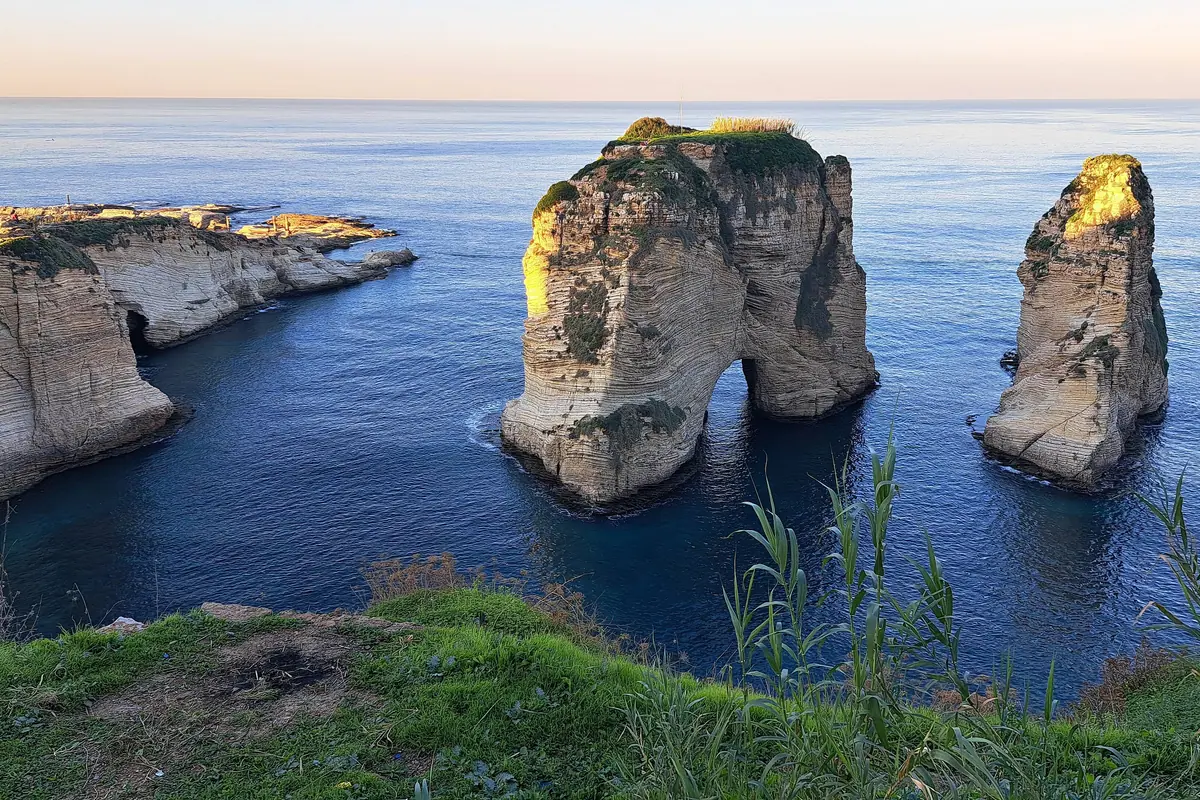
Start in Beirut, because almost every road in the country begins here. The city's great free attraction is the Corniche, a roughly five-kilometre seafront promenade where fishermen, joggers and families with thermoses of coffee share the pavement from late afternoon onward. Follow it west and it curves toward Raouché, where the Pigeon Rocks — two limestone sea stacks rising out of choppy water — frame the city's most photographed sunset. Below them, locals clamber down to swim off the rocks well into October.
Inland, the National Museum of Beirut is the essential stop for context before you travel anywhere else: Phoenician sarcophagi, gilded Bronze Age jewellery and a beautifully restored collection that makes sense of every ruin you will see later. Downtown, Martyrs' Square holds the bullet-scarred Holiday Inn as a strange, sobering landmark, while the blue-domed Mohammad Al-Amin Mosque and the neighbouring Maronite cathedral sit almost shoulder to shoulder — a neat summary of the country in one block.
Give Beirut two full days: one for the Corniche, the museum and downtown, and one for the neighbourhoods. Gemmayzeh and Mar Mikhael are the bar-and-gallery quarter, Bourj Hammoud is Armenian Beirut with superb bakeries, and Hamra is the scruffy, student-heavy heart of the west side. Spring and autumn are ideal; July and August are hot, sticky and loud, but the sea breeze makes evenings bearable.
The Northern Coast: Byblos, Batroun and Tripoli
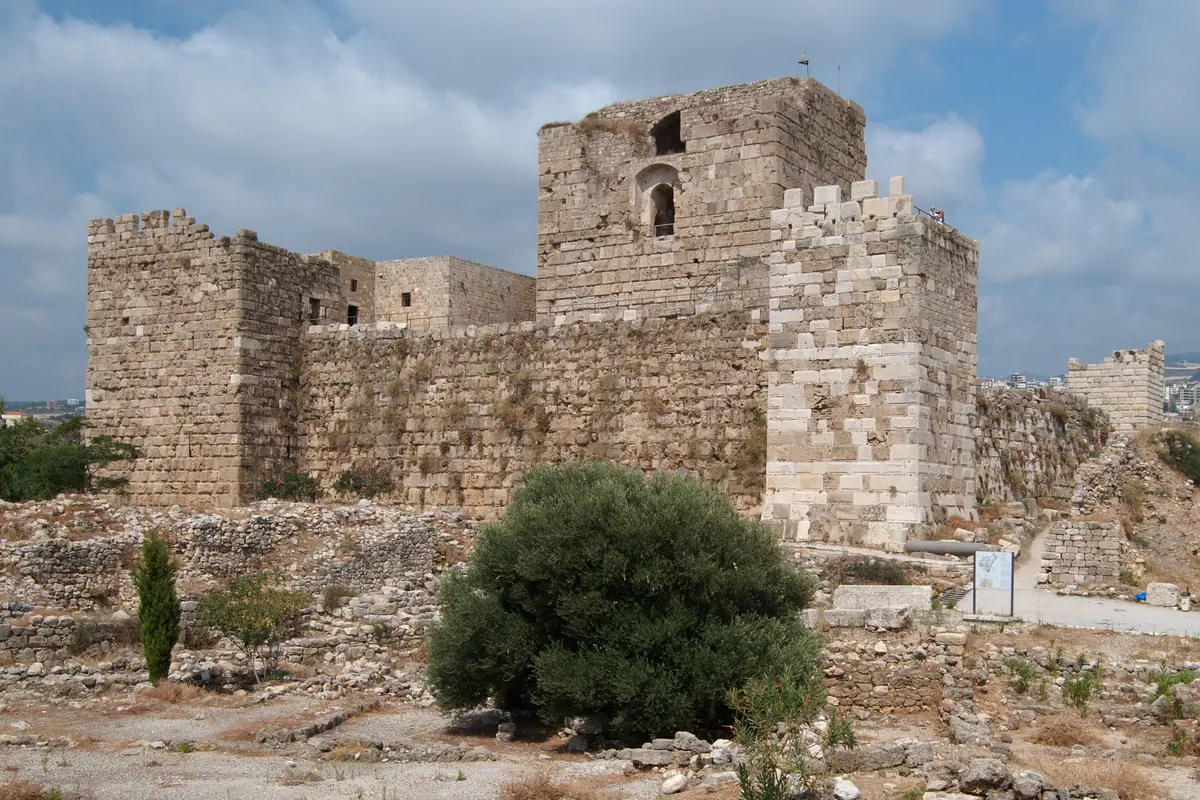
Byblos, known locally as Jbeil, is the easiest great day trip from the capital — around 40 minutes up the coast and one of the oldest continuously inhabited towns on earth. Its Crusader castle sits on a mound of layered civilisations, surrounded by a Roman colonnade, a Phoenician royal necropolis and a small, honey-coloured old souk that comes alive after dark. Budget half a day for the archaeological site and another couple of hours simply to eat and wander.
Inland from the coast road, two stops deserve their reputation. Jeita Grotto's twin limestone caverns are explored partly on foot and partly by silent electric boat through the lower gallery, a cool 45-minute escape from summer heat — go early, as afternoon queues build. Higher up, the cable car to Harissa climbs to the colossal white statue of Our Lady of Lebanon, with a panoramic view that stretches from Beirut's towers to the bays of Jounieh.
Further north, Batroun mixes a Phoenician sea wall, a genial old souk and low-key beach clubs where you can swim and eat grilled fish on the same afternoon. Keep going and you reach Tripoli, Lebanon's second city, whose Citadel of Raymond de Saint-Gilles, Mamluk mosques and the restored Khan al-Saboun soap market give it a grittier, more workaday character than Beirut. Pair the souks with a walk along the palm-lined corniche at Al-Mina.
Baalbek and the Bekaa Valley: Rome's Grandest Outpost
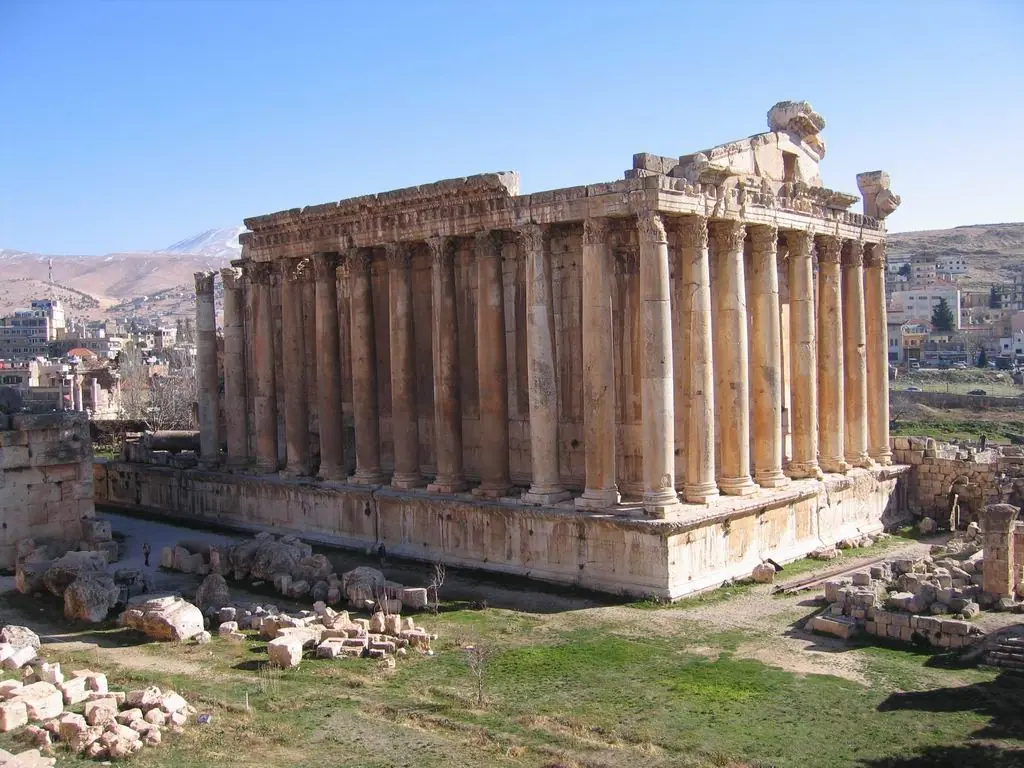
The Bekaa Valley holds Lebanon's single greatest archaeological site. At Baalbek, the Temple of Jupiter survives as six towering columns that dwarf everything around them, while the adjoining Temple of Bacchus is so complete — columns, carved door frames, ceiling panels — that it can feel like a stage set. Allow two to three hours minimum, more if you climb the stairways to the upper terraces; the light is best in the first hour after opening and in the last two before closing.
Baalbek town itself is friendly and unhurried, with a lively sweets-and-kebab strip near the ruins. Around 45 minutes south, Anjar's Umayyad city is a very different experience: a compact, geometric grid of arcades and gateways built in the eighth century, easy to walk in under an hour and rarely crowded.
The rest of the valley is farmland and vineyard country. Around Zahlé, the Berdawni river gorge is lined with open-air restaurants where families linger over mezze for hours, and several estates between here and the southern Bekaa welcome visitors for tastings by appointment. Summer here is hot and dry; spring brings green hills and almond blossom, while autumn is grape-harvest season and arguably the most pleasant time to tour.
Cedars of God, the Qadisha Valley and the Ski Slopes
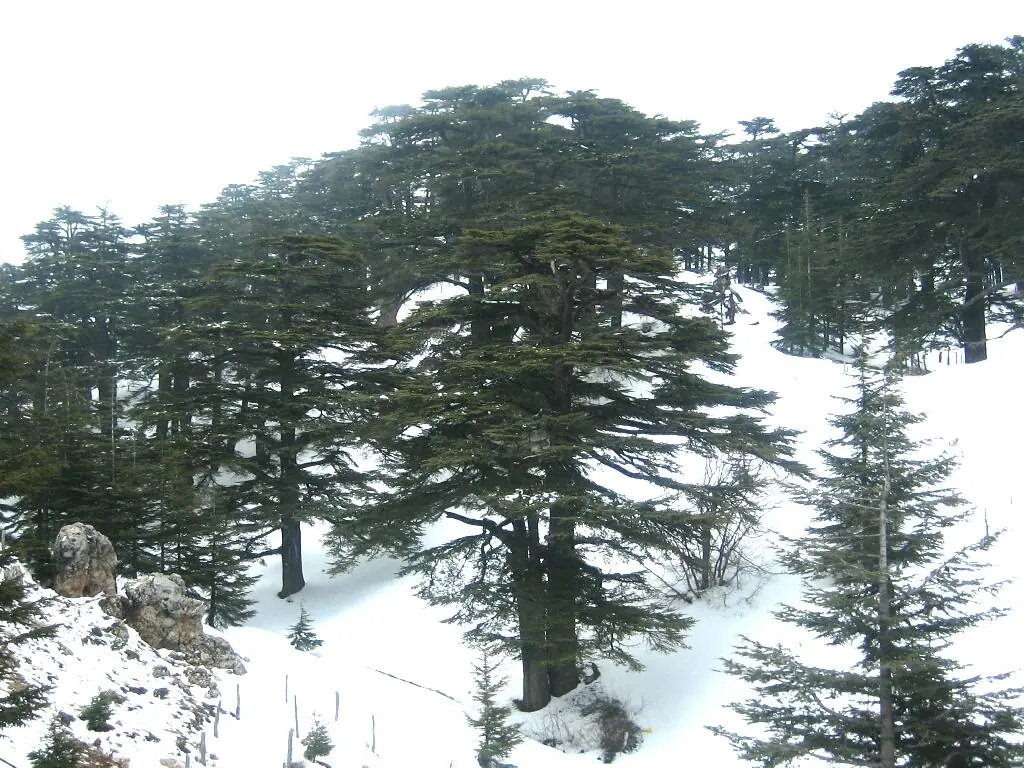
North of the Bekaa, the mountains rise into a landscape of stone terraces, monasteries and some of the oldest trees on the planet. The Cedars of God at Bsharri is a small, protected grove of ancient cedars — the tree that appears on the national flag — with a short loop path that takes about 30 minutes and feels genuinely humbling. Nearby Bsharri is also home to a striking modern museum dedicated to the poet and painter Khalil Gibran.
Below the cedars, the Qadisha Valley cuts a dramatic gorge dotted with hermitages and cliff-cut monasteries, including the Monastery of Saint Anthony of Qozhaya and Deir Mar Elisha. Hiking here ranges from gentle half-day descents to steep multi-hour routes; good shoes and a local guide are wise, as paths are unmarked in places. The Lebanon Mountain Trail covers long-distance sections through this region for walkers who want a multi-day traverse.
In winter, the same mountain range turns into Lebanon's ski country. The resorts around Mzaar Kfardebian and Faraya operate roughly from January to early March, with lifts, rental shops and slopes that look improbably close to the sea — on a clear day you can see the Mediterranean from the upper runs. In summer, that terrain becomes hiking and paragliding country instead.
The Chouf: Beiteddine, Deir el-Qamar and Cedar Forest
Southeast of Beirut, the Chouf mountains are the heartland of the Druze community and of Lebanon's nineteenth-century political history. Beiteddine Palace is the showpiece: an early 1800s Ottoman-era residence of courtyards, fountains, marble hammams and richly painted reception rooms, now also hosting a summer arts festival in its open-air courtyard. Set aside two hours for the palace alone.
A short drive away, Deir el-Qamar is a beautifully preserved village of red-tiled roofs, stone steps and a cobbled main square lined with cafés and a wax museum in a former silk-market building. It is the sort of place where the sensible plan is to arrive late morning, walk slowly, and stay for a long lunch.
Higher up, the Shouf Cedar Reserve protects the largest remaining cedar woodland in the country, with marked trails of varying length and rewarding views toward the Bekaa. Spring wildflowers and autumn colours are the best windows; midsummer afternoons can be hazy, so start early. This area is easily combined with a night or two in a mountain guesthouse, which is a far more rewarding base than commuting from Beirut.
Sidon and Tyre: The Southern Coast
The coastal highway south of Beirut leads to two cities that reward a slower pace. Sidon, about 40 minutes away, is defined by its Sea Castle — a Crusader fortress perched on a tiny island and reached by a causeway — plus a labyrinthine old souk, a well-preserved soap museum in an old factory, and the nearby Temple of Eshmun, a Phoenician healing sanctuary set among citrus groves. Half a day covers the essentials comfortably.
An hour further south, Tyre is the country's other archaeological heavyweight. The Al-Bass site holds a monumental Roman hippodrome, a triumphal arch and a long colonnaded road, while the city site closer to the sea preserves mosaic-floored Roman baths and an extensive grid of streets. Both are outdoor, largely unshaded sites, so visit in the morning or late afternoon from October to April.
Between the ruins, Tyre's coast is the most swimmable stretch in Lebanon — clean water, sandy coves and the Tyre Coast Nature Reserve, where turtles nest on the beach in summer. Fishermen still launch from the harbour at dawn, and the seafood restaurants along the shore are worth planning your day around. Inland, Beaufort Castle clings to a ridge above the Litani river with one of the finest views in the south. Before travelling to any border-adjacent area, check current local advice, as conditions can change quickly.
Frequently asked questions
What is the best time of year to visit Lebanon?
April to mid-June and September to November are the sweet spots: warm but not oppressive, with clear views from mountain viewpoints and comfortable conditions at outdoor archaeological sites such as Baalbek and Tyre. July and August are hot and humid on the coast, though ideal for swimming and for escaping to the mountains. January and February suit skiers heading to the Mzaar Kfardebian slopes.
How many days do you need to see the highlights?
A week is the practical minimum for Beirut, Byblos, Baalbek, the Cedars and the Chouf without rushing. Ten days to two weeks lets you add Tripoli, Sidon, Tyre and a night or two in a mountain guesthouse, plus a hiking day in the Qadisha Valley or the Shouf Cedar Reserve.
Do I need a car to get around Lebanon?
A car or a hired driver makes the biggest difference, since many of the top sites — Baalbek, the Cedars, the Chouf — are poorly served by public transport and sit well outside the cities. Distances are short by regional standards: Beirut to Baalbek is roughly two hours, and Beirut to Tyre about an hour and a half. Within Beirut itself, walking and short taxi rides cover most of what you will want to see.
What should I pack and wear?
Bring comfortable walking shoes with grip for the ruins and valley trails, sun protection for exposed sites, and a light layer even in summer if you plan to go up into the mountains, where evenings are noticeably cooler. For monasteries, mosques and rural villages, modest clothing that covers shoulders and knees is appreciated; women may wish to carry a scarf.
Is cash or card more useful in Lebanon?
Carry cash. Smaller guesthouses, village restaurants, taxi drivers, site ticket offices and mountain shops frequently deal in notes rather than cards, and ATMs outside Beirut and major towns can be unreliable. Change money in the cities rather than in remote villages, and keep small denominations for tips and entrance fees.
Plan it — experiences in Lebanon
Live search, booked directly with trusted providers.
Sort the rest of your trip
Everything for Lebanon, in one place
Stay in Lebanon
Hotels, guesthouses and apartments — compared in one search.
Search hotels
Transfer in Lebanon
Private driver waiting on arrival — no queues, no surprises.
Book a transfer
Stay online in Lebanon
Travel eSIM — data the moment you land, no roaming bills.
Get an eSIM