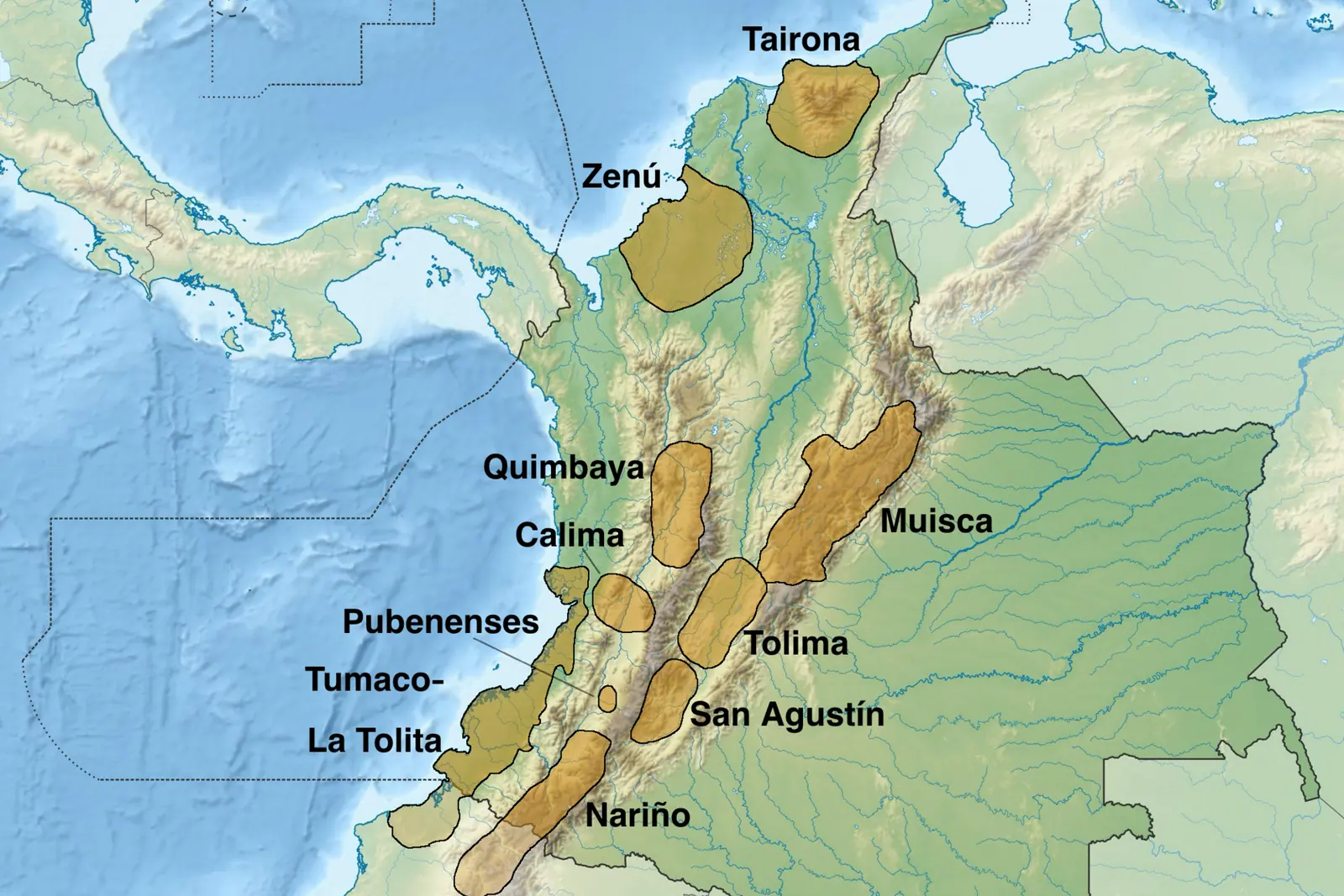
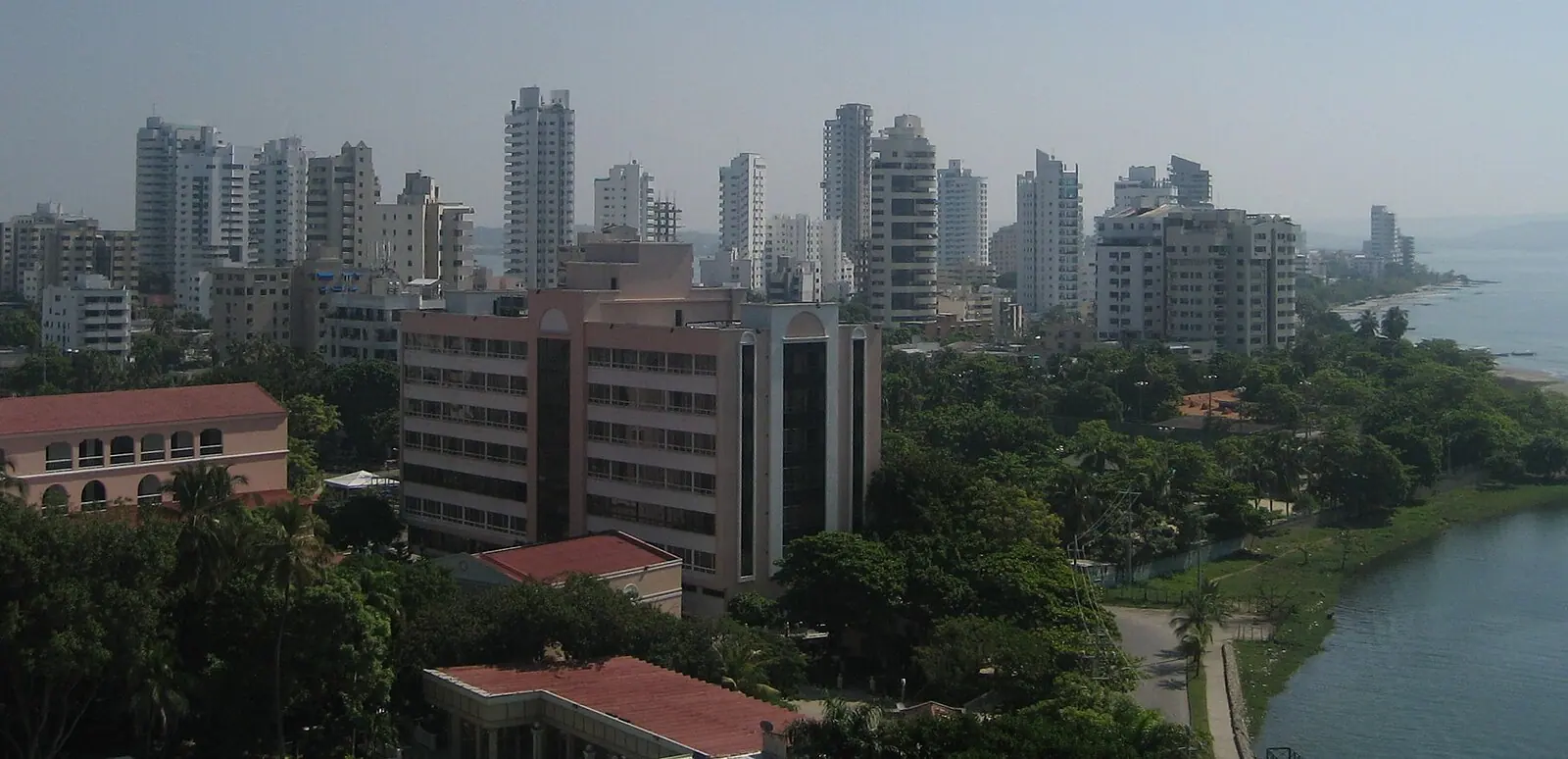
Colombia is a country of microclimates, where the Caribbean coast swelters while Andean cities sit under cool mountain drizzle and the eastern plains bake in the sun — so the "best" month depends entirely on which version of Colombia you want. Time your visit to the right dry season and the right festival, and you'll find better rooms, softer prices and far fewer umbrellas in your photographs.
How Colombia's Geography Decides Your Dates
Colombia has no single travel season. Two rainy periods — broadly April to May and October to November — pass over most of the country, while two drier windows, December to March and July to August, bring clearer skies to the Andes and the Caribbean coast. Between those poles sits a patchwork: the arid Guajira peninsula, the humid Pacific lowlands around Bahía Solano, the Amazon around Leticia, and the llanos east of Villavicencio, each with its own rhythm of rain.
Altitude matters as much as latitude. Bogotá sits at roughly 2,600 metres and stays chilly and grey for much of the year, Medellín at around 1,500 metres enjoys the celebrated "eternal spring", and Cartagena on the coast is hot and humid in every month. Packing for a single trip often means layers for the highlands and linen for the coast, so hotels near Bogotá's La Candelaria and hotels in Cartagena's walled centre tend to be reviewed very differently in the same week.
The practical upshot: choose your dates by region, not by country. A trip built around the colonial streets and fortifications of Cartagena de Indias, the jungles of Tayrona National Natural Park and the Santa Marta coastline wants a different calendar from one built around the coffee farms of Salento and the Cocora Valley's wax palms. Once you know which Colombia you're chasing, hotel availability becomes far easier to read.
December to March: The Caribbean Coast at Its Best
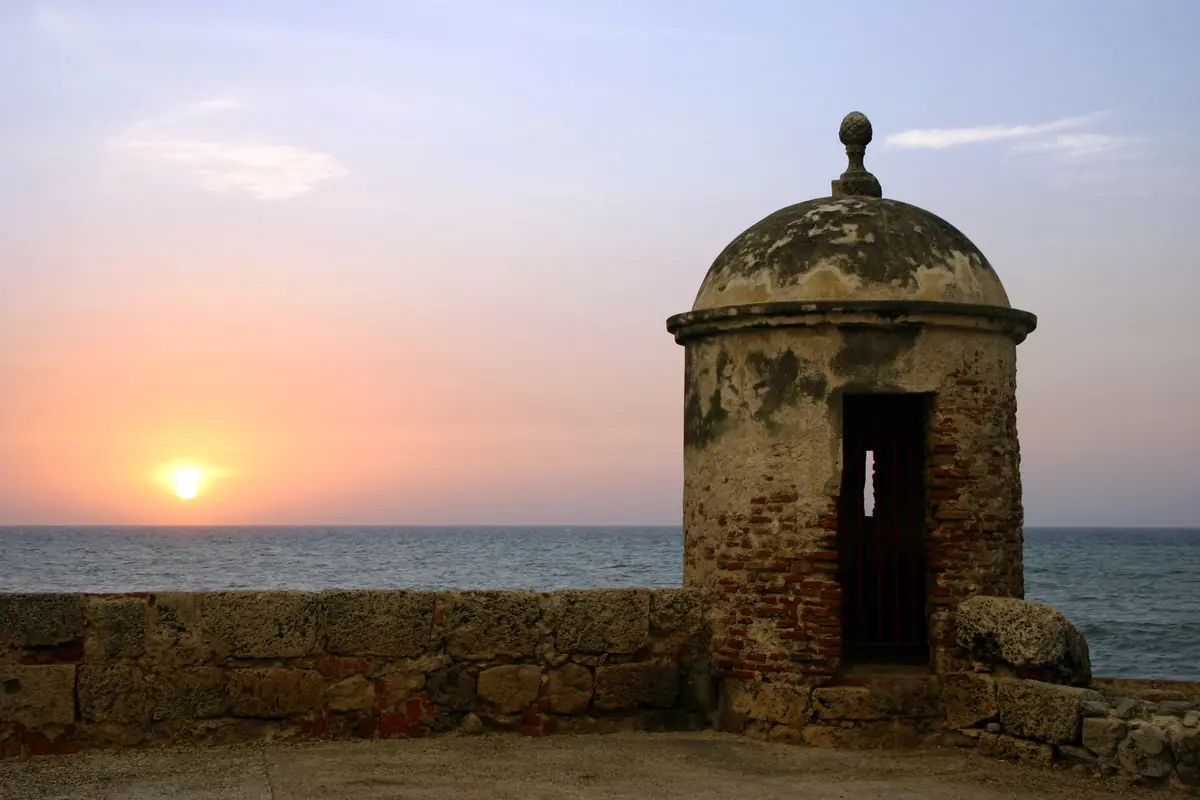
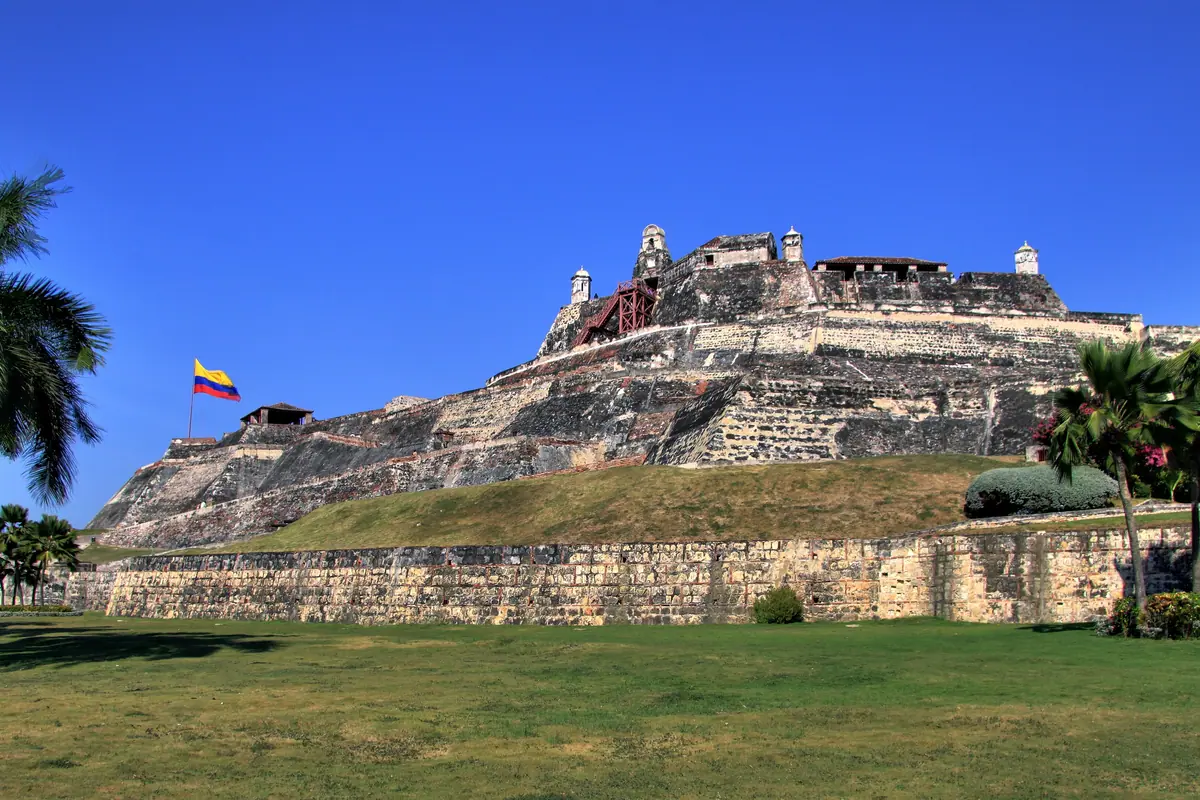
This is peak season along the north coast, and for good reason. Cartagena's Old Town — the UNESCO-listed walled city with its balconied mansions, the Clock Tower Gate and the Plaza de Santo Domingo — dries out, as does the monumental Castillo San Felipe de Barajas, the largest Spanish colonial fortress in the Americas. The Rosario Islands, an hour offshore, turn glass-clear, and the beaches around Santa Marta, Taganga and Palomino finally shed their muddy runoff. Expect top rates in boutique hotels inside the walls and in the seaside towers of Bocagrande and Getsemaní, so booking two to three months ahead is wise for the Christmas and New Year crush.
Late December through January is also fiesta season. Manizales erupts for its annual fair in early January, Cartagena hosts a literary festival mid-month, and the whole country slides into holiday mode from mid-December to mid-January, when domestic travellers fill every decent room and road. February and March bring the Barranquilla Carnival, one of Latin America's great street celebrations, with four days of parades, cumbia and elaborate marimonda costumes — hotels in Barranquilla sell out months ahead for it.
Further east, Mompox's whitewashed riverfront and the swinging hammocks of its colonial houses are at their most atmospheric in the dry months, though heat and mosquitoes are relentless. If trekking is the goal, this is the prime window for the multi-day walk to Ciudad Perdida, the lost Tayrona city hidden in the Sierra Nevada, and for the arid landscapes of Cabo de la Vela and Punta Gallinas on the Guajira peninsula, where December to March offers the most reliable sun.
July and August: Flowers, Peaks and the Andes
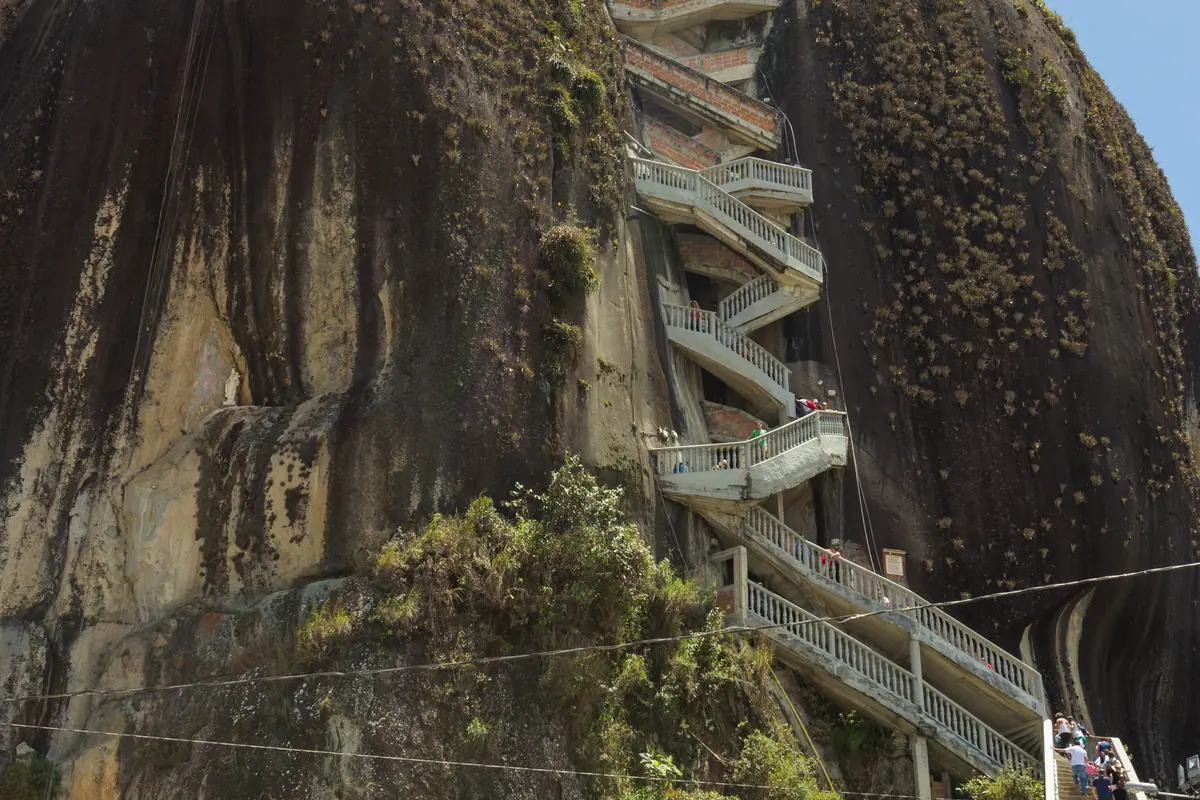
The mid-year dry window is the Andean interior's moment. Medellín celebrates its Feria de las Flores in August, when the city fills with orchids, antique cars and the famous silleteros parade of flower-laden wooden frames; the surrounding hills are green, the cable cars up to Parque Arví and Comuna 13 run without afternoon downpours, and day trips to the Piedra del Peñol monolith and the lakeside town of Guatapé are at their clearest. Hotels in El Poblado, Laureles and Envigado book up early for the festival week.
Bogotá and its surroundings also shed some grey in July and August. You can ride the cable car up Monserrate for the city spread out below, wander the Gold Museum and the Botero Museum, and take the salt-cathedral tunnels at Zipaquirá without wading through rain. The colonial towns to the north — Villa de Leyva with its vast cobbled plaza, and Barichara with its ochre streets and the Suárez canyon walk — are at their most photogenic, as are the coffee haciendas around Salento, Filandia and Manizales, where you can hike among the towering wax palms of the Cocora Valley.
Be aware that July and August coincide with the northern-hemisphere school holidays, so European and North American families arrive in force. Rates in the Coffee Axis and around Salento rise accordingly, and the popular finca stays — working farms with a few guest rooms — are often gone by early spring for an August trip. Peaceful alternatives exist: Neiva's Tatacoa Desert and the archaeological park at San Agustín are quieter in these weeks.
Shoulder Months: April to May and September to November
The rainy seasons are not a write-off. April to May and October to November deliver softer hotel rates, thinner crowds at headline sights, and landscapes at their greenest — the slopes around the Cocora Valley glow, the coffee farms are in bloom or in harvest, and rivers run full. Showers tend to be heavy but short, often arriving mid-afternoon, so a morning spent climbing Monserrate or exploring the Gold Museum in Bogotá rarely gets ruined.
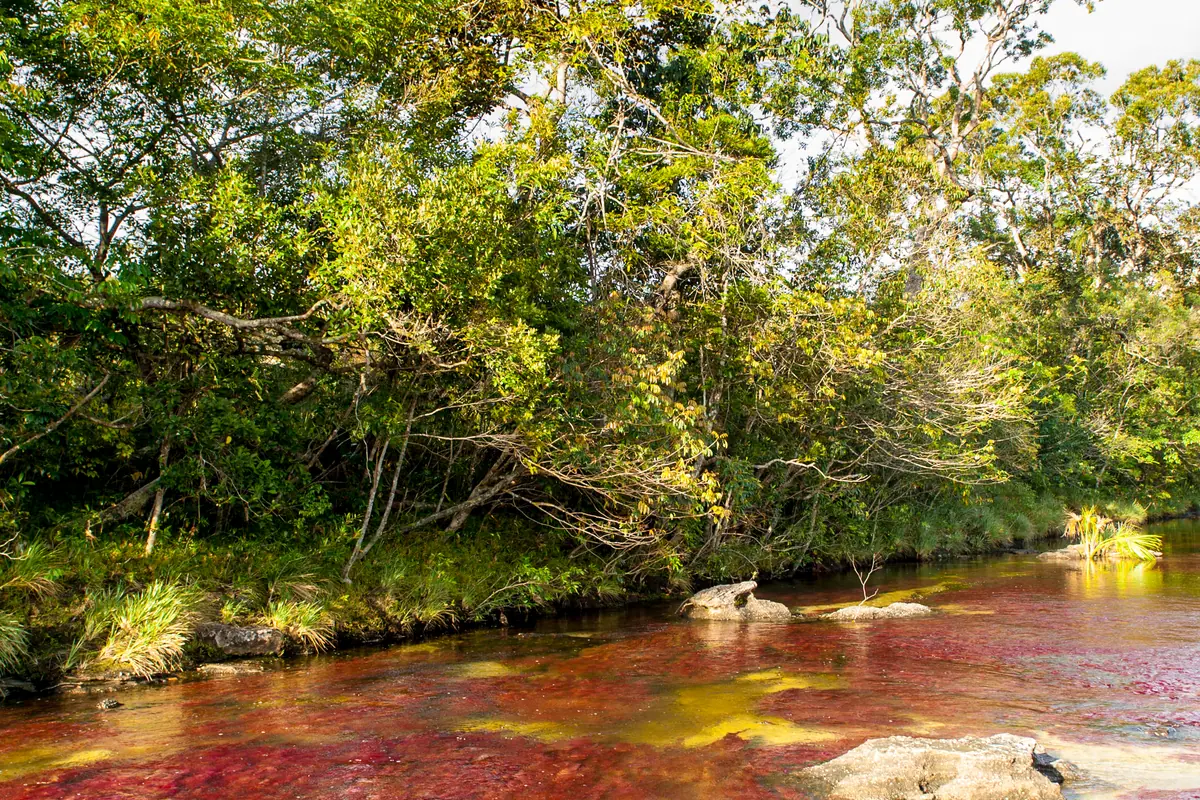
This is also the window for Colombia's most unusual natural attraction: Caño Cristales, the "liquid rainbow" river in the Serranía de la Macarena, which shows its red and yellow aquatic plants roughly from June to November, peaking around September and October. Access is controlled and only permitted with local guides from La Macarena, so plan accommodation there well in advance. September and October are also good for whale watching along the Pacific coast near Bahía Solano and Nuquí, where humpbacks pass between July and October.
Semana Santa, the week before Easter, falls into this part of the calendar and is a big deal nationwide. The candlelit processions of Popayán are among the most solemn in the Americas, and hotels in the city and in nearby colonial towns like San Agustín and Villa de Leyva are booked out far ahead. If you're flexible, the weeks immediately after Easter and after the November rains offer the sweet spot of decent weather and reasonable room rates.
Where to Sleep: Neighbourhoods, Altitude and Local Quirks
Colombian hotels vary enormously between destinations, and choosing the right quarter matters more than choosing between chain and independent. In Bogotá, La Candelaria puts you beside the Botero Museum and a short funicular ride from Monserrate, but Chapinero and Zona Rosa offer warmer rooms and easier restaurants. In Medellín, El Poblado is walkable and lively while Laureles is calmer and more local. In Cartagena, the walled city and Getsemaní deliver colonial atmosphere and rooftop pools; Bocagrande is modern and beachfront but loses the romance.
Altitude and climate should drive your booking, too. Rooms in Bogotá often lack heating because days are cool rather than cold, but nights can bite, so check for blankets and hot water. On the Caribbean coast, air-conditioning is essentially non-negotiable from December to March. In Tayrona National Park, accommodation is limited to ecohabs and hammock camps that must be reserved long ahead, and the park closes for maintenance on selected dates in the first months of the year — confirm this before you build a trip around it.
Domestic rhythms also shape availability. Colombia loves its puentes, the long holiday weekends that cluster around national holidays, and every one of them sends city dwellers to the coast, the Coffee Axis and Villa de Leyva. Christmas lights in Villa de Leyva and Medellín's elaborate December illuminations add another layer of demand. Booking four to eight weeks ahead in shoulder season and three months ahead for December, January, Carnival, Semana Santa and the flower festival is a reasonable rule of thumb.
Matching Your Month to Colombia's Signature Sights
If your dream is Cartagena's ramparts, the Castillo San Felipe de Barajas and a boat to the Rosario Islands, aim for January to March, accepting the highest rates of the year. If it's hiking the Tayrona trails or the jungle route to Ciudad Perdida, the same dry window works, though February and March are slightly less crowded than the Christmas fortnight. For the Caribbean festivals, Barranquilla in February or March and Cali's salsa fair in late December are unmissable.
For the Andes and coffee country — Monserrate and the Gold Museum in Bogotá, the cable cars and Feria de las Flores in Medellín, the wax palms of the Cocora Valley, the salt cathedral at Zipaquirá — July, August and December to February are the safest bets, with August's festival week the most expensive. For Caño Cristales, the Pacific whales, the Tatacoa Desert under clear night skies and the archaeological statues of San Agustín, the middle months and the shoulder seasons serve better.
Whatever you choose, build in flexibility. Colombia's weather is famously local and changeable, and a rainy morning in Salento can turn into a brilliant afternoon above the palms. Travelling with a couple of indoor alternatives — a coffee tour, a museum, a cooking class — will make any month feel like the right one, and travelling slightly outside the peak will leave you better rooms, kinder prices and a country that feels a little more like your own discovery.
Frequently asked questions
What is the best overall month to visit Colombia?
For a balanced trip covering both the Andes and the Caribbean, January to March and July to August are the driest and most reliable. January and February are excellent for Cartagena, Tayrona and the coffee region, while August suits Medellín's flower festival and the Andean towns.
When should I book hotels for Cartagena and Tayrona?
Book three months ahead for December, January, Carnival, Semana Santa and Medellín's August flower festival. For shoulder-season travel in April, May, September or October, four to eight weeks is usually enough, except for the limited ecohabs inside Tayrona National Park, which sell out much earlier.
Is the rainy season a bad time to visit Colombia?
Not necessarily. April to May and October to November bring short, heavy showers rather than all-day rain, plus lower hotel rates and quieter sights. It's also the only window for Caño Cristales and a good one for Pacific whale watching near Nuquí and Bahía Solano.
Which months are best for Colombia's big festivals?
Barranquilla Carnival takes place in February or March, Manizales and Cartagena's literary festival fall in January, Popayán's solemn Semana Santa processions happen around Easter, Medellín's Feria de las Flores is in August, and Cali's salsa fair closes the year in late December.
Do I need air conditioning or heating in Colombian hotels?
On the Caribbean coast and in the lowlands you'll want air conditioning year-round. In Bogotá, Villa de Leyva and other highland towns, days are mild but nights are cold, and many rooms have no heating, so check that extra blankets are provided before you book.
Sort the rest of your trip
Everything for Colombia, in one place
Transfer in Colombia
Private driver waiting on arrival — no queues, no surprises.
Book a transfer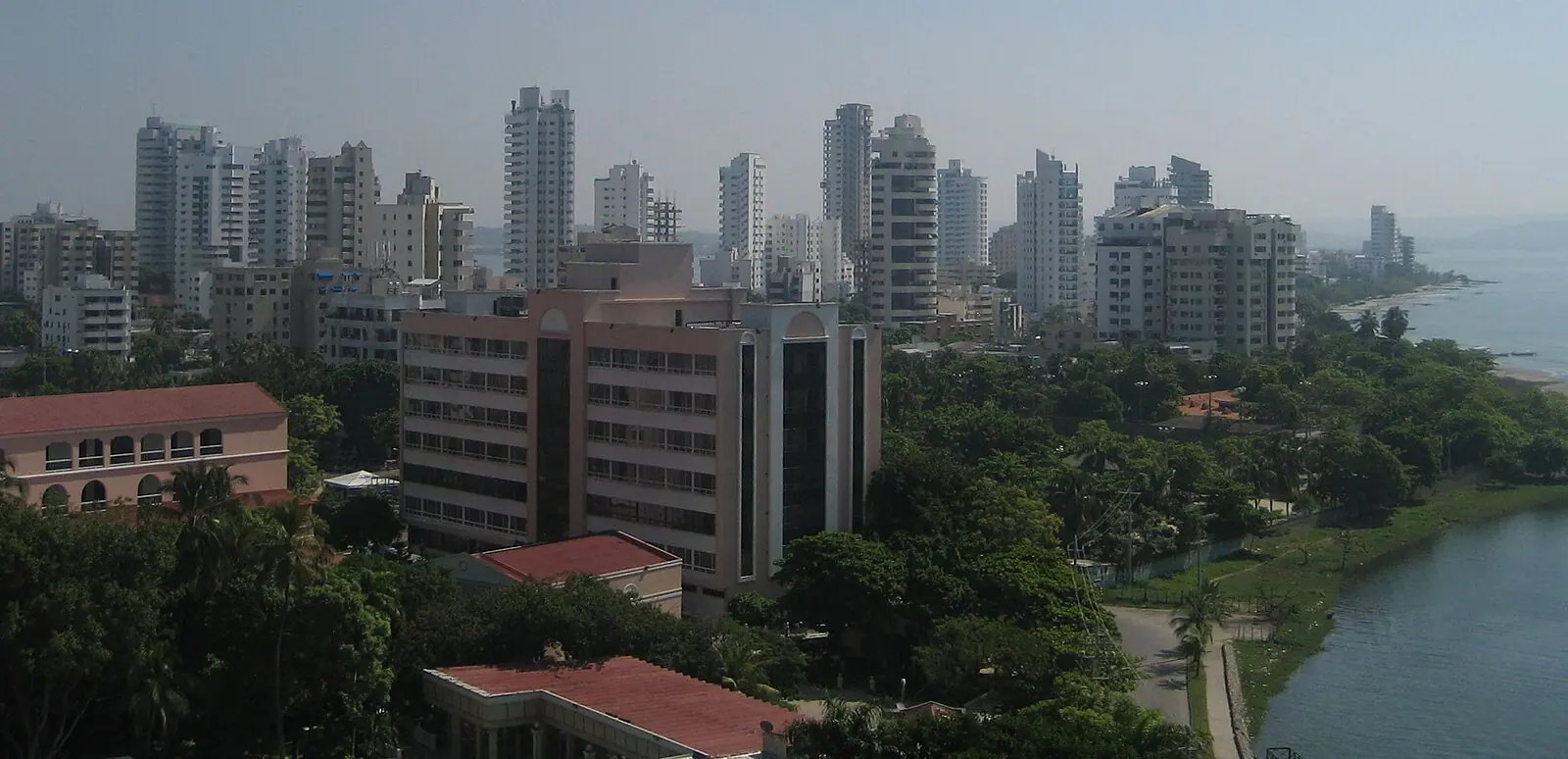
Things to do in Colombia
Skip-the-line tickets, guided tours and standout experiences.
See experiences
Stay online in Colombia
Travel eSIM — data the moment you land, no roaming bills.
Get an eSIM