Barbados is one of the few Caribbean islands where the calendar matters less for sunshine than for price. The trade winds keep things comfortable almost year-round, so the real question is whether you want peak-season perfection on the west coast or a quieter, cheaper island in the green months. Here is how the seasons actually shape a stay here, coast by coast.
How Barbados' Seasons Work — and Why They Shape Your Hotel Choice
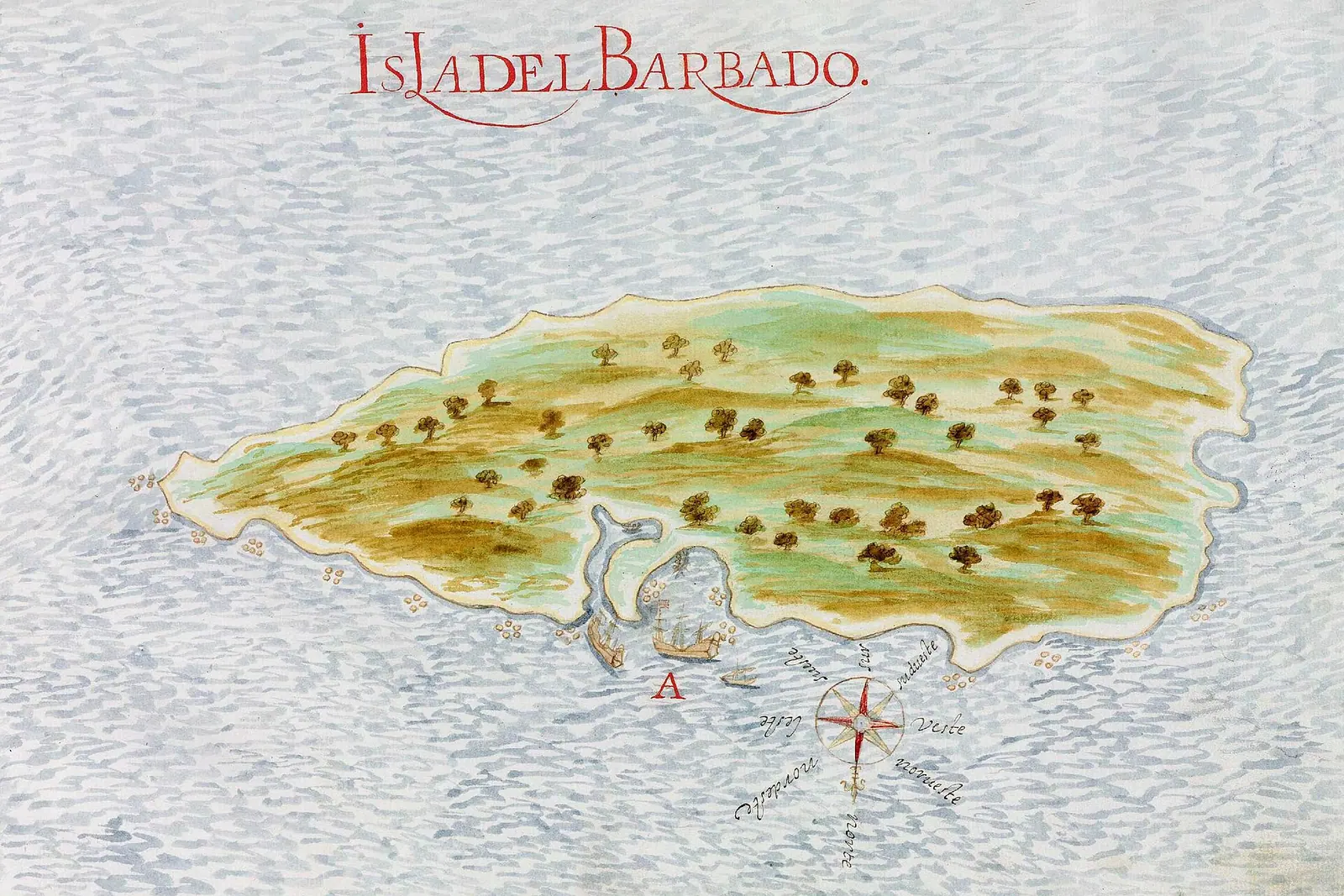
Barbados sits further east than most of its neighbours, a 34-kilometre-long island of coral limestone with the calm Caribbean on its west and south shores and the tumbling Atlantic along its east coast. Temperatures barely move through the year, hovering between roughly 24°C and 31°C, with sea temperatures sitting around 26°C to 28°C in every month. What changes is rain, wind and demand — and demand is what determines what you pay for a room.
The dry season runs from December to May, when the trade winds are steady, humidity is low and showers are brief and rare. The wet season stretches from June to November, overlapping with the official Atlantic hurricane season (1 June to 30 November, with the statistical peak from late August into October). Rain in the green season usually arrives as short, heavy afternoon bursts rather than all-day drizzle, and the island's east and central highlands receive noticeably more of it than the sheltered west coast.
That split produces two very different pricing worlds. Christmas and New Year are the most expensive weeks of the year, followed by the rest of January to April. From late May through November, hotel rates on the west and south coasts can fall substantially, flights become easier to book at short notice, and beaches that feel busy in February open up entirely.
December to April: Peak Season, Flawless Weather and Full Beaches
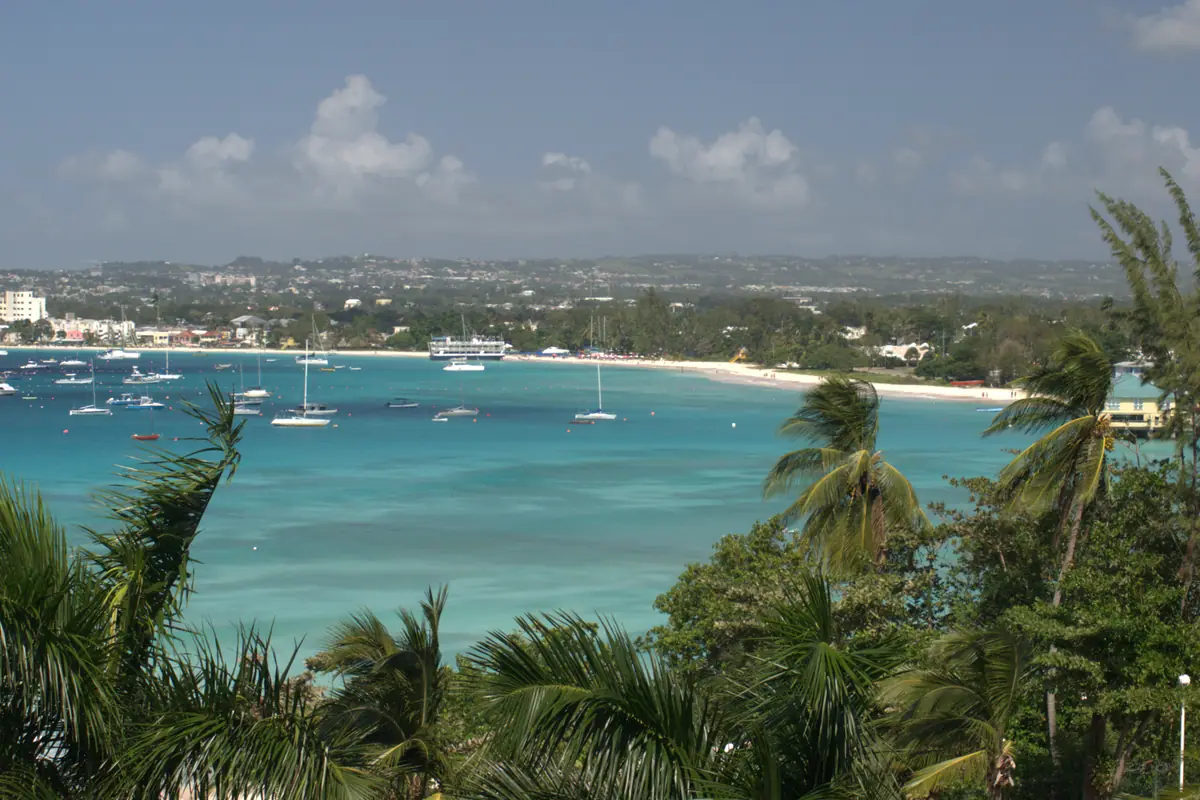
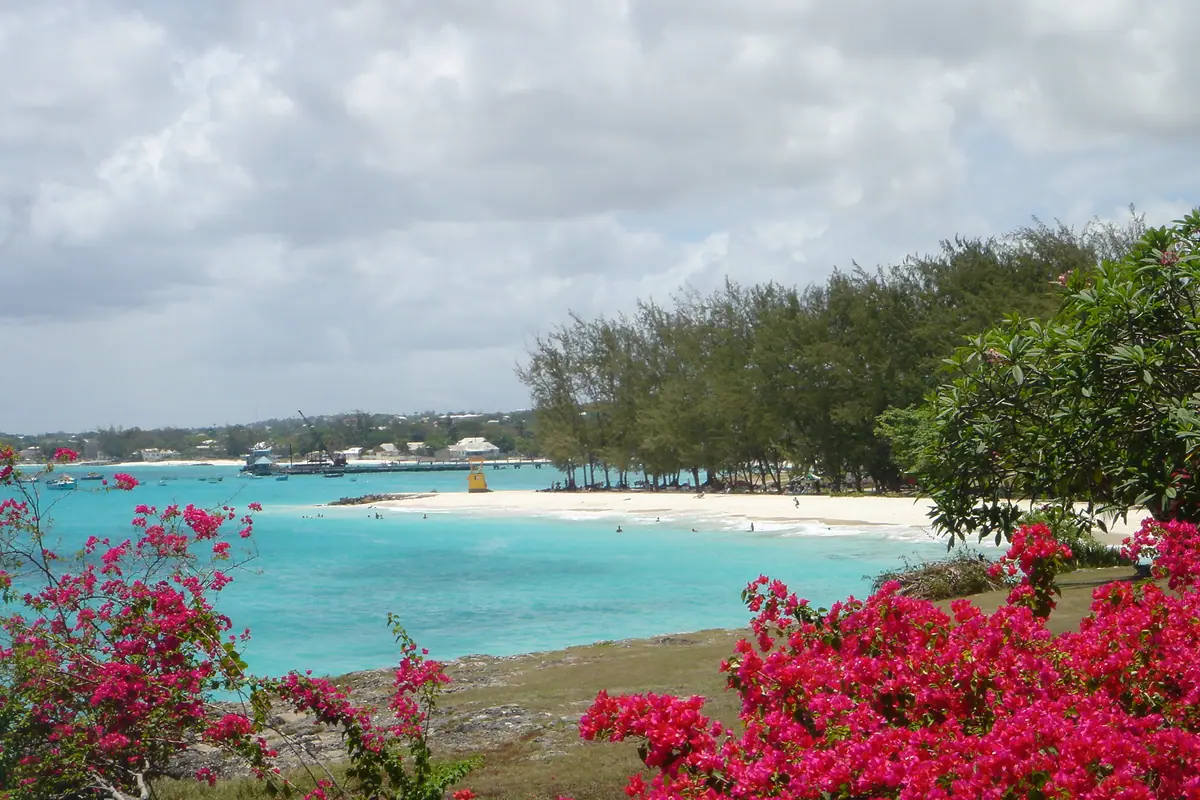
This is the Barbados most people picture: cloudless mornings over Paynes Bay, glassy water off Holetown, and long lunches that stretch into sunset. December through April delivers the most reliable beach weather of the year, which is exactly why it is also the busiest and priciest window. West-coast resorts, villa estates and boutique guesthouses along the Platinum Coast fill months in advance, and restaurants in St. Lawrence Gap and Holetown need reservations rather than walk-ins.
The season is also packed with reasons to come beyond the weather. The Holetown Festival in February fills the old settlement with music, food stalls and craft markets; the Gold Cup horse race at the Garrison Savannah in early March is the island's biggest social occasion, drawing crowds in their finery; and international cricket at Kensington Oval brings its own kind of energy to Bridgetown. Friday nights at Oistins Fish Fry, on the south coast, run all year but hit their stride in these months, with grilled flying fish, macaroni pie and loud, joyful music.
If you want this window, plan early. For Christmas and New Year, many properties impose minimum-stay rules and sell out six to twelve months ahead, and private villas are often booked a full year in advance. For February and March, three to six months is a sensible lead time, particularly if you are set on a specific coast or a room with a plunge pool.
May, June and November: The Shoulder-Season Sweet Spot
Ask people who visit Barbados often and many will name the shoulder weeks as their favourite. Late April through early June brings warm, calm seas, uncrowded beaches and lower rates than the winter peak, with only the occasional passing shower as the wet season begins. November works the same trick in reverse: the hurricane season is winding down, the island is lush from autumn rain, and prices have not yet jumped for Christmas.
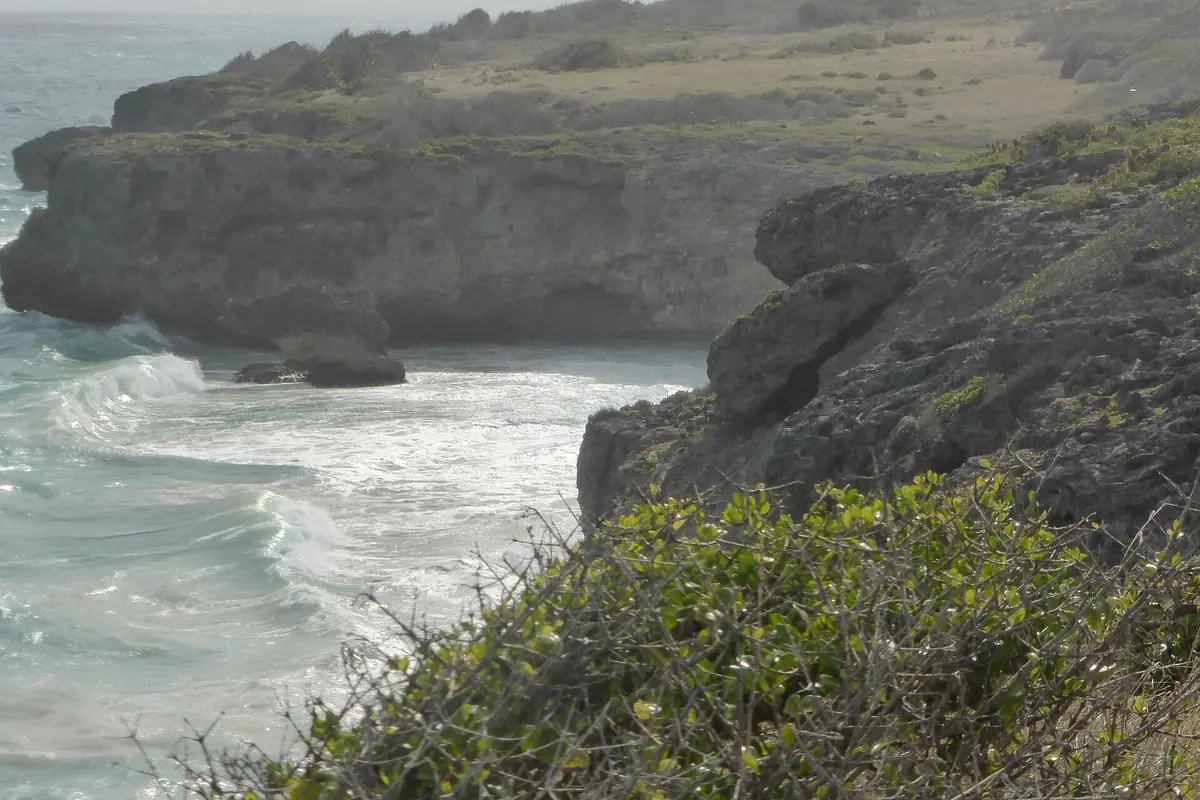
The trade-off is unpredictability rather than discomfort. A week in late May might be almost indistinguishable from April; a week in mid-November might bring a couple of soaking afternoons. Either way, the practical rewards are real — better availability at short notice, easier tables at the island's best restaurants, and space on the sand at Crane Beach and Bottom Bay, two of the island's most photographed stretches.
This is also a good window for active travellers. Surfers aim for the east coast around Bathsheba, where the reef break known as the Soup Bowl starts to show more consistent swell as the season shifts, and divers find the west-coast reefs and wrecks in Carlisle Bay pleasantly quiet compared with the winter rush.
July to October: Crop Over, Green Hills and the Lowest Rates
The heart of the wet season is also the cheapest time to stay in Barbados, and for many travellers that trade is worth it. July and August are hot, humid and lively, with the island in full celebration mode for Crop Over, the summer festival that builds through July with calypso and soca competitions, street parties, craft fairs and the finale of Grand Kadooment on the first Monday of August — a costumed parade that is genuinely one of the great Caribbean spectacles.
Weather-wise, expect strong sun, higher humidity and rain that tends to arrive in dramatic but short squalls. September and October are the wettest and quietest months, when some smaller restaurants and tour operators close for holidays and a handful of hotels shut for maintenance. October brings the island's food and rum festival, a good reason to brave the shoulder of the storm season. If you travel now, buy travel insurance that covers named storms and keep an eye on forecasts — local forecasting is good and warnings come with days of notice, not hours.
Two practical notes: mosquitoes are more present in the green season, so pack repellent and choose accommodation with screened windows or air conditioning, and sargassum seaweed sometimes washes up on the south and east coasts between May and October, while the west coast is usually far less affected.
Choosing Your Coast Before You Choose Your Dates
Barbados' microclimates matter as much as its seasons. The west coast — Holetown, Paynes Bay, Gibbs and the long sweep of Carlisle Bay near Bridgetown — is the calmest and driest, with gentle swimming, snorkelling and sunsets. It is also the most developed and the most expensive, which is why winter rates here climb hardest.
The south coast, around St. Lawrence Gap, Oistins, Rockley and Accra, mixes livelier nightlife, casual guesthouses and good-value apartments with reliable swimming and easy access to the fish fry. It catches a bit more breeze and a bit more rain than the west, but also more evening energy.
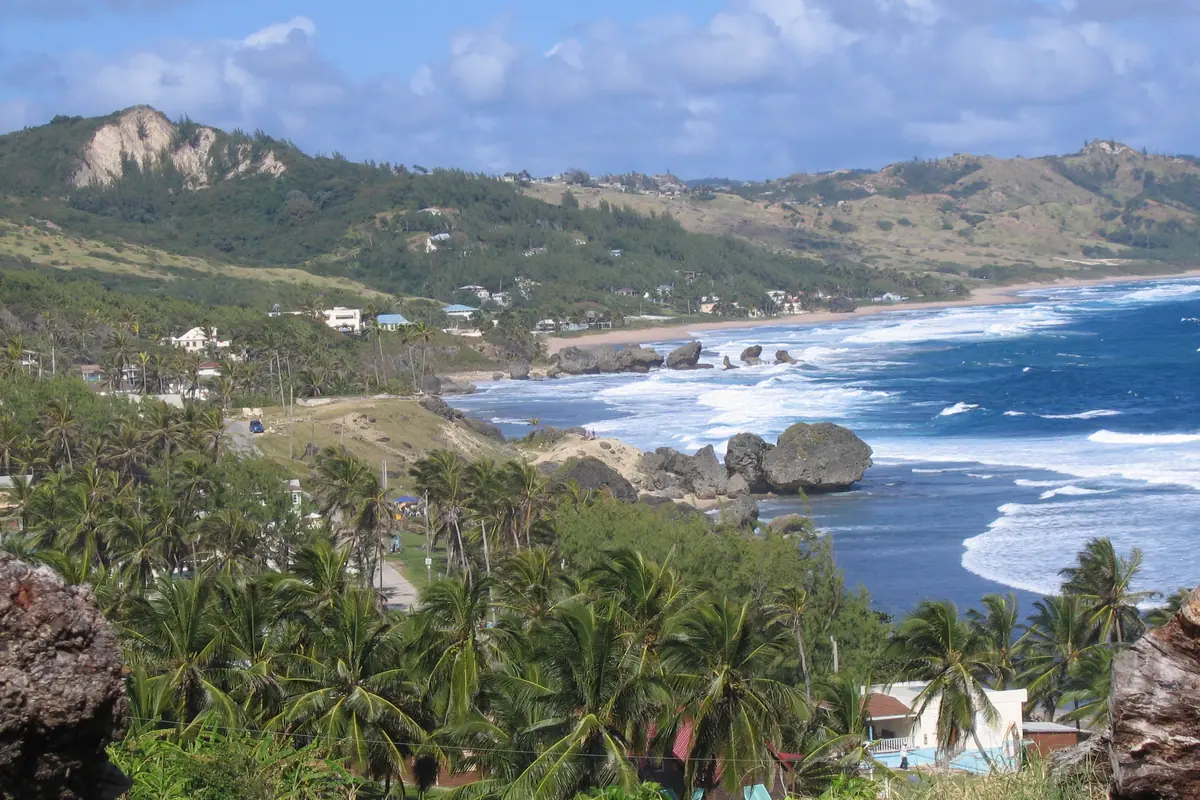
The east coast is a different island altogether: Bathsheba's mushroom-shaped rock formations, the surf at Soup Bowl, the gardens and cliffs around Cattlewash attract walkers, photographers and surfers rather than sunbathers, and the Atlantic here is for watching, not wading. The north, around Animal Flower Cave and Little Bay, is rugged, windy and wonderfully empty. Match the coast to your trip first, then let the calendar decide the price you pay for it.
Must-See Barbados Attractions in Every Season
Whatever month you choose, a handful of sights define a first visit. Harrison's Cave in the central parish of St. Thomas is the island's showpiece natural wonder — a tram ride through caverns of crystallised limestone, underground streams and cathedral-sized chambers; tours last about an hour and a half and are best booked ahead in peak season. Nearby, Welchman Hall Gully and the Barbados Wildlife Reserve offer shaded walks and a chance to see green monkeys, especially in the cooler early morning.
In the north, St. Nicholas Abbey is a beautifully preserved Jacobean plantation house with its own rum distillery and a short heritage railway, while Hunte's Gardens and Andromeda Botanic Gardens near Bathsheba show off the island's tropical planting at its most theatrical — both are at their lushest in the green season. Bridgetown itself rewards a half day: the UNESCO-listed Garrison Savannah historic area, the neo-Gothic Parliament Buildings, Chamberlain Bridge over the Careenage, and George Washington House, the only place the future American president ever lived outside the mainland.
For beach days, Carlisle Bay's marine park is the easiest snorkelling on the island, with shipwrecks and turtles a short swim from shore, while Crane Beach on the south-east coast and Bottom Bay further up offer pink-tinged sand and dramatic cliffs. End with a Friday evening at Oistins, where the island's fishing fleet meets its best casual cooking.
Frequently asked questions
What is the cheapest time to visit Barbados?
September and October are consistently the lowest-priced months, followed by late May, June and November. You trade a higher chance of rain and a quieter restaurant scene for significantly cheaper rooms and easy availability.
Is it worth visiting Barbados during hurricane season?
Yes, for many travellers. Most days are still sunny, storms are tracked well in advance, and rates are at their lowest. Buy travel insurance that covers named storms, stay flexible on dates, and favour the sheltered west coast if you are worried about rain.
When should I book a hotel for Christmas in Barbados?
Six to twelve months ahead, and a year ahead for private villas. Christmas and New Year are the island's peak weeks, with minimum-stay requirements at many properties and the best west-coast rooms selling out first.
What is the best month for swimming and snorkelling?
December to April offers the calmest, clearest water, particularly along the west coast and in Carlisle Bay. Sea temperatures stay around 26°C to 28°C year-round, so swimming is comfortable in every month, though east-coast surf is stronger from late spring onward.
What should I pack for Barbados?
Light cotton clothing, swimwear, reef-safe sunscreen, sandals and a smart-casual outfit for nicer restaurants. Add insect repellent and a light rain shell if you are travelling between June and November, plus sturdy shoes if you plan to hike the east coast or explore Harrison's Cave.
Sort the rest of your trip
Everything for Barbados, in one place
Transfer in Barbados
Private driver waiting on arrival — no queues, no surprises.
Book a transfer
Things to do in Barbados
Skip-the-line tickets, guided tours and standout experiences.
See experiences
Stay online in Barbados
Travel eSIM — data the moment you land, no roaming bills.
Get an eSIM