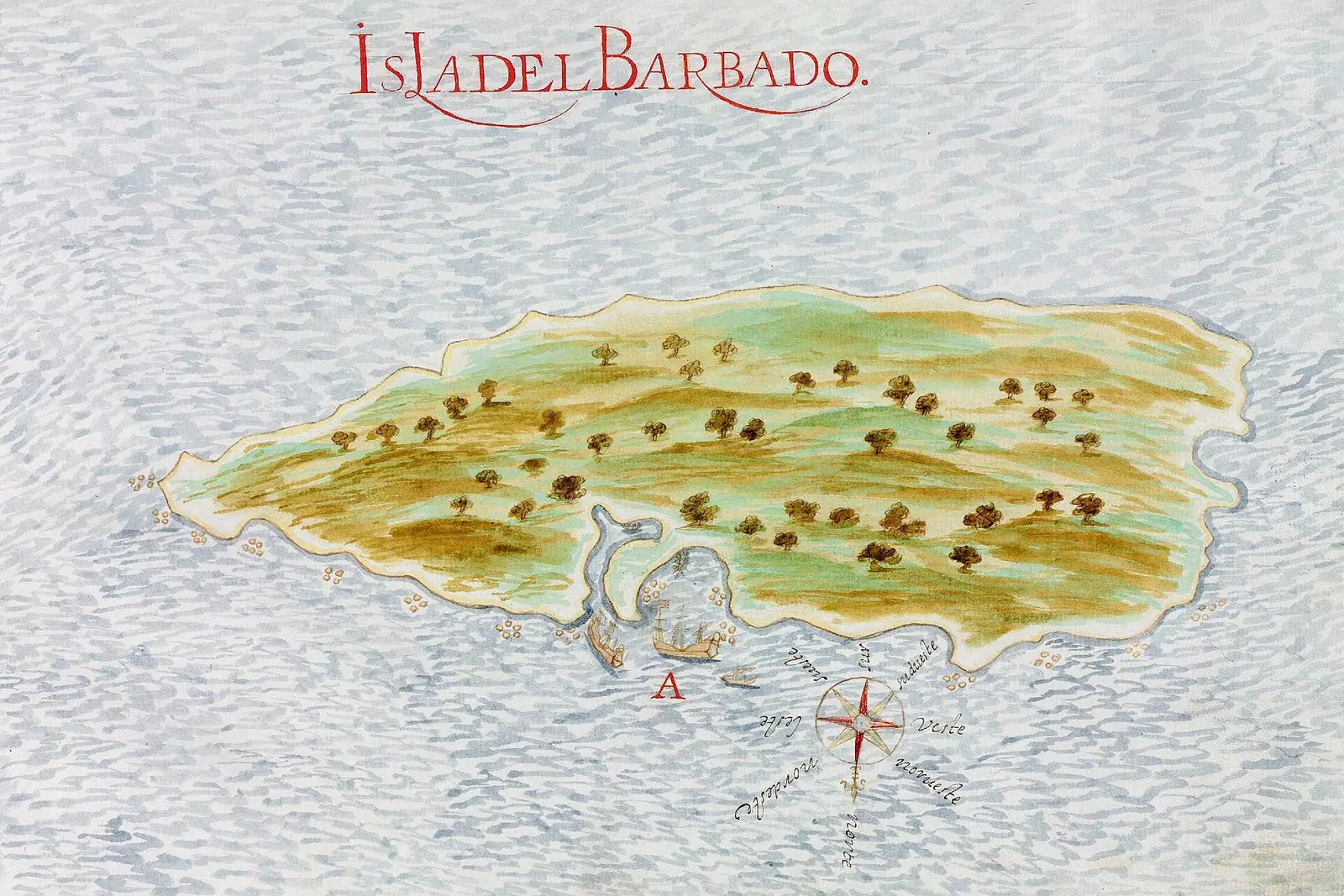
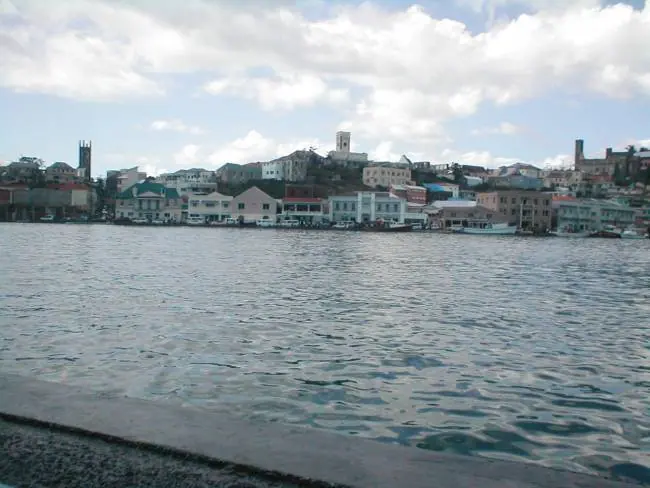
Barbados packs an Atlantic surf coast, a glassy Caribbean shore and a rum-soaked interior into a single island you can cross in under an hour. This one-week route starts at the airport runway and unfolds outward — from Bridgetown's colonial streets to the cliffs of Bathsheba — so you see the whole island, not just the beach outside your door.
Landing in Barbados: Flights, Arrival and Your First Evening
Nearly every visitor arrives at Grantley Adams International Airport on the south-eastern edge of the island, in Christ Church parish. Nonstop flights land from Miami in roughly four and a half hours, from New York and Toronto in about five, and from London in around eight and a half, with most arrivals touching down in the afternoon. The airport sits about a twenty-minute drive from Bridgetown and thirty to forty minutes from the west coast resorts, and taxis operate on fixed zone fares posted at the stand outside arrivals.
Rental cars are easy to arrange but Barbados drives on the left, and visitors need a temporary local permit — bring your licence and expect a short stop at a police station or rental desk to get it. Public buses are cheap and frequent along the main south and west coast routes. The Barbados dollar is pegged to the US dollar, and US cash is widely accepted, though you'll usually get change in local currency.
Keep your first evening gentle. Base yourself around Rockley or St Lawrence Gap on the south coast for easy access to restaurants, or in Holetown on the west if you want calm water at your doorstep. A short stroll along the Careenage in Bridgetown, where fishing boats and yachts share the harbour beneath Chamberlain Bridge, is the perfect introduction before dinner.
Days 1–2: Bridgetown, the Garrison and Carlisle Bay
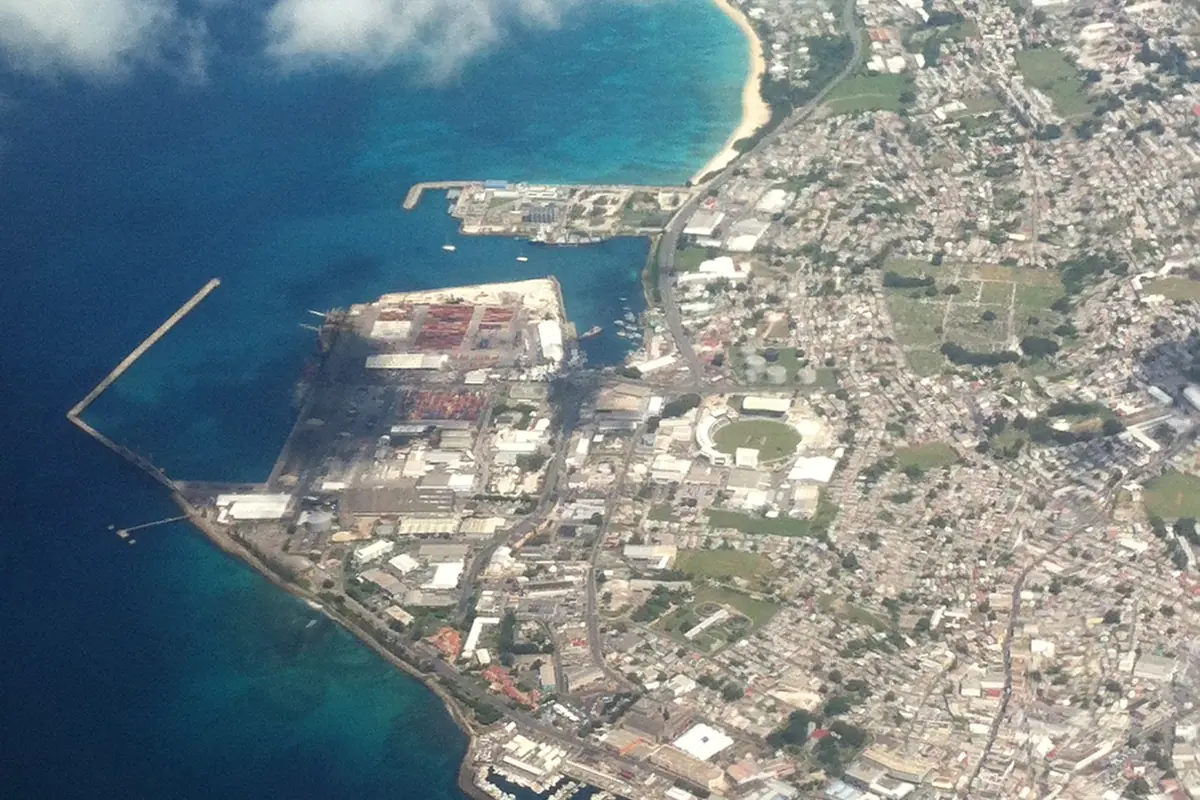
Bridgetown is a UNESCO World Heritage capital, and its historic core rewards a half day on foot. Broad Street and Swan Street hum with shops and street food, while Independence Square and the statue of Errol Barrow face the water. Don't miss the Nidhe Israel Synagogue, one of the oldest in the western hemisphere, or the neo-Gothic Parliament Buildings overlooking the Careenage — the third-oldest continuous parliament in the Commonwealth.
South of town lies the Garrison Savannah, a Georgian military complex turned racecourse. George Washington House, where a young Washington stayed in 1751, is now a museum, and the adjacent Barbados Museum and Historical Society fills in the island's complex history of sugar, slavery and independence. Two hundred metres away, Carlisle Bay opens into a marine park of translucent turquoise water.
Spend your second day entirely in Carlisle Bay. Brownes Beach is the classic swimming strand, and snorkelling over the sunken shipwrecks further out is genuinely rewarding — several wrecks sit in shallow water within easy swimming distance. At the southern end of the bay, Pebbles Beach is the reliable spot to swim alongside green sea turtles, especially in the calm early morning. Finish with a distillery tour and a rum punch in the nearby Brandons area.
Day 3: Holetown, Speightstown and the Platinum Coast
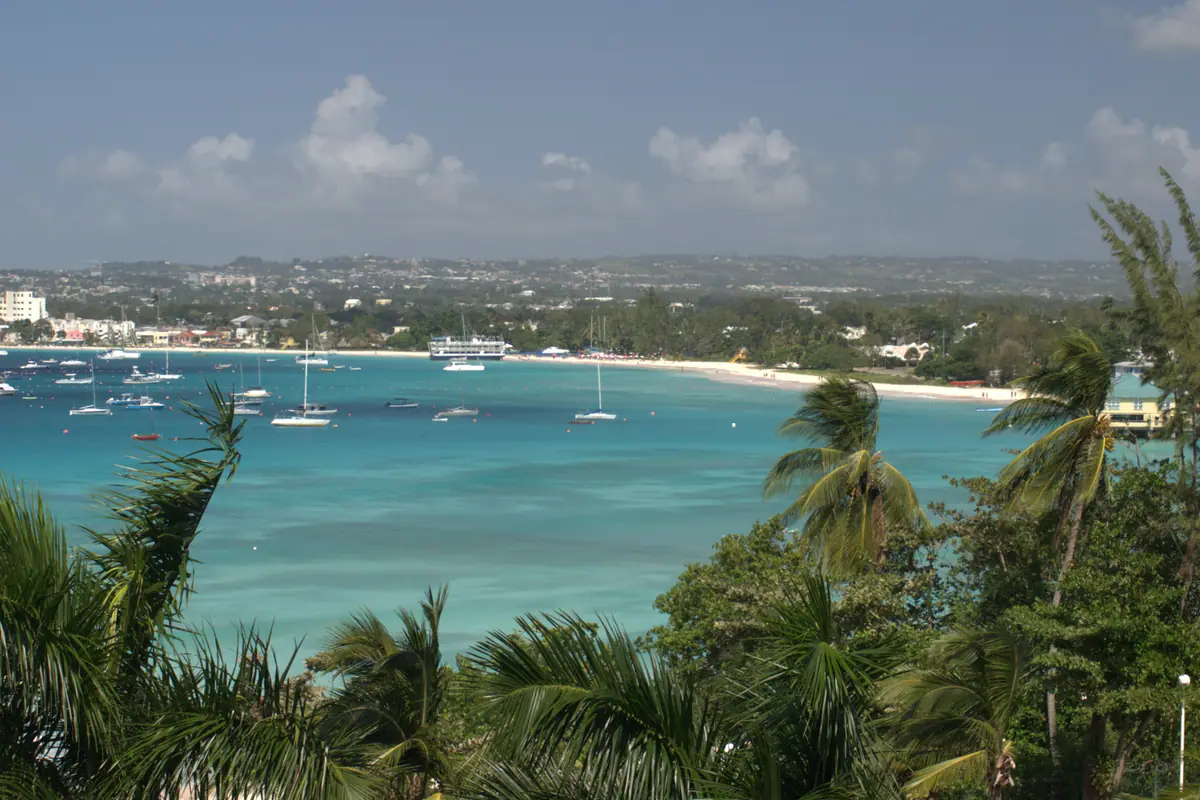
Head north along the west coast, where the Caribbean Sea stays almost flat year-round. Holetown marks the site of the first English landing in 1627, commemorated by the Holetown Monument, and its compact Chattel Village of wooden chattel houses is a good spot for lunch and browsing. Just up the road, Folkestone Marine Park protects a stretch of reef with a snorkel trail and a small museum, ideal for beginners.
The beaches here — Paynes Bay, Sandy Lane and Mullins — are what people picture when they picture Barbados: pale sand, gentle shelves and sea turtles feeding on the seagrass just offshore. Paynes Bay is the easiest place to snorkel with turtles straight off the beach, and Mullins has a livelier scene with beach bars and water sports. The dry season, December through April, brings the clearest water and the calmest swell.
Continue to Speightstown, the island's old northern port, which has kept a far quieter, more local rhythm. The Arlington House Museum traces the town's trading past, St Peter's Church sits on a breezy bluff above the water, and the fish market is worth a look in the late afternoon. Come back along the coast road for sunset — the west coast faces due west, so the sunsets here are the island's showpiece.
Day 4: Harrison's Cave and the Green Heart of the Island
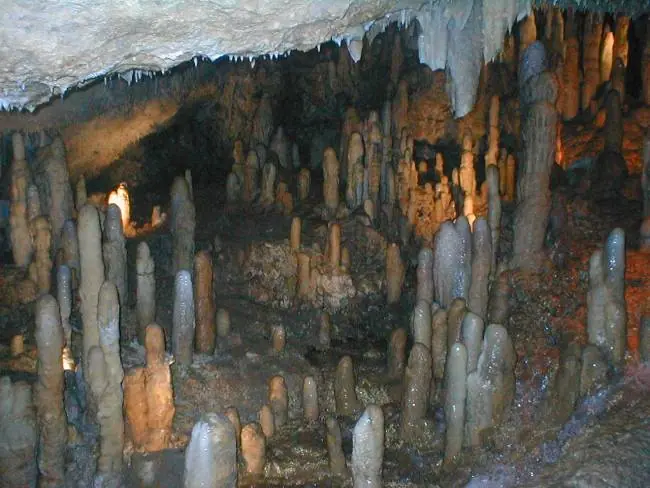
The middle of Barbados is limestone country, and Harrison's Cave in the central parish of St Thomas is the island's signature natural attraction. A tram carries you through cathedral-sized chambers of stalactites, stalagmites and rushing underground streams; the tour takes about an hour and a half, and it's wise to book a slot in advance, especially in high season.
Above ground, the same limestone has carved out Welchman Hall Gully, a shaded ravine of bamboo, nutmeg and towering palms where green monkeys are often seen at dawn and dusk. Nearby Hunte's Gardens tumbles down into a sinkhole in a riot of tropical planting, while the Flower Forest offers gentler walking trails and panoramic views over the island's green spine.
Round out the day with St Nicholas Abbey, a rare 17th-century Jacobean mansion still producing rum and syrup, with its own small steam railway running through the cane fields. Nearby, Cherry Tree Hill gives you the classic view down to the Atlantic, and Morgan Lewis Mill is the last intact working sugar windmill in the Caribbean. If you have time, the Barbados Wildlife Reserve at Grenade Hall runs an afternoon feeding when the monkeys come out.
Day 5: Bathsheba and the Wild Atlantic East Coast
Cross to the east and the island changes completely. Bathsheba is a village of weathered fishing boats, huge boulders and the constant roar of Atlantic surf. This is the home of the Soup Bowl, one of the Caribbean's most famous reef breaks, and even if you never paddle out, the sight of waves breaking over the rocks is worth the drive. The natural rock pools at Bathsheba are a lovely, sheltered place for a paddle at low tide.
Just south, Andromeda Botanic Gardens spills down a hillside above the sea, a wonderfully overgrown collection of tropical plants with views along the coast. Further south still, Codrington College is a serene 18th-century theological college with a long palm-lined avenue, and St John's Parish Church perches on a cliff with one of the finest panoramas on the island. Ragged Point Lighthouse and East Point mark the island's rugged north-eastern tip.
This coast is for looking, not swimming — currents are strong and the shorebreak is powerful. Pair the drive with Sunbury Plantation House, a restored great house with antique furnishings, then continue south to the postcard bays: Foul Bay, Bottom Bay with its coral cliffs and sea arch, and finally Crane Beach, a pink-tinged crescent framed by limestone bluffs. Go early or late for the light and the quiet.
Days 6–7: Animal Flower Cave, Oistins and One Last Sunset
Spend your sixth day in the far north, where the land narrows and the Atlantic crashes against the cliffs. Animal Flower Cave near North Point is a sea cave you can walk into at low tide, with natural rock pools and blowholes, though it closes when swells make it unsafe. The surrounding clifftop at Little Bay and River Bay is some of the most dramatic scenery in Barbados.
Save Friday night for Oistins, the south-coast fishing town whose weekly fish fry is the island's biggest social event. Grills fire up in the late afternoon, flying fish and mahi mahi come off the coals, and the music runs late — arrive by six to beat the longest queues. If your week falls in July or August, you may also catch Crop Over, the island's calypso and soca carnival, culminating in the Grand Kadooment parade.
Use your last day for a catamaran sail along the west coast, which usually combines a turtle snorkel stop with a wreck site and lunch on board, or simply claim a lounger at Mullins or Paynes Bay. On departure, allow three hours before an international flight, since the airport gets busy in the mid-afternoon bank. If you can, time your trip between mid-December and April for the driest weather; September and October are the wettest and most humid months.
Frequently asked questions
How long is the flight to Barbados, and where do you land?
International flights land at Grantley Adams International Airport on the south coast, about 20 minutes from Bridgetown. Nonstop flying times are roughly four and a half hours from Miami, about five from New York or Toronto, and around eight and a half hours from London. Direct routes from continental Europe are more limited, so many travellers connect through a North American or UK hub.
When is the best time of year to visit Barbados?
Mid-December to April is the dry season, with the calmest seas, lowest rainfall and highest prices. July and August bring Crop Over festival and warmer, livelier conditions. June to November is the wetter, more humid stretch within hurricane season, peaking in September and October — you'll find better rates and quieter beaches, but expect short heavy showers and occasional storm systems.
Is seven days enough to see Barbados properly?
Yes — seven days is ideal. The island is only about 34 kilometres long, so you can comfortably cover Bridgetown and Carlisle Bay, the west coast beaches, the central caves and gardens, the wild Atlantic east coast and a north-point day trip, while still leaving time to slow down. Anything less and you'll be choosing between coasts rather than enjoying both.
Do I need to rent a car in Barbados?
You can manage without one on the south and west coasts, where buses and taxis are plentiful. But a car makes the east coast, Harrison's Cave and the northern parishes far easier to reach. Visitors need a temporary Barbados driving permit, available on arrival with a valid foreign licence, and remember that driving is on the left.
Which Barbados attractions should not be missed on a first visit?
Prioritise Carlisle Bay and its turtles, Bridgetown's historic core and the Garrison Savannah, Harrison's Cave, St Nicholas Abbey and Cherry Tree Hill in the interior, Bathsheba and Crane Beach on the Atlantic side, Animal Flower Cave at the north point, and a Friday night at Oistins fish fry. That combination gives you the island's history, geology, beaches and local culture in one week.
Sort the rest of your trip
Everything for Barbados, in one place
Stay in Barbados
Hotels, guesthouses and apartments — compared in one search.
Search hotels
Transfer in Barbados
Private driver waiting on arrival — no queues, no surprises.
Book a transfer
Travel insurance
Medical cover, delays and lost baggage — sorted before you go.
Get covered