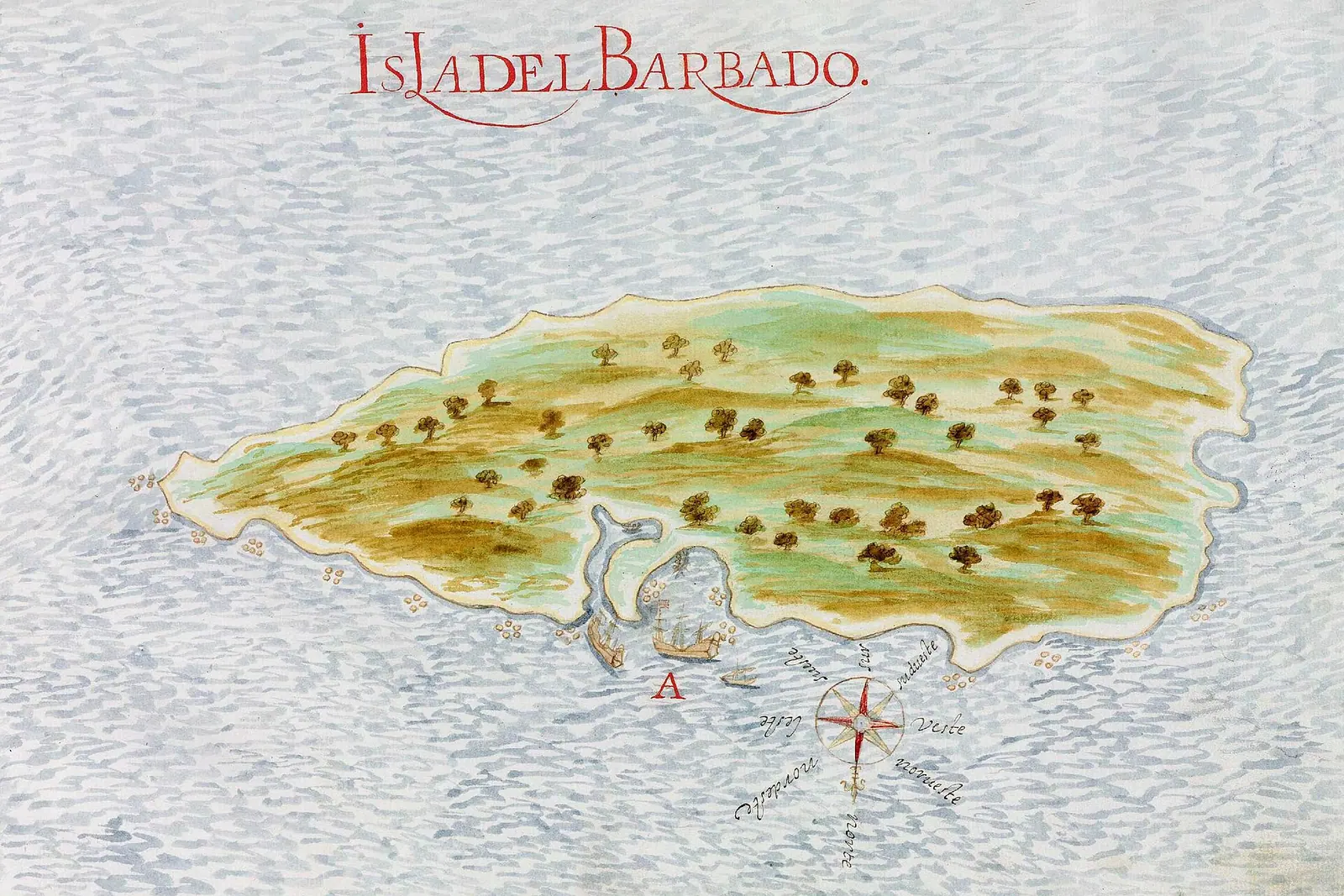
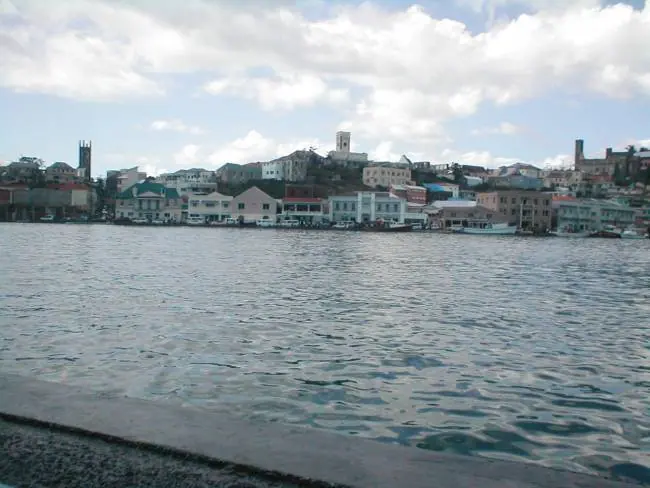
Barbados squeezes an entire Caribbean into 166 square miles: limestone cathedrals underground, Atlantic surf hammering the east coast, and water so clear on the west that you can watch turtles glide past your knees. This is where to go, what to see and how to pace it all.
Bridgetown and Carlisle Bay: Where the Island Introduces Itself
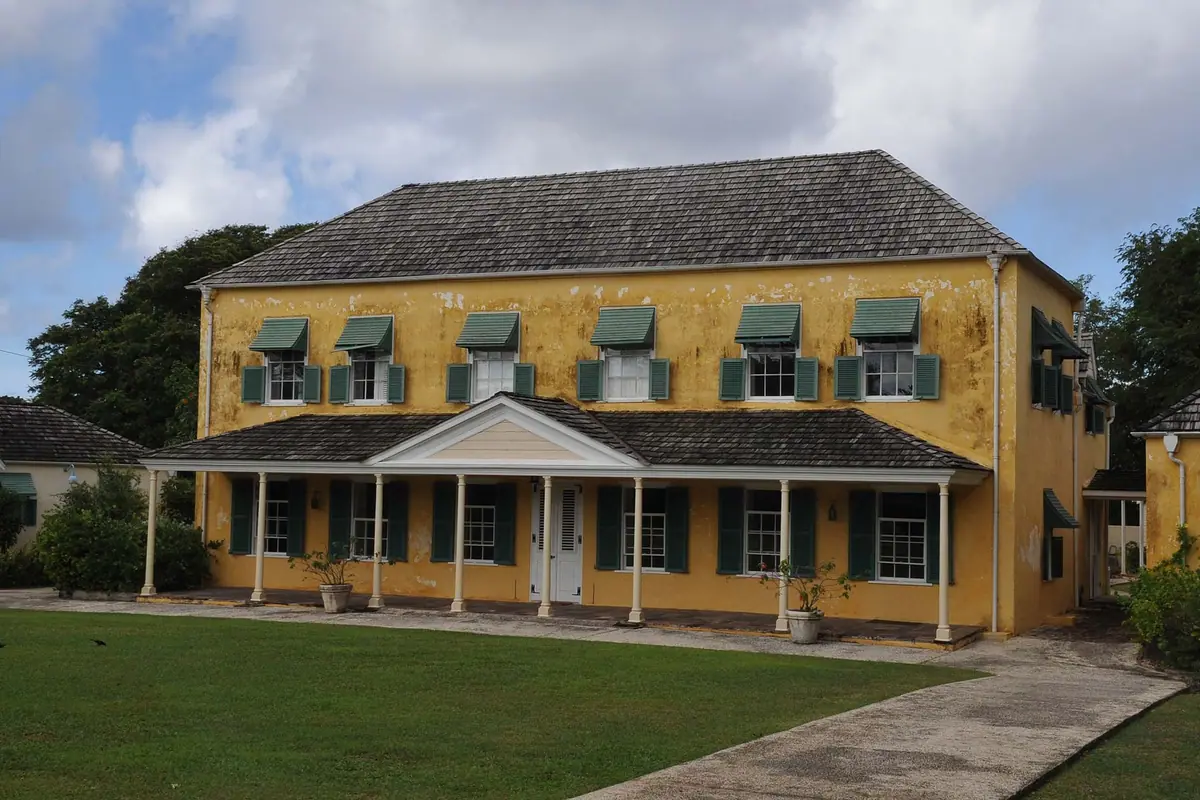
Most trips begin in Bridgetown, whose historic centre and Georgian garrison together form a UNESCO World Heritage Site. Start at National Heroes Square, cross the Chamberlain Bridge over the Careenage where fishing boats and catamarans nudge against the quay, and wander Swan Street for fabric, spice and the good-natured crush of a working Caribbean capital. The Parliament Buildings facing the harbour are among the oldest continuously used legislative chambers anywhere in the Western Hemisphere, and George Washington House, where a young American surveyor stayed in 1751, sits a short walk uphill behind the garrison clock tower.
Ten minutes south on foot lies Carlisle Bay, a near-perfect horseshoe of pale sand backed by palms and shaded by the odd almond tree. Brownes Beach offers the easiest swimming; Pebbles Beach, at the southern end, is where grooms from the nearby Garrison Savannah bring racehorses down for their morning sea bath — a genuinely odd and lovely sight around 6am. Facilities are basic, so bring water and shade, and expect locals to be playing football and cricket on the sand most evenings.
The real treasure is beneath the surface. Six deliberately sunk wrecks rest in shallow, protected water, making this one of the most accessible snorkelling and diving sites in the region for beginners. Green and hawksbill turtles cruise between the hulls, especially in the quieter early hours. Arrive between 7am and 9am to beat the boat traffic, or stay for the golden light of late afternoon when the bay empties out.
Underground Cathedrals: Harrison's Cave and the Central Hills
Inland, in the parish of St Thomas, Harrison's Cave is the island's signature natural wonder and the one attraction worth booking ahead for any day of the week. Electric trams rattle down through a labyrinth of crystallised limestone chambers, past towering stalactites, mirror-still pools and an underground waterfall that thunders through the rock. Tours last around an hour, the temperature stays a steady 25°C or so, and the pathways are wet — grippy shoes beat sandals every time. Combine it with the nearby Welchman Hall Gully, a shaded ravine planted with nutmeg, clove and bamboo where green monkeys crash through the canopy at dusk.
A little further out, the Flower Forest at Richmond fills an old plantation estate with ginger lilies, heliconia and frangipani, with trails that open onto sweeping views of the island's spine. Hunte's Gardens in neighbouring St Joseph is the opposite experience: a sinkhole turned into an intimate, theatrical garden of palms, orchids and antique statuary, with classical music drifting between the trees. Both reward a slow, unhurried hour rather than a checklist sprint.
These three stops sit within a compact triangle and can be stitched into a single half-day if you hire a car or driver, or into a leisurely full day if you stop for lunch in one of the rum shops along the way. Mornings are cooler and quieter; afternoon showers in the central hills are common between June and November, so pack a light rain layer even in the dry season.
The Wild East: Bathsheba, the Soup Bowl and the Scotland District
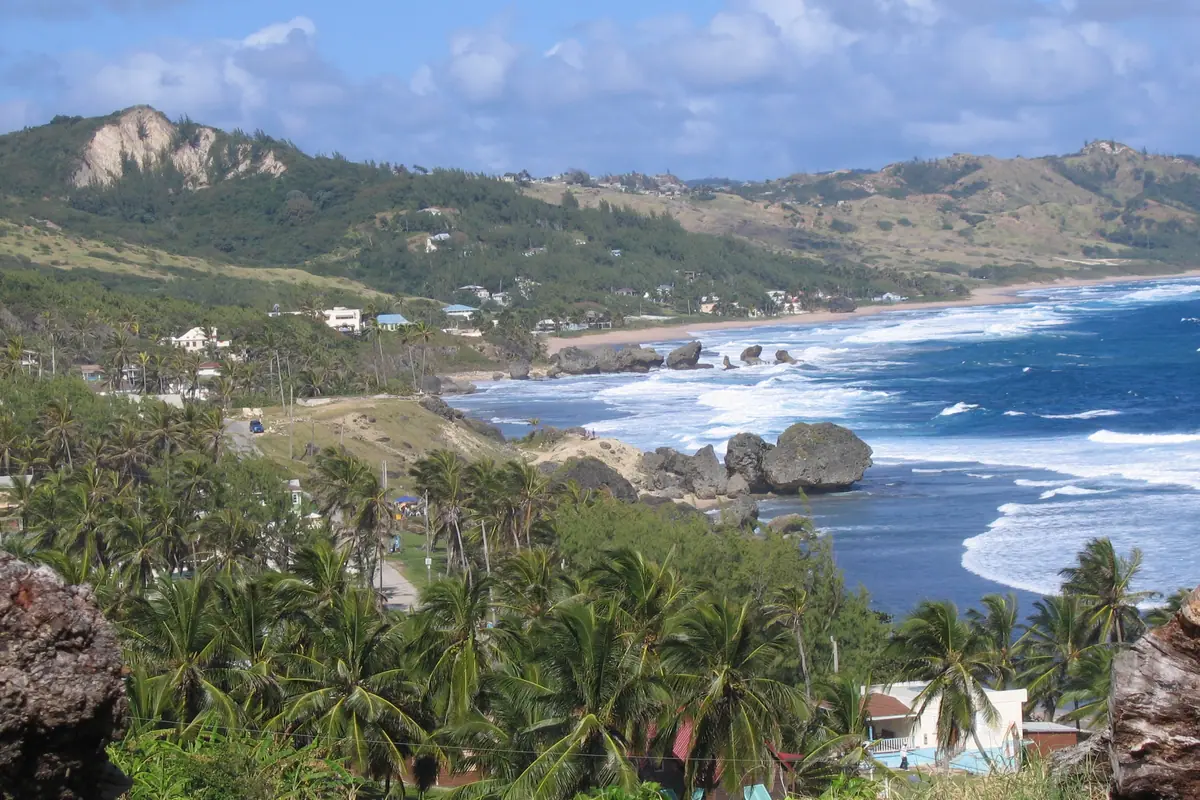
The Atlantic side of Barbados looks like a different country. Bathsheba, on the island's rugged east coast, is a scatter of fishing boats, rum shops and guesthouses beneath enormous boulders that have been worn into sculptural shapes by the surf. Offshore, the Soup Bowl is one of the Caribbean's most respected reef breaks, pulling surfers from around the world when the swells arrive between roughly November and March. Even if you never touch a board, the view from the bluff above the village, with white water exploding over mushroom-shaped rocks, is worth the drive alone.
Above the village, Andromeda Botanic Gardens tumbles down a hillside in a dense, semi-wild tangle of hibiscus, ferns and palms, and further north Barclays Park offers grassy picnic tables with a front-row seat over the breakers. Inland from here, Cherry Tree Hill is lined with towering mahogany trees planted centuries ago, and the Morgan Lewis Windmill — the last intact sugar windmill in the Caribbean — still turns its sails on special occasions, standing sentinel over cane fields that roll down to the sea.
A word of caution: the east coast is for looking, not swimming. Rips and shorebreak along this stretch are genuinely dangerous, and there are no lifeguards on most beaches. Wade only in the calm rock pools at Bathsheba at low tide, keep an eye on children, and save your swimming for the sheltered west and south coasts.
The North Point: Animal Flower Cave and Farley Hill
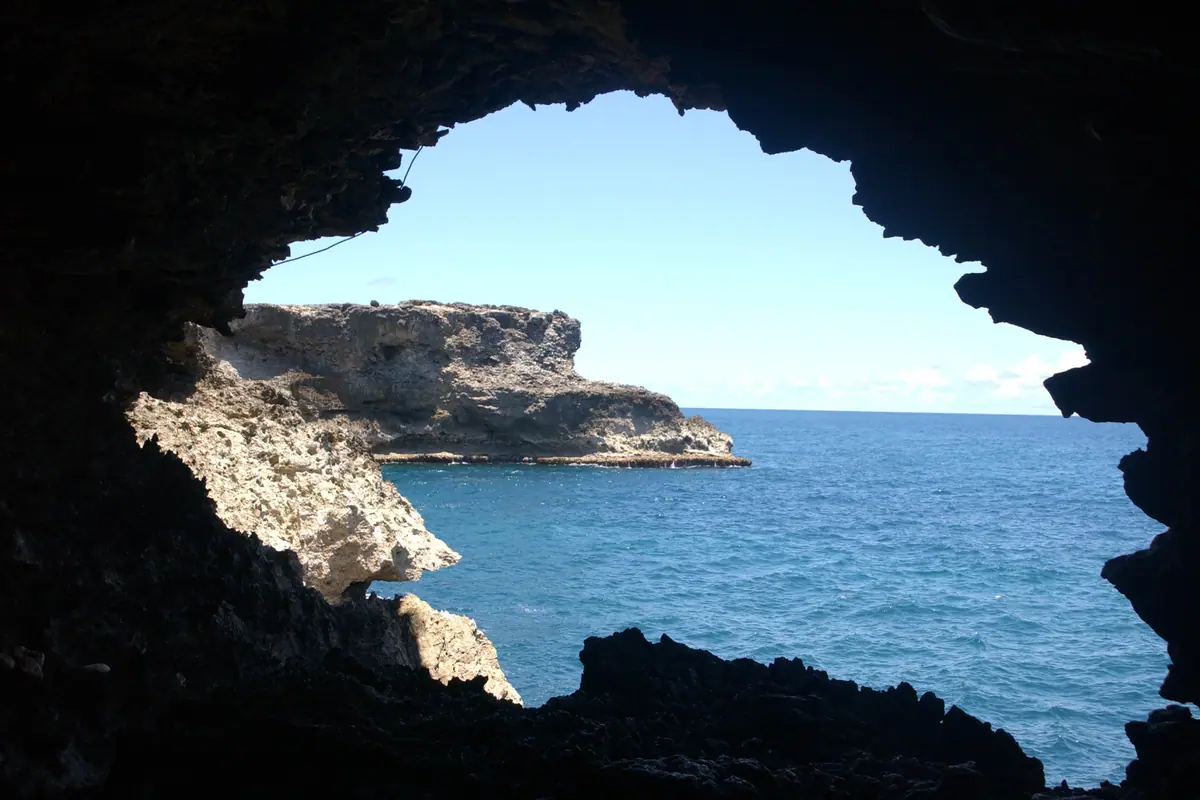
Barbados narrows to a dramatic limestone headland at its northern tip, in St Lucy. Animal Flower Cave is the headline act here: a sea cave reached by a staircase cut into the cliff, with natural rock pools where you can swim at low tide and views straight out into open ocean. It closes when swells make the floor dangerous, so check before driving up, and wear shoes with grip — the limestone is slick. The surrounding North Point cliffs and the churning Little Bay below are some of the most photogenic coastline on the island.
Nearby, St Nicholas Abbey is a 17th-century Jacobean-style plantation house, one of only a handful of its kind left in the Americas, surrounded by gardens, a rum-ageing cellar and a heritage railway that runs through the cane fields on select days. Half an hour south, Farley Hill National Park protects the shell of a grand mansion destroyed by fire, now framed by mahogany trees and lawns that host concerts and picnics. The view from its terrace over the Scotland District is one of the island's great free pleasures.
The north is best done as a loop by car, allowing three to four hours with stops. It is breezier and damper than the coasts, so a light windbreaker helps, and the roads are narrow and winding — take them slowly and pull over to let local drivers pass.
The Platinum West Coast: Holetown, Paynes Bay and Speightstown
The sheltered Caribbean shore is where Barbados does calm. Holetown marks the site of the first English landing in 1627, and its small monument, church and buzzy strip of restaurants make a natural base. Just north, Folkestone Marine Park protects a marked snorkel trail with underwater interpretive plaques, plus a small museum and glass-bottom viewing — a good option when the sea is choppy elsewhere. Paynes Bay and neighbouring Alleynes Bay are the classic spots for swimming with turtles: the water is flat, the sand is soft, and the turtles are resident rather than seasonal.
Further north, Mullins Bay offers beach bars and a gentler crowd, while Speightstown at the top of the west coast retains a genuine, unhurried colonial waterfront with shuttered warehouses, a small museum in a restored merchant's house and a jetty that locals use for evening swims. Catamaran and glass-bottom cruises leave from both Bridgetown and the Holetown area, typically running five hours with lunch, snorkel stops and a swim with turtles included.
West-coast sunsets are the island's nightly event. Book a beachfront table early in high season — mid-December to April — when the strip fills up and prices peak. Value hunters should look at May, June and early December, when the weather is still largely dry, the sea is warm and rates soften considerably.
Crop Over, Fish Fries and Rum Shops: Barbados After Dark
Barbados has a festival calendar worth planning a trip around. Crop Over, the island's harvest celebration, builds from May through to Grand Kadooment Day on the first Monday of August, when costume bands, calypso and soca fill the streets of Bridgetown in the biggest party of the year. Earlier in the season there are markets, tuk-band processions and calypso tents. In January, sailing week brings regattas and waterfront parties, while February's Holetown Festival and an October food and rum festival fill the shoulder months.
No visit is complete without a Friday night at Oistins, the south-coast fishing town where the fish fry draws enormous, cheerful crowds for grilled flying fish, macaroni pie, rice and peas, and cold beer at picnic tables beside the harbour. It runs on Friday and Saturday nights, gets going around 8pm and rolls late. For something quieter and more local, pull up a stool in one of the tiny rum shops scattered through the villages — most are a front room, a fridge and a few regulars happy to explain the island to you.
Practical rhythm: allow five to seven days to cover the island without rushing, longer if you want beach days folded between sightseeing. The dry season runs roughly December to May, the wetter months from June to November bring short, heavy showers and the occasional storm, and temperatures hover between the mid-20s and low 30s Celsius all year. Buses are cheap and frequent on main routes, but a rental car — driven on the left — is the easiest way to reach the east coast and north point at your own pace.
Frequently asked questions
What is the best time of year to visit Barbados?
The driest, coolest stretch runs from mid-December through April, which is also the busiest and most expensive. May, June and early December offer a good balance of mostly dry weather, warm sea and lower rates. June to November is the wetter, hotter season with short heavy showers and the risk of tropical storms, but it is also when Crop Over brings the island's biggest celebrations.
How many days do I need in Barbados?
Five to seven days lets you see the highlights without racing: Bridgetown and Carlisle Bay, Harrison's Cave and the central gardens, the east coast around Bathsheba, the northern cliffs and a few lazy beach days on the west coast. If you mainly want sun and swimming, three or four nights on the west or south coast is plenty.
Where can I swim with turtles in Barbados?
The calm west-coast bays are your best bet, particularly Paynes Bay and Alleynes Bay, where turtles are resident year-round. Carlisle Bay on the south coast also has turtles among its sunken wrecks. Go early in the morning for clearer water and fewer boats, and never chase or touch the animals.
Can I swim on the east coast at Bathsheba?
Generally no. The Atlantic shorebreak and rip currents along the east coast are powerful and there are few lifeguards. The rock pools at Bathsheba are safe to paddle in at low tide, but serious swimming should be left to the sheltered west and south coasts.
Do I need to hire a car in Barbados?
Not essential if you stay in one resort area, since buses and taxis cover the main routes cheaply. But a rental car — remember, traffic drives on the left — makes the east coast, North Point and the central gardens far easier to reach at your own pace, especially early in the morning before tour groups arrive.
Plan it — experiences in Barbados
Live search, booked directly with trusted providers.
Sort the rest of your trip
Everything for Barbados, in one place
Stay in Barbados
Hotels, guesthouses and apartments — compared in one search.
Search hotels
Transfer in Barbados
Private driver waiting on arrival — no queues, no surprises.
Book a transfer
Stay online in Barbados
Travel eSIM — data the moment you land, no roaming bills.
Get an eSIM