Antigua and Barbuda has 365 beaches and, just as conveniently, a climate that rarely dips below pleasant — which means the real question is not whether to go, but when the hotels you want are affordable, available and surrounded by the right weather. Get the timing right and you get calm turquoise water, a room on Dickenson Bay for a sensible rate, and Shirley Heights almost to yourself.
Why There Is Barely a Bad Season in Antigua and Barbuda
Sitting where the northeast trade winds arrive after a few thousand miles of open Atlantic, these two islands enjoy one of the most even climates in the Caribbean. Daytime highs hover around 27–30°C all year, sea temperatures stay swimmable at roughly 26–29°C, and the breeze keeps the humidity bearable even in the thick of summer. There is no true winter here, only a drier half of the year and a wetter one.
The two islands behave slightly differently, and that matters when you pick a base. Antigua is low and relatively dry, with the north and west coasts — Dickenson Bay, Runaway Bay, Fort James — sitting in the rain shadow and seeing less of the passing showers. Barbuda, 40 minutes away by air and around 90 minutes by ferry, is flatter and drier still, which is why its long pink-sand beaches and the bird-filled Codrington Lagoon feel almost desert-like under a hard blue sky.
The practical upshot: you can travel almost any month and still swim, sail and sunbathe. What changes most dramatically between seasons is price, crowd levels, whether the small independent guesthouses are even open, and how much seaweed the Atlantic-facing beaches are carrying.
Peak Season: Mid-December to April, When the Best Rooms Go First
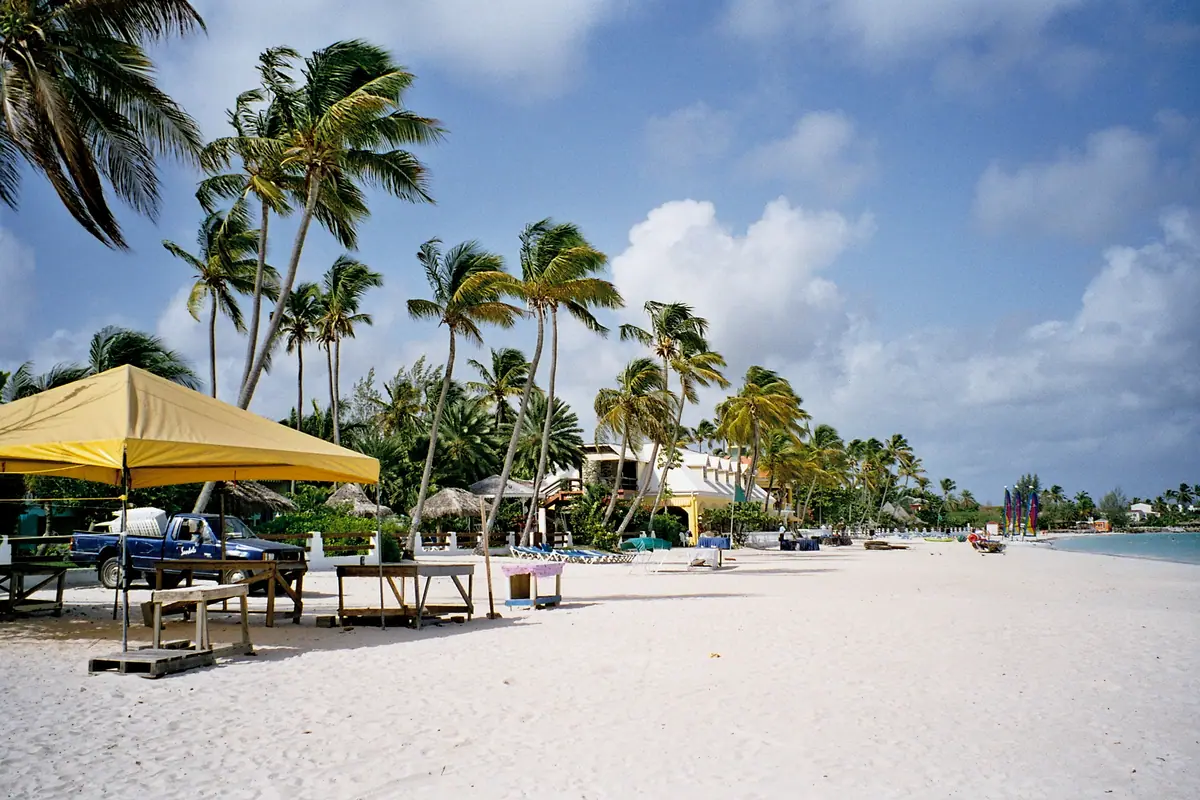
This is Antigua's high season, and it is a genuine phenomenon: northern-hemisphere winter sends everyone in search of sun, flights fill, and the coastal strips at Dickenson Bay, Jolly Beach and Ffryes go from half-occupied to fully booked within a fortnight. The weather rewards them — this is the driest, freshest stretch of the year, with steady breezes and the clearest water for snorkelling around Pigeon Point and the reefs off Cades Bay.
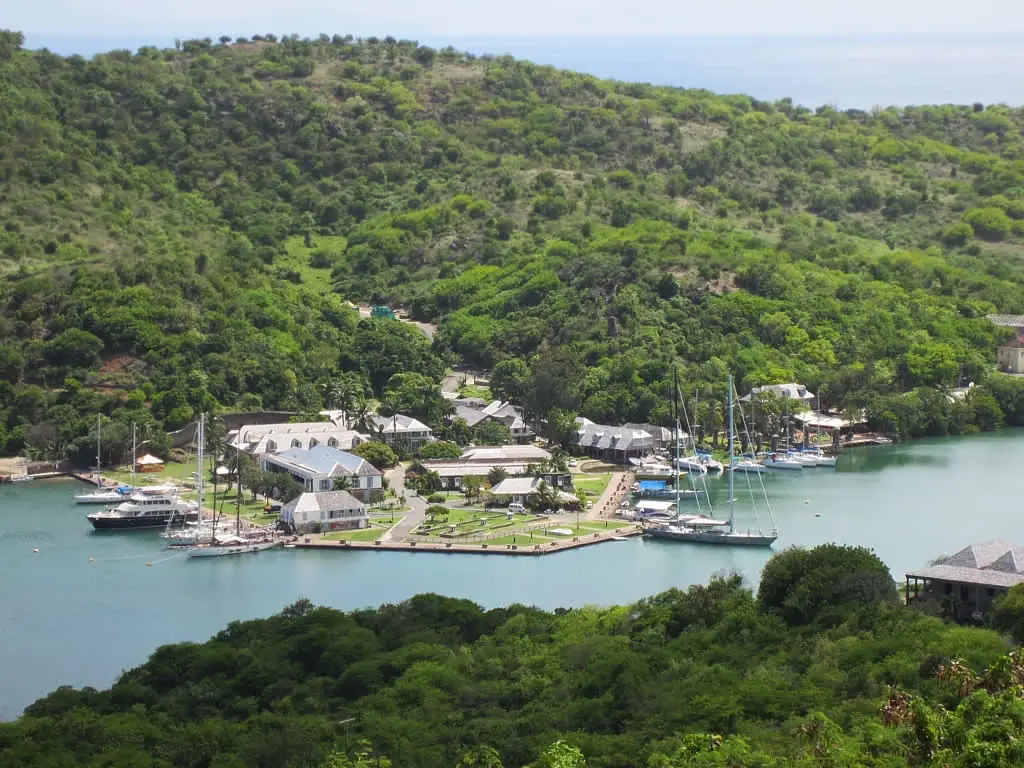
Christmas and New Year are the absolute peak. Large resorts along the northwest coast require long minimum stays, and the best-positioned boutique properties in English Harbour and Falmouth are often committed well over half a year in advance. If your fantasy is waking up on Nelson's Dockyard's doorstep during the festive period, start planning the previous spring — and expect summer-level rates to look like a bargain by comparison.
Late April is a second squeeze, caused not by weather but by sailing. The Classic Yacht Regatta in mid-April and Antigua Sailing Week at the end of the month fill English Harbour and Falmouth with crews, spectators and charter guests. Rooms overlooking the dockyard, and the handful of guesthouses within walking distance of the bars at Nelson's Dockyard, sell out months ahead; book early or accept a base 20 minutes up the road.
The Shoulder Windows: May to June and November
For value and comfort combined, these two windows are the sweet spot, and repeat visitors guard them jealously. May and June bring warmth without the winter crush, a warm sea, and hotel rates that drop noticeably once the sailing crowd disperses. November, once the storm risk has ebbed, delivers a freshly green island — Fig Tree Drive's rainforest tangle, the trails around Wallings Nature Reserve and the hills above Falmouth all look their lush best.
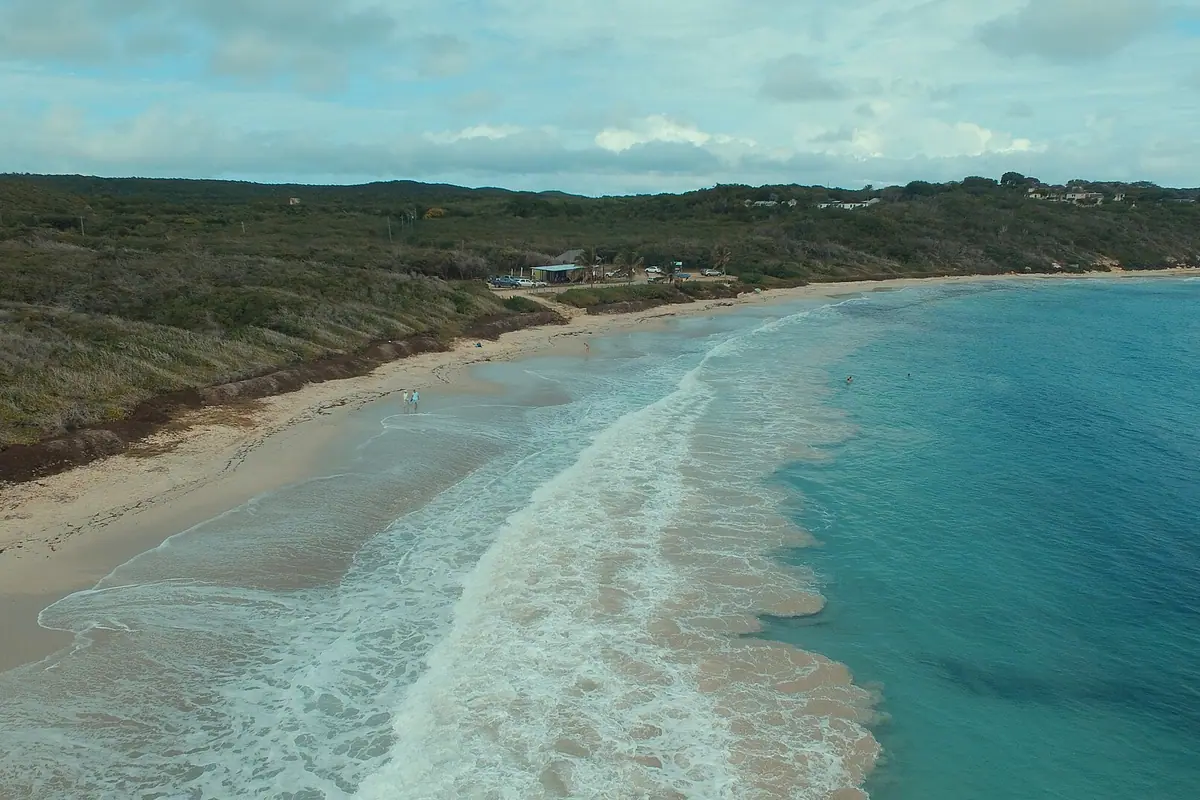
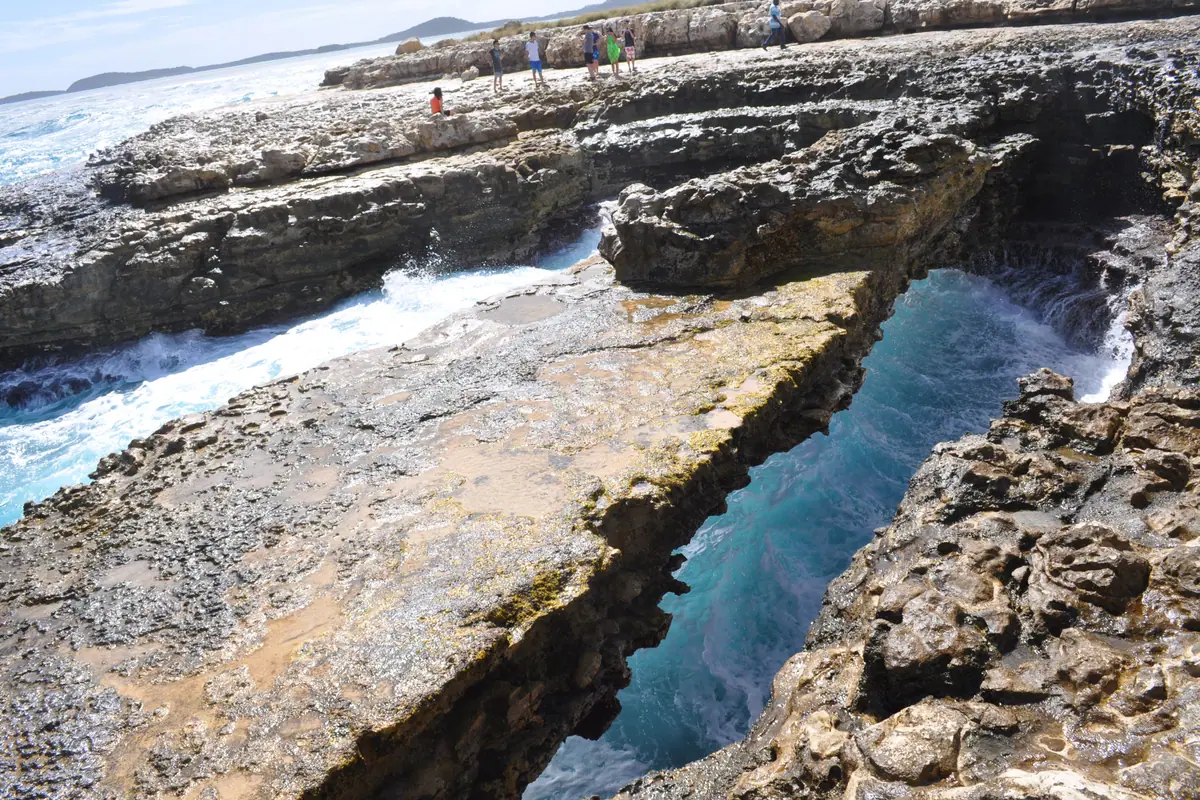
The trade-off in May and June is sargassum, the floating seaweed that drifts across the Atlantic and piles up on windward shores between roughly May and October. Beaches facing east and northeast — Half Moon Bay, Long Bay, the stretch by Devil's Bridge at Indian Town Point — can be affected, while the sheltered west coast at Darkwood, Valley Church and Jolly Beach usually stays clear. Choosing your bay wisely matters more than choosing your month.
November is quieter and slightly cooler, with occasional heavy showers that pass quickly. Some restaurants and smaller guesthouses use the early part of the month to reopen after the autumn break, so check opening dates before committing to a remote base. In exchange you get empty beaches, soft light for photographs at Shirley Heights, and accommodation that is both available and negotiable.
Hurricane Season and the Deep Quiet of September and October
The Atlantic hurricane season officially runs from June to the end of November, with the statistical peak falling between mid-August and mid-October. That does not mean a storm every year — most seasons pass these islands by — but it does mean September and October carry genuine uncertainty, and travel insurance with weather cover is not optional in those months.
What you gain in return is the cheapest accommodation of the year and a version of Antigua that feels almost private. Hotel rates fall sharply, flights are easier to find, and you can have stretches of Runaway Bay or Long Bay largely to yourself. What you lose is choice: a number of small independent hotels, beach bars and Barbuda's handful of properties shut entirely in September and October, and some restaurants in English Harbour close for the season.
If you travel then, stay flexible. Favour larger resorts on the sheltered west coast that remain open year-round, keep an eye on forecasts in the days before departure, and treat any trip as weather-dependent rather than fixed. Late October into early November is the transition point where the risk eases and the island reopens, making it a canny compromise for budget-conscious travellers.
Timing Your Trip Around Antigua's Festivals and Sailing Calendar
Antigua's calendar is unusually eventful for an island its size, and a few dates genuinely reshape hotel demand. February brings the offshore racing fleet to English Harbour for a major Caribbean 600-mile classic, which lifts demand in the south of the island. April is dominated by the Classic Yacht Regatta and then Antigua Sailing Week, when the dockyard at Nelson's Dockyard becomes the social centre of the Caribbean for a week.
Late July into early August is Carnival season, building to J'ouvert in the small hours of Carnival Monday and the costumed parades of Carnival Tuesday through the streets of St. John's. It is loud, hot and wonderful, and it coincides with the most humid part of the year; hotels in the capital and around the airport fill up, so book well ahead if you want to be near the action. Independence Day on 1 November brings its own flags-and-steel-band atmosphere.
Across on Barbuda, Caribana around Whit Monday draws visitors back to the sister island for a few days of music and beach parties — one of the few times the ferry and small-island guesthouses get busy. Year-round, though, the most reliable weekly ritual is Sunday at Shirley Heights Lookout, where the sunset barbecue and steel band above English Harbour have been drawing crowds for decades; arrive by late afternoon for the best spot on the railing.
Where to Base Yourself, and How That Changes the Timing
Your choice of coast is as important as your choice of month. The northwest — Dickenson Bay, Runaway Bay, Fort James — is the calm-water, resort-heavy side, ideal for families and for anyone who wants a swimmable sea in any season. The west and southwest, around Jolly Harbour, Darkwood and Ffryes, blends guesthouses with villa rentals and tends to hold clearer water when sargassum is about. The south, centred on English Harbour and Falmouth, is for sailors, history lovers and anyone who wants Nelson's Dockyard, Clarence House and the Blockhouse ruins within walking distance.
The east and northeast, from Nonsuch Bay up to Half Moon Bay and Long Bay, is breezier and more exposed, with a handful of upscale and self-catering options that suit kitesurfers and those who prize solitude over shelter. In high season these quieter properties are the ones that still have space in January; in September they can be the ones that close.
Barbuda is its own decision. The island's draw is its astonishing Pink Sand Beach — the near-empty eleven-mile strand along the western shore — plus the frigate bird colony in Codrington Lagoon, reached by boat, and the wild caves and cliffs near Two Foot Bay. Accommodation is limited to a small number of low-key hotels and guesthouses, most of which prefer the drier, calmer months from November to April. If Barbuda is the point of your trip rather than a day excursion, book the stay first and build the flights or ferry around it.
Frequently asked questions
What is the cheapest time to stay in Antigua and Barbuda?
September and October are the least expensive months by a wide margin, followed by early November and late May. Rates drop sharply because demand falls away, but you trade certainty of weather for savings, and some independent hotels, beach bars and restaurants close for part of that period — especially in September.
How far ahead should I book a hotel for Christmas in Antigua?
For the festive period, six to twelve months ahead is realistic for the well-located properties on Dickenson Bay and in English Harbour, and many resorts impose minimum-stay requirements over Christmas and New Year. For late April, when the Classic Yacht Regatta and Sailing Week fill the south of the island, aim for four to six months ahead.
Is it worth staying overnight on Barbuda?
Yes, if you want to see the island properly. The Pink Sand Beach and the frigate bird colony in Codrington Lagoon are best experienced early in the morning or late afternoon, when day-trippers have gone. Accommodation is limited, so book the room before you commit to flights or the ferry from Antigua.
What is the weather like in July and August?
Hot and humid, with daytime temperatures around 30–31°C and the warmest sea of the year. Rain usually arrives as short, heavy afternoon showers rather than all-day grey, and the trade winds keep the coast bearable. It is also Carnival season, which fills St. John's and the airport-area hotels.
When is seaweed a problem on Antigua's beaches?
Sargassum is most likely between May and October and drifts onto windward, Atlantic-facing shores such as Half Moon Bay, Long Bay and the coast near Devil's Bridge. The sheltered west coast at Darkwood, Valley Church and Jolly Beach generally stays clearer, which is worth factoring into where you book.
Plan it — hotels in Antigua and Barbuda
Live search, booked directly with trusted providers.
Sort the rest of your trip
Everything for Antigua and Barbuda, in one place
Transfer in Antigua and Barbuda
Private driver waiting on arrival — no queues, no surprises.
Book a transfer
Things to do in Antigua and Barbuda
Skip-the-line tickets, guided tours and standout experiences.
See experiences
Stay online in Antigua and Barbuda
Travel eSIM — data the moment you land, no roaming bills.
Get an eSIM