Antigua and Barbuda is a two-island country where the choice of beach almost matters more than the choice of hotel: calm turquoise bays on the west coast, Atlantic surf on the east, and a sister island to the north where the sand is faintly pink and the streets are almost empty. Pick your coast first, and the right place to sleep tends to follow.
Choosing Your Coast: How the Two Islands Divide Up
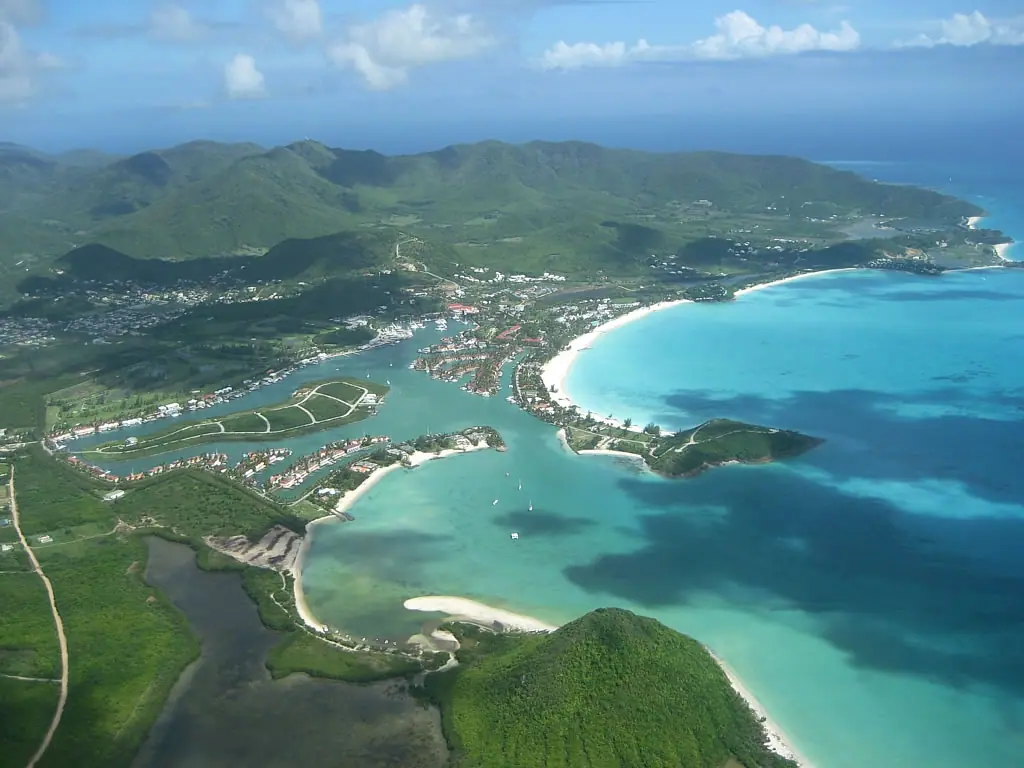
Antigua is small enough to drive across in about 45 minutes, but its coasts feel like different holidays. The leeward, western shore — Dickenson Bay, Runaway Bay, Galley Bay, Jolly Harbour — faces the Caribbean Sea, with bath-warm water, sunsets straight ahead and most of the island's large resorts strung along it. The windward east coast, around Half Moon Bay and Long Bay, takes the Atlantic swell, which means bigger waves, wilder scenery and a handful of smaller, quieter places to stay. The south, around English Harbour and Falmouth Harbour, is the yachting quarter: historic, walkable and busy with sailors from December to May.
The capital, St John's, sits in the northwest, roughly fifteen minutes from V.C. Bird International Airport. That proximity matters. Stay near St John's or Dickenson Bay and you can be sipping rum punch within an hour of landing; stay out at Half Moon Bay or on Barbuda and you add a scenic drive or a short flight to the journey.
Barbuda, 27 miles north, is a different world again: flat, sparsely populated, with one main village, Codrington, and far more birds and donkeys than cars. It rewards travellers who want silence over nightlife — and who don't mind planning meals and boat trips a day ahead.
Resorts and All-Inclusives on the Calm West Coast
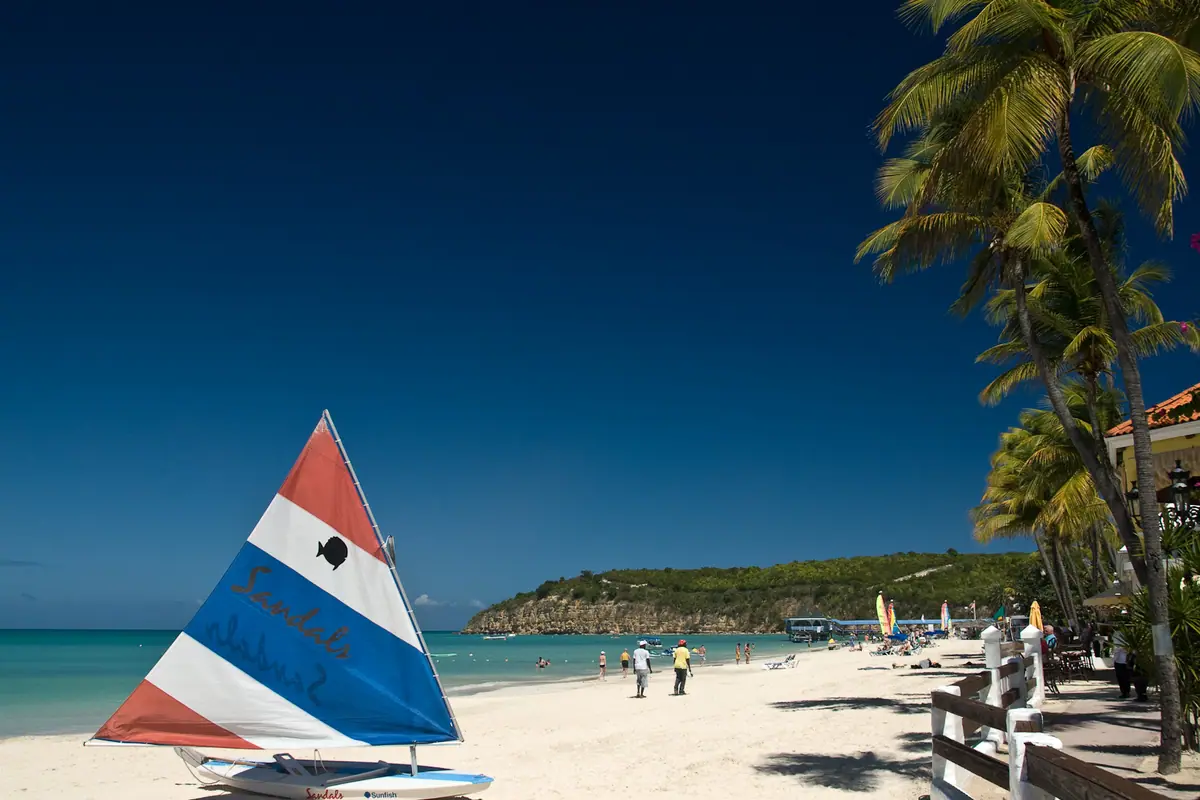
The northwest coast is where Antigua's resort belt sits, and where most first-time visitors end up. Dickenson Bay offers a long sweep of soft sand, calm swimming, watersports and beach bars within walking distance of big all-inclusive properties — handy if you want to eat, drink and sail without ever opening your wallet. Nearby Runaway Bay and Galley Bay are quieter and greener, with low-rise, garden-set resorts that suit couples more than families.
Further south, Jolly Harbour is the practical choice for longer stays and groups. It's a marina village with villas, apartments and self-catering units, a small supermarket, restaurants and a golf course nearby, plus easy access to the west-coast beaches at Ffryes, Darkwood and Turners. Cooking a few of your own meals here genuinely changes the cost of a two-week trip, and the beaches a few minutes down the road are among the island's prettiest.
All-inclusive works best if you're here for a week and want to switch off; if you're staying longer, a bed-and-breakfast or villa with a car gives you access to the island's independent restaurants and beach shacks. Either way, aim for a place with a west-facing terrace — the sunsets over the Caribbean are the free entertainment.
Historic Harbours: Boutique Stays Around English Harbour
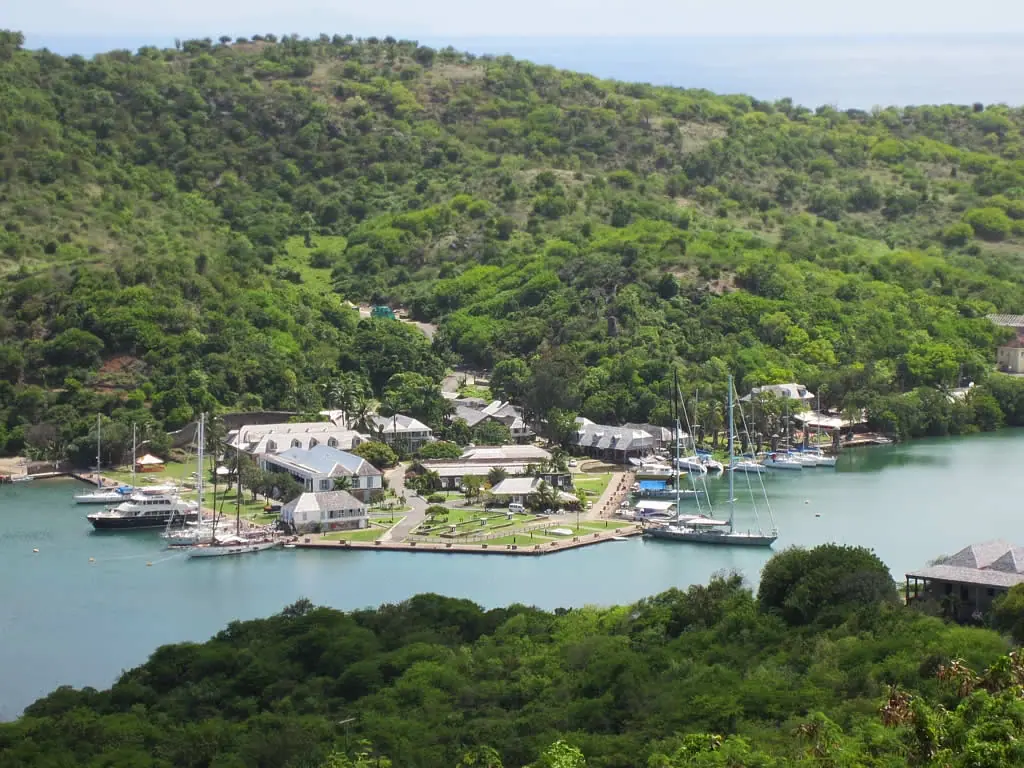
The south coast is Antigua at its most characterful. English Harbour and neighbouring Falmouth Harbour cluster around one of the best-preserved Georgian dockyards anywhere — a grid of stone warehouses, sail lofts, capstans and a harbour that still fills with classic yachts. Staying here means walking to dinner along a working quayside, watching the masts at dusk, and being five minutes from the trail up to Shirley Heights.
Accommodation in this corner is mostly small: boutique inns, restored colonial houses, hillside cottages with harbour views and a few mid-sized hotels on the ridge between the two harbours. Rooms disappear early for Antigua Sailing Week in late April and for the charter season from December through May, so book months ahead if your dates fall in that window.
This is also the best base if you care more about history and food than about a swim-up bar. Nelson's Dockyard is a UNESCO-style set piece of restored naval buildings, but the surrounding streets are lived-in, with bakeries, rum shops and a Saturday produce market. You'll want a car or a willingness to use taxis to reach the beaches on the east coast.
Barbuda: Pink Sand, Frigate Birds and Very Few Hotels
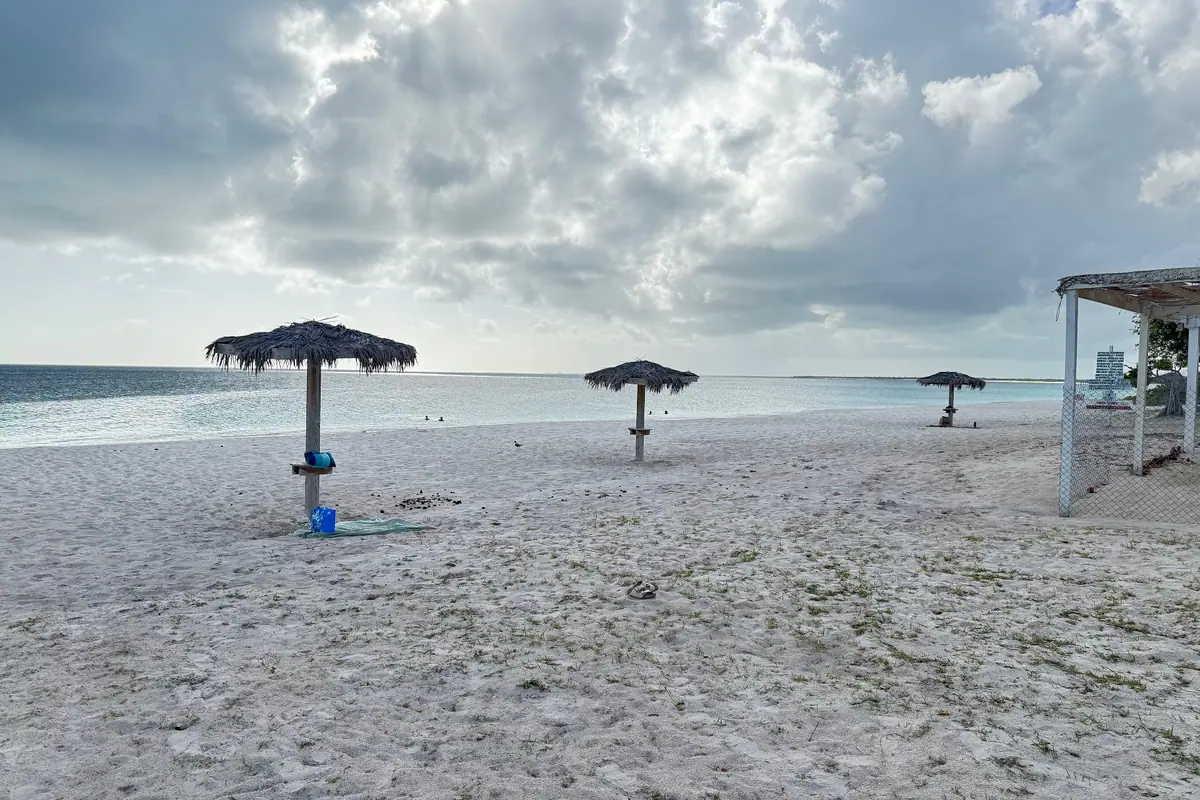
Barbuda is 27 miles north of Antigua and reachable either by a short flight from the international airport or by ferry from St John's, which takes roughly ninety minutes. The island is flat, dry and almost empty — about 60 square miles with a single village and a coastline of near-deserted sand. Its west-coast strand, often called Pink Sand Beach, runs for miles and takes its blush from crushed shell.
Accommodation here is deliberately low-key: a handful of small resorts, guesthouses and villas, no high-rises and no crowds. Because restaurants are few, many stays include meals or arrange them in advance; it's worth confirming before you book. The standout experience is a boat trip into Codrington Lagoon's frigate bird sanctuary, home to one of the largest colonies in the Caribbean. The birds nest from autumn through spring, with the best viewing from around November to March, when the males inflate their scarlet throat pouches.
Barbuda is also the place to slow down: hire a guide to see the lagoon, walk the dunes, snorkel the reefs off the western shore, and ask about the late-spring Caribana festival, which fills Codrington with music and boat races. Infrastructure is still recovering from past hurricane damage in places, so set expectations for simple rather than polished.
The Must-See Landmarks of Antigua and Barbuda
Start with the island's greatest hits. Nelson's Dockyard, in English Harbour, is the country's showpiece: a restored 18th-century naval base where you can wander the officers' quarters, the pillared colonnade and the old capstan house, then eat lunch overlooking the water. Above it, Shirley Heights Lookout is the classic viewpoint, with a panorama over English and Falmouth Harbours and, on clear days, the silhouette of Montserrat. Its Sunday evening barbecue, with steel pan and reggae, is an island institution.
On the Atlantic side, Devil's Bridge is a natural limestone arch near Long Bay, carved by surf and spray, with blowholes that hiss when the swell is up — go early in the morning and wear proper shoes, because the rock is uneven and there's no shade. Half Moon Bay, just south, is the postcard crescent of pale sand and shallow turquoise water, while Great Bird Island, out in the North Sound, is a boat-trip favourite for snorkelling, hiking and views back along the coast.
Inland and in the capital, don't miss Betty's Hope, a restored sugar plantation with twin stone windmill towers, and the Museum of Antigua and Barbuda in St John's old courthouse, which explains the island's colonial and sugar history in an hour. Climb to the twin-towered St John's Cathedral for a view over the city, then explore the restored warehouses and shops of Redcliffe Quay and Heritage Quay. History buffs should add Fort James and Fort Barrington, both free to visit, for harbour views and old cannon. And remember: all beaches in Antigua are public, so every one of the famous 365 is yours, whether or not you're staying at a resort behind it.
When to Go, Getting Around and Booking Sense
High season runs from mid-December to April, when the weather is driest and the island is at its busiest and most expensive; Christmas and New Year are the peak of the peak. May, June and November are the sweet spot — plenty of sunshine, lower rates and space on the sand. The rainy and hurricane season stretches from June to November, with September and October the wettest and most unpredictable months, so travel insurance and flexible bookings are wise then. Two dates shape the calendar: Antigua Sailing Week in late April, which books out the south coast, and Carnival in early August, when St John's fills with parades and music.
Getting around is easiest by car. Antiguans drive on the left, roads are generally good but narrow and potholed in places, and rental agencies issue a temporary local permit on the spot. Taxis are plentiful at the airport, the cruise port and resort strips, with set fares rather than meters; public buses are cheap but slow and thin out in the evening. For Barbuda, decide between the ferry and the short flight, and book both well ahead in high season.
A few practical habits make a stay smoother: reserve restaurants and boat trips to Great Bird Island or Codrington Lagoon a few days in advance, carry small change in East Caribbean dollars (US dollars are widely accepted but change often comes back in EC), and expect many beach bars to close one day a week. Stay on the west coast for easy swimming, the south for history and sailing, and Barbuda for the feeling that you've left the crowds behind entirely.
Frequently asked questions
Which part of Antigua is best for a first visit?
The northwest coast around Dickenson Bay and Runaway Bay is easiest for a first trip: calm water, lots of resorts and restaurants, and only about fifteen minutes from the airport. If you'd rather have history, sailing and a walkable harbour at your doorstep, base yourself around English Harbour instead.
When is the best time to visit Antigua and Barbuda?
Mid-December to April is reliably dry but pricey, while May, June and November offer excellent value with plenty of sun. June to November is the hurricane season, with September and October the wettest and most storm-prone months.
Do I need to rent a car in Antigua?
Not strictly, but it helps a lot. Taxis are plentiful but add up over a week, and public buses are cheap yet slow and limited at night. Renting a car gives you access to quieter beaches like Ffryes, Darkwood and Half Moon Bay, and you'll need a temporary local driving permit, available from the rental agency.
Is Barbuda worth visiting, and should I stay overnight?
Yes. The pink-tinged beach, the frigate bird sanctuary in Codrington Lagoon and the sense of emptiness are unique. A day trip is possible by ferry or short flight, but staying a night or two lets you see the lagoon at the right time of day and actually slow down.
Are Antigua's beaches open to everyone?
All beaches in Antigua are public, including those in front of resorts, so you can visit any of them regardless of where you're staying. Access paths are sometimes unmarked, so ask locally if you can't find the way in.
What should I book ahead in high season?
Rooms for the December-to-April window, especially around Christmas, Sailing Week in late April and Carnival in early August. Also reserve boat trips to Great Bird Island or Barbuda's lagoon, and dinner tables at popular restaurants, a few days in advance.
Plan it — hotels in Antigua and Barbuda
Live search, booked directly with trusted providers.
Sort the rest of your trip
Everything for Antigua and Barbuda, in one place
Transfer in Antigua and Barbuda
Private driver waiting on arrival — no queues, no surprises.
Book a transfer
Things to do in Antigua and Barbuda
Skip-the-line tickets, guided tours and standout experiences.
See experiences
Stay online in Antigua and Barbuda
Travel eSIM — data the moment you land, no roaming bills.
Get an eSIM